The Best Fluffy Pancakes recipe you will fall in love with. Full of tips and tricks to help you make the best pancakes.
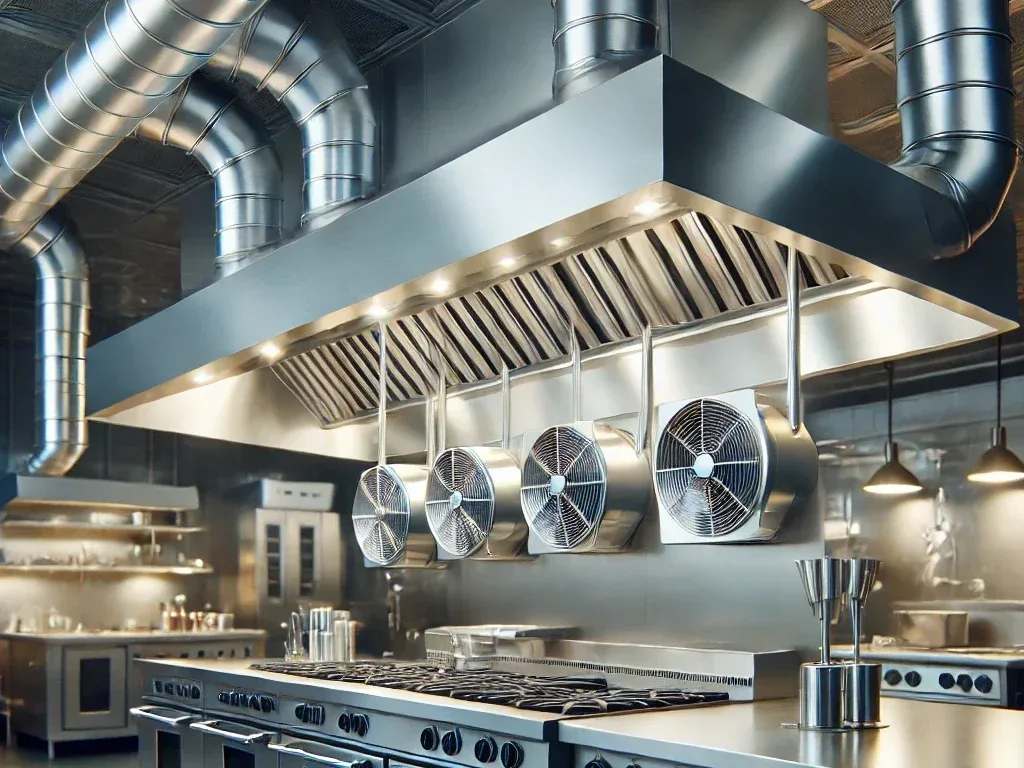
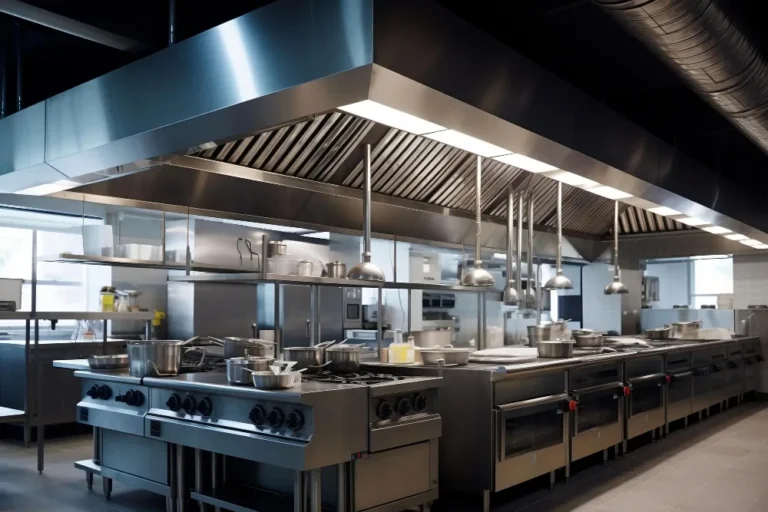
I’ll admit it, I used to think ventilation was just about sucking out smoke and steam. Boy, was I wrong. After watching a line cook at a Nashville hot chicken joint nearly pass out from heat exhaustion last summer (while the hood system hummed uselessly overhead), I realized most of us treat kitchen ventilation like a set-it-and-forget-it appliance. Spoiler alert: It’s not. It’s the difference between a kitchen that runs like a well-oiled machine and one that’s a fire hazard, health violation, or energy money pit.
Here’s the thing: optimizing commercial kitchen ventilation isn’t just about compliance, it’s about safety (ever seen a grease fire spread because the suppression system failed?), efficiency (your HVAC bill is probably 20% higher than it needs to be), and staff retention (chefs quit over bad airflow faster than they quit over bad pay). And yet, most operators I talk to only think about their hoods when the health inspector shows up or when the fire marshal slaps them with a violation.
This isn’t a dry technical manual. I’ve spent the last six months digging into this, talking to HVAC engineers, fire safety experts, and chefs who’ve worked in everything from food trucks to Michelin-starred kitchens. I’ve also made mistakes (like assuming a bigger CFM always means better ventilation, it doesn’t). By the end of this, you’ll know:
- How to right-size your system (because oversized is just as bad as undersized).
- The hidden costs of poor ventilation (hint: it’s not just energy bills).
- Why makeup air is the most misunderstood part of the equation.
- How to future-proof your setup for new cooking tech (like induction or combi ovens).
- The one maintenance task 90% of kitchens skip (and how it’s costing them).
Let’s start with the brutal truth: Your kitchen’s ventilation system is either saving you money or bleeding you dry, and you probably don’t even know which.
The Silent Killer: Why Most Kitchens Have Terrible Ventilation (And Don’t Realize It)
I walked into a high-end steakhouse in downtown Nashville last month and immediately noticed two things: the air smelled like charred meat (good), and my eyes started stinging within 10 minutes (very bad). The GM proudly told me they’d just installed a “state-of-the-art” hood system. Problem? It was sized for a fast-casual burger joint, not a kitchen running six charbroilers at once. The system was “working”-just not for them.
This is the first myth we need to bust: Ventilation isn’t about removing smoke, it’s about controlling heat, grease, moisture, and airborne contaminants. A system that can’t handle all four is failing, even if it “passes inspection.” Here’s what most operators miss:
- Heat buildup: Ever wonder why your AC can’t keep up? Poor ventilation forces your HVAC to work overtime. I’ve seen kitchens where the hoods were pulling out air faster than the makeup air could replace it, creating negative pressure that sucked in unconditioned air from outside. Result? The AC ran 24/7, and the electric bill looked like a phone number.
- Grease accumulation: That shiny new hood isn’t doing its job if the ducts are caked with grease. NFPA 96 (the fire code bible) says ducts should be “clean to bare metal”-but I’ve seen “clean” ducts that had a quarter-inch of grease slime. That’s not just a fire hazard; it’s a liability lawsuit waiting to happen.
- Moisture control: Steam isn’t just annoying, it’s corroding your equipment and creating slip hazards. Ever slipped on a kitchen floor that felt like an ice rink? That’s condensation from poor ventilation.
- Air quality: CO2 levels above 1,000 ppm make people drowsy. I’ve measured levels over 2,000 ppm in busy kitchens. No wonder the line cooks look like zombies by the end of service.
Here’s the kicker: Most ventilation problems are invisible until they’re catastrophic. A grease fire, a failed health inspection, or a walkout from your best cook because they can’t breathe. So how do you know if your system is failing? Look for these red flags:
- The kitchen feels like a sauna, even when it’s 40°F outside.
- Your hood filters are caked with grease after every shift.
- The fire suppression system has gone off “just in case” more than once.
- Staff complain of headaches or nausea (CO or poor airflow).
- Your energy bills spike during peak service hours.
If any of these sound familiar, your ventilation isn’t just inefficient, it’s actively hurting your business.
The CFM Trap: Why Bigger Isn’t Always Better
I used to think the solution to ventilation problems was simple: more CFM (cubic feet per minute). Just crank up the exhaust, and everything’s fixed, right? Wrong. Oversizing your system is like using a firehose to water a garden, it creates new problems:
- Energy waste: A system with too much CFM pulls out conditioned air faster than necessary, forcing your HVAC to work harder. I’ve seen kitchens where the hoods were pulling out 50% more air than required, adding thousands to annual energy costs.
- Negative pressure: If your exhaust outpaces makeup air, you create a vacuum that can:
- Make doors hard to open (ever struggled with a kitchen door that feels like it’s sealed shut?)
- Pull combustion gases back into the kitchen from water heaters or boilers (hello, carbon monoxide risk).
- Disrupt the performance of gas appliances (poor combustion = inefficient cooking).
- Grease buildup: High-velocity airflow can actually increase grease deposition in ducts if the system isn’t balanced. The grease particles get slammed into duct walls instead of being carried out.
So how do you right-size your system? It starts with understanding your kitchen’s actual demands. Here’s what you need to calculate:
- Heat load: BTUs from all cooking equipment (charbroilers, fryers, ovens). A single charbroiler can generate 50,000–100,000 BTUs/hour.
- Grease production: Fryers and grills produce the most grease-laden vapor. The more you have, the more capture velocity you need.
- Kitchen layout: Is your cooking line against a wall or an island? Island hoods require more CFM because they’re exposed on all sides.
- Local codes: NFPA 96 and IMC (International Mechanical Code) set minimum requirements, but some municipalities have stricter rules.
Rule of thumb: For most commercial kitchens, you need 100–150 CFM per linear foot of hood. But this varies wildly. A pizza oven might need 200 CFM/ft, while a low-volume prep area could get by with 50 CFM/ft. Pro tip: If you’re unsure, hire a certified kitchen ventilation designer (yes, that’s a real job). They’ll use software like AutoCAD MEP or Revit to model airflow patterns. It’s worth the $500–$1,500 fee to avoid a $50,000 mistake.
Makeup Air: The Invisible Hero (Or Villain) of Your Kitchen
Here’s where most operators’ eyes glaze over. Makeup air is the air that replaces what your hoods exhaust. And if you’re not controlling it, it’s controlling you, usually by sucking money out of your wallet.
I visited a brewery in East Nashville that had a “state-of-the-art” ventilation system, but no makeup air strategy. Result? Every time the hoods kicked on, the kitchen became a wind tunnel. The solution? They installed makeup air units (MAUs) with heating/cooling coils. Cost: $12,000. Annual savings: $8,000 in energy costs and a 30% drop in staff complaints about “feeling like they’re working in a hurricane.”
Here’s what you need to know about makeup air:
- It must match exhaust CFM: For every CFM your hoods pull out, you need to supply 1 CFM of makeup air. Otherwise, you create negative pressure (see: doors that won’t open, CO risks).
- It needs to be conditioned: If you’re pulling in unheated air in winter or uncooled air in summer, your HVAC system will scream in protest. Solution: Integrate makeup air with your HVAC or use dedicated MAUs with heating/cooling.
- Placement matters: Makeup air should enter the kitchen low and slow-near the floor, away from exhaust hoods, and at a velocity of 200–400 fpm (feet per minute). Blasting it in at high speed creates turbulence that disrupts hood capture.
- Filters are non-negotiable: If you’re pulling air from outside, you must filter it. Otherwise, you’re pumping dust, pollen, and exhaust fumes straight into your kitchen.
The $10,000 Mistake: Where Most Kitchens Screw Up Makeup Air
I’ll never forget the call I got from a friend who runs a BBQ joint in Texas. His energy bills had doubled after installing a new ventilation system. Turns out, his contractor had installed uncoupled makeup air-meaning the makeup air wasn’t tied to the exhaust system. So when the hoods weren’t running, the makeup air was still blasting, and when the hoods were running, there wasn’t enough makeup air to balance the exhaust. Result: A kitchen that was either a sauna or a wind tunnel, and an electric bill that looked like a mortgage payment.
The fix? A demand-controlled ventilation (DCV) system that links exhaust and makeup air. Here’s how it works:
- Sensors monitor temperature, humidity, and particulate levels in the kitchen.
- The exhaust fans adjust speed based on real-time demand (e.g., slower during prep, faster during peak service).
- Makeup air automatically matches the exhaust rate, maintaining neutral pressure.
Cost: Adding DCV to an existing system runs $3,000–$10,000, depending on kitchen size. Payback period: Usually 1–3 years from energy savings alone. And the intangible benefits? Huge. No more staff quitting because they’re “sick of feeling like they’re working in a desert” (actual quote from a line cook).
Grease: The Silent Arsonist in Your Ducts
Let’s talk about the elephant in the room: grease. It’s not just a cleaning nuisance, it’s a fire accelerant. The NFPA reports that one in four restaurant fires starts in the duct system, and the average cost of a restaurant fire is $23,000 (not including lost business during downtime).
I toured a kitchen in Atlanta that had a “minor” grease fire. The fire itself was out in minutes, but the smoke damage shut them down for three weeks. The owner told me, “I thought we were cleaning the hoods enough. Turns out, the ducts were a tinderbox.”
Here’s the hard truth: If you’re not cleaning your ducts to bare metal every 3–6 months (depending on volume), you’re playing with fire. And no, wiping down the hood filters isn’t enough. Grease vaporizes, condenses in the ducts, and builds up like plaque in an artery. NFPA 96 standards say:
- Monthly: Inspect hoods, filters, and ducts for grease buildup.
- Quarterly (low-volume) or Monthly (high-volume): Clean hoods, filters, and accessible ductwork.
- Semi-annually: Full duct cleaning by a certified exhaust system cleaner (look for IKECA certification).
The Grease Cleaning Method You’re Probably Using Wrong
Most kitchens use one of three methods to “clean” grease:
- Pressure washing: Effective but messy. If not done correctly, it can push grease further into the ducts.
- Steam cleaning: Great for degreasing but can warp metal if the tech isn’t careful.
- Chemical cleaning: Fast, but some chemicals leave residues that can contaminate food or corrode ducts.
The gold standard? Hot water pressure washing with a degreaser, followed by a video inspection to confirm the ducts are clean to bare metal. Cost: $300–$800 per cleaning for a standard kitchen. Cost of a grease fire: $23,000+. You do the math.
Pro tip: If your cleaning company isn’t providing before-and-after photos or a written certification of compliance with NFPA 96, fire them. You’re not paying for a cleaning, you’re paying for fire prevention.
The Hidden Costs of Poor Ventilation (Hint: It’s Not Just Energy Bills)
Most operators focus on the obvious costs of bad ventilation, higher energy bills, failed inspections. But the hidden costs are what really kill profitability. Let’s break them down:
1. Staff Turnover: The $5,000-per-Cook Problem
I talked to a chef in Chicago who quit a high-paying job because “the kitchen felt like a torture chamber.” The hoods weren’t capturing heat, so the line regularly hit 110°F+. Result? The restaurant lost three cooks in two months, costing them $15,000+ in recruitment and training.
Thermal comfort matters. OSHA recommends keeping kitchen temps below 90°F, but I’ve measured temps over 120°F in poorly ventilated kitchens. At that point, cognitive function drops, mistakes increase, and morale plummets. Solution? Ensure your ventilation system is removing heat at the source (e.g., heat-recovery hoods that capture and exhaust heat before it spreads).
2. Equipment Lifespan: Why Your Fryer Dies Young
Excess heat and moisture don’t just make people miserable, they destroy equipment. Here’s how:
- Fryers: Overheating causes oil to break down faster, requiring more frequent changes ($$$).
- Refrigeration: Condensers work harder in hot kitchens, shortening their lifespan.
- Electronics: POS systems, scales, and even oven controls fail prematurely in high-heat environments.
I visited a seafood restaurant in Miami where the owner was replacing fryers every 18 months instead of the usual 5–7 years. Root cause? The ventilation system wasn’t removing steam, so the fryers were constantly exposed to corrosive saltwater vapor. Fix? They installed stainless steel hoods with vapor panels and added dehumidifiers to the makeup air. Result? Fryer lifespan doubled.
3. Food Safety: The Mold You Can’t See
Poor ventilation creates microclimates where bacteria and mold thrive. Ever had a health inspector shut you down for “unknown black spots” in your walk-in? That’s often mold spores spread by uncontrolled airflow.
Critical control points:
- Positive pressure in prep areas: Your walk-in and prep stations should have slightly higher pressure than the kitchen to prevent contaminated air from entering.
- HEPA filters in makeup air: If you’re pulling air from outside, filter out spores and pollutants.
- Humidity control: Keep relative humidity below 60% to inhibit mold growth. Use desiccant dehumidifiers if needed.
Future-Proofing: How to Design for Tomorrow’s Kitchen Today
Here’s a question I ask every operator: What will your kitchen look like in 5 years? If you’re still using the same ventilation system, you’re already behind. New cooking technologies (induction, combi ovens, sous vide) and sustainability demands (energy recovery, heat reuse) are changing the game.
1. Induction Cooking: The Ventilation Game-Changer
Induction cooktops are 80–90% more energy-efficient than gas, but they don’t produce combustion byproducts (like CO or NOx). Does that mean you can downsize your ventilation? Maybe, but it’s tricky.
Key considerations:
- Induction still produces heat and steam, so you need capture velocity (the speed at which air is pulled into the hood). Aim for 100–150 fpm at the cooking surface.
- You can often reduce CFM by 30–50% compared to gas, but you cannot eliminate hoods entirely (steam and particulate matter still need to be removed).
- Check local codes, some jurisdictions still require full ventilation for induction because of steam and grease (if you’re searing meats).
Real-world example: A hotel in Denver switched from gas to induction and cut their ventilation CFM from 5,000 to 3,000. Annual savings: $12,000 in energy costs. But they had to rebalance the makeup air to avoid negative pressure issues.
2. Heat Recovery: Turn Your Exhaust into a Revenue Stream
Most kitchens treat exhausted air as waste. Big mistake. With a heat recovery ventilator (HRV), you can capture up to 70% of the heat from your exhaust and use it to preheat makeup air or water.
How it works:
- Hot exhaust air passes through a heat exchanger.
- Incoming makeup air absorbs the heat before entering the kitchen.
- Result: Your HVAC system doesn’t have to work as hard to condition the air.
Payback period: Typically 2–4 years. Bonus: Some utilities offer rebates for HRV installations (check DSIRE for local incentives).
3. Smart Hoods: The IoT Revolution in Ventilation
I’ll be honest, I was skeptical about “smart hoods” until I saw one in action at a test kitchen in Austin. These systems use sensors and AI to:
- Adjust fan speeds in real-time based on cooking activity.
- Alert you when filters are clogged or ducts need cleaning.
- Integrate with fire suppression systems for faster response.
Brand to watch: Halton’s M.A.R.V.E.L. system. It’s pricey ($15,000–$30,000 for a full setup), but the energy savings and risk reduction can justify the cost for high-volume kitchens.
The One Maintenance Task 90% of Kitchens Skip (And How It’s Costing Them)
I asked a ventilation contractor what the #1 mistake he sees is. His answer? “Nobody checks the belt tension on their exhaust fans.”
Here’s why it matters:
- Loose belts reduce fan efficiency by up to 30%, meaning your system isn’t moving as much air as it should.
- Over-tightened belts wear out bearings and can cause motor failure.
- A snapped belt during service = no ventilation until it’s fixed (and good luck getting a tech out on a Friday night).
Monthly maintenance checklist (do this or pay the price):
- Inspect belts: They should have ½ inch of play when pressed. Replace if cracked or frayed.
- Lubricate bearings: Use food-grade lubricant (like NSF H1-rated grease).
- Check fan blades: Clean off grease buildup (it throws off balance and reduces airflow).
- Test fire suppression: Pull the manual release to ensure the system engages.
- Calibrate sensors: If you have DCV, ensure CO2/temperature sensors are accurate.
Pro tip: Keep a spare belt and motor on site. When a fan fails, you want to be back up in minutes, not days.
DIY vs. Pro: When to Call in the Experts
I get it, every dollar counts, and hiring a ventilation specialist feels like an unnecessary expense. But here’s the thing: The cost of a professional design is a fraction of the cost of a system that doesn’t work.
When to DIY:
- Replacing filters or belts.
- Basic cleaning (hood surfaces, grease traps).
- Adjusting fan speeds (if you have a manometer to measure pressure).
When to call a pro:
- System design or resizing: If you’re adding equipment or rearranging your kitchen, a certified kitchen ventilation designer is non-negotiable.
- Duct cleaning: Unless you have IKECA-certified staff, leave this to the pros.
- Fire suppression testing: This isn’t just about cleaning, it’s about life safety.
- Energy audits: A certified energy auditor can find savings you didn’t know existed.
How to find a good contractor:
- Look for IKECA certification (International Kitchen Exhaust Cleaning Association).
- Ask for references from similar kitchens (a contractor who does great work in a diner might not understand a high-volume steakhouse).
- Get multiple quotes-but don’t just go with the cheapest. Ask about warranties and post-install support.
The 5-Minute Ventilation Audit: How to Spot Problems Before They Spot You
You don’t need a degree in mechanical engineering to assess your ventilation. Here’s a 5-minute checklist to identify red flags:
- Stand under the hood: Can you feel airflow pulling smoke/steam upward? If not, your capture velocity is too low.
- Check the filters: If they’re saturated with grease after one shift, your CFM is insufficient or your filters are the wrong type (switch to baffle filters for high-grease areas).
- Open the back door: Does it feel like it’s suctioned shut? That’s negative pressure-your exhaust is overpowering makeup air.
- Listen to the fans: Squealing or rattling means bearings or belts need attention.
- Smell the air: If you detect gas or chemical odors, your ventilation isn’t containing combustion byproducts.
- Watch the staff: Are they constantly wiping sweat? That’s a heat removal failure.
If you spot two or more of these issues, your system needs attention-now.
Final Thoughts: The Kitchen Ventilation Paradox
Here’s the irony: The better your ventilation, the less you notice it. When it’s working perfectly, the air feels clean, the temperature is comfortable, and the hoods quietly do their job. But when it’s failing, it’s all anyone can talk about, the heat, the smoke, the grease, the headaches.
So here’s your challenge: Pick one thing from this article and fix it this week. Maybe it’s scheduling a duct cleaning, adjusting your makeup air, or just replacing a worn belt. Small changes compound. And in a year, you might just have a kitchen that runs smoother, costs less to operate, and, most importantly, doesn’t make your staff want to quit.
Or, you know, you could wait until the health inspector shuts you down. Your call.
FAQ
Q: How often should I clean my kitchen hoods and ducts?
A: It depends on your volume, but here’s the NFPA 96 baseline:
- Monthly: Inspect hoods, filters, and accessible ducts.
- Quarterly (low-volume) or Monthly (high-volume): Clean hoods and filters.
- Semi-annually: Full duct cleaning by a certified pro. High-volume kitchens (like 24-hour diners or charbroiler-heavy spots) may need quarterly duct cleaning. If you’re frying a lot, assume you’re in the high-volume category.
Pro tip: If your filters are visibly greasy before the next scheduled cleaning, you’re waiting too long.
Q: Can I reduce my ventilation if I switch to electric or induction cooking?
A: Maybe, but not as much as you think. Induction and electric cooktops don’t produce combustion byproducts, but they do generate heat and steam. Key rules:
- You can often reduce CFM by 30–50% compared to gas, but you cannot eliminate hoods entirely (steam and particulates still need capture).
- Check local codes-some jurisdictions still require full ventilation for electric equipment, especially if you’re searing or frying.
- If you’re doing high-moisture cooking (like steaming or boiling), you may need additional dehumidification in your makeup air.
Bottom line: Get a professional load calculation before downsizing. I’ve seen kitchens switch to induction, cut their CFM too much, and end up with steam clouds that trigger fire alarms.
Q: What’s the most common ventilation mistake you see in restaurants?
A: Ignoring makeup air. Most operators focus on exhaust but forget that every CFM pulled out must be replaced. Common screw-ups:
- No makeup air at all: Creates negative pressure, leading to CO backdrafting, doors that won’t open, and HVAC overload.
- Unconditioned makeup air: Pulling in freezing or scorching air makes your HVAC work overtime.
- Poor placement: Makeup air should enter low and slow (near the floor, away from exhaust hoods). Blasting it in at ceiling level creates turbulence that disrupts hood capture.
Quick fix: If you don’t have dedicated makeup air, at least crack a window during peak cooking times to relieve negative pressure. It’s not ideal, but it’s better than nothing.
Q: How can I reduce my ventilation energy costs without sacrificing performance?
A: Start with these low-hanging fruit:
- Demand-controlled ventilation (DCV): Uses sensors to adjust fan speeds based on actual cooking activity. Can cut energy use by 30–50%.
- Heat recovery: Install a heat recovery ventilator (HRV) to capture waste heat from exhaust and use it to preheat makeup air or water.
- Variable-speed fans: Replace single-speed fans with EC (electronically commutated) motors, which adjust speed based on demand.
- Seal ducts: Leaky ducts can lose 20–30% of airflow. Use UL-listed duct sealant to plug gaps.
- Regular maintenance: A dirty filter can increase fan energy use by 50%. Clean or replace filters monthly.
Biggest bang for your buck? DCV + heat recovery. I’ve seen kitchens cut their ventilation energy costs by 60% with these two upgrades.
@article{optimizing-commercial-kitchen-ventilation-the-unseen-backbone-of-safety-and-efficiency-and-why-youre-probably-doing-it-wrong,
    title   = {Optimizing Commercial Kitchen Ventilation: The Unseen Backbone of Safety and Efficiency (And Why You’re Probably Doing It Wrong)},
    author  = {Chef's icon},
    year    = {2025},
    journal = {Chef's Icon},
    url     = {https://chefsicon.com/optimizing-commercial-kitchen-ventilation-for-safety-and-efficiency/}
}