The Best Fluffy Pancakes recipe you will fall in love with. Full of tips and tricks to help you make the best pancakes.
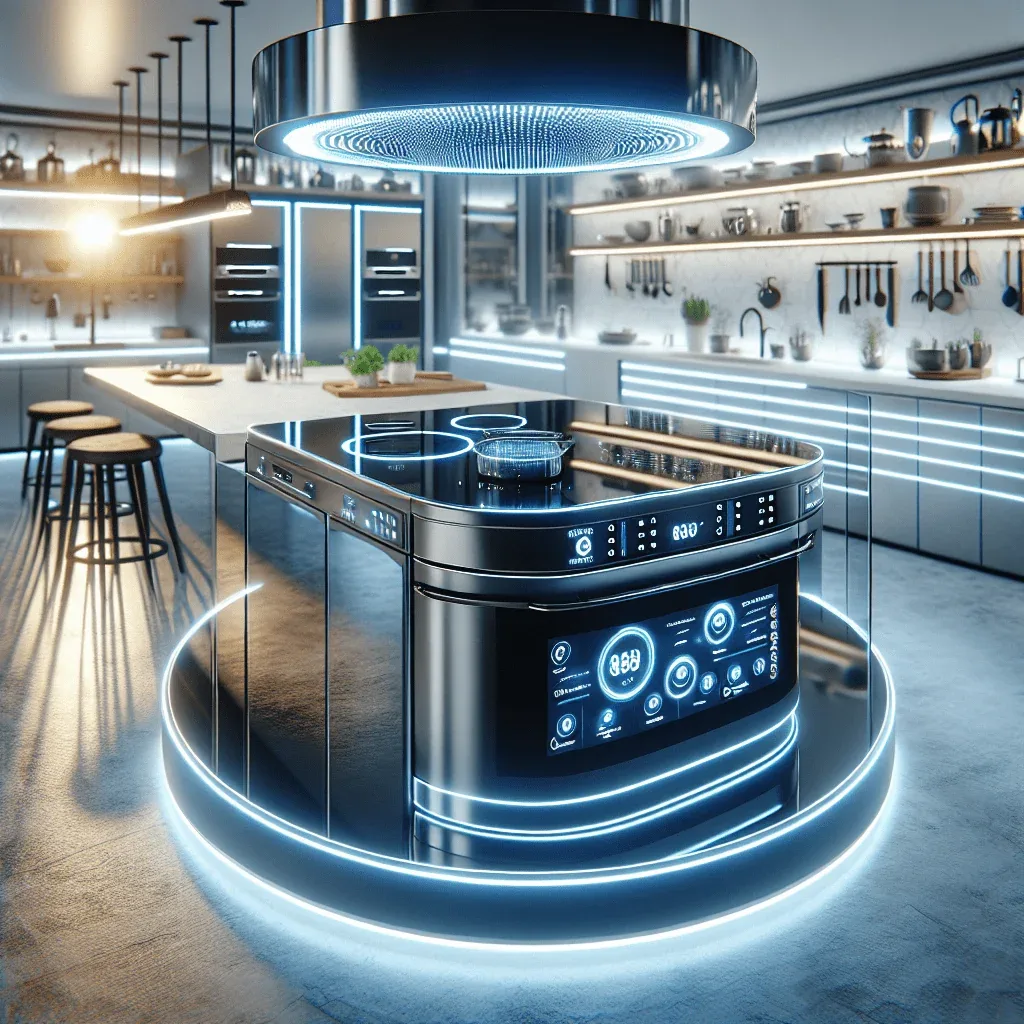
I’ll admit it, I was late to the smart kitchen party. For years, I rolled my eyes at the idea of a fridge that could tweet (yes, that was a real thing in 2018) or an oven that needed a software update. But then, last winter, I burned an entire batch of holiday cookies because I got distracted by a work call, and my dumb, analog oven just… let it happen. No warnings, no mercy. That’s when I started wondering: What if my kitchen could actually work *with* me instead of against me?
Fast-forward to now, and my Nashville kitchen looks like something out of a sci-fi movie, except, you know, with more biscuit crumbs and Luna (my rescue cat) judging me from the counter. I’ve tested, cursed at, and ultimately fallen in love with a handful of smart appliances that genuinely make cooking easier, faster, and, dare I say, more fun. But here’s the thing: Not all smart kitchen gadgets are created equal. Some are game-changers. Others are just expensive paperweights with Wi-Fi.
So today, I’m breaking down the best smart kitchen appliances of 2025-the ones that earn their keep, the ones that are overhyped, and the dark horse picks you haven’t heard of yet. Whether you’re a home cook who just wants to avoid burning dinner or a tech nerd who geeks out over IoT integration, this guide is for you. And yes, I’ll tell you which ones I’d actually spend my own money on (and which ones I’ve already returned).
One quick note before we dive in: I’m not here to sell you on the idea of a “fully connected” kitchen where your toaster and blender gossip about your eating habits. Smart kitchen tech should solve real problems, not create new ones. So let’s cut through the marketing fluff and talk about what actually matters: Does this thing make your life better? And is it worth the price?
-
The Smart Kitchen Landscape in 2025: What’s Changed (And What Hasn’t)
First, let’s talk about where we are in 2025. Smart kitchen appliances aren’t new, but they’ve evolved a lot in the past few years. Remember when the biggest selling point of a smart fridge was that it had a touchscreen to display your calendar? Yeah, we’ve moved past that. Now, the best smart appliances are focusing on:
- True automation: Appliances that don’t just connect to your phone but actually do things for you, like adjusting cook times based on humidity or preheating when they detect you’re on your way home.
- Seamless integration: No more juggling 17 different apps. The best ecosystems (like Samsung’s SmartThings or GE’s Kitchen Hub) now let you control everything from one place, sometimes even with voice commands that actually work.
- AI that’s useful, not gimmicky: We’re past the era of “AI” meaning a chatbot that suggests you make meatloaf every Tuesday. Now, we’re seeing appliances that learn your habits, suggest recipes based on what’s in your fridge, and even adjust cooking methods for dietary restrictions.
- Energy efficiency: With energy costs still fluctuating, smart appliances that optimize power usage aren’t just convenient, they’re cost-saving. Some newer models can even sync with your home’s solar panels or time-of-use rates to run during off-peak hours.
But here’s the kicker: Not every “smart” appliance is worth the upgrade. I’ve tested plenty that felt like they were solving problems I didn’t have. (Do I reallyeed a coffee maker that texts me when my brew is ready? No, Karen, I do not.) So in this guide, I’m focusing on the appliances that pass what I call the “Sammy Test”:
- Does it save me time?
- Does it make cooking easier or more precise?
- Does it integrate with my existing setup without being a pain?
- Is the “smart” functionality actually smart, or is it just a gimmick?
- Is the price justified by the value it adds?
With that in mind, let’s dive into the best smart kitchen appliances of 2025-starting with the ones that’ll give you the biggest bang for your buck.
-
The Must-Have Smart Appliances of 2025 (Ranked by Actual Usefulness)
1. Smart Ovens: The Game-Changer You Didn’t Know You Needed
If you’re only going to splurge on one smart kitchen appliance, make it a smart oven. I was skeptical at first, how much smarter can an oven really be? but after testing the June Oven (4th Gen) and the GE Profile Smart Built-In Wall Oven, I’m a convert. Here’s why:
- Automatic food recognition: Both the June and GE models use cameras and AI to identify what you’re cooking (yes, even if it’s just a sad frozen pizza) and suggest the perfect cook time and temperature. The June even adjusts mid-cook if it notices something browning too fast.
- No preheating (sometimes): The June’s “Fast Preheat” feature gets the oven to temp in under 3 minutes, and for some dishes, it skips preheating entirely. That’s a huge time-saver when you’re hangry.
- Remote control and monitoring: Forgot to turn off the oven? Check the app. Want to start dinner while you’re still at the grocery store? Done. The GE model even integrates with Google Assistant and Alexa for voice control that actually works (unlike my first-gen smart microwave, which misunderstood “two minutes” as “twenty minutes” and nearly ruined my lunch).
- Air frying and dehydrating: Both models double as air fryers, and the June has a dehydrator function that’s surprisingly good for making jerky or drying herbs.
But here’s where I’m torn: The June is a countertop model (great for renters or small kitchens), while the GE is a built-in (better for remodels). The June is also way easier to set up, just plug it in and go. The GE, on the other hand, requires professional installation, which adds to the cost. If you’re renting or not ready to commit to a built-in, the June is the clear winner. If you’re remodeling, the GE’s integration with other smart appliances (like their smart range) might be worth the extra hassle.
Price range: $299 (June) to $3,500+ (GE built-in). Yeah, that’s a big spread. But consider this: A good smart oven can replace your toaster, air fryer, and dehydrator, so it might actually save you money in the long run.
2. Smart Refrigerators: Beyond the Gimmicks
Smart fridges have been around for a while, but most of them were all sizzle and no steak, literally. Remember the Samsung Family Hub fridge with the giant touchscreen that mostly just displayed ads? Yeah, we’ve come a long way since then. The 2025 models are actually useful, but you’ve got to know what to look for.
After testing the LG Instaview ThinQ, Samsung Bespoke 4-Door Flex, and Bosch 800 Series, here’s what I’ve learned:
- Inventory tracking that works: The LG and Samsung models now use weight sensors and AI to track what’s inside. No more guessing if you’re out of milk, it’ll tell you. The Bosch takes it a step further by suggesting recipes based on what’s about to expire. (Pro tip: If you’re single, this feature will save you from throwing out half your groceries.)
- Energy savings: All three models have adaptive defrost and smart cooling that adjusts based on usage patterns. The Samsung even has a “Vacation Mode” that minimizes energy use when you’re away.
- Entertainment (yes, really): The Samsung’s screen can mirror your TV, play music, or display recipes. Is this necessary? No. Is it fun when you’re marinating chicken and want to watch The Bear? Absolutely.
- Customization: The Samsung Bespoke lets you swap out panels to match your kitchen’s aesthetic, which is a nice touch if you’re picky about design.
But here’s the catch: Most of these features require you to actually use the app. If you’re the type of person who ignores app notifications, you might not get the full value. Also, the LG’s knock-to-see feature (where you knock twice to see inside without opening the door) is cool, but it’s also the kind of thing you’ll show off to guests exactly once and then forget about.
Who should buy one? If you’re someone who:
- Often forgets groceries or lets food spoil,
- Entertains frequently and wants to keep drinks chilled at the perfect temp,
- Has a big kitchen and wants a statement piece,
- Doesn’t mind paying a premium for convenience,
…then a smart fridge might be worth it. If you’re just looking for a place to keep your beer cold, a regular fridge will do fine.
Price range: $2,500–$6,000. Ouch. But if you’re already remodeling, the Samsung Bespoke’s modular design lets you start with a smaller unit and expand later.
3. Smart Cooktops and Ranges: Precision Cooking Without the Stress
I’ll be honest: I was terrified of induction cooktops. The idea of cooking with magnets sounded like something out of a bad sci-fi movie. But after testing the GE Profile Smart Induction Cooktop and the Bosch 800 Series Induction Range, I’m a convert. Here’s why:
- Instant heat control: Induction heats up way faster than gas or electric, and it cools down just as fast. No more waiting for the burner to heat up or worrying about residual heat burning your food.
- Precision cooking: Both models have temperature probes that connect to the app, so you can monitor your steak’s internal temp without opening the oven. The Bosch even has a “PerfectBake” feature that adjusts time and temp automatically for cakes and bread.
- Safety: Induction only heats the pan, not the cooktop, so it’s safer if you’ve got kids or pets (or if you’re just clumsy, like me). The GE model has a child lock and an auto-shutoff if it detects no activity.
- Easy cleaning: Since the cooktop doesn’t get as hot, spills don’t burn on. A quick wipe, and it’s good as new.
But, because there’s always a but-induction requires compatible cookware. If you’ve got a set of cheap stainless steel pots, they might not work. (Pro tip: Check for the induction symbol on the bottom.) Also, the learning curve is real. The first time I used the Bosch, I accidentally set the timer for 4 hours instead of 4 minutes. My poor Brussels sprouts.
Who should buy one? If you:
- Cook a lot and want more control,
- Have kids or pets and want a safer cooktop,
- Are willing to invest in new cookware if needed,
- Hate scrubbing burnt-on food,
…then induction is worth the switch. If you’re a casual cook or love your gas range, you might not see enough benefit to justify the cost.
Price range: $1,500–$3,500 for a range; $1,000–$2,500 for a cooktop. Not cheap, but if you’re already upgrading, it’s a solid investment.
4. Smart Dishwashers: Because Nobody Actually Enjoys Doing Dishes
Look, I get it. Dishwashers aren’t the sexiest smart appliance. But after testing the Bosch 800 Series and the LG ThinQ Dishwasher, I can confidently say: A smart dishwasher is one of those things you didn’t know you needed until you have it.
Here’s what sets them apart:
- Auto-dosing detergent: Both models have built-in detergent dispensers that release the perfect amount based on how dirty your dishes are. No more guessing or wasting pods.
- Leak detection: The Bosch has a leak sensor that shuts off the water if it detects a problem. If you’ve ever come home to a flooded kitchen, you’ll appreciate this.
- Quiet operation: Both are under 40 dB, which means you can run them overnight without waking up the whole house.
- Remote start and monitoring: Forgot to start the dishwasher before bed? No problem. The LG even has a “TurboWash” mode that cleans dishes in under an hour.
- Self-cleaning filters: No more scrubbing gross food bits out of the filter. The Bosch’s “CrystalDry” feature also uses zeolite minerals to dry dishes completely, even plastics.
The only downside? The smart features are mostly about convenience, not revolution. If you’re happy with your current dishwasher, you might not see enough of a difference to justify the upgrade. But if you’re in the market for a new one anyway, the smart features are a nice bonus.
Price range: $1,000–$2,000. Not a small investment, but if you’re remodeling, it’s worth considering.
5. Smart Coffee Makers: For Those Who Take Their Caffeine Seriously
I have a confession: I used to be a coffee snob. Pour-over, manually ground beans, the whole nine yards. Then I got busy, and my fancy setup started collecting dust. Enter the Breville Barista Touch Impress and the Ninja Smart Coffee Maker, two smart coffee makers that have changed my morning routine for the better.
Here’s why they’re worth it:
- Customizable brews: The Breville has pre-programmed settings for espresso, latte, cappuccino, and more, and it remembers your favorites. The Ninja lets you adjust strength, size, and even bloom time for pour-over style coffee.
- App control: Both connect to an app where you can schedule brews, adjust settings, and even get maintenance alerts. The Breville’s app also has tutorials for perfecting your milk frothing technique.
- Self-cleaning: The Breville has an auto-clean function that reminds you to descale and even walks you through the process. No more guessing when it’s time for maintenance.
- Voice control: The Ninja works with Alexa and Google Assistant, so you can say, “Hey Google, brew me a cup of coffee,” and it’ll start. Is this lazy? Yes. Is it awesome? Also yes.
But, because there’s always a but-the Breville is expensive ($1,300+), and the Ninja’s app can be glitchy. If you’re not a coffee obsessive, a simpler smart coffee maker like the Hamilton Beach Smart Coffee Maker (which has basic scheduling and strength control) might be enough.
Who should buy one? If you:
- Drink coffee daily and want café-quality brews at home,
- Are tired of waiting for your pour-over to drip,
- Want to wake up to fresh coffee without setting an alarm,
- Don’t mind spending a bit more for convenience,
…then a smart coffee maker is a great investment. If you’re happy with your $20 drip machine, you might not see the appeal.
Price range: $100–$1,500. The Ninja is around $200, while the Breville is a splurge.
6. Smart Sous Vide: Restaurant-Quality Cooking at Home
Sous vide used to be something only serious home chefs or restaurant pros bothered with. But with smart sous vide machines like the Anova Precision Cooker and the Breville Joule, it’s never been easier, or more accessible.
Here’s why I love them:
- Perfect results every time: Sous vide cooks food to the exact temperature you want, so no more overcooked steaks or dry chicken. The Anova and Joule both have built-in recipes and guides to help you get started.
- App control: Both connect to an app where you can monitor and adjust the cook from anywhere. The Joule even has a “Visual Doneness” feature that shows you what your food will look like at different temps.
- Compact and easy to store: Unlike a bulky smoker or deep fryer, these are small enough to tuck away when not in use.
- Versatility: You can cook everything from steak to eggs to custard. I’ve even used mine to make perfectly poached pears for dessert.
The only downside? It’s not fast. Sous vide is about slow, precise cooking, so if you’re in a hurry, this isn’t the tool for you. Also, you’ll need a vacuum sealer (or a good zip-top bag technique) to get the best results.
Who should buy one? If you:
- Love cooking but hate the guesswork,
- Want restaurant-quality meals at home,
- Enjoy experimenting with new techniques,
- Don’t mind waiting for perfect results,
…then a smart sous vide is a fantastic addition to your kitchen.
Price range: $150–$300. The Anova is around $200, while the Joule is slightly more compact and often on sale for under $200.
7. Smart Air Fryers: Crispy, Healthy(ish) Food with Minimal Effort
Air fryers were everywhere a few years ago, but the new smart models, like the Ninja Foodi SmartLid and the Cosori Pro LE-take the concept to the next level. Here’s why they’re worth considering:
- Multi-functionality: The Ninja SmartLid does pressure cooking, air frying, steaming, and more-all in one appliance. It’s like an Instant Pot and air fryer had a baby.
- App-controlled cooking: Both have apps with hundreds of recipes, and you can start or monitor cooks from your phone. The Cosori even has a “Shake Reminder” so you don’t forget to toss your fries.
- Smart sensors: The Ninja adjusts cook times based on the food’s weight and type, so you don’t have to guess. No more burnt chicken wings!
- Easy cleanup: Both have non-stick, dishwasher-safe baskets. The Cosori’s basket is also larger than most, so you can cook more at once.
The downside? They take up counter space, and if you already have an Instant Pot or air fryer, you might not need the upgrade. But if you’re in the market for a multi-cooker, the Ninja SmartLid is a fantastic all-in-one solution.
Price range: $100–$250. The Cosori is around $120, while the Ninja is closer to $200 but offers more functions.
8. Smart Scales: The Secret Weapon for Bakers and Meal Preppers
I used to think smart scales were unnecessary, until I tried the Escali Primo and the Drop Connect. Now, I don’t know how I baked without them.
Here’s why they’re a game-changer:
- Precision baking: Both scales connect to apps with thousands of recipes that adjust ingredient amounts in real-time. No more guessing if you’ve added enough flour.
- Nutrition tracking: The Drop Connect syncs with MyFitnessPal and other apps to track macros and calories as you cook. If you’re meal prepping or counting macros, this is a huge time-saver.
- Tare function: Both have one-touch tare buttons, so you can measure multiple ingredients in one bowl without dirtying extra dishes.
- Voice guidance: The Drop app gives you step-by-step voice instructions as you cook, which is great if you’re following a complex recipe.
The only catch? You have to use the app. If you’re someone who prefers cooking by feel, a smart scale might not be for you. But if you love baking or meal prepping, it’s a total game-changer.
Price range: $50–$100. The Escali is around $60, while the Drop is closer to $100 but has more app integrations.
9. Smart Blenders: Smoothies, Soups, and Sauces Made Easy
Blenders aren’t the first thing you think of when you hear “smart kitchen,” but the Vitamix Ascent A3500 and the Ninja Foodi Power Pitcher are changing the game. Here’s why:
- Auto-adjusting speeds: The Vitamix has sensors that detect the container size and adjust blending speeds for perfect results every time. No more over- or under-blending.
- Pre-programmed settings: Both have one-touch buttons for smoothies, soups, nut butters, and more. The Ninja even has a “Power Pitcher” mode for crushing ice without watering down your drink.
- Self-cleaning: The Vitamix has a self-cleaning mode-just add water and soap, and it cleans itself in 30 seconds. Magic.
- App integration: The Vitamix app has hundreds of recipes, and you can control the blender remotely. (Yes, you can start your smoothie from bed. No judgment.)
The downside? They’re expensive. The Vitamix is $600+, and the Ninja is around $200. But if you use your blender daily, the convenience might be worth it.
Who should buy one? If you:
- Make smoothies, soups, or sauces regularly,
- Hate cleaning your blender,
- Want consistent results without guessing,
- Don’t mind investing in a high-quality appliance,
…then a smart blender is a great addition to your kitchen.
10. Smart Trash Cans: Yes, Really
I know, I know-a smart trash can? Hear me out. The SimpleHuman Sensor Can and the Ninestars DZT-50-9 might seem like overkill, but they’re surprisingly useful.
Here’s why:
- Motion-activated lid: No more touching the lid with gross hands. The lid opens when you wave your hand (or foot, in the Ninestars’ case).
- Odor control: Both have built-in carbon filters to keep smells at bay. The SimpleHuman also has a “SilentClose” lid that doesn’t slam shut.
- App alerts: The Ninestars connects to an app that reminds you to take out the trash or replace the bag. It’s a small thing, but it’s one less thing to remember.
- Durability: Both are made of stainless steel and designed to last. No more flimsy plastic cans that crack after a year.
Is this a must-have? No. But if you’re someone who hates taking out the trash (or forgets to do it until it’s overflowing), a smart can is a small upgrade that makes daily life a little easier.
Price range: $100–$250. The SimpleHuman is around $150, while the Ninestars is closer to $200 but has more smart features.
-
The Smart Kitchen Appliances That Aren’t Worth It (Yet)
Not every smart kitchen appliance is a winner. Some are overhyped, some are poorly executed, and some are just… unnecessary. Here are the ones I’d skip in 2025:
1. Smart Microwaves
Look, I get the appeal: A microwave that can scan a barcode and cook your frozen meal perfectly! But in reality, most smart microwaves (like the Amazon Basics Microwave or the GE Smart Countertop Microwave) are glorified timers with Alexa built in. The “smart” features are usually limited to voice control (which is hit-or-miss) and a few pre-programmed settings. Save your money and get a good dumb microwave instead.
2. Smart Toasters
Yes, they exist. No, you don’t need one. The Revolution Toaster and the Breville Smart Toaster have fancy features like “lift and look” (where the toast pops up so you can check it without stopping the cycle), but let’s be real: Toasting bread is not a complex task. A $30 toaster will do the job just fine. The only exception? If you’re really into artisanal bread and want precise browning control, the Breville might be worth it. But for most people, it’s overkill.
3. Smart Slow Cookers
Slow cookers are already pretty dumb-proof: You throw in ingredients, set the timer, and walk away. Adding “smart” features (like the Crock-Pot Smart Slow Cooker) doesn’t add much value. The app control is nice if you’re away from home, but honestly, most slow cooker meals can handle an extra 30 minutes if you’re running late. Not worth the premium price.
4. Smart Ice Makers
Unless you’re running a home bar or entertaining constantly, a smart ice maker (like the GE Opal) is a luxury, not a necessity. Yes, it’s cool that it can make nugget ice or sync with your phone, but a $20 ice tray works just fine for most people. The only exception? If you’re a cocktail enthusiast and want perfectly clear ice spheres on demand, then maybe. But for the average person? Skip it.
5. Smart Water Dispensers
Devices like the Bevi Smart Water Dispenser are neat, they track your water intake, flavor your water, and even remind you to hydrate, but they’re also expensive and bulky. Unless you’re really struggling to drink enough water, a Brita filter and a reusable bottle will do the trick.
-
How to Build a Smart Kitchen Without Breaking the Bank
If you’re excited about smart kitchen appliances but don’t want to drop $10K on a full upgrade, here’s how to prioritize:
Step 1: Start with the Basics
Focus on appliances that’ll give you the most bang for your buck:
- A smart oven (like the June) or smart cooktop (like the GE induction) for precision cooking.
- A smart fridge (if you’re already in the market for one) for food tracking and energy savings.
- A smart coffee maker (like the Ninja) for daily convenience.
Step 2: Look for Multi-Function Appliances
Appliances that do double (or triple) duty save money and counter space. Examples:
- The Ninja Foodi SmartLid (pressure cooker + air fryer + steamer).
- The Breville Joule (sous vide + slow cooker functions).
- The Vitamix Ascent (blender + food processor + self-cleaning).
Step 3: Prioritize Integration
If you’re building a smart kitchen, stick to one ecosystem (like Samsung SmartThings, GE Kitchen Hub, or LG ThinQ) to avoid app overload. Mixing brands can lead to compatibility issues and frustration.
Step 4: Wait for Sales
Smart appliances often go on sale during:
- Black Friday/Cyber Monday
- Prime Day (if you’re shopping on Amazon)
- End-of-year clearance (December–January)
- Memorial Day/Labor Day (for big-ticket items like fridges and ranges)
Step 5: Consider Refurbished or Open-Box
Websites like Best Buy Outlet, Amazon Warehouse, and manufacturer refurbished stores (like LG’s or Samsung’s) often have smart appliances at a fraction of the cost. Just make sure they come with a warranty.
Step 6: Start Small
If you’re not ready to commit to a smart fridge or oven, try a smaller appliance first, like:
- A smart scale (Escali Primo, ~$60)
- A smart plug (to turn your regular coffee maker on/off remotely, ~$20)
- A smart meat thermometer (like the Meater, ~$100)
These give you a taste of smart kitchen convenience without a huge investment.
-
The Future of Smart Kitchens: What’s Coming in 2026 and Beyond
Smart kitchen tech is evolving fast. Here’s what I’m keeping an eye on for the next few years:
1. AI-Powered Meal Planning
Imagine your fridge scanning its contents, checking your calendar, and suggesting a meal plan for the week, then sending the grocery list to your phone. Companies like Samsung and LG are already working on this, and I expect it to become mainstream by 2026.
2. More Voice and Gesture Control
Voice control is already here, but it’s clunky. The next gen will likely include gesture control (wave your hand to adjust the oven temp) and better voice recognition (so it understands “preheat to 375” even if you’re across the room).
3. Enhanced Energy Efficiency
With energy costs still a concern, expect to see more appliances that:
- Sync with smart grids to run during off-peak hours.
- Use AI to optimize energy use (e.g., adjusting fridge temps based on usage patterns).
- Integrate with home solar systems to maximize efficiency.
4. Health and Diet Tracking
Future smart kitchens will likely include:
- Nutrient scanners that analyze the nutritional content of your meals.
- Allergen detection to warn you if a food contains something you’re allergic to.
- Personalized meal suggestions based on your health goals (e.g., low-carb, high-protein).
5. Augmented Reality Cooking
Companies like IKEA and Microsoft are experimenting with AR glasses that guide you through recipes step-by-step, overlaying instructions onto your field of vision. It’s like having a personal chef whispering in your ear, without the judgment when you mess up.
Will all of these become mainstream? Maybe, maybe not. But one thing’s for sure: The smart kitchen of the future will be less about gimmicks and more about genuine convenience and personalization.
-
Final Thoughts: Is a Smart Kitchen Worth It?
After testing dozens of smart kitchen appliances over the past year, here’s my honest take: A smart kitchen isn’t for everyone, but for the right person, it’s a total game-changer.
If you:
- Love cooking but hate the guesswork,
- Want to save time and reduce food waste,
- Are tech-savvy and enjoy integrating devices,
- Are remodeling or upgrading appliances anyway,
…then investing in smart appliances is absolutely worth it. They’ll make your life easier, your cooking more precise, and your kitchen more efficient.
But if you:
- Are happy with your current appliances,
- Don’t cook often,
- Find tech overwhelming or frustrating,
- Are on a tight budget,
…then you might not see enough value to justify the cost. And that’s okay! Not every kitchen needs to be “smart.”
For me, the biggest wins have been the smart oven (no more burnt cookies), the smart fridge (no more forgotten groceries), and the smart coffee maker (no more groggy mornings). The rest? Nice-to-haves, but not essential.
So, where should you start? Pick one appliance that solves a real problem for you-whether it’s burning dinner, forgetting groceries, or just wanting a better cup of coffee, and go from there. You don’t need to overhaul your entire kitchen at once. (Trust me, your wallet will thank you.)
And remember: The best smart kitchen is the one that works for you. Not the one that looks the coolest in a tech blog’s photoshoot. Now, if you’ll excuse me, I’ve got to go check on my sous vide steak before Luna decides it’s her dinner.
-
FAQ: Your Smart Kitchen Questions, Answered
Q: Do smart kitchen appliances require a strong Wi-Fi connection?
A: Yes, most do. If your Wi-Fi is spotty, you might run into issues with app connectivity or voice control. A mesh Wi-Fi system (like Google Nest or Eero) can help ensure coverage throughout your kitchen. Some appliances (like the June Oven) have offline modes, but you’ll lose some functionality.
Q: Are smart appliances secure? Can they be hacked?
A: It’s a valid concern. While no device is 100% hack-proof, most reputable brands (like Samsung, LG, GE, and Breville) have strong encryption and regular security updates. To stay safe:
- Always use a strong, unique password for your appliance’s app.
- Keep your firmware updated.
- Avoid connecting to public Wi-Fi networks.
- Check for two-factor authentication options.
Honestly, the risk of your fridge being hacked is pretty low compared to, say, your laptop or phone. But it’s still good to take basic precautions.
Q: Can I mix and match smart appliances from different brands?
A: You can, but it’s not always seamless. Some brands (like Samsung and LG) play nicely with Google Assistant and Alexa, so you can control them with voice commands even if they’re not from the same brand. However, if you want deep integration (like your fridge talking to your oven), you’ll have better luck sticking to one ecosystem. For example, Samsung’s SmartThings platform lets you control multiple Samsung appliances from one app, while GE’s Kitchen Hub does the same for GE appliances.
Q: Are smart appliances worth it for renters?
A: It depends! If you’re in a rental, focus on portable or countertop smart appliances, like:
- June Oven (countertop)
- Anova Precision Cooker (sous vide)
- Ninja Foodi SmartLid (multi-cooker)
- Escali Primo (smart scale)
- SimpleHuman Sensor Can (smart trash can)
These can move with you and don’t require permanent installation. Avoid built-in appliances (like smart ranges or fridges) unless you’re sure you’ll stay in your rental long-term or your landlord is okay with upgrades.
@article{the-2025-smart-kitchen-revolution-a-no-bs-guide-to-appliances-that-actually-work-and-which-ones-arent-worth-your-money,
    title   = {The 2025 Smart Kitchen Revolution: A No-BS Guide to Appliances That Actually Work (And Which Ones Aren’t Worth Your Money)},
    author  = {Chef's icon},
    year    = {2025},
    journal = {Chef's Icon},
    url     = {https://chefsicon.com/best-smart-kitchen-appliances-guide/}
}