The Best Fluffy Pancakes recipe you will fall in love with. Full of tips and tricks to help you make the best pancakes.
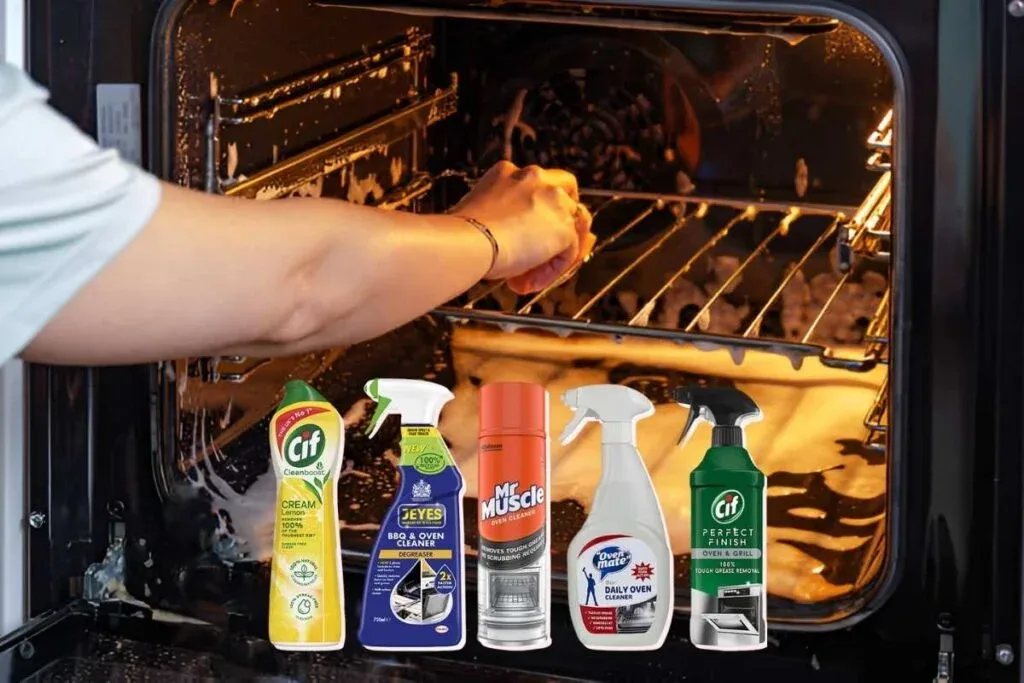
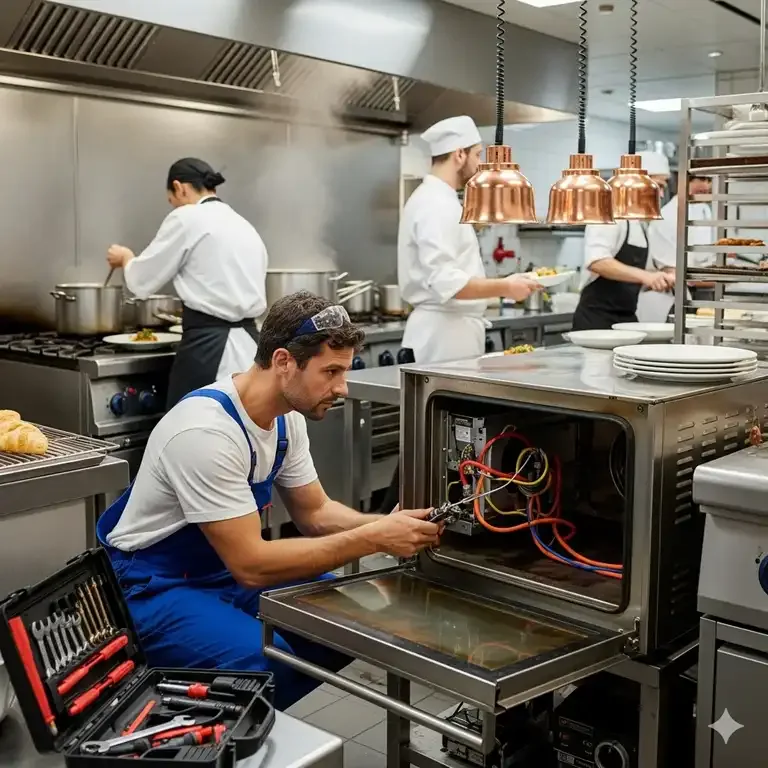
Let me start with a confession: I used to think all commercial oven cleaners were basically the same. A spray, some scrubbing, maybe a prayer to the kitchen gods, and boom, good as new. Then I moved to Nashville, took over operations at a friend’s food truck park, and spent three weekends in a row wrestling with what I can only describe as industrial-grade carbonized regret inside a convection oven that hadn’t been properly cleaned since, I kid you not, the Obama administration.
That’s when I learned the hard way that not all oven cleaners are created equal. Some will dissolve grease like it’s warm butter. Others will leave you with a chemical burn and a lingering sense of betrayal. And if you’re running a commercial kitchen, whether it’s a high-volume bakery, a ghost kitchen, or a food truck, using the wrong product isn’t just inefficient. It’s a health code violation waiting to happen, a waste of labor hours, and, frankly, a sign you’re not respecting your equipment (or your staff).
So today, we’re diving deep. I’ve tested way too many cleaners over the past year, talked to chefs who’ve been in the trenches for decades, and even cornered a few chemical engineers at a trade show to ask, “Why does this stuff either work miracles or make me want to cry?” By the end of this, you’ll know:
- Which cleaners actually break down carbonized grease without requiring a chisel
- How to match a cleaner to your oven type (because, spoiler, convection vs. deck ovens are not the same beast)
- The truth about “eco-friendly” options, are they worth the trade-offs?
- Pro tips to cut your cleaning time in half (and why you’re probably over-scrubbing)
- What the OSHA and NSF certifications actually mean for your kitchen
Fair warning: I’m going to get opinionated. Some of these products are overhyped. Some are underrated gems. And a few? Well, let’s just say I’ve got feelings. But I’ll also tell you where I might be wrong, because if there’s one thing I’ve learned, it’s that commercial kitchens are full of strong opinions and even stronger grease stains.
-
The 10 Commercial Oven Cleaners That Actually Work (And 3 That Don’t)
1. The Heavy Hitters: When You Need to Dissolve Years of Neglect
Look, if your oven looks like it survived a grease fire and lost, you don’t need a “gentle” cleaner. You need chemical warfare. These are the products that’ll make you question why you ever let it get this bad in the first place.
Ecolab Oven & Grill Cleaner (Pink Stuff): This is the gold standard for a reason. It’s a gel, so it clings to vertical surfaces instead of dripping everywhere, and it turns carbonized grease into something resembling wet cardboard. I’ve seen it tackle oven interiors that looked like they’d been through a BBQ apocalypse. The catch? It’s caustic as hell. Gloves, goggles, and ventilation are non-negotiable. Also, it’s not cheap, about $30 per gallon, but when you’re facing a health inspector in 48 hours, it’s worth every penny.
ProChem Oven & Grill Cleaner: Similar to Ecolab but with a slightly less aggressive scent (which matters when you’re cleaning for hours). It’s NSF-certified, so it’s safe for food-contact surfaces after rinsing. The foam applicator is a game-changer for deck ovens where you need to get into every crevice. Downside? It’s thirsty. You’ll go through more of it than you expect for heavily soiled ovens.
Zep Heavy-Duty Oven & Grill Cleaner: The budget-friendly option that punches above its weight. It’s not as fast-acting as Ecolab, but for regular maintenance (not disaster recovery), it’s solid. Smells like a chemistry lab exploded, though, so open a window. I’ve used this in food trucks where space is tight and ventilation is… optimistic. It works, but don’t expect miracles on decade-old grime.
Wait, should I be worried about the fumes? Yes. All of these are alkaline or solvent-based, meaning they’re ot something you want to breathe in. If your kitchen isn’t well-ventilated, consider a respirator mask, not just a flimsy paper one. And for the love of all that’s holy, don’t mix these with other cleaners. Chlorine gas is not a fun way to learn about chemistry.
2. The “Eco-Friendly” Contenders: Do They Actually Work?
Here’s where things get controversial. I’ll admit, I was skeptical. “Eco-friendly” and “commercial oven cleaner” feel like oxymorons. But after testing a few, I’m mostly converted. Mostly.
Simple Green Industrial Oven & Grill Cleaner: This is the one that surprised me. It’s on-caustic, non-toxic, and biodegradable, but it still packs a punch. It won’t melt through layers of grease like Ecolab, but for weekly maintenance, it’s fantastic. The citrus scent is a nice change from the usual chemical assault. Downside? It requires more elbow grease for tough jobs. If you’re dealing with a pizza oven that’s seen 10,000 pies, you’ll need to pre-soak or scrub harder.
EcoLab’s EcoSure Oven Cleaner: Yes, Ecolab again, but this is their “greener” line. It’s NSF-certified and phosphate-free, which matters if you’re in a city with strict wastewater regulations (looking at you, Portland and Berkeley). It’s gentler on skin but slower-acting. I’d recommend this for bakeries or pastry kitchens where the buildup is mostly flour and sugar, not charred meat residue.
Puracy Natural Oven Cleaner: This is the one I wanted to love but ultimately didn’t. It’s plant-based, smells like lavender, and is safe enough to use without gloves. But here’s the thing: it’s ot for commercial kitchens. It’s great for your home oven if you clean it monthly. For a restaurant? You’ll spend hours scrubbing. I tried it on a lightly used convection oven, and it was… fine. But if you’re dealing with daily high-heat cooking, this isn’t your workhorse.
So, are eco-friendly cleaners worth it? It depends. If you’re in a low-volume kitchen or prioritize staff safety over speed, yes. If you’re running a 24/7 diner with ovens that look like they’ve seen war crimes? Stick to the heavy hitters and mitigate the risks with proper PPE.
3. The Specialty Picks: For When Your Oven Isn’t “Normal”
Not all ovens are created equal. A wood-fired pizza oven has different needs than a combi steamer, and a rotisserie oven is its own special circle of cleaning hell. Here’s what works for the outliers.
For Wood-Fired/Pizza Ovens: Thermador Oven Cleaner (High-Temp Formula): These ovens get ash, soot, and carbon buildup that’s almost like cement. Thermador’s formula is designed for high-heat environments and won’t damage the refractory materials. It’s pricey, but if you’ve ever tried to scrape off pizza stone residue with a putty knife, you’ll understand why it’s worth it.
For Combi Steamers: Diversey Care Oven Cleaner (Low-Foam): Steam ovens need a cleaner that won’t leave residue that’ll turn into steam-contaminated food. This one’s low-foam, rinses clean, and won’t clog your drainage system. It’s also gentler on the stainless steel interiors, which is critical when you’re dealing with high humidity.
For Rotisserie Ovens: Weiman Stainless Steel Cleaner + Oven Off Heavy Duty: Rotisserie ovens are a nightmare because grease drips everywhere. I use a two-step process here: first, Oven Off to break down the grease, then Weiman to polish the stainless steel exterior. It’s extra work, but if you’ve ever seen a rotisserie oven that’s been “cleaned” with just a rag and hot water, you know why this matters.
Wait, why can’t I just use the same cleaner for everything? Because chemistry, my friend. The same way you wouldn’t use dish soap to degrease a fryer, you shouldn’t use a pizza oven cleaner on a combi steamer. The wrong product can damage seals, corrode metals, or leave residues that affect food flavor. Yes, it’s annoying to have multiple cleaners. No, it’s not optional.
4. The “Why Didn’t I Think of That?” Tools
Cleaner is only half the battle. The right tools can cut your time in half. Here’s what’s in my cleaning caddy:
- Scotch-Brite Heavy-Duty Scrub Sponges: The green ones. They’re abrasive enough to tackle grease but won’t scratch stainless steel if you’re careful. Pro tip: cut them into smaller squares to get into corners.
- Oven Cleaning Brush Set: Look for ones with brass bristles for carbon buildup and ylon bristles for lighter cleaning. The bendable handles are a lifesaver for deck ovens.
- Steam Cleaner Attachment: If you have a commercial steam cleaner, use it. The combination of heat + cleaner + steam loosens grime faster than scrubbing alone. Just don’t use it on electrical components (yes, I’ve made that mistake).
- Plastic Razor Blades: For glass doors or baked-on spills, these are magic. They scrape off buildup without scratching. Metal blades? Too risky unless you’re <emreally confident.
- Spray Bottles with Adjustable Nozzles: For applying cleaner to vertical surfaces without wasting half the bottle on the floor.
Is it worth investing in these tools? Absolutely. I used to think a rag and a spray bottle were enough. Then I timed myself: with the right tools, I cut cleaning time by 40%. In a commercial kitchen, that’s labor cost savings.
5. The Cleaning Process: Step-by-Step (And Where Most People Mess Up)
Here’s the thing: most people over-clean or under-clean. Either they’re scrubbing for hours when a soak would do, or they’re spraying cleaner and walking away, hoping for the best. Neither works. Here’s the right way:
- Prep the Oven:
- Turn off and unplug the oven. Yes, even if it’s “just” a quick clean.
- Remove racks, trays, and thermometers. Soak them separately in hot water + cleaner.
- Lay down towels or a drop cloth. Cleaner drips, and you don’t want it on your floors.
- Apply the Cleaner:
- For heavy buildup: Spray or brush on cleaner, then cover with plastic wrap or damp towels. This keeps the cleaner from drying out and gives it time to work (usually 15-30 minutes).
- For light maintenance: Spray and let sit for 5-10 minutes.
- Scrub Strategically:
- Start from the top and work down. Gravity is your friend here.
- Use circular motions for baked-on grease, straight strokes for loose debris.
- For stubborn spots, reapply cleaner and let it sit longer. Don’t just scrub harder, that’s how you damage surfaces.
- Rinse Thoroughly:
- Use a damp (not soaking) cloth to wipe away residue. Too much water can warp metal or seep into electrical components.
- For food-contact surfaces, rinse with a vinegar-water solution (1:1) to neutralize any remaining cleaner.
- Dry and Reassemble:
- Use a microfiber cloth to dry surfaces. This prevents water spots and rust.
- Reinstall racks and trays. Check that thermometers and seals are properly repositioned.
Where do most people go wrong? Skipping the soak time. I get it, you’re busy, and waiting 20 minutes feels like eternity. But if you don’t let the cleaner penetrate the grease, you’re just moving grime around, not removing it. Also, rinsing poorly is a huge issue. Leftover cleaner can contaminate food or corrode metal over time.
6. The Safety Stuff You’re Probably Ignoring
Let’s talk about the OSHA and NSF certifications you’ve seen on labels but maybe didn’t fully understand.
OSHA Compliance: This means the product meets Occupational Safety and Health Administration standards for workplace safety. For oven cleaners, this usually refers to:
- Proper labeling of hazardous ingredients
- Guidelines for PPE (gloves, goggles, ventilation)
- First aid instructions in case of exposure
Why it matters: If an employee gets chemically burned and your cleaner isn’t OSHA-compliant, you’re liable. Period.
NSF Certification: This is about food safety. An NSF-certified cleaner means:
- It’s safe for use in food-contact areas after proper rinsing
- It won’t leave toxic residues that could contaminate food
- It’s been tested for effectiveness against common kitchen pathogens
Why it matters: Health inspectors will check this. If you’re using a non-NSF cleaner on surfaces that touch food, you’re risking a violation.
PPE You’re Probably Skipping:
- Nitrile gloves: Latex gloves dissolve with some cleaners. Nitrile doesn’t.
- Safety goggles: Splashes happen. Eye burns are not a fun way to learn this lesson.
- Respirator mask: If you’re in a poorly ventilated space, the fumes from alkaline cleaners can cause respiratory irritation.
- Apron or long sleeves: Some cleaners will eat through cotton. Polyester or rubber aprons are better.
Can I get away with less PPE? Maybe. But ask yourself: is saving $20 on gloves worth a trip to urgent care? I didn’t think so.
7. The “I Don’t Have Time for This” Shortcuts (That Actually Work)
Look, I know you’re busy. Here are the legit shortcuts that won’t sacrifice cleanliness:
- Daily Wipe-Downs: Spend 5 minutes at closing to wipe down the oven interior with a damp cloth and a mild cleaner (like Simple Green). This prevents buildup so deep cleans take half the time.
- Oven Liners: For deck ovens or pizza ovens, use aluminum or fiberglass liners to catch drips. Replace them weekly instead of scrubbing the oven floor daily.
- Steam Cleaning: If your oven is self-cleaning, use that function regularly. But don’t rely on it exclusively, it’s not a substitute for manual cleaning.
- Schedule Deep Cleans: Put it on the calendar. Monthly for high-volume kitchens, quarterly for low-volume. Waiting until it’s “visibly dirty” means you’ve waited too long.
- Train Your Staff: Assign oven cleaning to the same person every time. They’ll get faster and notice issues (like a failing gasket) before they become disasters.
What’s the one shortcut that doesn’t work? “Just turn up the heat to burn off the grease.” Yes, some chefs swear by this, but it’s a fire hazard, creates toxic smoke, and can damage oven components. Don’t do it.
8. The Cost Breakdown: What’s Really Worth the Money?
Let’s talk numbers. Because while it’s easy to say “just buy the best,” budgets exist. Here’s how I’d allocate funds:
| Product | Cost per Gallon | Best For | Worth It? |
|---|---|---|---|
| Ecolab Oven & Grill Cleaner | $30 | Disaster recovery, high-volume kitchens | Yes, if you have tough buildup |
| Simple Green Industrial | $20 | Weekly maintenance, eco-conscious kitchens | Yes, for regular upkeep |
| Zep Heavy-Duty | $15 | Budget-friendly deep cleaning | Yes, if you’re cost-sensitive |
| Puracy Natural | $25 | Home use or very light commercial | No, not for restaurants |
| Thermador High-Temp | $40 | Wood-fired/pizza ovens | Yes, if you have specialty equipment |
Where can you save?
- Buy in bulk. A gallon of cleaner lasts longer than you think.
- Dilute concentrates properly. Using them full-strength is often unnecessary and wastes product.
- Invest in tools once. A good brush set lasts years.
Where should you splurge? On the initial deep clean. If your oven is a mess, pay for the good stuff to reset it. After that, maintenance becomes easier.
9. The Myths That Need to Die
Let’s debunk some dangerous or just plain wrong advice I’ve heard over the years:
Myth 1: “Baking soda and vinegar work just as well.” Reality: For a home oven, maybe. For a commercial kitchen? No. These are abrasive and acidic, respectively, and can damage seals, corrode metal, and leave residues that attract more grime. They’re also owhere near strong enough for carbonized grease.
Myth 2: “You don’t need to clean the outside of the oven.” Reality: Grease and dust on the exterior can clog vents, overheat components, and create fire hazards. Wipe it down weekly.
Myth 3: “Self-cleaning ovens don’t need manual cleaning.” Reality: The self-cleaning cycle burns off food residue, but it doesn’t remove grease from fans, vents, or door seals. You still need to scrub those areas.
Myth 4: “More cleaner = faster cleaning.” Reality: Over-applying cleaner just creates a slippery, chemical-laden mess that’s harder to rinse. Follow the instructions.
Myth 5: “Eco-friendly cleaners are a scam.” Reality: Some are. But the good ones (like Simple Green Industrial) do work-they just require more elbow grease for tough jobs. It’s a trade-off, not a scam.
10. The Future of Oven Cleaning: What’s Next?
I’ll be honest, I’m skeptical of most “innovations” in cleaning products. But a few things on the horizon might actually be useful:
- Enzyme-Based Cleaners: These use atural enzymes to break down grease and protein buildup. They’re slower but could be a game-changer for eco-conscious kitchens if the formulas improve.
- UV-C Cleaning Wands: Some companies are testing portable UV lights to sanitize oven interiors. It won’t replace scrubbing, but it could reduce the need for chemical cleaners in some cases.
- Smart Oven Self-Cleaning: Newer commercial ovens have self-cleaning cycles with steam injection, which loosens grime so it wipes away easily. If you’re upgrading equipment, this is worth considering.
- Reusable Cleaning Pads: Microfiber or cellulose-based pads that can be washed and reused, reducing waste from disposable wipes.
Will these replace traditional cleaners? Not soon. But if you’re running a kitchen with sustainability goals, keep an eye on enzyme cleaners and UV tech. They’re not perfect yet, but they’re improving fast.
-
So, What’s the Best Commercial Oven Cleaner for You?
Here’s the thing: there’s no single “best” cleaner. It depends on your oven, your volume, and your priorities. But if I had to pick one for each scenario:
- For the “I haven’t cleaned this in years” disaster: Ecolab Oven & Grill Cleaner. It’s brutal, but it works.
- For weekly maintenance in a high-volume kitchen: Zep Heavy-Duty. Affordable and effective.
- For bakeries or low-grease environments: Simple Green Industrial. Gentler but still powerful.
- For wood-fired or pizza ovens: Thermador High-Temp. Worth the splurge.
- For eco-conscious kitchens willing to scrub more: EcoLab EcoSure. It’s a compromise, but a good one.
And if you take nothing else from this, remember: Cleaning isn’t just about appearances, it’s about safety, efficiency, and equipment longevity. A well-maintained oven heats more evenly, lasts longer, and won’t fail you during a Friday night rush. Plus, your staff will thank you. No one wants to scrape off what looks like a science experiment gone wrong at 2 a.m.
Now, go forth and clean. And maybe send me a photo of your newly sparkling oven, I could use the morale boost after writing 2,000 words about grease.
-
FAQ
Q: Can I use these cleaners on my home oven?
A: Technically yes, but it’s overkill. Commercial cleaners are much stronger than what you’d need for home use. If you’re tackling a seriously dirty home oven, dilute the cleaner (check the label for ratios) and ventilate well. For regular home cleaning, stick to consumer-grade products like Easy-Off Heavy Duty (the yellow cap version).
Q: How often should I deep clean my commercial oven?
A: It depends on usage:
- High-volume kitchens (pizza places, diners, bakeries): Monthly
- Moderate-volume (restaurants with varied menus): Every 2-3 months
- Low-volume (catering, pop-ups): Quarterly
Pro tip: Schedule it for a slow day (like Monday afternoons) so it doesn’t cut into service.
Q: What’s the fastest way to clean an oven before a health inspection?
A: If you’re in a time crunch:
- Remove racks and soak them in hot water + degreaser.
- Spray Ecolab or Zep generously on the interior, cover with damp towels, and let sit for 15-20 minutes.
- Scrub with a brass brush for carbon buildup, then wipe with a damp cloth.
- Rinse with a vinegar-water mix to neutralize residues.
- Wipe down the exterior with stainless steel cleaner (if applicable).
Warning: This is a band-aid. After the inspection, schedule a proper deep clean.
Q: Are there any natural cleaners that actually work for commercial ovens?
A: “Work” is relative. For light maintenance, Simple Green Industrial or citrus-based degreasers can help. But for heavy buildup, natural cleaners just don’t have the chemical power to dissolve carbonized grease efficiently. If you’re committed to natural options, you’ll need to:
- Clean more frequently (weekly instead of monthly)
- Use steam or heat to loosen grime first
- Accept that it’ll take longer
For most commercial kitchens, the trade-offs aren’t worth it. But if you’re in a niche market (like an organic bakery), they can be part of your cleaning rotation.
@article{the-brutally-honest-guide-to-commercial-oven-cleaners-in-2025-and-why-youre-probably-doing-it-wrong,
    title   = {The Brutally Honest Guide to Commercial Oven Cleaners in 2025 (And Why You’re Probably Doing It Wrong)},
    author  = {Chef's icon},
    year    = {2025},
    journal = {Chef's Icon},
    url     = {https://chefsicon.com/best-commercial-oven-cleaners/}
}