The Best Fluffy Pancakes recipe you will fall in love with. Full of tips and tricks to help you make the best pancakes.
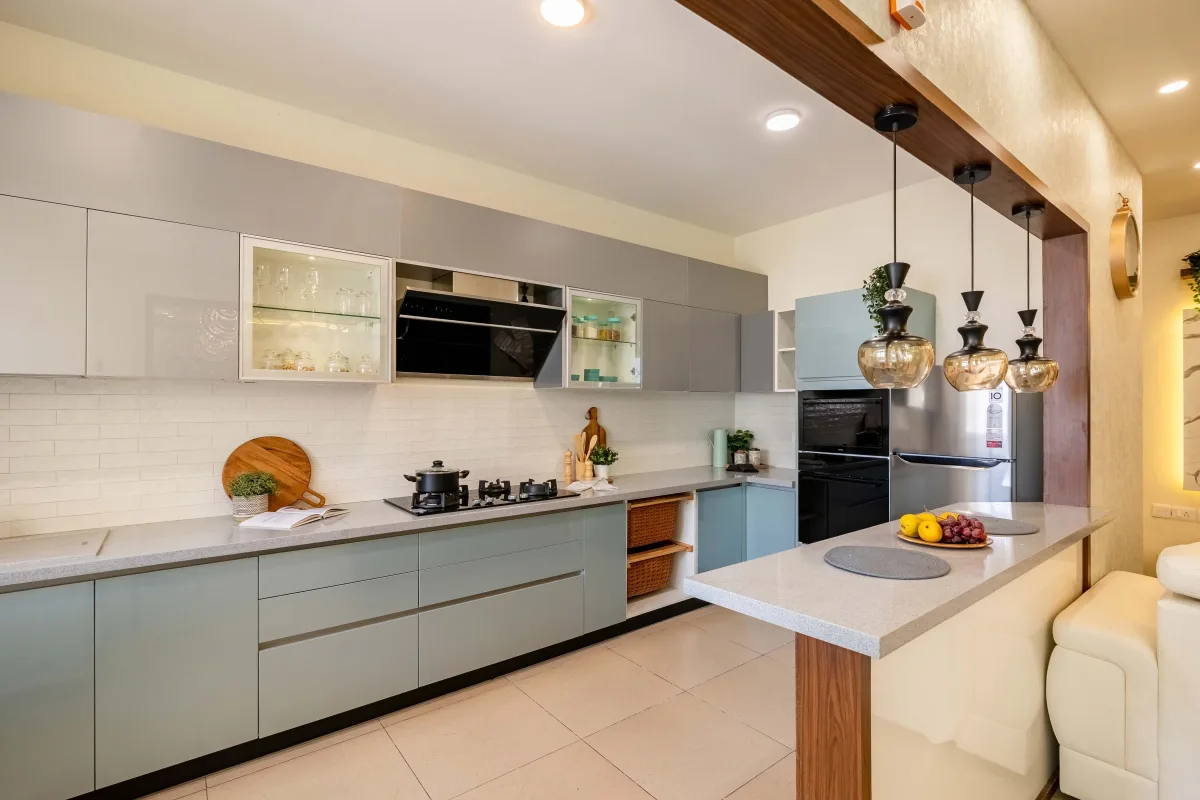
Let me start with a confession: I didn’t truly understand kitchen ventilation until the day I nearly set off my apartment’s fire alarm for the third time in a week. There I was, searing a beautiful ribeye in my cast-iron skillet, windows open, ceiling fan blasting, when a thick plume of smoke decided to stage a hostile takeover of my Nashville kitchen. Luna, my rescue cat, gave me that judgmental slow blink from her perch on the fridge like, Seriously, Sammy? Again?
That was the moment I realized ventilation isn’t just some boring technical afterthought, it’s the silent partner in every meal you cook. Whether you’re a home chef with a tiny galley kitchen or running a high-volume restaurant, proper ventilation is the difference between a space that works for you and one that works against you. And yet, how often do we actually think about it? We obsess over knife sets, countertop materials, and induction burners, but the system that keeps our air clean, our surfaces grease-free, and our lungs happy? Crickets.
This article isn’t just about why ventilation matters (though we’ll cover that in painful detail). It’s about how to design, optimize, and maintain a system that matches your cooking style, your space, and, let’s be real, your tolerance for scrubbing greasy cabinets. We’ll dive into the science of airflow, the psychology of kitchen comfort, and the practical steps to avoid turning your kitchen into a sauna or a smoke-filled hazard zone. By the end, you’ll know exactly what to look for, what to avoid, and why that weird rattling noise in your hood isn’t just “part of its charm.”
And hey, if you’re anything like me, you might even start seeing your vent hood as the MVP of your kitchen. (Yes, I’m that guy now. I’ve ascended.)
The Hidden Costs of Poor Kitchen Ventilation (Beyond the Obvious)
1. The Health Risks You’re Probably Ignoring
Let’s start with the unsexy truth: cooking produces pollutants. Not just the obvious smoke and steam, but a cocktail of carbon monoxide, nitrogen dioxide, formaldehyde, and ultrafine particles-all of which can linger in your kitchen (and your lungs) long after the pan’s cooled. Studies have shown that gas stoves, in particular, can emit levels of nitrogen dioxide that exceed the EPA’s outdoor air quality standards. And if you’re thinking, Well, I don’t cook with gas, so I’m fine,-wrong. Electric and induction cooktops still release particulates from burning oil, charring food, and even toasting bread.
Here’s the kicker: most home kitchens have ventilation systems that are woefully undersized for the job. That cute little recirculating hood above your stove? It’s basically a glorified fan that moves air around without actually removing contaminants. And in commercial kitchens? A poorly designed system can lead to chronic respiratory issues for staff, higher absenteeism, and, if you’re in a state with strict labor laws, potential legal headaches. I talked to a chef in Portland last year who swore his persistent cough disappeared after his restaurant upgraded its ventilation. Coincidence? Maybe. But when you’re dealing with long-term exposure to fine particulates, it’s not a risk worth taking.
So what’s the fix? At minimum, you need a ducted range hood that vents outside (not just into your attic, yes, I’ve seen that). For commercial spaces, you’re looking at makeup air systems to balance airflow, grease filters that actually trap particulates, and, if you’re in a high-volume kitchen, possibly even UV purification to neutralize odors and pathogens. But we’ll get to the specifics later.
2. The Grease Problem: Your Kitchen’s Silent Saboteur
Grease is the enemy. It coats your walls, clogs your ducts, and, if you’re unlucky, becomes a fire hazard. I once toured a diner in Memphis where the owner proudly showed me his “clean” kitchen, only for me to run my finger along the hood and come away with a thick, yellowish film. “Oh, that’s just… seasoning,” he said. Spoiler: It wasn’t seasoning. It was a fire waiting to happen.
Here’s how it works: When you cook, especially with oils or fatty meats, microscopic grease particles become airborne. Without proper capture and filtration, they settle on every surface, your cabinets, your ceiling, your lungs. Over time, this buildup doesn’t just look gross; it reduces the efficiency of your ventilation system (clogged filters = poorer airflow) and increases the risk of duct fires, which are notoriously hard to extinguish. The NFPA reports that one in every five restaurant fires starts in the kitchen hood or duct system. Let that sink in.
And it’s not just about safety. Grease buildup means more cleaning, more maintenance, and shorter lifespan for your equipment. Ever wondered why your exhaust fan sounds like a dying lawnmower? That’s grease gumming up the works. The solution? Baffle filters (for home kitchens) or electrostatic precipitators (for commercial setups), paired with a strict cleaning schedule. But again, we’ll dive deeper later.
3. Heat and Humidity: The Invisible Energy Drains
Ever notice how your kitchen feels like a sauna after 20 minutes of cooking? That’s not just uncomfortable, it’s a sign your ventilation system isn’t handling heat and moisture removal. Poor airflow means your AC or heating system has to work overtime to compensate, driving up energy bills. In commercial kitchens, this can translate to thousands of dollars in wasted energy annually.
But here’s the thing: humidity isn’t just about comfort. Excess moisture promotes mold growth (hello, health code violations), warps wood cabinets, and can even affect food texture. Ever had a batch of cookies spread too much or a pie crust turn soggy? Blame poor humidity control. And in restaurants, high humidity can make the front of house feel sticky and unpleasant for diners, hardly the ambiance you’re going for.
The fix? A well-sized exhaust hood with proper CFM (cubic feet per minute) rating paired with makeup air units to balance pressure. For home cooks, this might mean upgrading to a hood with at least 400 CFM (600+ if you cook with high heat often). For commercial kitchens, you’re looking at custom-designed systems that account for BTU output of your equipment, ceiling height, and even local climate.
4. Odor Control: Why Your Kitchen Smells Like Last Week’s Fish Fry
Let’s talk about the elephant in the room: lingering smells. You can scrub your counters and take out the trash, but if your ventilation isn’t capturing and expelling odors, your kitchen will always smell like a mix of yesterday’s dinner and that one time you burned garlic. (We’ve all been there.)
Odors aren’t just annoying, they’re a sign that your system isn’t capturing volatile organic compounds (VOCs) effectively. In home kitchens, this might mean your recirculating hood is useless. In restaurants, it can lead to customer complaints (“Why does the salad taste like fried chicken?”) or even neighbor disputes if you’re in a mixed-use building. I knew a ramen shop in Austin that got noise complaints, not for being loud, but because the smell of pork broth was seeping into the apartments above.
The solution depends on your setup: – Home kitchens: Ductless hoods with carbon filters can help, but they’re not as effective as ducted systems. If you’re stuck with ductless, replace filters every 3-6 months. – Commercial kitchens: Activated charcoal filters or ozone generators (used carefully) can neutralize odors. Some high-end systems even use UV light to break down odor molecules.
But here’s the catch: no filter lasts forever. If your kitchen smells funky even after cleaning, it’s time to check (or replace) your filters.
How Ventilation Systems Actually Work (And Why Most People Get It Wrong)
1. The Basic Mechanics: Capture, Contain, Exhaust
At its core, kitchen ventilation is about three things: 1. Capture: Drawing in contaminated air (smoke, steam, grease, odors) at the source. 2. Contain: Preventing contaminants from escaping into the room. 3. Exhaust: Expelling them outside or filtering them effectively.
Sounds simple, right? So why do so many systems fail? Because most people underestimate the physics of airflow. For example: – Capture area: Your hood should extend at least 3 inches beyond your cooktop on all sides. If it’s too small, contaminants escape. – Airflow velocity: The speed at which air is pulled into the hood (measured in feet per minute, or FPM) needs to be strong enough to overcome rising heat. For home kitchens, 100-150 FPM is ideal. Commercial kitchens need 200+ FPM. – Ductwork: The shape, size, and material of your ducts affect efficiency. Sharp bends? Bad. Undersized ducts? Worse.
I once consulted for a food truck owner who swore his ventilation was “fine” because he’d installed a powerful fan. Problem? His ducts were corrugated flex pipes, great for easy installation, terrible for airflow. We swapped to smooth galvanized steel ducts and his smoke issues vanished overnight.
2. The Role of Makeup Air (And Why Your Kitchen Feels Like a Wind Tunnel)
Here’s where things get tricky: exhausting air creates negative pressure. If you’re pulling 1,000 CFM out of your kitchen but not replacing it, your space becomes a vacuum. This can cause: – Backdrafting: Your water heater or furnace vents might start pulling exhaust back into your home (dangerous if they’re gas-powered). – Drafts: Ever feel a gust of cold air when you open the fridge? That’s your kitchen trying (and failing) to equalize pressure. – Poor hood performance: If makeup air isn’t balanced, your hood can’t capture contaminants effectively.
The fix? Makeup air systems that supply fresh air as you exhaust the old. In home kitchens, this might be as simple as cracking a window (not ideal, but better than nothing). In commercial setups, you need dedicated makeup air units-often heated or cooled to maintain comfort.
Pro tip: If your kitchen door slams shut when the hood turns on, you’ve got a pressure problem. Time to call an HVAC pro.
3. Ducted vs. Ductless: The Great Debate
If you’ve ever shopped for a range hood, you’ve faced this dilemma: ducted or ductless? Here’s the brutal truth: ductless hoods are a compromise. They recirculate air through filters, which means: – They don’t remove heat or humidity (just odors and some grease). – Filters need constant replacement (and most people forget). – They’re louder (because the fan works harder to push air through filters).
So why do they exist? Because not every kitchen can accommodate ductwork. If you’re in a rental or a historic home, ductless might be your only option. But if you can install ducts, do it. The difference in performance is night and day.
For commercial kitchens, ductless isn’t even an option, it’s illegal in most jurisdictions. You must vent outside, period.
4. CFM Ratings: Why Bigger Isn’t Always Better
CFM (cubic feet per minute) measures how much air your hood moves. Higher CFM = more power, right? Well, sort of. Here’s what most people get wrong: – Too little CFM: Your hood can’t keep up with cooking fumes. Smoke escapes, grease builds up, and your kitchen feels like a foggy London alley. – Too much CFM: You create excessive negative pressure, making your hood noisy and inefficient. In extreme cases, you can even pull flames out of gas burners (yes, that’s a real thing).
So how much CFM do you need? – Home kitchens: 100 CFM per linear foot of cooktop. For a 30” range, that’s 250-400 CFM. If you cook with high heat (wok, grill, deep fryer), aim for 600-900 CFM. – Commercial kitchens: Calculated based on equipment BTU output, hood size, and local codes. A typical restaurant hood might need 1,500-3,000 CFM.
Pro tip: If your hood is too powerful for your space, you might need a variable-speed fan to adjust airflow as needed.
Designing Your Ventilation System: A Step-by-Step Guide
1. Assess Your Cooking Style and Equipment
Before you buy anything, ask yourself: – What do you cook most often? High-heat stir-fries? Low-and-slow braises? Deep-fried everything? – What fuel type do you use? Gas produces more heat and contaminants than electric or induction. – How often do you cook? A weekend warrior needs less power than someone who cooks daily.
For example: – Gas range users: Need higher CFM (600+) because gas burns hotter and releases more combustion byproducts. – Induction users: Can get away with lower CFM (300-400) since there’s no open flame. – Wok or grill lovers: Require specialized hoods with higher capture velocity (think 1,000+ CFM for commercial wok stations).
I made the mistake of assuming my “average” cooking habits meant I could skimp on CFM. Then I got into smoking meats. Suddenly, my 400 CFM hood was no match for the clouds of hickory-scented smoke billowing into my living room. Lesson learned.
2. Choose the Right Hood Type
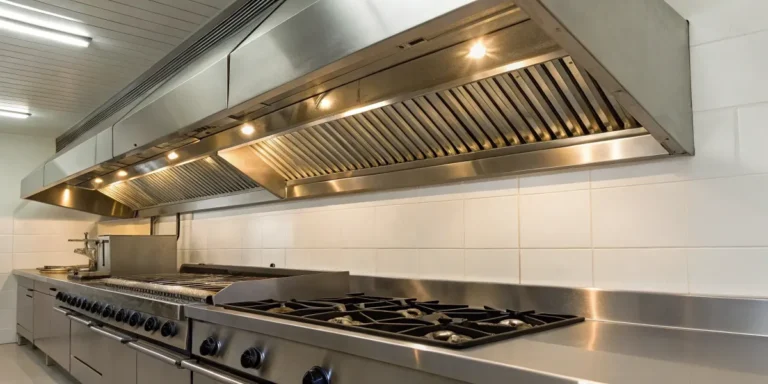
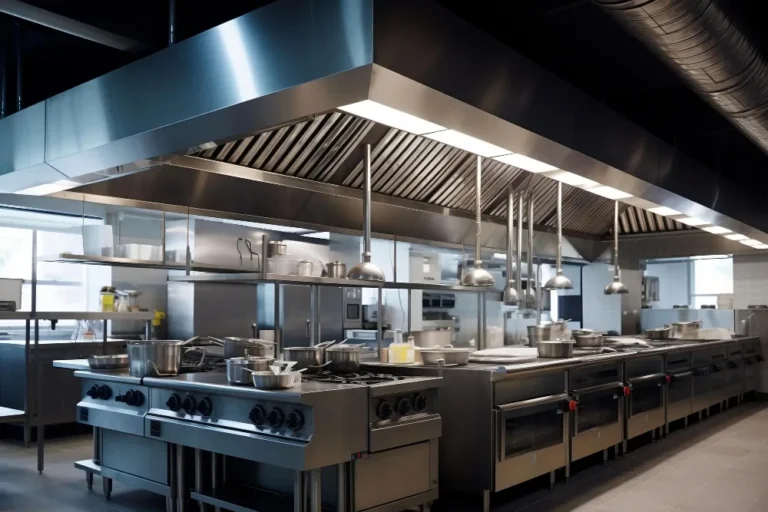
Not all hoods are created equal. Here’s a breakdown: – Under-cabinet hoods: Affordable and common in home kitchens, but limited capture area. Best for light to moderate cooking. – Wall-mounted (chimney) hoods: More powerful and stylish, with better coverage. Ideal for home chefs who cook often. – Island hoods: Designed for cooktops on kitchen islands. Need higher CFM because they’re not against a wall (contaminants can escape from all sides). – Downdraft systems: Built into the cooktop or countertop, they rise when in use. Sleek but less effective at capturing steam and smoke. – Commercial canopy hoods: Heavy-duty, custom-sized for restaurant equipment. Often paired with grease extraction systems.
My personal bias? Wall-mounted or island hoods for home kitchens. Downdrafts look cool but are notoriously weak at capturing rising heat. And in commercial settings, canopy hoods with stainless steel construction are non-negotiable.
3. Ductwork: The Unsung Hero (or Villain) of Your System
You could have the fanciest hood on the market, but if your ductwork is poorly designed, it’s all for nothing. Here’s what to consider: – Material: Galvanized steel is the gold standard, durable, smooth, and fire-resistant. Avoid flex ducts if possible (they create friction and reduce airflow). – Size: Ducts should match your hood’s CFM. Undersized ducts = restricted airflow = poor performance. – Route: The shorter and straighter, the better. Every bend adds resistance. If you must have bends, use gradual 45-degree angles instead of sharp 90-degree turns. – Termination: Where does the duct end? Outside, preferably with a backdraft damper to prevent cold air from blowing back in. Never vent into an attic, crawl space, or between walls (yes, I’ve seen all three).
I once helped a friend troubleshoot his “broken” hood, only to find his ducts were completely crushed behind the drywall. Turns out, the installers had pinched them to fit the space. Moral of the story? Inspect your ducts-or better yet, have a pro do it.
4. Filters: The First Line of Defense
Filters are where the magic (and most of the maintenance) happens. Here’s what you need to know: – Mesh filters: Common in home hoods. Cheap but ineffective at capturing fine grease. Clean them monthly or replace them often. – Baffle filters: The gold standard for home and light commercial use. Their maze-like design traps grease while allowing airflow. Wash them in the dishwasher every 1-2 months. – Electrostatic precipitators: Used in commercial kitchens, these charge particles to attract and trap grease. Highly effective but require professional cleaning. – Carbon filters: Only for ductless hoods. They absorb odors but don’t remove grease or heat. Replace every 3-6 months.
Pro tip: If your filters are caked in grease, your hood’s airflow is suffering. Clean or replace them ASAP.
5. Makeup Air: Balancing the Equation
Remember the negative pressure problem? Here’s how to fix it: – Passive makeup air: Simply cracking a window or installing a passive vent (like a louvered door). Cheap but unreliable. – Active makeup air: A dedicated makeup air unit that supplies fresh air as you exhaust. Can be heated or cooled to maintain comfort. – HRV/ERV systems: Heat recovery ventilators or energy recovery ventilators pre-condition incoming air using outgoing air’s energy. More efficient but pricier.
For home kitchens, passive makeup air might suffice if your hood is <600 CFM. Above that, you’ll want an active system. Commercial kitchens must have balanced makeup air, it’s usually code.
6. Noise Levels: Because You Don’t Want a Jet Engine in Your Kitchen
Here’s a dirty secret: many high-CFM hoods are loud. Like, “can’t hear your podcast” loud. Noise is measured in sones-the lower the number, the quieter the hood. Aim for: – Home kitchens: 1-3 sones (comparable to a quiet refrigerator). – Commercial kitchens: 4-6 sones (louder but acceptable in a busy environment).
If your hood sounds like a leaf blower, check for: – Undersized ducts (creates turbulence). – Dirty filters (restricts airflow, making the fan work harder). – Poor installation (vibrations, loose parts).
Pro tip: Look for hoods with variable-speed fans so you can adjust noise levels based on what you’re cooking.
Installation and Maintenance: Where Most People Mess Up
1. DIY vs. Professional Installation
I’ll be honest: I’ve installed my fair share of range hoods. Some went smoothly. Others… not so much. Here’s the deal: – Home kitchens: If you’re replacing an existing hood with a similar model, DIY is doable. But if you’re adding new ductwork, electrical, or makeup air, hire a pro. Mistakes here can lead to poor performance, fire hazards, or voided warranties. – Commercial kitchens: Never DIY. Local codes, fire suppression integration, and balancing airflow require certified installers. Period.
Common DIY mistakes: – Improper duct sealing: Leaks reduce efficiency and can let grease accumulate in walls. – Wrong electrical wiring: Hoods with high CFM need dedicated circuits. – Poor hood placement: Too high? It won’t capture smoke. Too low? You’ll bump your head.
If you’re unsure, get a consultation. It’s cheaper than redoing the work later.
2. Cleaning and Maintenance: The Boring (But Critical) Part
Here’s the hard truth: your ventilation system is only as good as its maintenance. Neglect it, and you’ll pay in poor performance, higher energy bills, and potential fires. Here’s a checklist: – Home kitchens: – Clean baffle/mesh filters every 1-2 months (dishwasher-safe). – Wipe down the hood interior monthly to remove grease buildup. – Check ducts annually for blockages or damage. – Replace carbon filters every 3-6 months (if ductless). – Commercial kitchens: – Daily: Wipe down hood exterior and filters. – Weekly: Remove and soak filters in degreaser. – Monthly: Inspect ducts and fan blades for grease buildup. – Quarterly: Professional duct cleaning (required by most fire codes). – Annually: Full system inspection, including fire suppression system (if applicable).
I’ll admit, I used to “forget” to clean my filters until the day my hood started making a flapping noise-turns out, the grease had glued the fan blades together. Don’t be like past Sammy.
3. Signs Your Ventilation System Is Failing
How do you know if your system needs help? Watch for these red flags: – Smoke or steam escapes when cooking (even on low heat). – Grease buildup on walls, cabinets, or ceilings. – Excessive noise (rattling, whining, or sounds like a helicopter taking off). – Lingering odors long after cooking. – Condensation on windows or walls (sign of poor humidity control). – Hood or fan won’t turn on (could be electrical or motor failure). – Visible grease dripping from ducts or hood.
If you notice any of these, act fast. Small issues (like a clogged filter) are easy fixes. Big issues (like a grease-clogged duct) can become fire hazards.
4. Upgrading Your System: When and How
Maybe you’ve outgrown your current setup. Maybe you’re renovating. Here’s how to know it’s time for an upgrade: – You’ve added new cooking equipment (e.g., a grill or deep fryer) that your current hood can’t handle. – You’re remodeling your kitchen and can finally install ductwork. – Your energy bills are sky-high (poor ventilation makes HVAC systems work harder). – You’re selling your home and want to boost resale value (a high-quality hood is a selling point). – Your current system is over 10 years old (technology has improved dramatically).
When upgrading: 1. Assess your needs (see the earlier section on cooking style). 2. Measure your space (hood width, duct route, ceiling height). 3. Check local codes (especially for commercial kitchens). 4. Invest in quality-cheap hoods are noisy, inefficient, and costly to maintain. 5. Hire a pro for installation (unless it’s a straightforward swap).
I upgraded from a 300 CFM recirculating hood to a 900 CFM ducted model when I started cooking more seriously. The difference? No more smoke alarms, no more greasy cabinets, and, bonus, my kitchen stays cooler in summer. Worth every penny.
The Future of Kitchen Ventilation: Smart Systems and Sustainability
1. Smart Hoods: The Next Generation
Yes, even ventilation is getting smarter. Newer models offer: – Automatic sensors: Detect smoke, steam, or heat and adjust fan speed accordingly. – Wi-Fi connectivity: Control your hood from your phone or integrate it with smart home systems (e.g., turn on the hood when your stove does). – Self-cleaning filters: Some high-end models use pyrolytic cleaning (heating filters to burn off grease) or water wash systems. – Energy efficiency: Variable-speed fans and EC motors (electronically commutated) use up to 70% less energy than traditional models.
Are they worth it? If you cook often and hate maintenance, absolutely. I tested a smart hood with auto-sensing last year, and while the upfront cost was steep, the convenience was a game-changer. No more fumbling for the fan control mid-stir-fry.
2. Sustainable Ventilation: Greener Choices
Ventilation systems are energy hogs, especially in commercial kitchens. But new tech is changing that: – Heat recovery systems: Capture and reuse heat from exhaust air to pre-warm incoming fresh air. – Demand-controlled ventilation: Uses sensors to adjust airflow based on real-time cooking activity, reducing energy waste. – Solar-powered hoods: Yes, they exist (though they’re still niche). – Grease-to-energy systems: Some commercial setups now convert captured grease into biodiesel.
For home cooks, the biggest sustainability win is proper sizing. An oversized hood wastes energy; an undersized one forces your HVAC to work harder. Get it right the first time.
3. Commercial Trends: What’s Changing in Restaurant Kitchens
If you run a restaurant, pay attention to these shifts: – Modular ventilation: Systems designed for food trucks, ghost kitchens, and pop-ups that are easy to install and move. – Ultra-low emission hoods: New designs capture 90%+ of pollutants, helping kitchens meet stricter air quality regulations. – Integration with fire suppression: Hoods that automatically trigger fire suppression when they detect flames. – AI-driven maintenance: Sensors that predict when filters need cleaning or ducts need servicing.
I spoke to a kitchen designer in Chicago who predicted that within 5 years, most commercial hoods will have real-time air quality monitoring. Imagine getting an alert on your phone: *“Your PM2.5 levels are high, time to replace the filters.”* We’re not there yet, but it’s coming.
Common Myths About Kitchen Ventilation (Debunked)
1. “My Microwave Vent Is Good Enough”
No. Just… no. Microwave vents are the fast food of ventilation-cheap, convenient, and ultimately unsatisfying. They have low CFM, poor capture area, and recirculate most contaminants back into your kitchen. If you’re serious about cooking, invest in a real hood.
2. “Bigger CFM Always Means Better”
As we discussed earlier, oversized hoods create negative pressure, waste energy, and can be noisy. Match CFM to your cooking needs, not your ego.
3. “I Don’t Need a Hood, I Have a Window Fan”
A window fan moves air, but it doesn’t capture grease, filter odors, or handle heat like a proper hood. It’s better than nothing, but not by much.
4. “Commercial-Grade Means Indestructible”
Even the best commercial systems need regular maintenance. Grease buildup, worn belts, and clogged ducts can cripple any system if ignored.
5. “Ventilation Doesn’t Affect Food Taste”
Wrong. Poor ventilation leads to cross-contamination of odors (ever had a dessert that tastes like fish?) and inconsistent cooking environments (humidity affects baking, frying, etc.).
Final Thoughts: Your Action Plan for Better Ventilation
If you’ve made it this far, congratulations, you now know more about kitchen ventilation than 90% of home cooks and a surprising number of restaurant owners. But knowledge without action is just trivia. So here’s your step-by-step plan to upgrade your kitchen’s airflow:
- Assess your current setup: – What type of hood do you have? Ducted or ductless? – What’s the CFM? (Check the manual or look for a label inside the hood.) – When was the last time you cleaned the filters or ducts?
- Identify your pain points: – Does smoke escape when you cook? – Do odors linger? – Is your kitchen uncomfortably hot or humid?
- Match your hood to your cooking style: – Light cooking? 300-400 CFM is fine. – High-heat or frequent cooking? Aim for 600-900 CFM. – Commercial kitchen? Consult a pro to calculate BTU and CFM needs.
- Upgrade your filters: – Swap mesh for baffle filters if you haven’t already. – Set a calendar reminder to clean/replace them.
- Check your ductwork: – Are ducts properly sized and sealed? – Do they terminate outside (not in an attic or crawl space)?
- Balance your airflow: – If your hood is over 600 CFM, consider makeup air solutions. – Watch for signs of negative pressure (doors slamming, drafts).
- Invest in smart features (if it fits your budget): – Auto-sensing hoods, Wi-Fi controls, or energy-efficient motors can save you time and money long-term.
- Schedule regular maintenance: – Home kitchens: Clean filters monthly, inspect ducts annually. – Commercial kitchens: Follow NFPA 96 guidelines for cleaning and inspections.
And if you’re still on the fence, ask yourself this: How much is clean air, safety, and comfort worth to you? Because that’s what proper ventilation buys you. It’s not just about avoiding smoke alarms or greasy cabinets, it’s about creating a space where cooking is joyful, not a chore.
As for me? I’ve since upgraded to a 900 CFM wall-mounted hood with baffle filters and a quiet EC motor. Luna no longer judges me when I sear a steak, and my kitchen stays cool enough that I don’t break a sweat making pasta. And honestly? It’s one of the best upgrades I’ve ever made.
Now, if you’ll excuse me, I’m off to deep-fry some chicken wings-without setting off the fire alarm.
FAQ
Q: Can I install a range hood myself, or should I hire a professional?
A: It depends. If you’re replacing an existing hood with a similar model and the ductwork is already in place, DIY is doable. But if you’re adding new ductwork, electrical wiring, or makeup air, hire a pro. Mistakes here can lead to poor performance, fire hazards, or even voided warranties. For commercial kitchens, professional installation is non-negotiable-local codes and fire safety regulations require it.
Q: How often should I clean my range hood filters?
A: For home kitchens: – Baffle or mesh filters: Clean every 1-2 months (they’re usually dishwasher-safe). – Carbon filters (in ductless hoods): Replace every 3-6 months. For commercial kitchens: – Daily: Wipe down filters. – Weekly: Soak filters in degreaser. – Monthly: Deep clean or replace as needed. Pro tip: If you notice grease dripping or a drop in suction power, clean them immediately-don’t wait for the schedule.
Q: My kitchen gets really hot when I cook. Will a better hood fix that?
A: Partially. A high-CFM hood will remove more heat, but if your kitchen lacks makeup air, you might still feel warm. For home kitchens, try: – Increasing CFM (600+ for high-heat cooking). – Adding a makeup air system (even just cracking a window helps). – Using a heat recovery ventilator (HRV) to pre-cool incoming air. In commercial kitchens, properly balanced makeup air is key, often with cooling integrated.
Q: What’s the difference between a ductless and ducted range hood? Which is better?
A: Ducted hoods vent air outside, removing heat, humidity, smoke, and odors. They’re more effective but require ductwork. Ductless hoods recirculate air through carbon or mesh filters, which only trap some grease and odors. They’re easier to install but less powerful and require frequent filter changes. – Choose ducted if you can (better performance, longevity). – Choose ductless only if ductwork isn’t an option (e.g., rentals, historic homes). For commercial kitchens, ductless is almost never allowed by code.
@article{why-kitchen-ventilation-is-the-unsung-hero-of-your-culinary-space-and-how-to-get-it-right,
    title   = {Why Kitchen Ventilation Is the Unsung Hero of Your Culinary Space (And How to Get It Right)},
    author  = {Chef's icon},
    year    = {2025},
    journal = {Chef's Icon},
    url     = {https://chefsicon.com/the-importance-of-kitchen-ventilation/}
}