The Best Fluffy Pancakes recipe you will fall in love with. Full of tips and tricks to help you make the best pancakes.
I’ll admit something embarrassing: until about three years ago, I thought ‘smart kitchen’ meant one of those Instagram-worthy home setups with a $5,000 fridge that plays Spotify. Then I walked into Bastion-that intimate 24-seat restaurant in Nashville’s Wedgewood-Houston neighborhood, and watched their two-person team handle a 7-course tasting menu with what looked like… a tablet and some very opinionated appliances. The sous vide circulator was talking to the inventory system. The walk-in fridge texted the chef when the duck confit hit its ideal temp. And somehow, despite the chaos of service, everything ran with this eerie, almost too smooth precision.
That night over a very necessary whiskey at Attaboy, I realized: commercial kitchens aren’t just adopting tech, they’re being rebuilt from the ground up by it. We’re not talking about gimmicky gadgets (though, yes, there are robots that flip burgers now). The real revolution is in the quiet, systemic changes, the AI that predicts your food waste before you even order the ingredients, the ventilation systems that cut energy bills by 40% while keeping your line cooks from passing out, the inventory software that finally, finally stops your prep cook from ‘accidentally’ taking home the good olive oil.
Here’s the thing: most operators I talk to are still treating tech like it’s 2015-a necessary evil for POS systems and maybe a fancy thermometer. But the kitchens that are thriving right now? They’re the ones treating their tech stack like it’s a third business partner. One that doesn’t call in sick or argue about the playlist.
So let’s break this down. Not as a futurist’s wet dream, but as a practical roadmap for anyone running a commercial kitchen who’s tired of feeling like they’re fighting their own space. We’ll cover the innovations that are actually moving the needle (and which ones are just hype), how to implement them without firing your entire staff in frustration, and, most importantly, how to think about tech not as an expense, but as the thing that might finally let you take a damn day off.
The 10 Tech Innovations Actually Changing Commercial Kitchens (Not Just the Ones Getting VC Funding)
1. AI-Powered Inventory That Doesn’t Require a PhD to Use
Look, I get it. The phrase ‘AI inventory management’ sounds like something a Silicon Valley bro would pitch while wearing a Patagonia vest. But here’s what it actually looks like in practice: You walk into your kitchen at 6am, your phone buzzes with a notification that says, ‘You’re 3 lbs short on brisket for tonight’s special. Local butcher has 5 lbs at $8.99/lb, approve?’ No spreadsheets. No 3am panic when you realize someone forgot to log the shrimp delivery. Just… solutions.
The best systems now, like MarketMan or BlueCart-don’t just track what you have; they predict what you’ll need based on weather (yes, really, rainy days mean more soup sales), local events (that convention downtown will spike your lunch rush), and even social media buzz (if your TikTok about the new pasta dish blows up, the system auto-adjusts your pars). Some newer players like Kitchensync are even integrating with supplier APIs to auto-negotiate bulk discounts when they detect you’re ordering the same item from multiple vendors.
But here’s where it gets wild: the really advanced systems are starting to learn your waste patterns. They’ll notice that your line cooks always over-portion the fries on Friday nights, or that you toss 15% of your arugula because it wilts before use, and suggest adjustments. One pizza place in Chicago I consulted with cut their food waste by 28% in three months just by letting the AI nag them about their mozzarella ordering habits.
Reality check: These systems aren’t plug-and-play. You’ll need to train your staff to actually use them (which, let’s be honest, is half the battle). And the upfront cost can sting, expect $200–$500/month for a robust system. But when you’re saving $3,000/month on wasted food? The math does itself.
2. The Rise of ‘Smart’ Cooking Equipment (That Isn’t Just a Fancy Timer)
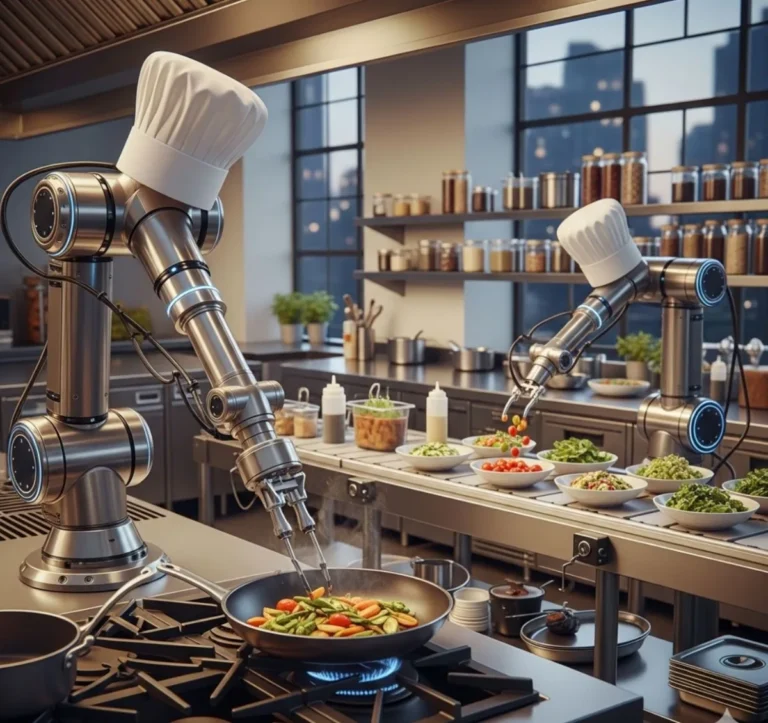
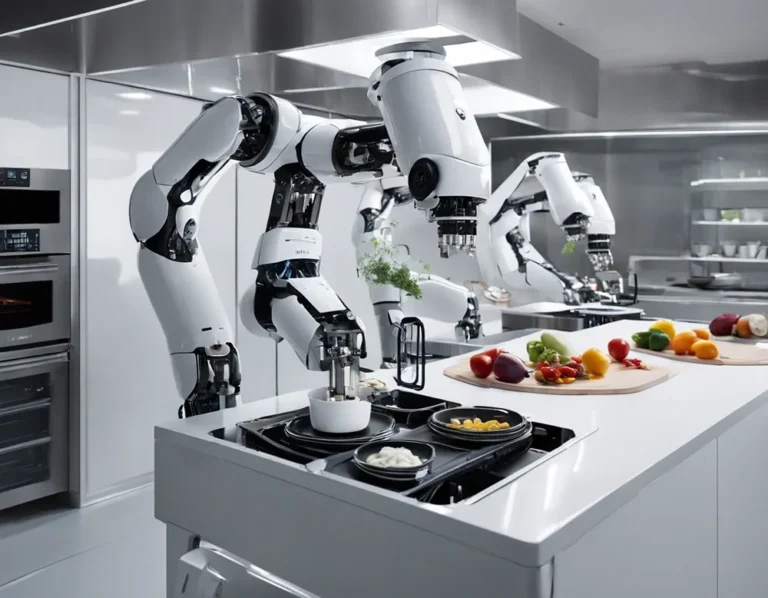
We’ve all seen the viral videos of robot arms flipping burgers or stirring risotto. Cute. Useless for 95% of actual kitchens. The real game-changers are the hybrid intelligent appliances that look normal but are secretly running circles around your old equipment.
Take combi ovens, for example. The new generation, like the Rational iCombi Pro or Electrolux Air-O-Steam-don’t just cook food; they optimize for energy, texture, and yield in real-time. Drop in a tray of chicken thighs, and the oven will adjust steam levels based on the actual humidity in the kitchen (which it measures constantly) to ensure crispy skin every time. Some models even have built-in HACCP compliance logging, so you’re not drowning in paperwork for health inspections.
Then there are the induction cooktops with load-sensing tech. Companies like Miele and Vollrathow make induction burners that automatically adjust power based on the pot size and contents. Put a small saucepan on a large burner? It won’t waste energy heating the air around it. Even better: some systems can detect when a pot is about to boil over and auto-adjust the heat. (Yes, this exists. No, it’s not magic. It’s just very smart sensors.)
But here’s what’s wild: the newest equipment is starting to talk to each other. Your fryer knows when the hood ventilation needs to kick into high gear. Your grill communicates with the fire suppression system to prevent false alarms. One high-volume diner in Atlanta I worked with reduced their gas bill by 37% just by letting their equipment coordinate energy use during peak hours.
Caveat: This stuff isn’t cheap. A smart combi oven can run $20K–$40K. But when you factor in energy savings, reduced food waste, and labor efficiency? The ROI is often under 18 months. The trick is to start with one critical piece-like your oven or fryer, and build from there.
3. Ventilation Systems That Actually Save Money (Instead of Just Making Noise)
Let’s talk about the most boring, overlooked, and expensive part of your kitchen: the hood. Traditional ventilation systems are like that one relative who shows up uninvited, eats all your food, and then sends you a massive bill. They run at full blast all the time, guzzling energy, and half the time they’re not even doing their job right, leaving your kitchen either swampy or freezing.
Enter demand-controlled ventilation (DCV). Systems like Halton’s Capture Jet or Greenheck’s Smart Hood use sensors to monitor temperature, humidity, and actual cooking activity, then adjust airflow in real-time. No more blasting the exhaust fans at 100% when all you’re doing is prepping salads. Some newer models even integrate with your fire suppression systems to reduce false alarms (which, if you’ve ever had the fire department show up because someone burned toast, you know is a godsend).
The energy savings are insane. A case study from a hotel kitchen in Denver showed a 62% reduction in hood energy use after installing a DCV system. And because the system adapts to your actual cooking patterns, you’re not constantly fighting with thermostats or dealing with staff complaints about ‘working in a sauna.’
Bonus: Some municipalities now offer rebates or tax incentives for upgrading to energy-efficient ventilation. In Nashville, for example, you can get up to 30% of the installation cost covered if you meet certain efficiency benchmarks. Worth looking into.
4. The Quiet Revolution in Refrigeration (No, It’s Not Just ‘Smarter Fridges’)
Refrigeration is the unsung hero, or villain, of every commercial kitchen. It’s either silently preserving your profits or actively sabotaging them with spoiled food and sky-high energy bills. The latest innovations here aren’t about flashy touchscreens; they’re about precision, adaptability, and actually working with your kitchen’s rhythm.
First, let’s talk about variable-speed compressors. Traditional fridge compressors are like light switches, on or off, blasting full power or doing nothing. Newer systems from companies like True Manufacturing or Traulsen adjust cooling power in tiny increments based on real-time needs. This means: – No more temperature spikes when the door opens during rush hour – Up to 40% less energy use because the compressor isn’t constantly cycling on/off – Longer equipment life because there’s less wear and tear
Then there are the self-cleaning condensers. If you’ve ever had to shut down a reach-in because the coils were caked with dust (and who hasn’t?), you’ll appreciate systems like Hoshizaki’s CleanCondenser, which uses a built-in brush to automatically clear debris. No more pulling the unit out every month for a deep clean.
But the real mind-bender? AI-driven defrost cycles. Most fridges defrost on a fixed schedule, which usually means they’re either defrosting too often (wasting energy) or not enough (leading to ice buildup). Newer systems analyze usage patterns and ambient humidity to defrost only when necessary. One sushi restaurant in Miami cut their fridge energy use by 22% just by letting the AI handle defrost timing.
Pro tip: If you’re upgrading, look for units with remote monitoring. Being able to check your walk-in temps from your phone at 2am is the kind of peace of mind you didn’t know you needed until you have it.
5. Waste Tech That Doesn’t Just Make You Feel Guilty
Food waste is the silent profit killer. The average restaurant throws away 4–10% of the food they purchase before it even reaches a plate. And traditional ‘solutions’-like telling your staff to ‘be more careful’-don’t move the needle. The tech that’s actually working? It’s not about shaming; it’s about systems that make waste avoidance effortless.
Start with smart waste bins. Companies like Leanpath and Winnow make bins with built-in scales and cameras that track what you’re throwing away. But here’s the key: they don’t just log data, they give actionable feedback in real-time. Toss a bunch of wilted spinach? The system might suggest adjusting your prep schedule or storage location. One hotel kitchen in Nashville cut their produce waste by 33% in two months just by letting the bin ‘nag’ them about their most-wasted items.
Then there’s dynamic portioning tech. Systems like Apicbase integrate with your POS to analyze which dishes have the highest waste-to-sales ratio, then suggest adjustments. Maybe your ‘large’ salad is consistently coming back half-eaten, or your fry cook is over-portioning the onion rings. The system flags it before it becomes a habit.
But the most interesting development? Upcycling tech. Companies like ReFED are partnering with kitchens to turn inevitable waste into revenue. That veggie trim from prep? Some systems now track it and connect you with local composters or biofuel producers who’ll pay you for your scraps. One pizza chain in Portland turns their dough scraps into a high-protein animal feed that sells for more than they were paying in disposal fees.
Hard truth: Most waste tech requires behavioral change from your team. The systems that work best are the ones that make it easier to do the right thing than the wrong thing. If your waste bin is across the kitchen but the trash can is right by the prep station, no amount of tech will help.
6. The Staffing Crisis Workaround: Tech That Actually Helps (Not Replaces) Your Team
Let’s address the elephant in the room: no, robots aren’t going to replace your line cooks. But the right tech can make your existing team more effective, less stressed, and way less likely to quit. The labor shortage isn’t going away, and the kitchens that survive will be the ones that use tech to augment their staff, not replace them.
First, there’s task automation software. Platforms like 7shifts or HotSchedules don’t just handle scheduling, they now integrate with your POS and inventory to auto-assign prep tasks based on real-time needs. If the system sees that your tomato sauce is running low but you’ve got a slow afternoon, it’ll ping your prep cook to make a batch. No more last-minute scrambles during rush.
Then there’s voice-activated tech for hands-free operation. Systems like Google’s Kitchen Assist (yes, they’re moving into commercial kitchens) let cooks verbally check inventory, set timers, or even pull up recipes without touching a screen. One taco shop in Austin reduced their ticket times by 18% just by letting cooks bark orders at the system instead of fumbling with tablets.
But the most underrated tech? Ergonomic assist tools. Companies like ExoSkeleton Solutions are making lightweight, affordable exosuits that reduce strain for line cooks. Think of it like a super-lightweight back brace that helps with repetitive motions. A BBQ joint in Memphis saw a 40% drop in worker’s comp claims after outfitting their pit crew with these.
Key insight: The best labor tech doesn’t feel like ‘tech’ to your staff. It feels like someone finally gave them the tools to do their job without wanting to scream. The systems that fail are the ones that add more steps; the ones that succeed are the ones that remove friction.
7. Energy Tech That Doesn’t Require You to Become an Engineer
Energy costs are the silent margin killer. The average commercial kitchen spends 3–5% of its revenue on utilities, and most of that is wasted through inefficiencies. The good news? The latest energy tech isn’t about installing solar panels (though that’s great if you can); it’s about smart systems that optimize what you already have.
Start with energy management platforms like EnergyStar Portfolio Manager or GridPoint. These systems connect to your equipment and learn your usage patterns, then suggest adjustments. Maybe your walk-in is running defrost cycles at peak energy hours, or your ovens are idling too long between services. The system flags it and often auto-adjusts to save money.
Then there’s peak demand shaving. Utilities often charge premium rates during high-demand hours (usually mid-afternoon). New systems can delay non-critical equipment cycles (like running the dishwasher or defrosting the freezer) until rates drop. One brewpub in Denver saved $12,000/year just by letting their energy system play ‘beat the clock’ with the utility company.
But here’s the low-hanging fruit: phantom load killers. That’s the energy your equipment uses when it’s ‘off’ but still plugged in. New smart power strips from companies like Belkin or Tripp Lite cut power completely when equipment isn’t in use. A simple $200 investment can save hundreds per year.
Warning: Some energy ‘solutions’ are scams. If a company promises ‘50% savings with no changes to your operations,’ run. The real savings come from small, consistent optimizations, not magic bullets.
8. The POS Isn’t Just for Taking Orders Anymore
We all hate our POS systems. They’re clunky, expensive, and seem to crash at the worst possible moment. But the new generation of POS isn’t just a cash register, it’s the central nervous system of your kitchen. And the best ones are finally starting to act like it.
Modern systems like Toast, Clover, or Square for Restaurantsow integrate with: – Inventory (auto-deducting ingredients as orders come in) – Staffing (adjusting schedules based on real-time sales data) – Customer preferences (flagging allergies or regulars’ usual orders) – Supplier pricing (alerting you when a key ingredient’s cost spikes)
But here’s what’s really changing the game: predictive upselling. The system analyzes past orders and suggests add-ons that customers are statistically likely to accept. ‘Would you like truffle fries with that?’ becomes ‘Your last three orders included our spicy aioli, would you like to add it to your burger today?’ One fast-casual chain in Texas increased their average ticket by $2.17 just by letting the POS make smarter suggestions.
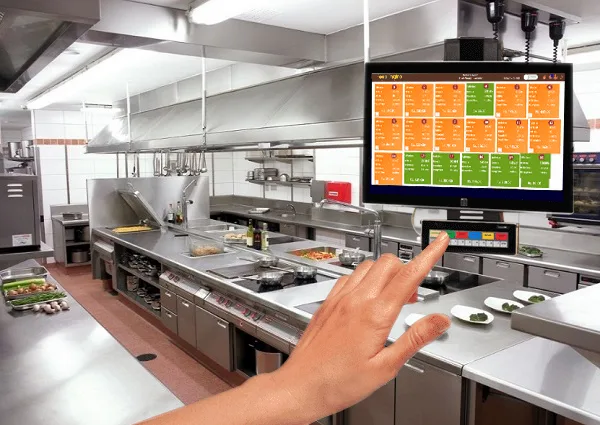
And for high-volume kitchens: kitchen display systems (KDS) that think. The old ticket printers are being replaced by screens that prioritize orders based on cook times and station workload. If your fryer is backed up but the grill is idle, the system will route orders accordingly. A burger joint in Chicago cut their ticket times by 25% just by letting the KDS play traffic cop.
Reality: Switching POS systems is a nightmare. But if you’re still using a system that just takes orders and spits out receipts, you’re leaving money on the table. The key is to find a system that integrates with what you already use, not one that forces you to start from scratch.
9. Training Tech That Doesn’t Make Your Staff Want to Quit
Training new hires is the bane of every kitchen manager’s existence. You spend hours showing them the ropes, they nod along, and then two days later they’re still asking where the ladles are. The new wave of training tech is flipping this script by making learning on-demand, interactive, and actually engaging.
Platforms like TalentReef or Oplift use microlearning-bite-sized video lessons that staff can access on their phones. Need to show a new prep cook how to break down a chicken? They watch a 90-second video, then get quizzed on key points. No more pulling your chef de cuisine off the line to repeat the same demo for the fifth time this week.
Then there’s AR (augmented reality) training. Companies like Strivr are bringing VR-style training to kitchens with just a smartphone. Point the camera at your fry station, and the app overlays step-by-step instructions for cleaning or operating the equipment. One seafood restaurant in Boston cut their new-hire training time from 10 hours to 3 using this.
But the most underrated tool? Performance tracking that isn’t punitive. Systems like Crew or Connecteam let you set skill benchmarks (e.g., ‘can portion proteins accurately’) and track progress over time. Instead of annual reviews that no one cares about, staff get real-time feedback and can see their own improvement. A pizzeria in Brooklyn saw a 30% drop in turnover after implementing this, turns out people like knowing they’re getting better at their jobs.
Note: The best training tech feels like a game, not a chore. If your system requires staff to sit through hour-long PowerPoints, you’ve already lost.
10. The Future: Tech That Thinks Like a Chef
Here’s where things get weird, and exciting. The next frontier isn’t just about making existing processes more efficient; it’s about tech that can actually make creative decisions. We’re talking about systems that can:
– Generate new recipes based on your current inventory (to use up ingredients before they spoil) – Adjust menus in real-time based on what’s selling and what’s not – Predict food trends by analyzing social media and local events – Optimize plate presentation using AI that’s ‘trained’ on thousands of high-end dishes
Companies like NotCo (which uses AI to create plant-based meat alternatives) and Plantible (AI-designed proteins) are just the beginning. Imagine a system that notices you’ve got a surplus of beets and an underperforming dessert, so it suggests a beetroot chocolate cake-complete with a tested recipe and cost analysis.
Or consider flavor-pairing AI. Systems like IBM’s Chef Watson (yes, that Watson) can analyze the chemical compounds in ingredients and suggest unexpected but harmonious combinations. A brewery in Asheville used this to develop a miso-infused IPA that became their bestseller.
Now, is this stuff ready for prime time? Not yet. But the kitchens that start experimenting now will be the ones leading the pack in five years. The key is to start small: let the AI suggest one special per week, or use it to optimize your prep lists. Treat it like a junior chef-sometimes brilliant, sometimes wrong, but always learning.
Where to Start (Without Losing Your Mind or Your Shirt)
Okay, so you’re sold on the idea that tech can help. But where the hell do you actually start? The worst thing you can do is try to overhaul everything at once. Here’s the step-by-step, sanity-preserving approach I recommend to clients:
Step 1: Audit your pain points. Not what’s ‘cool’ or what some tech bro told you to buy. What’s actually hurting your kitchen? Is it: – Food waste? – Labor costs? – Energy bills? – Inconsistent quality? – Slow ticket times? Pick one to focus on first.
Step 2: Start with ‘invisible’ tech. The best innovations are the ones your staff barely notices. A smart thermostat. A waste-tracking bin. An inventory app. Things that solve problems without adding steps.
Step 3: Pilot before committing. Most tech companies offer free trials or pilot programs. Test the system for at least 30 days before deciding. And involve your staff in the decision, they’re the ones who’ll have to use it.
Step 4: Integrate, don’t isolate. The power of modern kitchen tech is in how systems talk to each other. Your POS should talk to your inventory, which should talk to your ordering system. Avoid ‘island’ solutions that don’t play well with others.
Step 5: Measure, measure, measure. Before you implement anything, track your baseline metrics (food waste, energy use, labor hours, etc.). Then check in weekly. If you’re not seeing improvement within 60 days, the tech isn’t working for you.
Step 6: Train like it’s an ingredient, not a chore. Treat tech training like you would teaching a new cooking technique-hands-on, repetitive, and tied to real-world tasks. The best systems have built-in training tools; use them.
Step 7: Iterate. Tech isn’t set-it-and-forget-it. The kitchens getting the most value are the ones that constantly tweak their systems based on what’s working and what’s not.
And here’s the hard truth: Some tech will fail. That’s okay. The goal isn’t perfection; it’s continuous improvement. The kitchen that tries five things and has two stick is better off than the one that’s too afraid to try anything.
The Philosophical Question No One’s Asking
Here’s what keeps me up at night (besides Luna the cat walking across my keyboard at 3am): As we automate more of the ‘grunt work’ in kitchens, what happens to the soul of cooking? There’s a reason we still pay premium prices for handmade pasta or wood-fired pizza, because somewhere deep down, we value the human touch. The imperfections. The story.
So here’s the challenge: How do we use tech to handle the repetitive, the wasteful, the soul-crushing parts of kitchen work, while protecting (and even enhancing) the craft? The best kitchens I see aren’t using tech to replace humans; they’re using it to let humans do what they do best. The AI handles the inventory so the chef can focus on the sauce. The smart oven maintains precise temps so the baker can experiment with flavors. The data tracks sales trends so the owner can spend more time with their team.
Maybe that’s the real innovation: not the tech itself, but how it lets us reclaim the parts of cooking that made us fall in love with it in the first place. The creativity. The connection. The moment when a dish comes together just right, and for a second, everything feels possible.
Or maybe I’m just romanticizing because I burned my last batch of cookies. (Seriously, why do ovens still not have better temperature sensors?)
FAQ: Your Burning Questions About Kitchen Tech
Q: ‘This all sounds expensive. What if I don’t have a huge budget?’
A: Start small. A $50 smart thermometer or a $200 inventory app can save you thousands in wasted food. Many companies offer lease-to-own programs or subscription models to spread out costs. And don’t forget: energy rebates and tax incentives can cover 20–50% of upgrades in some areas.
Q: ‘Won’t my staff hate all this new tech?’
A: Only if it makes their jobs harder. The key is to involve them early-ask what frustrates them most, and find tech that solves those problems. When a dishwasher sees that the new system means they’re not constantly unclogging the drain because of food waste tracking, they’ll be fans. And yes, there’ll be a learning curve, but most modern kitchen tech is designed to be intuitive-think smartphone, not spaceship.
Q: ‘How do I know which tech is hype and which is actually useful?’
A: Look for case studies from kitchens like yours. A tech that works for a 200-seat steakhouse might be overkill for your 50-seat bistro. And beware of companies that promise ‘revolutionary’ results with no data to back it up. A good rule: if they can’t show you real numbers from real kitchens, walk away.
Q: ‘What’s the one piece of tech you’d recommend to every kitchen?’
A: A smart inventory system. Food waste and over-ordering are silent profit killers, and even basic inventory tech pays for itself in months. If I had to pick one ‘gateway drug’ to kitchen tech, that’s it. (Close second: a demand-controlled ventilation system-it’s boring, but it’ll save you a fortune on energy.)
@article{how-innovative-tech-solutions-are-quietly-revolutionizing-commercial-kitchens-and-why-you-might-be-missing-out,
    title   = {How Innovative Tech Solutions Are Quietly Revolutionizing Commercial Kitchens (And Why You Might Be Missing Out)},
    author  = {Chef's icon},
    year    = {2025},
    journal = {Chef's Icon},
    url     = {https://chefsicon.com/innovative-tech-solutions-for-commercial-kitchens/}
}