The Best Fluffy Pancakes recipe you will fall in love with. Full of tips and tricks to help you make the best pancakes.
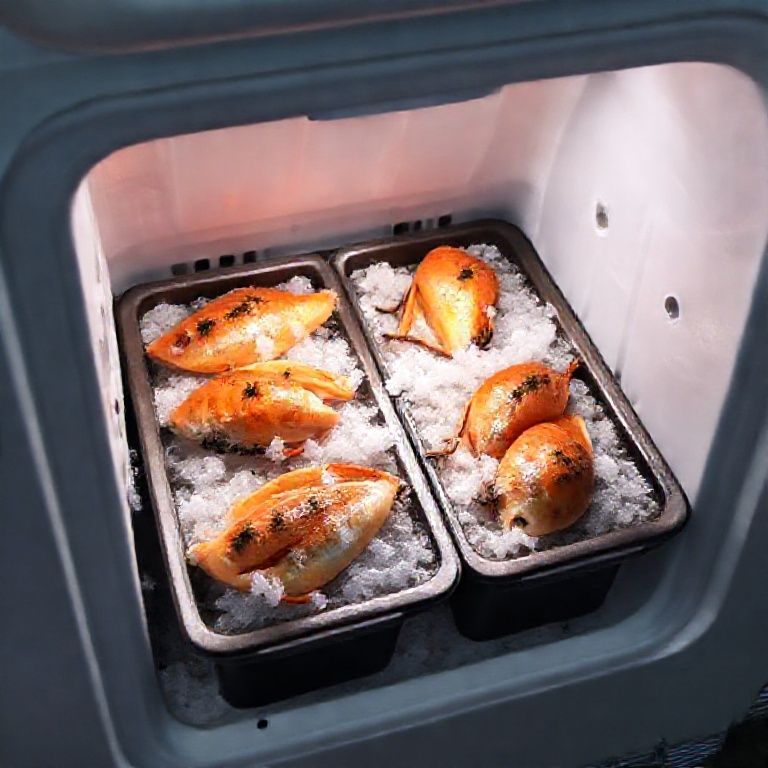
I’ll never forget the call I got from my buddy Mike, who runs a bustling seafood restaurant in downtown Nashville. It was a Friday night, peak dinner rush, and his walk-in cooler had just given up the ghost. Thousands of dollars’ worth of fresh oysters, salmon, and crab were sitting in a rapidly warming box, and he was staring down the barrel of a five-figure loss before the weekend was over. The kicker? The technician who showed up (after a three-hour wait) told him the issue could’ve been prevented with basic commercial refrigeration equipment maintenance. A clogged condenser coil and a worn-out door gasket. That’s it.
That was five years ago, and since then, I’ve made it my mission to understand, and share, how to keep commercial refrigeration running smoothly. Because here’s the thing: most catastrophic failures aren’t sudden. They’re the result of small, ignored problems that snowball into disasters. And in an industry where margins are razor-thin and food safety is non-negotiable, a single equipment failure can sink a business.
This isn’t just about avoiding breakdowns, though. Proper maintenance affects everything: energy efficiency (which impacts your utility bills), food safety compliance (which impacts your legal risk), and even staff morale (because nobody wants to work in a kitchen where the ice machine is constantly on the fritz). So whether you’re a restaurant owner, a kitchen manager, or just the poor soul who got stuck with the “fix the fridge” duty, this guide is for you. We’ll cover:
- The daily, weekly, and monthly checks that take less than 10 minutes but save thousands.
- How to spot early warning signs of trouble (before they become emergencies).
- The most common mistakes even experienced pros make (and how to avoid them).
- When to DIY and when to call in a pro-because not all heroics are worth the risk.
- How to extend the lifespan of your equipment by years (and delay that dreaded replacement cost).
And look, I get it, maintenance isn’t sexy. It’s not the new wood-fired oven or the fancy sous-vide machine. But it’s the difference between a kitchen that hums along and one that’s constantly in crisis mode. So let’s dive in.
1. The Daily 5-Minute Checks That Prevent 80% of Problems
I used to think daily maintenance was overkill, until I saw how quickly a small issue can spiral. Now, I’m a believer. These checks take less time than a coffee break but catch problems before they escalate.
Temperature Logging: Your First Line of Defense
Every commercial fridge and freezer should have a thermometer (preferably a digital one with a min/max record). Check and log temperatures at the start and end of each shift. Why? Because food safety regulations (like the FDA Food Code) require it, but more importantly, because temperature fluctuations are often the first sign of trouble. If your walk-in is supposed to be at 38°F but it’s creeping up to 42°F, that’s not just a food safety issue, it’s a sign your unit is struggling. Maybe the door seal is failing, or the evaporator fan is slowing down. Either way, you’ve just bought yourself time to fix it before the compressor burns out.
Pro tip: Use a temperature log sheet (even a simple spreadsheet) to track trends. If you see a pattern, like temps rising every afternoon, it might indicate an issue with the condenser coil or refrigerant levels during peak heat hours.
Door Seals: The Silent Energy Vampires
Run your hand around the door gasket (that’s the rubber seal). If you feel cold air escaping, or if the gasket is cracked, brittle, or sticky, it’s time to replace it. A faulty seal forces your unit to work harder, which increases energy costs by up to 30% and shortens the lifespan of the compressor. I’ve seen kitchens where the gaskets were so worn that frost was building up on the outside of the door, that’s like leaving a window open in your fridge.
Quick fix: Clean gaskets weekly with warm, soapy water (no harsh chemicals, they’ll degrade the rubber). If they’re damaged, replace them ASAP. Most manufacturers sell gasket kits for under $50, and installing them is a 10-minute job.
Condenser Coils: The Dust Bunnies That Cost You Money
Pull out your fridge (yes, actually move it) and look at the condenser coils (those black grids usually at the back or bottom). If they’re caked in dust, lint, or grease, your unit is running hotter than it should, which means it’s using more energy and wearing out faster. I once worked with a pizza shop where the coils hadn’t been cleaned in years. The compressor was running at 90% capacity just to keep up. A 15-minute cleaning dropped their energy bill by $200/month.
How to clean them: Use a coil brush (about $10 on Amazon) and a vacuum. Do this monthly in most kitchens, but if you’re in a high-dust environment (like a bakery or near construction), do it weekly. And for the love of all things holy, turn off the power first.
Drain Pans and Lines: The Forgotten Flood Risk
Clogged drain lines are the leading cause of water leaks in commercial fridges. If your drain pan is overflowing or you see water pooling inside the unit, it’s not just a mess, it’s a sign that mold and bacteria are about to become your new roommates. Worse, if the water backs up into the fridge, it can damage the evaporator fan or even the compressor.
Fix it: Pour a mix of hot water and vinegar (or a commercial drain cleaner) down the drain line monthly. If it’s already clogged, use a pipe cleaner brush or compressed air to clear it. And always check that the drain pan is properly seated and not cracked.
Listen for the “Unusual”
Your fridge makes noise. That’s normal. But if you hear ew sounds-like rattling, buzzing, or a high-pitched whine, that’s your unit crying for help. A rattling could mean a loose fan blade or compressor mount. A buzzing might indicate an electrical issue. And a whine? That’s often a sign of refrigerant leaks or a failing compressor. Don’t ignore it.
I once had a client who swore his fridge was “haunted” because it would randomly turn off. Turns out, the start capacitor was failing, a $20 part that took 10 minutes to replace. If he’d waited, he’d have been looking at a $1,200 compressor replacement.
2. Weekly Deep Dives: The Tasks That Save You From Midnight Emergencies
Daily checks are your early warning system. Weekly tasks are your preventative medicine. Skip these, and you’re basically playing Russian roulette with your equipment.
Evaporator Fan: The Unsung Hero of Airflow
The evaporator fan circulates cold air inside your fridge. If it’s not working, you get hot spots (where some areas are freezing while others are warm) and frost buildup. To check it:
- Turn off the unit and unplug it (safety first).
- Locate the fan (usually behind the back panel inside the fridge).
- Spin the blade by hand. If it doesn’t spin freely, the bearings are going bad.
- Listen for noise when it’s running. A squealing or grinding sound means it’s time for a replacement.
Replacing a fan motor costs about $100–$200, but if you ignore it, you’ll end up with spoiled food and a much bigger repair bill.
Defrost Cycle: Why Your Freezer Is Icing Over (And How to Fix It)
If your freezer looks like the Arctic tundra, your defrost system isn’t working. Most commercial units have an automatic defrost cycle, but if the defrost heater, thermostat, or timer fails, ice builds up on the coils, blocking airflow and forcing the unit to work harder.
How to test it:
- Unplug the unit and let the ice melt (or speed it up with a hairdryer on low heat).
- Check the defrost heater with a multimeter. If it’s not getting power, the issue could be the heater itself or the defrost control board.
- Listen for the defrost timer clicking. If it’s silent, it might be stuck.
I’ve seen freezers with so much ice buildup that the door wouldn’t close properly. The fix? A $50 defrost timer. The cost of ignoring it? A burned-out compressor and $3,000 in lost product.
Cleaning the Interior: More Than Just Aesthetics
Yes, you should wipe down shelves and drawers weekly to prevent cross-contamination and odors. But here’s what most people miss: food debris can clog vents and fans, reducing airflow and efficiency. Ever notice how your fridge smells like last week’s fish even after you’ve cleaned it? That’s because bits of food are getting sucked into the air intake and recirculated.
Fix it:
- Remove all food and shelves.
- Vacuum the back panel and vents (where the evaporator fan is).
- Wipe down with a food-safe sanitizer (bleach works in a pinch, but rinse thoroughly).
- Check for mold in hidden corners, especially under the drain pan.
Inspecting the Compressor: The Heart of Your System
The compressor is the most expensive part of your fridge, so give it some love. Weekly, do this:
- Listen for unusual vibrations or rattling. A healthy compressor hums steadily.
- Check for oil leaks (a sign the seals are failing).
- Ensure there’s at least 6 inches of clearance around the compressor for airflow.
- Feel the discharge line (the pipe coming out of the compressor). It should be hot, but not scalding. If it’s too hot to touch, your system is overworking.
If you notice any of these issues, call a technician. Compressor problems are not DIY territory.
3. Monthly Maintenance: The Tasks That Extend Your Equipment’s Lifespan
Monthly tasks are where you prevent long-term damage. These are the things that don’t cause immediate failures but slowly degrade your equipment until one day, it just quits.
Calibrating Thermostat and Controls
Over time, thermostats and temperature controls can drift, leading to inaccurate readings. If your fridge is running colder than it should, you’re wasting energy. If it’s running warmer, you’re risking food safety.
How to calibrate:
- Use a secondary thermometer (like a digital probe) to verify the display temperature.
- If there’s a discrepancy, consult your manual for calibration instructions (usually involves holding a button for 5–10 seconds).
- For older units, you might need to adjust the thermostat bulb (the sensor that sits inside the fridge).
I once worked with a BBQ joint where the walk-in was set to 34°F but was actually running at 28°F. They were freezing (and ruining) hundreds of dollars’ worth of brisket every week. A 5-minute calibration fixed it.
Checking Refrigerant Levels: The Invisible Problem
Low refrigerant (commonly R-134a or R-404A in commercial units) doesn’t just reduce cooling, it forces the compressor to work harder, which can lead to premature failure. Signs of low refrigerant:
- The unit runs constantly but never gets cold enough.
- Frost buildup on the suction line (the large pipe going into the compressor).
- Hissing sounds (indicating a leak).
This isn’t a DIY job, refrigerant handling requires certification. But you can inspect the lines for oil stains (a sign of a leak) and call a pro if you suspect an issue.
Lubricating Moving Parts: The Often-Forgotten Step
Fans, hinges, and door closers all have moving parts that need lubrication. Over time, friction wears them down, leading to:
- Squeaky or stiff doors (which staff will prop open, wasting energy).
- Worn-out fan bearings (which can seize up).
- Loose hinges (which misalign the door and ruin the seal).
Use a food-grade lubricant (like silicone spray) on hinges and door closers. For fan motors, use a few drops of electric motor oil on the bearings (if accessible). Do this every 3–6 months, or whenever you hear squeaking.
Testing the Door Closure Mechanism
If your fridge door doesn’t close properly, it’s not just an annoyance, it’s a major energy drain. Test the closure by opening the door halfway and letting go. It should swing shut on its own. If it doesn’t:
- Check the door closer (the hydraulic arm). If it’s leaking fluid or feels loose, replace it.
- Ensure the hinges aren’t bent or loose.
- Verify the door is aligned. If it’s sagging, adjust the hinges.
I’ve seen kitchens where staff would prop the door open with a milk crate “just for a minute,” which turned into hours. That’s like leaving your car running with the AC on full blast, except your car isn’t holding $5,000 worth of perishables.
4. Seasonal Maintenance: Preparing for Extreme Temperatures
Nashville summers are brutal, and winters can be unpredictable. Your fridge feels it too. Seasonal maintenance helps your equipment adapt to temperature swings without breaking a sweat.
Summer Prep: Beating the Heat
When outdoor temps rise, your fridge has to work harder. Here’s how to help it:
- Increase airflow around the condenser. If your unit is in a tight space, add a small fan to keep air moving.
- Check refrigerant levels-heat causes refrigerant to expand, which can reveal leaks.
- Inspect door seals more frequently. Heat makes rubber brittle.
- Consider a shade or curtain if your fridge is near a window or in direct sunlight.
I once consulted for a food truck where the fridge would overheat in the summer. The fix? A $20 reflective sunshade on the side of the truck. Sometimes, the simplest solutions work best.
Winter Prep: Cold Weather Challenges
Yes, fridges can struggle in the cold too. If your unit is in an unheated space (like a garage or outdoor patio),:
- Ensure the condenser isn’t freezing. If it’s too cold, the refrigerant won’t circulate properly.
- Check for ice buildup in the drain line (cold air can cause condensation to freeze).
- If your unit has a winter kit (a heater for the condenser), make sure it’s working.
I’ve seen walk-ins in unheated basements where the evaporator coil froze solid because the ambient temp was too low. The fix? A small space heater (with safety precautions) to keep the area above 50°F.
5. The Most Common Mistakes (And How to Avoid Them)
Even experienced kitchen managers make these mistakes. Don’t be one of them.
Mistake #1: Overloading the Fridge
Stuffing your fridge to capacity blocks airflow, leading to hot spots and uneven cooling. Worse, it forces the compressor to run longer, reducing its lifespan. Rule of thumb: Leave 20% of the space empty for airflow. If you’re constantly running out of room, it’s time to upgrade or reorganize.
Mistake #2: Ignoring the “Check Filter” Light
Many modern fridges have air filters to reduce odors and bacteria. If the “check filter” light is on, replace it. A clogged filter restricts airflow and makes your unit work harder. Filters are cheap ($20–$50); ignoring them is expensive.
Mistake #3: Using Harsh Cleaners
Bleach, ammonia, and abrasive cleaners degrade gaskets, plastic shelves, and seals. Stick to mild soap and water or food-safe sanitizers. For tough stains, a baking soda paste works wonders.
Mistake #4: Skipping the Manual
Every fridge has quirks. Some need quarterly coil cleaning; others have self-cleaning cycles you should run monthly. Your manual tells you exactly what your unit needs. If you’ve lost it, most manufacturers have PDFs online. Read it.
Mistake #5: DIYing Electrical or Refrigerant Issues
I get it, you’re handy. But messing with refrigerant or wiring without certification is illegal in most places (thanks, EPA) and dangerous. If you suspect a refrigerant leak or electrical problem, call a pro. The risk isn’t worth it.
6. When to Call a Professional (And How to Choose the Right One)
Some problems are beyond DIY. Here’s when to pick up the phone:
- Refrigerant leaks (hissing sounds, oil stains, unit not cooling).
- Compressor issues (loud knocking, overheating, failure to start).
- Electrical problems (burning smells, tripped breakers, sparking).
- Defrost system failures (if the heater or timer needs replacement).
- Major component replacements (compressor, condenser fan motor, etc.).
How to Choose a Refrigeration Technician
Not all techs are created equal. Here’s what to look for:
- EPA 608 Certification: Required by law for anyone handling refrigerant.
- Experience with your brand: A tech who specializes in True fridges might not know Traulsen systems.
- 24/7 emergency service: Because fridges don’t break at convenient times.
- Warranty on parts/labor: At least 90 days is standard.
- Transparent pricing: Avoid “diagnostic fee” bait-and-switches.
Pro tip: Ask other local restaurant owners for recommendations. A good tech is worth their weight in gold.
7. Extending the Lifespan of Your Equipment: Small Investments, Big Returns
Commercial fridges last 10–15 years on average, but with proper care, you can push that to 20+. Here’s how:
Invest in a Voltage Monitor
Power surges and brownouts kill compressors. A $50 voltage monitor can alert you to electrical issues before they fry your equipment. If your kitchen experiences frequent power fluctuations, consider a surge protector or uninterruptible power supply (UPS) for critical units.
Upgrade to LED Lighting
Old incandescent bulbs emit heat, making your fridge work harder. LED bulbs run cooler, last longer, and use less energy. Swap them out, it’s a 10-minute job with immediate payoff.
Use a Fridge Thermometer with Alerts
Smart thermometers (like the Thermoworks BlueTherm) can send alerts to your phone if temps go out of range. For $100, you get peace of mind and a record for health inspections.
Train Your Staff
The best maintenance plan fails if your team doesn’t follow it. Hold a 10-minute training session on:
- How to log temperatures correctly.
- Why propping doors open is a cardinal sin.
- How to report issues before they become emergencies.
Post a checklistear each fridge as a reminder.
8. Emergency Protocol: What to Do When Your Fridge Dies
Despite your best efforts, failures happen. Here’s how to minimize damage:
Step 1: Don’t Panic (But Act Fast)
If your fridge stops cooling:
- Check the power supply (is it plugged in? Did a breaker trip?).
- Listen for the compressor. If it’s humming but not cooling, it could be a start capacitor or refrigerant issue.
- If it’s completely dead, check the thermostat and fuses.
Step 2: Preserve Your Food
If the unit is warm:
- Move perishables to another fridge or a cooler with ice.
- Prioritize high-risk foods (meat, dairy, seafood).
- Use a thermometer to monitor temps. If food rises above 40°F for more than 2 hours, it’s unsafe.
Step 3: Call for Backup
Have a 24/7 refrigeration repair service on speed dial. If you don’t, ask other local businesses for recommendations. In a pinch, some HVAC companies also handle commercial refrigeration.
Step 4: Document Everything
Take photos of the issue, note the time it started, and keep records of:
- Temperature logs leading up to the failure.
- Any unusual noises or symptoms.
- The technician’s diagnosis and repairs.
This helps with warranty claims and future troubleshooting.
9. The Hidden Costs of Poor Maintenance (And How to Justify the Investment)
I get it, maintenance feels like an expense. But let’s talk about what poor maintenance actually costs:
Energy Waste
A fridge with dirty coils, a bad gasket, or low refrigerant can use 30–50% more energy. For a restaurant, that could mean an extra $100–$300/month on your electric bill. Over a year? That’s $1,200–$3,600-enough to buy a new fridge.
Food Spoilage
A single walk-in failure can ruin $2,000–$10,000 in inventory. And that’s not counting the lost sales from items you can’t serve.
Repair Costs
Replacing a compressor costs $800–$1,500. A condenser fan motor is $150–$300. A refrigerant recharge is $200–$500. Compare that to the $50/month you’d spend on maintenance supplies.
Downtime
If your fridge is down for a day, you might lose a full service. For a busy restaurant, that’s $1,000–$5,000 in lost revenue.
Health Code Violations
A fridge that’s not maintaining proper temps is a health code violation. Fines start at $100 but can escalate to temporary closure for repeat offenses.
When you frame maintenance as an investment rather than a cost, the math becomes clear. Spending $500/year on maintenance to avoid a $5,000 emergency? That’s a no-brainer.
10. The Future of Commercial Refrigeration: Smart Tech and Predictive Maintenance
The industry is changing, and smart refrigeration is no longer sci-fi. Here’s what’s on the horizon:
IoT-Enabled Fridges
Newer models come with Wi-Fi connectivity and sensors that:
- Alert you to temperature fluctuations via app.
- Track energy usage and suggest efficiency improvements.
- Predict failures before they happen (using AI to analyze performance data).
Brands like Hoshizaki and True already offer these features. The upfront cost is higher, but the long-term savings are substantial.
Predictive Maintenance Software
Companies like Samsara and 365 Retail Markets offer software that monitors your refrigeration systems in real-time, flagging issues before they become critical. For chains or large operations, this can reduce downtime by 40%.
Energy-Efficient Designs
New magnetic refrigeration and CO2-based systems are entering the market. They use less energy and have a smaller environmental footprint. While not yet mainstream, they’re worth watching if you’re in the market for new equipment.
Is It Worth Upgrading?
If your fridge is 10+ years old, it’s probably time to start budgeting for a replacement. Newer models are 30% more efficient and come with better warranties. But if your current unit is in good shape, retrofitting with smart sensors or a ew compressor can buy you a few more years.
Final Thoughts: Maintenance as a Culture, Not a Chore
Here’s the truth: Maintenance isn’t a task, it’s a mindset. The kitchens that thrive are the ones where everyone, from the dishwasher to the executive chef, understands that a well-running fridge isn’t just the manager’s problem, it’s everyone’s responsibility.
Start small. Pick one thing from this guide, maybe the daily temperature logs or monthly coil cleaning, and make it a habit. Once that’s second nature, add another. Over time, these tiny actions compound into massive savings in time, money, and stress.
And remember: The goal isn’t just to prevent breakdowns. It’s to create a kitchen where equipment supports your work, not fights against it. Where you’re not constantly putting out fires (sometimes literally). Where you can focus on what really matters: the food, the customers, and the reason you got into this business in the first place.
So, what’s the first thing you’ll tackle? Maybe it’s cleaning those coils you’ve been ignoring. Or finally replacing that frayed door gasket. Whatever it is, do it today. Because the best time to start maintaining your fridge was years ago. The second-best time? Right now.
FAQ: Your Burning Questions About Commercial Refrigeration Maintenance
Q: How often should I clean the condenser coils?
A: In most kitchens, monthly is ideal. If you’re in a dusty environment (like a bakery or near construction), do it every 2–3 weeks. And always check them if you notice the fridge running warmer than usual.
Q: My fridge is running constantly. Is that normal?
A: No. If your compressor is running nonstop, it’s a sign of trouble. Common causes:
- Dirty condenser coils
- Low refrigerant
- Faulty door seal
- Overloaded unit
- Ambient temperature too high
Check these first, then call a tech if the problem persists.
Q: Can I use a residential fridge in my commercial kitchen?
A: Technically, yes. Practically, no. Residential fridges aren’t built for the demands of a commercial kitchen. They lack:
- Durable compressors (designed for 24/7 use)
- NSF certification (required for health code compliance)
- Proper airflow for high-volume storage
- Easy-to-clean materials (stainless steel vs. plastic)
They’ll also void your insurance if they fail and cause a food safety issue. Not worth the risk.
Q: How do I know if my fridge is energy-efficient?
A: Look for the Energy Star rating (though not all commercial units have it). Other signs of efficiency:
- It maintains temperature without constant cycling.
- The condenser coils stay clean with minimal effort.
- Your energy bills are consistent (not spiking).
- It’s less than 10 years old (newer models are significantly more efficient).
If you’re unsure, an energy audit (often free from your utility company) can help.
@article{commercial-refrigeration-equipment-maintenance-tips-how-to-avoid-costly-breakdowns-from-someone-whos-seen-it-all,
    title   = {Commercial Refrigeration Equipment Maintenance Tips: How to Avoid Costly Breakdowns (From Someone Who’s Seen It All)},
    author  = {Chef's icon},
    year    = {2025},
    journal = {Chef's Icon},
    url     = {https://chefsicon.com/commercial-refrigeration-equipment-maintenance-tips/}
}