The Best Fluffy Pancakes recipe you will fall in love with. Full of tips and tricks to help you make the best pancakes.
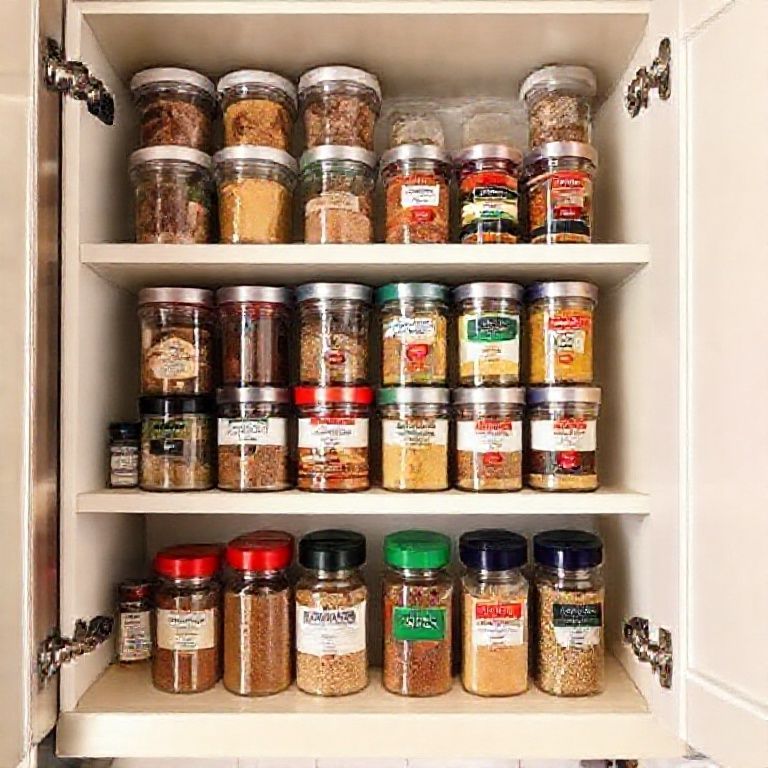
Let me start with a confession: I used to think my 700-square-foot Nashville apartment kitchen was cursed. Every time I opened a cabinet, something would avalanche onto my head, usually a stack of mismatched Tupperware or that one baking sheet I swore I’d use someday. Then I’d spend 10 minutes reorganizing, only for the chaos to return by the next morning. Sound familiar?
Here’s the thing-space-saving kitchen storage isn’t about cramming more stuff into less space. It’s about rethinking how we interact with our kitchens. After years of trial, error, and one too many late-night Amazon returns, I’ve learned that the best solutions aren’t just about maximizing square footage; they’re about maximizing usability. Whether you’re working with a postage-stamp apartment kitchen or trying to optimize a commercial prep area, the principles are the same: accessibility, adaptability, and a little bit of psychological trickery.
In this guide, we’re diving deep, like, “why do we even own three garlic presses?” deep, into practical, real-world solutions that don’t require a full renovation or a degree in industrial design. We’ll cover everything from vertical real estate hacks to the hidden economics of kitchen clutter (yes, that’s a thing). And because I’ve been burned by enough “genius” storage gadgets that ended up collecting dust, I’ll only recommend what’s actually worked for me, or for the chefs I’ve interviewed who run kitchens where every inch counts.
Fair warning: Some of these ideas might challenge your current system. You might resist. (I did.) But if you’re tired of playing Tetris with your pots every time you need a colander, stick with me. By the end, you’ll have a plan, not just for storing your stuff, but for using your kitchen the way it was meant to be used.
-
The Psychology of Kitchen Clutter (Or Why You Keep Things You Don’t Need)
Before we talk solutions, we need to talk about the why. Why do we hold onto that chipped mug from college? Why do we buy gadgets we use once and then shove to the back of a drawer? And why, *why*, do we think we’ll suddenly start meal prepping just because we bought a set of glass containers?
Turns out, our kitchens are microcosms of our decision-making biases. Here’s what’s really going on:
- The “Just in Case” Fallacy: We overestimate how often we’ll need something. That fondue set? The mandoline slicer? The 12-cup muffin tin for the two times a year you bake? Our brains trick us into thinking “someday” is a valid storage strategy.
- The Sunk Cost Trap: We’ve all done it, kept something because we spent money on it, not because we use it. That $200 knife set you got as a wedding gift but never sharpened? Classic sunk cost.
- The “Out of Sight, Out of Mind” Illusion: We think if we just shove things into cabinets, we’ve “organized.” But clutter isn’t about visibility; it’s about cognitive load. Every time you open a drawer and see chaos, your brain registers stress, even if you don’t consciously notice.
- The Aspirational Self: We store things based on who we *wish* we were, not who we are. The juicer for the person who drinks green smoothies daily. The pasta maker for the artisan chef. Meanwhile, actual-you orders takeout three nights a week.
Here’s the hard truth: No storage solution will work if you’re holding onto things you don’t use. Before you buy a single organizer, do this:
- Pull everything out of your cabinets and drawers. Yes, everything.
- Sort items into three piles:
- Use weekly: These earn prime real estate.
- Use monthly/seasonally: These can go in harder-to-reach spots.
- Haven’t used in a year: Donate, sell, or trash. No excuses.
- For the “maybe” items, ask: If I needed this, could I borrow it, buy it used, or live without it? If the answer is yes, let it go.
I know, I know, this sounds like a Marie Kondo rerun. But here’s the difference: We’re not organizing for the sake of organizing. We’re organizing for efficiency. In a commercial kitchen, every second counts. At home, every wasted minute digging for a lid is a minute you’re not enjoying your meal (or your life).
Is this step tedious? Absolutely. But it’s the foundation. Skip it, and you’re just rearranging clutter.
-
Vertical Space: The Most Underutilized Real Estate in Your Kitchen
If you’re not using your walls, you’re wasting at least 30% of your kitchen’s potential storage. Think about it: Cabinets stop at eye level, but most kitchens have another 12–18 inches of blank wall space above them. And that’s just the start.
1. The Pegboard Revolution (Yes, Even in Rental Kitchens)
Pegboards aren’t just for garages or Instagram-worthy craft rooms. They’re one of the most flexible, affordable, and tenant-friendly storage solutions out there. Here’s how to make them work in a kitchen:
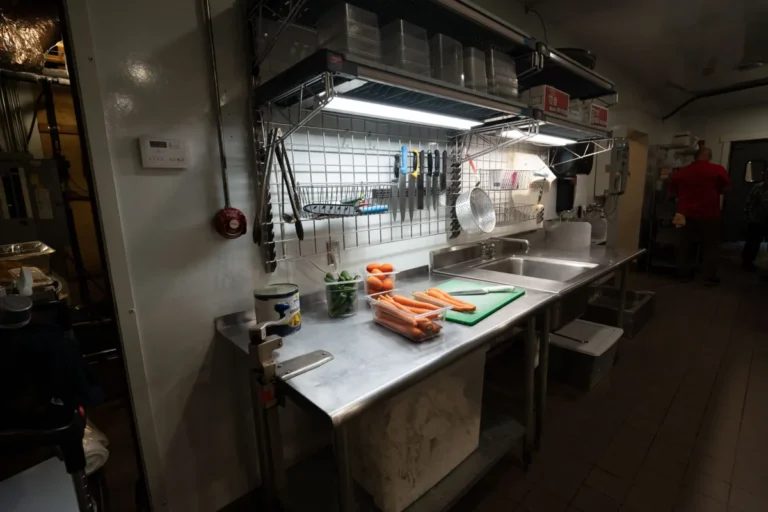
- Hang it above your prep area: Keep your most-used tools, whisks, spatulas, tongs, within arm’s reach. No more digging through the “junk drawer.”
- Use hooks for pots and pans: Free up cabinet space by hanging your cookware. Bonus: It doubles as decor if you have nice-looking pieces.
- Add shelves for spices or small jars: A narrow pegboard shelf can hold your daily-use spices or oils, keeping them visible and accessible.
- Go mobile: If you’re renting or hesitant to drill, mount a pegboard on a rolling cart or lean it against the wall with command strips.
Pro tip: Paint the pegboard the same color as your wall to make it blend in. Or go bold and make it a statement piece, your call.
I was skeptical at first, wouldn’t it look cluttered? But after testing it for a month, I realized visibility reduces mental load. When I can see my tools, I use them more. And when everything has a designated spot, cleanup takes half the time.
2. Magnetic Strips: Not Just for Knives
Magnetic strips are the unsung heroes of small kitchens. Most people use them for knives (which, yes, is great, it frees up drawer space and keeps blades sharp). But they can do so much more:
- Spice jars: Transfer spices to small metal tins (or use magnetic spice jars) and stick them to the wall. No more digging through a crowded cabinet.
- Utensils: Hang metal measuring cups, scissors, or even small tools like can openers.
- Lids: Stick metal pot lids to the strip to keep them from sliding around in cabinets.
- Baking sheets and cutting boards: If they’re metal or have a metal edge, they can hang vertically.
Where to place them?
- Above the stove (for spices, just not *directly* above, unless you want them coated in grease).
- On the side of a cabinet or fridge.
- Inside a cabinet door (for smaller items like bottle openers).
Cost? A 24-inch strip is about $15. Impact? Massive. It’s like gaining an extra drawer without losing any space.
3. Over-the-Door Organizers (But Not the Ugly Plastic Ones)
When I first heard “over-the-door organizer,” I pictured dorm-room shoe racks. But modern versions are sleek, sturdy, and game-changing for kitchens. Here’s how to use them without sacrificing style:
- Pantry doors: Store snacks, spices, or small jars. Look for metal or bamboo organizers-they’re sturdier and look better than plastic.
- Cabinet doors: Hang a slim organizer inside for foil, plastic wrap, or cutting boards.
- Fridge doors: Use a narrow organizer for condiments or small bottles (like hot sauce or vanilla extract).
- Under the sink: A hanging organizer can hold sponges, trash bags, or cleaning supplies.
Key upgrade: Choose organizers with adjustable shelves so you can customize the height for different items. And if you’re renting, opt for tension rods instead of over-the-door hooks, they’re damage-free and just as effective.
I’ll admit, I resisted this at first. (“But it’ll look cheap!”) Then I tried a stainless steel version from a restaurant supply store, and now I’m a convert. It’s commercial-grade durability for a home kitchen price.
-
Inside the Cabinets: How to Double Your Storage Without Adding an Inch
Cabinets are where most of us default to storing things, but we’re using them *all wrong*. The key isn’t just to fill them; it’s to optimize the space based on how we actually cook.
1. The Shelf Divider Hack That Changed My Life
Here’s a radical idea: Stacking plates and bowls vertically instead of horizontally. Sounds weird, right? But hear me out.
Most of us stack plates in a pile, which means:
- You can only access the top plate without disturbing the stack.
- The bottom plates get scratched from friction.
- You’re limited by the height of your cabinet.
Now, imagine plate dividers (or even DIY ones made from tension rods or wooden dowels). Suddenly:
- Every plate is instantly accessible-no more unstacking to get to the one you want.
- You can fit 20–30% more plates in the same space because you’re using the full height of the cabinet.
- Plates stay cleaner and less damaged because they’re not rubbing against each other.
Same goes for bowls, cutting boards, and even baking sheets. Vertical storage isn’t just for pants in your closet, it’s a kitchen game-changer.
Where to find dividers?
- IKEA’s VARIERA series is affordable and adjustable.
- Restaurant supply stores sell commercial-grade dividers (overkill for home, but great for heavy dishes).
- DIY with tension rods or wooden dowels if you’re on a budget.
2. The “Zone Defense” Approach to Cabinet Organization
Most of us organize cabinets by type of item (all pots together, all glasses together). But that’s not how we *use* our kitchens. Instead, try organizing by workflow zones:
- Prep Zone: Cutting boards, knives, mixing bowls, measuring cups. Keep this near your countertop workspace.
- Cooking Zone: Pots, pans, spatulas, oven mitts. Store these near the stove.
- Serving Zone: Plates, bowls, serving utensils. Keep this near the dining area or stove.
- Cleanup Zone: Dish soap, sponges, trash bags. Store under the sink or near the dishwasher.
Why this works:
- You eliminate unnecessary steps. No more walking across the kitchen to grab a spatula while your garlic burns.
- It reduces decision fatigue. When everything you need for a task is in one place, cooking feels easier.
- It prevents “dead zones”-those cabinets where random items go to die.
This is how professional kitchens are set up. Chefs don’t have time to hunt for tools; neither should you.
3. The Secret Weapon: Pull-Out Shelves
If there’s one upgrade I’d splurge on, it’s pull-out shelves. Here’s why:
- No more black holes: Ever lost a Tupperware lid in the back of a cabinet? Pull-out shelves bring everything to you.
- Maximizes deep cabinets: That awkward space behind your pots? Now it’s usable.
- Reduces strain: No more crouching or stretching to reach things.
You don’t need a full remodel to add them. Options:
- DIY with sliding drawer hardware: Buy shelves and attach slides. (I did this in my rental, took an afternoon and cost about $50 per cabinet.)
- Pre-made pull-out bins: Companies like Rev-A-Shelf make retrofit kits that fit existing cabinets.
- Basket systems: Wire baskets on slides work great for pantry items.
Where to use them:
- Under the sink (for cleaning supplies).
- Lower cabinets (for pots, pans, or small appliances).
- Pantry (for cans, jars, or snacks).
I installed these in my lower cabinets and gained what felt like an extra cabinet’s worth of space. The best part? No more avalanches when I open the door.
-
Underutilized Spaces You’re Probably Ignoring
We fixate on cabinets and counters, but some of the best storage is hiding in plain sight. Here’s where to look:
1. The Space Above Your Fridge
That gap between your fridge and the ceiling? It’s prime real estate. Most of us ignore it because it’s out of sight, but with the right tools, it’s a goldmine.
- Add a slim shelf: Store rarely used items like extra serving platters, holiday dishes, or backup pantry staples.
- Use a sliding basket: Perfect for bulky items like stand mixers or slow cookers you don’t use daily.
- Install a wine rack: If you’re short on space but love a good bottle, this is a stylish solution.
Pro tip: Measure the depth of your fridge before buying anything. You want items to sit flush so they don’t stick out.
2. The Side of Your Cabinets
The sides of cabinets are wasted space in most kitchens. But with a few simple additions, they can hold a surprising amount:
- Hooks: Hang mugs, utensils, or small baskets for fruits/veggies.
- Magnetic strips: Store knives or spice jars (if the cabinet side is metal or you add a metal sheet).
- Narrow shelves: Perfect for cookbooks or cutting boards.
Bonus: This keeps items visible but out of the way-no more digging through drawers.
3. The Kickplate Under Your Cabinets
The kickplate (that recessed space under your lower cabinets) is the most overlooked storage spot in any kitchen. Here’s how to use it:
- Slide-out drawers: Store flat items like baking sheets, cutting boards, or trays.
- Pull-out bins: Great for pet food, extra trash bags, or cleaning supplies.
- Hidden step stool: If you’re short (like me), a slim stool that slides out when needed is a lifesaver.
Most hardware stores sell kickplate drawer kits for under $50. It’s a zero-visual-clutter way to add storage.
4. The Inside of Cabinet Doors
Cabinet doors are blank canvases. Here’s how to maximize them:
- Spice racks: Mount a slim rack for your most-used spices.
- Utensil holders: Hang measuring cups, whisks, or wooden spoons.
- Foil/plastic wrap organizer: No more wrestling with rolls that unravel.
- Small baskets: Hold packets of sauce, tea bags, or snack bars.
Key: Use clear or open containers so you can see what’s inside at a glance.
-
Small Appliances: How to Store Them Without Losing Your Mind
Small appliances are the clutter villains of modern kitchens. We love them in theory (hello, air fryer!), but they’re bulky, awkward, and often used infrequently. Here’s how to tame them:
1. The “One In, One Out” Rule
Before you buy another gadget, ask:
- Do I already own something that does this?
- Will I use this at least once a week?
- If not, what am I willing to donate to make space for it?
This rule forces you to prioritize what you actually use. My air fryer earned its spot because I use it 3x a week. My waffle maker? Gone. (Sorry, not sorry.)
2. Vertical Storage for Bulky Items
Most of us store appliances horizontally, which eats up shelf space. Instead:
- Stand mixers: Store with the bowl attached vertically (many models are designed for this).
- Blenders/food processors: Keep the base on the counter if you use it daily; store attachments in a nearby drawer.
- Air fryers/toaster ovens: Use a pull-out shelf so you can access it without lifting.
Pro tip: Store appliances near where you use them. If you make smoothies every morning, keep the blender by the fridge, not buried in a cabinet.
3. The “Appliance Garage” (Even If You Don’t Have One)
An appliance garage is a countertop cabinet that hides small appliances when not in use. But you don’t need a built-in to create one:
- Use a rolling cart with doors (like IKEA’s RÅSKOG) to corral appliances.
- Repurpose a small bookshelf with curtains for a DIY version.
- Install a pull-down shelf above your counter to hide items when not in use.
This keeps your counters clear and functional without sacrificing access to your tools.
-
Pantry Organization: Beyond the Clear Bins
Pantries are where good intentions go to die. We buy clear bins, label everything, and then six months later, it’s a free-for-all again. Here’s how to make it stick:
1. The “First In, First Out” System
Restaurants use FIFO (First In, First Out) to prevent food waste. You should too:
- When you buy new groceries, move older items to the front of the shelf.
- Use turntables (lazy Susans) for cans and jars so nothing gets lost in the back.
- Label shelves with expiration zones (e.g., “Use This Week” vs. “Long-Term Storage”).
This isn’t just about organization, it’s about saving money. The average family throws away $1,500 worth of food per year because it gets forgotten. FIFO fixes that.
2. Group by Meal, Not by Type
Instead of grouping all pasta together, all cans together, etc., try organizing by meal components:
- Breakfast: Oatmeal, granola, syrup, peanut butter.
- Pasta Night: Noodles, sauce, parmesan, olive oil.
- Baking: Flour, sugar, chocolate chips, vanilla.
- Snacks: Nuts, crackers, dried fruit.
Why this works:
- You see what you have at a glance, no more buying duplicates.
- Meal prep becomes faster because ingredients are grouped by use.
- It reduces decision fatigue (“What’s for dinner?” becomes easier when you see options grouped).
3. The “No Floor Space” Rule
Pantry floors are clutter magnets. Instead of letting bags of rice or boxes of cereal take up valuable real estate:
- Use stackable bins for bulk items (flour, sugar, pasta).
- Hang a shoe organizer on the back of the door for snacks or small packets.
- Add a pull-out drawer at the bottom for heavy items (like pet food or large bags).
Bonus: Elevate items off the floor to prevent pests and make cleaning easier.
-
The “Invisible” Storage Solutions
Some of the best storage doesn’t look like storage at all. Here’s how to hide clutter in plain sight:
1. Multi-Functional Furniture
If your kitchen is tight, every piece of furniture should do double duty:
- Kitchen islands with storage: Look for models with shelves, drawers, or even a built-in wine rack.
- Bar carts: Use for appliances, cookbooks, or pantry overflow. Wheels make it easy to move as needed.
- Bench seating with storage: If you have a breakfast nook, choose benches with lift-up seats for hidden storage.
I replaced my bulky dining table with a drop-leaf table and a storage bench, and it doubled my kitchen’s functionality.
2. Hidden Drawers and False Fronts
Custom cabinetry can hide storage in unexpected places:
- Toe-kick drawers: Slim drawers at the base of cabinets for flat items like baking sheets.
- False drawer fronts: Some cabinets have “dummy” drawers that are actually hidden storage.
- Pull-out cutting boards: Slide out when needed, then tuck away.
If custom isn’t an option, DIY false fronts with tension rods or slim bins can achieve a similar effect.
3. Decorative Storage
If it’s out in the open, make it pretty. Some ideas:
- Glass jars for dry goods: Uniform jars (like IKEA’s KORKEN) look intentional, not cluttered.
- Hanging fruit baskets: Free up counter space and add a pop of color.
- Open shelving with curated items: Display your prettiest dishes or glassware; store the rest out of sight.
Key: Edit ruthlessly. Only keep out what you use daily or truly love.
-
Commercial Kitchen Hacks for Home Cooks
Professional kitchens are masters of efficiency-because they have to be. Here are the best tricks to steal for your home:
1. The “Mise en Place” Mindset
Mise en place (French for “everything in its place”) is the foundation of professional cooking. Apply it at home:
- Prep ingredients before you start cooking (measure, chop, organize).
- Use small bowls or ramekins to hold prepped items, then stack them in the fridge if you’re interrupted.
- Keep a trash bowl on the counter to collect scraps as you go (no more walking to the trash every 30 seconds).
This isn’t just about cooking, it’s about reducing cleanup time and keeping your kitchen functional *while* you cook.
2. The “Work Triangle” Principle
Commercial kitchens are designed around the work triangle: the path between the stove, sink, and fridge. The goal? Minimize steps.
Apply this at home:
- Store pots and pans near the stove.
- Keep cutting boards and knives near the sink (for prep and cleanup).
- Place daily-use items (like olive oil, salt, and pepper) within arm’s reach of the stove.
Every extra step adds up. Shave seconds off your routine, and you’ll save hours over a year.
3. The “Chef’s Roll” for Utensils
Chefs don’t dig through drawers, they use rolls or pouches to keep tools organized and portable. Steal this idea:
- Use a fabric utensil roll (like those for makeup brushes) to store wooden spoons, whisks, and tongs.
- Hang it on a hook or pegboard for easy access.
- Take it with you if you’re cooking at a friend’s place or outdoor grilling.
This frees up drawer space and keeps your most-used tools visible and accessible.
-
DIY vs. Buy: What’s Worth the Investment?
Not all storage solutions are created equal. Here’s what’s worth splurging on, and what you can DIY:
Worth the Splurge:
- Pull-out shelves: The difference in usability is night and day.
- Magnetic knife strips: Saves drawer space and keeps blades sharp.
- Stackable, airtight containers: Uniform containers save space and prevent pests.
- Commercial-grade pegboards: Cheap ones sag; heavy-duty pegboards last decades.
Save Your Money (DIY Instead):
- Spice organizers: Repurpose small jars or use magnetic tins.
- Drawer dividers: Use tension rods, cardboard, or wooden dowels instead of buying expensive inserts.
- Pantry bins: Dollar stores sell clear bins that work just as well as fancy ones.
- Utensil holders: Mason jars or upcycled cans work perfectly.
Rule of thumb: Invest in what you use daily. Everything else can be improvised.
-
Maintenance: How to Keep It from Turning Back Into Chaos
Here’s the harsh truth: No system works if you don’t maintain it. But maintenance doesn’t have to be a chore. Here’s how to make it effortless:
1. The 5-Minute Reset
Every night before bed (or first thing in the morning), spend 5 minutes resetting your kitchen:
- Put dishes away (or at least in the dishwasher).
- Wipe down counters.
- Return items to their designated spots.
- Take out the trash/recycling if it’s full.
This isn’t about deep cleaning, it’s about preventing the snowball effect. A small mess becomes overwhelming fast.
2. The “One-Touch Rule”
When you’re done using something, put it away immediately. No “I’ll do it later” piles. This:
- Prevents clutter from accumulating.
- Saves time later (because you’re not doing a massive cleanup).
- Makes your kitchen always ready to use.
Hard at first? Yes. Life-changing once it’s a habit? Absolutely.
3. Quarterly “Purge and Reassess”
Every 3–4 months, do a 10-minute purge:
- Check for expired food.
- Donate unused gadgets or dishes.
- Adjust storage based on what you’re *actually* using.
Kitchens evolve. Your storage should too.
-
FAQ: Your Burning Questions About Kitchen Storage
Q: I rent my apartment. What are the best non-permanent storage solutions?
A: Focus on tension rods, over-the-door organizers, and freestanding units like rolling carts or pegboards mounted with command strips. For cabinets, use removable adhesive hooks or shelf liners with grip to prevent items from sliding. And don’t overlook multi-functional furniture-a bar cart or small bookshelf can add storage without damaging walls.
Q: How do I organize a tiny kitchen with almost no cabinet space?
A: Prioritize vertical and hidden storage:
- Use wall-mounted shelves for dishes or cookbooks.
- Hang pots and pans from a ceiling rack or pegboard.
- Store dry goods in clear jars on open shelving (it looks intentional and saves cabinet space).
- Use the inside of cabinet doors for spices or utensils.
- Opt for foldable or nesting cookware to maximize space.
And remember: The less you own, the less you have to store. Be brutal about paring down.
Q: What’s the best way to store bulky items like stand mixers or Instant Pots?
A: If you use it weekly, give it dedicated counter space (like a mixer lift or a designated appliance zone). If it’s seasonal, store it:
- On a high shelf with a pull-down mechanism.
- In a deep drawer with a slide-out tray.
- Under a bed or in a closet (if you’re really tight on space).
Pro tip: Store attachments inside the appliance (e.g., Instant Pot lids inside the pot) to save space.
Q: How do I keep my pantry organized long-term?
A: The secret is systems, not just containers:
- Use clear, uniform bins so you can see what’s inside.
- Label everything (including expiration dates).
- Group by meal type (not just food type).
- Do a quick scan before grocery shopping to avoid duplicates.
- Keep a small trash bin in the pantry for easy cleanup (like expired items or empty packages).
And don’t overbuy-if it doesn’t fit in your system, you don’t have room for it.
-
Final Thoughts: Your Kitchen Should Work for You
Here’s what I’ve learned after years of battling kitchen clutter: The best storage solution is the one you’ll actually use. It doesn’t have to be Pinterest-perfect. It doesn’t have to cost a fortune. It just has to make your life easier.
Start small. Pick one problem area (the junk drawer, the Tupperware avalanche, the spice graveyard) and tackle it this weekend. Use what you already have before buying anything new. And remember: **The goal isn’t to have a “perfect” kitchen, it’s to have a kitchen that works for *you*.
So here’s your challenge: Choose one idea from this guide and implement it in the next 48 hours**. Then notice how it changes your daily routine. Does it save you time? Reduce stress? Make cooking more enjoyable? If yes, keep going. If not, tweak it. There’s no one-size-fits-all solution, but there *is* a system that will work for your space, your habits, and your life.
And if all else fails? Blame the garlic press. We all have one.
@article{space-saving-kitchen-storage-solutions-that-actually-work-and-wont-make-you-hate-your-kitchen,
    title   = {Space-Saving Kitchen Storage Solutions That Actually Work (And Won’t Make You Hate Your Kitchen)},
    author  = {Chef's icon},
    year    = {2025},
    journal = {Chef's Icon},
    url     = {https://chefsicon.com/space-saving-kitchen-storage-solutions/}
}