The Best Fluffy Pancakes recipe you will fall in love with. Full of tips and tricks to help you make the best pancakes.
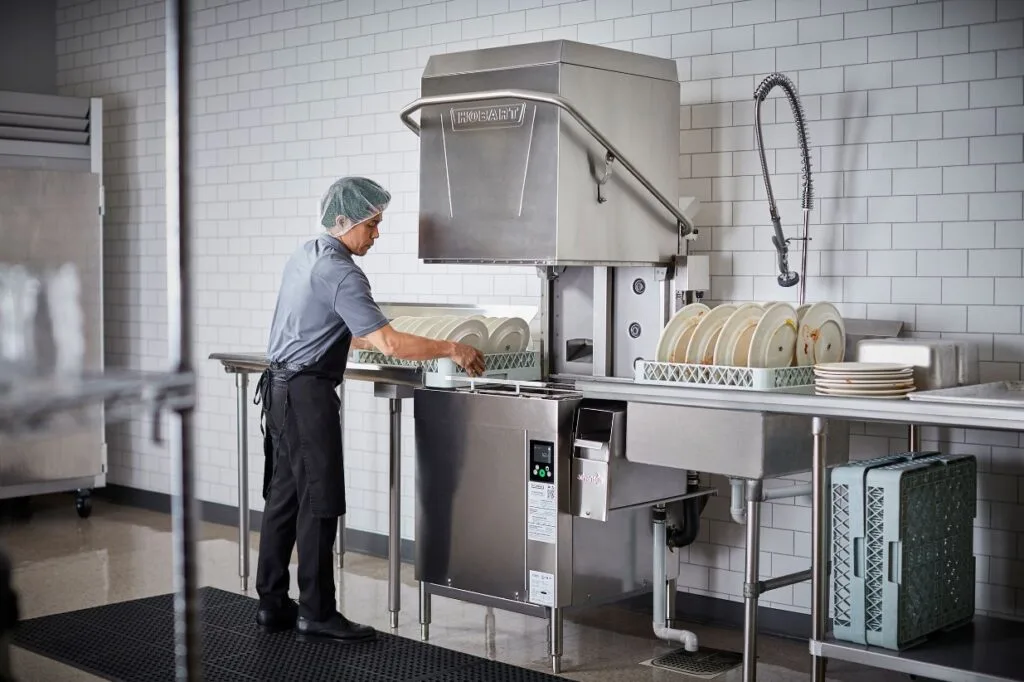
Let me tell you something that’ll make you groan: I once worked in a kitchen where the dishwasher was treated like a second-class citizen. Not by the dishwashers themselves, those unsung heroes, but by the rest of us. We’d pile plates high, scrape off the *visible* gunk, and assume the machine would handle the rest. Spoiler: it didn’t. One busy Friday night, the thing decided to stage a protest. Mid-service. With a full house. The backup of dirty dishes was so bad, we ended up hand-washing everything in the prep sinks while customers waited an hour for their entrees. The GM nearly had a stroke, and I learned a lesson I’ll never forget: your commercial dishwasher isn’t just a machine, it’s the backbone of your kitchen.
Now, I’m not just some guy who’s had one bad night. I’ve worked in kitchens from Nashville to the Bay Area, and I’ve seen the spectrum, from places where the dishwasher is babied like a prized racehorse to joints where it’s left to fend for itself until it breaks down. And here’s the thing: maintenance isn’t just about avoiding breakdowns. It’s about efficiency, hygiene, and, let’s be real, your sanity. A well-maintained dishwasher means faster turnaround, cleaner dishes, and fewer headaches. But where do you even start? Is it really as simple as running a cleaning cycle once a week? (Spoiler: no.) Should you be checking the spray arms daily? (Maybe.) And what’s the deal with that mysterious white buildup?
In this guide, I’m going to walk you through everything you need to know about maintaining your commercial dishwasher. We’ll cover the daily, weekly, and monthly tasks that keep it running smoothly, the warning signs that something’s about to go wrong, and the little tricks that’ll extend its lifespan. By the end, you’ll know how to treat your dishwasher like the MVP it is, and avoid the kind of night I had where we were all elbow-deep in suds at 10 p.m. Sound good? Let’s dive in.
The Anatomy of a Commercial Dishwasher: Know Your Machine
Before we get into the nitty-gritty of maintenance, let’s talk about what we’re actually dealing with. Commercial dishwashers aren’t just bigger versions of your home model, they’re built for volume, speed, and durability. But that also means they’ve got more parts, more potential points of failure, and more quirks. Here’s a quick breakdown of the key components you should know:
- Wash and Rinse Arms: These are the spinning contraptions that blast water at your dishes. They’ve got tiny holes (jets) that can clog with food debris or mineral buildup. If they’re not spinning freely, your dishes won’t get clean.
- Filters: Most commercial dishwashers have at least two filters, a coarse one to catch big chunks of food and a fine one for smaller particles. These are your first line of defense against clogs and poor performance.
- Detergent and Rinse Aid Dispensers: These release the chemicals that do the actual cleaning and drying. If they’re not calibrated right, you’ll waste product or end up with spotty dishes.
- Heating Element: This is what keeps the water hot enough to sanitize. If it’s not working, your dishes might look clean but won’t be safe to use.
- Drain and Pump: The drain removes dirty water, and the pump circulates clean water. If either of these fails, you’re looking at a flood or a machine that won’t run.
- Door Gaskets: These rubber seals keep water from leaking out. If they’re cracked or dirty, you’ll lose pressure and efficiency.
Now, I know what you’re thinking: *Do I really need to know all this?* Short answer: yes. Long answer: if you don’t understand how your dishwasher works, you won’t know how to fix it when something goes wrong. And trust me, something will go wrong. Maybe not today, maybe not tomorrow, but soon. And when it does, you’ll be glad you took five minutes to learn the basics.
Is this the best approach? Let’s consider: some folks might argue that you don’t need to know the inner workings of the machine, just follow the manufacturer’s maintenance schedule. And sure, that’s a start. But in my experience, the kitchens that run the smoothest are the ones where the staff *understands* their equipment, not just how to use it. When you know why the filters need to be cleaned daily, you’re more likely to actually do it. When you understand how the heating element affects sanitization, you’ll be more diligent about checking the water temperature. Knowledge isn’t just power, it’s prevention.
Daily Maintenance: The Non-Negotiables
Alright, let’s talk about the daily grind. I get it, when you’re in the weeds, the last thing you want to do is stop and clean the dishwasher. But here’s the hard truth: skipping daily maintenance is like skipping oil changes in your car. You might get away with it for a while, but eventually, something’s gonna blow. And in a commercial kitchen, “eventually” usually means “during your busiest shift.”
So, what *exactly* should you be doing every single day? Here’s the checklist I’ve used in every kitchen I’ve worked in, and it’s saved me more headaches than I can count:
1. Scrape and Rinse Dishes Before Loading
I know, I know, this isn’t technically *dishwasher* maintenance, but it’s the first step in keeping your machine running smoothly. The less food debris that goes into the dishwasher, the less work it has to do. And the less work it has to do, the longer it’ll last. Simple, right?
But here’s where things get tricky: how much scraping is enough? You don’t need to pre-wash dishes like you’re doing surgery, but you *do* need to get rid of the big chunks. Think of it like this: if you wouldn’t want to eat it, don’t let it go into the dishwasher. That glob of mashed potatoes? Scrape it. That half-eaten steak? Scrape it. That mysterious green sauce that’s been sitting on the plate since lunch? Yeah, scrape that too.
Pro tip: if you’ve got a garbage disposal in your prep sink, use it. If not, keep a small trash can nearby for scraps. The less food that makes it into the dishwasher, the better.
2. Clean the Filters (Yes, Every Day)
This is the one task that gets skipped more than any other, and it’s the one that’ll bite you in the butt the fastest. Dirty filters = poor water circulation = dishes that don’t get clean. And if the filters are *really* clogged, you might end up with a machine that won’t drain at all. Trust me, you do *not* want to deal with that mid-service.
Here’s how to do it right:
- Turn off the dishwasher and unplug it (safety first, folks).
- Locate the filters, usually at the bottom of the machine. They’ll look like a metal basket or a flat screen.
- Remove the coarse filter first. This is the one that catches the big stuff. Rinse it under hot water, using a brush or sponge to scrub off any gunk. If it’s really caked on, soak it in warm, soapy water for a few minutes.
- Next, remove the fine filter. This one’s usually a flat screen or a cylinder. Rinse it thoroughly, making sure all the tiny holes are clear. If it’s damaged, replace it, don’t try to “make do.”
- Reassemble the filters and make sure they’re seated properly. If they’re not, you’ll get food particles in places they shouldn’t be.
I’m torn between telling you to do this at the end of the night or first thing in the morning. On one hand, cleaning the filters at night means you’re starting fresh the next day. On the other hand, if you do it in the morning, you can catch any debris that might’ve settled overnight. Ultimately, I think it’s more important that you *do it* than when you do it. Just pick a time and stick to it.
3. Check the Spray Arms
The spray arms are the unsung heroes of your dishwasher. They’re the ones blasting water at your dishes, and if they’re not working right, nothing else matters. Here’s what to look for:
- Are they spinning freely? Give them a gentle push. If they don’t spin, something’s blocking them, usually food debris or mineral buildup.
- Are the jets clear? The tiny holes in the spray arms can clog with food or lime scale. Use a toothpick or a small brush to clear them out.
- Are they damaged? If the arms are cracked or bent, they won’t distribute water evenly. Replace them if they’re not in good shape.
This is one of those tasks that takes two minutes but makes a *huge* difference. Do it every day, and you’ll avoid the nightmare of dishes coming out half-clean because one spray arm wasn’t working.
4. Inspect the Door Gaskets
The door gaskets (those rubber seals around the door) are easy to ignore, until they’re not. If they’re cracked, dirty, or misaligned, your dishwasher won’t seal properly, and you’ll lose water pressure. That means dishes won’t get clean, and you’ll waste water and energy.
Here’s how to check them:
- Open the door and look at the gasket. Is it clean? Are there any cracks or tears?
- Run your finger along the gasket. Does it feel smooth, or is there a buildup of grime?
- Close the door and check for gaps. If you can see light coming through, the gasket isn’t sealing properly.
If the gasket is dirty, clean it with warm, soapy water and a soft cloth. If it’s damaged, replace it. Don’t wait, this is one of those things that’ll only get worse if you ignore it.
5. Run a Rinse Cycle at the End of the Night
This is one of those “nice to have” tasks that makes a bigger difference than you’d think. At the end of the night, after you’ve cleaned the filters and inspected the spray arms, run a rinse cycle with no dishes in the machine. This does two things:
- It flushes out any remaining food debris or detergent residue.
- It keeps the interior of the dishwasher from getting musty overnight.
I’ll admit, I didn’t always do this when I was younger. But after working in a kitchen where the dishwasher smelled like a swamp by the end of the week, I started making it a habit. Now, I won’t skip it. It’s a small thing, but it makes a difference.
Weekly Maintenance: The Deep Clean
Daily maintenance is all about prevention, keeping things running smoothly so you don’t have to deal with emergencies. Weekly maintenance, on the other hand, is about deep cleaning and inspection. This is where you catch the things that daily tasks might miss, like mineral buildup, worn-out parts, or subtle signs of trouble. Think of it like a car tune-up: you wouldn’t drive for years without checking the oil or rotating the tires, right? Same principle here.
Now, I know what you’re thinking: *Do I really have to do all this every week?* The short answer is yes. The long answer is: if you want your dishwasher to last, if you want your dishes to come out clean every time, and if you want to avoid costly repairs, then yes, you do. But don’t worry, I’ll walk you through it step by step, and I’ll even tell you which tasks are non-negotiable and which ones you can fudge a little if you’re short on time.
1. Descale the Machine
If you live in an area with hard water (and let’s be real, most of us do), mineral buildup is your dishwasher’s worst enemy. Over time, lime scale and other minerals can clog the jets in the spray arms, coat the heating element, and even mess with the detergent dispenser. The result? Dishes that don’t get clean, longer cycle times, and higher energy bills.
Descaling is the process of removing that buildup, and it’s something you should do at least once a week. Here’s how:
- Choose your descaler: You can use a commercial descaling product (follow the instructions on the bottle) or a DIY solution. For the DIY route, mix equal parts white vinegar and water. Some folks swear by citric acid, but I’ve found vinegar works just as well and is cheaper.
- Run a cycle: Fill the detergent dispenser with your descaling solution and run a full wash cycle with no dishes in the machine. If your dishwasher has a “clean” or “descale” setting, use that. If not, just run it on the hottest setting.
- Rinse: After the cycle is done, run a rinse cycle to flush out any remaining solution.
- Inspect: Open the dishwasher and check the spray arms, heating element, and interior for any remaining buildup. If you see white deposits, you might need to repeat the process or use a brush to scrub them off.
I’m torn between recommending vinegar and commercial descalers. Vinegar is cheap and effective, but it can leave a smell that lingers for a cycle or two. Commercial descalers are more expensive but often work faster and don’t leave a scent. Ultimately, I think it comes down to what you’re comfortable with. If you’re using vinegar, just make sure to run an extra rinse cycle afterward to get rid of the smell.
2. Clean the Detergent and Rinse Aid Dispensers
The detergent and rinse aid dispensers are easy to overlook, but they’re critical to your dishwasher’s performance. If they’re clogged or dirty, your dishes won’t get clean, and you’ll waste product. Here’s how to clean them:
- Remove the dispensers: Most commercial dishwashers have removable detergent and rinse aid dispensers. Check your manual if you’re not sure how to take them out.
- Soak them: Fill a sink or bucket with warm, soapy water and let the dispensers soak for 10-15 minutes. This’ll loosen any caked-on detergent or rinse aid.
- Scrub: Use a soft brush or sponge to scrub the inside of the dispensers. Pay special attention to the nozzles and any small holes.
- Rinse and dry: Rinse the dispensers thoroughly and let them air-dry before putting them back in the machine.
While you’re at it, check the dispenser seals. If they’re cracked or worn, replace them. A leaky dispenser means wasted product and poor performance.
3. Inspect and Clean the Heating Element
The heating element is what keeps the water hot enough to sanitize your dishes. If it’s covered in lime scale or food debris, it won’t work efficiently, and your dishes might not get clean. Here’s how to inspect and clean it:
- Locate the heating element: It’s usually at the bottom of the dishwasher, near the drain. If you’re not sure where it is, check your manual.
- Inspect it: Look for any signs of buildup or damage. If it’s covered in white deposits, it needs to be descaled. If it’s cracked or broken, it needs to be replaced.
- Clean it: If there’s buildup, use a soft brush or sponge to scrub it off. Be gentle, you don’t want to damage the element. If the buildup is stubborn, you might need to descale the machine (see above).
This is one of those tasks that’s easy to skip, but don’t. A dirty heating element means longer cycle times, higher energy bills, and dishes that don’t get clean. And if it fails completely, you’re looking at a costly repair or replacement.
4. Check the Drain and Pump
The drain and pump are the unsung heroes of your dishwasher. They’re responsible for removing dirty water and circulating clean water, and if they’re not working right, your machine won’t run. Here’s how to check them:
- Inspect the drain: Look for any clogs or debris in the drain. If you see food particles or other gunk, remove them.
- Check the pump: Listen to the pump while the dishwasher is running. If it’s making strange noises (grinding, squealing, etc.), it might be clogged or damaged.
- Test the drain: Run a rinse cycle and watch the water drain. If it’s slow or doesn’t drain at all, you’ve got a problem.
If the drain is clogged, you can usually clear it with a plunger or a drain snake. If the pump is making noise, it might need to be cleaned or replaced. Either way, don’t ignore it, this is one of those things that’ll only get worse if you put it off.
5. Lubricate Moving Parts
Commercial dishwashers have a lot of moving parts, hinges, spray arms, racks, etc. and they all need to be lubricated to work smoothly. Over time, the lubrication can wear off, leading to squeaky hinges, stuck spray arms, and other annoyances. Here’s how to keep things running smoothly:
- Identify the moving parts: Check your manual to see which parts need lubrication. Usually, it’s the hinges, spray arms, and rack wheels.
- Choose your lubricant: Use a food-safe lubricant (like silicone spray) to avoid contaminating your dishes.
- Apply the lubricant: Spray a small amount onto the moving parts, then wipe off any excess. You don’t want to overdo it, just enough to keep things moving smoothly.
This is one of those tasks that’s easy to forget, but it makes a big difference. A well-lubricated dishwasher is a happy dishwasher.
Monthly Maintenance: The Long Game
If daily maintenance is about prevention and weekly maintenance is about deep cleaning, then monthly maintenance is about playing the long game. This is where you check for wear and tear, replace parts that are on their way out, and make sure everything’s running as efficiently as possible. Think of it like a doctor’s checkup: you’re not just looking for problems, you’re making sure everything’s in tip-top shape.
Now, I’ll admit, monthly maintenance is the easiest to skip. It’s not as urgent as daily or weekly tasks, and it’s easy to convince yourself that everything’s fine. But here’s the thing: the longer you put it off, the more likely you are to run into problems. And in a commercial kitchen, problems usually mean downtime, which means lost revenue. So, let’s not skip this, okay?
1. Inspect and Replace Worn-Out Parts
Commercial dishwashers take a beating, and over time, parts wear out. The key is to catch them before they fail completely. Here’s what to look for:
- Spray arms: Are they cracked or bent? Are the jets clogged or damaged? If so, replace them.
- Filters: Are they damaged or worn out? If they’re not catching food debris like they used to, it’s time for new ones.
- Door gaskets: Are they cracked, torn, or misaligned? If they’re not sealing properly, replace them.
- Racks: Are the tines bent or broken? If they’re not holding dishes securely, it’s time for new racks.
- Wheels and rollers: Are they worn out or damaged? If the racks aren’t sliding smoothly, replace the wheels.
This is one of those tasks where it’s easy to say, “Eh, it’s fine for now.” But trust me, it’s not worth the risk. A broken spray arm or a cracked gasket can lead to poor performance, wasted water, and even health code violations. So, if something’s worn out, replace it. Don’t wait.
2. Calibrate the Detergent and Rinse Aid Dispensers
The detergent and rinse aid dispensers are critical to your dishwasher’s performance, but they’re also easy to overlook. Over time, they can get out of calibration, which means they’re not releasing the right amount of product. Too little, and your dishes won’t get clean. Too much, and you’re wasting money.
Here’s how to calibrate them:
- Check the manual: Your dishwasher’s manual should have instructions for calibrating the dispensers. If you don’t have the manual, check the manufacturer’s website.
- Run a test cycle: Load the dishwasher with a few dishes and run a cycle. After it’s done, check the dishes. Are they clean? Are there spots or film? If not, the dispensers might need to be adjusted.
- Adjust the dispensers: If the dishes aren’t clean, increase the amount of detergent. If there are spots or film, increase the amount of rinse aid. If you’re wasting product, decrease the amounts.
- Repeat: Run another test cycle and adjust as needed. It might take a few tries to get it right.
This is one of those tasks that’s easy to skip, but it makes a big difference. A well-calibrated dishwasher uses less product, cleans better, and saves you money in the long run.
3. Check the Water Temperature
The water temperature is critical to your dishwasher’s performance. If it’s too low, your dishes won’t get clean or sanitized. If it’s too high, you’re wasting energy and risking damage to the machine. Here’s how to check it:
- Get a thermometer: You’ll need a thermometer that can measure high temperatures (up to 180°F or 82°C).
- Run a cycle: Start a wash cycle and let the dishwasher fill with water.
- Measure the temperature: Open the door and use the thermometer to measure the water temperature. It should be at least 140°F (60°C) for washing and 180°F (82°C) for sanitizing.
- Adjust as needed: If the temperature is too low, check your water heater. If it’s too high, you might need to adjust the dishwasher’s settings.
This is one of those tasks that’s easy to overlook, but it’s critical. If the water temperature is too low, your dishes won’t get clean or sanitized, which is a health code violation. If it’s too high, you’re wasting energy and risking damage to the machine. So, check it monthly, and adjust as needed.
4. Inspect the Electrical Components
Commercial dishwashers are electrical beasts, and over time, the components can wear out or get damaged. Here’s what to look for:
- Wiring: Are there any frayed or damaged wires? If so, replace them.
- Connections: Are the electrical connections tight and secure? If they’re loose, tighten them.
- Controls: Are the buttons and dials working properly? If they’re sticky or unresponsive, clean or replace them.
- Heating element: Is it working properly? If it’s not heating the water, it might need to be replaced.
This is one of those tasks that’s best left to a professional if you’re not comfortable with electrical work. But if you are, it’s a good idea to check the components monthly to catch any problems early.
5. Deep Clean the Interior
Even with daily and weekly cleaning, the interior of your dishwasher can get grimy over time. Food debris, detergent residue, and mineral buildup can all accumulate, leading to poor performance and even health code violations. Here’s how to deep clean it:
- Empty the dishwasher: Remove all the racks and utensils.
- Scrub the interior: Use a soft brush or sponge and warm, soapy water to scrub the interior. Pay special attention to the corners and crevices where gunk can accumulate.
- Rinse: Rinse the interior thoroughly with clean water.
- Sanitize: Use a food-safe sanitizer to kill any bacteria or germs. Follow the instructions on the bottle.
- Dry: Let the interior air-dry before putting the racks back in.
This is one of those tasks that’s easy to skip, but it makes a big difference. A clean dishwasher is a happy dishwasher, and happy dishwashers make for happy kitchens.
Troubleshooting Common Problems
No matter how well you maintain your commercial dishwasher, problems will pop up. It’s just a fact of life in the kitchen. The key is to catch them early and fix them before they turn into disasters. Here are some of the most common issues and how to troubleshoot them:
1. Dishes Aren’t Getting Clean
This is the most common complaint, and it’s usually caused by one of a few things:
- Clogged spray arms: If the jets in the spray arms are clogged, water won’t reach all the dishes. Clean the spray arms and check for clogs.
- Dirty filters: If the filters are clogged, water won’t circulate properly. Clean or replace the filters.
- Low water temperature: If the water isn’t hot enough, the detergent won’t work properly. Check the water temperature and adjust as needed.
- Incorrect detergent: If you’re using the wrong detergent, your dishes won’t get clean. Make sure you’re using a detergent designed for commercial dishwashers.
- Overloading: If the dishwasher is overloaded, water won’t reach all the dishes. Load the dishwasher properly and don’t overfill it.
I’m torn between telling you to check the spray arms first or the filters. Both are common culprits, but in my experience, clogged filters are usually the bigger issue. So, start there, and if that doesn’t fix it, move on to the spray arms.
2. Dishes Are Coming Out Spotty or Filmy
If your dishes are coming out with spots or a film, it’s usually one of two things:
- Hard water: If you live in an area with hard water, mineral deposits can leave spots on your dishes. Use a rinse aid to prevent this.
- Incorrect detergent: If you’re using too much or too little detergent, your dishes can come out spotty. Adjust the amount of detergent and see if that fixes the problem.
This is one of those problems that’s easy to ignore, but don’t. Spotty dishes are a sign that something’s not right, and if you ignore it, it’ll only get worse.
3. The Dishwasher Won’t Drain
If your dishwasher isn’t draining, it’s usually one of three things:
- Clogged drain: If the drain is clogged, water won’t be able to leave the dishwasher. Clear the clog with a plunger or a drain snake.
- Faulty pump: If the pump is broken, it won’t be able to remove the water. You’ll need to replace the pump.
- Kinked hose: If the drain hose is kinked, water won’t be able to flow out. Straighten the hose and make sure it’s not blocked.
This is one of those problems that can turn into a nightmare if you don’t catch it early. A dishwasher that won’t drain is a dishwasher that won’t run, and that means hand-washing everything. So, if you notice water pooling in the bottom of the machine, don’t ignore it. Fix it.
4. The Dishwasher Is Leaking
If your dishwasher is leaking, it’s usually one of a few things:
- Damaged door gasket: If the door gasket is cracked or torn, water will leak out. Replace the gasket.
- Loose connections: If the water supply or drain connections are loose, water will leak out. Tighten the connections.
- Cracked tub: If the tub is cracked, water will leak out. You’ll need to replace the tub or the entire dishwasher.
This is one of those problems that’s easy to spot but hard to ignore. A leaking dishwasher is a mess, and it’s also a safety hazard. So, if you notice water on the floor, don’t wait. Fix it.
5. The Dishwasher Is Making Strange Noises
If your dishwasher is making strange noises, it’s usually one of a few things:
- Clogged pump: If the pump is clogged, it can make a grinding or squealing noise. Clean or replace the pump.
- Worn-out motor: If the motor is worn out, it can make a humming or buzzing noise. You’ll need to replace the motor.
- Loose parts: If parts are loose, they can rattle or vibrate. Tighten any loose parts.
This is one of those problems that’s easy to ignore, but don’t. Strange noises are a sign that something’s wrong, and if you ignore it, it’ll only get worse. So, if your dishwasher starts sounding like a jet engine, don’t wait. Fix it.
When to Call a Professional
Look, I’m all for DIY maintenance. I’ve fixed more dishwashers than I can count, and I’ve saved my kitchens a ton of money by doing it myself. But there are some problems that are best left to the professionals. Here’s when to call in the cavalry:
- Electrical issues: If the dishwasher isn’t turning on, or if you’re having problems with the controls, it’s best to call an electrician. Messing with electrical components can be dangerous, and it’s not worth the risk.
- Plumbing problems: If the dishwasher is leaking or not draining, and you can’t figure out why, call a plumber. They’ll be able to diagnose the problem and fix it quickly.
- Major repairs: If the dishwasher needs a new motor, pump, or heating element, it’s usually best to call a professional. These repairs can be complicated, and if you don’t know what you’re doing, you can make the problem worse.
- Warranty work: If your dishwasher is still under warranty, don’t try to fix it yourself. You’ll void the warranty, and you’ll be on the hook for the repair costs.
I’m torn between telling you to try to fix things yourself and calling a professional. On one hand, DIY repairs can save you money. On the other hand, if you mess something up, you can make the problem worse. Ultimately, I think it comes down to your comfort level. If you’re not sure what you’re doing, call a professional. It’s not worth the risk.
Extending the Lifespan of Your Commercial Dishwasher
Let’s be real: commercial dishwashers aren’t cheap. A good one can set you back thousands of dollars, and even a “budget” model is a significant investment. So, it makes sense to do everything you can to extend its lifespan. Here are some tips to keep your dishwasher running smoothly for as long as possible:
1. Train Your Staff
The best maintenance plan in the world won’t do you any good if your staff doesn’t follow it. Make sure everyone who uses the dishwasher knows how to load it properly, how to scrape dishes, and how to perform basic maintenance tasks like cleaning the filters. The more your staff knows, the longer your dishwasher will last.
Maybe I should clarify: training isn’t just about telling your staff what to do. It’s about showing them *why* it matters. When they understand how the dishwasher works and how their actions affect its performance, they’re more likely to take care of it. So, take the time to explain the basics, and make sure everyone’s on the same page.
2. Use the Right Detergent and Rinse Aid
Not all detergents and rinse aids are created equal. Some are designed for hard water, some for soft water, and some for specific types of dishwashers. Using the wrong product can lead to poor performance, wasted money, and even damage to the machine. So, do your research and use the right detergent and rinse aid for your dishwasher and water type.
This is one of those things that’s easy to overlook, but it makes a big difference. A good detergent and rinse aid will clean better, use less product, and be gentler on your dishwasher. So, don’t skimp, use the good stuff.
3. Don’t Overload the Dishwasher
I get it, when you’re in the weeds, it’s tempting to cram as many dishes into the dishwasher as possible. But overloading the machine can lead to poor cleaning, longer cycle times, and even damage to the racks and spray arms. So, resist the urge to overfill it. Load the dishwasher properly, and don’t try to fit more in than it can handle.
This is one of those things that’s easier said than done, especially during a busy service. But trust me, it’s worth it. A properly loaded dishwasher will clean better, run more efficiently, and last longer. So, take the time to load it right.
4. Keep the Dishwasher Clean
This might seem obvious, but it’s worth repeating: a clean dishwasher is a happy dishwasher. Food debris, detergent residue, and mineral buildup can all lead to poor performance and even damage to the machine. So, make sure you’re cleaning the dishwasher daily, weekly, and monthly, as we’ve discussed.
This is one of those things that’s easy to skip, but don’t. A clean dishwasher is a well-functioning dishwasher, and a well-functioning dishwasher is the backbone of your kitchen. So, take the time to keep it clean.
5. Schedule Regular Professional Maintenance
Even if you’re doing everything right, it’s a good idea to have a professional check out your dishwasher every six months or so. They’ll be able to catch any problems you might’ve missed, and they can perform more in-depth maintenance tasks like checking the electrical components and calibrating the dispensers.
This is one of those things that’s easy to put off, but don’t. Regular professional maintenance can catch small problems before they turn into big ones, and it can extend the lifespan of your dishwasher by years. So, make the investment. It’s worth it.
Final Thoughts: Treat Your Dishwasher Like the MVP It Is
I’ll be honest: when I first started working in kitchens, I didn’t give the dishwasher much thought. It was just a machine that did its thing, and as long as it was running, I was happy. But over the years, I’ve learned that the dishwasher is the unsung hero of the kitchen. It’s the one piece of equipment that keeps everything moving, and without it, the whole operation grinds to a halt.
So, here’s my challenge to you: treat your dishwasher like the MVP it is. Follow the maintenance schedule we’ve outlined here, train your staff to take care of it, and don’t ignore the warning signs when something’s wrong. If you do, you’ll avoid the kind of night I had where we were all hand-washing dishes at 10 p.m., and you’ll keep your kitchen running smoothly for years to come.
Is this the best approach? Let’s consider: some folks might argue that maintenance is a waste of time, that as long as the dishwasher is running, you don’t need to worry about it. But in my experience, that’s a recipe for disaster. A well-maintained dishwasher is a reliable dishwasher, and a reliable dishwasher is the key to a smooth, efficient kitchen. So, take the time to take care of it. You won’t regret it.
FAQ
Q: How often should I clean the filters in my commercial dishwasher?
A: You should clean the filters in your commercial dishwasher daily. Food debris can clog the filters quickly, leading to poor water circulation and dishes that don’t get clean. If the filters are particularly dirty, you might need to clean them more than once a day.
Q: What’s the best way to descale my commercial dishwasher?
A: The best way to descale your commercial dishwasher is to use a commercial descaling product or a DIY solution like white vinegar and water. Fill the detergent dispenser with your descaling solution and run a full wash cycle on the hottest setting. After the cycle is done, run a rinse cycle to flush out any remaining solution. Check the spray arms, heating element, and interior for any remaining buildup, and repeat the process if necessary.
Q: Why are my dishes coming out spotty or filmy?
A: If your dishes are coming out spotty or filmy, it’s usually due to hard water or incorrect detergent use. Hard water can leave mineral deposits on your dishes, while using too much or too little detergent can leave a film. To fix this, use a rinse aid to prevent spots and adjust the amount of detergent you’re using. If the problem persists, you might need to descale the dishwasher or check the water temperature.
Q: What should I do if my commercial dishwasher won’t drain?
A: If your commercial dishwasher won’t drain, start by checking for clogs in the drain or drain hose. Use a plunger or a drain snake to clear any blockages. If the drain is clear but the dishwasher still won’t drain, the problem might be with the pump. Listen for strange noises, if the pump is making a grinding or squealing sound, it might be clogged or damaged. If you can’t figure out the problem, it’s best to call a professional to avoid making the issue worse.
@article{the-overlooked-art-of-maintaining-your-commercial-dishwasher-a-chefs-survival-guide,
    title   = {The Overlooked Art of Maintaining Your Commercial Dishwasher: A Chef’s Survival Guide},
    author  = {Chef's icon},
    year    = {2026},
    journal = {Chef's Icon},
    url     = {https://chefsicon.com/maintaining-your-commercial-dishwasher/}
}