The Best Fluffy Pancakes recipe you will fall in love with. Full of tips and tricks to help you make the best pancakes.
When Dumplings Demand More: Why Your Kitchen Needs Industrial-Grade Muscle
Let me tell you about the first time I walked into a dumpling factory that was pushing out 10,000 pieces an hour. I’d just moved to Nashville from the Bay Area, where the most ambitious dumpling operation I’d seen was a food truck doing maybe 200 orders on a good night. The sheer scale of it hit me like a steam blast from one of those industrial proofers, this wasn’t just cooking, it was manufacturing with flavor. And the equipment? It wasn’t just bigger versions of what you’d find in a home kitchen. These were specialized machines built to handle dough consistency, filling precision, and cooking times at volumes that would make most chefs break out in a cold sweat.
Now, I’m not saying you need to jump straight to factory-level production. But if you’re running a restaurant, catering business, or even a food truck that’s starting to get more dumpling orders than you can handle with a rolling pin and a prayer, it’s time to think about commercial kitchen equipment for large-batch dumpling production. This isn’t just about speed, it’s about consistency, efficiency, and keeping your sanity when the dinner rush hits. In this guide, I’m going to break down the essential gear, the nice-to-haves, and the “wait, they make a machine that does *what*?” moments I’ve encountered along the way. By the end, you’ll have a clear roadmap for scaling up without losing the soul of what makes your dumplings special.
Fair warning: I’m going to geek out a little here. I’ve spent the last few years talking to chefs, equipment manufacturers, and even a few engineers who design this stuff. There’s a whole world of dumpling-specific machinery out there that most people don’t even know exists. And honestly? Some of it feels like overkill until you’re the one staring at a mountain of orders and a line of hungry customers. So let’s dive in.
The Dumpling Production Line: Where to Start?
Before we get into the nitty-gritty of specific machines, let’s talk about workflow. One of the biggest mistakes I see in commercial kitchens is treating dumpling production like an afterthought, something you squeeze in between prep for other dishes. But when you’re making hundreds (or thousands) of dumplings a day, you need a dedicated production line. This isn’t just about having the right equipment; it’s about arranging it in a way that minimizes wasted movement and maximizes efficiency.
Here’s how I’ve seen it done well:
- Dough Station: This is where it all begins. You’ll need a commercial dough mixer (more on that later) and a dough sheeter if you’re not rolling by hand. Some kitchens also include a dough resting area-yes, even at scale, dough needs time to relax.
- Filling Station: This is where your prepped fillings (meat, veggies, spices, etc.) come together. You’ll want a commercial food processor for chopping and mixing, as well as portioning tools to keep fillings consistent.
- Assembly Line: This is the heart of the operation. Depending on your volume, you might use a dumpling maker machine, manual folding stations, or a mix of both. Some kitchens even set up a conveyor belt system for high-volume production.
- Cooking Zone: Whether you’re boiling, steaming, pan-frying, or deep-frying, this area needs to be optimized for speed and consistency. We’ll talk about industrial steamers, commercial woks, and fryers later.
- Cooling and Packaging: If you’re prepping dumplings for later use (or selling frozen), you’ll need blast chillers and packaging equipment. Even if you’re serving fresh, a cooling rack or two is essential to avoid soggy bottoms.
Now, I know what you’re thinking: “Sammy, that’s a lot of space and equipment. Do I really need all of this?” And the answer is: it depends. If you’re doing 50 dumplings a day, probably not. But if you’re consistently selling out or getting requests for catering gigs, it’s time to start planning. The key is to scale incrementally. You don’t need to buy everything at once, start with the bottlenecks in your current process and build from there.
For example, if your biggest issue is dough consistency, invest in a high-quality dough mixer first. If filling portioning is slowing you down, look into automatic portioning machines. And if you’re spending hours folding dumplings by hand, well… there’s a machine for that too. Which brings us to our first major category of equipment.
1. The Backbone: Commercial Dough Mixers and Sheeters
Let’s start with the foundation: dough. If you’re making dumplings at scale, you can’t rely on a stand mixer that maxes out at 5 pounds of flour. You need something that can handle large batches of dough with the consistency of a factory line. Enter the commercial spiral mixer.
I’ve seen these in action, and they’re a game-changer. Unlike planetary mixers (which are great for smaller batches), spiral mixers use a fixed bowl and a spiral-shaped hook that mimics the motion of hand-kneading. This means you get even hydration and gluten development without overworking the dough. Most models can handle anywhere from 20 to 200 pounds of flour at a time, which is more than enough for even the busiest dumpling operations.
Now, here’s where I get a little torn. Some purists argue that hand-kneaded dough is superior, and I get it, there’s something magical about the texture you can achieve when you’re working the dough by hand. But when you’re making thousands of dumplings a week, that’s just not practical. The key is to find a mixer that gives you control over mixing speed and time, so you can replicate the results you’d get by hand. Look for models with variable speed settings and timers-these features will let you fine-tune your dough to perfection.
Once your dough is mixed, you’ve got two options: roll it by hand or use a dough sheeter. If you’re going the machine route, a commercial dough sheeter will save you hours of labor. These machines roll out dough to a consistent thickness with just the push of a button. Some even come with adjustable thickness settings, so you can switch between thin wrappers for potstickers and thicker ones for soup dumplings.
Is this the best approach? Let’s consider the alternatives. Rolling by hand gives you more control over thickness and texture, but it’s labor-intensive and inconsistent-especially if you’ve got multiple people working the line. A sheeter, on the other hand, is fast and uniform, but it can overwork the dough if you’re not careful. I’ve seen kitchens use a hybrid approach: mix the dough in a spiral mixer, let it rest, and then use a sheeter for the initial roll before finishing by hand. This gives you the best of both worlds-efficiency without sacrificing quality.
Pro tip: If you’re using a sheeter, make sure to dust the dough with flour before running it through. This prevents sticking and ensures a smooth roll. And don’t forget to rotate the dough between passes to maintain even thickness. It’s a small detail, but it makes a big difference in the final product.
2. Filling the Gap: Commercial Food Processors and Portioning Tools
Alright, let’s talk fillings. Whether you’re making pork and chive dumplings, veggie potstickers, or something more adventurous (kimchi and tofu, anyone?), consistency is key. Nothing ruins a dumpling faster than a filling that’s too wet, too dry, or unevenly portioned. That’s where commercial food processors and portioning tools come in.
First up: the food processor. If you’re chopping meat, vegetables, or aromatics by hand, you’re wasting time and energy. A high-capacity food processor can handle large batches of ingredients in seconds, ensuring a uniform texture that’s perfect for dumpling fillings. Look for models with multiple blade options (like a shredding disc for cabbage or a chopping blade for meat) and a pulse function for better control.
But here’s the thing: not all food processors are created equal. I’ve seen kitchens try to get by with a home kitchen model, only to burn out the motor within a week. Commercial food processors are built to handle heavy-duty use, with more powerful motors and durable components. They’re also easier to clean, which is a major plus when you’re dealing with raw meat and sticky fillings. Trust me, the last thing you want is a machine that’s a pain to disassemble and sanitize between batches.
Once your filling is prepped, you need to portion it out. This is where things can get tricky. Too much filling, and your dumplings will burst during cooking. Too little, and they’ll taste bland. The old-school method is to use a scoop or spoon, but this is slow and inconsistent. For larger batches, I recommend a portioning machine or a dumpling filler attachment for your mixer.
These machines work by extruding a set amount of filling onto each wrapper, ensuring that every dumpling is uniform in size and weight. Some models even come with adjustable portion sizes, so you can switch between small wontons and large gyoza without missing a beat. Is this overkill for a small operation? Maybe. But if you’re making more than 200 dumplings a day, it’s a game-changer.
I’m torn between recommending manual portioning tools and going all-in on automation here. On one hand, a portioning machine is faster and more consistent. On the other, there’s something to be said for the human touch-being able to adjust on the fly if your filling is a little wetter or drier than usual. Ultimately, I think it depends on your volume. If you’re doing 500+ dumplings a day, automation is the way to go. If you’re smaller, a good scoop and a scale might be enough.
One more thing: filling temperature. This is something I see a lot of kitchens overlook. If your filling is too warm, it can start to cook the wrapper before you even get the dumpling sealed. If it’s too cold, it can make the dough stiff and hard to work with. Aim for room temperature-this gives you the best balance of pliability and control.
3. The Main Event: Dumpling Maker Machines
Alright, let’s talk about the elephant in the room: dumpling maker machines. These are the machines that make or break large-scale dumpling production. They’re not cheap, and they’re not small, but if you’re serious about scaling up, they’re worth every penny.
First, let’s clarify what we’re talking about. A dumpling maker machine (also called a dumpling forming machine or dumpling encrusting machine) is a piece of equipment that automates the process of wrapping filling in dough. It’s essentially a conveyor belt that takes in dough, adds filling, and spits out perfectly formed dumplings at a rate of hundreds per minute.
I remember the first time I saw one of these in action. It was at a trade show in Chicago, and I’ll admit, I was skeptical. How could a machine replicate the artistry of hand-folded dumplings? But then I watched it work. The dough was fed into the machine, where it was rolled into a thin sheet. The filling was portioned out and placed on the dough, and then, almost magically, the machine folded, crimped, and sealed the dumplings with a speed and precision that no human could match. It was like watching a culinary robot at work.
Now, before you rush out to buy one, let’s talk about the pros and cons. On the plus side, these machines are fast, consistent, and labor-saving. They can produce thousands of dumplings per hour with minimal human intervention. They’re also versatile-most models can handle different types of dough and fillings, from thin wonton wrappers to thick gyoza skins. And because they’re automated, they reduce the risk of human error, like uneven folding or overfilling.
But they’re not without their drawbacks. For one, they’re expensive. A good dumpling maker machine can cost anywhere from $10,000 to $50,000, depending on the model and features. They’re also large and heavy, so you’ll need a dedicated space in your kitchen. And while they’re great for high-volume production, they’re not as flexible as hand-folding. If you’re making artisanal dumplings with intricate folds, a machine might not be the best choice.
So, who are these machines for? If you’re running a large restaurant, catering business, or food manufacturing operation, they’re a no-brainer. They’ll pay for themselves in labor savings and increased output. But if you’re a smaller operation or a food truck, you might want to start with a semi-automatic model or stick to hand-folding for now.
Let’s break down the types of dumpling maker machines you’ll encounter:
- Fully Automatic Dumpling Makers: These are the big guns. They handle everything from dough rolling to filling portioning to sealing. All you have to do is feed in the ingredients and collect the finished dumplings. They’re fast (up to 3,000 dumplings per hour) and consistent, but they’re also the most expensive and least flexible.
- Semi-Automatic Dumpling Makers: These machines require some human intervention, like placing the filling on the dough or adjusting the folding mechanism. They’re slower than fully automatic models (around 1,000 dumplings per hour) but more affordable and easier to customize.
- Manual Dumpling Makers: These are essentially dumpling presses that help you shape and seal dumplings by hand. They’re the most affordable option and give you the most control over the final product, but they’re also the slowest (around 200-300 dumplings per hour).
Which one is right for you? It depends on your volume, budget, and the type of dumplings you’re making. If you’re just starting to scale up, a semi-automatic model might be the best balance of speed and flexibility. If you’re already producing thousands of dumplings a day, a fully automatic machine could be a game-changer.
One more thing to consider: maintenance. These machines are complex, and they require regular cleaning and upkeep to keep them running smoothly. Make sure you factor in the cost of spare parts and servicing when you’re budgeting for one. And if you’re not mechanically inclined, you might want to invest in a service contract with the manufacturer.
4. Cooking at Scale: Industrial Steamers, Woks, and Fryers
Alright, let’s say you’ve got your dumplings made, now what? Cooking them at scale is a whole other challenge. You can’t just toss a few in a pot and call it a day. You need equipment that can handle large batches while maintaining consistent heat and texture. Let’s break it down by cooking method.
Industrial Steamers
Steaming is one of the most popular ways to cook dumplings, and for good reason. It’s gentle, healthy, and preserves the delicate texture of the wrapper. But when you’re cooking hundreds of dumplings at a time, you need a steamer that can keep up.
Enter the commercial steam cabinet. These are essentially large, high-capacity steamers that can cook dozens of dumplings at once. They come in a variety of sizes, from countertop models that hold 10-20 trays to floor-standing units that can handle 50+ trays. Some even come with multiple compartments, so you can steam different types of dumplings simultaneously without flavor transfer.
I’ve seen kitchens use everything from traditional bamboo steamers to high-tech combi ovens for dumpling production. But for large batches, a dedicated steam cabinet is the way to go. Look for models with adjustable steam levels and timers, so you can fine-tune the cooking process. And make sure it’s easy to clean-steamers can get gunky fast, especially if you’re cooking meat-filled dumplings.
One thing to keep in mind: steam distribution. If your steamer doesn’t distribute steam evenly, you’ll end up with some dumplings that are overcooked and others that are undercooked. Look for models with perforated trays and good airflow to ensure even cooking. And don’t overcrowd the trays, give your dumplings room to breathe.
Commercial Woks and Range Tops
If you’re making potstickers or pan-fried dumplings, you’ll need a commercial wok or range top. These are essential for achieving that crispy, golden-brown bottom that makes potstickers so irresistible. But not all woks are created equal.
For large-scale production, you’ll want a high-BTU wok range. These are designed to heat up quickly and maintain high temperatures, which is crucial for getting that perfect sear. Look for models with adjustable burners and good ventilation-wok cooking can get smoky fast, and you don’t want your kitchen filling up with fumes.
I’ve seen kitchens use everything from single-burner wok stations to multi-burner ranges with built-in griddles. If you’re cooking hundreds of potstickers at a time, a large, flat griddle might be more efficient than a traditional wok. It gives you more surface area to work with and makes it easier to flip and remove dumplings without overcrowding.
One thing to consider: oil management. Pan-frying dumplings at scale requires a lot of oil, and you’ll need a way to filter and reuse it to keep costs down. Look for oil filtration systems or built-in grease traps to make this process easier. And don’t forget to monitor oil temperature-if it’s too hot, your dumplings will burn. If it’s too cool, they’ll steam instead of fry.
Commercial Fryers
Deep-frying is less common for dumplings, but it’s a great option for crispy wontons or fried dumplings. If you’re going this route, you’ll need a commercial deep fryer that can handle large batches without sacrificing quality.
There are two main types of commercial fryers: electric and gas. Electric fryers are easier to install and more precise, but they can be slower to heat up. Gas fryers, on the other hand, heat up quickly and are more energy-efficient, but they require proper ventilation and can be harder to control.
For dumpling production, I recommend a gas fryer with a large oil capacity. This will give you the high heat and fast recovery time you need to fry large batches without soggy results. Look for models with adjustable temperature controls and built-in filtration systems to keep your oil clean and extend its lifespan.
One more thing: basket size. If you’re frying small wontons or dumplings, you’ll want a fryer with small, shallow baskets. This makes it easier to lower and remove the dumplings without overcrowding. If you’re frying larger items, like whole dumplings, look for a fryer with larger, deeper baskets.
Is this the best approach for every kitchen? Maybe not. If you’re only frying a few dozen dumplings a day, a countertop fryer might be enough. But if you’re doing large-scale production, investing in a high-capacity fryer will save you time and money in the long run.
5. Cooling and Packaging: The Unsung Heroes of Dumpling Production
Alright, let’s talk about something that doesn’t get enough love: cooling and packaging. If you’re making dumplings at scale, you can’t just toss them on a tray and call it a day. You need a system for cooling them quickly and safely, and then packaging them for storage or sale. This is especially important if you’re prepping dumplings in advance or selling frozen products.
Blast Chillers
First up: blast chillers. These are high-powered refrigeration units that cool food rapidly and evenly, preventing bacterial growth and preserving texture. If you’re making dumplings for later use, a blast chiller is a must-have. It’ll cool your dumplings from cooking temperature to refrigeration temperature in minutes, rather than hours.
I’ve seen kitchens try to get by with regular refrigerators, but this is a recipe for disaster. Slow cooling can lead to bacterial growth, soggy wrappers, and off flavors. A blast chiller, on the other hand, locks in freshness and texture, so your dumplings taste just as good the next day as they did when they came out of the steamer.
There are two main types of blast chillers: reach-in and roll-in. Reach-in models are smaller and more affordable, but they require you to transfer food to trays before chilling. Roll-in models are larger and more expensive, but they allow you to wheel entire racks of food directly into the chiller. For large-scale dumpling production, a roll-in blast chiller is the way to go.
One thing to keep in mind: capacity. Make sure your blast chiller can handle the volume of dumplings you’re producing. If you’re making thousands of dumplings a day, you’ll need a high-capacity model with multiple racks. And don’t forget to rotate the trays during chilling to ensure even cooling.
Packaging Equipment
Once your dumplings are cooled, you’ll need to package them. This is where packaging equipment comes in. If you’re selling fresh dumplings, you might just need plastic containers and labels. But if you’re selling frozen dumplings, you’ll need something more robust.
For frozen dumplings, vacuum sealers are a great option. These machines remove air from the packaging, preventing freezer burn and extending shelf life. They’re also great for pre-portioned dumplings, like those sold in grocery stores. Look for models with adjustable sealing settings and large sealing bars to accommodate different package sizes.
Another option is a flow wrapper. These machines wrap individual dumplings in plastic film, creating a tight, professional-looking package. They’re fast and efficient, but they’re also expensive and complex, so they’re best suited for large-scale production.
If you’re just starting out, you might want to stick with manual packaging-it’s slower, but it’s also more affordable and flexible. As you scale up, you can invest in automated packaging equipment to save time and improve consistency.
One more thing: labeling. If you’re selling dumplings to the public, you’ll need to comply with food labeling laws. This means including ingredients, allergens, and nutritional information on your packaging. A label printer can make this process easier, but you’ll still need to keep your labels up to date as your recipes change.
Is this overkill for a small operation? Maybe. But if you’re serious about scaling up, it’s worth thinking about. The last thing you want is to lose product to spoilage or run into labeling issues when you’re ready to sell.
6. The Extras: Equipment You Didn’t Know You Needed
Alright, we’ve covered the big-ticket items, but let’s talk about some of the lesser-known equipment that can make a big difference in your dumpling production. These are the tools that save time, reduce waste, and improve consistency-even if they’re not as flashy as a dumpling maker machine.
Dough Dividers
If you’re making hand-rolled dumplings, a dough divider can save you a ton of time. These machines cut dough into uniform pieces, so you don’t have to measure and cut by hand. They’re especially useful for small dumplings, like wontons or gyoza, where consistency is key.
I’ve seen kitchens use everything from manual dough dividers (which require you to press a lever) to automatic models (which do all the work for you). If you’re doing high-volume production, an automatic dough divider is the way to go. It’ll save you hours of labor and ensure that every piece of dough is the same size and weight.
Filling Pumps
If you’re making soup dumplings (xiao long bao), a filling pump is a must-have. These machines inject liquid filling (like broth or gelatin) into the dumpling, so you don’t have to do it by hand. They’re fast, precise, and consistent, and they’ll save you a ton of time if you’re making large batches of soup dumplings.
I’ve seen kitchens try to get by with syringes or spoons, but this is slow and messy. A filling pump is a game-changer, it’ll give you perfectly filled dumplings every time, without the hassle.
Dumpling Molds
If you’re making hand-folded dumplings, a dumpling mold can help you achieve consistent shapes and sizes. These are essentially plastic or metal molds that you press the dumpling into, creating a uniform shape without the need for intricate folding. They’re great for beginners or large-scale production, where speed is more important than artistry.
I’ve seen kitchens use everything from simple plastic molds to custom-made metal presses. If you’re just starting out, a basic mold is a great way to improve consistency without breaking the bank. If you’re doing high-volume production, you might want to invest in a custom mold that matches your brand’s signature shape.
Conveyor Belts
If you’re doing large-scale production, a conveyor belt system can help you move dumplings through the cooking process without manual intervention. These systems can transport dumplings from the assembly line to the steamer, fryer, or freezer, saving you time and reducing the risk of human error.
I’ve seen kitchens use everything from simple roller conveyors to high-tech automated systems. If you’re just starting out, a basic conveyor belt might be enough. But if you’re doing thousands of dumplings a day, a fully automated system could be a game-changer.
Dumpling Brushes
This one might seem obvious, but it’s worth mentioning. If you’re making pan-fried dumplings, a dumpling brush is essential for applying oil or water to the pan. Look for a heat-resistant brush with stiff bristles-this will give you the best control and longest lifespan.
I’ve seen kitchens try to get by with regular pastry brushes, but these can melt or shed bristles when exposed to high heat. A dedicated dumpling brush is a small investment that makes a big difference.
7. Space and Workflow: Designing Your Dumpling Kitchen
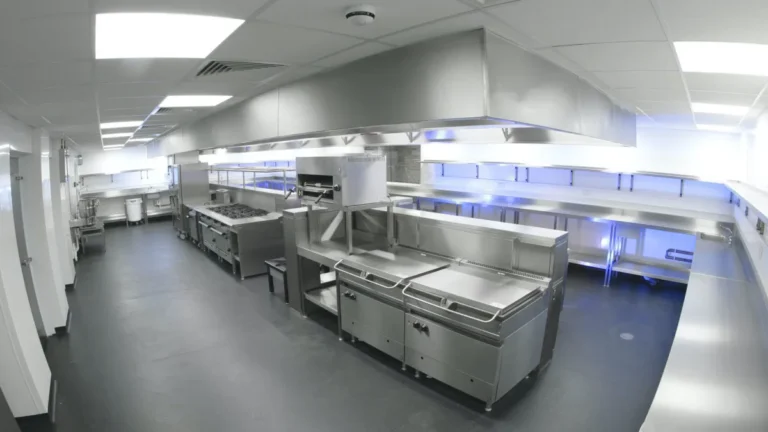
Alright, let’s talk about kitchen layout. If you’re setting up a dedicated dumpling production line, you need to think about space, workflow, and ergonomics. This isn’t just about cramming in as much equipment as possible, it’s about creating a smooth, efficient process that minimizes wasted movement and maximizes output.
First, let’s talk about space. Dumpling production requires a lot of room, especially if you’re using large equipment like dough mixers, sheeters, and dumpling maker machines. You’ll need enough counter space for prep, walkways for staff to move around, and storage for ingredients and finished products. If you’re tight on space, consider vertical storage (like wall-mounted racks) or multi-functional equipment (like a mixer that doubles as a dough sheeter).
Next, let’s talk about workflow. The key here is to minimize cross-traffic and keep the process linear. Here’s a simple layout I’ve seen work well:
- Dough Station: Place your dough mixer and sheeter at the start of the line, with storage for flour and water nearby.
- Filling Station: Set up your food processor and portioning tools next to the dough station, with storage for ingredients within easy reach.
- Assembly Line: This is where the magic happens. Place your dumpling maker machine or folding stations in the middle of the line, with conveyor belts or trays to move dumplings to the next step.
- Cooking Zone: Set up your steamers, woks, or fryers at the end of the line, with cooling racks or blast chillers nearby.
- Packaging Area: Finally, set up your packaging equipment at the end of the line, with storage for finished products within easy reach.
One thing to keep in mind: ergonomics. Dumpling production can be physically demanding, so you’ll want to minimize bending, reaching, and lifting. Place frequently used tools within easy reach, and adjust counter heights to reduce strain. If you’re doing high-volume production, consider anti-fatigue mats or adjustable workstations to keep your staff comfortable.
Is this the best layout for every kitchen? Probably not. Every space is different, and you’ll need to adapt your layout to fit your specific needs. But the key is to keep the process linear and minimize wasted movement. The less your staff has to walk around, the faster and more efficient your production will be.
One more thing: ventilation. Dumpling production can get hot, steamy, and smoky, especially if you’re using woks or fryers. Make sure your kitchen has good ventilation to keep the air clean and comfortable. This might mean upgrading your hood system or adding extra fans. Trust me, your staff will thank you.
8. Maintenance and Cleaning: Keeping Your Equipment in Top Shape
Alright, let’s talk about something that’s not as fun as cooking but just as important: maintenance and cleaning. If you’re investing in commercial kitchen equipment, you need to take care of it. This means regular cleaning, servicing, and repairs to keep everything running smoothly.
First, let’s talk about cleaning. Dumpling production is messy, and your equipment will get covered in flour, oil, and filling on a daily basis. If you don’t clean it properly, you’ll end up with bacteria buildup, off flavors, and equipment failure. Here’s a quick checklist for keeping your gear in top shape:
- Dough Mixers and Sheeters: Wipe down the bowl, hook, and rollers after each use, and deep clean at least once a week. Pay special attention to hard-to-reach areas, like the base of the mixer or the underside of the sheeter.
- Food Processors: Disassemble the blades and bowls after each use, and wash them in hot, soapy water. Don’t forget to clean the base-this is where bacteria and mold can hide.
- Dumpling Maker Machines: These are complex machines, so they require special care. Follow the manufacturer’s instructions for cleaning, and lubricate moving parts regularly to prevent wear and tear.
- Steamers, Woks, and Fryers: These need to be cleaned after every use to prevent grease buildup and bacterial growth. For steamers, descale the interior regularly to prevent mineral buildup. For woks and fryers, filter the oil daily and deep clean at least once a week.
- Blast Chillers and Packaging Equipment: These need to be cleaned and sanitized regularly to prevent bacterial growth. Follow the manufacturer’s instructions for cleaning, and inspect for wear and tear on a regular basis.
Now, let’s talk about maintenance. Even the best equipment will break down over time, so you need to service it regularly to keep it running smoothly. Here’s what you should be doing:
- Regular Inspections: Check your equipment daily for signs of wear and tear, like loose bolts, frayed wires, or strange noises. If you notice anything unusual, address it immediately-small problems can turn into big ones if you ignore them.
- Lubrication: Moving parts need to be lubricated regularly to prevent wear and tear. Follow the manufacturer’s instructions for lubrication, and use food-grade lubricants to avoid contamination.
- Calibration: Some equipment, like portioning machines or dough sheeters, needs to be calibrated regularly to ensure accuracy. Follow the manufacturer’s instructions for calibration, and test your equipment regularly to make sure it’s working properly.
- Professional Servicing: Even if you’re diligent about maintenance, you’ll need to hire a professional to service your equipment on a regular basis. This might mean annual tune-ups or emergency repairs when something breaks down. Either way, it’s worth the investment to keep your gear in top shape.
Is this a lot of work? Yes. Is it worth it? Absolutely. Well-maintained equipment lasts longer, performs better, and is safer to use. Plus, it’ll save you money in the long run by reducing downtime and repair costs.
One more thing: training. Make sure your staff knows how to clean and maintain the equipment properly. This means training them on the manufacturer’s instructions and supervising them until they’re comfortable with the process. The last thing you want is damaged equipment because someone didn’t know how to clean it properly.
9. Budgeting and Financing: How to Afford the Equipment You Need
Alright, let’s talk about the elephant in the room: money. Commercial kitchen equipment is expensive, and dumpling-specific gear is no exception. If you’re just starting out, the cost of a dough mixer, sheeter, and dumpling maker machine can feel overwhelming. But here’s the thing: you don’t have to buy everything at once.
First, let’s talk about budgeting. Before you start shopping, figure out how much you can afford to spend. This means looking at your cash flow, revenue, and expenses to determine how much you can realistically invest in equipment. Don’t forget to factor in the cost of installation, maintenance, and training-these can add up quickly.
Once you’ve got a budget, prioritize your purchases. Start with the bottlenecks in your current process-the things that are slowing you down or costing you money. For example, if you’re spending hours rolling dough by hand, a dough sheeter might be your first purchase. If filling portioning is your biggest issue, a portioning machine might be the way to go.
Next, let’s talk about financing. If you don’t have the cash to buy equipment outright, there are a few options to consider:
- Equipment Loans: These are loans specifically for purchasing equipment. They’re easier to qualify for than traditional business loans, and they often come with lower interest rates. Plus, the equipment itself serves as collateral, so you don’t have to put up other assets.
- Leasing: Leasing allows you to use equipment without owning it. This is a great option if you don’t have the cash for a down payment or if you want to upgrade your equipment regularly. Just keep in mind that leasing can be more expensive in the long run, and you won’t own the equipment at the end of the lease.
- Equipment Financing Programs: Some manufacturers offer financing programs for their equipment. These can be a great option if you want to buy directly from the manufacturer and take advantage of special deals or discounts.
- Used Equipment: Buying used equipment can save you a ton of money, but it’s not without risks. Make sure to inspect the equipment thoroughly before you buy, and ask for maintenance records to ensure it’s been well cared for. You might also want to hire a professional to inspect the equipment before you commit.
Is this the best approach for everyone? Probably not. If you’re just starting out, you might want to start small and scale up as your business grows. But if you’re serious about large-scale dumpling production, investing in high-quality equipment is a must. The key is to plan ahead, budget carefully, and explore your financing options.
One more thing: tax incentives. Depending on where you’re located, you might be eligible for tax breaks or incentives for purchasing commercial kitchen equipment. Check with your accountant or local government to see what’s available in your area.
10. Training and Staffing: Getting Your Team Up to Speed
Alright, let’s talk about the human side of dumpling production. Even the best equipment is useless if your staff doesn’t know how to use it. That’s why training and staffing are just as important as the gear itself.
First, let’s talk about training. If you’re introducing new equipment to your kitchen, you’ll need to train your staff on how to use it properly. This means demonstrating the process, supervising their first few attempts, and providing ongoing support as they get comfortable with the gear. Don’t assume that your staff will figure it out on their own-even experienced chefs need time to adapt to new tools.
Here’s a simple training plan I’ve seen work well:
- Demonstration: Show your staff how to operate the equipment, including safety procedures, cleaning, and maintenance.
- Hands-On Practice: Let your staff try it out under your supervision. Start with small batches and simple tasks, and gradually increase the complexity as they get more comfortable.
- Feedback and Adjustment: Provide constructive feedback and make adjustments as needed. If someone is struggling with a particular task, break it down into smaller steps or provide additional training.
- Ongoing Support: Even after your staff is comfortable with the equipment, check in regularly to make sure they’re using it properly. Provide refresher training as needed, and encourage questions if they’re unsure about something.
Now, let’s talk about staffing. Dumpling production can be labor-intensive, even with the best equipment. You’ll need enough staff to operate the machines, prep ingredients, and package finished products. But how many people do you need?
It depends on your volume and workflow. For example, if you’re using a fully automatic dumpling maker machine, you might only need one or two people to operate it. But if you’re doing hand-folded dumplings, you’ll need more staff to keep up with demand. Here’s a rough breakdown:
- Low Volume (100-500 dumplings/day): 1-2 people can handle prep, assembly, and cooking.
- Medium Volume (500-2,000 dumplings/day): 2-4 people, with dedicated roles for dough, filling, assembly, and cooking.
- High Volume (2,000+ dumplings/day): 4+ people, with specialized roles for each step of the process.
Is this the best approach for every kitchen? Maybe not. If you’re running a small operation, you might be able to handle everything yourself or with a small team. But if you’re doing large-scale production, you’ll need enough staff to keep the line moving smoothly. The key is to balance efficiency with quality-you don’t want to rush your staff and end up with poorly made dumplings.
One more thing: cross-training. Make sure your staff is trained on multiple tasks, so they can fill in for each other if someone calls in sick or gets overwhelmed. This will make your production line more flexible and resilient.
The Dumpling Dilemma: To Automate or Not to Automate?
Alright, let’s wrap this up with a question that’s been nagging at me since I started researching this topic: Is automation the future of dumpling production? On one hand, machines can produce dumplings faster, cheaper, and more consistently than humans. On the other hand, there’s something special about hand-made dumplings-the imperfections, the care, the human touch.
I’m torn between the two. Part of me loves the efficiency and precision of automation. The idea of a fully automated dumpling line that can churn out thousands of perfect dumplings per hour is undeniably appealing. But another part of me worries about losing the soul of dumpling-making. After all, dumplings aren’t just food, they’re culture, tradition, and love rolled into one delicious package.
So where does that leave us? I think the answer lies somewhere in the middle. Automation can handle the heavy lifting-the dough mixing, the filling portioning, the cooking, while humans can focus on the artistry-the folding, the seasoning, the final touches. This hybrid approach gives you the best of both worlds: efficiency without sacrificing quality.
But here’s the thing: not every kitchen needs to automate. If you’re running a small restaurant or food truck, you might be better off sticking to hand-made dumplings. The personal touch is what sets you apart, and your customers will appreciate the extra effort. On the other hand, if you’re doing large-scale production, automation is almost a necessity. You can’t compete with speed and consistency if you’re doing everything by hand.
Ultimately, the choice is yours. But no matter which path you choose, remember this: dumplings are more than just food. They’re a labor of love, and that’s something no machine can replicate.
So go ahead-invest in the equipment you need, train your staff, and scale up your production. But don’t forget to keep the soul of your dumplings alive. After all, that’s what makes them special.
FAQ: Your Dumpling Equipment Questions Answered
Q: What’s the most important piece of equipment for large-batch dumpling production?
A: It depends on your bottlenecks, but most kitchens start with a commercial dough mixer and a dough sheeter. These two pieces of equipment save the most time and labor in the dough-making process. If you’re already set on dough, a dumpling maker machine or portioning tool for fillings might be the next priority. The key is to identify what’s slowing you down and address that first.
Q: How much does a dumpling maker machine cost, and is it worth it?
A: Dumpling maker machines range from $5,000 to $50,000, depending on the model and features. Whether it’s worth it depends on your volume. If you’re making 500+ dumplings a day, it’s a game-changer-it’ll save you hours of labor and improve consistency. If you’re smaller, a semi-automatic model or manual tools might be enough for now. Think of it as an investment in your business’s growth.
Q: Can I use regular kitchen equipment for large-batch dumpling production, or do I need commercial-grade gear?
A: You *can* use regular kitchen equipment for small batches, but it’s not ideal for large-scale production. Home kitchen tools are not built for heavy-duty use, and they’ll burn out quickly if you’re making hundreds of dumplings a day. Commercial-grade equipment is more durable, efficient, and consistent, which is crucial when you’re scaling up. If you’re serious about growing your dumpling business, invest in commercial gear.
Q: What’s the best way to clean and maintain commercial dumpling equipment?
A: Cleaning and maintenance are critical for keeping your equipment in top shape. Here’s a quick checklist:
- Daily: Wipe down surfaces, remove food debris, and sanitize high-touch areas.
- Weekly: Deep clean all parts, lubricate moving components, and inspect for wear and tear.
- Monthly: Check for loose bolts, frayed wires, or other signs of damage. Schedule professional servicing if needed.
Always follow the manufacturer’s instructions for cleaning and maintenance, and train your staff on proper procedures. Well-maintained equipment lasts longer and performs better, so don’t skip this step!
@article{scaling-dumpling-dreams-the-ultimate-guide-to-commercial-kitchen-equipment-for-large-batch-dumpling-production,
    title   = {Scaling Dumpling Dreams: The Ultimate Guide to Commercial Kitchen Equipment for Large-Batch Dumpling Production},
    author  = {Chef's icon},
    year    = {2026},
    journal = {Chef's Icon},
    url     = {https://chefsicon.com/commercial-kitchen-equipment-for-large-batch-dumpling-production/}
}