The Best Fluffy Pancakes recipe you will fall in love with. Full of tips and tricks to help you make the best pancakes.
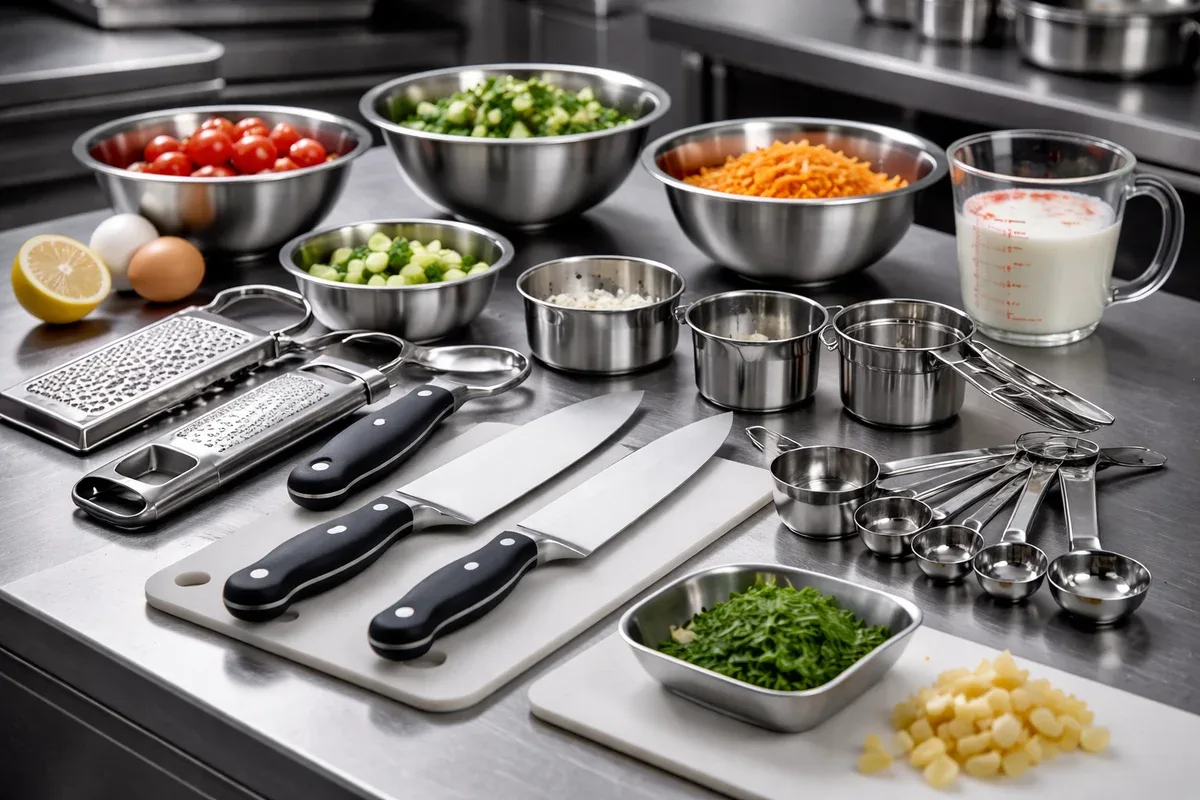
Let me tell you about the time I nearly ruined a high-profile farm-to-table event. It was 2024, and I was consulting for a Nashville-based catering company that had just landed their biggest gig yet, a 300-person gala celebrating sustainable agriculture. The menu? Almost entirely vegetable-forward, with heirloom carrots, rainbow chard, and delicate microgreens taking center stage. Sounds simple, right? Wrong. What I learned that day (the hard way) is that vegetable prep at scale isn’t just about having sharp knives, it’s about having the right commercial kitchen tools for every stage of the process, from washing to plating. And let me tell you, when you’re staring down 50 pounds of dirty leeks with a dinner service in four hours, your equipment choices can make or break you.
Now, I’ve worked in kitchens from San Francisco to Nashville, and I’ve seen everything from Michelin-starred operations to food trucks making magic with limited space. But vegetable prep? It’s a category all its own. Unlike protein prep, where you’re mostly dealing with consistent cuts and portioning, vegetables demand versatility. One minute you’re julienning zucchini, the next you’re dicing onions so fine they disappear into a mirepoix. And if you’re hosting a vegetable prep event-whether it’s a cooking class, a farm dinner, or a large-scale catering job, your tools need to be as adaptable as you are. So, let’s dive into the world of commercial kitchen equipment that doesn’t just get the job done but elevates it. Is this the definitive list? Maybe not. But it’s the one I wish I’d had that day in Nashville.
By the end of this guide, you’ll know:
- Which tools are non-negotiable for large-scale vegetable prep
- How to choose equipment that saves time without sacrificing quality
- The hidden costs of cheap tools (and when it’s okay to skimp)
- How to set up a prep station that flows like a well-oiled machine
- Pro tips for maintaining your tools so they last for years
Sound good? Let’s get started.
The Foundation: Tools You Can’t Live Without
1. The Workhorse: Commercial-Grade Food Processors
If you’re prepping vegetables for more than 20 people, a commercial food processor isn’t just nice to have, it’s your best friend. I remember the first time I used a Robot Coupe in a professional kitchen. I was skeptical. Could a machine really replace the precision of a chef’s knife? The answer, I quickly learned, is yes and no. A good food processor won’t replace knife skills entirely, but it will handle the grunt work so you can focus on the details.
When choosing a food processor for vegetable prep, look for:
- Variable speeds: You need low speed for delicate herbs and high speed for tough roots like beets or celeriac.
- Multiple blade options: A julienne blade for matchstick cuts, a grating disc for cheese or cabbage, and a standard S-blade for dicing or pureeing.
- Large capacity: For events, I recommend a 3.5-quart bowl minimum. Anything smaller, and you’ll be stopping to empty it every five minutes.
- Durable construction: Stainless steel bowls and heavy-duty motors are a must. Plastic bowls crack, and weak motors burn out.
Now, I’m torn between recommending the Robot Coupe R2N and the Hobart FP100. The Robot Coupe is the industry standard, it’s what you’ll find in most professional kitchens. But the Hobart? It’s built like a tank and can handle continuous use without overheating. If you’re running a high-volume operation, it’s worth the investment. But for smaller events or catering gigs, the Robot Coupe will do just fine. Maybe I should clarify: if you’re prepping for 100+ people regularly, go Hobart. For occasional large events, Robot Coupe is plenty.
Pro tip: Always keep an extra set of blades on hand. Nothing slows down prep like a dull blade, and commercial kitchens go through them faster than you’d think. Also, teach your team to disassemble and clean the processor immediately after use. Vegetable fibers get stuck everywhere, and if you let them dry, you’ll be scrubbing for hours.
2. The Unsung Hero: Vegetable Prep Sinks and Wash Stations
Here’s something no one tells you about vegetable prep: half the battle is washing. And I don’t mean a quick rinse under the faucet. I’m talking about soaking, scrubbing, and triple-washing 50 pounds of muddy potatoes or gritty leeks. If your sink setup isn’t up to par, you’ll waste hours, and risk serving gritty, dirty produce.
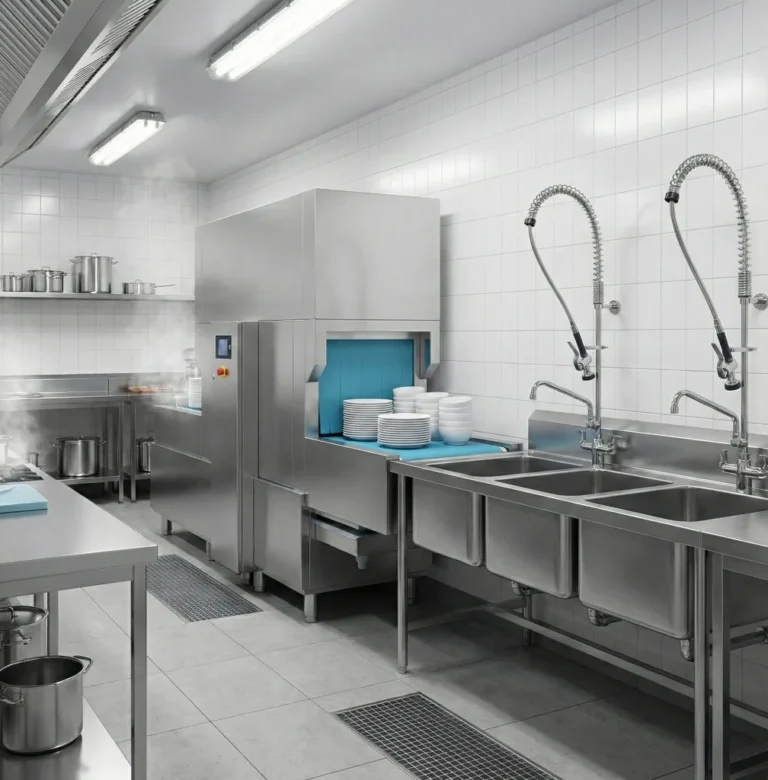
A proper vegetable prep sink should have:
- Three compartments: One for soaking, one for washing, and one for rinsing. This is the gold standard for food safety and efficiency.
- Spray hoses: A high-pressure spray hose makes rinsing a breeze. Look for one with a trigger handle so you’re not wasting water.
- Stainless steel construction: It’s durable, easy to clean, and won’t harbor bacteria like some plastic alternatives.
- Drainboards: You need space to let washed vegetables drain without piling them on the counter. Double drainboards (one on each side) are ideal.
Now, I’ve seen kitchens try to make do with a single-compartment sink, and it’s a nightmare. You end up with dirty water splashing onto clean produce, and the whole process slows to a crawl. If you’re hosting a vegetable prep event, this is one area where you can’t afford to cut corners. Trust me, your guests will notice if their salad has a side of sand.
One more thing: consider adding a vegetable spinner to your wash station. For delicate greens like arugula or spinach, a spinner is the only way to get them truly dry. And dry greens mean better dressings, better plating, and happier guests. I like the Vollrath 30060-it’s commercial-grade, holds up to 6 quarts, and has a brake pedal so you can stop it instantly. No more chasing a spinning bowl across the counter.
3. The Precision Tool: Mandolines and Slicers
There’s a reason mandolines have been a staple in professional kitchens for centuries: they’re the fastest way to achieve consistent, paper-thin slices. But here’s the thing, most home cooks are terrified of them. And for good reason. A mandoline in the wrong hands is a recipe for disaster (and a trip to the ER). But in a commercial kitchen? It’s a game-changer.
When choosing a mandoline for vegetable prep, you have two main options:
- Manual mandolines: These are the classic, handheld tools. They’re affordable, portable, and great for small batches. The Benriner is the most popular brand, and for good reason, it’s sharp, adjustable, and durable. But here’s the catch: they require skill to use safely. If you’re hosting a vegetable prep event with participants who aren’t experienced, this might not be the best choice. Safety first, always.
- Commercial slicers: These are the heavy-duty, electric versions. They’re safer (most have guards and pushers), faster, and can handle large volumes. The Hobart 1612 is a favorite in professional kitchens, it can slice, shred, or julienne with the flip of a switch. The downside? They’re expensive and take up a lot of counter space. But if you’re prepping for a large event, they’re worth every penny.
I’m torn between recommending a manual mandoline and a commercial slicer for most operations. For small catering companies or pop-up events, a manual mandoline might be enough. But for high-volume prep, a commercial slicer is the way to go. Maybe I should clarify: if you’re slicing more than 20 pounds of vegetables at a time, go electric. For smaller batches, manual is fine.
Pro tip: Always use the safety guard and hand protector. I don’t care how experienced you are, mandolines are sharp, and accidents happen. Also, keep a first-aid kit nearby. Just in case.
The Supporting Cast: Tools That Make Life Easier
4. The Time-Saver: Vegetable Peelers and Corers
Peeling vegetables might not be the most glamorous part of prep, but it’s one of the most time-consuming. And if you’re doing it with a paring knife, you’re doing it wrong. A good commercial vegetable peeler can save you hours, and your hands.
Here’s what to look for:
- Ergonomic design: You’ll be holding this for hours, so it needs to be comfortable. Look for peelers with soft-grip handles.
- Sharp, durable blades: Stainless steel is a must. Avoid peelers with plastic blades, they dull quickly and can break.
- Versatility: Some peelers come with built-in corers or julienne blades. These are great for prepping carrots, cucumbers, or potatoes.
I’m a fan of the OXO Good Grips Pro Peeler. It’s not technically a commercial-grade tool, but it’s what I reach for in my own kitchen. For large-scale prep, though, you’ll want something heavier-duty. The Zyliss Classic Peeler is a favorite in professional kitchens, it’s sharp, durable, and comfortable to use for long periods.
For coring, nothing beats the apple corer. But here’s a pro tip: don’t limit it to apples. It’s also great for coring pears, tomatoes, or even bell peppers. And if you’re prepping a lot of tomatoes, consider a tomato shark. It’s a small, handheld tool that cores and scores tomatoes in one motion. It’s a niche tool, but if you’re making a lot of salsa or bruschetta, it’s a lifesaver.
5. The Multi-Tasker: Cutting Boards and Prep Tables
Your cutting board is where the magic happens. But not all cutting boards are created equal, especially in a commercial kitchen. Here’s what you need to know:
Material matters:
- Plastic: Lightweight, affordable, and dishwasher-safe. But they can warp over time, and they’re not as gentle on your knives as wood. Look for high-density polyethylene (HDPE) for durability.
- Wood: Beautiful, knife-friendly, and naturally antimicrobial. But they’re heavy, require more maintenance, and can’t go in the dishwasher. If you go this route, choose hardwoods like maple or walnut.
- Composite: A mix of plastic and wood fibers. They’re durable, knife-friendly, and dishwasher-safe. The Teakhaus Edge Grain Cutting Board is a great option for commercial kitchens.
Size and thickness: For vegetable prep, bigger is better. You need room to work, and you don’t want vegetables spilling off the edges. I recommend a board that’s at least 18×24 inches. And thickness? At least 1 inch. Anything thinner, and it’ll warp or crack under heavy use.
Now, let’s talk about prep tables. If you’re hosting a vegetable prep event, you need more than just a cutting board, you need a dedicated prep station. Look for tables with:
- Stainless steel tops: Easy to clean, durable, and resistant to bacteria.
- Adjustable height: Your team will be standing for hours, so ergonomics matter.
- Undershelves: Extra storage for tools, bowls, or ingredients.
- Wheels: If you’re moving your prep station around, make sure it’s on casters.
I’ve seen kitchens try to make do with folding tables, and it’s a disaster. They’re unstable, they wobble, and they’re not designed for the wear and tear of a commercial kitchen. Invest in a proper prep table, it’s worth it.
6. The Detail-Oriented Tool: Knives and Sharpening Systems
No guide to vegetable prep would be complete without talking about knives. But here’s the thing: most people overcomplicate this. You don’t need a dozen knives, you need a few good ones, and you need to keep them sharp.
For vegetable prep, these are the knives you’ll reach for most often:
- Chef’s knife (8-10 inches): The workhorse of the kitchen. Great for chopping, dicing, and slicing.
- Paring knife (3-4 inches): For detail work like peeling, coring, or trimming.
- Bread knife (10 inches): Yes, even for vegetables. It’s great for slicing tomatoes, eggplant, or squash without crushing them.
- Santoku knife (7 inches): A Japanese-style knife that’s perfect for thin slicing and julienning.
Now, I’m torn between recommending German-style knives (like Wüsthof or Henckels) and Japanese-style knives (like Shun or Global). German knives are heavier, with thicker blades that can handle tough vegetables like butternut squash. Japanese knives are lighter, sharper, and better for precision work. Ultimately, it comes down to personal preference. But if you’re hosting a vegetable prep event, I’d recommend having both on hand so participants can try them out.
But here’s the most important part: keep your knives sharp. A dull knife is more dangerous than a sharp one, it slips, it requires more force, and it makes your prep work slower and less precise. Invest in a good sharpening system. I like the Work Sharp Knife & Tool Sharpener-it’s easy to use and works on all types of knives. For a more traditional approach, a whetstone is a great option, but it takes practice to use correctly.
Pro tip: Store your knives properly. A magnetic strip or a knife block keeps them safe and within reach. Never toss them in a drawer, that’s how blades get damaged and fingers get cut.
The Extras: Tools That Elevate Your Prep Game
7. The Game-Changer: Immersion Blenders and Choppers
Immersion blenders might not be the first tool you think of for vegetable prep, but they’re incredibly versatile. Need to puree a soup? Done. Want to make a quick salsa or pesto? Easy. They’re also great for emulsifying dressings or sauces right in the pot or bowl.
When choosing an immersion blender for a commercial kitchen, look for:
- Powerful motor: At least 500 watts. Anything less, and it’ll struggle with tough vegetables or large batches.
- Variable speeds: You need control for different textures.
- Durable construction: Stainless steel shafts and blades are a must.
- Easy-to-clean design: Look for models with detachable parts that can go in the dishwasher.
The Vitamix Immersion Blender is my top pick for commercial kitchens. It’s powerful, durable, and comes with a range of attachments, including a whisk and a chopper. But if you’re on a budget, the Cuisinart Smart Stick is a solid alternative.
Now, let’s talk about choppers. These are the unsung heroes of vegetable prep. Need to dice an onion in seconds? A chopper can do it. Want to make quick work of garlic or herbs? Same thing. The Cuisinart CTG-00-SCHP1 is a favorite in professional kitchens, it’s fast, efficient, and easy to clean. But here’s the catch: it’s not as precise as a knife. So, if you’re going for presentation-grade cuts, you’ll still need to do some handwork. But for bulk prep, it’s a lifesaver.
8. The Secret Weapon: Vegetable Brushes and Scrubbers
I’ll admit it, I used to overlook vegetable brushes. I thought a quick rinse under the faucet was enough. Then I worked a gig at a farm-to-table restaurant where the chef insisted on scrubbing every single potato, carrot, and beet. At first, I thought it was overkill. But then I tasted the difference. Vegetables that have been properly scrubbed have a cleaner, brighter flavor. And if you’re serving them raw or lightly cooked, that freshness shines through.
For commercial kitchens, you need brushes that are:
- Durable: Look for stiff bristles that won’t fall out after a few uses.
- Easy to clean: They should be dishwasher-safe or easy to sanitize.
- Ergonomic: You’ll be scrubbing for hours, so the handle should be comfortable.
The OXO Good Grips Vegetable Brush is a great option. It’s sturdy, comfortable, and has a hook for hanging. For tougher jobs, like scrubbing potatoes or beets, I like the Norpro Potato Brush. It’s heavy-duty and gets into all the nooks and crannies.
Pro tip: Keep a separate brush for different types of vegetables. You don’t want to scrub a delicate mushroom with the same brush you used on a muddy potato. Trust me, your guests will notice.
9. The Space-Saver: Stackable Containers and Storage Solutions
Prep work generates a lot of ingredients, and if you’re not careful, your kitchen can quickly turn into a chaotic mess. That’s where stackable containers come in. They keep your ingredients organized, they save space, and they make it easy to grab what you need when you need it.
When choosing containers for vegetable prep, look for:
- Clear lids: So you can see what’s inside without opening them.
- Air-tight seals: To keep ingredients fresh longer.
- Stackable design: To maximize vertical space.
- Durable material: Polycarbonate is a great choice, it’s lightweight, shatterproof, and dishwasher-safe.
The Cambro 6-Quart Food Storage Container is a staple in commercial kitchens. It’s stackable, durable, and comes in a range of sizes. For smaller ingredients, like diced onions or minced garlic, the Rubbermaid Brilliance containers are a great option. They’re air-tight, leak-proof, and fit neatly in the fridge.
Now, let’s talk about storage solutions. If you’re hosting a vegetable prep event, you need a way to keep your ingredients organized and within reach. Here are a few ideas:
- Rolling carts: Great for moving ingredients from the walk-in to the prep station. Look for ones with shelves or drawers for extra storage.
- Wall-mounted racks: If you’re short on counter space, these are a game-changer. They keep tools and ingredients off the counter but within reach.
- Under-counter shelves: Use them to store containers, bowls, or tools you don’t need every day.
Pro tip: Label everything. It might seem like overkill, but when you’re in the middle of a busy prep session, you’ll be glad you can grab what you need without guessing.
The Wildcards: Tools You Didn’t Know You Needed
10. The Niche Tool: Spiralizers and Julienne Peelers
Spiralizers might seem like a gimmick, but they’re actually incredibly useful for vegetable prep. Need to make zucchini noodles for a gluten-free dish? Done. Want to add a decorative touch to a salad or garnish? Easy. They’re also great for prepping vegetables for stir-fries or slaws.
When choosing a spiralizer, you have a few options:
- Handheld spiralizers: Affordable and portable, but they require more effort. Great for small batches or home use.
- Countertop spiralizers: More expensive, but they’re faster and easier to use. The Paderno World Cuisine Spiralizer is a favorite in professional kitchens, it’s durable, versatile, and comes with multiple blades.
- Electric spiralizers: The fastest option, but they’re also the most expensive. The Hamilton Beach Electric Spiralizer is a good choice if you’re prepping large quantities.
Now, I’ll admit, I was skeptical about spiralizers at first. But then I used one to prep for a large catering event, and I was sold. We needed 50 pounds of zucchini noodles for a gluten-free pasta dish, and the spiralizer made quick work of it. Without it, we would’ve been there all night.
Julienne peelers are another niche tool that’s worth having. They’re like a cross between a peeler and a mandoline, and they’re perfect for making thin, even strips of vegetables. The OXO Good Grips Julienne Peeler is a great option, it’s affordable, easy to use, and fits in a drawer.
11. The Unexpected Hero: Salad Spinners (Yes, Really)
I know what you’re thinking: a salad spinner? In a commercial kitchen? Hear me out. If you’re prepping a lot of greens, a salad spinner is the fastest way to get them dry. And dry greens mean better dressings, better plating, and happier guests.
For commercial use, you need a spinner that’s:
- Large capacity: At least 6 quarts. Anything smaller, and you’ll be spinning in batches.
- Durable: Look for stainless steel or heavy-duty plastic.
- Easy to use: A brake pedal is a must, it lets you stop the spinner instantly.
- Easy to clean: Dishwasher-safe parts are a plus.
The Vollrath 30060 is my top pick for commercial kitchens. It’s sturdy, holds up to 6 quarts, and has a brake pedal for easy stopping. But if you’re on a budget, the OXO Good Grips Salad Spinner is a solid alternative. It’s not as heavy-duty, but it gets the job done.
Pro tip: Don’t overfill the spinner. If you pack it too full, the greens won’t dry properly. And always spin in batches, it’s faster in the long run.
Putting It All Together: Setting Up Your Vegetable Prep Station
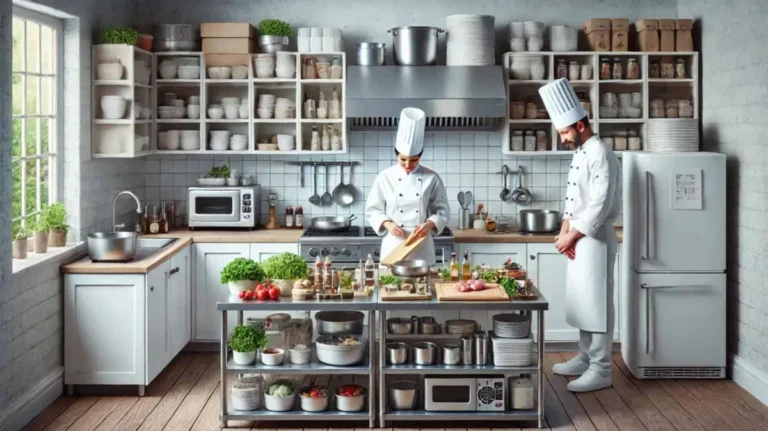
Now that we’ve covered the tools, let’s talk about how to set up a vegetable prep station that flows like a well-oiled machine. The key is efficiency, you want everything within reach, and you want to minimize wasted movement. Here’s how to do it:
- Start with the sink: This is where your prep begins, so it should be the first thing in your workflow. Set up your three-compartment sink with soaking, washing, and rinsing stations. Add a spray hose for easy rinsing and a drainboard for drying.
- Add a prep table: This is where the magic happens. Choose a table with a stainless steel top and adjustable height. Add a cutting board, and keep your knives and peelers within reach.
- Include a food processor: Place it near the prep table so you can quickly transfer ingredients. Keep extra blades and attachments nearby.
- Add storage: Use stackable containers to keep ingredients organized. Label everything, and keep a rolling cart nearby for easy transport.
- Include a waste station: Prep work generates a lot of scraps, so you need a place to dispose of them. A compost bin is ideal, but a trash can with a liner works too.
- Keep tools within reach: Hang knives on a magnetic strip, and keep peelers, brushes, and other tools in a drawer or on a wall-mounted rack.
Here’s a pro tip: color-code your tools. For example, use red cutting boards for raw vegetables and green for washed. It’s a small thing, but it helps prevent cross-contamination and keeps your team on the same page.
And don’t forget about ergonomics. Your team will be standing for hours, so make sure your prep station is at a comfortable height. If possible, add an anti-fatigue mat to reduce strain on their legs and backs.
Maintaining Your Tools: The Key to Longevity
Investing in high-quality commercial kitchen tools is just the first step. The second step? Taking care of them. Proper maintenance extends the life of your tools, ensures food safety, and keeps your prep work running smoothly. Here’s how to do it:
Knives
- Sharpen regularly: A sharp knife is safer and more efficient. Use a sharpening stone or an electric sharpener, and hone your knives before each use.
- Hand-wash only: Dishwashers can damage the blade and handle. Wash knives by hand with warm, soapy water, and dry them immediately.
- Store properly: Use a magnetic strip or a knife block. Never toss knives in a drawer, they’ll get damaged, and you’ll risk cutting yourself.
Cutting Boards
- Sanitize after each use: Use a food-safe sanitizer or a mixture of bleach and water. For wooden boards, use a vinegar and water solution.
- Oil wooden boards: To prevent cracking, oil wooden boards regularly with food-grade mineral oil.
- Replace when necessary: If your board is warped, cracked, or deeply grooved, it’s time for a new one. Bacteria can hide in those grooves, and no amount of cleaning will get them out.
Food Processors and Blenders
- Clean immediately after use: Vegetable fibers can get stuck in the blades and crevices. Disassemble the processor and wash all parts with warm, soapy water.
- Check for wear and tear: Inspect blades and seals regularly. If they’re damaged, replace them immediately.
- Store properly: Keep blades and attachments in a dry, safe place. Don’t toss them in a drawer where they can get damaged.
Peelers and Brushes
- Wash after each use: These tools come into direct contact with dirt and bacteria, so they need to be cleaned thoroughly.
- Replace when dull: A dull peeler is more dangerous than a sharp one. If it’s not peeling smoothly, it’s time for a new one.
- Store in a dry place: Moisture can cause rust or mold. Keep them in a drawer or on a rack where they can air dry.
Final Thoughts: Investing in the Right Tools for the Job
Let’s be real-commercial kitchen tools aren’t cheap. And when you’re running a business or hosting a vegetable prep event, it’s tempting to cut corners. But here’s what I’ve learned: the right tools don’t just save you time and money in the long run, they elevate your food. They make the difference between a dish that’s good and one that’s unforgettable.
So, where should you invest? Start with the basics: a good food processor, a three-compartment sink, and sharp knives. From there, add tools based on your specific needs. Hosting a lot of farm dinners? Invest in a spiralizer and a salad spinner. Running a catering company? A commercial slicer and a heavy-duty prep table are must-haves.
And remember: tools are only as good as the people using them. Train your team on proper techniques, and make sure they know how to maintain the equipment. A sharp knife in the hands of someone who doesn’t know how to use it is just as dangerous as a dull one.
So, here’s my challenge to you: next time you’re prepping vegetables, take a look at your tools. Are they making your job easier, or are they holding you back? If it’s the latter, it might be time for an upgrade. Your guests (and your sanity) will thank you.
FAQ
Q: What’s the most important tool for vegetable prep in a commercial kitchen?
A: It’s hard to pick just one, but if I had to choose, I’d say a commercial food processor. It handles the bulk of the work, dicing, slicing, shredding, and frees up your team to focus on the details. That said, a sharp knife and a good cutting board are close seconds. Without those, even the best food processor won’t save you.
Q: How do I choose between a manual mandoline and a commercial slicer?
A: It depends on your volume and your team’s experience. A manual mandoline is great for small batches or experienced cooks, but it requires skill to use safely. A commercial slicer is safer, faster, and better for large volumes. If you’re prepping for more than 50 people, I’d recommend the slicer. For smaller events, a mandoline might be enough.
Q: What’s the best way to keep vegetables fresh during prep?
A: The key is to minimize exposure to air and moisture. Use air-tight, stackable containers to store prepped vegetables, and keep them in the fridge until you’re ready to use them. For delicate greens, wrap them in a damp paper towel before storing. And always label your containers with the date, prepped vegetables don’t last forever.
Q: How often should I sharpen my knives?
A: It depends on how often you use them, but a good rule of thumb is to hone your knives before each use and sharpen them every 1-2 months. If you’re using your knives heavily (like in a commercial kitchen), you might need to sharpen them more often. A dull knife is more dangerous than a sharp one, so don’t wait until it’s struggling to cut through a tomato.
@article{the-ultimate-guide-to-commercial-kitchen-tools-for-flawless-vegetable-prep-events,
    title   = {The Ultimate Guide to Commercial Kitchen Tools for Flawless Vegetable Prep Events},
    author  = {Chef's icon},
    year    = {2026},
    journal = {Chef's Icon},
    url     = {https://chefsicon.com/commercial-kitchen-tools-for-perfect-vegetable-prep-events/}
}