The Best Fluffy Pancakes recipe you will fall in love with. Full of tips and tricks to help you make the best pancakes.
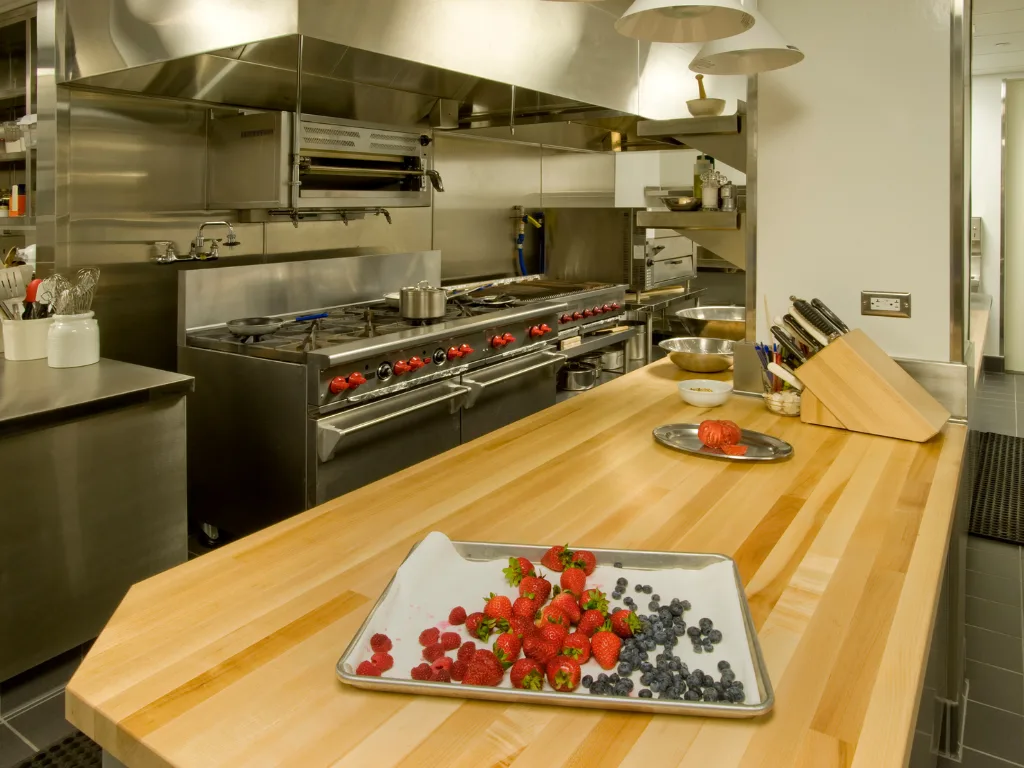
Let me tell you about the first time I walked into a commercial kitchen prepping for a 500-guest Punjabi wedding. The air was thick with ghee, garlic, and the kind of chaos that only happens when tradition meets industrial efficiency. There were giant vats of simmering dal makhani, stacks of freshly rolled roti waiting for the tandoor, and a line cook who looked like he was one wrong spice measurement away from mutiny. I remember thinking: How the hell do you scale this without turning it into some sad, corporate approximation of grandma’s recipe?
That question’s stuck with me ever since, especially now, as weddings grow bigger and cultural expectations grow more specific. Couples aren’t just asking for “Indian food” or “Mexican food” anymore. They want the exact dish their great-aunt made for their parents’ wedding, but for 300 people. And they want it to taste like it came from a home kitchen, not a factory. So how do you pull that off in a commercial setting? Is it even possible to mass-produce authenticity?
Here’s the thing: it is possible. But it’s not about just throwing more burners at the problem. It’s about rethinking how you approach ingredients, workflow, and even the psychology of cooking at scale. Over the next few thousand words, I’ll walk you through the strategies that actually work, from sourcing hard-to-find spices to training staff who’ve never cooked biryani before. We’ll talk about the equipment that makes or breaks large-scale cultural dishes, the workflow hacks that save time without sacrificing flavor, and the cultural landmines you’ll want to avoid. By the end, you’ll have a roadmap for turning your kitchen into a place where tradition and scale don’t just coexist, they actually make each other better.
The Biggest Myth About Scaling Cultural Wedding Dishes
Before we dive into the how, let’s talk about the biggest misconception I see in commercial kitchens: the idea that scaling up means dumbing down. I get why people think this. When you’re cooking for hundreds, it’s easy to assume you have to simplify flavors, cut corners, or rely on shortcuts. But here’s the truth: some of the most complex, labor-intensive dishes in the world are already being made at scale, just not in the U.S. or Europe. Think about it. A street vendor in Delhi serves 500 plates of chaat a day, each one layered with chutneys, spices, and textures that take years to master. A dim sum kitchen in Hong Kong churns out thousands of dumplings daily, each one pleated by hand. The difference isn’t that these places are cutting corners. It’s that they’ve systematized tradition.
The real challenge isn’t scaling the dish, it’s scaling the process behind the dish. And that starts with understanding that cultural wedding food isn’t just about taste. It’s about memory, ritual, and identity. A bride’s mother isn’t just looking for “good food.” She’s looking for the exact shade of saffron in the rice that her mother used. The groom’s family isn’t just checking for doneness, they’re checking for the sound the naan makes when it hits the tandoor. These aren’t just preferences. They’re non-negotiables. So how do you honor that in a commercial kitchen?
You start by reframing the problem. Instead of asking, “How do we make this easier?” ask, “How do we make this repeatable?” Because here’s the secret: the best large-scale cultural kitchens aren’t the ones that simplify. They’re the ones that standardize complexity.
1. The Ingredient Paradox: Why Cheaper Isn’t Always Better (But Neither Is More Expensive)
Let’s talk about ingredients. Specifically, let’s talk about the moment you realize that the turmeric you’ve been using for years is suddenly not good enough. I’ve seen this happen in kitchens prepping for Nigerian weddings (where the scent of uziza seeds is make-or-break), Vietnamese celebrations (where fish sauce provenance is debated like wine), and Italian feasts (where the San Marzano tomatoes better be from Italy, not California). The problem? The ingredients that define authenticity often come with two big challenges: cost and consistency.
Here’s where things get tricky. You could source the most premium ingredients possible. But when you’re cooking for 300+ people, the cost adds up fast. On the other hand, you could go with cheaper alternatives, but then you risk losing the very thing that makes the dish special. So what’s the solution? It’s not about choosing between quality and cost. It’s about understanding where quality actually matters.
Take biryani, for example. The rice? Critical. You need aged basmati, preferably from the Dehradun region. The meat? Important, but not as much as you’d think, chicken thighs work just as well as goat in most cases. The spices? Here’s where you can save. That $50-an-ounce saffron from Iran? Not necessary. A high-quality Spanish saffron at a third of the price will do the job. The key is to map out which ingredients are non-negotiable and which ones you can optimize. I’ve seen kitchens save thousands by doing this without sacrificing an ounce of authenticity.
But here’s the catch: you can’t do this alone. You need someone who knows the cuisine inside and out to help you make these calls. Which brings us to…
How to Build Your Cultural Kitchen Dream Team (Without Hiring a Michelin Chef)
You don’t need a James Beard-winning chef to pull off authentic cultural dishes at scale. What you doeed is someone who understands the soul of the cuisine-not just the recipes. I learned this the hard way when I helped a client prep for a 400-person Persian wedding. We hired a “Persian chef” who’d worked in high-end restaurants, but the moment he saw our commercial kitchen, he froze. Why? Because he’d only ever cooked for 20 people at a time. The techniques he knew, like hand-rolling each dolma or slow-cooking the tahdig in a single pot, weren’t scalable. We ended up bringing in a home cook who’d catered family events for years. She didn’t have the fancy credentials, but she knew how to adapt traditional methods for larger quantities. That’s the person you want.
So where do you find these culinary translators? Here are a few places to look:
- Cultural community centers: Many cities have organizations that host cooking classes or cultural events. These are goldmines for finding home cooks with deep knowledge.
- Religious institutions: Mosques, temples, and churches often have members who’ve catered large events. They know how to cook for crowds while keeping the food sacred.
- Social media groups: Facebook groups or Reddit threads dedicated to specific cuisines are full of people who’ve cooked for weddings or festivals. Post a question like, “Who’s made 200 servings of feijoada for a Brazilian wedding?” and you’ll get responses.
- Local caterers: Not the big corporate ones, but the small, family-run businesses. These folks have already solved the scaling problem for their own cuisine.
Once you’ve found your cultural expert, the next step is translating their knowledge into a commercial kitchen workflow. This is where things get interesting. Because the methods that work in a home kitchen, like cooking rice in a single pot or frying empanadas one at a time, often don’t translate directly to a commercial setting. You’ll need to adapt. But here’s the key: don’t let the equipment dictate the dish. Let the dish dictate the equipment. Which brings us to…
2. The Equipment Question: What You Actually Need (And What’s Just Hype)
Walk into any commercial kitchen supply store, and you’ll see a million gadgets promising to make your life easier. But when it comes to cultural wedding dishes, most of them are useless, or worse, counterproductive. I’ve seen kitchens waste tens of thousands of dollars on equipment that sounded good in theory but failed in practice. Like the time a client bought a $15,000 automated roti maker for a Pakistani wedding, only to realize that the machine couldn’t replicate the hand-stretched texture that guests expected. (They ended up hiring a team of home cooks to roll them by hand anyway.)
So what do you actually need? It depends on the cuisine, but there are a few pieces of equipment that come up again and again:
- Tandoor ovens: Non-negotiable for naan, kebabs, or tandoori chicken. But here’s the thing: not all tandoors are created equal. The ones designed for commercial kitchens are different from the ones used in restaurants. You’ll want one with adjustable temperature zones and easy-to-clean surfaces. And yes, you’ll need to train someone to use it. (Pro tip: Hire a tandoor specialist for a day to train your staff. It’s worth the investment.)
- Steam jacketed kettles: These are game-changers for large batches of stews, curries, or soups. They heat evenly and can hold massive quantities without scorching. I’ve seen kitchens use these for everything from feijoada to pho to gumbo.
- Combi ovens: These are the Swiss Army knives of commercial kitchens. You can steam, bake, roast, or even sous vide in them. They’re especially useful for dishes that require precise temperature control, like pavlova or crème brûlée.
- Induction burners: These are great for keeping large pots of sauce or stock at a consistent simmer. They’re also safer than gas burners, which is a big plus in a busy kitchen.
- Vacuum sealers: These are essential for prepping ingredients in advance. You can marinate meats, portion out spices, or even pre-cook some components without losing flavor.
But here’s the thing: equipment is only as good as the person using it. A tandoor oven won’t make great naan if your staff doesn’t know how to stretch the dough properly. A steam kettle won’t save a curry that’s been over-spiced. So before you invest in any new equipment, ask yourself: Do we have someone who knows how to use this? If the answer is no, either hire that person or skip the equipment.
The Workflow Hack That No One Talks About: The “Prep Pyramid”
Here’s a hard truth: most commercial kitchens fail at scaling cultural dishes because they try to do everything at once. They’ll start prepping the rice, the meat, and the sauces all on the same day, and by the time the wedding rolls around, everything’s either overcooked, under-seasoned, or just plain wrong. The solution? The Prep Pyramid.
Think of your prep like a pyramid. The base is the stuff you can do weeks in advance. This includes things like:
- Drying and grinding spices
- Making and freezing stocks or broths
- Prepping and freezing dough (like for empanadas or samosas)
- Marinating meats (vacuum-sealed, they’ll keep for weeks)
The middle of the pyramid is the stuff you do 2-3 days before. This includes:
- Cooking and refrigerating sauces or curries (many actually taste better after a day or two)
- Prepping vegetables (chopping, blanching, etc.)
- Assembling dishes that can be reheated (like lasagna or moussaka)
The top of the pyramid is the stuff you do the day of. This is where you focus your energy on the final touches:
- Cooking rice or grains
- Frying or baking fresh bread (like naan or pita)
- Assembling dishes that don’t hold well (like tacos or banh mi)
- Garnishing and plating
The Prep Pyramid does two things. First, it reduces stress on the day of the event. Second, it improves quality. When you’re not rushing to do everything at the last minute, you have time to taste, adjust, and perfect. And that’s how you end up with a dish that tastes like it came from a home kitchen, even if it was made for 500 people.
3. The Spice Dilemma: How to Season for 300 Without Losing Your Mind
Let’s talk about spices. Specifically, let’s talk about the moment you realize that the recipe you’ve been using for 10 servings of jerk chicken doesn’t work for 300. Why? Because spices don’t scale linearly. A teaspoon of allspice in a small batch is one thing. A cup of allspice in a giant pot? That’s a recipe for disaster. So how do you scale spices without turning your dish into a flavorless (or overwhelming) mess?
The answer lies in understanding how spices behave at scale. Here are a few key principles:
- Spices mellow over time: The longer a spice sits in a dish, the more its flavor diffuses. This is why a curry that tastes perfect after 30 minutes might taste bland after 3 hours. To compensate, you’ll need to increase the spice quantity by 10-20% for large batches.
- Heat changes everything: Spices react differently to high heat in large quantities. For example, cumin seeds can turn bitter if they’re toasted too long in a big pot. To avoid this, toast spices separately and add them to the dish later.
- Acidity is your friend: A splash of lemon juice or vinegar can brighten up a dish that’s been sitting for a while. This is especially useful for large batches of stews or curries.
- Layer, don’t dump: Instead of adding all your spices at once, layer them throughout the cooking process. Start with the aromatics (onion, garlic, ginger), then add the ground spices, and finish with the fresh herbs. This builds complexity and prevents any one spice from overpowering the dish.
But here’s the real secret: you need to taste as you go. This sounds obvious, but in a commercial kitchen, it’s easy to get so focused on the process that you forget to check the flavor. I’ve seen kitchens serve dishes that were technically perfect, cooked to the right temperature, plated beautifully, but completely lacking in soul because no one bothered to taste them. Don’t let that happen to you. Assign someone to be the flavor guardian. Their job is to taste every batch and make adjustments as needed.
The Psychology of Scaling: Why Your Brain Sabotages You
Here’s something no one tells you about scaling cultural dishes: your brain will fight you every step of the way. When you’re cooking for 10 people, it’s easy to trust your instincts. But when you’re cooking for 300, suddenly every decision feels like a gamble. What if the rice is undercooked? What if the curry is too spicy? What if the bride’s mother hates it? This is where decision fatigue sets in. And it’s a real problem.
The solution? Create a decision-making framework. Here’s how:
- Define your non-negotiables: What are the 3-5 things that absolutely must be perfect? For a Mexican wedding, it might be the tortillas, the salsa, and the carnitas. For an Italian wedding, it might be the pasta, the sauce, and the bread. Write these down and don’t compromise on them.
- Set up a tasting panel: Gather a small group of people who understand the cuisine and have them taste each batch. Their job isn’t to cook, it’s to critique and approve.
- Use a checklist: Create a step-by-step checklist for each dish. Include things like cooking times, temperatures, and key flavor notes. This removes the guesswork and keeps everyone on the same page.
- Trust the process: Once you’ve tested and refined your methods, trust them. Don’t second-guess yourself on the day of the event. That’s how mistakes happen.
This framework does two things. First, it reduces anxiety. When you have a clear process, you’re less likely to panic and make last-minute changes. Second, it improves consistency. When everyone follows the same steps, you’re more likely to get the same result every time.
4. The Reheating Problem: How to Keep Food Hot (And Delicious) for Hours
Here’s a scenario that keeps caterers up at night: you’ve spent days prepping a feast for 300 people, but by the time the last guest is served, the first batch of food has been sitting under heat lamps for two hours. It’s dry, it’s overcooked, and it’s a far cry from the dish you originally made. This is the reheating problem, and it’s one of the biggest challenges of scaling cultural wedding dishes.
The good news? There are ways to keep food hot and delicious for hours. The bad news? It requires some planning. Here’s what works:
- Use the right equipment: Heat lamps are the enemy of good food. Instead, use chafing dishes with Sterno cans or electric hot boxes. These distribute heat more evenly and keep food at a consistent temperature.
- Pre-cook strategically: Some dishes hold up better than others. For example, stews, curries, and braised meats reheat well. Rice, pasta, and fried foods do not. Plan your menu accordingly.
- Batch and rotate: Instead of cooking everything at once, cook in batches and rotate them out. This ensures that no dish sits for too long.
- Add moisture: A splash of broth or water can revive a dish that’s starting to dry out. Keep a spray bottle of water or broth nearby for quick fixes.
- Garnish last: Fresh herbs, citrus zest, or a drizzle of sauce can make a dish taste fresh, even if it’s been sitting for a while. Add these just before serving.
But here’s the real secret: some dishes are better served at room temperature. This is especially true for many cultural dishes. For example, ceviche, poke, and some salads are meant to be served cool, not hot. Don’t force a dish into a reheating system if it doesn’t belong there. Instead, focus on keeping it at the right temperature from the start.
The Cultural Landmines You Don’t See Coming
Let’s talk about the stuff no one warns you about. The cultural landmines. These are the things that seem small but can turn a perfect wedding into a disaster. Like the time a client served beef at a Hindu wedding (big no-no) or the time another client used pork in a halal meal (even bigger no-no). These mistakes aren’t just about food, they’re about respect. And in the world of cultural weddings, respect is everything.
So how do you avoid these landmines? Here are a few rules to live by:
- Ask, don’t assume: Never assume you know what a couple or their families want. Always ask. For example, don’t assume that all Indian weddings are vegetarian. Some are, some aren’t. The only way to know is to ask.
- Double-check dietary restrictions: This goes beyond just allergies. Some cultures have religious or ethical restrictions that aren’t always obvious. For example, some Hindus don’t eat garlic or onions. Some Buddhists are vegetarian. Some Jewish guests keep kosher. The only way to know is to ask.
- Respect the rituals: Many cultural weddings have specific food-related rituals. For example, in a Chinese wedding, the couple might serve tea to their parents as a sign of respect. In a Mexican wedding, the couple might share a pan de muerto during the ceremony. Make sure you understand these rituals and plan accordingly.
- Don’t mix cuisines: This might seem obvious, but I’ve seen it happen. A couple wants a fusion wedding, so the caterer throws together a menu that’s half Italian, half Indian. The result? A mess. If you’re going to mix cuisines, do it intentionally and thoughtfully. Otherwise, stick to one.
The key here is humility. You don’t have to know everything about every culture. But you do have to be willing to ask questions and listen. And if you make a mistake? Own it. Apologize. And fix it. Because in the end, that’s what matters more than any dish.
5. The Menu Engineering Trick: How to Design a Wedding Feast That Scales (And Doesn’t Break the Bank)
Here’s a hard truth: most wedding menus are designed for looks, not for logistics. They’re full of dishes that sound impressive but are a nightmare to scale. Like the time a client wanted to serve individual soufflés for 200 people. (Spoiler: it did not go well.) The problem isn’t that these dishes are impossible to scale. It’s that they’re expensive and labor-intensive. And when you’re cooking for hundreds, those costs add up fast.
So how do you design a menu that’s impressive, authentic, and scalable? You use a little something I call menu engineering. Here’s how it works:
- Start with the must-haves: Every culture has its non-negotiable dishes. For an Italian wedding, it might be pasta and tiramisu. For a Mexican wedding, it might be tacos and churros. Start with these and build around them.
- Balance labor-intensive and easy dishes: For every dish that requires a lot of hands-on work (like hand-rolled dumplings), balance it with something that’s easy to scale (like a big pot of soup).
- Think about timing: Some dishes can be prepped ahead of time. Others need to be made fresh. Design your menu so that you’re not trying to do everything at once.
- Consider the serving style: Buffets are easier to scale than plated meals. Family-style is even better. The more you can encourage guests to serve themselves, the less stress you’ll have on the day of the event.
- Don’t forget the sides: Often, the sides are what make a meal feel authentic. Things like pickles, chutneys, and bread can elevate a dish from good to great.
Here’s an example of a well-engineered menu for a 300-person Indian wedding:
- Starters: Samosas (can be prepped and frozen ahead of time), pakoras (can be fried in batches)
- Main Courses: Butter chicken (can be made in large batches), dal makhani (can be made ahead and reheated), biryani (can be cooked in large pots)
- Sides: Naan (can be made fresh in a tandoor), raita (can be prepped ahead), pickles (can be bought pre-made)
- Desserts: Gulab jamun (can be made ahead and reheated), kheer (can be made in large batches)
Notice how each dish has been chosen for its scalability. The labor-intensive items (like naan) are balanced with the easy ones (like pickles). And everything can be prepped ahead of time, so you’re not scrambling on the day of the event.
Here’s a little secret: the most expensive part of scaling cultural dishes isn’t the labor or the equipment. It’s the ingredients. And the biggest cost driver? Waste. When you’re cooking for hundreds, it’s easy to end up with half-used bags of spices, leftover herbs, or unused portions of meat. The solution? The Shared Ingredient Strategy.
The idea is simple: design your menu so that multiple dishes use the same ingredients. For example, if you’re making a Mexican wedding menu, you might use cilantro, lime, and jalapeños in multiple dishes. That way, you’re not buying these ingredients for just one dish, you’re using them across the menu. This reduces waste and saves money.
Here’s how to apply this strategy:
- List all the ingredients in your menu: Write down every ingredient you’ll need for every dish.
- Identify the overlaps: Look for ingredients that appear in multiple dishes. These are your shared ingredients.
- Optimize your quantities: Instead of buying ingredients for each dish individually, buy them in bulk for the entire menu.
- Plan for leftovers: If you end up with extra ingredients, have a plan for using them. For example, if you have leftover cilantro, you could make a cilantro chutney or add it to a salad.
This strategy does two things. First, it reduces waste. Second, it simplifies your prep. When you’re not juggling a million different ingredients, you can focus on making each dish the best it can be.
6. The Training Gap: How to Teach Your Staff to Cook Cuisines They’ve Never Tried
Let’s be real: most commercial kitchen staff are not cultural cuisine experts. They might know how to make a mean burger or a perfect steak, but ask them to cook pho or feijoada, and they’ll look at you like you’ve just asked them to perform brain surgery. So how do you train a team to cook dishes they’ve never even tasted before? It’s not easy, but it’s doable. Here’s how:
- Start with the basics: Before you dive into complex dishes, make sure your staff understands the fundamentals of the cuisine. For example, if you’re cooking Indian food, teach them about the spice blends (like garam masala and chaat masala) and how they’re used. If you’re cooking Mexican food, teach them about the different types of chiles and how they affect flavor.
- Taste everything: This might seem obvious, but it’s amazing how many kitchens skip this step. If your staff has never tasted the cuisine they’re cooking, how can they know if they’re doing it right? Make tasting a regular part of your training process.
- Break down the dishes: Complex dishes can be overwhelming. Break them down into smaller, manageable steps. For example, instead of teaching your staff how to make biryani all at once, start with the rice, then the meat, then the spices, and finally the assembly.
- Use visual aids: Some techniques are hard to explain with words. Use videos, photos, or even live demonstrations to show your staff how it’s done. For example, if you’re teaching them how to roll dolma, show them a video of someone doing it properly.
- Practice, practice, practice: The only way to get good at something is to do it over and over again. Set aside time for your staff to practice each dish until they’re comfortable with it.
- Bring in an expert: If possible, hire a cultural cuisine expert to train your staff. This could be a chef, a home cook, or even a family member of the couple getting married. Their expertise will be invaluable.
But here’s the thing: training isn’t just about skills. It’s also about mindset. Many of your staff might be skeptical about cooking cuisines they’re not familiar with. They might think it’s too complicated or too foreign. Your job is to change that mindset. Show them that these dishes are just as valid and delicious as the ones they’re used to cooking. And remind them that they’re not just cooking food, they’re creating memories.
The Feedback Loop: How to Know If You’re Getting It Right
Here’s a question I get all the time: “How do I know if I’m doing this right?” The answer? You won’t, unless you ask. The only way to know if your scaled cultural dishes are hitting the mark is to get feedback. And not just from your staff. From the people who actually matter: the couple, their families, and their guests.
Here’s how to set up a feedback loop:
- Taste tests: Before the wedding, invite the couple and their families to a taste test. This gives them a chance to try the food and give feedback. It also gives you a chance to make adjustments before the big day.
- Post-event surveys: After the wedding, send out a survey to the couple and their guests. Ask them what they liked and what they didn’t. This feedback will be invaluable for future events.
- Follow-up calls: A few days after the wedding, call the couple and ask them how the food was received. This shows that you care and gives you a chance to address any issues.
- Social media monitoring: Keep an eye on social media after the event. Are people posting about the food? What are they saying? This can give you a sense of how the food was received.
The key here is to listen. Don’t get defensive if someone doesn’t like something. Instead, ask questions. “What didn’t you like about it?” “How would you change it?” This feedback will help you improve and grow.
7. The Tech Advantage: How Smart Kitchens Are Changing the Game
Let’s talk about technology. Specifically, let’s talk about how smart kitchens are making it easier than ever to scale cultural wedding dishes. I know, I know. The idea of tech in a kitchen might seem counterintuitive. After all, isn’t cooking supposed to be about instinct and tradition? But here’s the thing: technology isn’t here to replace tradition. It’s here to enhance it.
Take smart ovens, for example. These ovens can be programmed to cook dishes at the exact temperature and time needed. This is a game-changer for dishes that require precise cooking, like soufflés or macarons. Or take inventory management software. This software can track your ingredients in real-time, so you always know what you have and what you need. This is especially useful for large events where you’re juggling hundreds of ingredients.
But here’s the real game-changer: AI-powered recipe scaling. There are now tools that can take a small-batch recipe and scale it up for hundreds of people. These tools take into account things like cooking times, spice quantities, and ingredient ratios. They’re not perfect, but they’re a great starting point. And they’re only going to get better.
So how do you incorporate tech into your kitchen without losing the human touch? Here are a few tips:
- Start small: You don’t need to overhaul your entire kitchen overnight. Start with one or two tools and see how they work for you.
- Train your staff: Make sure your staff knows how to use the tech you bring in. This might require some training, but it’s worth it.
- Don’t rely on tech alone: Technology is a tool, not a replacement for skill and experience. Use it to enhance your cooking, not to do the work for you.
- Stay flexible: Technology is always evolving. Be open to trying new tools and adapting your workflow as needed.
The bottom line? Technology can be a powerful ally in scaling cultural wedding dishes. But it’s not a magic bullet. You still need the right ingredients, the right team, and the right mindset. Tech is just the icing on the cake.
8. The Leftovers Problem: How to Handle (And Repurpose) Extra Food
Here’s a scenario that happens at almost every large wedding: the event is over, the guests have gone home, and you’re left with enough food to feed a small army. What do you do with it? Throw it away? Donate it? Repurpose it? The answer isn’t as simple as you might think. Because when you’re dealing with cultural wedding dishes, leftovers aren’t just leftovers. They’re a reflection of the event. And how you handle them matters.
First, let’s talk about food safety. Most cultural wedding dishes are designed to be eaten fresh. Things like rice, fried foods, and dairy-based dishes can spoil quickly if not handled properly. So if you’re going to save leftovers, you need to do it right. Here’s how:
- Cool food quickly: The faster you cool food, the less likely it is to spoil. Use shallow containers and ice baths to speed up the cooling process.
- Store food properly: Use airtight containers and label them with the date and contents. This makes it easy to track what you have and when it was made.
- Reheat food safely: When reheating leftovers, make sure they reach an internal temperature of 165°F (74°C). This kills any bacteria that might have grown.
But what do you do with the leftovers? Here are a few options:
- Donate to a food bank: Many food banks accept leftover food from events. Just make sure it’s been handled safely and is still fresh.
- Repurpose into new dishes: Leftovers don’t have to be boring. For example, leftover biryani can be turned into biryani croquettes. Leftover tacos can be turned into taco salad.
- Send home with guests: Many couples are happy to let guests take home leftovers. Just make sure you have containers on hand.
- Use for staff meals: Your staff works hard. Why not let them enjoy the leftovers? Just make sure it’s safe to eat.
The key here is to plan ahead. Don’t wait until the event is over to figure out what to do with the leftovers. Have a plan in place before the event starts. This will save you time, money, and stress.
9. The Future of Scaling Cultural Wedding Dishes: What’s Next?
So what does the future hold for scaling cultural wedding dishes? I’ve been thinking about this a lot lately, and I think we’re on the cusp of some big changes. Here are a few trends I’m seeing:
- More automation: As technology improves, we’re going to see more automated tools for scaling cultural dishes. Things like AI-powered recipe scaling and robotic cooking assistants will become more common.
- More customization: Couples are increasingly looking for personalized wedding menus. This means more customization, more niche cuisines, and more unique dishes. Commercial kitchens will need to adapt.
- More sustainability: As the world becomes more eco-conscious, couples are looking for sustainable wedding options. This means more locally sourced ingredients, more plant-based dishes, and more zero-waste practices.
- More cultural exchange: As the world becomes more connected, we’re seeing more cultural exchange in wedding menus. Couples are blending cuisines, creating fusion dishes, and celebrating their heritage in new ways.
But here’s the thing: no matter how much technology advances, the human element will always be the most important part of scaling cultural wedding dishes. Because at the end of the day, these dishes aren’t just about food. They’re about love, tradition, and memory. And that’s something no machine can replicate.
So where does that leave us? I think it leaves us with a challenge. A challenge to honor tradition while embracing innovation. A challenge to scale without losing the soul. And a challenge to create something truly special. Because that’s what cultural wedding dishes are all about. They’re not just meals. They’re celebrations.
Putting It All Together: Your 7-Day Plan for Scaling Cultural Wedding Dishes
Alright, let’s bring this all together. You’ve got a 300-person cultural wedding coming up, and you need to scale a menu that’s authentic, delicious, and stress-free. Where do you start? Here’s a 7-day plan to get you from zero to hero:
Day 1: Research and Planning
- Talk to the couple: Find out what dishes are non-negotiable. What are their must-haves? What are their families’ expectations?
- Research the cuisine: Look up recipes, watch videos, and talk to experts. The more you know, the better prepared you’ll be.
- Design your menu: Use the menu engineering principles we talked about earlier. Balance labor-intensive and easy dishes, and think about timing.
- Create a shopping list: List out all the ingredients you’ll need, and identify your shared ingredients.
Day 2: Sourcing and Prep
- Source your ingredients: Order your non-perishables and specialty items. Make sure you have everything you need.
- Prep your spices: Dry and grind any spices you’ll need. This is a great time to use the Prep Pyramid.
- Marinate your meats: If you’re using marinated meats, get them started now. They’ll keep in the fridge for days.
- Make your stocks and broths: These can be made ahead of time and frozen.
Day 3: Training and Testing
- Train your staff: Teach them the basics of the cuisine and the dishes you’ll be making. Use visual aids and taste tests.
- Test your recipes: Make small batches of each dish and adjust as needed. This is your chance to perfect the flavors.
- Set up your equipment: Make sure everything is clean, calibrated, and ready to go.
Day 4: Prep and Assembly
- Cook your sauces and curries: These can be made ahead of time and reheated. Use the Prep Pyramid to keep things organized.
- Prep your vegetables: Chop, blanch, and store them properly.
- Assemble your dishes: If you’re making things like lasagna or moussaka, assemble them now and refrigerate.
- Make your doughs: If you’re making bread or pastries, get the dough started now.
Day 5: Final Prep
- Cook your rice and grains: These can be made ahead of time and reheated.
- Fry or bake your bread: Things like naan or pita are best made fresh, but you can prep the dough ahead of time.
- Garnish and plate: Add the final touches to your dishes. This is where you make them look as good as they taste.
- Set up your serving stations: Make sure everything is organized and ready to go.
Day 6: The Big Day
- Reheat and hold: Use chafing dishes or hot boxes to keep food at the right temperature.
- Batch and rotate: Cook in batches and rotate them out to keep things fresh.
- Garnish last: Add fresh herbs, sauces, or other garnishes just before serving.
- Stay calm: Things will go wrong. That’s just part of the process. Stay flexible and roll with the punches.
Day 7: Post-Event
- Handle leftovers: Follow your plan for leftovers. Donate, repurpose, or send home with guests.
- Get feedback: Send out surveys, make follow-up calls, and monitor social media. Use this feedback to improve.
- Debrief with your team: Talk about what went well and what didn’t. Make notes for next time.
- Celebrate: You just pulled off a massive cultural wedding feast. Take a moment to celebrate your hard work.
And there you have it. A 7-day plan for scaling cultural wedding dishes. It’s not easy, but it’s doable. And when you see the smiles on the couple’s faces as they taste the dishes you’ve made, you’ll know it was worth it.
Final Thoughts: Why This Matters More Than You Think
Let me leave you with this. A few months ago, I was at a wedding where the couple had hired a commercial kitchen to scale their cultural dishes. The menu was a mix of Filipino and Mexican food, two cuisines that, on paper, shouldn’t work together. But they did. And they did it beautifully. The adobo chicken was perfect. The birria tacos were a hit. And the leche flan? It was the best I’d ever had.
But here’s what stuck with me. At one point during the reception, the bride’s grandmother pulled me aside. She looked at me with tears in her eyes and said, “This tastes like home.” That’s when I realized something. Scaling cultural wedding dishes isn’t just about feeding people. It’s about preserving memories. It’s about honoring traditions. And it’s about bringing people together.
So if you’re reading this and thinking about scaling cultural dishes in your commercial kitchen, I have one piece of advice for you: don’t just cook the food. Cook the story. Because that’s what people will remember. Not the fancy plating or the perfect temperature. But the way the dish made them feel. The way it connected them to their past. And the way it brought them together in the present.
That’s the real power of scaling cultural wedding dishes. And that’s why it’s worth getting right.
FAQ
Q: How do I handle dietary restrictions for large cultural weddings?
A: Start by asking the couple about any dietary restrictions in their families or guest list. Many cultural weddings have religious or ethical restrictions (e.g., halal, kosher, vegetarian) that aren’t always obvious. Create a separate menu for these guests, and make sure your staff knows how to handle cross-contamination. For example, if you’re serving both halal and non-halal meat, use separate cutting boards and utensils.
Q: What’s the biggest mistake commercial kitchens make when scaling cultural dishes?
A: The biggest mistake is assuming that scaling up means simplifying the dish. Many kitchens try to cut corners by using cheaper ingredients or skipping steps, but this often leads to a loss of authenticity. Instead, focus on standardizing the process. Break the dish down into smaller, repeatable steps, and use the right equipment to make those steps efficient.
Q: How do I train my staff to cook cuisines they’ve never tried before?
A: Start with the basics. Teach them about the key ingredients, spices, and techniques of the cuisine. Use visual aids, like videos or photos, to show them how dishes are made. And most importantly, have them taste everything. If they’ve never tried the cuisine, how can they know if they’re cooking it right? Bring in a cultural expert to train your staff, and give them time to practice.
Q: How do I keep food hot and delicious for hours during a large wedding?
A: Use the right equipment, like chafing dishes or electric hot boxes, to keep food at a consistent temperature. Pre-cook dishes that hold up well to reheating, like stews or curries, and avoid dishes that don’t, like fried foods or rice. Batch and rotate your dishes to keep them fresh, and add moisture (like broth or water) to revive dishes that are starting to dry out. Finally, garnish dishes just before serving to make them taste fresh.
@article{how-commercial-kitchens-can-prepare-authentic-cultural-wedding-dishes-at-scale-without-losing-the-soul,
    title   = {How Commercial Kitchens Can Prepare Authentic Cultural Wedding Dishes at Scale (Without Losing the Soul)},
    author  = {Chef's icon},
    year    = {2026},
    journal = {Chef's Icon},
    url     = {https://chefsicon.com/how-commercial-kitchens-can-prepare-authentic-cultural-wedding-dishes-at-scale/}
}