The Best Fluffy Pancakes recipe you will fall in love with. Full of tips and tricks to help you make the best pancakes.
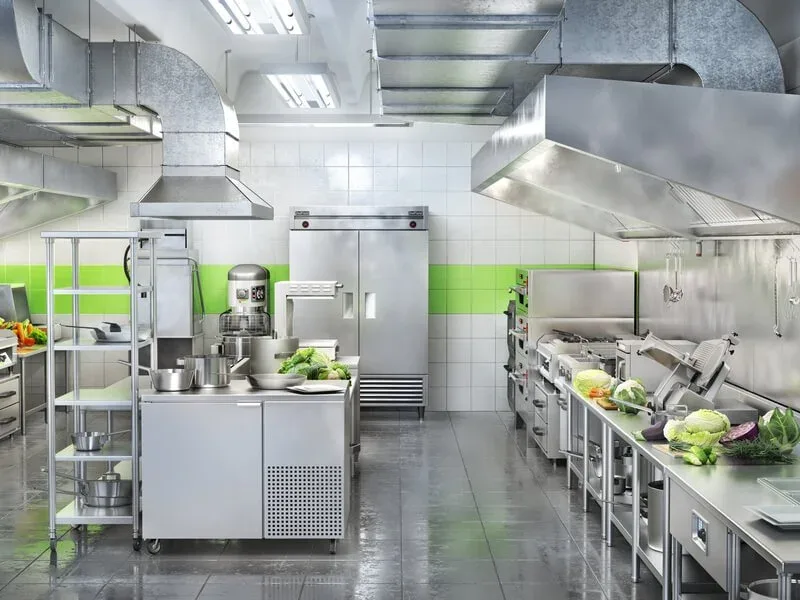
How Climate Change Is Reshaping Produce Quality in Commercial Kitchens
Last summer, I stood in the walk-in cooler of a Nashville restaurant where I was consulting, staring at a crate of heirloom tomatoes that looked more like they belonged in a science experiment than on a plate. The skins were tough as leather, the flesh mealy, and the flavor, well, let’s just say it tasted like regret. The chef next to me sighed and said what we were both thinking: “This isn’t how tomatoes are supposed to be.” That moment stuck with me, not just because of the culinary disappointment, but because it was my first real, tangible encounter with how climate change affects produce quality in commercial kitchens.
It’s easy to think of climate change as something that happens “out there”-melting ice caps, distant wildfires, or abstract temperature graphs. But in commercial kitchens, the effects are immediate, personal, and increasingly impossible to ignore. The ingredients we rely on, the crisp lettuce for salads, the juicy peaches for desserts, the vibrant herbs for garnishes, are changing. And not for the better. This isn’t just about availability (though that’s a growing problem too). It’s about quality, consistency, and the very soul of what we serve.
In this article, I’m going to break down exactly how shifting climate patterns are altering the produce that ends up in your kitchen. We’ll look at the science behind it, the real-world consequences for chefs and restaurateurs, and, most importantly, what you can do to adapt. Because if there’s one thing I’ve learned in this industry, it’s that the best chefs aren’t just masters of technique; they’re masters of adaptation. So let’s dig in. Is this the most depressing topic I’ve ever written about? Maybe. But it’s also one of the most important.
The Science Behind the Shift: Why Your Produce Isn’t What It Used to Be
Rising Temperatures and the Stress on Plants
Plants, like people, have their comfort zones. Tomatoes thrive in temperatures between 70°F and 85°F during the day. Lettuce prefers it cooler, around 60°F to 65°F. But as global temperatures creep up, these ideal conditions are becoming harder to come by. When plants experience heat stress, they react in ways that directly impact their quality. For example:
- Bolting: This is when plants like lettuce, spinach, or cilantro prematurely send up a flower stalk. The result? Bitter, tough leaves that are unusable in most dishes. I’ve seen entire crops of arugula bolt overnight during a heatwave, leaving chefs scrambling for alternatives.
- Reduced sugar content: Heat stress can cause plants to prioritize survival over sweetness. Fruits like strawberries or peaches may look normal but lack the vibrant, sugary punch that makes them special. Last year, a pastry chef friend of mine had to adjust her famous peach cobbler recipe because the fruit just wasn’t sweet enough, even though it came from the same farm she’d used for years.
- Thicker skins: Some plants, like tomatoes or grapes, develop thicker skins as a defense mechanism against heat. While this might sound like a minor issue, it changes the texture and mouthfeel of dishes. Imagine a Caprese salad where the tomatoes require a steak knife to cut through. Not ideal.
But here’s the thing: it’s not just about the heat. It’s about the unpredictability of it. Plants can adapt to consistent conditions, but when temperatures swing wildly, like a 20-degree jump in a single day, they can’t keep up. And in commercial kitchens, where consistency is king, that unpredictability is a nightmare.
The CO2 Conundrum: More Isn’t Always Better
You’ve probably heard that rising CO2 levels are good for plants. After all, plants use CO2 for photosynthesis, right? Well, it’s not that simple. While increased CO2 can boost growth rates in some crops, it often comes at a cost: lower nutritional value. Studies have shown that higher CO2 levels can reduce the protein, zinc, and iron content in staple crops like wheat and rice. For leafy greens, it can mean lower levels of essential vitamins like A and C.
But here’s where it gets tricky for chefs. Even if the nutritional content changes, the visual appeal of the produce might not. A head of lettuce grown in high-CO2 conditions might look just as green and crisp as one grown in ideal conditions, but it could be lacking in flavor and nutrients. This creates a disconnect between what we see and what we taste, and in a commercial kitchen, where presentation is everything, that’s a big problem.
I remember a conversation with a farm-to-table chef in California who noticed that his kale wasn’t as vibrant as it used to be. The leaves were larger, sure, but they lacked the deep, earthy flavor that had made his dishes famous. After some digging, he realized that the farm he sourced from had seen a 15% increase in CO2 levels over the past decade. The kale was growing faster, but it wasn’t growing better.
Water Woes: Droughts, Floods, and the Battle for Hydration
Droughts and the Illusion of “Fresh” Produce
Water is the lifeblood of agriculture, and when it’s scarce, plants suffer. Droughts are becoming more frequent and severe, and their impact on produce quality is profound. When plants don’t get enough water, they prioritize survival over growth, leading to:
- Smaller yields: Fewer fruits or vegetables per plant means higher costs for chefs and smaller portions for customers. I’ve seen restaurants have to adjust menu prices mid-season because the cost of strawberries or bell peppers skyrocketed due to drought.
- Poor texture: Ever bitten into a cucumber that felt like a sponge? That’s drought stress. Without adequate water, fruits and vegetables can become dry, fibrous, or woody. This isn’t just a texture issue, it affects how ingredients cook and interact with other flavors.
- Increased pest pressure: Stressed plants are more susceptible to pests and diseases. A chef in Texas told me that his usual supplier had to spray their crops with more pesticides than ever before to combat an influx of aphids during a drought. The result? Produce that looked fine but had a chemical aftertaste that lingered on the palate.
But here’s the kicker: droughts don’t just affect the plants that are growing. They also impact the soil itself. Healthy soil is teeming with microorganisms that help plants absorb nutrients. When soil dries out, those microorganisms die off, leading to nutrient-deficient produce. So even if a plant survives a drought, it might not have the same depth of flavor or nutritional value as one grown in ideal conditions.
Floods: Too Much of a Good Thing
On the flip side, too much water can be just as damaging. Heavy rainfall and flooding are becoming more common, and they bring their own set of problems for produce quality:
- Root rot: When roots sit in water for too long, they can’t absorb oxygen, leading to rot. This weakens the plant and can cause fruits and vegetables to spoil faster, even before they leave the farm.
- Diluted flavors: Too much water can dilute the natural sugars and compounds that give produce its flavor. I’ve had chefs complain that their tomatoes taste “watery” or that their herbs lack intensity after a particularly wet season.
- Mold and mildew: Excess moisture creates the perfect environment for mold and mildew to thrive. This isn’t just a cosmetic issue, it can make produce unsafe to eat. A restaurant in Florida had to throw out an entire shipment of basil because it arrived covered in a white, powdery mildew. The supplier had no idea the plants were infected until it was too late.
And let’s not forget about the logistical nightmare of flooding. Roads wash out, deliveries are delayed, and chefs are left with empty walk-ins and angry customers. It’s a perfect storm, literally.
The Ripple Effect: How Climate Change Alters Flavor Profiles
When Sweet Becomes Bland
Flavor is everything in a commercial kitchen. It’s what separates a good dish from a great one. But climate change is messing with the very building blocks of flavor. Take sugar content, for example. Plants produce sugars through photosynthesis, and the process is highly sensitive to environmental conditions. When temperatures rise, plants may produce less sugar, leading to fruits and vegetables that taste bland or underripe, even when they look perfectly ripe.
I’ve seen this firsthand with strawberries. A few years ago, a chef in Nashville was serving a strawberry shortcake that was legendary. The strawberries were so sweet, they didn’t even need sugar. But last season, the same supplier delivered strawberries that were large and red but tasted like cardboard. The chef had to add extra sugar to the recipe, which changed the entire flavor profile of the dish. Customers noticed. Some complained. It was a wake-up call.
But it’s not just about sweetness. Acidity levels are also affected. Citrus fruits, for example, rely on a balance of sugar and acid to create their signature tang. When temperatures fluctuate, that balance can be thrown off. Lemons might taste more bitter, or oranges might lack their usual brightness. This can be a disaster for dishes that rely on a specific acidity level, like ceviche or vinaigrettes.
The Disappearing Aroma
Flavor isn’t just about taste, it’s about aroma, too. And climate change is messing with that as well. Many of the compounds that give fruits and vegetables their distinctive aromas are produced in response to environmental stressors. When those stressors change, the aromas change too.
Take basil, for example. The sweet, peppery aroma of fresh basil is one of the joys of summer cooking. But when basil plants are stressed by heat or drought, they produce fewer of the volatile compounds that create that aroma. The result? Basil that looks fine but smells, and tastes, like a shadow of its former self. I’ve had chefs tell me that their pesto doesn’t have the same depth of flavor it used to, and they’re not wrong. The basil just isn’t as aromatic as it once was.
This isn’t just a problem for herbs. Fruits like peaches, melons, and berries also rely on aroma to create their full flavor profile. When those aromas fade, the eating experience changes. And in a commercial kitchen, where every detail matters, that’s a big deal.
Seasonal Shifts: When Your Menu Doesn’t Match the Calendar
Early Springs and Late Falls: The Blurring of Seasons
One of the most noticeable ways climate change is affecting produce quality is by shifting growing seasons. Springs are arriving earlier, and falls are stretching later into the year. On the surface, this might sound like a good thing, longer growing seasons mean more fresh produce, right? But it’s not that simple.
When seasons shift, it throws off the natural rhythms of plant growth. For example, some fruits and vegetables rely on a period of cold dormancy to develop properly. Without that cold period, they may not produce as much fruit, or the fruit they do produce may be of lower quality. This is especially true for crops like apples, cherries, and blueberries.
I remember talking to a chef in Michigan who was frustrated because his local apple orchard was producing fewer Honeycrisp apples than usual. The orchard owner explained that the trees hadn’t gotten enough “chill hours” (the number of hours below 45°F that apple trees need to produce fruit) the previous winter. The apples that did grow were smaller and less crisp than usual. The chef had to adjust his menu to feature other fruits, but it wasn’t the same. Customers noticed the absence of the Honeycrisp apple pie that had been a staple on the menu for years.
The Problem with Out-of-Season Produce
But it’s not just about the crops that should be growing. It’s also about the crops that shouldn’t be growing. Warmer winters and earlier springs mean that some crops are appearing out of season. This might sound like a bonus, fresh tomatoes in April! but it can actually be a problem for quality.
Plants that grow out of season often do so under suboptimal conditions. They might be more susceptible to pests, or they might not get enough sunlight to develop properly. The result? Produce that looks fine but lacks the flavor and texture of in-season crops. A chef in California told me that his local strawberries were appearing in March now, but they weren’t as sweet or as firm as the ones that ripened in May. He had to start sourcing from farther away to get the quality he needed, which defeated the purpose of using local produce in the first place.
And let’s not forget about the logistical challenges of out-of-season produce. When crops appear earlier or later than expected, it can throw off supply chains. Chefs might find themselves with too much of one ingredient and not enough of another. This can lead to waste, higher costs, and menu changes that confuse customers.
The Hidden Costs: How Climate Change Affects Your Bottom Line
Spoilage and Waste: The Silent Budget Killers
In a commercial kitchen, waste is the enemy. Every spoiled tomato, every wilted bunch of herbs, every bruised apple is money down the drain. And climate change is making waste worse. Here’s how:
- Faster spoilage: Produce that’s stressed by heat or drought is often weaker and more susceptible to spoilage. It might look fine when it arrives at your kitchen but go bad within a day or two. I’ve seen chefs have to throw out entire shipments of lettuce because it wilted overnight, something that rarely happened a decade ago.
- Increased bruising: Fruits and vegetables that are stressed by environmental conditions are often more delicate. They bruise more easily during transport, leading to unsellable produce. A restaurant in Arizona had to stop serving fresh peaches because the fruit was arriving bruised and overripe. The chef switched to canned peaches, but customers complained about the change.
- Higher pesticide residues: As pests become more prevalent due to climate change, farmers are using more pesticides to protect their crops. This can lead to produce that spoils faster or has a shorter shelf life. A chef in Florida told me that his usual supplier had to switch to a stronger pesticide to combat an influx of whiteflies. The result? The produce looked fine, but it went bad within 24 hours of arriving at the kitchen.
All of this adds up. The Natural Resources Defense Council estimates that the average restaurant loses about 4-10% of its food purchases to spoilage. But in the era of climate change, that number is likely higher. For a small restaurant, that could mean thousands of dollars in lost revenue every year. For a large chain, it could be millions.
The Rising Cost of Quality
Quality produce has always been more expensive, but climate change is driving those costs even higher. Here’s why:
- Smaller yields: When crops are stressed by heat, drought, or pests, they produce less fruit. This means farmers have to charge more per unit to make up for the loss. A chef in Texas told me that the price of local tomatoes had doubled in the past five years because the drought had reduced yields by nearly 40%.
- Higher input costs: Farmers are spending more on irrigation, pesticides, and other inputs to combat the effects of climate change. Those costs get passed on to chefs and restaurants. A farm in California estimated that its water costs had increased by 30% in the past decade due to drought. That cost was reflected in the price of its produce.
- Longer supply chains: As local crops become less reliable, chefs are forced to source from farther away. This increases transportation costs and the risk of spoilage. A restaurant in New York had to start sourcing its strawberries from Mexico instead of California because the California crop was too unreliable. The strawberries were more expensive, and they didn’t taste as good.
And it’s not just about the cost of the produce itself. It’s about the hidden costs of dealing with lower-quality ingredients. Chefs are spending more time adjusting recipes, training staff, and managing customer expectations. All of that takes time and money.
Adapting to the New Normal: Strategies for Commercial Kitchens
Diversify Your Suppliers (Before You Have To)
One of the biggest mistakes I see chefs make is relying too heavily on a single supplier. When that supplier’s crops fail due to climate change, the chef is left scrambling. The solution? Diversify your supply chain.
This doesn’t mean you have to abandon your local farmers, far from it. But it does mean you should have backup suppliers in different regions. For example, if you’re sourcing tomatoes from a farm in California, consider finding a second supplier in the Southeast or Midwest. That way, if one region is hit by a heatwave or drought, you have a fallback.
I worked with a chef in Nashville who had built his entire menu around local produce. When a drought hit the region, his suppliers couldn’t deliver, and he was forced to shut down for a week. After that, he started working with suppliers in three different states. It wasn’t ideal, he preferred to source locally, but it gave him a safety net. And when the next drought hit, he was able to keep his doors open.
But diversifying your suppliers isn’t just about geography. It’s also about crop diversity. Some crops are more resilient to climate change than others. For example, sweet potatoes and okra are more drought-tolerant than lettuce or tomatoes. By incorporating a wider variety of crops into your menu, you can reduce your reliance on any single ingredient.
Embrace the “Ugly” Produce Movement
One of the most frustrating things about climate change is that it’s not just affecting the quality of produce, it’s affecting the appearance of produce. Fruits and vegetables that are stressed by heat or drought often look misshapen, discolored, or otherwise “imperfect.” But here’s the thing: they’re often just as delicious as their “perfect” counterparts.
The ugly produce movement is all about embracing these imperfections. Chefs are starting to realize that a tomato doesn’t have to be perfectly round to make a great sauce, and a carrot doesn’t have to be perfectly straight to be delicious in a soup. In fact, some of the best chefs I know are seeking out ugly produce because it often has more character and flavor.
A restaurant in Portland started a program called “Imperfect Plates,” where they featured dishes made with ugly produce. The response was overwhelmingly positive. Customers loved the idea of reducing waste, and they loved the unique flavors of the produce. The restaurant even saved money because the ugly produce was cheaper than the “perfect” stuff.
But embracing ugly produce isn’t just about saving money or reducing waste. It’s also about adapting to the new reality of climate change. As produce becomes more unpredictable, chefs who are willing to work with imperfect ingredients will have an advantage. They’ll be able to source more reliably, and they’ll be able to create dishes that stand out from the crowd.
Adjust Your Menu (And Your Expectations)
This is the part that no chef wants to hear: you might have to change your menu. Climate change is altering the ingredients we rely on, and that means we have to be flexible. But here’s the good news: flexibility can lead to creativity.
Take, for example, a chef in Arizona who had built his menu around fresh salads. When a drought hit and lettuce became scarce, he had to rethink his approach. Instead of serving traditional salads, he started using local greens like purslane and amaranth, which are more drought-tolerant. The result? A menu that was more unique, more sustainable, and, dare I say, more delicious.
Adjusting your menu doesn’t have to mean giving up on your signature dishes. It can mean reimagining them. For example, if tomatoes are too watery or bland, consider using them in cooked dishes where their texture is less important. A chef in Florida told me that he started using his local tomatoes in sauces and soups instead of salads. The heat brought out the natural sweetness of the tomatoes, and the dishes were a hit.
But adjusting your menu isn’t just about the ingredients. It’s also about managing customer expectations. If a dish isn’t available because the produce isn’t up to par, be honest with your customers. Explain that you’re committed to quality, and that’s why you’re making changes. Most customers will appreciate the transparency, and they might even be inspired to try something new.
Invest in Preservation Techniques
One of the best ways to combat the unpredictability of climate change is to preserve produce when it’s at its best. This isn’t a new idea, chefs have been preserving food for centuries, but it’s more important than ever in the age of climate change.
There are plenty of preservation techniques to choose from, depending on your needs:
- Fermentation: Fermenting vegetables not only preserves them but also enhances their flavor. Kimchi, sauerkraut, and pickles are all great examples. A chef in Brooklyn started fermenting his local cabbage when he noticed that the quality was declining. The result was a tangy, flavorful condiment that became a customer favorite.
- Dehydration: Drying fruits and vegetables removes moisture, which prevents spoilage. Dehydrated tomatoes, for example, can be used in sauces, salads, or as a garnish. A restaurant in California started dehydrating its excess tomatoes during the peak season. When the quality of fresh tomatoes declined, they were able to use the dehydrated ones to keep their dishes consistent.
- Freezing: Freezing is one of the simplest preservation techniques, and it works well for many fruits and vegetables. A chef in Maine started freezing his local berries during the summer. When the berry season ended, he was able to use the frozen berries in desserts and sauces. The quality wasn’t quite as good as fresh, but it was a lot better than using out-of-season berries from halfway across the country.
- Canning: Canning is a great way to preserve fruits and vegetables for long-term storage. A restaurant in Texas started canning its local peaches when the drought made fresh peaches unreliable. The canned peaches were used in desserts and cocktails, and they became a hit with customers.
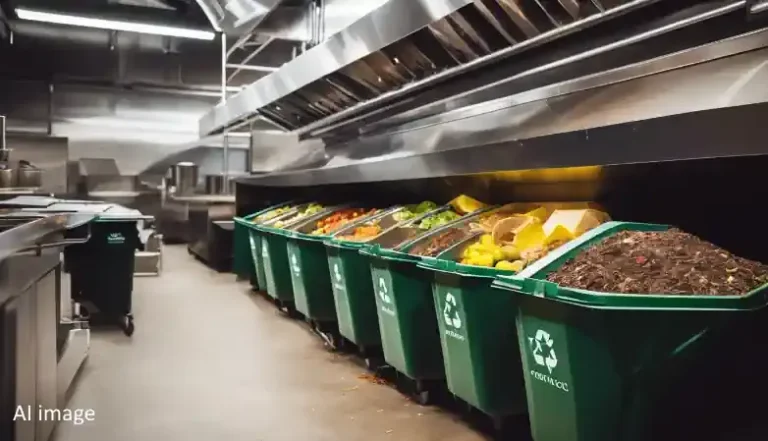
Preservation isn’t just about extending the shelf life of produce. It’s also about capturing flavor at its peak. When you preserve produce when it’s at its best, you can use it later when the quality isn’t as good. This allows you to maintain consistency in your dishes, even as the climate changes.
Looking Ahead: The Future of Produce in Commercial Kitchens
So, where do we go from here? The truth is, climate change isn’t going away. The effects we’re seeing now are just the beginning. But that doesn’t mean we’re powerless. Chefs and restaurateurs have always been adaptable, and this is just another challenge to overcome.
I think the key is to embrace the uncertainty. Climate change is making the future of produce unpredictable, but that doesn’t mean it has to be bleak. In fact, it could be an opportunity for chefs to get creative, to experiment with new ingredients, and to rethink what it means to cook with the seasons.
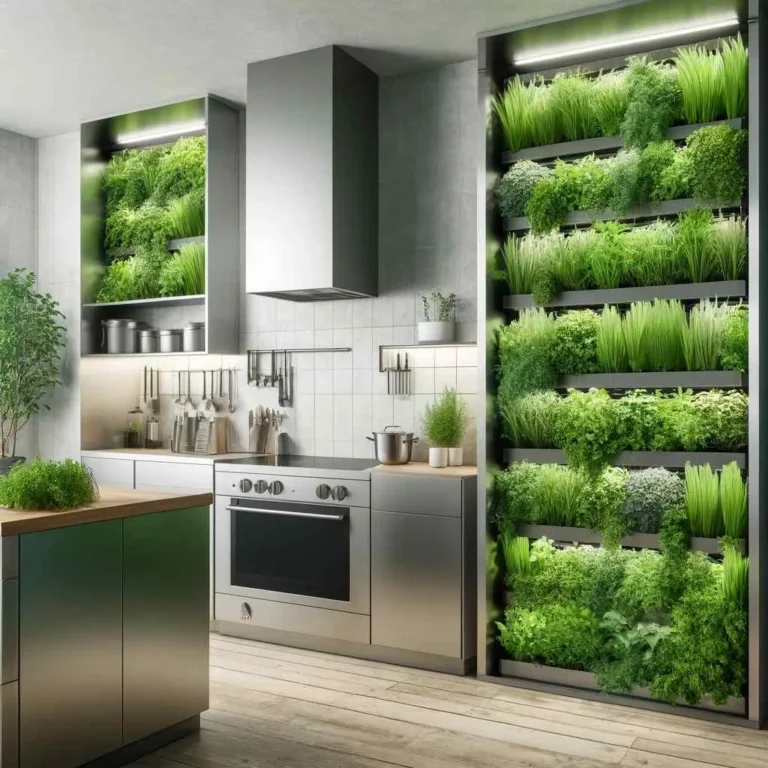
Maybe we’ll see more restaurants growing their own produce, using hydroponics or vertical farming to control the environment. Maybe we’ll see more chefs collaborating with farmers to develop climate-resilient crops. Maybe we’ll see a resurgence of traditional preservation techniques, as chefs look for ways to extend the life of their ingredients.
One thing’s for sure: the chefs who thrive in this new era will be the ones who are willing to adapt. They’ll be the ones who are open to new ideas, who are willing to take risks, and who are committed to quality, no matter what the climate throws at them.
As for me, I’m going to keep paying attention. I’m going to keep talking to chefs, farmers, and suppliers. I’m going to keep asking questions, even when the answers are uncomfortable. Because at the end of the day, this isn’t just about produce. It’s about the future of food, and that’s something worth fighting for.
FAQ
Q: How can I tell if my produce is being affected by climate change?
A: Look for signs like tougher skins, bland flavors, or unusual textures. For example, tomatoes might feel mealy, or herbs might lack their usual aroma. If you notice these issues consistently, it could be a sign that your supplier’s crops are stressed by climate conditions. It’s also worth asking your suppliers directly about how climate change is affecting their yields and quality. Many farmers are dealing with these challenges firsthand and are happy to share their experiences.
Q: What are some climate-resilient crops I can incorporate into my menu?
A: Some crops are naturally more resilient to heat, drought, and other climate stressors. Consider incorporating more of these into your menu: sweet potatoes, okra, black-eyed peas, amaranth, purslane, kale, collard greens, and certain varieties of beans. These crops tend to be hardier and can withstand more environmental variability than others. You might also look into ancient grains like quinoa, farro, or millet, which are often more adaptable to changing conditions.
Q: How can I reduce food waste in my kitchen when dealing with lower-quality produce?
A: Start by adjusting your prep techniques. For example, if your tomatoes are too watery, consider roasting them to concentrate their flavor. If your herbs are wilted, use them in cooked dishes rather than raw. You can also repurpose scraps, vegetable peels can be turned into stocks, and fruit trimmings can be used in syrups or infusions. Another strategy is to work with your suppliers to order smaller quantities more frequently, so you’re not stuck with produce that goes bad before you can use it.
Q: Are there any tools or technologies that can help me adapt to these changes?
A: Absolutely. One of the most promising technologies is controlled-environment agriculture (CEA), which includes hydroponics, aeroponics, and vertical farming. These systems allow you to grow produce in a controlled environment, independent of external climate conditions. Some restaurants are even installing their own hydroponic systems to grow herbs and greens on-site. Another tool is predictive analytics software, which can help you anticipate supply chain disruptions and adjust your orders accordingly. Finally, consider investing in better storage solutions, like vacuum sealers or blast chillers, to extend the shelf life of your produce.
@article{how-climate-change-is-reshaping-produce-quality-in-commercial-kitchens-and-what-chefs-can-do-about-it,
    title   = {How Climate Change Is Reshaping Produce Quality in Commercial Kitchens (And What Chefs Can Do About It)},
    author  = {Chef's icon},
    year    = {2026},
    journal = {Chef's Icon},
    url     = {https://chefsicon.com/how-climate-change-affects-produce-quality-in-commercial-kitchens/}
}