The Best Fluffy Pancakes recipe you will fall in love with. Full of tips and tricks to help you make the best pancakes.
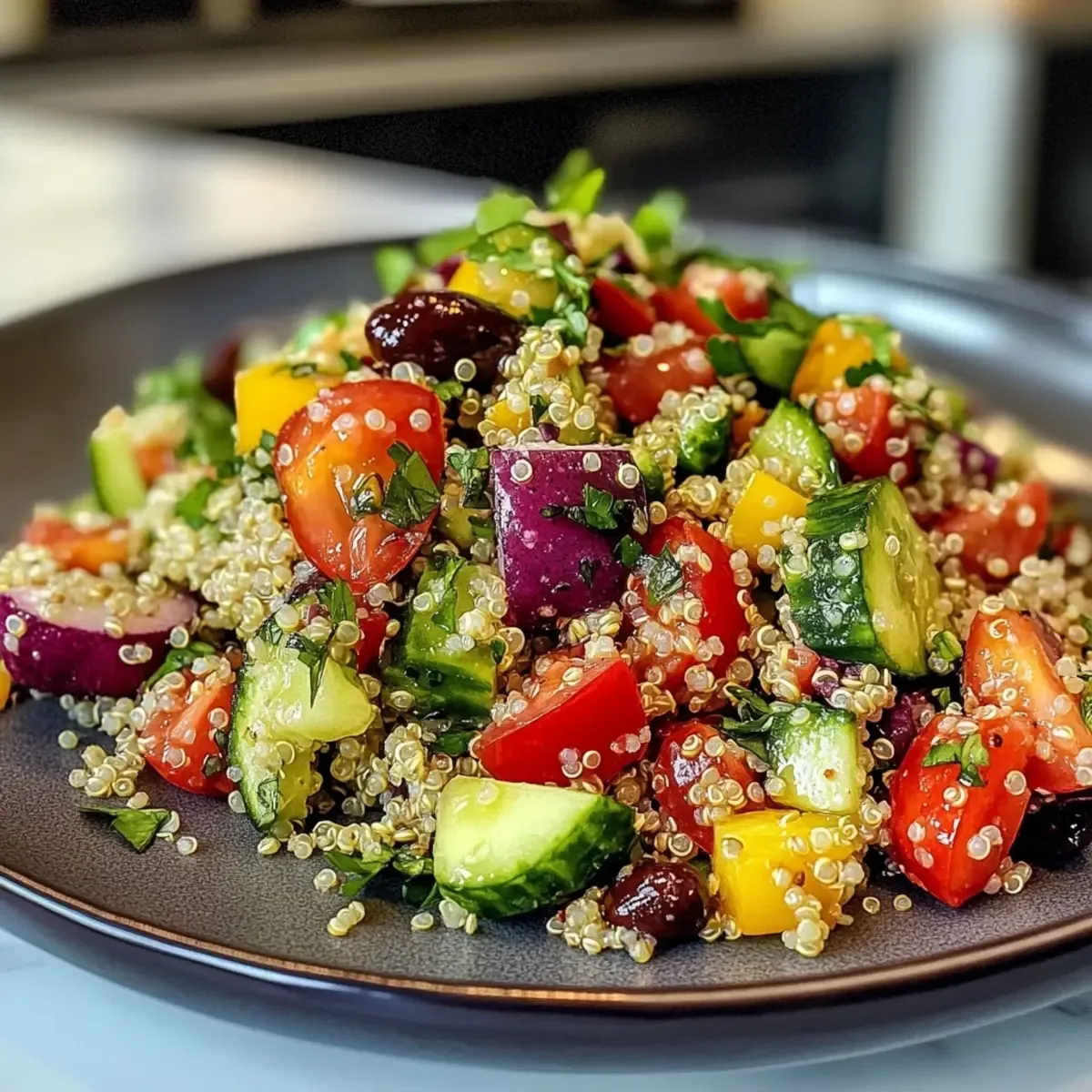
The Secret Weapon in Commercial Kitchens: Seasonal Quinoa Salad Batch Prep
Let me tell you something, I never thought quinoa would become my kitchen’s MVP. There I was, three years ago, standing in a cramped commercial kitchen in Nashville, staring at a mountain of prepped vegetables and a 20-pound bag of quinoa, wondering if I’d just made a colossal mistake. The menu demanded a seasonal quinoa salad that could hold up for days, taste fresh, and still make customers feel like they were getting something gourmet. Spoiler alert: it worked. But not without a few hard-learned lessons along the way.
Fast forward to today, and I’m convinced that batch-prepping quinoa salads in commercial kitchens isn’t just a trend, it’s a game-changer. It’s the kind of dish that checks all the boxes: nutritious, versatile, cost-effective, and, when done right, downright delicious. But here’s the thing: scaling quinoa salad from a home kitchen to a high-volume operation isn’t as simple as just making more of it. There’s a science to it, a method to the madness, and a whole lot of trial and error. That’s what this guide is for. Whether you’re running a café, a catering business, or a large-scale food service operation, I’m going to walk you through everything you need to know to master seasonal quinoa salad batch prep in a commercial kitchen.
By the end of this, you’ll know how to choose the right ingredients, optimize your workflow, avoid common pitfalls, and even turn this humble salad into a profit driver. And hey, if I can go from quinoa skeptic to quinoa evangelist, so can you. Let’s dive in.
Why Quinoa Salad Belongs in Your Commercial Kitchen
The Rise of the Superfood Salad
Quinoa isn’t just a buzzword, it’s a powerhouse. Packed with protein, fiber, and all nine essential amino acids, it’s one of the few plant-based foods that can legitimately claim to be a complete protein. That alone makes it a darling of health-conscious diners, but here’s the kicker: it’s also ridiculously versatile. Unlike rice or pasta, quinoa holds its texture well, even after days in the fridge. That’s a big deal in commercial kitchens where batch prep is the name of the game.
But let’s be real, quinoa’s nutritional profile is only part of the story. The real magic happens when you pair it with seasonal ingredients. Think about it: in the spring, you’ve got asparagus, peas, and fresh herbs. Summer brings tomatoes, cucumbers, and corn. Fall? Squash, apples, and pomegranate seeds. Winter? Roasted root vegetables and citrus. Each season offers a chance to reinvent the dish, keeping your menu fresh without reinventing the wheel. And in a commercial kitchen, that kind of flexibility is gold.
I remember the first time I served a summer quinoa salad with heirloom tomatoes, basil, and a lemon vinaigrette. The orders poured in. Customers weren’t just eating it, they were talking about it. That’s when I realized quinoa salad wasn’t just a side dish; it was a conversation starter. And in the food business, that’s priceless.
Cost-Effectiveness Meets Customer Demand
Let’s talk numbers for a second. Quinoa isn’t cheap, but when you break it down per serving, it’s actually one of the more affordable proteins you can offer. A pound of quinoa yields about 10-12 servings, and at roughly $3-$5 per pound (depending on where you source it), that’s a steal compared to animal proteins. Pair it with seasonal veggies, and suddenly you’ve got a dish that’s not only nutritious but also cost-effective.
But here’s where it gets interesting. Quinoa salad isn’t just a cost-saver, it’s a profit driver. Because it holds up so well, you can prep it in large batches, reducing labor costs. And because it’s so customizable, you can charge a premium for add-ons like grilled chicken, avocado, or feta. I’ve seen restaurants mark up quinoa salads by 300% or more and still sell out daily. That’s the kind of margin that makes commercial kitchen managers swoon.
Of course, it’s not all sunshine and rainbows. There are challenges, like making sure the quinoa doesn’t turn mushy or the dressing doesn’t separate. But we’ll get to all that. For now, just know that if you’re not offering a seasonal quinoa salad in your commercial kitchen, you’re leaving money on the table.
Choosing the Right Ingredients for Batch Prep
Quinoa: The Foundation of Your Salad
Not all quinoa is created equal. When you’re prepping in bulk, you need a variety that can stand up to the rigors of a commercial kitchen. Here’s what to look for:
- White quinoa: The most common and versatile. It cooks quickly and has a mild flavor, making it a great blank canvas for other ingredients.
- Red quinoa: Nuttier and chewier, with a slightly earthier taste. It holds its shape better than white quinoa, which is great for salads that need to last a few days.
- Tri-color quinoa: A mix of white, red, and black quinoa. It’s visually appealing and adds texture, but it can be a bit pricier.
For batch prep, I usually go with a mix of white and red quinoa. The white keeps the cost down, while the red adds texture and visual interest. Pro tip: Rinse your quinoa thoroughly before cooking to remove the saponins, which can make it taste bitter. In a commercial kitchen, that means using a fine-mesh strainer or even a clean pillowcase (yes, I’ve done it) to ensure you get all the residue out.
Now, let’s talk cooking. The standard ratio is 2 parts water to 1 part quinoa, but I’ve found that for large batches, you can get away with a little less water, about 1.75 parts water to 1 part quinoa. This prevents the quinoa from getting too soft. Bring the water to a boil, add the quinoa, reduce the heat, cover, and let it simmer for about 15 minutes. Then, turn off the heat and let it sit, covered, for another 5-10 minutes. This step is crucial, it allows the quinoa to steam and fluff up properly.
Is this the best approach? Let’s consider: some chefs swear by cooking quinoa in vegetable broth for extra flavor, but in a commercial kitchen, that can get expensive. Others recommend toasting the quinoa before cooking to enhance its nutty flavor. I’ve tried both, and while they do add depth, they also add time and cost. For me, the simplicity of water works best for large batches. But hey, if you’ve got the budget and the time, go for it.
Seasonal Vegetables: The Star of the Show
This is where things get fun. The beauty of a seasonal quinoa salad is that it changes with the calendar. But not all vegetables are created equal when it comes to batch prep. You need ingredients that can hold up for days without turning soggy or losing their flavor. Here’s a seasonal breakdown of what works best:
- Spring: Asparagus (blanched), peas, radishes, baby spinach, arugula, fresh herbs (mint, dill, parsley), green onions.
- Summer: Cherry tomatoes (halved), cucumbers, bell peppers, corn (grilled or roasted), zucchini, fresh basil, edamame.
- Fall: Roasted butternut squash, sweet potatoes, Brussels sprouts, apples, pomegranate seeds, kale, carrots.
- Winter: Roasted beets, citrus segments, roasted cauliflower, cabbage, fennel, dried cranberries, nuts (walnuts, pecans).
Now, here’s the thing: not all of these ingredients can be prepped the same way. For example, leafy greens like spinach or arugula should be added fresh, not prepped days in advance. On the other hand, heartier veggies like carrots, beets, or Brussels sprouts can be roasted or blanched ahead of time. The key is to prep ingredients separately and assemble the salad just before serving. This keeps everything crisp and fresh.
I’m torn between two approaches here. One school of thought says to prep everything at once, chop all the veggies, cook the quinoa, make the dressing, and mix it all together. The other says to keep components separate until the last minute. For me, the latter wins every time. It’s a little more work upfront, but it ensures that the salad stays fresh and vibrant for days. Plus, it gives you more flexibility to customize orders on the fly.
Dressings: The Glue That Holds It All Together
A great quinoa salad needs a great dressing. But here’s the catch: not all dressings hold up well in batch prep. Some separate, some get watery, and some just taste off after a day or two. So, what’s the secret to a batch-friendly dressing?
First, let’s talk about the base. Oil and vinegar are classic, but in a commercial kitchen, you need something that can stand up to volume. I’ve had the best luck with a combination of olive oil, lemon juice, and a touch of Dijon mustard. The mustard acts as an emulsifier, helping the dressing stay together longer. For a creamier option, you can use Greek yogurt or tahini as a base. These not only add flavor but also help bind the salad together.
Here’s a basic recipe I use as a starting point:
- 1 cup extra-virgin olive oil
- 1/2 cup lemon juice (or vinegar, apple cider or red wine work well)
- 2 tbsp Dijon mustard
- 1 tbsp honey or maple syrup
- Salt and pepper to taste
- Optional: minced garlic, shallots, or fresh herbs
Whisk it all together, and you’ve got a dressing that’s bright, tangy, and versatile. But here’s the thing: even the best dressing can separate over time. To combat this, I store the dressing separately and add it to the salad just before serving. If you’re prepping for a buffet or a large event, you can also use a commercial emulsifier or stabilizer to keep the dressing consistent. Just be sure to check the labels, some stabilizers can alter the flavor or texture.
Maybe I should clarify: I’m not saying you can’t make a dressing ahead of time. You absolutely can. But in a commercial kitchen, where salads might sit for days, it’s best to keep the dressing separate until the last minute. That way, you can control the moisture level and prevent the salad from getting soggy.
Optimizing Your Workflow for Large-Scale Prep
Equipment You’ll Need (And What You Can Skip)
Batch prepping quinoa salad in a commercial kitchen isn’t just about having the right ingredients, it’s about having the right tools. Here’s what I’ve found to be essential:
- Large stock pots: For cooking quinoa in bulk. A 20-quart pot can handle about 5 pounds of quinoa at a time.
- Fine-mesh strainers: For rinsing quinoa and draining blanched vegetables.
- Sheet pans: For roasting vegetables. Half-sheet pans are ideal, they fit in most commercial ovens and hold a good amount of veggies without overcrowding.
- Food processor or mandoline: For quickly and uniformly chopping vegetables. A food processor is a game-changer for large batches.
- Mixing bowls: You’ll need a variety of sizes, but I find that 8-quart and 12-quart bowls are the most useful for mixing salads.
- Portioning tools: Scoops, ladles, or even a commercial salad spinner for drying greens.
- Storage containers: Airtight, stackable containers are a must. I prefer clear containers so I can see what’s inside without opening them.
Now, here’s what you can skip: fancy gadgets that promise to do everything but end up collecting dust. I’m looking at you, avocado slicer. Sure, it’s great for a home kitchen, but in a commercial setting, it’s just another thing to clean. Stick to the basics, and you’ll save time and money.
One piece of equipment I was skeptical about at first? A commercial salad spinner. I thought it was overkill, but after using one, I’m a convert. It’s a lifesaver for drying greens quickly and efficiently, especially when you’re prepping large quantities. If you’re working with delicate greens like spinach or arugula, this tool is worth the investment.
Prep Like a Pro: A Step-by-Step Guide
Alright, let’s get into the nitty-gritty of batch prepping quinoa salad. Here’s how I do it in my kitchen, broken down into manageable steps:
- Plan your quantities: Start by figuring out how much salad you need. A good rule of thumb is to plan for about 4-6 ounces of quinoa per serving. So, if you’re prepping for 100 servings, you’ll need about 25-30 pounds of cooked quinoa. Don’t forget to account for veggies, dressing, and any add-ons.
- Rinse and cook the quinoa: Rinse your quinoa thoroughly to remove any bitterness. Then, cook it in batches using the ratio I mentioned earlier (1.75 parts water to 1 part quinoa). Once cooked, spread the quinoa out on sheet pans to cool. This prevents it from getting mushy and helps it cool faster.
- Prep the vegetables: While the quinoa is cooking, start prepping your veggies. Wash, peel, and chop everything according to your recipe. For heartier veggies like carrots or beets, you can roast or blanch them ahead of time. For delicate greens, wait until the day of serving to add them.
- Make the dressing: Whisk together your dressing ingredients and store in airtight containers. If you’re using a stabilizer, add it now.
- Assemble the salad: Here’s where things get a little tricky. If you’re prepping for immediate use, you can mix everything together. But if you’re prepping for later, keep the components separate. Store the quinoa, veggies, and dressing in different containers. This keeps everything fresh and prevents sogginess.
- Portion and store: Use portioning tools to divide the salad into serving sizes. Store in airtight containers in the fridge. If you’re prepping for a buffet, consider using chafing dishes or salad bars to keep the salad at the right temperature.
Now, I’ll be honest, this process isn’t perfect. There are days when the quinoa comes out too soft, or the dressing separates, or the veggies aren’t as crisp as I’d like. But that’s the beauty of batch prep: you learn as you go. The more you do it, the better you get at anticipating problems and adjusting on the fly.
One thing I’ve learned the hard way? Don’t skip the cooling step. I once tried to mix warm quinoa with cold veggies, and let’s just say it was a disaster. The salad turned out mushy and unappetizing. Now, I always let the quinoa cool completely before mixing it with other ingredients. It’s an extra step, but it makes all the difference.
Time-Saving Hacks for Busy Kitchens
In a commercial kitchen, time is money. Here are a few time-saving hacks I’ve picked up along the way:
- Prep veggies in advance: Wash, peel, and chop your vegetables the day before. Store them in airtight containers in the fridge. This saves time on the day of prep and ensures you’re not rushing through the chopping process.
- Use pre-cooked quinoa: If you’re really pressed for time, you can buy pre-cooked quinoa. It’s more expensive, but it can save you a ton of time. Just be sure to check the ingredients, some brands add preservatives or other additives.
- Invest in a food processor: A good food processor can chop vegetables in seconds. It’s a game-changer for large batches.
- Batch cook quinoa: Cook a large batch of quinoa at the beginning of the week and store it in the fridge. This way, you can use it for salads, bowls, or even as a side dish.
- Use a commercial mixer: If you’re mixing large quantities of salad, a commercial mixer can save you a ton of time and effort. Just be sure to use the paddle attachment to avoid overmixing.
I’m torn between two schools of thought here. One says to prep everything as far in advance as possible to save time. The other says to prep as close to serving as possible to ensure freshness. For me, it’s a balance. I prep the quinoa and heartier veggies a few days in advance, but I wait to add the delicate greens and dressing until the day of serving. That way, I get the best of both worlds: efficiency and freshness.
Avoiding Common Pitfalls in Quinoa Salad Batch Prep
Texture Troubles: Keeping Quinoa Fluffy, Not Mushy
Let’s talk about the elephant in the room: mushy quinoa. It’s the bane of every commercial kitchen manager’s existence. Nothing ruins a quinoa salad faster than a pile of soggy, overcooked grains. So, how do you keep it fluffy?
First, don’t overcook it. Quinoa is done when the grains are tender and the germ has separated from the seed. If you cook it too long, it’ll turn to mush. Second, don’t skip the cooling step. Once the quinoa is cooked, spread it out on sheet pans to cool. This stops the cooking process and prevents the grains from sticking together. Third, don’t overmix the salad. Quinoa is delicate, and too much stirring can break the grains down. Finally, don’t add the dressing too early. Dressing adds moisture, which can make the quinoa soggy if it sits too long.
Here’s a trick I learned from a fellow chef: cook the quinoa in vegetable broth instead of water. The extra flavor is a bonus, but the real benefit is that the broth helps the quinoa retain its texture. It’s a small change, but it makes a big difference.
Is this the best approach? Let’s consider: some chefs swear by toasting the quinoa before cooking to enhance its nutty flavor and improve its texture. I’ve tried it, and while it does add depth, it also adds time. For me, the simplicity of cooking it in broth works best for large batches. But if you’ve got the time, it’s worth experimenting with.
Flavor Fading: How to Keep Your Salad Tasting Fresh
One of the biggest challenges of batch prepping quinoa salad is keeping the flavors bright and fresh. After a day or two in the fridge, even the best salad can start to taste bland. Here’s how to combat flavor fade:
- Use fresh ingredients: This might seem obvious, but it’s worth repeating. The fresher your ingredients, the better your salad will taste. Don’t use wilted greens or overripe vegetables.
- Add acid: Acid brightens flavors and prevents them from fading. Lemon juice, vinegar, and even a splash of citrus zest can make a big difference. Just be sure to add it gradually, too much acid can overpower the salad.
- Season in layers: Don’t just dump all your seasonings into the salad at once. Season the quinoa, the vegetables, and the dressing separately. This ensures that every component is well-seasoned and flavorful.
- Add fresh herbs at the end: Herbs like parsley, cilantro, and basil lose their flavor quickly. Add them just before serving to keep the salad tasting fresh.
- Store components separately: As I mentioned earlier, storing the quinoa, veggies, and dressing separately helps prevent flavor transfer and keeps everything tasting fresh.
I’m torn between two approaches here. One says to add all the seasonings at once for efficiency. The other says to season in layers for better flavor. For me, the latter wins. It’s a little more work, but the difference in taste is worth it. Plus, it gives you more control over the final product.
Food Safety: Keeping Your Salad Safe for Days
Food safety is non-negotiable in a commercial kitchen. When you’re batch prepping quinoa salad, you need to be extra vigilant to prevent foodborne illness. Here’s what you need to know:
- Temperature control: Quinoa salad is a time/temperature control for safety (TCS) food, which means it needs to be kept at 41°F (5°C) or below to prevent bacterial growth. Use a food thermometer to check the temperature regularly.
- Storage: Store the salad in airtight, shallow containers. This allows it to cool quickly and evenly. Don’t stack containers too high, this can trap heat and prevent proper cooling.
- Labeling: Always label your containers with the date and time of prep. Most health departments require that TCS foods be discarded after 7 days, but I recommend using quinoa salad within 3-4 days for the best quality.
- Cross-contamination: Use separate cutting boards and utensils for raw and cooked ingredients. Wash your hands frequently, and sanitize all surfaces and equipment.
- Dressing: If you’re using a dairy-based dressing (like yogurt or sour cream), be extra careful. These ingredients can spoil quickly, so store the dressing separately and add it just before serving.
Maybe I should clarify: I’m not a food safety expert, but I’ve learned a thing or two from working in commercial kitchens. Always follow your local health department’s guidelines, and when in doubt, throw it out. It’s better to be safe than sorry.
Menu Integration: How to Sell More Quinoa Salad
Positioning Your Salad for Maximum Appeal
You’ve prepped the perfect seasonal quinoa salad. Now, how do you get customers to order it? It’s all about positioning. Here’s how to make your salad irresistible:
- Highlight the health benefits: Quinoa is a superfood, and customers love that. Use terms like “high-protein,” “gluten-free,” and “packed with fiber” to attract health-conscious diners.
- Emphasize the seasonality: People are drawn to seasonal ingredients because they feel fresher and more authentic. Use phrases like “summer harvest” or “fall harvest” to create a sense of urgency and exclusivity.
- Offer customization: Let customers add protein, cheese, or other toppings for a small upcharge. This not only increases sales but also makes the salad feel more personalized.
- Pair it with other dishes: Offer the salad as a side with sandwiches, wraps, or entrees. You can also create combo meals that include the salad, a protein, and a drink for a set price.
- Use enticing descriptions: Don’t just say “quinoa salad.” Describe it in a way that makes customers’ mouths water. For example: “Our summer quinoa salad features juicy heirloom tomatoes, crisp cucumbers, and fresh basil, all tossed in a tangy lemon vinaigrette.”
I’m torn between two approaches here. One says to keep the menu description simple and let the salad speak for itself. The other says to go all out with the description to create excitement. For me, it’s a balance. I like to keep the description concise but enticing. That way, customers know what they’re getting, but they’re still excited to try it.
Pricing Strategies: Balancing Cost and Profit
Pricing is always a tricky subject. You want to make a profit, but you also don’t want to scare customers away. Here’s how to strike the right balance:
- Cost-based pricing: Start by calculating the cost of your ingredients, labor, and overhead. Then, add a markup to determine the selling price. For quinoa salad, a 300% markup is common, but this can vary depending on your market.
- Value-based pricing: Consider what customers are willing to pay. If your salad is positioned as a premium dish, you can charge more. For example, a quinoa salad with grilled shrimp or avocado can command a higher price than a basic version.
- Competitive pricing: Look at what other restaurants in your area are charging for similar dishes. You don’t want to price yourself out of the market, but you also don’t want to undervalue your product.
- Upselling: Offer add-ons like grilled chicken, feta, or nuts for a small upcharge. This increases the average order value and boosts your profits.
Here’s a rough breakdown of how I price my quinoa salads:
- Basic quinoa salad: $8-$10
- Quinoa salad with protein (chicken, shrimp, tofu): $12-$15
- Quinoa salad with premium toppings (avocado, feta, nuts): $14-$16
Is this the best approach? Let’s consider: some restaurants charge more for quinoa salad because it’s perceived as a health food. Others charge less to attract budget-conscious customers. For me, it’s about finding the sweet spot where the price reflects the value without being prohibitive. It’s a balancing act, but it’s worth the effort.
Marketing Your Salad: Beyond the Menu
Don’t just rely on your menu to sell your quinoa salad. Use marketing to create buzz and drive sales. Here are a few ideas:
- Social media: Post photos of your salad on Instagram, Facebook, and TikTok. Use hashtags like #QuinoaSalad, #HealthyEating, and #SeasonalEats to reach a wider audience. You can also run contests or giveaways to generate excitement.
- Email marketing: Send out newsletters featuring your salad. Include a recipe or a behind-the-scenes look at how it’s made. You can also offer discounts or promotions to encourage customers to try it.
- In-store promotions: Use table tents, chalkboards, or digital screens to highlight your salad. You can also offer samples to customers who are on the fence.
- Collaborations: Partner with local influencers, bloggers, or health coaches to promote your salad. You can offer them a free meal in exchange for a review or social media post.
- Seasonal specials: Create limited-time offers to capitalize on seasonal ingredients. For example, a “Summer Harvest Quinoa Salad” can create a sense of urgency and exclusivity.
I’m torn between two approaches here. One says to focus on digital marketing because it’s cost-effective and reaches a wide audience. The other says to invest in in-store promotions because they create a more personal connection with customers. For me, it’s a mix of both. I use social media to reach new customers and in-store promotions to engage with existing ones. It’s all about finding what works for your business.
Scaling Up: From Small Cafés to Large Food Service Operations
Adapting Recipes for Different Volumes
Scaling a recipe from a small café to a large food service operation isn’t as simple as multiplying the ingredients. You need to consider factors like cooking time, equipment capacity, and ingredient availability. Here’s how to adapt your quinoa salad recipe for different volumes:
- Small café (50-100 servings): Stick to the basic recipe and prep everything in-house. Use a 20-quart stock pot for cooking quinoa and a food processor for chopping vegetables.
- Medium-sized operation (100-500 servings): Consider using pre-cooked quinoa or pre-chopped vegetables to save time. Invest in a commercial mixer to handle larger quantities.
- Large food service operation (500+ servings): Work with a food distributor to source ingredients in bulk. Use a tilt skillet or steam kettle for cooking quinoa, and consider outsourcing some of the prep work to a commissary kitchen.
I remember the first time I scaled up a quinoa salad recipe for a large event. I thought I could just multiply the ingredients by 10 and call it a day. Spoiler alert: it didn’t work. The quinoa took forever to cook, the dressing separated, and the salad turned out mushy. It was a disaster. But I learned from it. Now, I know that scaling up requires more than just math, it requires careful planning and the right equipment.
Working with Distributors and Suppliers
When you’re prepping quinoa salad in large quantities, you need a reliable source for ingredients. Here’s how to work with distributors and suppliers to get the best products at the best prices:
- Build relationships: Get to know your sales reps and let them know what you’re looking for. The better they understand your needs, the better they can serve you.
- Negotiate prices: Don’t be afraid to ask for discounts, especially if you’re ordering in bulk. Many distributors offer volume discounts or rebates for loyal customers.
- Check quality: Not all ingredients are created equal. Work with suppliers who prioritize quality and consistency. Don’t be afraid to ask for samples or visit their facilities to see how they operate.
- Plan ahead: Seasonal ingredients can be unpredictable. Work with your suppliers to plan your orders in advance, especially for peak seasons like summer and fall.
- Consider local sources: Local farmers and producers can be a great source for seasonal ingredients. They often offer fresher products at competitive prices, and they can help you create a unique selling point for your salad.
Maybe I should clarify: I’m not saying you should switch suppliers every time you find a better deal. Loyalty matters in the food industry. But that doesn’t mean you should overpay for ingredients. It’s all about finding the right balance between quality, price, and reliability.
Training Staff for Consistency and Efficiency
In a commercial kitchen, consistency is key. You want every batch of quinoa salad to taste the same, no matter who’s prepping it. Here’s how to train your staff for success:
- Standardize recipes: Create detailed recipes with step-by-step instructions. Include measurements, cooking times, and photos to ensure consistency.
- Provide hands-on training: Don’t just hand out recipes and expect staff to figure it out. Demonstrate the prep process and let them practice under your supervision.
- Use visual aids: Post photos of the finished salad, as well as examples of what to avoid (e.g., mushy quinoa, soggy vegetables). This helps staff understand the quality standards.
- Encourage feedback: Ask staff for input on the prep process. They might have ideas for improving efficiency or reducing waste.
- Cross-train employees: Teach multiple staff members how to prep the salad so you’re not reliant on one person. This also helps with scheduling and flexibility.
I’m torn between two approaches here. One says to micromanage the prep process to ensure consistency. The other says to trust your staff and give them the freedom to innovate. For me, it’s a balance. I like to provide clear guidelines, but I also encourage staff to share their ideas. After all, they’re the ones in the trenches every day, they might see things I don’t.
Sustainability and Waste Reduction in Quinoa Salad Prep
Minimizing Food Waste in Batch Prep
Food waste is a major issue in commercial kitchens. According to the Food and Agriculture Organization (FAO), about one-third of all food produced globally is wasted. In a commercial kitchen, that waste adds up quickly. Here’s how to minimize food waste when prepping quinoa salad:
- Plan your quantities: Don’t over-prep. Use historical sales data to estimate how much salad you’ll need. It’s better to run out and prep more than to have leftovers that go to waste.
- Use every part of the ingredient: Get creative with your prep. For example, use carrot tops for pesto, or save vegetable scraps for stock. Even quinoa can be repurposed, leftovers can be turned into quinoa patties or added to soups.
- Store ingredients properly: Proper storage extends the life of your ingredients. Use airtight containers, label everything with the date, and rotate stock to ensure older ingredients are used first.
- Donate leftovers: If you have excess salad that’s still safe to eat, consider donating it to a local food bank or shelter. Many organizations will pick up donations, and you might even qualify for a tax deduction.
- Compost: If you can’t donate leftovers, compost them. Composting reduces landfill waste and creates nutrient-rich soil for gardens.
I remember the first time I calculated how much food my kitchen was wasting. It was staggering. But once I started implementing these strategies, the waste dropped significantly. It’s not just good for the planet, it’s good for the bottom line, too.
Eco-Friendly Packaging for To-Go Orders
If you’re offering quinoa salad for takeout, you need to think about packaging. Traditional plastic containers are convenient, but they’re also a major source of pollution. Here are some eco-friendly packaging options to consider:
- Compostable containers: Made from plant-based materials like cornstarch or sugarcane, these containers break down in composting facilities. They’re a great alternative to plastic, but they can be more expensive.
- Reusable containers: Some restaurants offer reusable containers that customers can return for a discount. This reduces waste and builds customer loyalty, but it requires a system for cleaning and tracking the containers.
- Paper containers: Paper is biodegradable and recyclable, but it’s not always leak-proof. Look for containers with a compostable lining to prevent leaks.
- Edible packaging: Yes, you read that right. Some companies are experimenting with edible packaging made from seaweed or other natural materials. It’s still in the early stages, but it’s an exciting development.
I’m torn between two approaches here. One says to go all-in on eco-friendly packaging, even if it costs more. The other says to start small and phase in sustainable options as your budget allows. For me, it’s about finding a balance. I started by switching to compostable containers for my quinoa salad and gradually expanded to other menu items. It’s a process, but every little bit helps.
Sourcing Ingredients Responsibly
Sustainability isn’t just about reducing waste, it’s also about sourcing ingredients responsibly. Here’s how to make your quinoa salad more sustainable:
- Buy local: Local ingredients have a smaller carbon footprint because they don’t have to travel as far. They’re also fresher and often more flavorful. Work with local farmers and producers to source seasonal ingredients.
- Choose organic: Organic farming practices are better for the environment because they avoid synthetic pesticides and fertilizers. Look for organic quinoa, vegetables, and other ingredients.
- Support fair trade: Quinoa is primarily grown in South America, where fair trade practices ensure that farmers are paid fairly and work in safe conditions. Look for fair trade certified quinoa to support ethical sourcing.
- Reduce meat: If your salad includes meat, consider reducing the portion size or offering a vegetarian option. Meat production has a significant environmental impact, so even small changes can make a difference.
- Minimize packaging: Buy ingredients in bulk to reduce packaging waste. Work with suppliers who use minimal or recyclable packaging.
Maybe I should clarify: I’m not saying you should switch to all organic or fair trade ingredients overnight. It’s a process, and it’s okay to start small. Even one or two sustainable ingredients can make a difference. The key is to be intentional about your choices and communicate your efforts to customers. They’ll appreciate the transparency, and it might even inspire them to make more sustainable choices in their own lives.
Conclusion: The Future of Quinoa Salad in Commercial Kitchens
So, where do we go from here? Is seasonal quinoa salad batch prep just a passing trend, or is it here to stay? I’ll be honest, I’m not entirely sure. But here’s what I do know: quinoa salad is more than just a dish. It’s a symbol of the changing food landscape. Customers are demanding healthier, more sustainable options, and commercial kitchens are rising to the challenge. Quinoa salad checks all the boxes: it’s nutritious, versatile, cost-effective, and, when done right, downright delicious.
But here’s the thing: mastering quinoa salad in a commercial kitchen isn’t just about following a recipe. It’s about understanding your customers, optimizing your workflow, and constantly innovating. It’s about finding the balance between efficiency and quality, cost and value, sustainability and profitability. It’s not always easy, but it’s always worth it.
So, here’s my challenge to you: take what you’ve learned here and put it into action. Start small, maybe prep a batch of quinoa salad for your next event or add it to your menu as a special. See how your customers respond, and don’t be afraid to tweak the recipe based on their feedback. And most importantly, have fun with it. Cooking should be creative, not just efficient.
Who knows? Maybe one day, you’ll look back and realize that quinoa salad became your kitchen’s MVP, too. And if you do, I’d love to hear about it. Drop me a line, I’m always up for swapping stories and recipes. Until then, happy prepping.
FAQ
Q: How long does batch-prepped quinoa salad last in the fridge?
A: When stored properly in airtight containers, batch-prepped quinoa salad can last 3-4 days in the fridge. However, for the best quality, I recommend using it within 2-3 days. Keep in mind that some ingredients, like leafy greens or avocado, may not hold up as well over time. To extend the shelf life, store components separately and assemble the salad just before serving.
Q: What’s the best way to reheat quinoa salad if it’s served warm?
A: Quinoa salad is best served cold or at room temperature, but if you prefer it warm, you can gently reheat it. The key is to avoid overcooking the quinoa, which can make it mushy. Here’s how I do it: spread the salad on a sheet pan and warm it in the oven at 300°F (150°C) for about 10-15 minutes. Alternatively, you can reheat it in a skillet over low heat, stirring occasionally. If the salad includes delicate ingredients like greens or herbs, add them after reheating to prevent wilting.
Q: Can I freeze quinoa salad for later use?
A: Freezing quinoa salad is possible, but it’s not ideal. Quinoa can become mushy when thawed, and ingredients like cucumbers or tomatoes may not hold up well. If you do freeze it, store the salad in airtight, freezer-safe containers and thaw it in the fridge overnight. Keep in mind that the texture may not be as good as fresh, so it’s best to use frozen quinoa salad in cooked dishes like soups or casseroles rather than as a standalone salad.
Q: How do I prevent my quinoa salad from drying out during storage?
A: Drying out is a common issue with batch-prepped quinoa salad. Here’s how to prevent it: first, don’t overdress the salad. Add just enough dressing to coat the ingredients lightly, and store the rest separately. Second, use airtight containers to lock in moisture. Third, consider adding a small amount of olive oil or lemon juice to the salad before storing to help retain moisture. Finally, if the salad does dry out, you can revive it by tossing it with a little extra dressing or a splash of water before serving.
@article{the-ultimate-guide-to-seasonal-quinoa-salad-batch-prep-in-commercial-kitchens-efficiency-meets-flavor,
    title   = {The Ultimate Guide to Seasonal Quinoa Salad Batch Prep in Commercial Kitchens: Efficiency Meets Flavor},
    author  = {Chef's icon},
    year    = {2026},
    journal = {Chef's Icon},
    url     = {https://chefsicon.com/seasonal-quinoa-salad-batch-prep-commercial-kitchens/}
}