The Best Fluffy Pancakes recipe you will fall in love with. Full of tips and tricks to help you make the best pancakes.
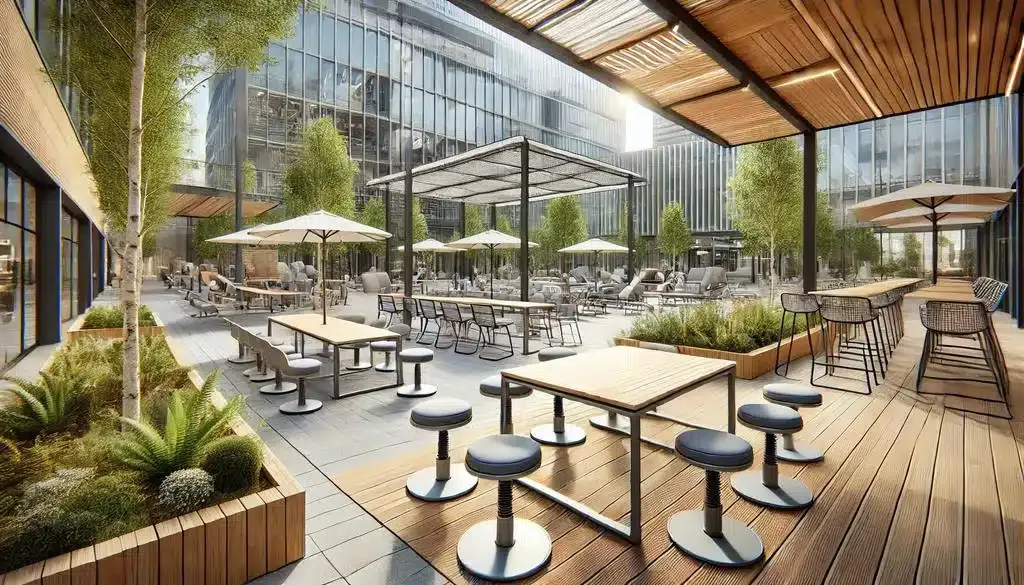
The Ultimate Guide to Commercial Outdoor Dining Setup: Maximizing Patio Space for Restaurants
I’ll never forget the first time I walked into a restaurant in Nashville that had nailed its outdoor dining setup. It was a balmy June evening, you know, the kind where the air feels thick enough to chew, but the breeze off the Cumberland River makes it all bearable. The patio was packed, not just with people, but with energy. There were string lights crisscrossing overhead, heaters tucked into corners for when the temperature dipped, and tables arranged in a way that felt intimate without being cramped. I remember thinking, This is what outdoor dining should feel like, like an extension of the restaurant’s soul, not just an afterthought.
But here’s the thing: I’ve also seen the other side of the coin. Patios that feel like an afterthought, slapped together with whatever furniture was on sale at the big-box store. Tables too close together, chairs that wobble, lighting that’s either blinding or nonexistent. It’s not just about throwing some umbrellas on a slab of concrete and calling it a day. A great outdoor dining setup, one that maximizes space, keeps customers comfortable, and actually makes you money, requires strategy, creativity, and a little bit of trial and error. And let’s be honest, in 2026, with outdoor dining more popular than ever, you can’t afford to get it wrong.
So, what’s the goal here? By the end of this guide, you’ll have a roadmap for transforming your restaurant’s patio into a space that’s not just functional, but profitable. We’ll cover everything from layout and furniture to lighting, heating, and even the nitty-gritty of permits and compliance. And because I know how overwhelming this can feel, I’ll break it down into bite-sized pieces. Think of this as your cheat sheet for turning your outdoor space into the kind of place where customers linger, order that second round of drinks, and maybe, just maybe, leave a glowing review.
Oh, and full disclosure: I’m not a restaurant owner. I’m just a guy who’s spent way too much time eating (and overanalyzing) my way through patios across the country. But I’ve talked to enough owners, designers, and suppliers, including the folks at Chef’s Deal, who’ve helped countless restaurants optimize their spaces, to know what works and what doesn’t. So, let’s dive in, shall we?
Why Outdoor Dining Isn’t Just a Trend, It’s a Lifeline
First, let’s address the elephant in the room: Is outdoor dining still a thing in 2026? The short answer is yes, but not for the reasons you might think. Sure, the pandemic accelerated the shift toward al fresco dining, but what’s kept it alive is something deeper. People don’t just want to eat outside; they crave it. There’s something about the open air, the hum of the city, the way the light changes as the sun sets, it’s experiential in a way that indoor dining can’t always replicate.
But here’s the kicker: Outdoor dining isn’t just about giving customers what they want. It’s about survival. Rent is skyrocketing, margins are tighter than ever, and if you’re not maximizing every square foot of your space, you’re leaving money on the table. Literally. A well-designed patio can increase your seating capacity by 20-30% (or more, depending on your layout), and that’s revenue you can’t afford to ignore. I’ve seen restaurants double their covers on weekends just by adding a thoughtfully designed outdoor area.
Now, I’m not saying it’s easy. Outdoor dining comes with its own set of challenges: weather, noise, pests, permits, and the ever-present battle against the elements. But if you’re willing to put in the work, the payoff is huge. So, where do you start? Let’s break it down.
1. Assessing Your Space: The Good, the Bad, and the Ugly
Before you buy a single chair or string up a single light, you need to take a hard look at your space. And I mean hard. Grab a notebook, a tape measure, and maybe a friend who’s brutally honest, and ask yourself these questions:
- What’s the shape of your space? Is it a long, narrow alley? A square courtyard? A weird L-shape that makes no sense? The shape of your patio will dictate everything from furniture placement to traffic flow. For example, if you’ve got a narrow space, you might need to get creative with bench seating or high-top tables to avoid the dreaded “bowling alley” effect.
- What’s the foot traffic like? Are you on a busy street where pedestrians might wander in? Is there a crosswalk nearby that could funnel people your way? Or are you tucked away in a quiet corner where you’ll need to rely on word-of-mouth and signage to draw people in?
- What’s the sun exposure? This is a big one. If your patio gets blasted by the afternoon sun, you’ll need shade solutions (more on that later). If it’s in constant shade, you might need heaters or even a fire pit to keep customers comfortable. And don’t forget about wind, nothing ruins a meal faster than a napkin flying into your soup.
- What’s the noise level? Are you near a busy road, a construction site, or a rowdy bar? Noise can make or break an outdoor dining experience. If it’s an issue, you might need to invest in sound-absorbing materials like outdoor rugs, plants, or even a white noise machine.
- What’s the existing infrastructure? Do you have access to electricity for lighting and heating? Is there a water source for cleaning? What about drainage, will rain turn your patio into a swamp? These are the unsexy but essential details that can make or break your setup.
I remember talking to a restaurant owner in Austin who spent months designing what he thought was the perfect patio, only to realize too late that his space was in the flight path of a nearby hospital’s helicopter pad. The noise was unbearable, and he ended up having to install soundproofing panels, which ate into his budget. Don’t be that guy. Do your homework first.
Once you’ve assessed your space, it’s time to think about zoning. Not all patio space is created equal. You’ll want to divide your area into zones based on function:
- Dining Zone: This is where the magic happens. Tables, chairs, and all the accoutrements of a great meal.
- Bar Zone: If you’re serving drinks, you’ll want a dedicated bar area. This can be as simple as a portable bar cart or as elaborate as a full-service outdoor bar with refrigeration and sinks.
- Waiting/Standing Zone: Don’t forget about the people who are waiting for a table or just stopping by for a drink. A small standing area with high-top tables or a bench can keep them comfortable and spending money.
- Service Zone: This is the behind-the-scenes area where your staff can prep, store supplies, and take a breather. It doesn’t need to be pretty, but it does need to be functional.
Is this the best approach? Let’s consider: Maybe you don’t need all these zones. If you’re a small café, you might get away with just a dining zone and a tiny service area. But if you’re a full-service restaurant, you’ll want to think about how people move through your space. The last thing you want is a bottleneck where servers are tripping over customers trying to get to the bar.
2. Layout and Flow: The Art of Not Making People Hate Each Other
Now that you’ve assessed your space, it’s time to talk about layout. And this is where things get tricky. A great layout should feel intuitive, comfortable, and, above all-atural. But how do you achieve that? It’s a mix of science and art, and honestly, it’s where a lot of restaurants go wrong.
First, let’s talk about table spacing. The general rule of thumb is to leave at least 24 inches between tables, but I’d argue that’s the bare minimum. If you can swing it, aim for 30 inches. Why? Because nobody wants to feel like they’re eating in a sardine can. People need space to push their chairs back, to stand up without bumping into the table behind them, and to have a conversation without feeling like they’re eavesdropping on their neighbors. Plus, more space means your servers can move around without doing the “patio shuffle” (you know, that awkward side-step they do when they’re carrying a tray of drinks).
But here’s the thing: More space doesn’t always mean more tables. In fact, sometimes it’s the opposite. I’ve seen patios with too many tables crammed into a small space, and it just feels chaotic. On the flip side, I’ve seen patios with too few tables, where the space feels empty and uninviting. The key is to find that Goldilocks zone-not too crowded, not too sparse, but just right.
So, how do you find that balance? Start by sketching out your space. You don’t need to be an artist, just grab a piece of graph paper and draw it out. Play around with different table configurations. Try a mix of two-tops, four-tops, and maybe even a communal table if your vibe calls for it. And don’t forget about traffic flow. You want to create a natural path for customers and staff to move through the space without running into each other. Think of it like a dance floor, everyone should know where to step.
Here’s a pro tip: Walk through your space as if you’re a customer. Sit at a table, stand up, push your chair back. Is it comfortable? Can you easily get to the restroom? Is there a clear path to the exit? If something feels off, it probably is. Trust your gut.
And speaking of exits, let’s talk about accessibility. This is non-negotiable. Your patio needs to be ADA-compliant, which means at least one accessible route to the entrance, tables that accommodate wheelchairs, and enough space for people to move around comfortably. I know, I know, it’s not the most exciting part of the process, but it’s crucial. Not only is it the law, but it’s also just good business. You don’t want to turn away customers because your space isn’t accessible.
Finally, let’s talk about flexibility. The best patios are the ones that can adapt to different needs. Maybe you want to host a private event one night and have regular service the next. Or maybe you want to switch up your layout for brunch versus dinner. Modular furniture, like tables that can be pushed together or separated, or chairs that stack, can give you that flexibility. And trust me, your staff will thank you.
3. Furniture: The Unsung Hero of Outdoor Dining
Alright, let’s talk about furniture. And I’m not just talking about slapping down a few plastic chairs and calling it a day. The right furniture can make or break your outdoor dining experience. It’s not just about looks, though that’s important, it’s about durability, comfort, and functionality.
First, let’s address the elephant in the room: materials. Outdoor furniture takes a beating. Sun, rain, wind, snow (depending on where you are), and let’s not forget the occasional drunk customer who thinks it’s funny to lean back in their chair. You need furniture that can stand up to the elements and still look good. Here’s a quick rundown of your options:
- Metal (Aluminum, Steel, Wrought Iron): Metal furniture is durable, sturdy, and can handle just about anything Mother Nature throws at it. Aluminum is lightweight and rust-resistant, making it a great choice for coastal areas. Steel is heavier and more durable, but it can rust if not properly treated. Wrought iron is classic and elegant, but it’s heavy and can be prone to rust if not maintained. If you go with metal, look for powder-coated finishes, they’re more resistant to chipping and fading.
- Wood (Teak, Cedar, Acacia): Wood furniture has a warm, natural look that’s hard to beat. Teak is the gold standard, it’s naturally resistant to water, rot, and insects, and it weathers beautifully over time. Cedar and acacia are also great options, though they may require more maintenance. The downside? Wood can be heavy, and it’s not as easy to move around as other materials. Plus, it can splinter or crack if not properly cared for.
- Plastic/Resin (Polypropylene, Polyethylene): Don’t knock it till you try it. Modern plastic furniture is a far cry from the flimsy, uncomfortable chairs of the past. It’s lightweight, easy to clean, and resistant to weather and UV rays. Plus, it’s often the most affordable option. The downside? It can look cheap if you don’t choose the right style. Look for high-quality resin furniture that mimics the look of wood or metal.
- Wicker/Rattan (Synthetic): Wicker and rattan furniture have a cozy, bohemian vibe that’s perfect for casual patios. But here’s the catch: Natural wicker and rattan are ot outdoor-friendly. They’ll warp, crack, and fall apart in no time. Instead, look for synthetic wicker, which is made from resin or polyethylene. It looks just like the real thing but can handle the elements like a champ.
Now, let’s talk about comfort. Because let’s be honest, no matter how great your food is, if your chairs are uncomfortable, customers aren’t going to stick around. And that means they’re not going to order that second drink or dessert. So, what makes a chair comfortable? It’s a mix of things:
- Seat Height: The standard seat height is around 18 inches, but this can vary depending on the style of your restaurant. For example, if you’re going for a more casual, communal vibe, you might opt for lower chairs or even benches. If you’re a fine-dining establishment, you might want taller chairs for a more elegant look.
- Seat Depth: A seat that’s too shallow will leave customers feeling like they’re perched on the edge of a cliff. A seat that’s too deep will have them slouching like they’re on a couch. Aim for a depth of around 16-18 inches.
- Back Support: This is where a lot of outdoor chairs fall short. Look for chairs with a slight recline and good lumbar support. And if you’re using benches, consider adding backrests or cushions for extra comfort.
- Armrests: Armrests can add a touch of elegance, but they can also make it harder for customers to slide in and out of their seats. If you’re tight on space, you might want to skip them.
And then there’s style. Your furniture should reflect the vibe of your restaurant. Are you a cozy neighborhood bistro? Go for warm wood tones and soft cushions. A trendy rooftop bar? Think sleek metal and bold colors. A beachside taco stand? Bright, weather-resistant plastic might be the way to go. The key is to choose furniture that complements your brand and makes customers feel like they’re in the right place.
But here’s the thing: Furniture is an investment. And I mean a real investment. A single high-quality outdoor chair can cost anywhere from $100 to $500 (or more). Multiply that by 50 or 100 chairs, and you’re looking at a serious chunk of change. So, how do you justify the cost?
First, think about longevity. Cheap furniture might save you money upfront, but it’ll cost you in the long run. It’ll break, fade, or fall apart, and you’ll end up replacing it sooner than you’d like. High-quality furniture, on the other hand, can last for years, even decades, with proper care. Plus, it’ll hold its value better if you ever decide to sell or upgrade.
Second, think about maintenance. Some materials require more upkeep than others. For example, wood furniture needs to be sealed and stained regularly to prevent weathering. Metal furniture might need to be repainted or touched up to prevent rust. Plastic and synthetic wicker, on the other hand, are low-maintenance and easy to clean. Consider how much time and money you’re willing to spend on upkeep before you make your decision.
Finally, think about versatility. Can your furniture be used indoors and out? Can it be stacked or folded for easy storage? Can it be mixed and matched with other pieces to create different looks? The more versatile your furniture, the more value you’ll get out of it.
I’m torn between recommending a one-size-fits-all solution or telling you to go with your gut. Ultimately, the best furniture for your patio is the one that fits your budget, your style, and your needs. And if you’re not sure where to start, consider reaching out to a supplier like Chef’s Deal. They offer a wide range of commercial-grade outdoor furniture, and their team can help you design a space that’s both functional and beautiful. Plus, they provide free kitchen and patio design services, which can be a game-changer if you’re feeling overwhelmed.
4. Shade and Weather Protection: Because Nobody Wants to Eat in a Sauna
Let’s talk about the weather. Or, more specifically, how to protect your customers from it. Because let’s face it: No matter where you are, the weather is going to be a factor. Too hot? Customers will melt. Too cold? They’ll freeze. Too windy? Napkins will fly. Too rainy? Well, you get the idea.
The first line of defense is shade. And I’m not just talking about slapping up a few umbrellas and calling it a day. Shade solutions come in all shapes and sizes, and the right one for you depends on your space, your budget, and your aesthetic. Here are some options to consider:
- Umbrellas: The classic choice. Umbrellas are affordable, portable, and come in a variety of sizes and styles. You can go with the standard market umbrella, which is great for individual tables, or opt for a larger cantilever umbrella, which can cover a bigger area. The downside? Umbrellas can be flimsy in high winds, and they require regular maintenance to keep them looking their best. Plus, they can block sightlines if they’re not positioned correctly.
- Pergolas: If you want something more permanent, a pergola is a great option. It’s a freestanding or attached structure with an open roof, often made of wood or metal. Pergolas provide partial shade and can be customized with retractable canopies, curtains, or even climbing plants for a natural look. The downside? They can be expensive to install, and they require more maintenance than other options.
- Sails: Shade sails are a modern, stylish option that can add a touch of elegance to your patio. They’re made from durable, UV-resistant fabric and can be stretched between poles or attached to buildings. The best part? They come in a variety of shapes and sizes, so you can create a custom look that fits your space. The downside? They can be tricky to install, and they’re not as portable as umbrellas.
- Awnings: Awnings are a great option if you have a building or structure to attach them to. They’re available in retractable and fixed styles, and they can provide shade for a large area. The downside? They can be expensive, and they’re not as flexible as other options.
- Trees and Plants: If you’re lucky enough to have mature trees on your patio, use them! Trees provide natural shade and can make your space feel more inviting. If you don’t have trees, consider adding potted plants or a living wall. Not only do they provide shade, but they also add a touch of greenery that can enhance the ambiance. The downside? Trees and plants require regular maintenance, and they’re not as reliable as man-made shade solutions.
But shade is just one piece of the puzzle. What about when the weather turns cold? Or when it’s windy? Or, heaven forbid, when it rains? Here are some solutions to consider:
- Heaters: Outdoor heaters come in all shapes and sizes, from freestanding propane models to wall-mounted electric heaters. They’re a great way to extend your patio season into the cooler months. The downside? They can be expensive to run, and they’re not always the most aesthetically pleasing option. But if you’re in a climate where temperatures drop at night, they’re a must-have.
- Fire Pits/Fireplaces: There’s something primal about gathering around a fire, and a fire pit or fireplace can add a cozy, inviting vibe to your patio. Plus, they provide warmth on chilly nights. The downside? They can be expensive to install, and they require regular maintenance. Plus, you’ll need to check local regulations to make sure they’re allowed.
- Windbreaks: If your patio is exposed to the wind, consider adding windbreaks. These can be as simple as a row of potted plants or as elaborate as a glass or acrylic panel. The key is to block the wind without blocking the view. The downside? Windbreaks can make your space feel closed in if they’re not designed properly.
- Retractable Roofs: If you’re serious about weather protection, a retractable roof might be the way to go. These systems allow you to open or close the roof depending on the weather, giving you the best of both worlds. The downside? They’re expensive and require professional installation.
Now, I know what you’re thinking: This all sounds great, but how do I choose? And the answer is, it depends. It depends on your budget, your space, and your needs. If you’re on a tight budget, umbrellas and portable heaters might be the way to go. If you’re looking for something more permanent, a pergola or retractable roof might be worth the investment. And if you’re not sure, consider talking to a professional. Companies like Chef’s Deal offer free design services, and they can help you figure out the best shade and weather protection solutions for your space.
But here’s the thing: Weather protection isn’t just about comfort, it’s about revenue. The more comfortable your customers are, the longer they’ll stay. And the longer they stay, the more they’ll spend. So, don’t skimp on this part. It’s an investment that’ll pay off in the long run.
5. Lighting: Setting the Mood (and Keeping People Safe)
Let’s talk about lighting. And I’m not just talking about making sure your patio is bright enough for customers to see their food. Lighting is everything. It sets the mood, creates ambiance, and, if done right, can turn your patio into the hottest spot in town. But if done wrong? Well, let’s just say it can make your space feel like a fluorescent-lit DMV.
First, let’s talk about functionality. Your patio needs to be well-lit for safety and practicality. Customers need to be able to see their food, their drinks, and where they’re walking. Servers need to be able to navigate the space without tripping over chairs. And let’s not forget about security, you don’t want your patio to be a target for theft or vandalism. So, start with the basics:
- Pathway Lighting: This is non-negotiable. You need to light the paths that customers and staff use to move around the patio. This can be as simple as string lights or as elaborate as embedded LED strips. The key is to make sure the paths are clearly visible and free of obstacles.
- Task Lighting: This is the lighting that helps customers see their food and drinks. It can be as simple as a small table lamp or as elaborate as a pendant light hanging over each table. The key is to provide enough light for customers to see what they’re eating without blinding them.
- Security Lighting: This is the lighting that deters theft and vandalism. It can be as simple as a motion-activated floodlight or as elaborate as a full surveillance system. The key is to make sure your patio is well-lit when it’s not in use.
But lighting isn’t just about functionality, it’s about ambiance. The right lighting can transform your patio from a basic outdoor space into a magical, Instagram-worthy destination. And let’s be honest, in 2026, if your patio isn’t Instagram-worthy, you’re missing out on free marketing.
So, how do you create ambiance with lighting? It’s all about layers. You want to create a mix of lighting that adds depth, texture, and warmth to your space. Here are some ideas:
- String Lights: The classic choice. String lights are affordable, easy to install, and they add a warm, festive glow to your patio. You can hang them from umbrellas, pergolas, or even trees. The key is to space them evenly and avoid overcrowding. Too many string lights can make your space feel cluttered.
- Lanterns: Lanterns are a great way to add a touch of elegance to your patio. They come in a variety of styles, from rustic to modern, and they can be hung from ceilings or placed on tables. The key is to choose lanterns that complement your overall aesthetic.
- Candles: There’s something magical about candlelight. It’s warm, inviting, and it creates a sense of intimacy. You can use real candles (if your local regulations allow it) or opt for LED candles for a safer, low-maintenance option. The key is to choose candles that are wind-resistant and won’t blow out in the breeze.
- Uplighting: Uplighting is a great way to highlight architectural features or plants on your patio. It involves placing lights at the base of a wall or tree and pointing them upward. The key is to use warm, soft lighting that creates a subtle glow.
- Pendant Lights: Pendant lights are a great way to add a touch of sophistication to your patio. They can be hung from ceilings or pergolas, and they come in a variety of styles and sizes. The key is to choose pendant lights that are weather-resistant and complement your overall aesthetic.
But here’s the thing: Lighting is subjective. What works for one restaurant might not work for another. So, how do you choose the right lighting for your space? It’s a mix of trial and error, personal preference, and, let’s be honest, a little bit of luck. But here are some tips to help you get started:
- Start with a plan: Before you buy a single light, sketch out your space and think about where you want to place lights. Consider the paths, the tables, and any architectural features you want to highlight.
- Mix and match: Don’t be afraid to mix different types of lighting. A combination of string lights, lanterns, and uplighting can create a layered, dynamic look.
- Consider the color temperature: Lighting comes in a variety of color temperatures, from warm white (2700K-3000K) to cool white (4000K-5000K). Warm white is more inviting and cozy, while cool white is brighter and more energizing. For a patio, I’d recommend sticking with warm white, it creates a more relaxed, intimate atmosphere.
- Think about dimmers: Dimmers are a game-changer. They allow you to adjust the brightness of your lights depending on the time of day or the mood you want to create. For example, you might want brighter lights during dinner service and dimmer lights for late-night drinks.
- Don’t forget about energy efficiency: Outdoor lighting can be a major energy drain, so it’s important to choose energy-efficient options. LED lights are a great choice, they’re long-lasting, energy-efficient, and they come in a variety of styles and colors.
And if you’re feeling overwhelmed, don’t worry, you’re not alone. Lighting can be tricky, and it’s easy to get it wrong. But the good news is, there are professionals who can help. Companies like Chef’s Deal offer free design services, and they can help you create a lighting plan that’s both functional and beautiful. Plus, they can recommend energy-efficient options that’ll save you money in the long run.
But here’s the thing: Lighting isn’t just about looks, it’s about experience. The right lighting can make your patio feel like a destination, not just an afterthought. It can create a sense of intimacy, warmth, and excitement. And in 2026, when customers have more dining options than ever, that’s the kind of experience that’ll keep them coming back.
6. Heating and Cooling: Keeping Customers Comfortable Year-Round
Alright, let’s talk about heating and cooling. Because let’s face it: No matter how great your food is, if your customers are uncomfortable, they’re not going to stick around. And in 2026, with outdoor dining more popular than ever, you can’t afford to let the weather dictate your revenue.
First, let’s talk about heating. If you’re in a climate where temperatures drop at night, you’ll need a way to keep your customers warm. Here are some options to consider:
- Patio Heaters: The classic choice. Patio heaters come in all shapes and sizes, from freestanding propane models to wall-mounted electric heaters. They’re affordable, portable, and they can extend your patio season by several months. The downside? They can be expensive to run, and they’re not always the most aesthetically pleasing option. But if you’re on a budget, they’re a great place to start.
- Fire Pits/Fireplaces: There’s something primal about gathering around a fire, and a fire pit or fireplace can add a cozy, inviting vibe to your patio. Plus, they provide warmth on chilly nights. The downside? They can be expensive to install, and they require regular maintenance. Plus, you’ll need to check local regulations to make sure they’re allowed.
- Infrared Heaters: Infrared heaters are a great option if you want something more discreet. They work by emitting infrared radiation, which heats objects (like people and furniture) rather than the air. The downside? They can be expensive, and they’re not as portable as other options.
- Heated Floors: If you’re serious about heating, consider installing heated floors. They’re a luxurious option that can make your patio feel like an indoor space. The downside? They’re expensive to install, and they require professional installation.
- Blankets and Throws: Sometimes, the simplest solutions are the best. Providing blankets and throws for customers can be a cost-effective way to keep them warm. Plus, it adds a touch of hospitality that customers will appreciate. The downside? You’ll need to wash them regularly, and they can be a target for theft.
Now, let’s talk about cooling. If you’re in a hot climate, you’ll need a way to keep your customers cool. Here are some options to consider:
- Fans: The classic choice. Fans are affordable, portable, and they can make a big difference in hot weather. You can go with ceiling fans, pedestal fans, or even wall-mounted fans. The downside? They can be noisy, and they’re not as effective in humid climates.
- Misting Systems: Misting systems work by spraying a fine mist of water into the air, which cools the surrounding area. They’re a great option for hot, dry climates. The downside? They can be expensive to install, and they’re not as effective in humid climates.
- Cooling Towels: Providing cooling towels for customers can be a cost-effective way to keep them cool. Plus, it adds a touch of hospitality that customers will appreciate. The downside? You’ll need to wash them regularly, and they can be a target for theft.
- Shade Solutions: We already talked about shade, but it’s worth mentioning again. Shade is one of the most effective ways to keep your patio cool. Whether it’s umbrellas, pergolas, or shade sails, make sure your customers have a place to escape the sun.
But here’s the thing: Heating and cooling isn’t just about comfort, it’s about revenue. The more comfortable your customers are, the longer they’ll stay. And the longer they stay, the more they’ll spend. So, don’t skimp on this part. It’s an investment that’ll pay off in the long run.
Now, I know what you’re thinking: This all sounds great, but how do I choose? And the answer is, it depends. It depends on your budget, your space, and your needs. If you’re on a tight budget, patio heaters and fans might be the way to go. If you’re looking for something more permanent, a fire pit or misting system might be worth the investment. And if you’re not sure, consider talking to a professional. Companies like Chef’s Deal offer free design services, and they can help you figure out the best heating and cooling solutions for your space.
But here’s the thing: Heating and cooling isn’t just about the equipment, it’s about strategy. You need to think about how you’ll use your patio throughout the year. For example, if you’re in a climate with four distinct seasons, you might need a mix of heating and cooling solutions. If you’re in a hot, dry climate, you might focus on cooling. And if you’re in a mild climate, you might get away with just shade and fans.
And don’t forget about maintenance. Heating and cooling equipment requires regular upkeep to keep it running smoothly. For example, patio heaters need to be cleaned and inspected regularly to prevent malfunctions. Misting systems need to be flushed and cleaned to prevent clogs. And fans need to be dusted and lubricated to keep them running quietly.
So, how do you keep up with all this? It’s a mix of planning, organization, and, let’s be honest, a little bit of luck. But the key is to stay on top of it. Don’t wait until something breaks to fix it. Schedule regular maintenance checks, and address any issues as soon as they arise. Your customers (and your bottom line) will thank you.
7. Sound and Music: Creating the Right Vibe
Let’s talk about sound. And I’m not just talking about the clinking of glasses or the hum of conversation. I’m talking about music. The right soundtrack can elevate your patio from a basic outdoor space to a destination. But the wrong soundtrack? Well, let’s just say it can make your space feel like a dentist’s office.
First, let’s talk about volume. Nobody wants to shout over the music to have a conversation. But nobody wants to eat in silence, either. The key is to find that Goldilocks zone, loud enough to create ambiance, but not so loud that it’s overwhelming. A good rule of thumb is to keep the volume at a level where customers can have a conversation without straining their voices.
But volume is just one piece of the puzzle. The other piece is genre. The music you play should reflect the vibe of your restaurant. Are you a cozy neighborhood bistro? Go for jazz, acoustic, or indie folk. A trendy rooftop bar? Think electronic, hip-hop, or alternative. A beachside taco stand? Reggae, Latin, or surf rock might be the way to go. The key is to choose music that complements your brand and makes customers feel like they’re in the right place.
And here’s a pro tip: Create a playlist. Don’t just rely on the radio or a streaming service. Take the time to curate a playlist that reflects your restaurant’s personality. And don’t be afraid to mix it up, variety is the spice of life, after all. Just make sure the songs flow together and create a cohesive vibe.
But music isn’t the only sound you need to think about. You also need to consider ambient noise. Is your patio near a busy road? A construction site? A rowdy bar? If so, you might need to invest in sound-absorbing materials to create a more pleasant dining experience. Here are some options to consider:
- Outdoor Rugs: Rugs aren’t just for indoors. Outdoor rugs can add a touch of warmth and comfort to your patio, and they can also help absorb sound. Plus, they’re easy to clean and maintain.
- Plants: Plants aren’t just for looks. They can also help absorb sound and create a more pleasant dining experience. Consider adding potted plants, a living wall, or even a vertical garden to your patio.
- Acoustic Panels: Acoustic panels are a great option if you’re dealing with a lot of noise. They’re designed to absorb sound and reduce echo, and they come in a variety of styles and colors. The downside? They can be expensive, and they’re not always the most aesthetically pleasing option.
- White Noise Machines: White noise machines can help mask unwanted noise and create a more pleasant dining experience. They’re affordable, portable, and easy to use. The downside? They can be distracting if they’re not positioned correctly.
But here’s the thing: Sound is subjective. What works for one restaurant might not work for another. So, how do you choose the right sound for your space? It’s a mix of trial and error, personal preference, and, let’s be honest, a little bit of luck. But here are some tips to help you get started:
- Start with a plan: Before you buy a single speaker or acoustic panel, think about the vibe you want to create. Do you want a lively, energetic atmosphere? A cozy, intimate vibe? A relaxed, beachy feel? Your sound should reflect that.
- Test it out: Don’t be afraid to experiment. Try different genres, volumes, and sound-absorbing materials to see what works best for your space.
- Ask for feedback: Your customers are your best resource. Ask them what they think of the music and the overall sound of your patio. Do they find it pleasant? Overwhelming? Boring? Their feedback can help you make adjustments.
- Consider the time of day: The sound you play during brunch might not work for dinner. Consider creating different playlists for different times of day to create the right vibe.
- Don’t forget about your staff: Your servers and bartenders are on the front lines, and they’ll be the first to notice if the sound is too loud or too quiet. Ask for their input, and make adjustments as needed.
And if you’re feeling overwhelmed, don’t worry, you’re not alone. Sound can be tricky, and it’s easy to get it wrong. But the good news is, there are professionals who can help. Companies like Chef’s Deal offer expert consultation services, and they can help you create a sound plan that’s both functional and beautiful. Plus, they can recommend equipment that’ll save you money in the long run.
But here’s the thing: Sound isn’t just about the equipment, it’s about experience. The right sound can make your patio feel like a destination, not just an afterthought. It can create a sense of intimacy, warmth, and excitement. And in 2026, when customers have more dining options than ever, that’s the kind of experience that’ll keep them coming back.
8. Permits and Compliance: The Boring (But Essential) Stuff
Alright, let’s talk about permits and compliance. And I know, I know, this is the least exciting part of the process. But it’s also one of the most important. Because let’s face it: If you don’t have the right permits, you could be fined, shut down, or worse. And nobody wants that.
First, let’s talk about zoning. Before you start building or renovating your patio, you need to make sure your space is zoned for outdoor dining. This might seem like a no-brainer, but you’d be surprised how many restaurants skip this step and end up in hot water. Zoning laws vary by city and state, so it’s important to do your homework. Check with your local zoning board to see what’s allowed in your area. And if you’re not sure, consider hiring a lawyer or consultant who specializes in restaurant zoning.
Next, let’s talk about permits. Depending on where you are, you might need a variety of permits to operate an outdoor dining space. Here are some of the most common ones:
- Building Permit: If you’re building a new structure (like a pergola or retractable roof), you’ll likely need a building permit. This ensures that your structure is safe and up to code.
- Electrical Permit: If you’re installing new electrical wiring (for lighting, heating, or sound), you’ll likely need an electrical permit. This ensures that your wiring is safe and up to code.
- Plumbing Permit: If you’re installing new plumbing (for a bar or sink), you’ll likely need a plumbing permit. This ensures that your plumbing is safe and up to code.
- Fire Permit: If you’re using open flames (like a fire pit or candles), you’ll likely need a fire permit. This ensures that your space is safe and up to code.
- Alcohol Permit: If you’re serving alcohol on your patio, you’ll likely need an alcohol permit. This ensures that you’re complying with local alcohol laws.
- Health Permit: If you’re serving food on your patio, you’ll likely need a health permit. This ensures that your space is clean and safe for customers.
But here’s the thing: Permits aren’t just about compliance, they’re about safety. They ensure that your space is safe for customers and staff, and they protect you from liability. So, don’t skip this step. It’s not worth the risk.
Now, let’s talk about ADA compliance. The Americans with Disabilities Act (ADA) requires that all public spaces, including outdoor dining areas, be accessible to people with disabilities. This means that your patio needs to have at least one accessible route to the entrance, tables that accommodate wheelchairs, and enough space for people to move around comfortably. And if you’re not sure what that looks like, consider hiring an ADA consultant to help you navigate the requirements.
But ADA compliance isn’t just about the law, it’s about inclusivity. It’s about making sure that everyone, regardless of ability, can enjoy your patio. And in 2026, when customers have more dining options than ever, that’s the kind of experience that’ll set you apart.
Finally, let’s talk about insurance. Outdoor dining comes with its own set of risks, from slip-and-fall accidents to weather-related damage. So, it’s important to make sure you have the right insurance coverage. Talk to your insurance provider to see what’s covered under your current policy, and consider adding additional coverage if needed. And if you’re not sure what that looks like, consider hiring an insurance consultant who specializes in restaurants.
I know, I know, this is a lot. And it’s easy to feel overwhelmed. But the good news is, you don’t have to do it alone. Companies like Chef’s Deal offer expert consultation services, and they can help you navigate the permitting and compliance process. Plus, they can recommend equipment and solutions that’ll save you time and money in the long run.
But here’s the thing: Permits and compliance aren’t just about the paperwork, they’re about peace of mind. They ensure that your space is safe, legal, and ready for business. And in 2026, when the competition is fiercer than ever, that’s the kind of foundation you need to succeed.
9. Maintenance and Upkeep: Keeping Your Patio Looking Its Best
Alright, let’s talk about maintenance. And I know, I know, this isn’t the most glamorous part of the process. But it’s one of the most important. Because let’s face it: A poorly maintained patio is worse than no patio at all. It’s dirty, uncomfortable, and it sends the message that you don’t care about your customers’ experience. And in 2026, when customers have more dining options than ever, that’s the kind of message you can’t afford to send.
First, let’s talk about cleaning. Your patio needs to be cleaned regularly to keep it looking its best. This means sweeping, mopping, and wiping down tables and chairs. It also means cleaning up spills and stains as soon as they happen. And don’t forget about the little things, like emptying trash cans and refilling condiment bottles. These might seem like small details, but they make a big difference in the overall customer experience.
But cleaning isn’t just about aesthetics, it’s about safety. A dirty patio can be a breeding ground for bacteria, pests, and slip-and-fall hazards. So, it’s important to use the right cleaning products and techniques. For example, you’ll want to use a degreaser to clean up food spills, and a disinfectant to kill bacteria. And if you’re using a pressure washer, make sure to use the right settings to avoid damaging your furniture or surfaces.
Next, let’s talk about furniture maintenance. Outdoor furniture takes a beating, so it’s important to take care of it. This means regularly inspecting it for damage, tightening loose screws, and replacing broken or worn-out parts. It also means protecting it from the elements. For example, if you’re using wood furniture, you’ll need to seal and stain it regularly to prevent weathering. If you’re using metal furniture, you’ll need to repaint or touch up the finish to prevent rust. And if you’re using plastic or synthetic wicker furniture, you’ll need to clean it regularly to prevent fading and cracking.
But furniture maintenance isn’t just about the furniture, it’s about comfort. A wobbly chair or a splintered table can ruin a customer’s experience. So, it’s important to stay on top of it. Don’t wait until something breaks to fix it. Schedule regular maintenance checks, and address any issues as soon as they arise.
Now, let’s talk about weatherproofing. Your patio needs to be protected from the elements to keep it looking its best. This means using weather-resistant materials, like powder-coated metal or synthetic wicker. It also means using covers or tarps to protect your furniture when it’s not in use. And if you’re in a climate with harsh winters, you might need to store your furniture indoors during the off-season.
But weatherproofing isn’t just about the furniture, it’s about durability. The more durable your patio, the longer it’ll last. And the longer it lasts, the more value you’ll get out of your investment. So, don’t skimp on this part. It’s worth the extra time and money.
Finally, let’s talk about seasonal maintenance. Your patio needs different care depending on the time of year. For example, in the spring, you might need to deep clean your patio and inspect it for winter damage. In the summer, you might need to focus on keeping it cool and pest-free. In the fall, you might need to prepare it for the cooler months. And in the winter, you might need to store your furniture and protect your surfaces from snow and ice.
But here’s the thing: Maintenance isn’t just about the work, it’s about organization. You need a system in place to keep track of what needs to be done and when. This could be as simple as a checklist or as elaborate as a digital maintenance log. The key is to stay on top of it. Don’t wait until something breaks to fix it. Schedule regular maintenance checks, and address any issues as soon as they arise.
And if you’re feeling overwhelmed, don’t worry, you’re not alone. Maintenance can be a lot of work, and it’s easy to fall behind. But the good news is, there are professionals who can help. Companies like Chef’s Deal offer expert consultation services, and they can help you create a maintenance plan that’s both efficient and effective. Plus, they can recommend products and solutions that’ll save you time and money in the long run.
But here’s the thing: Maintenance isn’t just about the work, it’s about pride. It’s about taking care of your space and showing your customers that you care. And in 2026, when the competition is fiercer than ever, that’s the kind of pride that’ll set you apart.
10. Marketing Your Patio: Getting People in the Door
Alright, let’s talk about marketing. And I know, I know, this isn’t the most obvious part of the process. But it’s one of the most important. Because let’s face it: If nobody knows about your patio, nobody’s going to use it. And in 2026, when customers have more dining options than ever, you can’t afford to be invisible.
First, let’s talk about social media. In 2026, social media is still one of the most powerful marketing tools out there. And the best part? It’s free. So, make sure your patio is Instagram-worthy. This means using eye-catching decor, lighting, and furniture. It also means creating a space that’s photogenic and shareable. Think string lights, cozy seating, and a killer view. And don’t forget to encourage your customers to tag you in their posts. User-generated content is one of the most effective forms of marketing, and it’s free advertising for your restaurant.
But social media isn’t just about Instagram, it’s about engagement. You need to be active on your platforms, posting regularly and responding to comments and messages. This means sharing behind-the-scenes content, like photos of your staff setting up the patio or videos of your chef preparing a special dish. It also means running promotions and contests to keep your followers engaged. For example, you could run a “Patio Selfie Contest,” where customers post a photo of themselves on your patio and tag your restaurant for a chance to win a free meal.
Next, let’s talk about email marketing. Email might seem old-school, but it’s still one of the most effective ways to reach your customers. And the best part? It’s cheap. So, start building your email list. This could be as simple as asking customers to sign up for your newsletter when they make a reservation or dine in. And once you have their email, use it. Send them updates about your patio, like new menu items, special events, or seasonal changes. And don’t forget to include a call-to-action, like “Book a table on our patio today!”
But email marketing isn’t just about promotions, it’s about relationships. You need to build a connection with your customers, so they feel like they’re part of your restaurant’s community. This means sending personalized emails, like birthday wishes or anniversary notes. It also means sharing stories, like the history of your patio or the inspiration behind your menu. The more personal your emails, the more engaged your customers will be.
Now, let’s talk about local marketing. Your patio isn’t just for tourists, it’s for your local community. So, make sure you’re reaching out to them. This could be as simple as partnering with local businesses, like a nearby brewery or boutique. It could also mean sponsoring local events, like a farmers market or street festival. And don’t forget about local media. Reach out to food bloggers, newspapers, and magazines to see if they’d be interested in featuring your patio.
But local marketing isn’t just about partnerships, it’s about visibility. You need to make sure your patio is visible to the people who live and work nearby. This means using signage, like a sandwich board or banner, to let people know about your patio. It also means making sure your patio is listed on local directories, like Google My Business and Yelp. And don’t forget about word-of-mouth. Encourage your customers to tell their friends and family about your patio. Offer a referral discount or a free appetizer for every new customer they bring in.
Finally, let’s talk about events. Hosting events on your patio is a great way to attract new customers and keep your regulars coming back. This could be as simple as a live music night or as elaborate as a pop-up dinner with a guest chef. The key is to create an experience that’s unique and memorable. And don’t forget to promote your events on social media, email, and local media to get the word out.
But here’s the thing: Marketing isn’t just about the tactics, it’s about strategy. You need a plan in place to reach your target audience and achieve your goals. This means setting clear objectives, like increasing patio reservations by 20% or attracting 50 new customers per month. It also means tracking your results, so you can see what’s working and what’s not. And if you’re not sure where to start, consider hiring a marketing consultant who specializes in restaurants.
And if you’re feeling overwhelmed, don’t worry, you’re not alone. Marketing can be a lot of work, and it’s easy to feel like you’re shouting into the void. But the good news is, there are professionals who can help. Companies like Chef’s Deal offer expert consultation services, and they can help you create a marketing plan that’s both effective and efficient. Plus, they can recommend tools and solutions that’ll save you time and money in the long run.
But here’s the thing: Marketing isn’t just about the work, it’s about connection. It’s about building a relationship with your customers and making them feel like they’re part of your restaurant’s story. And in 2026, when customers have more dining options than ever, that’s the kind of connection that’ll keep them coming back.
Putting It All Together: Your Patio, Your Way
Alright, let’s take a step back. We’ve covered a lot of ground here, from layout and furniture to lighting, heating, and marketing. And I know, it can feel overwhelming. But here’s the thing: You don’t have to do it all at once. In fact, I’d argue that you shouldn’t. The best patios are the ones that evolve over time, growing and changing with the needs of your restaurant and your customers.
So, where do you start? My advice? Start with the basics. Assess your space, sketch out a layout, and invest in high-quality furniture. Then, add the bells and whistles, lighting, heating, shade, one piece at a time. And don’t forget to test things out. Try different layouts, experiment with different lighting, and see what works best for your space. The key is to be patient and flexible. Rome wasn’t built in a day, and neither was the perfect patio.
But here’s the thing: The perfect patio isn’t about perfection, it’s about personality. It’s about creating a space that reflects your restaurant’s brand and makes customers feel like they’re part of something special. So, don’t be afraid to take risks. Don’t be afraid to break the rules. And don’t be afraid to trust your gut. Because at the end of the day, the best patios are the ones that feel authentic, not cookie-cutter.
And if you’re not sure where to start, consider reaching out to a professional. Companies like Chef’s Deal offer free design services, and they can help you create a patio that’s both functional and beautiful. Plus, they can recommend equipment and solutions that’ll save you time and money in the long run. But remember, the final decision is yours. You know your restaurant better than anyone else, and you know what your customers want. So, trust your instincts, and don’t be afraid to take the lead.
So, what’s next? It’s time to get to work. Grab a notebook, sketch out your ideas, and start making them a reality. And remember, the perfect patio isn’t built in a day. It’s a journey, not a destination. So, take your time, enjoy the process, and don’t forget to have fun. Because at the end of the day, that’s what outdoor dining is all about, creating a space where people can relax, connect, and enjoy the simple pleasures of life.
And who knows? Maybe one day, I’ll walk into your restaurant and think, This is what outdoor dining should feel like.
FAQ: Your Burning Questions About Commercial Outdoor Dining Setup
Q: How much does it cost to set up a commercial outdoor dining space?
A: The cost of setting up a commercial outdoor dining space can vary widely depending on factors like size, materials, and location. On the low end, you might spend a few thousand dollars on basic furniture, umbrellas, and lighting. On the high end, you could spend tens of thousands (or more) on custom-built structures, high-end furniture, and professional installation. A good rule of thumb is to budget around $1,000-$3,000 per table for a mid-range setup. But remember, this is an investment that can pay off in increased revenue and customer satisfaction. And if you’re looking for ways to save money, consider working with a supplier like Chef’s Deal, which offers competitive pricing and financing options.
Q: What are the most durable materials for outdoor furniture?
A: The most durable materials for outdoor furniture are those that can withstand the elements without requiring excessive maintenance. Here are some top choices:
- Aluminum: Lightweight, rust-resistant, and easy to clean.li>
- Teak: Naturally resistant to water, rot, and insects. It weathers beautifully over time but requires regular sealing.
- Synthetic Wicker: Made from resin or polyethylene, it looks like natural wicker but can handle the elements.
- Powder-Coated Steel: Durable and sturdy, but it can rust if the finish is chipped or scratched.
- Polypropylene: A type of plastic that’s lightweight, easy to clean, and resistant to weather and UV rays.
The key is to choose a material that fits your budget, needs, and aesthetic. And don’t forget to consider maintenance, some materials require more upkeep than others.
Q: Do I need a permit to set up an outdoor dining space?
A: In most cases, yes, you’ll need a permit to set up an outdoor dining space. The specific permits required vary by city and state, but they often include building permits, electrical permits, plumbing permits, fire permits, alcohol permits, and health permits. It’s important to check with your local zoning board to see what’s required in your area. And if you’re not sure, consider hiring a lawyer or consultant who specializes in restaurant zoning. The last thing you want is to invest time and money into your patio, only to be shut down because you didn’t have the right permits.
Q: How can I make my outdoor dining space more comfortable for customers?
A: Comfort is key when it comes to outdoor dining. Here are some tips to make your space more comfortable for customers:
- Shade: Provide shade solutions, like umbrellas, pergolas, or shade sails, to protect customers from the sun.
- Heating: If you’re in a climate where temperatures drop at night, consider adding heaters, fire pits, or even heated floors to keep customers warm.
- Cooling: If you’re in a hot climate, consider adding fans, misting systems, or cooling towels to keep customers cool.
- Furniture: Invest in high-quality, comfortable furniture. This means chairs with good back support, tables at the right height, and cushions or throws for extra comfort.
- Lighting: Use warm, soft lighting to create a cozy, inviting atmosphere. Avoid harsh, bright lights that can feel overwhelming.
- Sound: Play music at a volume that’s loud enough to create ambiance, but not so loud that customers have to shout to have a conversation.
- Pests: Keep your patio pest-free by regularly cleaning up spills, storing food properly, and using pest control measures like citronella candles or bug zappers.
- Accessibility: Make sure your patio is accessible to people with disabilities. This means having at least one accessible route to the entrance, tables that accommodate wheelchairs, and enough space for people to move around comfortably.
The more comfortable your customers are, the longer they’ll stay. And the longer they stay, the more they’ll spend. So, don’t skimp on this part. It’s an investment that’ll pay off in the long run.
@article{the-ultimate-guide-to-commercial-outdoor-dining-setup-maximizing-patio-space-for-restaurants-in-2026,
    title   = {The Ultimate Guide to Commercial Outdoor Dining Setup: Maximizing Patio Space for Restaurants in 2026},
    author  = {Chef's icon},
    year    = {2026},
    journal = {Chef's Icon},
    url     = {https://chefsicon.com/commercial-outdoor-dining-setup-maximizing-patio-space-restaurants/}
}