The Best Fluffy Pancakes recipe you will fall in love with. Full of tips and tricks to help you make the best pancakes.
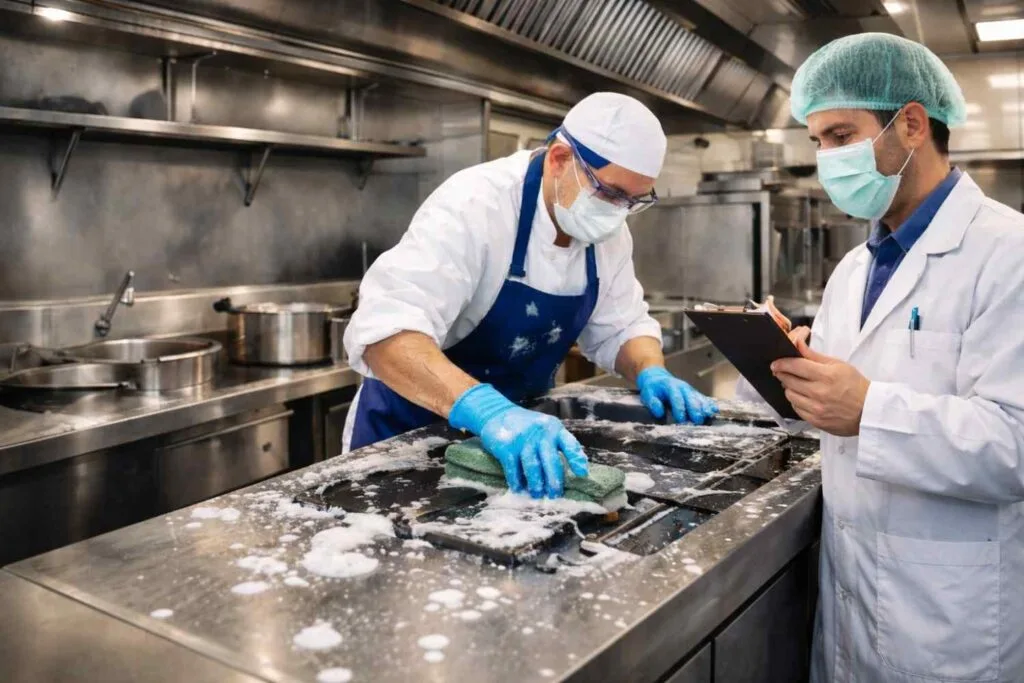
I’ll never forget the first time a health inspector walked into my small pet treat kitchen. Luna, my rescue cat, was perched on the counter (yes, I know, bad habit), and I swear she gave me that look, the one that says, “You’re about to get schooled.” And schooled I was. The inspector pointed out three violations before I’d even finished offering her a cup of coffee. That day, I learned that pet treat kitchens aren’t just about cute packaging and happy dogs wagging their tails. They’re about rigorous sanitation, meticulous record-keeping, and a level of detail that would make a surgeon nod in approval.
Fast forward to today, and I’ve spent years navigating the world of commercial pet treat production, first as a hobbyist, then as a small-business owner, and now as someone who writes about the hidden pitfalls of this industry. What I’ve realized is that most of the mistakes that trip up pet treat makers aren’t about malice or laziness. They’re about misunderstanding the rules, cutting corners without realizing it, or simply not knowing what health inspectors are really looking for. And let me tell you, those inspectors have seen it all: from raw meat stored next to finished treats to employees using the same gloves for handling allergens and non-allergens without washing in between. Yikes.
So, if you’re reading this, chances are you’re either: A) a pet treat entrepreneur who’s had a “oh crap” moment after an inspection, B) someone who’s about to launch a pet treat business and wants to avoid those moments, or C) just a curious food safety nerd like me. Whatever brought you here, you’re in the right place. In this article, I’m going to break down the 10 most common pet treat kitchen sanitation mistakes that health inspectors target, and more importantly, how to fix them. We’ll cover everything from cross-contamination nightmares to temperature tracking slip-ups, and I’ll even throw in some real-life stories (names changed to protect the guilty) that’ll make you laugh, cringe, and maybe double-check your own kitchen. Let’s dive in.
The Dirty Truth: Why Pet Treat Kitchens Get Scrutinized
Before we get into the nitty-gritty, let’s talk about why pet treat kitchens are under such a microscope. I remember when I first started, I assumed that because I wasn’t making food for humans, the rules would be more relaxed. Boy, was I wrong. Health inspectors don’t care if your treats are for Fido or Fiona, they care about preventing foodborne illnesses, controlling allergens, and ensuring that what you’re producing is safe for the end consumer (even if that consumer has four legs and a tail).
Here’s the thing: pet treats are held to many of the same standards as human food. That means HACCP (Hazard Analysis Critical Control Points) plans, sanitation standard operating procedures (SSOPs), and regular microbial testing aren’t just nice-to-haves, they’re non-negotiables. And if you’re thinking, “But my kitchen is small, so the rules don’t apply to me,” think again. Even home-based pet treat businesses can fall under FDA regulations or state-specific cottage food laws, depending on where you’re located. The moment you start selling your treats, you’re in the big leagues, and the rules apply.
So, why do inspectors seem to have a sixth sense for pet treat kitchens? A few reasons:
- High-risk ingredients: Many pet treats contain raw meat, eggs, or dairy, all of which are high-risk for pathogens like Salmonella and E. coli. If you’re not handling these ingredients with care, you’re playing Russian roulette with food safety.
- Allergen cross-contact: Just like human food, pet treats can contain allergens like wheat, soy, or peanuts. If you’re not properly cleaning equipment between batches, you could accidentally contaminate a “hypoallergenic” treat with an allergen, putting pets with sensitivities at risk.
- Lack of training: Many pet treat makers start as hobbyists, which means they might not have formal training in food safety. Inspectors know this, and they’re on the lookout for common knowledge gaps that can lead to big problems.
- Inconsistent processes: Small businesses often have informal processes-maybe you eyeball temperatures instead of using a thermometer, or you clean equipment “when it looks dirty.” Inspectors can spot these inconsistencies a mile away.
Now that we’ve set the stage, let’s get into the mistakes that’ll make an inspector’s pen hover over their violation pad. And trust me, you don’t want that pen to touch paper.
1. The Cross-Contamination Conundrum: When Raw and Ready-to-Eat Collide
What’s the Mistake?
Picture this: You’re making two types of treats, one with raw chicken and another with peanut butter. You use the same cutting board for both, wiping it down with a damp cloth in between. Sounds harmless, right? Wrong. This is cross-contamination, and it’s one of the biggest red flags for health inspectors. Raw meat, poultry, and seafood can carry harmful bacteria like Salmonella and Listeria, and if those bacteria hitch a ride on your cutting board or knife, they can contaminate your ready-to-eat (RTE) treats. And let’s be real, most pet treats aren’t cooked after they’re shaped, which means there’s no kill step to eliminate those pathogens.
I’ve seen this mistake play out in so many ways. One client of mine (let’s call her Sarah) was making dehydrated beef liver treats and peanut butter biscuits in the same kitchen. She’d use the same dehydrator trays for both, assuming that the high heat of the dehydrator would kill any bacteria. Spoiler: it doesn’t. The dehydrator might kill some bacteria, but it’s not a reliable kill step for pathogens like Salmonella. And even if it were, the risk of cross-contamination during prep is still there. Sarah’s kitchen failed its inspection, and she had to toss out an entire batch of treats. Ouch.
How to Fix It
Fixing cross-contamination isn’t rocket science, but it does require discipline and systems. Here’s how to do it right:
- Separate equipment: Use color-coded cutting boards, knives, and utensils for raw ingredients vs. RTE ingredients. For example, red for raw meat, green for vegetables, and blue for RTE. This isn’t just for show, it’s a visual cue that helps prevent mistakes.
- Designated prep areas: If possible, designate separate prep areas for raw ingredients and RTE ingredients. If space is tight (and let’s be honest, in most small kitchens it is), at least sanitize surfaces between uses. That means washing with soap and water, then applying a food-safe sanitizer like quaternary ammonium or chlorine.
- Time and temperature control: Store raw ingredients below RTE ingredients in your fridge to prevent drip contamination. And always, always, use a thermometer to ensure raw meat is stored at 41°F (5°C) or below.
- Employee hygiene: If you have staff, train them to wash their hands after handling raw ingredients and before touching RTE ingredients. Gloves aren’t a substitute for handwashing, change them between tasks, and wash your hands before putting on a new pair.
Is this the best approach? Let’s consider: Some folks argue that color-coding is overkill for small kitchens, but I’ve seen it save businesses from costly recalls. It’s a small investment that pays off big time. And if you’re thinking, “But my kitchen is tiny, how am I supposed to separate everything?” I get it. When I started, my “kitchen” was a corner of my apartment. But even in tight spaces, you can designate zones. For example, prep raw ingredients on one side of the counter and RTE on the other. It’s not perfect, but it’s better than nothing.
2. The Temperature Tango: When Your Thermometer Is Your Best Friend (Or Worst Enemy)
What’s the Mistake?
Ah, temperatures. The bane of many a pet treat maker’s existence. I’ll admit it, I used to be guilty of the “looks done” approach. You know the one: you pull a batch of treats out of the oven, poke one with your finger, and if it’s not gooey, you call it a day. Or worse, you assume that because your dehydrator is set to 160°F, the treats must be safe. Newsflash: “Looks done” isn’t a food safety strategy.
Health inspectors are obsessed with temperatures because they’re one of the few ways to objectively measure food safety. If your treats aren’t cooked to the right temperature, or if they’re stored at the wrong temperature, you’re risking bacterial growth. And here’s the kicker: pet treats often don’t have a kill step. That means if you’re making no-bake treats or dehydrated treats, you’re relying on ingredient safety and storage conditions to keep pathogens at bay. If you mess up the temperature, you’re playing with fire.
I learned this the hard way when I made a batch of dehydrated sweet potato chews. I set the dehydrator to 160°F, let it run for 8 hours, and assumed everything was fine. A few days later, I noticed some of the treats were slimy. Turns out, my dehydrator’s temperature gauge was off by 20 degrees, and the treats never reached a safe temperature. I had to toss the whole batch, and it cost me hundreds of dollars. Lesson learned: calibrate your thermometers.
How to Fix It
Temperature control isn’t just about cooking, it’s about every step of the process, from storage to cooling to holding. Here’s how to get it right:
- Invest in a good thermometer: Not all thermometers are created equal. You need a digital, instant-read thermometer that’s accurate within ±2°F. And don’t just buy one-calibrate it regularly. The ice water method (stick the thermometer in a glass of ice water; it should read 32°F) is a quick way to check accuracy.
- Know your critical limits: Different ingredients have different safe cooking temperatures. For example:
- Poultry: 165°F (74°C)
- Ground meat: 160°F (71°C)
- Whole cuts of meat: 145°F (63°C) with a 3-minute rest time
- Fish: 145°F (63°C)
If you’re dehydrating treats, the USDA recommends a minimum internal temperature of 160°F to kill pathogens. But here’s the catch: dehydrators often don’t reach that temperature evenly, so you might need to pre-cook your ingredients or use a commercial dehydrator with better temperature control.
- Monitor storage temperatures: Your fridge should be at 41°F (5°C) or below, and your freezer should be at 0°F (-18°C) or below. Use a fridge/freezer thermometer to monitor these temperatures daily. And don’t overfill your fridge, air needs to circulate to maintain a consistent temperature.
- Cool treats properly: If you’re making baked treats, don’t leave them out to cool at room temperature for hours. Bacteria can grow rapidly in the temperature danger zone (41°F to 135°F). Instead, cool treats quickly by spreading them out on a wire rack or using a blast chiller if you have one. Once they’re cool, store them in the fridge or freezer.
Maybe I should clarify: When I say “critical limits,” I’m talking about the minimum temperatureseeded to kill pathogens. But here’s the thing, those temperatures are just the starting point. If you’re making treats with raw meat, you might need to go above and beyond to ensure safety. For example, some commercial pet treat makers use high-pressure processing (HPP) to kill bacteria without cooking. It’s expensive, but it’s an option if you’re scaling up.
3. The Allergen Avalanche: When “Hypoallergenic” Isn’t Really Hypoallergenic
What’s the Mistake?
Allergens are a big deal in the pet treat world. Just like humans, pets can have food allergies or sensitivities, and if you’re not careful, you can accidentally contaminate your treats with allergens. I’ve seen this happen in two main ways:
- Mislabeling: You market a treat as “grain-free” or “hypoallergenic,” but it contains trace amounts of wheat or soy because you didn’t clean your equipment properly between batches.
- Cross-contact: You make a peanut butter treat and a pumpkin treat in the same kitchen, using the same mixing bowls and utensils. Even if the pumpkin treat doesn’t contain peanuts, it can still pick up enough peanut residue to trigger an allergic reaction in a sensitive pet.
Here’s a story that’ll make you cringe: A friend of mine (let’s call him Mark) ran a small pet treat business specializing in limited-ingredient, hypoallergenic treats. He had a dedicated mixer for his allergen-free line, but he’d occasionally use the same scoops and spatulas for all his products. One day, a customer’s dog had a severe allergic reaction after eating his “hypoallergenic” treats. It turned out that the treats had been contaminated with traces of peanut butter from another product. Mark had to recall the entire batch, refund customers, and deal with a PR nightmare. All because he didn’t have a dedicated allergen control plan.
How to Fix It
Allergen control isn’t just about avoiding certain ingredients, it’s about preventing cross-contact and accurate labeling. Here’s how to do it right:
- Know your allergens: The “Big 8” allergens for humans (milk, eggs, fish, shellfish, tree nuts, peanuts, wheat, and soy) are also common allergens for pets. If you’re using any of these ingredients, you need to clearly label them and take steps to prevent cross-contact.
- Dedicated equipment: If possible, use separate equipment for allergen-free products. This includes mixers, bowls, utensils, and even storage containers. If space or budget doesn’t allow for dedicated equipment, clean and sanitize thoroughly between uses. That means washing with soap and water, then applying a food-safe sanitizer.
- Schedule production wisely: If you’re making multiple products in the same kitchen, schedule allergen-free products first. For example, if you’re making a wheat-free treat and a wheat-based treat, make the wheat-free one first, then clean and sanitize before switching to the wheat-based one.
- Test for allergens: If you’re making hypoallergenic claims, consider allergen testing to ensure your products are truly free of allergens. This isn’t cheap, but it’s a lot cheaper than a recall or a lawsuit.
- Train your staff: If you have employees, train them on allergen control. Make sure they know which ingredients are allergens, how to prevent cross-contact, and how to clean equipment properly.
I’m torn between recommending dedicated equipment and acknowledging that it’s not always feasible for small businesses. On one hand, dedicated equipment is the gold standard for allergen control. On the other hand, it’s expensive, and not everyone can afford it. If you’re in that boat, thorough cleaning and scheduling are your best friends. Just don’t cut corners, your customers (and their pets) are counting on you.
4. The Sanitation Slip-Up: When “Clean Enough” Isn’t Clean Enough
What’s the Mistake?
Let’s talk about cleaning. Or, more specifically, ot cleaning enough. I get it, after a long day of baking, the last thing you want to do is scrub down your kitchen. But here’s the thing: “clean enough” isn’t clean enough when it comes to food safety. Health inspectors are looking for visible dirt, grease, and grime, but they’re also looking for invisible pathogens that can make pets sick. And if your kitchen looks like it’s been through a war zone, they’re going to assume your sanitation practices are just as messy.
I’ve seen so many pet treat kitchens fail inspections because of poor sanitation. One of the most common mistakes? Not sanitizing equipment between uses. Wiping down a counter with a damp cloth might make it look clean, but it doesn’t kill bacteria. Another big no-no? Using the same sponge or towel for everything. Sponges are basically bacteria hotels-they’re damp, they’re porous, and they’re rarely cleaned properly. And don’t even get me started on drains. If your drain looks like a science experiment, you’ve got a problem.
Here’s a story that’ll make you want to bleach everything: A client of mine (let’s call her Lisa) had a beautiful, state-of-the-art kitchen. She’d invested in commercial-grade equipment from suppliers like Chef’s Deal, which offers everything from mixers to dehydrators, and even free kitchen design services to help optimize her space. But despite all that, she failed her inspection because her mixing bowls were covered in dried-on batter. The inspector swabbed the bowls, and the test came back positive for Listeria. Lisa had to shut down for a week to deep-clean her kitchen, and she lost thousands of dollars in sales. All because she didn’t have a sanitation schedule.
How to Fix It
Sanitation isn’t just about cleaning, it’s about systems. Here’s how to build a sanitation routine that’ll pass inspection every time:
- Create a sanitation schedule: Break down your cleaning tasks into daily, weekly, and monthly chores. For example:
- Daily: Wash and sanitize all food-contact surfaces, clean floors, empty trash, and wash utensils.
- Weekly: Deep-clean equipment, scrub drains, and clean walls and ceilings.
- Monthly: Clean and sanitize storage areas, inspect equipment for wear and tear, and check for pest activity.
- Use the right products: Not all cleaning products are created equal. You need:
- A detergent to remove dirt and grease.
- A sanitizer to kill bacteria. Common options include chlorine (bleach), quaternary ammonium (quats), and iodine.
- A degreaser for tough grease buildup.
Make sure your sanitizer is food-safe and approved for use in food facilities. And always follow the manufacturer’s instructions for dilution and contact time.
- Train your staff: If you have employees, train them on proper cleaning techniques. This includes:
- How to disassemble equipment for cleaning.
- How to sanitize surfaces (e.g., spray, wait, wipe).
- How to clean hard-to-reach areas (e.g., behind equipment, under counters).
- Document everything: Keep a sanitation log where you record what was cleaned, when it was cleaned, and who cleaned it. This isn’t just for inspectors, it’s a way to hold yourself accountable and spot patterns. For example, if you’re constantly finding grease buildup in the same spot, you might need to adjust your cleaning routine or invest in better equipment.
Let’s consider: Is a sanitation schedule really necessary for a small kitchen? Absolutely. In fact, it’s even more important for small kitchens because you’re likely working with limited space and equipment. When I started, I thought I could keep track of cleaning in my head. Spoiler: I couldn’t. Writing things down helped me stay organized and ensured I didn’t miss anything. And if you’re thinking, “But I don’t have time to clean every day,” I get it. But here’s the thing-cleaning is part of the job. If you don’t have time to clean, you don’t have time to make treats.
5. The Record-Keeping Riddle: When Your Paperwork Is More Important Than Your Treats
What’s the Mistake?
I’ll be honest, record-keeping is my least favorite part of running a pet treat business. It’s tedious, it’s time-consuming, and it’s easy to let it slide when you’re busy. But here’s the thing: health inspectors love paperwork. They don’t just want to see a clean kitchen, they want to see proof that you’re following food safety protocols. And if you don’t have that proof, you’re going to fail your inspection, no matter how clean your kitchen is.
I’ve seen so many pet treat makers get tripped up by record-keeping. The most common mistakes? Not keeping records at all, keeping incomplete records, or faking records (yes, people actually do this). And let me tell you, inspectors can spot a fake log from a mile away. They’re trained to look for inconsistencies, like temperatures that are always exactly 41°F or cleaning logs that are filled out in the same handwriting at the same time every day. If your records look too perfect, they’re going to dig deeper.
Here’s a story that’ll make you want to organize your paperwork: A client of mine (let’s call him Tom) had a spotless kitchen. He followed all the food safety protocols, he trained his staff, and he even had a HACCP plan. But when the inspector asked to see his temperature logs, Tom panicked. He’d been recording temperatures in a notebook, but he’d lost the notebook a few weeks earlier. The inspector gave him a violation, and Tom had to scramble to recreate his logs. It was a wake-up call-record-keeping isn’t just a formality. It’s a critical part of food safety.
How to Fix It
Record-keeping doesn’t have to be complicated, but it does have to be consistent and accurate. Here’s how to do it right:
- Know what to record: At a minimum, you should be keeping records of:
- Temperature logs: Record the temperature of your fridge, freezer, and any hot-holding or cold-holding units at least twice a day. If you’re cooking or cooling treats, record those temperatures too.
- Sanitation logs: Record what was cleaned, when it was cleaned, and who cleaned it. Include details like what cleaning products were used and how long they were left on the surface.
- Ingredient logs: Record where your ingredients came from, when they were received, and when they were used. This is especially important for high-risk ingredients like raw meat.
- Production logs: Record what you made, when you made it, and how much you made. This helps with traceability in case of a recall.
- Use a system: You can keep records on paper, but I recommend using a digital system if possible. There are plenty of food safety apps out there that make record-keeping easy. Some even sync with your thermometers, so you don’t have to manually enter temperatures. If you’re old-school (like me), a three-ring binder with dividers for each type of log works too.
- Be consistent: Record temperatures at the same time every day, and fill out your logs as soon as you complete a task. Don’t wait until the end of the day, you’ll forget details, and your logs won’t be accurate.
- Store records properly: Keep your records in a safe, dry place where they won’t get lost or damaged. And make sure they’re easily accessible in case of an inspection. Inspectors don’t want to wait while you dig through a pile of papers.
- Review your records: Don’t just file your logs away and forget about them. Review them regularly to spot trends or issues. For example, if your fridge temperature is consistently creeping up, you might need to adjust the thermostat or get it serviced.
Maybe I should clarify: When I say “review your records,” I don’t mean just glancing at them. I mean actively looking for patterns. For example, if your sanitation logs show that a particular piece of equipment is always dirty, you might need to adjust your cleaning routine or replace the equipment. And if your temperature logs show that your fridge is consistently too warm, you might need to reorganize it to improve airflow. Record-keeping isn’t just about passing inspections, it’s about improving your processes.
6. The Pest Problem: When Your Kitchen Becomes a Buffet for Bugs
What’s the Mistake?
Pests are the silent killers of pet treat kitchens. I’m not just talking about the occasional fly, though those are bad enough. I’m talking about rodents, cockroaches, ants, and stored product pests like beetles and moths. These critters aren’t just gross, they’re disease vectors. They can contaminate your ingredients, your equipment, and your finished treats with bacteria, viruses, and parasites. And if an inspector finds evidence of pests in your kitchen, you’re going to fail your inspection, no questions asked.
I’ve seen so many pet treat makers underestimate the pest problem. They think, “I keep my kitchen clean, so I don’t have to worry about pests.” But here’s the thing: pests don’t care how clean your kitchen is. They’re attracted to food, water, and shelter, and if your kitchen has any of those things, they’ll find a way in. And once they’re in, they’re hard to get rid of.
Here’s a story that’ll make your skin crawl: A friend of mine (let’s call her Emily) had a beautiful, brand-new kitchen. She’d invested in top-of-the-line equipment from suppliers like Chef’s Deal, which offers everything from commercial mixers to dehydrators, along with professional installation services to ensure everything was set up correctly. But despite all that, she failed her inspection because she had a mouse infestation. The inspector found mouse droppings in her storage area and a nest behind her oven. Emily had to shut down for two weeks to exterminate the mice and deep-clean her kitchen. And the worst part? She’d noticed a few droppings before the inspection, but she’d assumed it was just a “one-time thing.” Spoiler: it wasn’t.
How to Fix It
Pest control isn’t just about reacting to infestations, it’s about preventing them. Here’s how to keep pests out of your kitchen:
- Seal entry points: Pests can squeeze through tiny gaps, so inspect your kitchen for potential entry points. Look for gaps around pipes, vents, and doors, and seal them with caulk or steel wool. Don’t forget to check for gaps in your walls and floors, rodents can chew through drywall and wood.
- Store ingredients properly: Pests are attracted to food, so store your ingredients in airtight containers. This includes dry ingredients like flour and oats, as well as wet ingredients like meat and eggs. And don’t forget to rotate your stock-use the first-in, first-out (FIFO) method to ensure you’re using older ingredients first.
- Keep your kitchen clean: Pests are attracted to crumbs, spills, and grease, so keep your kitchen spotless. Sweep and mop floors daily, wipe down counters and equipment after each use, and take out the trash regularly. And don’t forget to clean hard-to-reach areas like behind equipment and under counters.
- Inspect deliveries: Pests can hitch a ride into your kitchen on deliveries. Inspect all incoming shipments for signs of pests, like droppings, chew marks, or live insects. If you find evidence of pests, reject the shipment and notify your supplier.
- Work with a pest control professional: Even if you don’t have a pest problem, it’s a good idea to work with a licensed pest control professional. They can inspect your kitchen for potential issues, set up monitoring stations, and treat your kitchen with pesticides if necessary. And if you do have a pest problem, they can help you eliminate it safely and effectively.
I’m torn between recommending DIY pest control and hiring a professional. On one hand, DIY methods like traps and sprays can be effective for small infestations. On the other hand, pests can be hard to eliminate completely, and if you don’t know what you’re doing, you can make the problem worse. If you’re dealing with a serious infestation, I’d recommend calling a professional. But if you’re just trying to prevent pests, DIY methods can work, just be diligent.
7. The Employee Hygiene Hiccup: When Your Staff Is the Problem
What’s the Mistake?
Let’s talk about people. Specifically, let’s talk about employee hygiene. I’ll be honest, this is one of the hardest parts of running a pet treat business. You can have the cleanest kitchen in the world, but if your employees aren’t following good hygiene practices, you’re still at risk for contamination. And health inspectors know this. They’re trained to look for handwashing mistakes, improper glove use, and sick employees who should be at home.
I’ve seen so many pet treat makers struggle with employee hygiene. The most common mistakes? Not washing hands often enough, wearing gloves incorrectly, and coming to work sick. And let me tell you, inspectors have seen it all, employees touching their faces and then touching food, employees using the same gloves for raw meat and RTE treats, and employees sneezing into their hands and then going back to work. Gross, right?
Here’s a story that’ll make you want to retrain your staff: A client of mine (let’s call her Jessica) had a great team. They were hardworking, they cared about the products, and they followed most of the food safety protocols. But Jessica failed her inspection because one of her employees didn’t wash his hands after using the bathroom. The inspector saw him walk out of the bathroom, dry his hands on his apron, and go back to packaging treats. Jessica had to retrain her entire staff, and she lost a day of production. All because one employee didn’t follow the rules.
How to Fix It
Employee hygiene isn’t just about training, it’s about creating a culture of food safety. Here’s how to do it right:
- Train your staff: Train your employees on proper handwashing techniques, glove use, and personal hygiene. Make sure they know:
- When to wash their hands (e.g., after using the bathroom, after handling raw ingredients, after touching their face or hair).
- How to wash their hands (e.g., use warm water and soap, scrub for at least 20 seconds, dry with a single-use towel).
- How to use gloves (e.g., wash hands before putting on gloves, change gloves between tasks, don’t reuse gloves).
- Post reminders: Hang handwashing signs in your kitchen and bathroom. Include step-by-step instructions and reminders of when to wash hands. You can also post glove use remindersear food prep areas.
- Provide the right tools: Make sure your employees have access to soap, paper towels, and hand sanitizer. And make sure your handwashing sinks are easily accessible and stocked with supplies.
- Set a good example: If you’re not following good hygiene practices, your employees won’t either. Lead by example-wash your hands often, wear gloves correctly, and stay home when you’re sick.
- Have a sick policy: Create a sick policy that encourages employees to stay home when they’re sick. This isn’t just about food safety, it’s about employee morale. No one wants to work with a sick coworker, and no one wants to eat treats made by someone who’s sneezing all over them.
Let’s consider: Is a sick policy really necessary for a small business? Absolutely. In fact, it’s even more important for small businesses because you’re likely working in close quarters. When I started, I didn’t have a sick policy, I just assumed my employees would use common sense. Spoiler: they didn’t. One of my employees came to work with a stomach bug, and I had to shut down for a day to deep-clean the kitchen. Lesson learned: have a sick policy, and enforce it.
8. The Equipment Enigma: When Your Tools Are Working Against You
What’s the Mistake?
Let’s talk about equipment. Specifically, let’s talk about old, dirty, or poorly maintained equipment. I’ve seen so many pet treat makers fail inspections because of their equipment. Maybe it’s a mixer with caked-on batter, a dehydrator with rusty trays, or a fridge that can’t hold temperature. Whatever the issue, inspectors don’t care if your equipment is expensive or new, they care if it’s clean and functional.
Here’s the thing: equipment isn’t just a tool, it’s a potential hazard. If your mixer has cracks or crevices, it can harbor bacteria. If your dehydrator trays are rusty, they can contaminate your treats. And if your fridge can’t hold temperature, your ingredients can spoil. And let’s not forget about on-food-contact surfaces, like floors and walls. If they’re dirty or damaged, they can attract pests or contaminate your kitchen.
I learned this the hard way when I bought a used commercial mixer from a restaurant that was going out of business. It was a great deal, but it came with a hidden cost. The mixer had cracks in the bowl, and no matter how much I cleaned it, I couldn’t get it completely sanitized. I failed my inspection, and I had to replace the mixer. Lesson learned: don’t skimp on equipment.
How to Fix It
Equipment maintenance isn’t just about fixing things when they break, it’s about preventing problems before they start. Here’s how to keep your equipment in tip-top shape:
- Inspect your equipment regularly: Check your equipment for cracks, rust, or other damage. If you find any issues, fix them immediately or replace the equipment. And don’t forget to check on-food-contact surfaces, like floors and walls, for damage or dirt buildup.
- Clean your equipment properly: Follow the manufacturer’s instructions for cleaning and sanitizing your equipment. This might include disassembling parts, using specific cleaning products, or running a cleaning cycle. And don’t forget to clean hard-to-reach areas, like behind equipment and under counters.
- Maintain your equipment: Regular maintenance can extend the life of your equipment and prevent breakdowns. This might include lubricating moving parts, replacing worn-out parts, or calibrating thermometers. If you’re not sure how to maintain your equipment, check the manufacturer’s instructions or hire a professional.
- Upgrade your equipment: If your equipment is old or outdated, consider upgrading to ewer, more efficient models. For example, if your fridge can’t hold temperature, it might be time for a new one. And if your mixer is constantly breaking down, it might be time to invest in a commercial-grade model. Suppliers like Chef’s Deal offer a wide range of equipment, from mixers to dehydrators, and they even provide free kitchen design services to help you optimize your space. Plus, they offer professional installation services to ensure your equipment is set up correctly.
Maybe I should clarify: When I say “upgrade your equipment,” I don’t mean you have to buy the most expensive model on the market. I mean you should invest in equipment that meets your needs. For example, if you’re making small batches of treats, you might not need a commercial-grade mixer. But if you’re scaling up, it might be worth the investment. And if you’re not sure what you need, suppliers like Chef’s Deal offer expert consultation and support to help you make the right choice.
9. The Storage Slip-Up: When Your Ingredients Go Bad
What’s the Mistake?
Let’s talk about storage. Specifically, let’s talk about storing ingredients and finished treats improperly. I’ve seen so many pet treat makers fail inspections because of storage issues. Maybe it’s raw meat stored above RTE treats, ingredients past their expiration date, or treats stored at the wrong temperature. Whatever the issue, inspectors don’t care if your treats are delicious, they care if they’re safe.
Here’s the thing: storage isn’t just about keeping things organized, it’s about preventing contamination and spoilage. If you store raw meat above RTE treats, you risk drip contamination. If you use ingredients past their expiration date, you risk spoilage. And if you store treats at the wrong temperature, you risk bacterial growth. And let’s not forget about pests-if you don’t store your ingredients properly, you’re inviting pests into your kitchen.
I learned this the hard way when I made a batch of treats with expired flour. The treats looked fine, but they had a rancid smell. I had to toss the entire batch, and I lost hundreds of dollars. Lesson learned: check expiration dates.
How to Fix It
Storage isn’t just about putting things away, it’s about following food safety protocols. Here’s how to store your ingredients and treats properly:
- Store raw ingredients below RTE ingredients: This prevents drip contamination. If raw meat juices drip onto RTE treats, they can contaminate them with bacteria.
- Use the FIFO method: First-in, first-out (FIFO) means using older ingredients before newer ones. This prevents ingredients from expiring before you use them. Label your ingredients with the date they were received and the expiration date.
- Store ingredients at the right temperature: Your fridge should be at 41°F (5°C) or below, and your freezer should be at 0°F (-18°C) or below. Use a fridge/freezer thermometer to monitor these temperatures daily. And don’t overfill your fridge, air needs to circulate to maintain a consistent temperature.
- Store ingredients in airtight containers: This prevents pest infestations and cross-contamination. Use food-grade containers with tight-fitting lids, and label them with the ingredient name and expiration date.
- Store finished treats properly: Once your treats are cooled, store them in airtight containers or resealable bags. Label them with the date they were made and the expiration date. And don’t forget to store them at the right temperature, some treats need to be refrigerated, while others can be stored at room temperature.
Let’s consider: Is the FIFO method really necessary for a small kitchen? Absolutely. In fact, it’s even more important for small kitchens because you’re likely working with limited space. When I started, I didn’t use the FIFO method, I just grabbed whatever ingredient was closest. Spoiler: I ended up with expired ingredients and wasted money. Lesson learned: use the FIFO method.
10. The Labeling Labyrinth: When Your Packaging Is the Problem
What’s the Mistake?
Let’s talk about labeling. Specifically, let’s talk about mislabeling or incomplete labeling. I’ve seen so many pet treat makers fail inspections because of labeling issues. Maybe it’s missing allergen information, incorrect ingredient lists, or missing expiration dates. Whatever the issue, inspectors don’t care if your packaging is cute, they care if it’s accurate and compliant.
Here’s the thing: labeling isn’t just about marketing, it’s about food safety and compliance. If you don’t include allergen information, you could put pets with allergies at risk. If you don’t include an expiration date, you could sell treats that are no longer safe to eat. And if you don’t include et weight or manufacturer information, you could be in violation of FDA regulations.
I learned this the hard way when I made a batch of treats with peanut butter but forgot to include it on the ingredient list. A customer’s dog had an allergic reaction, and I had to recall the entire batch. Lesson learned: double-check your labels.
How to Fix It
Labeling isn’t just about slapping a sticker on your packaging, it’s about following regulations and ensuring food safety. Here’s how to label your treats properly:
- Include all required information: At a minimum, your labels should include:
- Product name
- Net weight
- Ingredient list (in descending order by weight)
- Allergen information (e.g., “Contains: Peanuts”)
- Expiration date or “best by” date
- Manufacturer information (name and address)
- Feeding instructions (if applicable)
- Be accurate: Double-check your ingredient list and allergen information. If you change your recipe, update your labels immediately. And don’t forget to include sub-ingredients-for example, if your treats contain “natural flavors,” you might need to specify what those flavors are.
- Be clear: Use large, easy-to-read fonts for important information like allergens and expiration dates. And make sure your labels are easily visible-don’t hide important information in small print on the back of the package.
- Follow regulations: Check FDA regulations and state-specific laws to ensure your labels are compliant. If you’re not sure, consult a food labeling expert or your local health department.
Maybe I should clarify: When I say “follow regulations,” I don’t mean you have to become a lawyer. I mean you should educate yourself on the basics of food labeling. The FDA has a pet food labeling guide that’s a great place to start. And if you’re still not sure, don’t hesitate to ask for help. It’s better to spend a little time and money on proper labeling than to deal with a recall or a lawsuit.
Final Thoughts: The Pet Treat Kitchen Sanitation Checklist
So, there you have it, the 10 most common pet treat kitchen sanitation mistakes that health inspectors target, and how to fix them. I’ll be honest: when I first started writing this article, I thought I’d breeze through it. But the more I dug into the details, the more I realized how much I still have to learn. Food safety isn’t a one-and-done thing, it’s an ongoing process that requires vigilance, discipline, and a willingness to adapt.
If there’s one thing I want you to take away from this article, it’s this: don’t wait for an inspection to fix your mistakes. By then, it’s too late. Instead, take a proactive approach to food safety. Create a sanitation schedule, train your staff, and invest in the right equipment. And if you’re not sure where to start, suppliers like Chef’s Deal can help. They offer comprehensive kitchen design and equipment solutions, along with professional installation services and expert consultation to ensure your kitchen is set up for success. Plus, they offer competitive pricing and financing options to make it easier to invest in your business.
I’ll leave you with a challenge: walk into your kitchen right now and ask yourself, “Would I eat these treats?” If the answer isn’t a resounding “yes,” it’s time to make some changes. Because at the end of the day, that’s what food safety is all about, ensuring that what you’re making is safe, not just for pets, but for the people who love them.
FAQ
Q: What’s the most common pet treat kitchen sanitation mistake you see?
A: Hands down, it’s cross-contamination. So many pet treat makers don’t realize that raw meat and ready-to-eat treats can’t share the same space or equipment without proper cleaning in between. It’s an easy mistake to make, but it’s also an easy one to fix, just use separate equipment and sanitize thoroughly.
Q: Do I really need a HACCP plan for my small pet treat business?
A: It depends on your local regulations, but in most cases, yes. A HACCP (Hazard Analysis Critical Control Points) plan is a systematic approach to food safety that identifies potential hazards and outlines steps to control them. Even if it’s not required, it’s a good idea to have one, it shows inspectors that you’re serious about food safety, and it can help you catch potential issues before they become problems.
Q: How often should I calibrate my thermometers?
A: At least once a month, or whenever you drop them or suspect they’re not accurate. The ice water method (stick the thermometer in a glass of ice water; it should read 32°F) is a quick and easy way to check accuracy. And if your thermometer is off by more than 2°F, it’s time to replace it.
Q: What’s the best way to store pet treats to ensure they stay fresh?
A: It depends on the type of treat, but in general, you should store treats in airtight containers or resealable bags in a cool, dry place. Some treats need to be refrigerated, while others can be stored at room temperature. Always check the expiration date and follow the storage instructions on the package. And if you’re not sure, err on the side of caution, refrigerate or freeze your treats to extend their shelf life.
@article{pet-treat-kitchen-sanitation-mistakes-that-make-health-inspectors-cringe-and-how-to-fix-them,
    title   = {Pet Treat Kitchen Sanitation Mistakes That Make Health Inspectors Cringe (And How to Fix Them)},
    author  = {Chef's icon},
    year    = {2026},
    journal = {Chef's Icon},
    url     = {https://chefsicon.com/pet-treat-kitchen-sanitation-mistakes-health-inspectors-target/}
}