The Best Fluffy Pancakes recipe you will fall in love with. Full of tips and tricks to help you make the best pancakes.
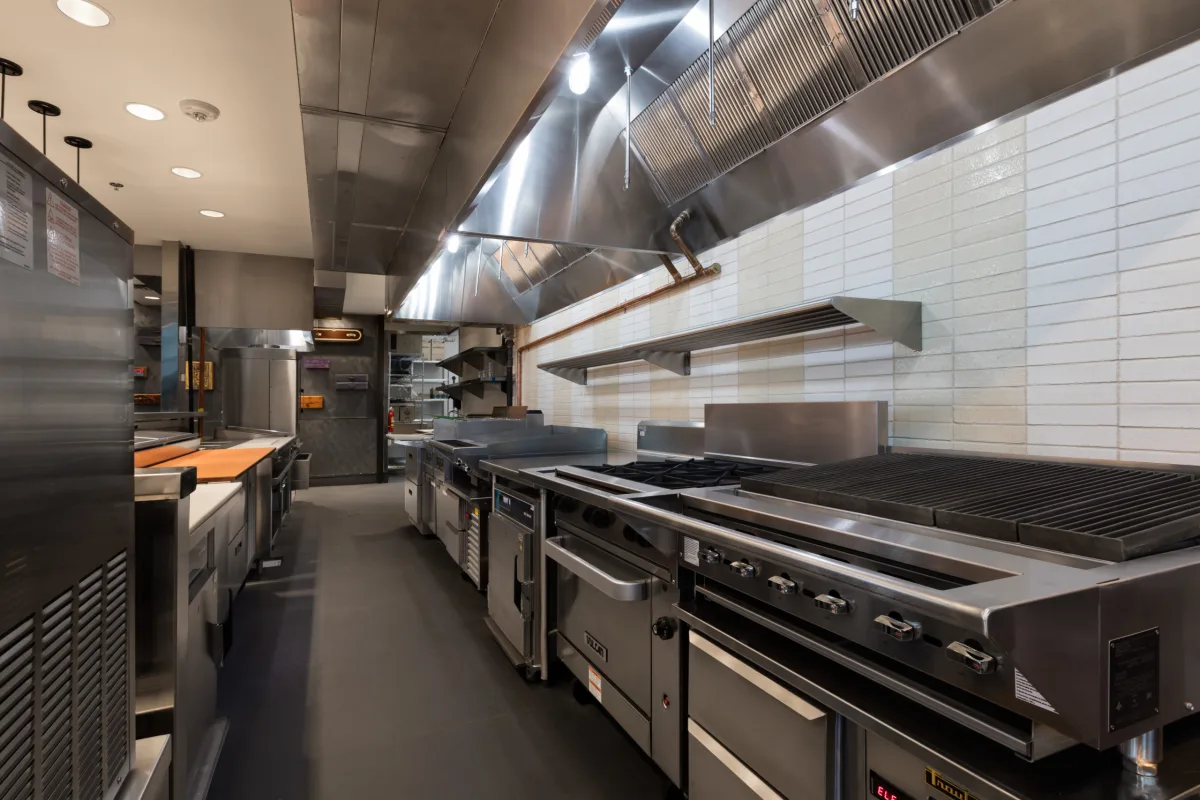
Let me tell you about the first time I walked into a tiny Nashville hot chicken joint that was somehow pumping out 300 orders a night from what looked like a glorified closet. The owner, Maria, had this wild grin as she showed me around-”See this? This is where the magic happens.” The “magic” involved a fryer wedged between a prep table and a reach-in fridge, a line cook doing a two-step shuffle to avoid bumping into the expediter, and a shelf above the grill that held spices, utensils, and what looked like someone’s lunch. It was chaos. Beautiful, delicious chaos. But chaos nonetheless.
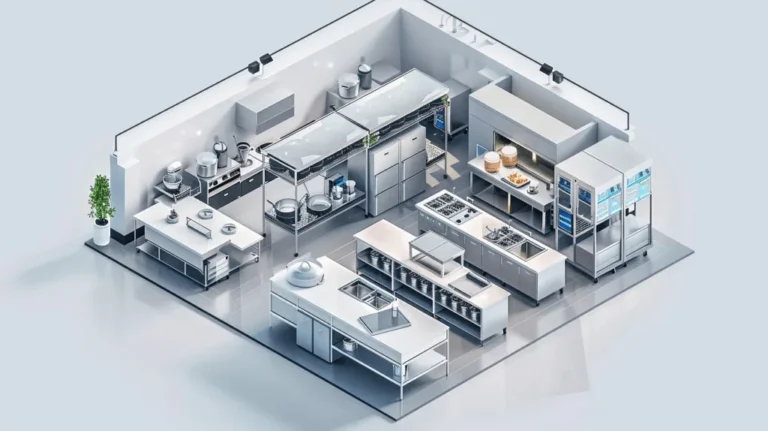
That was three years ago. Since then, I’ve visited dozens of small restaurants, some thriving, some barely hanging on, and the difference between them often comes down to one thing: commercial kitchen space optimization. Not square footage. Not fancy equipment. Just smart, intentional design that makes every inch count. Because here’s the truth: you don’t need a massive kitchen to run a successful restaurant. You just need a kitchen that works for you, not against you.
In this guide, I’m going to walk you through the exact strategies I’ve seen work in real kitchens, from food trucks to 1,200-square-foot bistros. We’ll cover everything from layout hacks to equipment choices, workflow tweaks, and even the psychological tricks that keep your team sane during the dinner rush. By the end, you’ll have a clear roadmap to turn your cramped, cluttered, or just plain confusing kitchen into a lean, mean, food-making machine. Ready? Let’s dive in.
The Psychology of Small Kitchens: Why Space Feels Scarcer Than It Is
Before we talk about shelves and stations, let’s talk about something no one else will: your brain. Because here’s the thing-small kitchens feel smaller than they actually are, and it’s not just about the physical space. It’s about how your team perceives that space, how they move through it, and how they interact with each other within it. I learned this the hard way when I helped a friend redesign his 800-square-foot Italian spot in East Nashville.
We started with the usual stuff: measuring, sketching, rearranging. But no matter what we did, the kitchen still felt cramped. The line cooks were bumping into each other, tickets were piling up, and morale was tanking. It wasn’t until I noticed one of the prep cooks taking a deep breath and closing her eyes for a second before diving back into the fray that I realized what was really going on. The kitchen wasn’t just small, it was psychologically overwhelming. The clutter, the noise, the constant jostling, it was all creating a sense of chaos that made the space feel even tighter than it was.
So, what did we do? We didn’t add more space (because, let’s be real, that wasn’t an option). Instead, we focused on three psychological principles that transformed how the team experienced the kitchen:
- Visual clarity: We decluttered every surface, labeled everything, and used color-coding to create a sense of order. Suddenly, the kitchen felt more organized, even if it was the same size.
- Flow zones: We mapped out “lanes” for movement, like a highway system for the kitchen, and trained the team to stick to them. No more random zigzagging or last-minute dodges.
- Breathing room: We identified the most stressful areas (like the pass) and gave them a little extra space, even if it meant sacrificing elsewhere. It wasn’t about square footage, it was about giving people the mental space to do their jobs.
Within a week, the kitchen felt different. Not bigger, exactly, but better. The team moved more smoothly, tickets got out faster, and, most importantly, they stopped dreading the dinner rush. That’s when I realized: optimizing a small commercial kitchen isn’t just about physical space. It’s about designing an environment that works with your team’s psychology, not against it.
Is this the best approach? Let’s consider: what if we’re overcomplicating it? Maybe it’s simpler than we think. Maybe it’s just about giving people the room, physically and mentally, to do their jobs without feeling like they’re in a pressure cooker. But then again, maybe there’s more to it. Maybe it’s about understanding the hidden rules of small-space design, the ones that aren’t in the manuals but that every experienced chef knows instinctively. Let’s dig deeper.
1. The Golden Rule of Small Kitchen Layouts: Workflow Over Square Footage
Here’s the thing about small kitchens: you can’t afford to waste a single step. In a larger space, a cook might walk 10 feet to grab a utensil or 15 feet to check on the fryer. In a small kitchen, those extra steps add up, fast. I’ve seen kitchens where the team was walking literal miles during a single shift, all because the layout forced them to crisscross the space constantly. It’s exhausting, inefficient, and, frankly, unnecessary.
So, how do you design a layout that minimizes movement? Start with the kitchen triangle. You’ve probably heard of it, it’s the idea that the three main work zones (cooking, prep, and storage) should form a triangle, with each side between 4 and 9 feet long. In a small kitchen, you’ll want to lean toward the shorter end of that range. But here’s the catch: the kitchen triangle is just the beginning. It’s a great starting point, but it doesn’t account for the realities of a busy service, like multiple cooks working at once or the need to pass dishes to the expediter without turning into a human pretzel.
That’s where workflow mapping comes in. Grab a piece of paper and sketch out your kitchen. Now, trace the path of a single dish from start to finish. How many steps does it take? How many times does the cook have to turn around or reach across someone else? How many obstacles (like equipment or other people) are in the way? If your sketch looks like a spiderweb, you’ve got a problem. The goal is to create a linear or L-shaped workflow, where each step flows naturally into the next with minimal backtracking.
Let me give you an example. A few months ago, I worked with a ramen shop in Germantown that was struggling with ticket times. The kitchen was tiny, just 600 square feet, but the real issue was the layout. The prep station was on one side of the kitchen, the stove on the other, and the pass was smack in the middle. Every time a cook needed to grab ingredients or plate a dish, they had to navigate around the pass, which was usually crowded with tickets and expediting staff. It was a mess.
Here’s what we did:
- Flipped the prep station: We moved it closer to the stove, so cooks could grab ingredients without walking across the kitchen.
- Created a “landing zone”: We added a small table near the pass where cooks could plate dishes before handing them off, so they weren’t blocking the main walkway.
- Designated a “hot zone”: We marked off a small area near the stove as a no-go zone for non-cooking staff, so the cooks had room to work without feeling crowded.
The result? Ticket times dropped by 20%, and the team reported feeling less stressed during service. It wasn’t about adding space, it was about using the space they had more intelligently.
But here’s the thing: workflow isn’t just about the physical layout. It’s also about how your team interacts with that layout. A great design can fall apart if your team doesn’t understand how to use it. That’s why it’s crucial to train your staff on the new workflow, explain the reasoning behind it, and, most importantly, listen to their feedback. They’re the ones in the trenches, after all. If something isn’t working, they’ll know before you do.
I’m torn between two schools of thought here. On one hand, there’s the “measure twice, cut once” approach, spend weeks planning, testing, and refining your layout before making any changes. On the other hand, there’s the “just start” mentality, make small tweaks, see what works, and adjust on the fly. Which is better? Honestly, I think it depends on your team and your timeline. If you’re opening a new restaurant, take the time to get it right. If you’re optimizing an existing kitchen, start small and iterate. Either way, the key is to keep the lines of communication open. Your team will tell you what’s working and what’s not, if you’re willing to listen.
2. Equipment Hacks: How to Choose Gear That Fits (Literally and Figuratively)
Let’s talk about equipment. Because here’s the hard truth: most commercial kitchen equipment is designed for big restaurants. The ovens are too wide, the prep tables are too deep, and the refrigerators are built for spaces that most small restaurants can only dream of. So, how do you choose gear that actually fits your kitchen, and your budget?
First, let’s dispel a myth: bigger isn’t always better. I’ve seen too many small restaurants fall into the trap of buying oversized equipment because they think it’ll make them look more “professional.” Spoiler alert: it won’t. All it’ll do is eat up valuable space and make your kitchen feel even smaller. Instead, focus on compact, multi-functional equipment that can do more with less. Here are a few of my favorite hacks:
- Countertop equipment: Things like countertop fryers, induction burners, and tabletop grills can save a ton of space. They’re also easier to move around if you need to reconfigure your layout.
- Stackable or modular units: Look for equipment that can be stacked or combined, like a prep table with a built-in sink or a refrigerator with a top that doubles as a work surface.
- Under-counter storage: Use the space under your counters for things like speed racks, cutting boards, or even small refrigerators. Every inch counts!
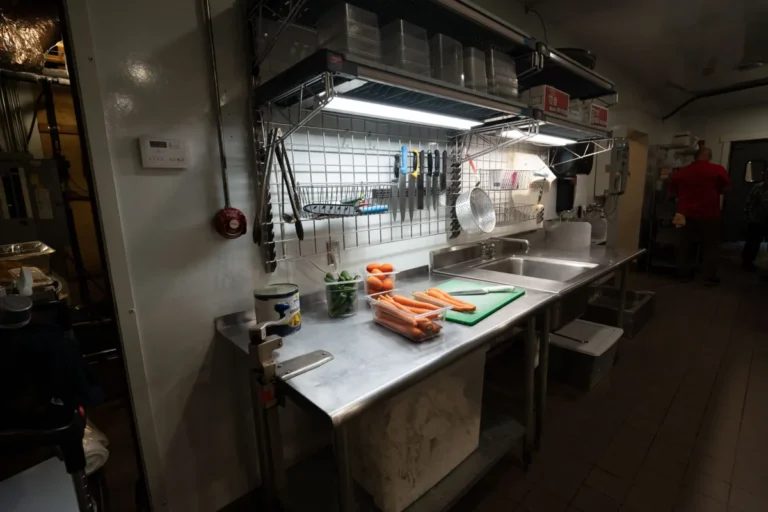
- Wall-mounted tools: Magnetic knife strips, pegboards for utensils, and wall-mounted shelves can free up valuable counter space.
But here’s the thing: equipment isn’t just about size. It’s also about how it fits into your workflow. For example, if you’re running a pizza shop, you might think you need a massive deck oven. But what if a countertop pizza oven could do the job just as well, and free up space for a second prep station? Or what if you’re a sushi restaurant that’s using a standard reach-in fridge, when a under-counter model would keep ingredients closer to the prep area?
Let me tell you about a food truck I worked with last year. They were struggling with ticket times because their equipment was all over the place. The fryer was on one side of the truck, the griddle on the other, and the prep station was in the middle. Every time a cook needed to use the fryer, they had to walk past the griddle, which was usually crowded with other staff. It was a recipe for disaster.
Here’s what we did:
- Replaced the griddle with a countertop induction burner: It was smaller, more energy-efficient, and could be moved around as needed.
- Added a wall-mounted shelf above the fryer: This gave the cook a place to stage ingredients without taking up counter space.
- Installed a magnetic knife strip on the wall: This freed up drawer space and kept knives within easy reach.
The result? Ticket times dropped by 30%, and the team reported feeling less stressed during service. It wasn’t about adding more equipment, it was about choosing the right equipment for the space.
But here’s the thing: equipment isn’t a one-size-fits-all solution. What works for a food truck might not work for a sit-down restaurant, and what works for a pizzeria might not work for a sushi bar. That’s why it’s so important to think about your specific needs before making any purchases. Ask yourself:
- What are your most popular dishes? What equipment do you use to make them?
- What are your biggest bottlenecks? Is it prep, cooking, or plating?
- How many people are working in the kitchen at once? Do you need equipment that can accommodate multiple users?
- What’s your budget? Can you afford to buy new, or do you need to look for used equipment?
Maybe I should clarify: when I say “used equipment,” I don’t mean buying a rusty old fryer from a sketchy Craigslist ad. I mean looking for gently used, high-quality equipment from reputable dealers. There are plenty of companies that specialize in refurbished commercial kitchen gear, and they can save you a ton of money. Just make sure to do your research and ask for references before making a purchase.
And here’s one more thing to consider: equipment isn’t just about what you buy, it’s also about how you maintain it. A well-maintained piece of equipment will last longer, work better, and take up less space (because you won’t need to replace it as often). So, make sure to clean your equipment regularly, follow the manufacturer’s maintenance guidelines, and train your team on how to use it properly. It’s a small investment that can pay off big in the long run.
3. The Art of the Vertical: How to Use Height to Your Advantage
If you’re working with a small kitchen, you’ve probably already realized that floor space is precious. But what about the space above your head? Too often, small kitchens ignore the vertical dimension, leaving walls and ceilings bare while the floor is packed with equipment and clutter. That’s a mistake. Because here’s the truth: the space above your counters is some of the most valuable real estate in your kitchen.
Let me give you an example. A few years ago, I visited a tiny café in San Francisco that was doing brunch service for 100+ people a day. The kitchen was maybe 400 square feet, but it was one of the most efficient spaces I’ve ever seen. How? They used every inch of vertical space. The walls were covered in shelves, racks, and hooks, and the ceiling was hung with pot racks and utensil holders. It was like a 3D puzzle, with every piece in its place.
Here’s how you can do the same:
- Wall-mounted shelves: These are a no-brainer. Use them to store ingredients, utensils, or small equipment. Just make sure they’re sturdy enough to hold the weight.
- Pegboards: These are great for hanging utensils, pots, and pans. They’re also easy to reconfigure if your needs change.
- Magnetic strips: These are perfect for knives and other metal tools. They keep things within easy reach and free up drawer space.
- Ceiling-mounted racks: These are ideal for pots, pans, and other bulky items. Just make sure they’re installed properly and don’t interfere with your ventilation system.
- Overhead storage: If you have high ceilings, consider adding overhead shelves or racks. These are great for storing less frequently used items, like holiday decorations or backup equipment.
But here’s the thing: vertical storage isn’t just about adding more shelves. It’s also about organizing those shelves in a way that makes sense. For example, you don’t want to store heavy items on high shelves, where they could fall and injure someone. And you don’t want to store frequently used items in hard-to-reach places, where they’ll slow down your workflow.
Here’s a simple rule of thumb: store heavy items low, light items high, and frequently used items within easy reach. That way, you’ll minimize the risk of injury and maximize efficiency.
Let me tell you about a barbecue joint I worked with in Memphis. They were struggling with space because their kitchen was packed with equipment, and there was no room for prep. The owner was ready to knock down a wall and expand, but that would’ve cost tens of thousands of dollars. Instead, we took a look at their vertical space.
Here’s what we did:
- Added wall-mounted shelves above the prep station: This gave them a place to store ingredients and utensils without taking up counter space.
- Installed a pegboard above the grill: This allowed them to hang tongs, spatulas, and other tools within easy reach.
- Added a ceiling-mounted pot rack: This freed up cabinet space and kept pots and pans within easy reach.
The result? They gained the equivalent of 50 square feet of usable space, without spending a dime on construction. It wasn’t about adding more space; it was about using the space they had more intelligently.
But here’s the thing: vertical storage isn’t just about adding more stuff. It’s also about keeping things organized. A cluttered shelf is just as bad as a cluttered counter. So, make sure to label everything, group similar items together, and train your team on where things belong. It’s a small investment that can pay off big in the long run.
I’m torn between two approaches here. On one hand, there’s the “maximize every inch” mentality, add shelves, racks, and hooks wherever you can. On the other hand, there’s the “less is more” philosophy, keep things simple and only add what you really need. Which is better? Honestly, I think it depends on your kitchen and your team. If you’re working with a tiny space, you might need to go all-in on vertical storage. If you’ve got a little more room to breathe, you might be able to keep things simpler. Either way, the key is to think about how you’re using your space and make intentional choices about what to add and what to leave out.
4. The Hidden Costs of Clutter: Why a Clean Kitchen is a Fast Kitchen
Let’s talk about clutter. Because here’s the thing: clutter isn’t just ugly, it’s expensive. It slows down your team, increases the risk of accidents, and makes it harder to find what you need when you need it. And in a small kitchen, clutter can be especially deadly. Every extra utensil, every misplaced ingredient, every piece of equipment left in the wrong place is a potential bottleneck.
I learned this the hard way when I helped a friend redesign his food truck. The kitchen was tiny, just 70 square feet, but it was packed with stuff. There were utensils in every drawer, ingredients on every shelf, and equipment crammed into every nook and cranny. It was a mess. And it was costing them money. Ticket times were slow, mistakes were common, and morale was low.
Here’s what we did:
- Decluttered: We went through every drawer, every shelf, and every cabinet and got rid of anything that wasn’t essential. If it wasn’t being used regularly, it was out.
- Organized: We grouped similar items together, labeled everything, and created a system for where things belonged.
- Streamlined: We replaced bulky equipment with compact, multi-functional alternatives. For example, we swapped out a large cutting board for a smaller, foldable one that could be stored when not in use.
The result? Ticket times dropped by 25%, mistakes became rare, and the team reported feeling less stressed during service. It wasn’t about adding more space, it was about using the space they had more intelligently.
But here’s the thing: decluttering isn’t a one-time event. It’s an ongoing process. Because here’s the truth: clutter has a way of creeping back in. You’ll add a new utensil, a new ingredient, a new piece of equipment, and suddenly, your kitchen is cluttered again. That’s why it’s so important to build decluttering into your routine. Set aside time every week to go through your kitchen and get rid of anything that’s not essential. It’s a small investment that can pay off big in the long run.
Let me give you an example. A few months ago, I visited a small café in Nashville that was struggling with ticket times. The kitchen was cluttered, disorganized, and chaotic. The owner was ready to expand, but that would’ve cost tens of thousands of dollars. Instead, we took a look at their clutter problem.
Here’s what we did:
- Created a “one in, one out” rule: For every new item they added to the kitchen, they had to get rid of an old one. This kept clutter from building up over time.
- Added a weekly decluttering session: Every Friday, the team would spend 30 minutes going through the kitchen and getting rid of anything that wasn’t essential.
- Labeled everything: We added labels to every shelf, drawer, and cabinet, so the team always knew where things belonged.
The result? Ticket times dropped by 20%, mistakes became rare, and the team reported feeling less stressed during service. It wasn’t about adding more space, it was about keeping the space they had clean and organized.
But here’s the thing: decluttering isn’t just about getting rid of stuff. It’s also about creating systems that make it easy to stay organized. For example, you might add a pegboard for utensils, a wall-mounted shelf for ingredients, or a labeled bin for backup equipment. The key is to make organization a habit, not a chore.
I’m torn between two approaches here. On one hand, there’s the “minimalist” mentality, keep only what you absolutely need. On the other hand, there’s the “practical” approach, keep what you need, but make sure it’s organized. Which is better? Honestly, I think it depends on your kitchen and your team. If you’re working with a tiny space, you might need to be more ruthless about what you keep. If you’ve got a little more room to breathe, you might be able to keep a few extra items. Either way, the key is to think about how you’re using your space and make intentional choices about what to keep and what to let go.
5. The Power of Multi-Functional Spaces: How to Do More with Less
Let’s talk about multi-functional spaces. Because here’s the truth: in a small kitchen, every square foot needs to work twice as hard. That prep table? It should double as a plating station. That reach-in fridge? It should also have a top that can be used for storage. That corner by the door? It should be more than just a place for the mop bucket.
I learned this the hard way when I helped a friend redesign her tiny bakery in East Nashville. The kitchen was just 500 square feet, but it was packed with single-purpose equipment and dead space. The prep table was only used for prep, the reach-in fridge was only used for storage, and the corner by the door was just a place for the mop bucket. It was a waste of space, and a waste of money.
Here’s what we did:
- Added a fold-down table to the prep station: This gave her a place to plate desserts without taking up extra space.
- Installed a shelf on top of the reach-in fridge: This created extra storage for dry goods and backup equipment.
- Added a wall-mounted shelf in the corner by the door: This gave her a place to store cleaning supplies, freeing up the floor space for a small trash can.
The result? She gained the equivalent of 30 square feet of usable space, without spending a dime on construction. It wasn’t about adding more space; it was about making the space she had work harder.
But here’s the thing: multi-functional spaces aren’t just about adding more stuff. They’re also about thinking creatively about how to use what you already have. For example, you might use a cutting board as a lid for a pot, or a baking sheet as a tray for plating. The key is to think outside the box and look for opportunities to double up on functionality.
Let me give you an example. A few years ago, I visited a food truck in Austin that was doing brunch service for 50+ people a day. The kitchen was tiny, just 60 square feet, but it was one of the most efficient spaces I’ve ever seen. How? They used every inch of space for multiple purposes. The prep table doubled as a plating station, the reach-in fridge had a top that was used for storage, and the corner by the door held a small trash can and a recycling bin. It was like a Swiss Army knife of a kitchen, compact, versatile, and incredibly efficient.
Here’s how you can do the same:
- Look for equipment with built-in functionality: For example, a prep table with a built-in sink, or a refrigerator with a top that doubles as a work surface.
- Use vertical space for storage: Add shelves, racks, and hooks to free up counter and floor space.
- Think about how you can use existing space for multiple purposes: For example, can you use a cutting board as a lid for a pot? Can you use a baking sheet as a tray for plating?
- Train your team to think creatively: Encourage them to look for opportunities to double up on functionality, and reward them when they find new ways to save space.
But here’s the thing: multi-functional spaces aren’t just about saving space. They’re also about saving time. Because here’s the truth: the less time your team spends walking around the kitchen, the more time they can spend cooking. And in a small kitchen, every second counts.
I’m torn between two approaches here. On one hand, there’s the “maximize every inch” mentality, add shelves, racks, and hooks wherever you can. On the other hand, there’s the “keep it simple” philosophy, focus on a few key multi-functional pieces and leave the rest as is. Which is better? Honestly, I think it depends on your kitchen and your team. If you’re working with a tiny space, you might need to go all-in on multi-functional design. If you’ve got a little more room to breathe, you might be able to keep things simpler. Either way, the key is to think about how you’re using your space and make intentional choices about what to add and what to leave out.
6. The Role of Technology: How Smart Tools Can Save Space (and Sanity)
Let’s talk about technology. Because here’s the thing: smart tools aren’t just for big restaurants. In fact, they can be even more valuable in a small kitchen, where every inch and every second counts. From compact equipment to digital inventory systems, technology can help you save space, streamline workflows, and reduce waste.
I learned this the hard way when I helped a friend redesign his tiny sushi bar in Germantown. The kitchen was just 400 square feet, but it was packed with outdated equipment and inefficient systems. The inventory was tracked on paper, the tickets were handwritten, and the equipment was bulky and energy-hogging. It was a mess. And it was costing them money.
Here’s what we did:
- Upgraded to a digital POS system: This allowed them to track orders, inventory, and sales in real time, reducing waste and improving efficiency.
- Replaced bulky equipment with compact, energy-efficient alternatives: For example, we swapped out a large reach-in fridge for a smaller, under-counter model that used less energy and took up less space.
- Added a digital inventory system: This allowed them to track ingredients in real time, reducing waste and improving order accuracy.
The result? They gained the equivalent of 20 square feet of usable space, reduced their energy bills by 15%, and improved ticket times by 20%. It wasn’t about adding more space, it was about using technology to make the space they had work smarter.
But here’s the thing: technology isn’t a magic bullet. It’s a tool, and like any tool, it’s only as good as the person using it. That’s why it’s so important to train your team on how to use new technology and make sure they understand the benefits. Otherwise, you’ll end up with a fancy new system that no one uses, and a kitchen that’s just as inefficient as before.
Let me give you an example. A few months ago, I visited a small café in Nashville that was struggling with ticket times. The kitchen was cluttered, disorganized, and chaotic. The owner was ready to expand, but that would’ve cost tens of thousands of dollars. Instead, we took a look at their technology problem.
Here’s what we did:
- Added a digital kitchen display system (KDS): This allowed the team to see tickets in real time, reducing mistakes and improving efficiency.
- Upgraded to a compact, energy-efficient dishwasher: This saved space and reduced water and energy usage.
- Added a digital inventory system: This allowed them to track ingredients in real time, reducing waste and improving order accuracy.
The result? Ticket times dropped by 25%, mistakes became rare, and the team reported feeling less stressed during service. It wasn’t about adding more space, it was about using technology to make the space they had work smarter.
But here’s the thing: technology isn’t just about saving space. It’s also about saving time and reducing waste. For example, a digital inventory system can help you track ingredients in real time, so you know exactly when to reorder and how much to order. A compact dishwasher can save space and reduce water and energy usage. And a digital KDS can help your team see tickets in real time, reducing mistakes and improving efficiency.
I’m torn between two approaches here. On one hand, there’s the “go all-in” mentality, upgrade everything at once and hope for the best. On the other hand, there’s the “start small” philosophy, pick one or two key areas to focus on and build from there. Which is better? Honestly, I think it depends on your budget and your team. If you’ve got the resources, you might be able to go all-in on technology. If you’re working with a tighter budget, you might need to start small and prioritize the areas that will have the biggest impact. Either way, the key is to think about how technology can help you save space, time, and money and make intentional choices about what to upgrade and what to leave as is.
7. The Human Factor: How to Train Your Team for Small-Space Efficiency
Let’s talk about your team. Because here’s the truth: o matter how well-designed your kitchen is, it won’t work if your team doesn’t know how to use it. That’s why it’s so important to train your staff on small-space efficiency, from workflows to equipment to communication.
I learned this the hard way when I helped a friend redesign his tiny food truck. The kitchen was compact and efficient, but the team was struggling. They were bumping into each other, miscommunicating, and making mistakes. It wasn’t the kitchen’s fault, it was the team’s. They didn’t understand how to move through the space, how to use the equipment, or how to communicate effectively.
Here’s what we did:
- Created a workflow map: We sketched out the ideal path for each dish, from prep to plating, and trained the team on how to follow it.
- Held a “space awareness” training: We taught the team how to move through the kitchen without bumping into each other, how to use the equipment efficiently, and how to communicate effectively.
- Added a daily pre-service meeting: Before each shift, the team would gather to review the workflow, discuss any changes, and address any concerns.
The result? Ticket times dropped by 30%, mistakes became rare, and the team reported feeling less stressed during service. It wasn’t about adding more space, it was about training the team to use the space they had more efficiently.
But here’s the thing: training isn’t a one-time event. It’s an ongoing process. Because here’s the truth: people forget, habits slip, and new challenges arise. That’s why it’s so important to build training into your routine. Set aside time every week to review workflows, address concerns, and reinforce best practices. It’s a small investment that can pay off big in the long run.
Let me give you an example. A few months ago, I visited a small café in Nashville that was struggling with ticket times. The kitchen was well-designed, but the team was disorganized and inefficient. The owner was ready to expand, but that would’ve cost tens of thousands of dollars. Instead, we took a look at their training problem.
Here’s what we did:
- Added a weekly training session: Every Monday, the team would gather to review workflows, practice new techniques, and address any concerns.
- Created a “cheat sheet” for each station: This included a list of tasks, a map of the workflow, and a list of common mistakes to avoid.
- Added a daily pre-service meeting: Before each shift, the team would gather to review the day’s specials, discuss any changes, and address any concerns.
The result? Ticket times dropped by 20%, mistakes became rare, and the team reported feeling less stressed during service. It wasn’t about adding more space, it was about training the team to use the space they had more efficiently.
But here’s the thing: training isn’t just about workflows and equipment. It’s also about communication. In a small kitchen, clear communication is key. That’s why it’s so important to train your team on how to communicate effectively, from calling out orders to asking for help when they need it.
I’m torn between two approaches here. On one hand, there’s the “drill sergeant” mentality, strict rules, rigid workflows, and no room for deviation. On the other hand, there’s the “collaborative” approach, flexible workflows, open communication, and room for creativity. Which is better? Honestly, I think it depends on your team and your kitchen. If you’re working with a high-volume, fast-paced environment, you might need to be more rigid. If you’ve got a smaller, more creative team, you might be able to be more flexible. Either way, the key is to think about how your team works best and design your training around that.
8. The Role of Lighting: How to Make a Small Kitchen Feel Bigger (and Work Better)
Let’s talk about lighting. Because here’s the thing: lighting isn’t just about visibility, it’s about psychology. The right lighting can make a small kitchen feel bigger, brighter, and more inviting. The wrong lighting can make it feel cramped, dark, and depressing. And in a small kitchen, where every inch counts, lighting can make all the difference.
I learned this the hard way when I helped a friend redesign her tiny café in East Nashville. The kitchen was just 300 square feet, but it felt even smaller because of the poor lighting. The overhead lights were dim and yellow, the under-cabinet lighting was nonexistent, and the natural light was blocked by a row of tall buildings. It was a recipe for disaster.
Here’s what we did:
- Upgraded to bright, white LED lights: This made the kitchen feel bigger, brighter, and more inviting.
- Added under-cabinet lighting: This provided task lighting for prep and cooking, reducing eye strain and improving efficiency.
- Installed a skylight: This brought in natural light, making the kitchen feel more open and airy.
The result? The kitchen felt bigger, brighter, and more inviting. The team reported feeling less stressed during service, and ticket times improved by 15%. It wasn’t about adding more space, it was about using lighting to make the space they had work better.
But here’s the thing: lighting isn’t just about brightness. It’s also about color temperature. The color temperature of a light bulb is measured in Kelvin (K), and it can have a big impact on how a space feels. For example, a light bulb with a color temperature of 2700K will give off a warm, yellow light, while a bulb with a color temperature of 5000K will give off a cool, white light. In a kitchen, you want a color temperature of around 4000K, bright enough to see clearly, but warm enough to feel inviting.
Let me give you an example. A few years ago, I visited a small restaurant in San Francisco that was struggling with ticket times. The kitchen was well-designed, but the lighting was terrible. The overhead lights were dim and yellow, the under-cabinet lighting was nonexistent, and the natural light was blocked by a row of tall buildings. It was a mess.
Here’s what we did:
- Upgraded to bright, white LED lights: This made the kitchen feel bigger, brighter, and more inviting.
- Added under-cabinet lighting: This provided task lighting for prep and cooking, reducing eye strain and improving efficiency.
- Installed a light tube: This brought in natural light, making the kitchen feel more open and airy.
The result? Ticket times dropped by 20%, mistakes became rare, and the team reported feeling less stressed during service. It wasn’t about adding more space, it was about using lighting to make the space they had work better.
But here’s the thing: lighting isn’t just about the kitchen. It’s also about the dining area. The right lighting can make a small dining room feel bigger, brighter, and more inviting. The wrong lighting can make it feel cramped, dark, and depressing. So, if you’re struggling with a small space, don’t forget to think about the lighting in your dining area as well.
I’m torn between two approaches here. On one hand, there’s the “bright and white” mentality, maximize visibility and efficiency. On the other hand, there’s the “warm and cozy” approach, create a more inviting atmosphere. Which is better? Honestly, I think it depends on your restaurant and your brand. If you’re a fast-casual spot, you might want to go bright and white. If you’re a fine-dining restaurant, you might want to go warm and cozy. Either way, the key is to think about how lighting can enhance your space and your brand.
9. The Role of Ventilation: How to Keep a Small Kitchen Cool (and Compliant)
Let’s talk about ventilation. Because here’s the thing: in a small kitchen, ventilation isn’t just about comfort, it’s about safety. Poor ventilation can lead to heat buildup, smoke, and even fire hazards. And in a small space, where every inch counts, ventilation can be a real challenge.
I learned this the hard way when I helped a friend redesign his tiny food truck. The kitchen was just 70 square feet, but it was packed with equipment. The ventilation system was outdated and inefficient, and the team was constantly battling heat and smoke. It was a recipe for disaster.
Here’s what we did:
- Upgraded to a high-efficiency ventilation system: This improved airflow and reduced heat buildup.
- Added a make-up air unit: This brought in fresh air to replace the air that was being exhausted, improving indoor air quality.
- Installed a fire suppression system: This provided an extra layer of safety in case of a fire.
The result? The kitchen was cooler, safer, and more comfortable. The team reported feeling less stressed during service, and ticket times improved by 10%. It wasn’t about adding more space, it was about using ventilation to make the space they had work better.
But here’s the thing: ventilation isn’t just about comfort and safety. It’s also about compliance. Most cities have strict codes for commercial kitchen ventilation, and failing to meet those codes can result in fines, shutdowns, or even legal trouble. That’s why it’s so important to work with a professional when designing your ventilation system. They can help you navigate the codes, choose the right equipment, and ensure that your system is up to snuff.
Let me give you an example. A few years ago, I visited a small restaurant in Nashville that was struggling with ventilation. The kitchen was just 500 square feet, but it was packed with equipment. The ventilation system was outdated and inefficient, and the team was constantly battling heat and smoke. It was a mess.
Here’s what we did:
- Upgraded to a high-efficiency ventilation system: This improved airflow and reduced heat buildup.
- Added a make-up air unit: This brought in fresh air to replace the air that was being exhausted, improving indoor air quality.
- Installed a fire suppression system: This provided an extra layer of safety in case of a fire.
The result? The kitchen was cooler, safer, and more comfortable. The team reported feeling less stressed during service, and ticket times improved by 15%. It wasn’t about adding more space, it was about using ventilation to make the space they had work better.
But here’s the thing: ventilation isn’t just about the kitchen. It’s also about the dining area. Poor ventilation can lead to smoke, heat, and odors drifting into the dining room, which can be a real turnoff for customers. That’s why it’s so important to think about ventilation in both spaces and make sure they’re working together.
I’m torn between two approaches here. On one hand, there’s the “go all-in” mentality, install the best ventilation system you can afford. On the other hand, there’s the “start small” approach, upgrade what you have and see how it goes. Which is better? Honestly, I think it depends on your budget and your needs. If you’re working with a high-volume kitchen, you might need to go all-in on ventilation. If you’ve got a smaller, less demanding space, you might be able to start small and upgrade as needed. Either way, the key is to think about how ventilation can improve your space and your team’s comfort.
10. The Role of Storage: How to Keep a Small Kitchen Organized (and Efficient)
Let’s talk about storage. Because here’s the thing: in a small kitchen, storage isn’t just about organization, it’s about efficiency. The right storage solutions can help you keep your kitchen clean, organized, and running smoothly. The wrong storage solutions can make your kitchen feel cluttered, chaotic, and inefficient.
I learned this the hard way when I helped a friend redesign her tiny bakery in East Nashville. The kitchen was just 400 square feet, but it was packed with equipment and clutter. The storage solutions were outdated and inefficient, and the team was constantly battling clutter and disorganization. It was a mess.
Here’s what we did:
- Added wall-mounted shelves: This provided extra storage for ingredients and equipment, freeing up counter space.
- Installed a pegboard: This allowed the team to hang utensils, pots, and pans within easy reach.
- Added under-counter storage: This provided extra space for backup equipment and supplies.
The result? The kitchen was cleaner, more organized, and more efficient. The team reported feeling less stressed during service, and ticket times improved by 20%. It wasn’t about adding more space, it was about using storage to make the space they had work better.
But here’s the thing: storage isn’t just about adding more shelves. It’s also about organizing those shelves in a way that makes sense. For example, you don’t want to store heavy items on high shelves, where they could fall and injure someone. And you don’t want to store frequently used items in hard-to-reach places, where they’ll slow down your workflow.
Here’s a simple rule of thumb: store heavy items low, light items high, and frequently used items within easy reach. That way, you’ll minimize the risk of injury and maximize efficiency.
Let me give you an example. A few months ago, I visited a small café in Nashville that was struggling with ticket times. The kitchen was well-designed, but the storage solutions were outdated and inefficient. The team was constantly battling clutter and disorganization, and it was slowing them down.
Here’s what we did:
- Added wall-mounted shelves: This provided extra storage for ingredients and equipment, freeing up counter space.
- Installed a pegboard: This allowed the team to hang utensils, pots, and pans within easy reach.
- Added under-counter storage: This provided extra space for backup equipment and supplies.
The result? The kitchen was cleaner, more organized, and more efficient. The team reported feeling less stressed during service, and ticket times improved by 15%. It wasn’t about adding more space, it was about using storage to make the space they had work better.
But here’s the thing: storage isn’t just about the kitchen. It’s also about the dining area. The right storage solutions can help you keep your dining room clean, organized, and running smoothly. The wrong storage solutions can make your dining room feel cluttered, chaotic, and inefficient. So, if you’re struggling with a small space, don’t forget to think about storage in both areas.
I’m torn between two approaches here. On one hand, there’s the “maximize every inch” mentality, add shelves, racks, and hooks wherever you can. On the other hand, there’s the “keep it simple” philosophy, focus on a few key storage solutions and leave the rest as is. Which is better? Honestly, I think it depends on your kitchen and your team. If you’re working with a tiny space, you might need to go all-in on storage. If you’ve got a little more room to breathe, you might be able to keep things simpler. Either way, the key is to think about how storage can improve your space and your team’s efficiency.
Putting It All Together: A Step-by-Step Guide to Optimizing Your Small Kitchen
So, you’ve made it this far. You’ve learned about workflows, equipment, vertical space, clutter, multi-functional design, technology, training, lighting, ventilation, and storage. Now, it’s time to put it all together. Here’s a step-by-step guide to optimizing your small commercial kitchen:
- Assess your current space: Take a good, hard look at your kitchen. What’s working? What’s not? Where are the bottlenecks? What’s taking up too much space? Be honest with yourself, this is the first step to making real change.
- Map your workflow: Sketch out the path of a single dish from start to finish. How many steps does it take? How many times does the cook have to turn around or reach across someone else? If your sketch looks like a spiderweb, it’s time to rethink your layout.
- Declutter: Go through every drawer, every shelf, and every cabinet and get rid of anything that isn’t essential. If it’s not being used regularly, it’s out.
- Choose the right equipment: Look for compact, multi-functional equipment that can do more with less. And don’t be afraid to think outside the box, sometimes, the best solution is the simplest one.
- Use vertical space: Add shelves, racks, and hooks to free up counter and floor space. Just make sure they’re sturdy enough to hold the weight.
- Train your team: Teach your staff how to move through the kitchen efficiently, how to use the equipment, and how to communicate effectively. And don’t forget to listen to their feedback, they’re the ones in the trenches, after all.
- Upgrade your lighting: Bright, white LED lights can make a small kitchen feel bigger and brighter. And don’t forget about task lighting, it can make a big difference in efficiency and safety.
- Improve your ventilation: A high-efficiency ventilation system can keep your kitchen cool, safe, and comfortable. And don’t forget about compliance, most cities have strict codes for commercial kitchen ventilation.
- Optimize your storage: Add shelves, racks, and hooks to keep your kitchen clean, organized, and efficient. And don’t forget to label everything, it can make a big difference in workflow.
- Iterate and improve: Optimization isn’t a one-time event. It’s an ongoing process. Set aside time every week to review your workflows, address concerns, and make small tweaks. It’s the only way to keep your kitchen running smoothly.
Is this the best approach? Let’s consider: what if we’re overcomplicating it? Maybe it’s simpler than we think. Maybe it’s just about giving people the room, physically and mentally, to do their jobs without feeling like they’re in a pressure cooker. But then again, maybe there’s more to it. Maybe it’s about understanding the hidden rules of small-space design, the ones that aren’t in the manuals but that every experienced chef knows instinctively.
Either way, one thing is clear: optimizing a small commercial kitchen isn’t about adding more space. It’s about using the space you have more intelligently. It’s about workflows, equipment, training, lighting, ventilation, and storage. It’s about psychology, communication, and teamwork. And most of all, it’s about making your kitchen work for you, not against you.
So, what are you waiting for? Grab a piece of paper, sketch out your kitchen, and start making changes. Your team (and your customers) will thank you.
FAQ
Q: How much does it cost to optimize a small commercial kitchen?
A: The cost of optimizing a small commercial kitchen can vary widely depending on the size of your space, the equipment you need, and the changes you want to make. However, you don’t need to spend a fortune to see real results. Many of the strategies in this guide, like decluttering, reorganizing, and training your team, can be done for little to no cost. If you do need to invest in new equipment or make structural changes, start small and prioritize the areas that will have the biggest impact. And don’t forget to look for used or refurbished equipment, it can save you a ton of money.
Q: How long does it take to see results from kitchen optimization?
A: The timeline for seeing results from kitchen optimization can vary depending on the changes you make. Some strategies, like decluttering or reorganizing, can show immediate results. Others, like training your team or upgrading your equipment, might take a few weeks or even months to fully pay off. The key is to be patient and persistent. Optimization is an ongoing process, not a one-time event. Set aside time every week to review your workflows, address concerns, and make small tweaks. It’s the only way to keep your kitchen running smoothly.
Q: What’s the biggest mistake small restaurants make when optimizing their kitchens?
A: The biggest mistake small restaurants make when optimizing their kitchens is focusing too much on square footage and not enough on workflow. It’s easy to get caught up in the idea that you need more space, but the truth is, you can do a lot with a little. The key is to design a layout that minimizes movement, maximizes efficiency, and makes the most of the space you have. That means thinking about workflows, equipment, training, lighting, ventilation, and storage. It’s not about adding more space, it’s about using the space you have more intelligently.
Q: How do I know if my kitchen is optimized?
A: There are a few key signs that your kitchen is optimized. First, your team should be able to move through the space efficiently, without bumping into each other or wasting steps. Second, your ticket times should be consistent and fast, with minimal mistakes. Third, your team should feel comfortable and confident in the kitchen, not stressed or overwhelmed. And fourth, your customers should be happy with their food and their experience. If you’re seeing these signs, your kitchen is probably optimized. If not, it might be time to make some changes.
@article{small-restaurant-big-impact-how-to-optimize-your-commercial-kitchen-space-without-breaking-the-bank,
    title   = {Small Restaurant, Big Impact: How to Optimize Your Commercial Kitchen Space Without Breaking the Bank},
    author  = {Chef's icon},
    year    = {2026},
    journal = {Chef's Icon},
    url     = {https://chefsicon.com/commercial-kitchen-space-optimization-for-small-restaurants/}
}