The Best Fluffy Pancakes recipe you will fall in love with. Full of tips and tricks to help you make the best pancakes.
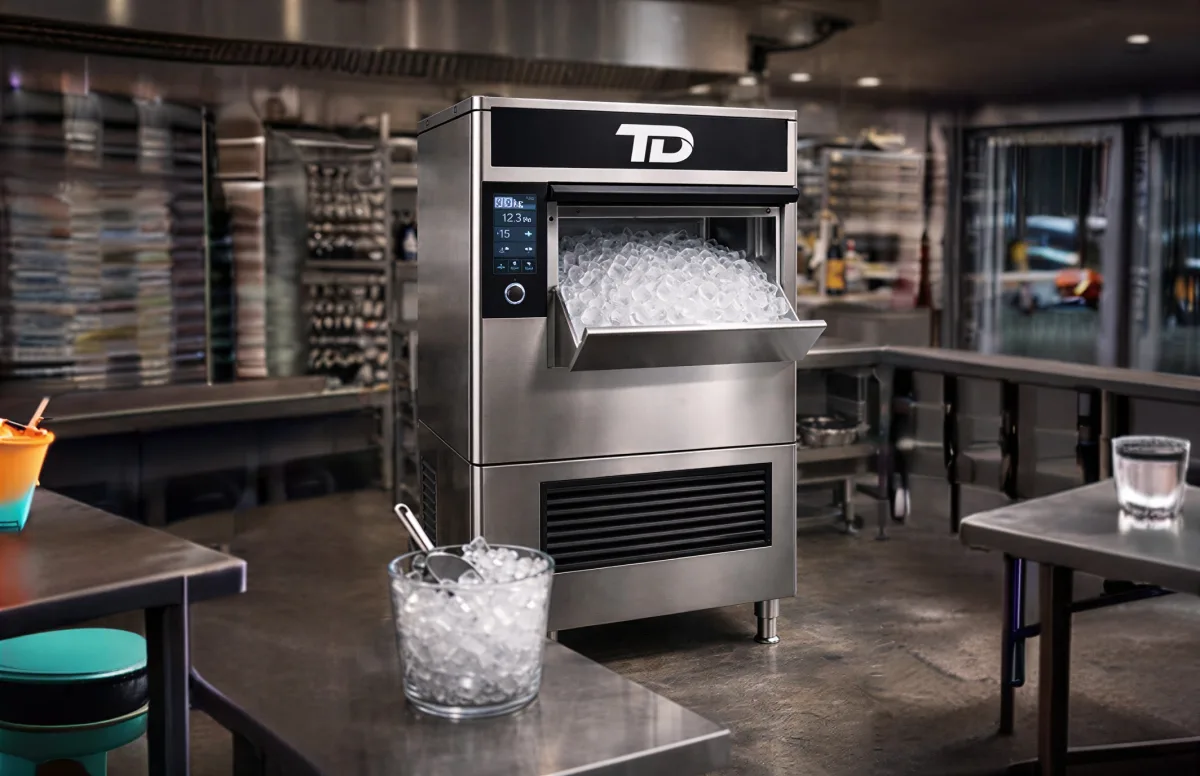
Let me set the scene. It’s a sweltering July afternoon in Nashville, humidity so thick you could cut it with a butter knife, temperatures creeping toward 95°F, and the kind of heat that makes even the most seasoned locals question their life choices. I’m sitting in my favorite East Nashville café, sipping on an iced latte that’s somehow already half-melted, when it hits me: none of this would be possible without the commercial ice machines humming away in the back. No iced coffee, no frosty lemonades, no chilled cocktails at the rooftop bars. Just a sad, lukewarm world where summer in Music City feels even more unbearable.
I’ve spent the last decade writing about food, culture, and the hidden systems that make our favorite spots tick. But ice? Ice never crossed my mind until I started digging. Turns out, these machines are the backbone of Nashville’s café scene, quiet, unassuming, and absolutely essential. And yet, most of us (myself included, until recently) don’t give them a second thought. That changes today. In this deep dive, we’re going to explore why commercial ice machines are the unsung heroes of Nashville’s hospitality industry, how they work, what to look for when buying one, and why your café’s ice game might be the difference between a one-time customer and a regular.
By the end of this, you’ll never look at your drink the same way again. And if you’re a café owner? Well, let’s just say you might want to send a thank-you note to your ice machine after reading this.
The Ice Machine Paradox: Why We Take It for Granted (Until It’s Gone)
Here’s a question for you: When was the last time you thought about ice? Not the kind you absentmindedly toss into a glass at home, but the commercial-grade ice that keeps Nashville’s cafés, bars, and restaurants running? If you’re like most people, the answer is probably “never.” And that’s exactly the point. Ice is one of those things that’s so ubiquitous, so seamlessly integrated into our daily lives, that we only notice it when it’s missing. And when it is? Chaos ensues.
I learned this the hard way last summer. I was covering a pop-up event at a trendy Germantown café, and halfway through the afternoon, the ice machine went kaput. No warning, no gradual decline, just *poof*, no more ice. Within 30 minutes, the line for drinks stretched out the door, tempers flared, and the baristas looked like they were one step away from a full-blown meltdown (pun absolutely intended). The café’s owner, a friend of mine, pulled me aside and muttered, “I’d rather lose the espresso machine than the ice maker.” That’s when it clicked: ice isn’t just a luxury. In a city like Nashville, where the summers are long and the tourists are thirsty, it’s a non-negotiable necessity.
But why? What makes commercial ice machines so critical? Let’s break it down:
- Volume: A standard home ice maker produces maybe 5-10 pounds of ice per day. A commercial ice machine? Try 50-1,000 pounds. Nashville’s busiest cafés can go through hundreds of pounds in a single weekend. Without a machine that can keep up, you’re basically serving warm drinks in a city that expects them cold.
- Consistency: Ever notice how some ice cubes are cloudy, while others are crystal clear? That’s not just aesthetics, it’s science. Commercial ice machines are designed to produce ice that melts slower, dilutes drinks less, and looks more appealing. Cloudy ice? That’s usually a sign of impurities or rushed freezing. Clear ice? That’s the good stuff, and your customers can taste the difference.
- Speed: In a café setting, time is money. A high-capacity ice machine can produce ice faster than you can use it, ensuring you’re never caught off guard during a rush. Imagine trying to serve iced lattes to a line of 20 people when your ice bin is empty. Yeah, no thanks.
- Versatility: Not all ice is created equal. Some machines produce nugget ice (the soft, chewable kind you find in fast-food drinks), while others make cube ice (the classic, slow-melting variety). The right type depends on your menu. Serving cocktails? You’ll want clear, dense cubes. Slinging iced coffee? Nugget ice might be your best friend.
So, why don’t we talk about ice more? Maybe it’s because it’s invisible until it’s not. Maybe it’s because we assume it’s just… there. But after that Germantown debacle, I started paying attention. And what I found was a world of ice machines that are as varied, complex, and essential as the espresso machines they share counter space with.
How Commercial Ice Machines Work: The Science Behind the Chill
Alright, let’s get nerdy for a second. How exactly does a commercial ice machine turn water into those perfect little cubes (or nuggets, or flakes) that keep our drinks cold? The process is more fascinating than you might think, and a lot more complex than tossing a tray of water into your freezer at home.
At its core, an ice machine is a refrigeration system, but with a few key twists. Here’s a simplified breakdown of how it works:
- Water Intake: The machine pulls water from a dedicated supply line. This isn’t just any water, it’s usually filtered to remove impurities that can affect taste, clarity, and machine performance. Ever had ice that tastes like chlorine or metal? That’s what happens when you skip the filtration.
- Freezing: The water flows over a evaporator plate (or grid, depending on the machine), which is kept at freezing temperatures by a refrigerant. As the water flows, it freezes in layers, forming the shape of the ice (cubes, nuggets, etc.). This is where the magic happens. The slower the freezing process, the clearer and denser the ice. Most commercial machines use a controlled flow to ensure consistency.
- Harvesting: Once the ice is formed, the machine enters a “harvest” cycle. The evaporator plate warms slightly (usually via a hot gas bypass or electric heater), loosening the ice so it can fall into the storage bin below. This is why you’ll hear ice machines making that *clunk-clunk* noise every few minutes, it’s the sound of ice being released.
- Storage: The ice collects in a insulated bin, where it’s kept at a consistent temperature until it’s needed. Most bins have a capacity of 50-500 pounds, depending on the machine. Pro tip: If your bin is always empty, you might need a machine with a higher production rate.
- Repeat: The cycle starts over, ensuring a steady supply of ice as long as the machine is running. Some high-end models even have sensors that adjust production based on demand, so you’re never caught off guard.
Now, here’s where things get interesting. Not all ice machines are created equal. The type of ice they produce depends on the evaporator design and the freezing process. Let’s take a quick tour of the most common types of commercial ice you’ll find in Nashville’s cafés:
- Cube Ice: The classic. These are the large, clear cubes you see in high-end cocktails and iced teas. They melt slowly, which means less dilution and a more consistent drink experience. Cube ice is ideal for cafés that serve a lot of cold brew, iced lattes, or specialty drinks where presentation matters.
- Nugget Ice: Also known as “chewable ice” or “Sonic ice,” this is the soft, pellet-like ice that’s become a cult favorite. It’s made by compressing flaked ice into small nuggets, which makes it absorb flavors better and melt faster. If your café serves blended drinks, smoothies, or iced coffee, nugget ice is a game-changer. Customers love it because it’s easy to chew, and baristas love it because it blends smoothly.
- Flake Ice: This is the soft, snow-like ice you see in seafood displays or some smoothie shops. It’s great for food presentation (think oysters on ice or chilled buffets) but melts too quickly for most drink applications. Unless you’re running a seafood café or a juice bar, you can probably skip this one.
- Gourmet Ice: The crème de la crème. This is the ultra-clear, ultra-dense ice that’s often hand-cut for cocktails. It’s produced in specialized machines that use a slow freezing process to eliminate impurities. If you’re running a high-end café or cocktail bar, gourmet ice can elevate your drinks from “good” to “Instagram-worthy.”
So, which type is right for your café? That depends on your menu, your customers, and your budget. But here’s the thing: ice isn’t just a utility. It’s part of the experience. The wrong type can ruin a drink, while the right type can make it unforgettable. And in a city like Nashville, where competition is fierce and customers have endless options, those little details matter.
Nashville’s Ice Machine Landscape: What’s Trending in 2026
Nashville’s café scene is always evolving, and so are the tools that power it. Over the past few years, I’ve noticed a few trends shaping how local businesses approach commercial ice machines. Some of these are driven by technology, others by shifting consumer preferences, and a few by good old-fashioned pragmatism. Let’s take a look at what’s hot (or, more accurately, what’s keeping things cold) in 2026.
1. The Rise of the “Smart” Ice Machine
If you’ve been in the food service industry for a while, you know that “smart” is the buzzword du jour. We’ve got smart ovens, smart refrigerators, and now? Smart ice machines. These aren’t just machines that make ice, they’re machines that *think*.
Here’s what that looks like in practice:
- Remote Monitoring: Imagine getting a text alert when your ice bin is full, or when the machine detects a potential issue (like low water flow or a clogged filter). Some smart ice machines can even predict maintenance needs before they become problems, saving you time and money.
- Usage Analytics: Ever wonder how much ice you’re *actually* using during a busy weekend? Smart machines track production and consumption, giving you data to optimize your operations. Maybe you’re overproducing and wasting ice, or maybe you’re underproducing and running out too soon. Either way, the data doesn’t lie.
- Energy Efficiency: Nashville’s summers are brutal, and so are the energy bills. Smart machines can adjust their cycles based on demand, reducing energy consumption during slow periods. Some models even sync with your café’s HVAC system to optimize cooling efficiency. It’s not just good for your wallet, it’s good for the planet, too.
I’ll admit, I was skeptical about smart ice machines at first. Do we *really* need our ice to be connected to the internet? But after talking to a few café owners who’ve made the switch, I’m a believer. One owner in The Gulch told me his smart machine paid for itself in six months by reducing waste and preventing a major breakdown. “It’s like having a mechanic on call 24/7,” he said. “Except the mechanic is a computer.”
2. The Clear Ice Revolution
Remember when I mentioned gourmet ice earlier? Well, it’s not just for high-end cocktail bars anymore. Clear ice is making its way into Nashville’s cafés, and for good reason. Here’s why:
- Aesthetics: Let’s be honest, cloudy ice looks cheap. Clear ice, on the other hand, looks *premium*. It’s the kind of detail that makes customers pause and think, “Wow, this place cares.” And in a city where Instagram is basically a second menu, presentation matters.
- Taste: Cloudy ice often contains trapped air and impurities, which can affect the taste of your drink. Clear ice is purer, which means it doesn’t impart any off-flavors. If you’re serving specialty coffee or craft cocktails, this is a big deal.
- Melting Speed: Clear ice melts slower than cloudy ice, which means less dilution. That’s crucial for drinks like cold brew or iced tea, where you want the flavor to stay consistent from the first sip to the last.
The catch? Clear ice machines are more expensive and produce ice at a slower rate. But for cafés that prioritize quality over quantity, it’s a worthwhile investment. I’ve seen a few local spots (shoutout to Barista Parlor and Crema) using clear ice in their signature drinks, and the difference is noticeable. It’s one of those “you don’t know what you’re missing until you try it” situations.
3. The Push for Sustainability
Nashville’s food scene has always had a strong farm-to-table ethos, but lately, that mindset is extending to equipment and operations. Ice machines, it turns out, are a major energy and water hog. A typical commercial ice machine can use up to 100 gallons of water per 100 pounds of ice produced, and that’s not even accounting for the energy required to freeze it. Multiply that by hundreds of cafés across the city, and you’ve got a sustainability issue on your hands.
Enter: eco-friendly ice machines. These machines are designed to reduce water and energy consumption without sacrificing performance. Here’s how they’re doing it:
- Water Recycling: Some machines reuse water from the harvest cycle, reducing overall water waste. Others have closed-loop systems that minimize evaporation.
- Energy-Efficient Compressors: Newer models use compressors that adjust their output based on demand, reducing energy use during slow periods. Some even use natural refrigerants (like CO2) that have a lower environmental impact than traditional refrigerants.
- Insulated Bins: A well-insulated bin keeps ice frozen longer, reducing the need for the machine to run constantly. This might seem like a small detail, but over time, it adds up to significant energy savings.
I’ll be honest: sustainable ice machines often come with a higher upfront cost. But the long-term savings (both in utility bills and potential tax incentives) can make them a smart investment. Plus, in a city where customers increasingly vote with their dollars, being able to say your café is “green” isn’t just good for the planet, it’s good for business.
4. The Nugget Ice Obsession
If you’ve spent any time in Nashville’s cafés or bars, you’ve probably noticed the nugget ice craze. It’s everywhere, from the Biscuit Love iced tea to the Attaboy cocktails. And for good reason: people *love* it. But why?
Nugget ice has a few key advantages:
- Texture: It’s soft and chewable, which makes it more enjoyable to consume on its own. This is why you’ll often see customers grabbing handfuls of nugget ice just to munch on.
- Absorption: Nugget ice absorbs flavors better than cube ice, which makes it ideal for blended drinks, smoothies, and iced coffee. It’s also less likely to clump together, so it’s easier to scoop and serve.
- Speed: Nugget ice machines tend to produce ice faster than cube ice machines, which is a major plus during peak hours.
The downside? Nugget ice melts faster than cube ice, which means it can dilute drinks more quickly. But for many cafés, the trade-off is worth it. I’ve talked to baristas who swear by nugget ice for blended frappés and iced lattes, and customers who refuse to drink anything else. It’s one of those trends that’s here to stay, and if you’re not offering it yet, you might want to reconsider.
Choosing the Right Ice Machine for Your Nashville Café: A Buyer’s Guide
Alright, let’s get practical. If you’re running a café in Nashville (or anywhere, really), how do you choose the right commercial ice machine? It’s not as simple as picking the biggest or the cheapest option. There are a *lot* of factors to consider, and the wrong choice can lead to headaches (or worse, empty ice bins during a rush).
I’ve talked to café owners, equipment suppliers, and even a few ice machine technicians to compile this buyer’s guide. Consider it your cheat sheet for making an informed decision. And if you’re already regretting not paying more attention to your current machine, don’t worry, we’ve all been there.
1. Assess Your Ice Needs
Before you start shopping, you need to figure out how much ice your café actually uses. This isn’t just about guessing, it’s about data. Here’s how to approach it:
- Track Your Usage: For a week, keep a log of how much ice you use each day. Don’t forget to account for peak hours (like weekend brunch or happy hour). If you’re not sure, ask your staff to estimate. You might be surprised by how much ice you’re *actually* going through.
- Consider Your Menu: Different drinks require different amounts of ice. A blended frappé might use twice as much ice as a simple iced coffee. If your menu is heavy on cold drinks, you’ll need a machine with a higher production capacity.
- Plan for Growth: Are you expecting your café to get busier in the next year? If so, you might want to invest in a machine with a little extra capacity. It’s easier to scale up now than to scramble for a replacement later.
A good rule of thumb: Your ice machine should produce about 1.5 times your daily usage. So if you’re using 100 pounds of ice a day, aim for a machine that can produce 150 pounds. This gives you a buffer for busy days and ensures you’re not running the machine at full capacity all the time (which can shorten its lifespan).
2. Choose the Right Type of Ice
We’ve already covered the different types of ice, but let’s recap which ones are best for cafés:
- Cube Ice: Best for iced coffee, iced tea, and cocktails. Slow-melting and visually appealing, but can be harder to produce in large quantities.
- Nugget Ice: Best for blended drinks, smoothies, and iced lattes. Fast-producing and customer-friendly, but melts faster than cube ice.
- Flake Ice: Best for food displays or smoothie shops. Not ideal for most drink applications.
- Gourmet Ice: Best for high-end cafés or cocktail bars. Premium look and taste, but slower production and higher cost.
If you’re serving a mix of drinks, you might want to consider a dual-purpose machine that can produce both cube and nugget ice. Some models even let you switch between types depending on your needs. It’s a bit more expensive, but it gives you flexibility.
3. Consider Your Space
Nashville’s cafés come in all shapes and sizes, and so do commercial ice machines. Before you buy, take a hard look at your space. Here’s what to consider:
- Footprint: Ice machines come in a variety of sizes, from compact undercounter models to large, freestanding units. Measure your space carefully, and don’t forget to account for ventilation (more on that later).
- Location: Where will the machine be installed? Most cafés keep their ice machines in the back of the house, but some opt for undercounter models that can fit behind the bar. Just remember: the closer the machine is to your drink station, the easier it’ll be to access the ice.
- Ventilation: Ice machines generate a *lot* of heat, and they need proper ventilation to operate efficiently. If your machine is tucked into a tight space, make sure there’s enough airflow to prevent overheating. Some models come with remote condensers, which allow you to place the machine in a tight spot while keeping the condenser (the hot part) in a well-ventilated area.
Pro tip: If space is tight, consider a modular ice machine. These systems separate the ice maker from the storage bin, allowing you to stack them vertically or place them in different locations. It’s a great way to maximize space without sacrificing capacity.
4. Think About Maintenance
Here’s the thing about ice machines: they’re high-maintenance. They require regular cleaning, filter changes, and occasional repairs. And if you neglect them? You’ll end up with cloudy ice, slow production, or worse, a complete breakdown.
When shopping for a machine, ask yourself:
- How easy is it to clean? Some machines have self-cleaning cycles, while others require manual scrubbing. If you’re short on staff, a self-cleaning model might be worth the extra cost.
- What kind of filters does it use? Most machines require water filters to remove impurities, and these need to be replaced every few months. Some models also have air filters to keep the condenser clean. Make sure you know what’s required before you buy.
- Is it easy to repair? Ice machines break. It’s a fact of life. When that happens, you’ll want a model that’s easy to service. Look for machines with readily available parts and a good warranty. And if you’re buying used, make sure the manufacturer still supports the model.
I can’t stress this enough: maintenance is not optional. A neglected ice machine is a recipe for disaster. I’ve seen cafés lose thousands of dollars in sales because their machine broke down during a busy weekend. Don’t let that be you.
5. Set a Budget (But Be Flexible)
Commercial ice machines aren’t cheap. Prices can range from $1,500 for a basic undercounter model to $10,000+ for a high-capacity, smart machine. And that’s not even counting installation, maintenance, and operating costs.
When setting your budget, consider:
- Upfront Cost: This is the sticker price of the machine. If you’re on a tight budget, you might be tempted to go for the cheapest option. But remember: you get what you pay for. A low-end machine might save you money now, but it could cost you more in the long run.
- Operating Costs: Ice machines are energy and water hogs. A more efficient model might cost more upfront, but it could save you hundreds (or thousands) of dollars in utility bills over time.
- Maintenance Costs: Some machines require more frequent filter changes or professional cleanings. Factor these costs into your budget.
- Financing Options: Many suppliers offer leasing or financing plans, which can help spread out the cost. If you’re not sure about committing to a purchase, this might be a good option.
Here’s my advice: Don’t skimp on your ice machine. It’s one of the most important pieces of equipment in your café, and a good one will pay for itself in no time. That said, you don’t need to buy the most expensive model on the market. Find a machine that fits your needs, your space, and your budget, and don’t be afraid to ask for recommendations from other café owners.
6. Don’t Forget About Installation
You’ve picked out the perfect ice machine. Great! Now what? If you think you can just plug it in and start making ice, think again. Installation is a critical step, and it’s not as simple as it sounds.
Here’s what you need to know:
- Water Supply: Your ice machine needs a dedicated water line with the right pressure and flow rate. If your water pressure is too low, the machine won’t produce ice efficiently. If it’s too high, you could damage the machine. A plumber can help you get this right.
- Drainage: Ice machines produce a *lot* of wastewater during the harvest cycle. You’ll need a proper drain line to handle this. If your café doesn’t have a floor drain, you might need to install one, or opt for a machine with a built-in pump that can move wastewater to a nearby sink.
- Ventilation: As I mentioned earlier, ice machines generate heat. If your machine isn’t properly ventilated, it could overheat and shut down. Make sure there’s enough space around the machine for airflow, or consider a remote condenser if space is tight.
- Electrical Requirements: Most ice machines require a dedicated electrical circuit. If your café’s electrical system isn’t up to code, you might need an electrician to make some upgrades.
Pro tip: Hire a professional. I know, I know, it’s tempting to DIY this stuff to save money. But ice machine installation is tricky, and a mistake can lead to leaks, electrical issues, or even a flooded café. Trust me, it’s not worth the risk. A good installer will make sure everything is set up correctly and up to code.
7. Plan for the Future
Your ice machine isn’t just a purchase, it’s an investment. And like any investment, you want it to last. Here’s how to make sure your machine stands the test of time:
- Buy from a Reputable Brand: Some brands are known for their durability and reliability. Manitowoc, Scotsman, Hoshizaki, and Ice-O-Matic are all well-respected in the industry. Do your research and read reviews before you buy.
- Get a Good Warranty: Most ice machines come with a 1-3 year warranty, but some brands offer extended warranties for an additional cost. If you’re buying a high-end machine, it might be worth the extra investment.
- Schedule Regular Maintenance: I can’t say this enough-maintenance is key. Follow the manufacturer’s recommendations for cleaning and filter changes, and consider signing up for a preventative maintenance plan with a local service provider. It’s a small cost that can save you big headaches down the road.
- Train Your Staff: Your ice machine is only as good as the people using it. Make sure your staff knows how to operate the machine, how to clean it, and what to do if something goes wrong. A little training can go a long way.
And here’s a bonus tip: Keep an eye on your ice usage. If you notice a sudden drop in production or a change in ice quality, it could be a sign that something’s wrong. Don’t ignore it, address the issue early to avoid a costly breakdown.
The Hidden Costs of Cheap Ice: Why Cutting Corners Isn’t Worth It
Let me tell you a story. A few years ago, a café owner in East Nashville decided to save a few bucks by buying a used ice machine off Craigslist. It was a fraction of the cost of a new machine, and it seemed to work fine, at first. But within a few months, the ice started looking cloudy. Then it started tasting funny. Then the machine broke down entirely, leaving the café without ice during a 100-degree weekend. The owner ended up losing thousands of dollars in sales, not to mention the cost of renting a temporary machine and buying bagged ice in a pinch.
Moral of the story? Cheap ice isn’t cheap. It’s a lesson I’ve seen play out time and time again in Nashville’s café scene. Whether it’s a used machine, a low-end model, or a DIY installation, cutting corners on your ice machine is a recipe for disaster. Here’s why:
1. Poor Ice Quality
Cheap ice machines often produce cloudy, brittle, or oddly shaped ice. Why does this matter? Because ice isn’t just a cooling agent, it’s part of the drink experience. Cloudy ice can make your drinks look unappealing, and brittle ice can dilute them too quickly. If your ice tastes like chlorine or metal, it can ruin even the best coffee or cocktail.
I’ve had iced lattes from cafés where the ice was so cloudy it looked like it came from a gas station. And let me tell you, it’s not a good look. Customers notice these things, even if they can’t quite put their finger on what’s wrong. And in a city like Nashville, where competition is fierce, those little details can make or break your reputation.
2. Slow Production
Low-end ice machines often have slower production rates, which means you’re more likely to run out of ice during peak hours. And when you’re out of ice, you’re out of luck. No iced coffee, no iced tea, no blended drinks. Just a line of unhappy customers and a staff that’s one step away from mutiny.
I’ve seen cafés lose regulars because they couldn’t keep up with demand. It’s not just about the immediate loss of sales, it’s about the long-term damage to your brand. If customers can’t rely on you to have ice when they need it, they’ll take their business elsewhere.
3. Higher Operating Costs
Cheap ice machines are often less energy-efficient, which means they cost more to run. They might also require more frequent filter changes or repairs, adding to your operating costs. Over time, these expenses can add up to more than the cost of a high-quality machine.
Here’s a quick example: Let’s say you buy a cheap ice machine for $1,500. It uses 20% more energy than a high-end model, and it requires $200 in repairs every year. Over five years, you might end up spending $3,000+ on energy and repairs. A high-end machine, on the other hand, might cost $3,500 upfront but only $500 in energy and repairs over the same period. Which one is really cheaper?
4. Shorter Lifespan
Cheap ice machines are often built with lower-quality materials, which means they don’t last as long. A high-end machine can last 10-15 years with proper maintenance, while a low-end model might only last 3-5 years. And when your machine breaks down, you’re not just out the cost of a replacement, you’re also out the sales you lose while it’s out of commission.
I’ve talked to café owners who’ve gone through three or four cheap machines in the time it takes a high-end machine to wear out. It’s a false economy, and it’s not worth the hassle.
5. Health and Safety Risks
This is the big one. Cheap or poorly maintained ice machines can be a breeding ground for bacteria, mold, and other contaminants. And when that ice ends up in your customers’ drinks, it can lead to foodborne illnesses-and that’s a nightmare for any business.
I’ve heard horror stories about cafés that had to shut down temporarily because their ice machine was contaminated. It’s not just a health risk, it’s a PR disaster. Customers talk, and in a city like Nashville, word spreads fast. If your café gets a reputation for unsafe ice, it can be hard to recover.
So, what’s the takeaway? Invest in a good ice machine. It’s not just about the upfront cost, it’s about the long-term value. A high-quality machine will produce better ice, last longer, and save you money in the long run. And in a competitive market like Nashville, that’s priceless.
Ice Machine Maintenance: The Key to Longevity (And Happy Customers)
Alright, let’s talk about maintenance. I know, I know, it’s not the most exciting topic. But if you want your ice machine to last (and your customers to keep coming back), it’s one of the most important things you can do. Think of it like changing the oil in your car: skip it, and you’ll pay the price later.
I’ve seen too many café owners neglect their ice machines, only to regret it when the machine breaks down or starts producing cloudy, foul-tasting ice. Don’t be one of them. Here’s your maintenance checklist to keep your machine running smoothly:
1. Daily Tasks
- Empty and Clean the Bin: At the end of each day, empty the ice bin and wipe it down with a food-safe sanitizer. This prevents ice from sticking to the sides and reduces the risk of contamination.
- Check for Ice Buildup: If ice is building up on the evaporator plate or in the bin, it could be a sign that the machine isn’t harvesting properly. A quick inspection can help you catch issues early.
- Inspect the Water Supply: Make sure the water line is connected and flowing properly. If the water pressure is too low, the machine won’t produce ice efficiently.
2. Weekly Tasks
- Clean the Exterior: Wipe down the outside of the machine with a damp cloth to remove dust and grime. This isn’t just about aesthetics, it helps the machine dissipate heat more efficiently.
- Check the Air Filter: If your machine has an air filter, clean or replace it as needed. A clogged filter can reduce airflow and cause the machine to overheat.
- Inspect the Drain Line: Make sure the drain line is clear and free of obstructions. A clogged drain can lead to water backup and machine failure.
3. Monthly Tasks
- Deep Clean the Machine: Most ice machines have a self-cleaning cycle, but it’s not enough to keep the machine in top shape. Once a month, you should manually clean the evaporator plate, water distribution system, and other internal components. Use a food-safe cleaner and follow the manufacturer’s instructions.
- Replace the Water Filter: If your machine has a water filter, replace it every 1-3 months (or as recommended by the manufacturer). A clogged filter can reduce ice quality and damage the machine.
- Check for Leaks: Inspect the water line, drain line, and other connections for leaks. Even a small leak can lead to big problems over time.
4. Quarterly Tasks
- Descale the Machine: Over time, minerals in the water can build up inside the machine, reducing efficiency and ice quality. Use a descaling solution to remove these deposits and keep the machine running smoothly.
- Inspect the Condenser: The condenser is the part of the machine that dissipates heat. If it’s dirty or clogged, the machine won’t cool properly. Clean the condenser coils with a soft brush or vacuum to remove dust and debris.
- Check the Refrigerant Levels: If your machine isn’t producing ice as quickly as it used to, it could be a sign of low refrigerant. This is a job for a professional technician, but it’s worth checking every few months.
5. Annual Tasks
- Schedule a Professional Inspection: Once a year, have a certified technician inspect your machine. They can check for issues you might have missed and perform any necessary repairs.
- Replace Worn Parts: Over time, parts like the evaporator plate, water pump, and fan motor can wear out. A technician can identify these issues and replace the parts before they fail.
- Update Your Maintenance Log: Keep a record of all the maintenance you’ve performed on the machine. This can help you track issues over time and prove that you’ve been diligent about upkeep (which can be important for warranty claims).
I know this seems like a lot, but trust me-it’s worth it. A well-maintained ice machine will produce better ice, last longer, and save you money in the long run. And in a city like Nashville, where every detail matters, that’s a competitive advantage.
The Future of Ice: What’s Next for Nashville’s Cafés?
So, where do we go from here? What does the future hold for commercial ice machines in Nashville’s café scene? I’ve been thinking about this a lot lately, and I’ve got a few predictions (and a healthy dose of self-doubt, because who really knows what the future holds?). Here’s what I’m seeing on the horizon:
1. More Smart Machines
I mentioned smart ice machines earlier, but I think we’re just scratching the surface. As technology advances, I expect to see even more AI-driven features that optimize production, predict maintenance needs, and reduce waste. Imagine a machine that learns your café’s ice usage patterns and adjusts its cycles accordingly. Or a machine that can diagnose its own issues and order replacement parts before they fail. It sounds like science fiction, but it’s closer than you think.
I’m torn on this one, though. On one hand, smart machines could make life easier for café owners and reduce downtime. On the other hand, I worry about over-reliance on technology. What happens when the machine’s software crashes, or the internet goes out? Will we lose the ability to troubleshoot basic issues? Maybe I’m just old-fashioned, but I think there’s value in understanding how your equipment works, even if it’s “smart.”
2. Greater Focus on Sustainability
Nashville’s food scene has always had a strong sustainability ethos, and I think that’s only going to grow. As climate change becomes a bigger concern, I expect to see more cafés investing in eco-friendly ice machines that use less water and energy. We might even see solar-powered ice machines or machines that capture and reuse wastewater.
I’m all for this, but I do wonder about the cost. Sustainable machines are often more expensive upfront, and not every café can afford the investment. Will there be incentives or financing options to make them more accessible? Or will sustainability remain a luxury for high-end cafés? It’s a question I don’t have the answer to, but I hope we find a way to make it work for everyone.
3. The Rise of Modular Systems
Space is at a premium in Nashville’s cafés, and I think we’ll see more modular ice machines that can be customized to fit tight spaces. These systems separate the ice maker from the storage bin, allowing you to stack them vertically or place them in different locations. Some might even integrate with other equipment, like underbar refrigerators or soda dispensers, to save space.
This is a trend I can get behind. Modular systems give café owners more flexibility, which is always a good thing. But I do worry about complexity. The more moving parts a machine has, the more things can go wrong. Will these systems be easy to install and maintain? Or will they require specialized training? Only time will tell.
4. Customization and Aesthetics
Let’s face it: ice machines aren’t the most attractive pieces of equipment. But as cafés become more design-conscious, I think we’ll see more customizable machines that blend seamlessly with the décor. Maybe we’ll see machines with wooden panels, sleek stainless steel finishes, or even custom branding. After all, if your espresso machine can be a work of art, why not your ice machine?
I’m not sure how I feel about this one. On one hand, I love the idea of equipment that looks as good as it performs. On the other hand, I worry about form over function. Will these machines prioritize aesthetics over performance? Or will they be the best of both worlds? I guess we’ll have to wait and see.
5. The Return of Hand-Cut Ice
I know, I know, this seems counterintuitive. But hear me out. As automation and technology take over, I think there’s a growing appreciation for handcrafted, artisanal ice. We’ve already seen this in the cocktail world, where bartenders hand-cut ice for high-end drinks. Could the same trend make its way into cafés?
I’m not suggesting that every café should start hand-cutting ice. That’s impractical for most businesses. But I do think we might see more hybrid systems, where cafés use commercial machines for everyday drinks but hand-cut ice for signature or premium offerings. It’s a way to add a touch of luxury without sacrificing efficiency.
Is this the future? Maybe. Or maybe I’m just romanticizing the past. Either way, I think it’s an interesting idea, and one that could set a café apart in a crowded market.
Conclusion: Ice, the Unsung Hero of Nashville’s Café Scene
So, there you have it. The commercial ice machine: the unsung hero of Nashville’s café scene. It’s not glamorous, it’s not flashy, and most of the time, it’s hidden away in the back of the house. But without it, our iced lattes would be lukewarm, our cocktails would be watered down, and our summers would be a whole lot less bearable.
I’ll admit, when I started writing this, I didn’t expect to be so fascinated by ice. But the more I dug into it, the more I realized how much thought, science, and engineering goes into something most of us take for granted. Ice isn’t just a utility, it’s part of the customer experience. It’s a detail that can make or break a drink, and in a city like Nashville, where competition is fierce and customers have endless options, those details matter.
If you’re a café owner, I hope this article has given you some food for thought (pun intended). Maybe it’s time to upgrade your ice machine, or maybe it’s time to rethink how you’re using the one you have. Either way, don’t underestimate the power of good ice. Your customers might not notice it when it’s there, but they’ll *definitely* notice when it’s not.
And if you’re a customer? Next time you sip on an iced coffee or a frosty lemonade, take a second to appreciate the ice. It’s doing more work than you think.
Now, if you’ll excuse me, all this talk about ice has made me thirsty. I think it’s time for an iced latte, extra ice, of course.
FAQ: Your Ice Machine Questions, Answered
Q: How often should I clean my commercial ice machine?
A: You should clean your ice machine at least once a month with a food-safe cleaner, and perform a deep clean every 3-6 months. Daily tasks like emptying and wiping down the bin can help prevent buildup and contamination. If your machine has a self-cleaning cycle, use it regularly, but don’t rely on it entirely. Manual cleaning is still necessary to keep the machine in top shape.
Q: Why is my ice cloudy, and how can I fix it?
A: Cloudy ice is usually caused by impurities in the water (like minerals or air bubbles) or a fast freezing process. To fix it, start by checking your water filter, if it’s clogged or old, replace it. You can also try descaling the machine to remove mineral buildup. If the problem persists, your machine might not be freezing the water slowly enough. In that case, you might need to adjust the settings or consider upgrading to a machine that produces clear ice.
Q: How much ice does a typical Nashville café use in a day?
A: It depends on the size of the café and the menu, but most medium-sized cafés in Nashville use 100-300 pounds of ice per day. Busy spots (like those in tourist-heavy areas) can go through 500+ pounds on a hot weekend. To estimate your needs, track your usage for a week and multiply by 1.5 to account for peak times. If you’re not sure, err on the side of more ice, running out is never a good look.
Q: What’s the difference between nugget ice and cube ice, and which one is better for cafés?
A: Nugget ice is soft, chewable, and absorbs flavors well, making it ideal for blended drinks, smoothies, and iced coffee. It’s also faster to produce, which is a plus during busy hours. Cube ice, on the other hand, is dense, slow-melting, and visually appealing, making it better for iced tea, cocktails, and specialty drinks. The “better” option depends on your menu. If you serve a lot of blended drinks, nugget ice is the way to go. If your focus is on iced coffee or cocktails, cube ice might be a better fit. Some cafés even offer both to give customers options.
@article{the-unsung-heroes-of-nashvilles-cafes-how-commercial-ice-machines-keep-the-city-cool-literally,
    title   = {The Unsung Heroes of Nashville’s Cafés: How Commercial Ice Machines Keep the City Cool (Literally)},
    author  = {Chef's icon},
    year    = {2026},
    journal = {Chef's Icon},
    url     = {https://chefsicon.com/commercial-ice-machines-keeping-nashville-cafes-cool/}
}