The Best Fluffy Pancakes recipe you will fall in love with. Full of tips and tricks to help you make the best pancakes.

Table of Contents
- 1 The Anatomy of a Fire Suppression System: What’s Actually Hiding Above Your Fryer?
- 1.1 1. The Hood: Your Kitchen’s Unsung Hero (And Why It’s Not Just for Ventilation)
- 1.2 2. The Suppression Agent: Wet vs. Dry vs. “Wait, What’s That Yellow Powder?”
- 1.3 3. Detection and Activation: How Your System Knows When to Save the Day
- 1.4 4. The Ductwork: Where Fires Go to Hide (And Why Inspectors Obsess Over It)
- 2 The Three Types of Commercial Kitchen Fire Suppression Systems (And How to Choose the Right One)
- 3 The Maintenance Minefield: How to Avoid Costly Mistakes (And Keep Inspectors Off Your Back)
- 3.1 1. The 6-Month Rule: Why Skipping Service Is Like Playing Russian Roulette
- 3.2 2. The Grease Trap Trap: Why Your Hood Cleaning Schedule Matters More Than You Think
- 3.3 3. The “It Worked Once, So It’s Fine” Fallacy
- 3.4 4. The Staff Training Gap: Why Your $10,000 System Is Useless If No One Knows How to Use It
- 4 Common Mistakes That Turn Small Fires Into Nightmares (And How to Avoid Them)
- 5 How to Talk to Contractors, Inspectors, and Insurance Agents Without Losing Your Mind
- 6 Real-World Stories: When Fire Suppression Systems Saved (or Sank) Restaurants
- 7 The Future of Fire Suppression: What’s Next for Kitchen Safety?
- 8 Your Action Plan: What to Do Right Now
- 9 FAQ: Your Burning (Pun Intended) Questions Answered
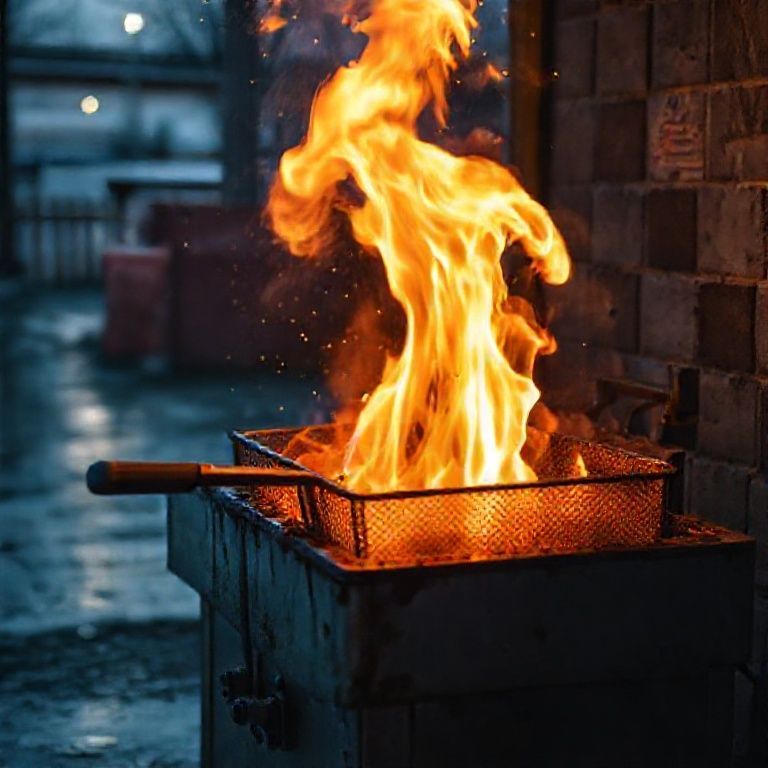
Let me paint you a picture, it’s 9:47 PM on a Saturday, your restaurant is packed, the line cook just dropped a tray of chicken wings into the fryer, and bam, grease ignites. Flames shoot up the hood like a demonic jack-in-the-box. Your heart stops. But then-othing happens. No panic, no fire department sirens, no viral TikTok of your kitchen turning into a bonfire. Why? Because the commercial kitchen fire suppression system you barely think about just did its job. Silent. Reliable. Like a ninja with a fire extinguisher.
I’ll admit, when I first moved to Nashville and started digging into the restaurant scene here (between trying to convince Luna, my rescue cat, that biscuits aren’t a suitable breakfast), I didn’t give fire suppression systems a second thought. They were just another line item on the inspection checklist, something the health department nagged about. But after talking to chefs, insurance agents, and a very patient fire marshal over too many cups of black coffee, I realized: this isn’t just compliance. It’s the difference between a minor hiccup and losing everything.
Here’s the thing: most operators treat these systems like a necessary evil, expensive, annoying to maintain, and only relevant when something goes wrong. But what if I told you that understanding how they work (and how to actually maintain them) could save you tens of thousands in downtime, insurance hikes, or, worst case, watching your livelihood go up in smoke? This isn’t just about passing inspections. It’s about protecting your people, your reputation, and your bottom line. And yeah, maybe sleeping a little better at night.
In this deep dive, we’re going to cover:
- How these systems actually work (spoiler: it’s not magic, but it’s close)
- The three critical types of suppression systems and when to use each
- Why your hood isn’t just a hood, it’s the first line of defense
- The maintenance mistakes that 90% of restaurants make (and how to avoid them)
- What happens when you ignore the little red “service required” tag (hint: it’s bad)
- How to talk to inspectors, contractors, and insurance agents without wanting to scream
- Real-world stories from chefs who’ve been through the fire (sometimes literally)
By the end, you’ll know more than your average health inspector, and you’ll be able to spot a shoddy installation from 10 paces. Let’s get into it.
The Anatomy of a Fire Suppression System: What’s Actually Hiding Above Your Fryer?
1. The Hood: Your Kitchen’s Unsung Hero (And Why It’s Not Just for Ventilation)
First, let’s talk about the exhaust hood. You probably think of it as the thing that sucks out smoke and grease, but in a fire suppression system, it’s ground zero. A properly designed hood does three things:
- Contains the fire: The baffle filters (those metal grids inside) slow down flames and prevent them from spreading horizontally.
- Directs the suppression agent: When the system activates, the hood funnels the chemical agent (usually a wet or dry powder) directly onto the fire source.
- Triggers the system: Most modern hoods have heat-sensitive fusible links that melt at temps around 286°F (141°C), releasing the suppression agent automatically.
Here’s where things get interesting: ot all hoods are created equal. A Type I hood (for grease-laden vapors) is mandatory over fryers, grills, and ranges. But I’ve seen kitchens where someone slapped a Type II hood (for steam and heat) over a deep fryer to save money. That’s like putting a screen door on a submarine-it’s not going to end well.
Pro tip: If your hood has grease buildup thicker than a Nashville hot chicken batter, your suppression system might not work even if it’s “up to code.” Grease acts as fuel, and if it’s caked on, the suppression agent can’t reach the fire. More on cleaning schedules later, but trust me, this is where most inspections fail.
2. The Suppression Agent: Wet vs. Dry vs. “Wait, What’s That Yellow Powder?”
Alright, let’s talk chemistry. The stuff that actually puts out the fire comes in three main flavors:
- Wet chemical agents (e.g., Ansul, Pyro-Chem): These are the gold standard for grease fires. When sprayed, they react with cooking oils to form a soapy blanket that smothers flames and cools the surface. Think of it like throwing a wet woolen blanket on a campfire, but with science.
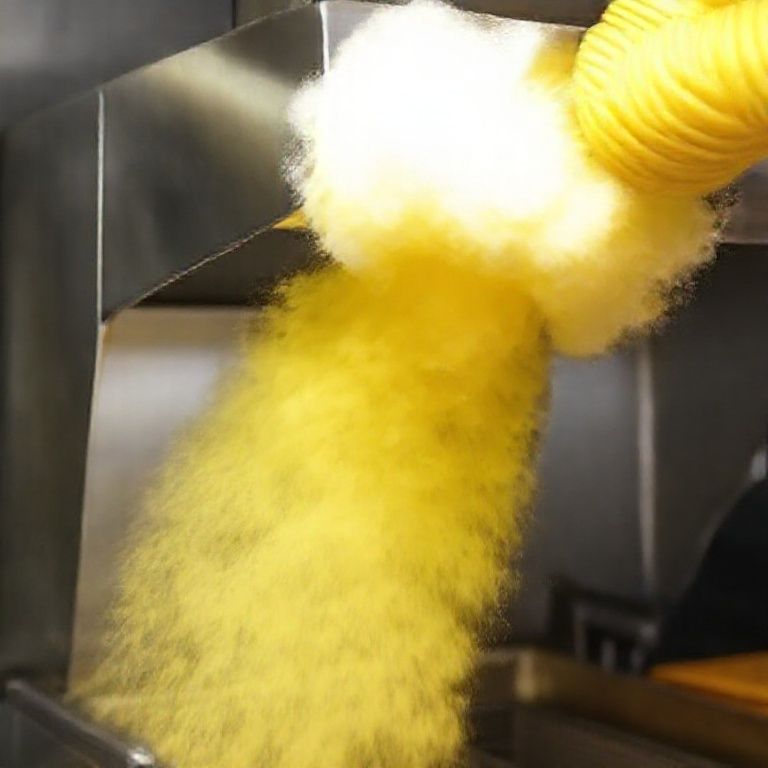
- Dry chemical agents (e.g., monoammonium phosphate): More common in older systems or for Class A/B fires (wood, paper, flammable liquids). Works by interrupting the chemical reaction of the fire. Downside? It’s messy, imagine your kitchen coated in yellow powder after activation.
- CO₂ systems: Used for electrical fires or areas where residue is a no-go (like some baking equipment). But here’s the catch: CO₂ displaces oxygen, which means if it activates in an enclosed space, it can asphyxiate anyone nearby. Not ideal for most commercial kitchens.
Now, here’s where I get opinionated: wet chemical systems are non-negotiable for grease fires. I’ve heard operators argue that dry chemical is “good enough” because it’s cheaper. But ask any fire marshal, dry chemical might put out the flames, but it won’t cool the grease. That means re-ignition risk is high. And re-ignition means your kitchen could go from “minor incident” to “total loss” while you’re still on the phone with the fire department.
Fun fact: The yellow residue from dry chemical systems? It’s corrosive. So not only do you have a fire, but now your equipment is getting eaten alive by the stuff that was supposed to save it. Wet chemical, on the other hand, leaves a soapy residue that’s easier to clean and less damaging. Is it more expensive upfront? Yes. Is it worth it? Absolutely.
3. Detection and Activation: How Your System Knows When to Save the Day
This is where the magic happens, or at least, where the engineering does. Most systems use a combination of:
- Fusible links: These are heat-sensitive metal alloys that melt at a specific temperature (usually 286°F), triggering the suppression agent release. They’re placed in the hood and ductwork.
- Manual pull stations: That red handle by the exit? Yeah, that’s your “oh crap” button. Pull it, and the system activates immediately.
- Pressure switches: Some systems monitor the pressure in the suppression agent tanks. If pressure drops (meaning the agent was released), it can trigger alarms or shut off fuel/gas lines.
Here’s what most people don’t realize: the system doesn’t just spray and pray. When activated, it:
- Shuts off the fuel or gas supply to the cooking equipment (if properly integrated).
- Releases the suppression agent in a controlled pattern to cover the entire cooking surface.
- Often triggers an alarm to alert staff and/or the fire department.
But, and this is a big but-if your gas lines aren’t tied into the suppression system, the fire could reignite as soon as the agent dissipates. I’ve seen this happen. It’s not pretty.
Quick story: A pizza place in East Nashville had a fire in their wood-fired oven. The suppression system activated, but because the gas line wasn’t interconnected, the pilot light relit the residual grease. The owner told me, “It was like watching a horror movie where the killer just won’t stay down.” Don’t be that guy. Always ensure fuel shutoff is part of your system.
4. The Ductwork: Where Fires Go to Hide (And Why Inspectors Obsess Over It)
If the hood is the front line, the ductwork is the trenches where fires love to ambush you. Grease builds up in ducts over time, and if a fire starts in the hood, it can travel into the ducts, where it’s harder to detect and suppress. That’s why:
- Ducts must be properly sized for airflow (too narrow = grease buildup).
- They need access panels for cleaning and inspection.
- Fusible links should be placed every 10–12 feet in the ductwork to ensure suppression agent reaches deep-seated fires.
I once talked to a fire inspector who showed me photos of a duct fire that spread through three stories of a building. The suppression system in the kitchen activated, but the ducts weren’t protected. The fire just… kept going. Like a zombie. Moral of the story? If your ducts aren’t part of your suppression plan, you don’t have a suppression plan.
The Three Types of Commercial Kitchen Fire Suppression Systems (And How to Choose the Right One)
1. Pre-Engineered Systems: The “Set It and Forget It” Option (Mostly)
These are the most common systems you’ll see in restaurants. Brands like Ansul, Pyro-Chem, and Kidde offer pre-engineered units designed for specific hazards (e.g., grease fires, solid fuel cooking). They’re:
- UL 300 listed: This means they’ve been tested to extinguish fires in commercial cooking equipment using modern cooking oils (which burn hotter than older oils).
- Modular: You can add or remove nozzles based on your equipment layout.
- Relatively easy to maintain: As long as you follow the service schedule (more on that later).
Pros:
- Proven effectiveness for grease fires.
- Widely accepted by insurance companies and inspectors.
- Can be customized for different cooking equipment (fryers, grills, woks).
Cons:
- Higher upfront cost than some alternatives.
- Requires professional installation and regular servicing.
- If you modify your kitchen layout, you may need to reconfigure the system.
Who should use it? 99% of restaurants, food trucks with deep fryers, and any kitchen using open flames or high-heat cooking. If you’re serving anything fried, grilled, or sautéed, this is your best bet.
2. Engineered Systems: For the “My Kitchen Is a Unique Snowflake” Crowd
These are custom-designed systems for non-standard setups, think large institutional kitchens, specialty restaurants (like wood-fired pizzerias), or facilities with unusual hazards. They’re designed by fire protection engineers based on:
- The specific fuels used (e.g., wood, charcoal, gas).
- The layout of the kitchen and ventilation system.
- Local fire codes and insurance requirements.
Pros:
- Tailored to your exact needs (no over- or under-protection).
- Can handle unique hazards (e.g., high-temperature wok cooking).
Cons:
- Expensive. Like, “I could’ve bought a used car” expensive.
- Longer lead times for design and installation.
- Requires ongoing relationship with the engineering firm for maintenance.
Who should use it? Large-scale operations, hospitals, universities, or restaurants with specialty equipment (e.g., a Mongolian grill or a tandoor oven). If your kitchen looks like a mad scientist’s lab, you might need this.
3. Portable Fire Extinguishers: The “Better Than Nothing” Backup
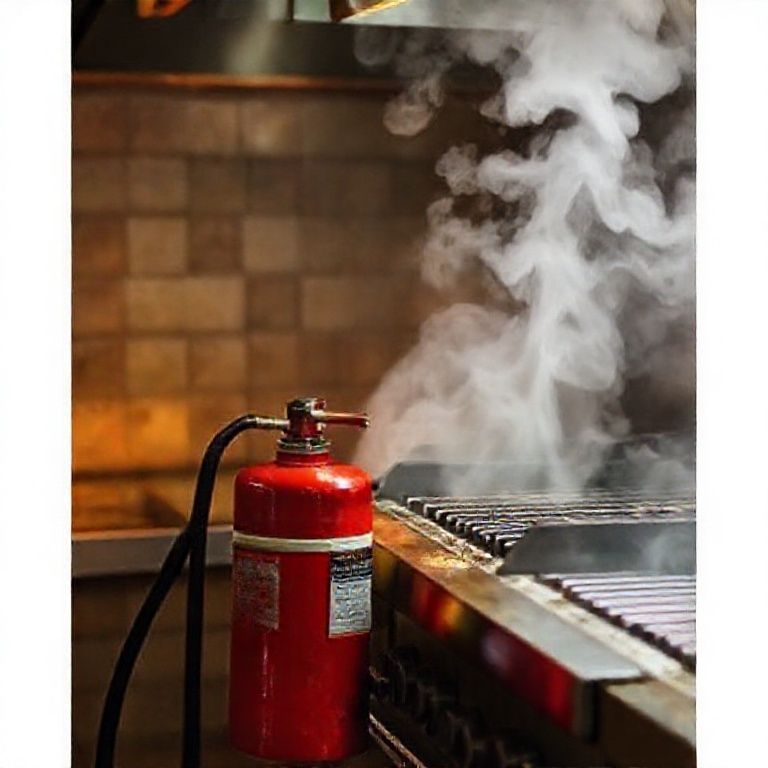
Look, I’m not going to tell you that a Class K fire extinguisher (the kind rated for grease fires) is a substitute for a full suppression system. But if your system fails, or if you’re in a food truck where space is tight, having the right extinguisher can be the difference between a scare and a disaster.
Key things to know:
- Class K extinguishers use a potassium acetate-based agent that reacts with grease to form a soapy layer (similar to wet chemical systems).
- They’re single-use-once you pull the pin, you’re committing to using the whole thing.
- OSHA requires them to be within 30 feet of cooking equipment and mounted in plain sight.
Pros:
- Relatively cheap ($100–$200 per unit).
- Easy to use (point, squeeze, sweep).
- Can buy you time until the suppression system kicks in (or the fire department arrives).
Cons:
- Limited coverage, won’t help if the fire is in the ducts.
- Requires staff training (more on that later).
- If you use the wrong type (e.g., a Class A extinguisher on a grease fire), you can make things worse.
Who should use it? Everyone, as a supplement. Even if you have a full suppression system, extinguishers are your first line of defense for small fires. But-and this is critical-they’re not a replacement for an automatic system.
The Maintenance Minefield: How to Avoid Costly Mistakes (And Keep Inspectors Off Your Back)
1. The 6-Month Rule: Why Skipping Service Is Like Playing Russian Roulette
Here’s the hard truth: most fire suppression systems fail because of poor maintenance, not defective equipment. NFPA 96 (the bible of kitchen fire safety) requires:
- Semi-annual inspections by a certified technician.
- Monthly visual checks by staff (looking for obvious issues like damaged nozzles or missing fusible links).
- Immediate service if the system is activated (even if it “seems fine”).
But let’s be real, how many of us actually do this? I’ve talked to restaurant owners who treat the semi-annual inspection like a dental cleaning: “Eh, I’ll get to it when I have time.” Here’s what happens when you skip it:
- The suppression agent can degrade over time, especially in humid environments (looking at you, Southern kitchens).
- Nozzles get clogged with grease or dust, reducing coverage.
- Fusible links corrode or get painted over (yes, I’ve seen this) and fail to activate.
- Your insurance company finds out and drops you like a hot potato.
I get it, maintenance contracts are expensive. But ask yourself: What’s more expensive, a $300 service call or a $50,000 kitchen rebuild? Spoiler: It’s the rebuild.
2. The Grease Trap Trap: Why Your Hood Cleaning Schedule Matters More Than You Think
Your suppression system is only as good as your hood cleaning schedule. NFPA 96 mandates:
- Monthly cleaning for high-volume kitchens (e.g., 24-hour diners, fast-food joints).
- Quarterly cleaning for moderate-volume kitchens (most sit-down restaurants).
- Semi-annual cleaning for low-volume kitchens (e.g., church kitchens, seasonal operations).
But here’s the kicker: most restaurants underestimate their volume. If you’re doing more than 100 meals a day, you’re likely in the monthly category, even if you don’t think so.
What happens if you don’t clean enough?
- Grease buildup insulates fusible links, preventing them from melting at the right temperature.
- The suppression agent can’t penetrate thick grease layers, so the fire keeps burning underneath.
- Your ducts become a fire highway, spreading flames to other parts of the building.
Pro tip: If your hood cleaning company isn’t providing before-and-after photos with each service, find a new company. You need proof that they’re actually doing the job, not just spraying some degreaser and calling it a day.
3. The “It Worked Once, So It’s Fine” Fallacy
I’ve heard this more times than I can count: “We had a small fire last year, the system worked, so we’re good.” No. No, you’re not. Here’s why:
- Activation depletes the suppression agent. Even if the fire was small, the system may not have enough left for a bigger one.
- The heat from the fire can damage components (e.g., warped nozzles, corroded fusible links).
- Insurance companies require immediate recertification after activation. If you don’t, you’re technically uninsured.
After any activation-even a false alarm-you must:
- Call your service provider to inspect and recharge the system.
- Document the incident (photos, time, cause) for your insurance company.
- Train staff on what went wrong and how to prevent it.
I once met a chef who ignored a small activation because “it was just a little flare-up.” Three months later, a bigger fire happened, and the system failed because the agent had leaked out after the first incident. The restaurant closed permanently. Don’t be that chef.
4. The Staff Training Gap: Why Your $10,000 System Is Useless If No One Knows How to Use It
You can have the fanciest suppression system on the market, but if your line cook doesn’t know how to:
- Recognize the early signs of a grease fire (e.g., excessive smoke, popping grease).
- Manually activate the system (yes, even automatic systems have manual pulls).
- Use a Class K extinguisher properly (hint: it’s not like in the movies).
- Evacuate safely if the fire spreads.
…then you’ve just got an expensive paperweight.
Here’s what training should include:
- Hands-on extinguisher practice (use a training propane pan, it’s worth the cost).
- System walkthroughs: Show staff where the manual pull is, how to identify a suppressed fire (e.g., soapy residue), and what to do if the system fails.
- Fire drill scenarios: “What if the fryer catches fire during lunch rush?” Role-play it.
Bonus: Some insurance companies offer discounts for documented training programs. So not only are you safer, but you might save money. Win-win.
Common Mistakes That Turn Small Fires Into Nightmares (And How to Avoid Them)
1. The “Out of Sight, Out of Mind” Syndrome
Most kitchen fires start small, a flare-up in the fryer, a grease spill on the grill. But because suppression systems are hidden above the hood, staff often ignore early warning signs until it’s too late. Common red flags:
- Excessive smoke from the hood (could mean grease buildup or a smoldering fire).
- A “burning” smell that isn’t food-related.
- The suppression system’s pressure gauge is in the red (indicating low agent levels).
- Fusible links are missing or painted over (yes, this happens more than you’d think).
Solution: Assign a staff member to do a daily visual check of the hood and suppression system. It takes 30 seconds and could save your business.
2. The DIY Disaster: Why You Should Never “Fix” the System Yourself
I’ve seen it all:
- A chef who “repaired” a broken fusible link with duct tape.
- An owner who removed nozzles because they “got in the way” of cleaning.
- A manager who painted over the entire system to “match the decor.”
Do not do this. Tampering with a fire suppression system can:
- Void your insurance.
- Make the system fail when you need it most.
- Get you fined or shut down by the fire marshal.
If something looks wrong-call a professional. Period.
3. The “But It’s Too Expensive” Excuse (And Why It’s a False Economy)
I get it. A new suppression system can cost $5,000–$20,000 depending on your kitchen size. Maintenance contracts run $500–$1,500 per year. That’s a lot of money, especially for independent operators. But let’s do some math:
- The average restaurant fire causes $23,000 in damages (NFPA data).
- If your kitchen is closed for a week due to fire damage, you lose revenue + wages + reputation.
- Insurance premiums skyrocket after a fire claim (if they don’t drop you entirely).
Is $1,500 a year expensive? Sure. Is it cheaper than $50,000 in damages plus lost business? Not even close.
4. The Insurance Loophole You Didn’t Know About
Most restaurant insurance policies have a clause that says something like: “Coverage is contingent on compliance with all local fire codes and manufacturer recommendations for fire suppression systems.” Translation: If your system isn’t up to code, your insurance won’t pay out.
I’ve heard horror stories of restaurants that had fires, filed claims, and were denied because:
- The suppression system hadn’t been serviced in 18 months.
- The hood wasn’t cleaned to NFPA standards.
- The system was installed by an unlicensed contractor.
Solution: Keep detailed records of every inspection, cleaning, and maintenance visit. If your insurance company asks, you can prove you did everything by the book.
How to Talk to Contractors, Inspectors, and Insurance Agents Without Losing Your Mind
1. The Contractor Conversation: What to Ask Before Signing Anything
Not all fire suppression contractors are created equal. Before hiring someone, ask:
- “Are you licensed and certified for commercial kitchen systems?” (Some only do residential or industrial.)
- “Do you use UL 300-listed systems?” (If they hesitate, walk away.)
- “Can you provide references from restaurants similar to mine?”
- “What’s your response time for emergencies?” (If they say “48 hours,” that’s too long.)
- “Do you offer training for my staff?” (If not, find someone who does.)
Red flags:
- They suggest “grandfathering” an old system instead of upgrading to UL 300 standards.
- They don’t provide a detailed written estimate.
- They pressure you to sign immediately (“limited-time discount!”).
2. The Inspector Interaction: How to Pass with Flying Colors
Fire marshals and health inspectors aren’t out to get you, they’re trying to prevent disasters. But they will cite you for:
- Missing or expired suppression system tags.
- Grease buildup in hoods or ducts.
- Blocked access to manual pulls or extinguishers.
- Missing or damaged fusible links.
How to make their job easier (and yours):
- Keep a binder with all inspection and maintenance recordsear the kitchen entrance.
- Do a pre-inspection walkthrough yourself to catch obvious issues.
- If they find a problem, ask for clarification on how to fix it, don’t argue.
Pro tip: Build a relationship with your local fire marshal. Invite them for a coffee and a kitchen tour before your official inspection. They’ll often point out potential issues you can fix proactively.
3. The Insurance Negotiation: How to Lower Premiums Without Cutting Corners
Insurance companies love restaurants with robust fire suppression systems, because they’re less likely to burn down. Here’s how to leverage that:
- Ask about discounts for:
- UL 300-listed systems.
- Documented staff training programs.
- Automatic fuel shutoff valves.
- Provide proof of regular maintenance (this can lower premiums by 10–20%).
- Consider a higher deductible if you have a top-tier suppression system (since the risk of a major fire is lower).
Warning: If an insurer offers a significantly lower premium than competitors, read the fine print. They might exclude fire damage or require unrealistic safety measures.
Real-World Stories: When Fire Suppression Systems Saved (or Sank) Restaurants
1. The Nashville Hot Chicken Miracle
A popular hot chicken spot in East Nashville had a grease fire in their fryer at 2 AM during a late-night rush. The suppression system activated, the fire was out in seconds, and they were back open by lunch the next day. Total damage? $800 (mostly for cleanup and recharging the system). The owner told me, “Best money I ever spent. That system paid for itself in one night.”
2. The Food Truck Nightmare
A food truck in Austin had a propane leak that ignited near their grill. Their suppression system was a cheap, non-UL-listed unit installed by a “friend.” It failed to activate, and the fire spread to the propane tank. The explosion injured two people and totaled the truck. The owner had no insurance (because the system wasn’t up to code), and the business folded. Moral: Don’t cut corners on mobile kitchens. Fires spread faster in confined spaces.
3. The Wood-Fired Pizza Lesson
A pizzeria in Portland had a chimney fire from their wood-fired oven. Their suppression system was designed for grease fires, not solid fuel. By the time the fire department arrived, the roof was engulfed. The owner now has an engineered system with additional heat sensors in the chimney. His advice? “If you’re doing anything non-standard, spend the extra money on a custom system.”
The Future of Fire Suppression: What’s Next for Kitchen Safety?
1. Smart Systems: AI and IoT Enter the Kitchen
Newer systems are integrating smart sensors that can:
- Detect fires before they start (by monitoring temperature spikes).
- Send alerts to your phone if the system is activated.
- Automatically shut off fuel and ventilation to contain the fire.
Companies like Firetrace and Tyco are leading the charge here. Are they expensive? Yes. Are they worth it for high-risk kitchens? Probably.
2. Eco-Friendly Suppression Agents
The traditional wet chemical agents are effective but not exactly green. Newer, bio-based suppression agents are hitting the market, offering:
- Lower toxicity.
- Easier cleanup (less corrosive residue).
- Better compatibility with high-efficiency ventilation systems.
Will they replace traditional systems? Not yet, but if sustainability is a priority for your brand, keep an eye on this space.
3. Modular Systems for Food Trucks and Pop-Ups
Mobile kitchens have unique challenges (limited space, vibration, power constraints). New modular suppression systems are being designed specifically for food trucks, with:
- Compact, lightweight agents.
- Vibration-resistant mounting.
- Battery-backed activation (in case of electrical failure).
If you’re in the food truck game, this is a game-changer. No more duct-taping extinguishers to the wall and hoping for the best.
Your Action Plan: What to Do Right Now
If you’ve made it this far, congratulations, you now know more about fire suppression systems than 90% of restaurant operators. But knowledge without action is useless. Here’s your step-by-step plan:
- Inspect your system today. Look for:
- Missing or damaged fusible links.
- Expired service tags (check the date!).
- Grease buildup in the hood or ducts.
- Obstructed manual pull stations.
- Call your suppression system provider. Ask:
- “When was our last full inspection?”
- “Are we due for a recharge or upgrade?”
- “Can you provide training for our staff?”
- Review your hood cleaning schedule. If you’re not cleaning monthly (or quarterly at minimum), adjust your contract.
- Check your insurance policy. Confirm that your suppression system meets their requirements. If not, get it fixed before you need to file a claim.
- Train your team. Hold a 15-minute fire safety meeting this week. Cover:
- How to recognize a grease fire.
- Where the manual pull is and how to use it.
- How to use a Class K extinguisher.
- Evacuation routes.
- Budget for upgrades. If your system is more than 10 years old, start planning for a replacement. Technology has improved, and older systems may not meet current UL 300 standards.
Final thought: A fire suppression system is like a seatbelt. You hope you’ll never need it, but when you do, othing else matters. The restaurants that survive fires aren’t the lucky ones, they’re the prepared ones.
Now go check your fusible links. I’ll be here, eating hot chicken and pet-sitting Luna, who still refuses to acknowledge that biscuits are not a cat food group.
FAQ: Your Burning (Pun Intended) Questions Answered
Q: How often do I reallyeed to service my fire suppression system?
A: NFPA 96 requires semi-annual inspections by a certified technician. But here’s the catch: if you’re a high-volume kitchen (think 24-hour diner or fast-food joint), you might need quarterly checks. And if your system is ever activated-even for a small fire-you need to call for service immediately. Skipping inspections is like skipping oil changes in your car: it might work for a while, but when it fails, it’s going to be expensive.
Q: Can I use a regular fire extinguisher on a grease fire?
A: No, no, and no. Water or Class A extinguishers will spread a grease fire. You must use a Class K extinguisher (or a wet chemical suppression system). Class K agents are designed to react with cooking oils to form a soapy layer that smothers the fire. Using the wrong extinguisher can turn a small flare-up into a full-blown inferno. And yes, I’ve seen it happen. It’s not pretty.
Q: My suppression system is 15 years old. Does it need to be replaced?
A: Maybe. The big question is: Is it UL 300 listed? If it’s older than 2000, probably not. Modern cooking oils burn hotter than older oils, and pre-UL 300 systems weren’t designed for them. Even if it’s “working,” it might not be effective against today’s fires. Call a certified technician to assess it, don’t wait until an inspector red-tags you (or worse, until it fails during a fire).
Q: What’s the most common reason fire suppression systems fail?
A: Poor maintenance. Hands down. Whether it’s clogged nozzles, degraded suppression agent, or missing fusible links, most failures are preventable. The second biggest issue? Improper installation-like systems that aren’t tied into fuel shutoffs or have inadequate coverage for the equipment. If your system hasn’t been inspected in over a year, that’s your first red flag.
@article{commercial-kitchen-fire-suppression-systems-the-unseen-guardian-of-your-culinary-empire-and-why-youre-probably-underestimating-it,
    title   = {Commercial Kitchen Fire Suppression Systems: The Unseen Guardian of Your Culinary Empire (And Why You’re Probably Underestimating It)},
    author  = {Chef's icon},
    year    = {2025},
    journal = {Chef's Icon},
    url     = {https://chefsicon.com/commercial-kitchen-fire-suppression-systems/}
}