The Best Fluffy Pancakes recipe you will fall in love with. Full of tips and tricks to help you make the best pancakes.
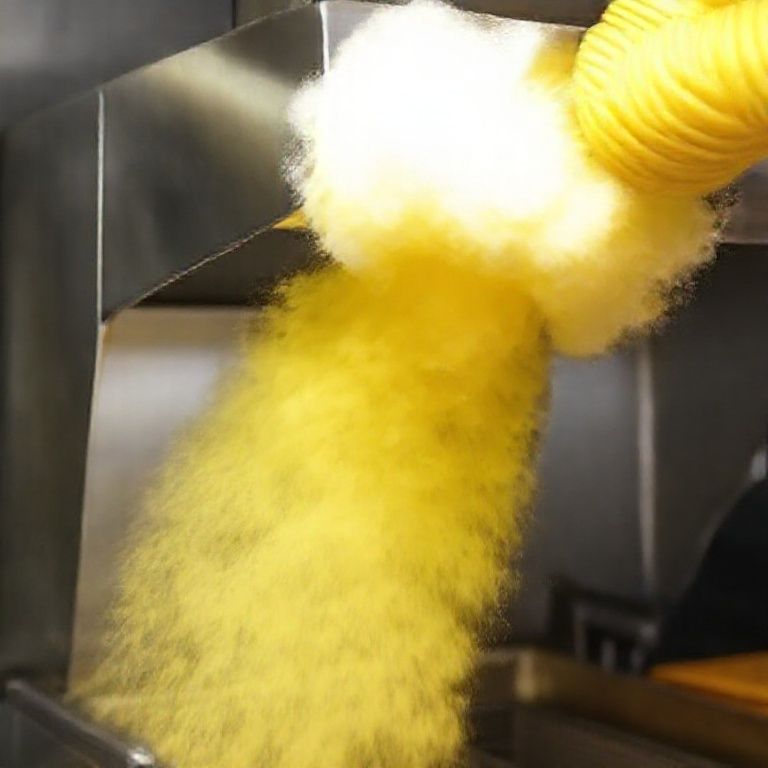
Table of Contents
- 1 The Brutal Truth About Kitchen Fires (And Why Suppression Systems Are Non-Negotiable)
- 2 Types of Commercial Kitchen Fire Suppression Systems: Which One Fits Your Kitchen?
- 3 How Fire Suppression Systems Actually Work (The Mechanics Behind the Magic)
- 4 Where to Install Your System (And Where Most People Mess Up)
- 5 Maintenance: The Difference Between a System That Works and One That Fails
- 6 Code Compliance: How to Stay on the Right Side of the Fire Marshal
- 7 Choosing a Fire Suppression System: 7 Questions You Must Ask Before Buying
- 8 Real-World Stories: When Fire Suppression Systems Succeed (and Fail)
- 9 Future Trends: What’s Next for Kitchen Fire Suppression?
- 10 Final Thoughts: Your Kitchen’s Safety Is in Your Hands
- 11 FAQ: Your Burning Questions Answered
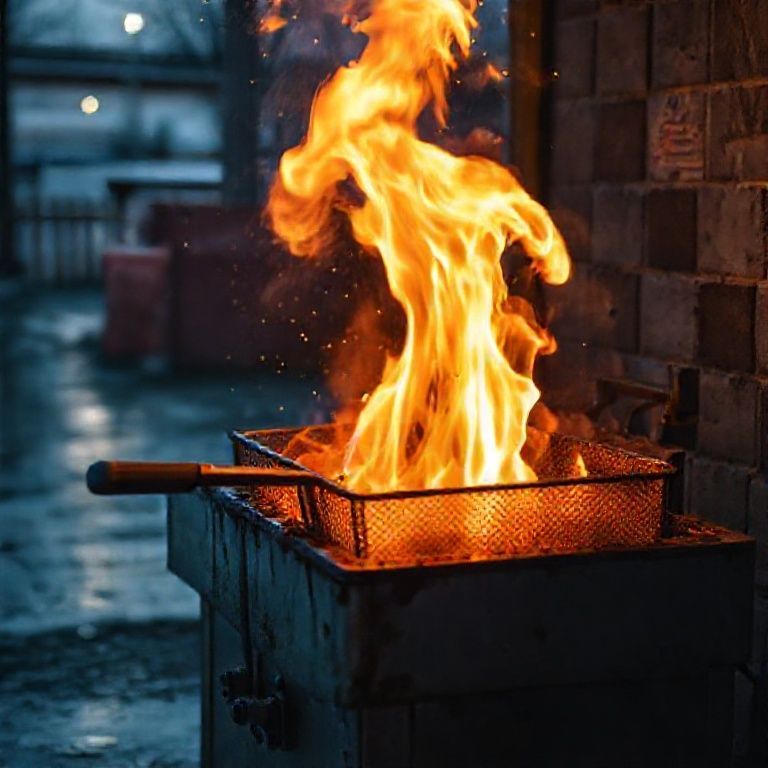
Let me tell you about the time I nearly lost my favorite Nashville BBQ joint to a grease fire. It was 2 AM on a Saturday, the kitchen was packed with orders, and suddenly-whoosh-flames shot up from the fryer like some kind of culinary dragon. The suppression system kicked in, dousing everything in that weird yellow foam, and we all just stood there, stunned. That moment changed how I think about kitchen safety forever. Because here’s the thing: commercial kitchen fire suppression systems aren’t just a legal checkbox, they’re the difference between a close call and a five-alarm disaster.
If you’re running a restaurant, food truck, or any commercial kitchen, you already know fires are a constant threat. But here’s what most people don’t realize: not all suppression systems are created equal. Some are designed for grease fires, others for electrical, and a few can handle both. The wrong system in the wrong place? That’s like bringing a squirt gun to a wildfire. And with NFPA reporting that restaurant fires cause an average of $172 million in property damage annually, this isn’t something you can afford to get wrong.
In this guide, we’re diving deep, like, scuba-gear-required deep, into everything you need to know about commercial kitchen fire suppression systems in 2025. We’ll cover:
- How these systems actually work (spoiler: it’s not magic, but it’s close)
- The different types of systems and which one matches your kitchen’s risks
- Installation quirks that can make or break effectiveness (yes, placement matters a lot)
- Maintenance schedules that’ll keep inspectors off your back, and your kitchen safe
- Real-world stories (like mine) that’ll make you double-check your own setup
By the end, you’ll know more than most fire marshals about keeping your kitchen, and your business, protected. And hey, if I can save even one person from the sheer panic of watching flames lick the ceiling, this’ll all be worth it.
The Brutal Truth About Kitchen Fires (And Why Suppression Systems Are Non-Negotiable)
First, let’s get real about the stakes. Commercial kitchens are essentially controlled chaos zones. You’ve got open flames, scorching oil, electrical equipment running at full tilt, and, let’s be honest, sometimes exhausted staff who might cut corners. The National Fire Protection Association (NFPA) reports that cooking equipment is the leading cause of restaurant fires, accounting for 61% of all incidents. And grease? That’s the accelerant turning a small flare-up into an inferno in seconds.
Here’s what most people don’t grasp: fire suppression systems aren’t just about putting out fires, they’re about buying time. When a system activates, it’s doing three critical things:
- Extinguishing the flames (usually with a wet chemical agent for grease fires or dry powder for electrical)
- Cooling surrounding surfaces to prevent re-ignition
- Cutting off the fuel source (like shutting down gas or electric to the affected appliance)
Without a system, you’re relying on staff to grab an extinguisher, which, in the heat of the moment (pun intended), often doesn’t happen fast enough. I’ve seen it: panicked cooks throwing water on a grease fire (big no-no), or trying to move a flaming pot and spreading the fire instead. A proper suppression system reacts instantly, often before humans even register the danger.
But here’s where it gets tricky: not all systems are designed for the same threats. A system built for a deep fryer won’t handle an electrical fire in your exhaust hood. And if you’re running a wood-fired pizza oven? That’s a whole different beast. We’ll break down the types next, but first, let me ask you this: Do you know what kind of fires your kitchen is most vulnerable to? If not, you’re already behind.
The Domino Effect of a Kitchen Fire
Think a fire’s just about the flames? Think again. The ripple effects can destroy a business:
- Immediate closure: Even a small fire can trigger a health department shutdown while they investigate.
- Reputation damage: News travels fast. A “fire at [Your Restaurant]” headline lingers long after the smoke clears.
- Insurance nightmares: Premiums skyrocket after a claim, and some insurers may drop you entirely.
- Staff trauma: I’ve seen line cooks quit after a fire. The psychological toll is real.
And here’s the kicker: most fires are preventable. The NFPA found that failure to clean (hello, grease buildup) and unattended cooking are the top two causes. But even with perfect cleaning habits, equipment malfunctions or human error can still strike. That’s why suppression systems aren’t a “nice-to-have”-they’re your last line of defense when everything else fails.
Types of Commercial Kitchen Fire Suppression Systems: Which One Fits Your Kitchen?
Alright, let’s get into the nitty-gritty. Not all suppression systems are created equal, and choosing the wrong one is like putting a band-aid on a bullet wound. Here’s the breakdown of what’s out there in 2025:
1. Wet Chemical Systems (The Grease-Fire Slayer)
If your kitchen has deep fryers, grills, or any equipment that uses cooking oil, this is your gold standard. Wet chemical systems (like Ansul R-102 or Pyro-Chem FK-5-1-12) work by:
- Spraying a foamy alkaline solution that reacts with grease to form a soapy layer, smothering the fire.
- Cooling the surface to prevent re-ignition (critical for hot grease).
- Often integrating with gas or electric shutoffs to cut fuel to the fire.
Pros:
- Best for Class K fires (grease, cooking oils, animal fats).
- Fast-acting, usually extinguishes in under 10 seconds.
- Required by code in most commercial kitchens with cooking equipment.
Cons:
- Not effective for electrical fires (unless it’s a hybrid system).
- Requires thorough cleanup after discharge (that foam is sticky).
- Can be corrosive to some metals if not cleaned properly.
Best for: Restaurants, food trucks, catering kitchens, and any setup with open-flame cooking or fryers.
2. Dry Chemical Systems (The Jack-of-All-Trades)
These use a powdered extinguishing agent (like monoammonium phosphate) to smother fires by interrupting the chemical reaction. They’re versatile but messier than wet systems.
Pros:
- Works on Class A (ordinary combustibles), B (flammable liquids), and C (electrical) fires.
- Good for kitchens with diverse fire risks (e.g., a bakery with ovens and electrical equipment).
Cons:
- Not ideal for grease fires-can actually spread burning grease if not applied correctly.
- Creates a huge cleanup mess (imagine flour everywhere, but worse).
- Can be abrasive to kitchen equipment over time.
Best for: Bakeries, pizzerias (wood-fired ovens), or kitchens with mixed fire risks. But if you’ve got fryers, pair this with a wet system.
3. CO₂ Systems (The Clean but Cold Option)
Carbon dioxide systems work by displacing oxygen, which smothers the fire. They’re clean (no residue) but have limitations.
Pros:
- No cleanup required-evaporates completely.
- Safe for electrical fires and sensitive equipment.
Cons:
- Ineffective for grease fires (CO₂ can’t cool hot grease enough to prevent re-ignition).
- Dangerous in enclosed spaces-can displace breathable air, risking asphyxiation.
- Requires high concentrations (30-50%) to work, which isn’t practical for most kitchens.
Best for: Electrical rooms or storage areas, not ideal for main cooking spaces.
4. Water Mist Systems (The High-Tech Newcomer)
These are the ew kids on the block, using fine water droplets to cool and smother fires. They’re gaining traction in Europe and are starting to appear in U.S. kitchens.
Pros:
- Works on Class A, B, and K fires (yes, even grease).
- Minimal water damage compared to sprinklers.
- Eco-friendly (no chemical agents).
Cons:
- Expensive-can cost 2-3x more than traditional systems.
- Limited long-term data on effectiveness in commercial kitchens.
- Requires precise installation to avoid creating steam burns.
Best for: High-end restaurants or kitchens prioritizing sustainability. But I’d wait a few years for more field testing before jumping in.
5. Hybrid Systems (The Best of Both Worlds?)
Some newer systems combine wet chemicals for grease fires and dry chemicals or CO₂ for electrical. These are ideal for complex kitchens but come with higher costs and maintenance needs.
Best for: Large commercial kitchens (hotels, casinos, institutional settings) with diverse fire risks.
Which System Do You Need?
Here’s a quick decision tree:
- Got fryers, grills, or open flames? → Wet chemical system (non-negotiable).
- Wood-fired oven or heavy electrical equipment? → Dry chemical or hybrid.
- Mostly baking or low-grease cooking? → Dry chemical may suffice.
- High-tech, eco-conscious kitchen? → Water mist (but do your homework).
Still unsure? Most fire protection companies offer free risk assessments. Take them up on it, it’s like a fire insurance policy for your peace of mind.
How Fire Suppression Systems Actually Work (The Mechanics Behind the Magic)
Ever wondered what happens in the 30 seconds between “Oh no” and “Thank god that’s over”? Let’s break down the anatomy of a suppression system activation:
1. Detection: The First Line of Defense
Most systems use heat-sensitive fusible links or electronic sensors to detect fires. Here’s how they differ:
- Fusible links: Metal alloys that melt at specific temps (usually 165–360°F), triggering the system. Simple, reliable, but one-and-done-they need replacement after activation.
- Electronic sensors: More precise, can detect rate-of-rise temperature changes, and sometimes integrate with smart kitchen systems. But they’re pricier and require power.
Pro tip: Place sensors above cooking equipment (not inside hoods) for fastest response. I’ve seen systems fail because sensors were buried under layers of grease, don’t let that be you.
2. Activation: The Domino Effect
Once a sensor triggers, here’s what happens (usually in under 5 seconds):
- The control panel gets the signal and verifies it’s not a false alarm (some systems use dual sensors for this).
- If confirmed, the panel releases the extinguishing agent through nozzles aimed at the fire source.
- Simultaneously, it shuts off fuel/gas/electricity to the affected appliance (if integrated).
- The agent smothers the fire (chemical reaction for grease, oxygen displacement for electrical, etc.).
- Some systems also sound alarms and notify monitoring services.
Critical note: If your system doesn’t cut off the fuel source, the fire can re-ignite. This is why integration with gas/electric shutoffs is non-negotiable.
3. The Aftermath: What Happens Post-Discharge?
Once the system activates, you’re not out of the woods yet. Here’s what to expect:
- Wet chemical systems: You’ll have a foamy, soapy mess to clean up. The agent is corrosive, so you’ll need to wipe down all surfaces ASAP to prevent damage.
- Dry chemical systems: Prepare for a powdery residue everywhere. It’s not toxic, but it’s a pain to clean and can clog equipment if left.
- CO₂ or water mist: Minimal cleanup, but you’ll need to ventilate the area (CO₂ displaces oxygen).
And here’s the kicker: most systems require a full reset after activation. That means:
- Replacing fusible links or recharging cylinders.
- Inspecting nozzles and pipes for damage.
- Testing the system to ensure it’s ready for round two.
Ever had a system go off accidentally? It happens more than you’d think, usually from steam or extreme heat (like a flare-up from a charbroiler). That’s why regular maintenance isn’t just recommended; it’s survival.
Where to Install Your System (And Where Most People Mess Up)
I’ve seen $20,000 suppression systems fail because of poor placement. Here’s how to avoid that fate:
1. The Hood: Your First Priority
The exhaust hood is ground zero for grease fires. Your suppression system must cover:
- The entire hood interior (not just the filters).
- The ductwork for at least 12–18 inches (some codes require full duct coverage).
- All cooking appliances underneath (fryers, grills, ranges).
Common mistake: Installing nozzles only at the hood’s edges, leaving dead zones where fires can spread. Ask your installer for a heat map of coverage, if they can’t provide one, walk away.
2. Appliance-Specific Protection
Not all appliances need the same coverage. Here’s the breakdown:
- Deep fryers: Need direct overhead nozzles plus side coverage (grease fires can climb walls).
- Charbroilers/grills: Require ozzles on all sides-flare-ups here are aggressive.
- Wood-fired ovens: Need dry chemical or hybrid systems (wet chemicals can react poorly with wood ash).
- Electrical equipment (like combi ovens): May need separate CO₂ or dry chemical protection.
3. The Forgotten Zones
Most kitchens focus on the hood and appliances but ignore:
- Grease traps: A fire here can spread through ducts. Some systems now include in-line extinguishing for traps.
- Exhaust fans: If the fan keeps running during a fire, it can spread flames into ducts. Your system should auto-shutoff fans.
- Adjacent walls/ceilings: Heat can ignite nearby surfaces. Some high-end systems include thermal barriers.
4. The “But It’s Too Expensive” Trap
I get it, suppression systems aren’t cheap. A full wet chemical setup for a mid-sized restaurant can run $5,000–$15,000 installed. But here’s the math that changed my mind:
- Average grease fire damage: $50,000–$200,000 (not including lost revenue).
- Insurance premium hikes post-fire: 20–50% for 3–5 years.
- Downtime: 3–6 months for repairs/rebuilding (if you reopen at all).
Still think it’s too expensive? What’s your business worth?
Maintenance: The Difference Between a System That Works and One That Fails
Here’s a hard truth: A neglected suppression system is worse than no system at all. It gives you a false sense of security while failing when you need it most. In 2025, NFPA 96 (the standard for ventilation control and fire protection) mandates semi-annual inspections for most commercial kitchen systems. But if you want to actually sleep at night, here’s what you should do:
1. The 6-Month Rule (And Why You Should Do More)
NFPA 96 requires inspections every 6 months, but quarterly checks are smarter. Here’s what should happen:
- Visual inspection of nozzles, pipes, and fusible links (look for corrosion, blockages, or damage).
- Function test: Simulate a fire to ensure the system activates (some companies use heat guns for this).
- Agent check: Verify the extinguishing agent hasn’t degraded or leaked.
- Ductwork cleaning: Grease buildup in ducts can reignite fires. NFPA 96 says ducts must be “clean to bare metal”-no shortcuts.
Pro tip: Schedule inspections right after your busiest season. That’s when systems take the most abuse.
2. The “It’s Just a Little Grease” Lie
I’ve heard every excuse:
- “We’ll clean the hood next week.”
- “That grease isn’t that bad.”
- “The system will handle it.”
Here’s the reality: Grease is jet fuel for fires. A 1/8-inch layer of grease in your hood can turn a flare-up into a blowtorch. And if your suppression system activates but the ducts are clogged with grease? The fire can spread into the walls, where sprinklers can’t reach it.
NFPA 96 standards for grease:
- Hoods and ducts: Clean every 1–3 months (depending on volume).
- Filters: Weekly cleaning (or daily for high-volume kitchens).
- Exhaust fans: Monthly inspection for buildup.
Think you’re cleaning enough? Take a flashlight and look inside your hood after a shift. If you see more than a thin film, you’re playing with fire, literally.
3. The DIY Maintenance Myth
I’ll admit it, I used to think I could handle maintenance myself. Then I watched a kitchen manager “test” their system by spraying water into the hood to see if the sensors worked. (Spoiler: It triggered a false discharge, costing $3,000 in cleanup and recharging.)
Here’s what only certified technicians should do:
- Recharging extinguishing agents (wrong pressure = system failure).
- Replacing fusible links (they’re calibrated to specific temps).
- Testing gas/electric shutoffs (mess this up, and you could cause an explosion).
What you can do:
- Wipe down nozzles monthly (use a damp cloth, no harsh chemicals).
- Check for obvious damage (bent pipes, cracked nozzles).
- Keep the area around the control panel clear.
4. The Paperwork That Saves Your Business
If a fire happens, the first thing inspectors will ask for is your maintenance log. No log? That’s an automatic liability nightmare. Here’s what to track:
- Dates of all inspections/tests.
- Name of the technician and company.
- Any issues found and how they were resolved.
- Agent recharge or part replacement dates.
Digital tip: Use an app like KitchenFireLog or SafetyCulture to track maintenance. Paper logs get lost; digital ones don’t.
Code Compliance: How to Stay on the Right Side of the Fire Marshal
Fire codes aren’t just bureaucracy, they’re written in blood (sometimes literally). Here’s what you must know to stay compliant in 2025:
1. NFPA 96: The Bible of Kitchen Fire Safety
The National Fire Protection Association’s Standard 96 is the gold standard for commercial kitchen ventilation and fire protection. Key requirements:
- Automatic suppression systems are mandatory for all commercial cooking equipment that produces grease-laden vapors.
- Systems must be UL 300 listed (or equivalent) for grease fires.
- Ducts must be constructed of steel (no aluminum or plastic).
- Hoods must extend 6 inches beyond cooking equipment on all sides.
2025 update: NFPA now requires remote monitoring for suppression systems in kitchens over 2,500 sq ft. This means your system must alert a central station if it activates.
2. Local Amendments: Where Things Get Tricky
NFPA 96 is the baseline, but local jurisdictions can, and do, add requirements. For example:
- California: Requires additional duct access panels for inspection.
- New York City: Mandates annual duct cleaning certifications (not just semi-annual).
- Texas: Some counties require fire suppression system interlocks with gas valves.
How to stay ahead:
- Get a copy of your local fire code amendments (your fire marshal’s office can provide this).
- Hire a fire protection engineer to review your setup if you’re in a high-risk area (like a historic building).
- Attend your local restaurant association’s safety seminars-code updates often get discussed there first.
3. The Inspection Process: What to Expect
Fire marshals don’t show up to make friends. Here’s what they’ll check:
- System certification: Is it UL 300 listed? When was the last inspection?
- Nozzle placement: Are all cooking appliances covered?
- Ductwork cleanliness: They’ll shine a flashlight into your ducts. If they see grease, you’re getting a violation.
- Gas/electric shutoffs: Do they work? Are they properly labeled?
- Staff training records: Can your team manually activate the system if needed?
Red flags that trigger deeper inspections:
- Missing or outdated inspection tags.
- Grease buildup visible on hood exterior.
- Staff who can’t answer basic questions about the system.
4. The Cost of Non-Compliance
Think cutting corners saves money? Let’s do the math:
- Failed inspection: $200–$500 fine (first offense). Repeat violations can hit $10,000+.
- Forced closure: $1,000–$5,000 per day in lost revenue until you fix issues.
- Insurance voidance: If a fire happens and you’re not compliant, your insurer can deny your claim.
- Legal liability: If someone’s injured, non-compliance is egligence in court.
Still tempted to skip that inspection?
Choosing a Fire Suppression System: 7 Questions You Must Ask Before Buying
Not all systems, or installers, are equal. Here’s how to avoid costly mistakes:
1. “Is This System UL 300 Listed?”
If the answer isn’t an immediate “yes,” walk away. UL 300 is the standard for grease fire suppression. Older systems (pre-1994) used UL 300A, which is now obsolete. Don’t let an installer talk you into a “grandfathered” system, it won’t pass modern inspections.
2. “What’s the Exact Coverage Area?”
Ask for a heat map showing nozzle placement and coverage radii. I’ve seen systems where nozzles were placed based on “what looked good” rather than actual fire risks. Demand data.
3. “How Does It Integrate With My Existing Equipment?”
Your suppression system should:
- Auto-shutoff gas/electric to affected appliances.
- Trigger alarms (audible and visual).
- Notify your fire monitoring service (if applicable).
Warning: Some older kitchens have gas lines without automatic shutoff valves. Retrofitting these can add $1,000–$3,000 but is on-negotiable for safety.
4. “What’s the Total Cost of Ownership?”
The sticker price is just the start. Ask about:
- Installation fees (some companies quote low then hit you with $2,000 in “unexpected” labor).
- Maintenance contracts (some include free inspections; others charge $500 per visit).
- Recharge costs (after activation, recharging can cost $1,000–$3,000).
- Warranty terms (some void warranties if you don’t use their maintenance service).
5. “Can I See a Live Demo?”
Any reputable company will have a test kitchen where they can demonstrate the system. If they won’t show you how it works, that’s a red flag. Watch how quickly it activates and whether it fully extinguishes the fire.
6. “What’s Your Response Time for Emergencies?”
If your system goes off at 2 AM, how fast can they be on-site to recharge it? Some companies offer 24/7 emergency service; others make you wait until Monday. Ask for their average response time in writing.
7. “Do You Offer Staff Training?”
A system is only as good as the people using it. The best companies include:
- Hands-on training for your team.
- Clear emergency protocols (e.g., “If the system activates, evacuate immediately”).
- Signage showing manual activation points and shutoff valves.
Pro tip: Film the training session. Staff turnover is high in kitchens, having a video ensures new hires know what to do.
Real-World Stories: When Fire Suppression Systems Succeed (and Fail)
Let’s get real for a minute. Theory is great, but nothing drives home the importance of these systems like real stories. Here are a few from my years in the industry:
The BBQ Joint That Almost Wasn’t
Remember the story I started with? That was my friend’s place, Smoke & Honey BBQ in East Nashville. A grease fire started in the fryer at 2 AM during a rush. The Ansul system kicked in, dousing the flames in seconds. But here’s what most people don’t realize:
- The system shut off the gas to the fryer, preventing re-ignition.
- The hood suppression contained the fire to the fryer area.
- Because the ducts were clean (they’d been serviced 2 weeks prior), the fire didn’t spread.
Damage: $1,200 in cleanup and a lost night of sales. Without the system? The fire marshal later told them the whole building would’ve gone up.
The Pizza Place That Learned the Hard Way
A wood-fired pizzeria in Austin had a dry chemical system installed, but only over the oven. When a grease fire started on the prep line (from a spilled oil container), the system didn’t activate. By the time staff grabbed an extinguisher, the fire had spread to the ceiling. Result: $80,000 in damages and a 3-month closure.
Lesson: Cover all cooking areas, not just the “obvious” risks.
The Food Truck Nightmare
A taco truck in LA had a portable fire extinguisher but no suppression system. A grease fire in the flat-top grill got out of control in under a minute. The extinguisher wasn’t enough, and the truck was totaled. Cost: $60,000 (truck) + $20,000 (lost income during rebuild).
The kicker? A basic wet chemical system for the grill would’ve cost $2,500 installed.
The Hotel Kitchen That Passed Inspection, but Still Burned
A luxury hotel in Chicago had a state-of-the-art suppression system, but the staff disabled the gas shutoff because it was “too sensitive” and kept cutting off the burners during service. When a fire started, the system sprayed agent but couldn’t stop the gas flow. Result: A $250,000 repair bill and a lawsuit from a guest injured in the evacuation.
Moral: Never, ever bypass safety features. If a system is too sensitive, get it recalibrated, don’t “fix” it with duct tape and prayers.
Future Trends: What’s Next for Kitchen Fire Suppression?
The tech in this space is evolving fast. Here’s what’s on the horizon for 2026 and beyond:
1. AI-Powered Fire Detection
Companies like FireTrace are testing systems that use AI and thermal imaging to detect fires before they start. These can:
- Monitor heat signatures in real-time.
- Predict flare-ups based on cooking patterns.
- Integrate with smart kitchen systems to adjust ventilation automatically.
Catch: Early adopters report false alarms from steam or high-heat cooking. But the tech is improving fast.
2. Eco-Friendly Extinguishing Agents
The next gen of wet chemical agents is focusing on:
- Biodegradable formulas (no more corrosive cleanup).
- Lower toxicity for staff and food safety.
- Longer shelf life (reducing maintenance costs).
Watch for: 3M’s Novec 1230 (already used in data centers) making its way into commercial kitchens.
3. Modular Systems for Food Trucks and Pop-Ups
Mobile kitchens have unique challenges, and companies are now offering:
- Portable suppression units that mount under hoods.
- Battery-powered systems for off-grid setups.
- Quick-release agents for fast cleanup between events.
4. Integration With Kitchen Management Software
Imagine your suppression system talking to your POS. New systems can:
- Auto-notify the fire department and your manager when activated.
- Log every discharge for insurance and compliance.
- Even pause orders in your POS during an emergency to prevent chaos.
Prediction: Within 5 years, suppression systems will be as “smart” as your thermostat. But for now, focus on getting the basics right.
Final Thoughts: Your Kitchen’s Safety Is in Your Hands
Here’s the thing about fire suppression systems: They’re not just another expense. They’re the reason your business survives. I’ve seen restaurants rebound from fires, and I’ve seen others shut down forever. The difference? Preparation.
So here’s your challenge:
- Audit your current system. When was the last inspection? Are all appliances covered? If you’re not sure, call a pro today.
- Train your team. Run a fire drill. Show them how to manually activate the system. Make sure they know where the gas shutoffs are.
- Check your ducts. Shine a light in there. If you see grease, schedule a cleaning ow.
- Review your insurance. Are you covered for fire damage? What’s your deductible? If a $5,000 system can save you $50,000, it’s a no-brainer.
And if you’re opening a new kitchen? Design the suppression system in from day one. Retrofitting is always more expensive and less effective.
I’ll leave you with this: The night my friend’s BBQ joint almost burned down, he told me, “I used to think the suppression system was just another thing the fire marshal made me buy. Now? It’s the best $8,000 I ever spent.” Don’t wait for your “almost” moment. Act now.
FAQ: Your Burning Questions Answered
Q: How often should I replace my fire suppression system?
A: Most systems last 10–15 years, but components like fusible links, nozzles, and extinguishing agents need replacement every 5–6 years (or after activation). Always follow the manufacturer’s timeline, and when in doubt, have a pro inspect it. I’ve seen 20-year-old systems still “working,” but they’re ticking time bombs.
Q: Can I install a fire suppression system myself?
A: Absolutely not. These systems require precise calibration of pressure, nozzle placement, and integration with gas/electric shutoffs. A botched DIY install can fail when you need it most, or worse, create new hazards (like improperly sealed gas lines). Always hire a licensed, certified installer.
Q: What’s the difference between a fire suppression system and a fire sprinkler?
A: Great question! Sprinklers are designed for general building fires and use water, which is terrible for grease fires (water spreads burning grease). Suppression systems are kitchen-specific, using chemicals tailored to the type of fire (grease, electrical, etc.). Think of sprinklers as a last resort for containing a fire that’s already out of control, suppression systems stop fires at the source.
Q: My kitchen is small (food truck/ghost kitchen). Do I really need a full system?
A: Yes, but it can be scaled. For food trucks, look for compact wet chemical systems designed for mobile use (like Firetrace or Stat-X). Ghost kitchens should have at least a hood suppression system over cooking equipment. The rule of thumb: If you’re cooking with heat, oil, or open flames, you need suppression. Period.
@article{commercial-kitchen-fire-suppression-systems-the-ultimate-guide-2025-edition,
    title   = {Commercial Kitchen Fire Suppression Systems: The Ultimate Guide (2025 Edition)},
    author  = {Chef's icon},
    year    = {2025},
    journal = {Chef's Icon},
    url     = {https://chefsicon.com/commercial-kitchen-fire-suppression-systems-ultimate-guide/}
}