The Best Fluffy Pancakes recipe you will fall in love with. Full of tips and tricks to help you make the best pancakes.
I’ll be honest, when I first moved from my tiny Bay Area apartment kitchen to a commercial-grade space here in Nashville, I thought I’d finally have all the tools I needed to bake like a pro. No more juggling a stand mixer on a wobbly counter or praying my oven wouldn’t burn the edges of my sourdough. But here’s the thing: walking into a restaurant supply store for the first time felt like stepping into a sci-fi lab. Racks of gleaming mixers taller than me, ovens with more settings than my phone, and gadgets I didn’t even know existed. It was overwhelming. And, if I’m being real, a little intimidating. Was I in over my head? Maybe. But then I realized something, these tools weren’t just for professionals. They were for anyone willing to push the boundaries of what baking could be.
That’s when it hit me. Creative baking isn’t just about recipes; it’s about the tools that let you break the rules. Whether you’re a home baker dreaming of opening a pop-up or a seasoned pro looking to experiment, commercial kitchen tools can turn your wildest ideas into reality. But where do you even start? And how do you know which tools are worth the investment? Let’s dig in, because I’ve made plenty of mistakes (and a few delicious discoveries) along the way.
In this article, we’re going beyond the basics. We’ll explore how commercial-grade equipment can elevate your baking experiments, from precision temperature control to tools that let you play with textures in ways you’ve never imagined. And yes, we’ll talk about the practical stuff too, like how to choose the right tools for your space, budget, and skill level. Because let’s face it: not all of us have the square footage (or the bank account) for a full-scale bakery setup. But that doesn’t mean we can’t think like one.
The Psychology of Baking with Commercial Tools
Why Bigger (Sometimes) Really Is Better
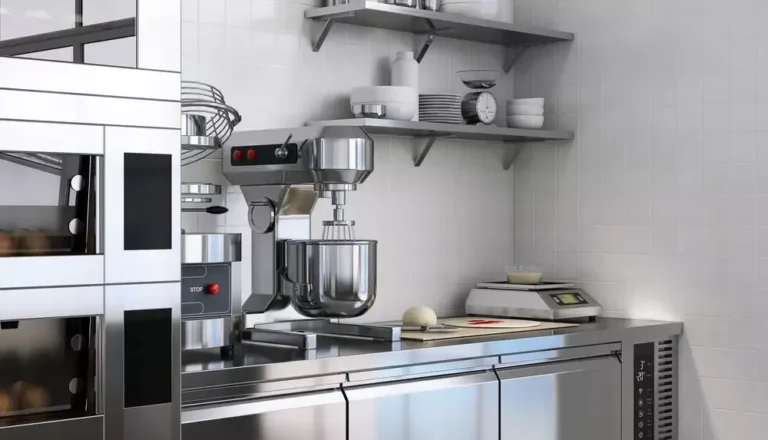
There’s something almost ceremonial about pulling out a commercial stand mixer. The hum of the motor, the way it effortlessly folds in egg whites without overbeating, it’s like the kitchen equivalent of driving a luxury car. But is it just about the *feeling*, or does it actually change the way we bake? I’m not entirely sure, but I think it’s a bit of both. When you’re working with tools that are built to handle heavy-duty tasks, you start to trust the process more. No more second-guessing whether your dough is kneaded enough or if your meringue is overmixed. Commercial tools take the guesswork out of the equation, and that confidence translates into creativity.
Take, for example, the spiral mixer. If you’ve ever tried making brioche by hand, you know it’s a workout. The dough is sticky, dense, and requires *a lot* of kneading to develop that signature silky texture. A commercial spiral mixer does this in a fraction of the time, and with far more consistency. But here’s the thing, it’s not just about saving time. When you’re not exhausted from kneading, you’re free to experiment. Maybe you’ll add a swirl of matcha to the dough, or fold in candied citrus peel. The tool doesn’t just make the process easier; it opens up mental space for innovation.
Of course, there’s a flip side. I’ve seen bakers (myself included) get so caught up in the *idea* of using commercial tools that they forget the fundamentals. A high-end mixer won’t save a poorly balanced recipe, and a deck oven won’t magically fix uneven heat distribution if you don’t know how to use it. So, is bigger always better? Not necessarily. But when used thoughtfully, commercial tools can be a game-changer.
The Intimidation Factor: When Tools Feel Like Overkill
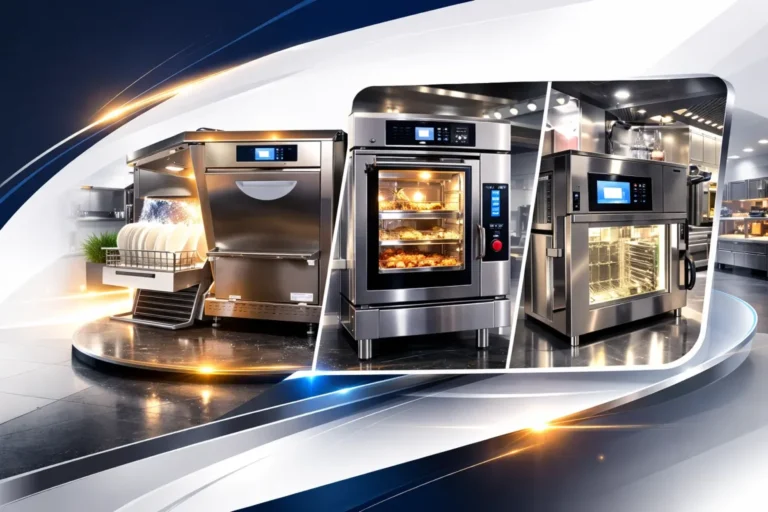
Let’s talk about the elephant in the room: commercial kitchen tools can feel *intense*. I remember the first time I saw a combi oven in action. The thing had more buttons than a spaceship, and the sales rep was throwing around terms like “steam injection” and “convection modes” like it was nothing. I nodded along, pretending I understood, but inside I was panicking. Was this really necessary for my chocolate chip cookies? Probably not. But what if I wanted to try something more ambitious, like laminated dough or delicate macarons?
Here’s the thing, you don’t need to go all-in right away. Start with one or two tools that align with the kind of baking you’re passionate about. If you love bread, invest in a proofing cabinet or a stone deck oven. If pastries are your jam, a sheeter or retarder-proofer might be worth the splurge. And if you’re not sure where to begin, suppliers like Chef’s Deal offer free kitchen design services to help you figure out what makes sense for your space and goals. It’s okay to start small. In fact, I’d argue it’s smarter that way.
But here’s where I get stuck: how do you know when a tool is *truly* worth it versus just a shiny object? I’ve made that mistake before, buying a fancy gadget only to realize it collects dust in the corner. Maybe the key is to ask yourself: *Will this tool solve a problem I actually have?* If the answer is yes, then it’s probably a good investment. If it’s just something you *want* because it looks cool, well… maybe hold off until you’ve got a specific use in mind.
Tools That Turn Baking into a Science (And Why That’s a Good Thing)
Precision Temperature Control: The Secret Weapon of Creative Bakers
If there’s one thing I’ve learned from my years of baking (and my fair share of failures), it’s that temperature is everything. Too hot, and your croissants burn before they’re fully baked. Too cold, and your yeast won’t activate. Commercial tools take the guesswork out of temperature control, and that’s a *huge* deal when you’re experimenting with new techniques.
Take blast chillers, for example. These aren’t just for restaurants looking to cool down soups quickly. In the world of creative baking, they’re a game-changer for things like mirror glazes and mousse cakes. A blast chiller can drop the temperature of your dessert in minutes, locking in layers and preventing that dreaded “soggy bottom” effect. But here’s where it gets interesting: because you can control the cooling process so precisely, you can play with textures in ways that just aren’t possible with a standard freezer. Ever tried making a semi-freddo with perfectly crisp layers? A blast chiller makes it possible.
Then there are retarder-proofers, which are essentially climate-controlled cabinets for dough. These are a staple in professional bakeries, but they’re also incredibly useful for home bakers who want to experiment with fermentation. Want to try your hand at sourdough with a 72-hour cold ferment? A retarder-proofer lets you control the temperature and humidity to get consistent results every time. And if you’re feeling really adventurous, you can play with lactic acid bacteria to create unique flavors in your bread. It’s like having a science lab in your kitchen.
But here’s the thing, I’m not a scientist. I’m a baker who loves to experiment, but I don’t always have the patience for precise measurements and controlled environments. So, is all this precision really necessary? Maybe not for everyday baking, but if you’re trying to push the boundaries of what’s possible, it’s hard to beat. The key is to start small. You don’t need a full-blown lab setup to get creative. Even something as simple as a digital thermometer can make a big difference in your baking.
Playing with Texture: Tools That Let You Break the Rules
One of the most exciting things about commercial kitchen tools is how they let you manipulate texture. Take sheeters, for example. These machines roll out dough to an even thickness, which is essential for things like puff pastry and croissants. But here’s where it gets fun: because you can control the thickness so precisely, you can experiment with layered doughs in ways that just aren’t possible by hand. Ever tried making a cronut with perfectly even layers? A sheeter makes it possible.
Then there are extruders, which are typically used for things like pasta and cookies. But creative bakers have found all sorts of unexpected uses for them. I’ve seen bakers use extruders to create spiral-shaped churros, hollow cookies, and even edible “coral” decorations for cakes. The possibilities are endless, and that’s what makes these tools so exciting. They let you think outside the box, or in this case, outside the mixing bowl.
But here’s where I get stuck: how do you know when to break the rules versus when to follow them? I’ve had my fair share of texture experiments that ended in disaster. (Looking at you, “deconstructed” cheesecake that tasted like a sad, soggy mess.) Maybe the key is to start with a solid foundation. Learn the rules first, then figure out how to bend them. What do you think?
Space, Budget, and Other Practical Considerations
Making the Most of Small Spaces
Let’s be real, most of us don’t have the luxury of a sprawling commercial kitchen. I live in Nashville, where space comes at a premium, and my “kitchen” is basically a corner of my living room. But that doesn’t mean I can’t use commercial tools. The key is to think vertically and invest in multi-functional equipment.
Take countertop mixers, for example. These are a great alternative to full-sized floor mixers if you’re short on space. They can handle everything from bread dough to meringue, and they’re small enough to tuck away when not in use. Another space-saving trick is to look for stackable equipment, like proofing cabinets that can double as storage. And if you’re really tight on space, consider modular workstations that can be reconfigured based on your needs.
But here’s the thing, I’ve seen bakers go overboard with space-saving hacks, only to realize they’ve sacrificed functionality. A tiny mixer might save space, but if it can’t handle the volume of dough you need, it’s not worth it. So, how do you strike the right balance? Maybe the answer is to prioritize the tools that will have the biggest impact on your baking. For me, that’s a good mixer and a reliable oven. Everything else is just icing on the cake (pun intended).
Budget-Friendly Ways to Experiment
Commercial kitchen tools can be expensive, and I’m not going to sugarcoat it, some of them come with a hefty price tag. But that doesn’t mean you need to break the bank to get creative. There are plenty of ways to experiment without spending a fortune.
First, consider leasing equipment instead of buying it outright. Many suppliers, including Chef’s Deal, offer financing options that let you spread out the cost over time. This is a great way to get your hands on high-end tools without draining your savings. Another option is to look for used equipment. Restaurant auctions and online marketplaces are full of gently used tools at a fraction of the retail price. Just make sure to do your research and inspect the equipment before buying.
If you’re not ready to commit to buying or leasing, you can also rent equipment for short-term projects. This is a great way to test out tools before making a big investment. And if you’re really on a budget, don’t underestimate the power of DIY hacks. For example, you can mimic the effects of a blast chiller by using a bowl of ice water to cool down your desserts quickly. It’s not as precise, but it gets the job done.
But here’s where I get stuck: how do you know when to splurge versus when to save? I’ve made the mistake of buying cheap tools only to regret it later when they break down. On the other hand, I’ve also spent a fortune on something I barely use. Maybe the key is to think about the return on investment. Will this tool save me time, improve my results, or open up new creative possibilities? If the answer is yes, it’s probably worth the splurge.
From Home Baker to Pro: How Commercial Tools Can Help You Level Up
Building a Reputation for Innovation
If you’re serious about taking your baking to the next level, commercial tools can help you build a reputation for innovation. Think about it, when you’re using the same equipment as professional bakeries, you’re not just making better-tasting treats; you’re also signaling to your customers (or potential customers) that you’re serious about your craft.
Take custom cake molds, for example. These are a staple in professional bakeries, but they’re also a great way to stand out as a home baker. Whether you’re making geode cakes, 3D animal shapes, or themed desserts, custom molds let you create show-stopping designs that people will remember. And when you’re using high-quality tools, the results speak for themselves. No more wonky layers or uneven frosting, just professional-looking desserts that taste as good as they look.
But here’s the thing, I’ve seen bakers get so caught up in the *look* of their desserts that they forget about the taste. A beautiful cake is great, but if it doesn’t taste good, it’s not going to build a loyal following. So, how do you strike the right balance? Maybe the key is to focus on flavor first, then use your tools to enhance the presentation. After all, no one’s going to care how pretty your cake is if it tastes like cardboard.
Scaling Up Without Sacrificing Quality
One of the biggest challenges of scaling up your baking is maintaining consistency. When you’re making a dozen cookies, it’s easy to keep an eye on each one. But when you’re making hundreds, things can get tricky. That’s where commercial tools come in. They help you scale up without sacrificing quality, which is essential if you’re thinking about selling your baked goods.
Take dividers and rounders, for example. These tools are designed to portion and shape dough quickly and evenly, which is a game-changer when you’re making large batches of bread or rolls. And if you’re working with delicate pastries, a sheeter can help you roll out dough to the perfect thickness every time. But here’s the thing, scaling up isn’t just about the tools. It’s also about the process. You need to think about things like ingredient storage, workflow efficiency, and quality control.
I’ve seen bakers rush into scaling up without thinking through the logistics, only to realize they’ve bitten off more than they can chew. Maybe the key is to start small. Test out your recipes in larger quantities, and see how your tools hold up. And if you’re not sure where to begin, suppliers like Chef’s Deal offer expert consultation to help you design a kitchen that meets your needs. It’s better to take your time and do it right than to rush into something you’re not ready for.
The Future of Baking: Where Technology Meets Creativity
Smart Tools for the Modern Baker
We’re living in an age where technology is transforming every aspect of our lives, and baking is no exception. From smart ovens that can be controlled from your phone to 3D food printers that let you create edible sculptures, the future of baking is here. But how do these tools fit into the world of creative baking?
Take smart scales, for example. These aren’t just for measuring ingredients, they can also guide you through recipes, adjust for altitude, and even suggest substitutions. And if you’re working with fermentation, a smart pH meter can help you track the acidity of your dough in real time. But here’s where it gets really interesting: some of these tools are designed to learn from your habits. For example, a smart oven might remember your preferred baking settings for different recipes, or a mixer might adjust its speed based on the type of dough you’re working with.
But here’s the thing, I’m not a tech expert. I love the idea of smart tools, but I’m also a little wary of relying too much on technology. What happens if the Wi-Fi goes out? Or if the app crashes mid-recipe? Maybe the key is to find a balance. Use technology to enhance your baking, but don’t let it replace your intuition. After all, some of the best creations come from happy accidents, not perfectly programmed machines.
Sustainability in the Commercial Kitchen
As bakers, we have a responsibility to think about the environmental impact of our tools and ingredients. The good news is that many commercial kitchen tools are designed with sustainability in mind. From energy-efficient ovens to compostable packaging, there are plenty of ways to reduce your carbon footprint without sacrificing quality.
Take induction cooktops, for example. These use electromagnetic energy to heat your pots and pans, which is more efficient than traditional gas or electric stoves. And if you’re working with refrigeration, look for energy-star-rated models that use less electricity. But sustainability isn’t just about the tools, it’s also about the ingredients. Consider sourcing locally, using seasonal produce, and reducing food waste. Every little bit helps.
But here’s where I get stuck: how do you balance sustainability with creativity? Some of the most innovative baking techniques require specialized tools or ingredients that aren’t always eco-friendly. Maybe the key is to think about the big picture. Can you offset the environmental impact of one tool by making other sustainable choices? For example, if you’re using a blast chiller to create a show-stopping dessert, can you also commit to composting your food waste? It’s all about finding a balance.
Putting It All Together: A Step-by-Step Guide to Creative Baking Experiments
Step 1: Start with a Vision
Before you dive into the world of commercial tools, take a step back and think about what you want to create. Are you dreaming of artisanal sourdough with a unique flavor profile? Or maybe you’re obsessed with decorative pastries that look like works of art. Whatever it is, having a clear vision will help you choose the right tools for the job.
For me, it all started with a desire to make perfect macarons. I’d tried countless recipes, but my shells were always lumpy, and my fillings were either too runny or too stiff. I knew I needed better tools, but I wasn’t sure where to start. That’s when I decided to invest in a digital scale and a silpat mat. Small changes, but they made a big difference. The key is to start with the basics and build from there.
Step 2: Research Your Tools
Once you have a vision, it’s time to research the tools that will help you bring it to life. This is where things can get overwhelming, so take it one step at a time. Start by identifying the core tools you need, things like mixers, ovens, and proofing cabinets. Then, think about the specialized tools that will take your baking to the next level. For example, if you’re into chocolate work, a tempering machine might be worth the investment. If you’re all about bread, a stone deck oven could be a game-changer.
But here’s the thing, don’t just take my word for it. Talk to other bakers, read reviews, and, if possible, test out the tools before buying. Suppliers like Chef’s Deal offer expert consultation to help you figure out what’s right for you. And don’t forget to think about the long-term costs. Some tools require regular maintenance or replacement parts, so make sure you factor that into your budget.
Step 3: Experiment (and Embrace the Failures)
This is where the fun begins. Once you have your tools, it’s time to start experimenting. But here’s the thing, creative baking isn’t always a straight path. You’re going to have failures, and that’s okay. In fact, some of the best discoveries come from happy accidents. Maybe you’ll accidentally overproof your dough and end up with a light, airy texture you never expected. Or perhaps you’ll forget to add sugar to your meringue and stumble upon a savory twist on a classic dessert.
I’ll never forget the time I tried to make a deconstructed tiramisu and ended up with a pile of soggy ladyfingers. It was a disaster, but it also led me to experiment with tiramisu-flavored ice cream, which turned out to be a hit. The key is to embrace the process. Baking is as much about the journey as it is about the destination.
Step 4: Refine and Repeat
Once you’ve had a few successes (and failures), it’s time to refine your techniques. Take notes on what worked and what didn’t, and don’t be afraid to tweak your recipes. Maybe you’ll realize that your sourdough needs a longer ferment to develop the right flavor, or perhaps your macarons need a higher oven temperature to achieve the perfect rise. The more you experiment, the more you’ll learn.
And here’s where commercial tools can really shine. Because they’re designed for consistency, they can help you replicate your successes with ease. No more guessing whether your dough is kneaded enough or if your oven is at the right temperature. With the right tools, you can focus on the creative aspects of baking, knowing that the technical details are taken care of.
Final Thoughts: The Art and Science of Creative Baking
So, where does all this leave us? Are commercial kitchen tools the secret to unlocking your creative potential, or are they just another way to complicate the baking process? I think it’s a bit of both. On one hand, these tools can open up a world of possibilities, allowing you to experiment with textures, flavors, and techniques in ways you never thought possible. On the other hand, they can also be overwhelming, expensive, and, if we’re being honest, a little intimidating.
But here’s the thing, I don’t think you need to go all-in to get creative. Start small. Invest in one or two tools that align with your vision, and build from there. Learn the rules, then figure out how to break them. And most importantly, don’t be afraid to fail. Some of the best discoveries come from happy accidents, and who knows? Maybe your next experiment will be the one that changes the way we think about baking.
So, what’s your next move? Are you ready to dive into the world of commercial kitchen tools, or are you going to stick with the basics for now? Either way, I’d love to hear about your experiments. After all, baking is as much about the community as it is about the tools. And who knows? Maybe your next creation will be the one that inspires someone else to push the boundaries of what’s possible.
FAQ
Q: I’m a home baker with a small kitchen. Can I still use commercial tools, or are they only for professionals?
A: Absolutely! Many commercial tools come in countertop or compact versions that are perfect for home kitchens. The key is to prioritize the tools that will have the biggest impact on your baking. For example, a countertop mixer or a digital scale can make a big difference without taking up too much space. And if you’re not sure where to start, suppliers like Chef’s Deal offer free kitchen design services to help you figure out what makes sense for your space and goals.
Q: What’s the one commercial tool you think every creative baker should invest in?
A: That’s a tough one, but if I had to pick just one, I’d say a digital scale. It’s not the flashiest tool, but it’s essential for precision baking. Whether you’re measuring ingredients for macarons or tracking the hydration of your sourdough, a good scale can make all the difference. And if you’re ready to splurge, a combi oven is a game-changer for controlling temperature and humidity.
Q: How do I know if a commercial tool is worth the investment?
A: The key is to think about the return on investment. Will this tool save you time, improve your results, or open up new creative possibilities? If the answer is yes, it’s probably worth the splurge. But don’t forget to consider the long-term costs, like maintenance and replacement parts. And if you’re not ready to commit, look for financing options or consider renting the tool for a short-term project.
Q: I’m interested in experimenting with fermentation. What tools do you recommend?
A: Fermentation is all about controlling temperature and humidity, so a retarder-proofer is a great place to start. These cabinets let you adjust the environment to suit your needs, whether you’re cold-fermenting sourdough or proofing croissants. If you’re on a budget, you can also experiment with a wine fridge or a DIY proofing box made from a cooler. And don’t forget a digital thermometer to track the temperature of your dough in real time.
@article{beyond-the-whisk-how-commercial-kitchen-tools-are-redefining-creative-baking-experiments,
    title   = {Beyond the Whisk: How Commercial Kitchen Tools Are Redefining Creative Baking Experiments},
    author  = {Chef's icon},
    year    = {2026},
    journal = {Chef's Icon},
    url     = {https://chefsicon.com/commercial-kitchen-tools-for-creative-baking-experiments/}
}