The Best Fluffy Pancakes recipe you will fall in love with. Full of tips and tricks to help you make the best pancakes.
Let me tell you, there’s nothing quite like the first bite of a perfectly ripe mango in the middle of a Nashville summer, juice running down your wrist, the sweetness hitting just right. But here’s the thing: getting to that point in a commercial kitchen? It’s a whole different beast. I remember my first week working the line at a high-volume juice bar in San Francisco, watching in horror as my coworker hacked at a pineapple like it had personally offended him. The chunks were uneven, the juice was everywhere, and the prep time? Embarrassing. That’s when I realized something crucial: fruit prep isn’t just about skill, it’s about having the right tools for the job.
Fast forward to today, and I’ve spent years testing, breaking, and occasionally cursing at every piece of fruit prep equipment under the sun. From Michelin-starred kitchens to food trucks slinging acai bowls, I’ve seen what works, and what doesn’t. So if you’re staring at a mountain of melons or a crate of citrus wondering how the hell you’re going to get through service without losing a finger (or your mind), this guide is for you. We’re diving deep into the commercial kitchen tools for perfect fruit prep, from the obvious to the obscure, and everything in between. By the end, you’ll know exactly what to invest in, what to skip, and how to make your fruit prep faster, safer, and, dare I say, enjoyable.
Is this the definitive list? Maybe not. But it’s the one I wish I had when I was starting out, and it’s the one I’d hand to any chef, caterer, or juice bar owner who’s serious about efficiency. Let’s get into it.
The Foundation: Knives That Won’t Let You Down
Why Your Knife Choice Matters More Than You Think
Look, I get it. Knives are the least sexy part of fruit prep. They don’t hum, they don’t have digital displays, and they sure as hell don’t come with a warranty that covers “I dropped it on the floor for the third time this week.” But here’s the truth: your knife is the single most important tool in your fruit prep arsenal. A bad knife turns a simple apple into a mushy disaster and a pineapple into a safety hazard. A good knife? It’s like an extension of your hand.
I’m torn between two schools of thought here. On one hand, you’ve got the classic French-style chef’s knife, the 8- or 10-inch workhorse that can handle everything from dicing strawberries to segmenting oranges. On the other, there’s the Japanese santoku, lighter and sharper, with its granton edge that keeps sticky fruits from clinging to the blade. Which is better? Honestly, it depends. If you’re doing a lot of rocking cuts (think herbs or small fruits), the chef’s knife might edge it out. But for precision work, like supreme-ing citrus or julienning mango, the santoku is a game-changer. Maybe I should clarify: it’s not about which knife is objectively better; it’s about which one feels right in your hand and matches your prep style.
And let’s talk about the elephant in the room: cost. A high-quality commercial knife isn’t cheap. I’ve seen chefs drop $200 on a single blade, and while I’m not saying you need to go that far, I *am* saying that a $20 knife from a big-box store is going to cost you more in the long run. Why? Because it’ll dull faster, chip easier, and make your prep time drag on like a bad Netflix binge. Invest in at least one good knife, something from brands like Wüsthof, Shun, or MAC-and treat it like the gold it is. Which brings me to my next point…
The Forgotten Art of Knife Maintenance
You can have the fanciest knife in the world, but if it’s dull, it’s useless. Worse than useless, actually, it’s dangerous. A dull knife requires more force, which means it’s more likely to slip and turn your fruit prep into a bloodbath. I learned this the hard way during a particularly chaotic brunch service where I tried to “power through” with a knife that was barely sharper than a butter knife. Spoiler alert: I ended up with a bandage on my thumb and a newfound respect for honing and sharpening.
Here’s the deal: honing is for maintenance. It realigns the edge of your blade and should be done every time you use your knife. A honing steel is your best friend here, run the blade along it at a 15-20 degree angle a few times on each side, and you’ll keep that edge in check. Sharpening, on the other hand, is for when your knife is truly dull. This removes metal to create a new edge, and it’s something you’ll need to do every few months, depending on use. You can go the DIY route with a whetstone, but if you’re not confident, take it to a pro. Many commercial kitchen suppliers, including places like Chef’s Deal, offer sharpening services or can point you to a trusted local sharpener.
And while we’re on the topic of maintenance, let’s talk about storage. Leaving your knives loose in a drawer is a recipe for disaster, both for the blades and your fingers. A magnetic knife strip or a knife roll is worth the investment. Not only does it keep your knives safe, but it also makes them easily accessible, which is crucial when you’re in the weeds during service. I’ve seen too many kitchens where the good knives are locked away “for safety,” only to have chefs resort to whatever dull, beat-up blade is lying around. Don’t be that kitchen.
Beyond the Knife: Specialized Tools for Specific Fruits
Melon Ballers and Citrus Zesters: Are They Worth It?
Alright, let’s address the elephant in the room: melon ballers. Are they necessary? No. Are they fun? Absolutely. There’s something oddly satisfying about scooping perfect spheres of watermelon or honeydew, and if you’re plating desserts or garnishing cocktails, they’re a great way to add a touch of elegance. But let’s be real, most commercial kitchens aren’t using them daily. That said, if you’re running a high-end catering operation or a juice bar that prides itself on presentation, a good melon baller (like the OXO Good Grips or Winco models) is a small investment that can make a big difference.
Now, citrus zesters? Those I can get behind. If you’re working with lemons, limes, or oranges on a regular basis, a zester is a game-changer. It’s not just about the pretty curls of zest for garnishes, though those are nice, it’s about efficiency. A good zester (I’m partial to the Microplane Premium Zester) can strip the outer layer of citrus in seconds, giving you that bright, aromatic zest without any of the bitter pith. And here’s a pro tip: freeze your zest in small batches. It’ll keep for months, and you’ll always have it on hand for dressings, marinades, or cocktails.
But what about when you need more than just zest? Enter the citrus reamer. This simple tool is a lifesaver when you need fresh juice in a hurry. Forget those bulky electric juicers for a second, sometimes, all you need is a wooden or stainless steel reamer to get the job done. I keep one in my home kitchen and one in my travel kit, and it’s saved me more times than I can count. Is it the most high-tech solution? No. But it’s reliable, easy to clean, and gets the job done without taking up precious counter space.
Pineapple Corers and Apple Peelers: Gimmick or Godsend?
Pineapples are the bane of many a chef’s existence. They’re spiky, they’re messy, and they’re a pain to core. I’ve seen people try to core them with everything from chef’s knives to ice cream scoops, and let me tell you, it’s not pretty. That’s where a pineapple corer comes in. Now, I’ll admit, when I first saw one, I thought it was a gimmick. A one-trick pony. But after using it a few times, I’m a convert. A good pineapple corer (like the OXO Pineapple Slicer and Corer) can turn a 10-minute job into a 30-second one. It cores and slices the pineapple in one go, leaving you with perfect rings that are ready to use in fruit salads, desserts, or as garnishes.
But here’s the thing: ot all pineapple corers are created equal. The cheap ones? They’ll bend, they’ll break, and they’ll leave you with a half-cored pineapple and a lot of frustration. Invest in something sturdy, preferably made of stainless steel, and you’ll thank yourself later. And if you’re wondering whether it’s worth it for your kitchen, ask yourself this: how many pineapples do you go through in a week? If the answer is more than one, it’s probably a good investment.
Now, let’s talk about apple peelers. These are a bit more niche, but if you’re running a bakery, a diner with a lot of apple pies, or a juice bar that goes through bushels of apples, they’re worth considering. A good apple peeler (like the Victorio Stainless Steel Peeler) can peel, core, and slice an apple in one go. It’s a huge time-saver, and it ensures consistency, something that’s crucial in a commercial setting. That said, I’m torn on these. On one hand, they’re incredibly efficient. On the other, there’s something to be said for the rustic charm of hand-peeled apples. Maybe it’s the purist in me, but I still reach for a peeler and a knife when I’m making apple pie at home. In a commercial kitchen, though? The peeler wins every time.
The Heavy Hitters: Commercial-Grade Equipment for High-Volume Prep
Food Processors: The Unsung Heroes of Fruit Prep
If there’s one piece of equipment that’s saved me more time and sanity in the kitchen than any other, it’s the food processor. And no, I’m not talking about the little 3-cup model you use to make hummus at home. I’m talking about the commercial-grade workhorses that can handle everything from chopping onions to pureeing mangoes for smoothie bowls. A good food processor is like having an extra set of hands in the kitchen, ones that never get tired and always work at lightning speed.
When it comes to choosing a food processor for fruit prep, there are a few things to keep in mind. First, capacity. If you’re prepping for a juice bar or a large catering operation, you’ll want something with at least a 12-cup bowl, preferably larger. Second, power. You want a motor that can handle tough fruits like pineapples and mangoes without bogging down. Look for something with at least 600 watts, though 1000+ is ideal for high-volume use. And third, versatility. A food processor with multiple blades and attachments can do everything from slicing strawberries to shredding coconut, making it one of the most versatile tools in your kitchen.
I’ve used a lot of food processors over the years, but my go-to is the Robot Coupe R2N. It’s a beast, powerful, durable, and built to last. But it’s also an investment, and I get that not every kitchen can justify the cost. If you’re looking for something more budget-friendly, the Hamilton Beach Commercial 12-Cup Food Processor is a solid choice. It’s not as powerful as the Robot Coupe, but it’s a fraction of the price and still gets the job done. And if you’re really on a tight budget, consider checking out suppliers like Chef’s Deal, which often have refurbished or discounted commercial equipment that’s still in great condition.
But here’s the thing about food processors: they’re not a magic bullet. You can’t just dump a bunch of fruit in and expect perfect results every time. For example, if you’re making a fruit salad, you’ll want to pulse the fruit rather than run the processor continuously. Otherwise, you’ll end up with mush. And if you’re working with soft fruits like bananas or avocados, you might be better off using a blender or just chopping by hand. The key is to experiment and find what works best for your specific needs.
Commercial Juicers: Centrifugal vs. Masticating, What’s the Difference?
If you’re running a juice bar, a smoothie shop, or any operation that relies on fresh juice, a commercial juicer is non-negotiable. But not all juicers are created equal, and the type you choose can have a big impact on the quality of your juice, your prep time, and your bottom line. The two main types of juicers you’ll encounter are centrifugal and masticating, and they each have their pros and cons.
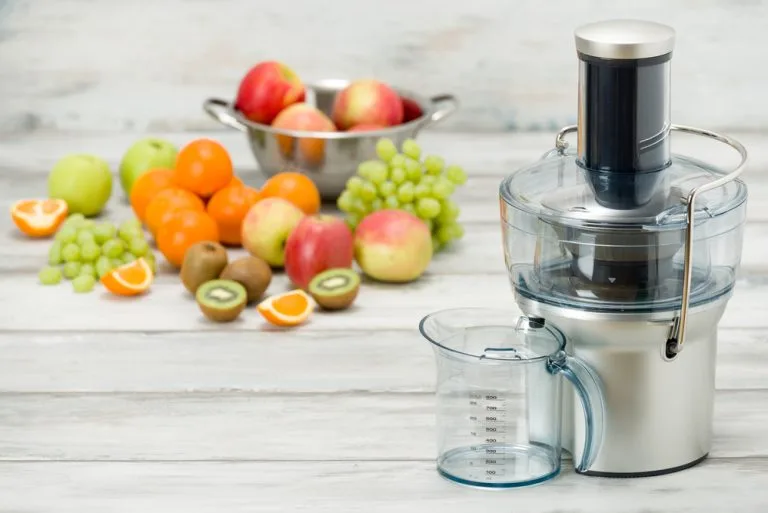
Let’s start with centrifugal juicers. These are the most common type of juicer in commercial kitchens, and for good reason: they’re fast, they’re affordable, and they’re easy to use. A centrifugal juicer works by shredding the fruit with a high-speed spinning blade, then using centrifugal force to separate the juice from the pulp. The result? Juice in seconds. But there’s a catch: because the blade spins so quickly, it generates heat, which can degrade some of the nutrients in the juice. It also tends to produce a lot of foam, which can affect the texture and presentation of your juice.
That said, if you’re juicing a lot of hard fruits like apples or carrots, a centrifugal juicer is a great choice. I’ve used the Breville Juice Fountain Elite in several kitchens, and it’s a workhorse. It’s powerful, it’s easy to clean, and it can handle high volumes without breaking a sweat. But if you’re juicing a lot of leafy greens or soft fruits like oranges or grapes, you might want to consider a masticating juicer instead.
Masticating juicers, also known as slow juicers, work by crushing and pressing the fruit to extract the juice. They operate at a much lower speed than centrifugal juicers, which means they generate less heat and preserve more of the nutrients in the juice. They also produce less foam and can handle a wider variety of produce, including leafy greens and wheatgrass. The downside? They’re slower, they’re more expensive, and they can be a bit more finicky to clean.
If you’re serious about juice quality, a masticating juicer is the way to go. The Omega J8006 is a favorite among juice bars and health-conscious kitchens, and for good reason. It’s durable, it’s efficient, and it produces some of the best juice I’ve ever tasted. But if you’re on a budget or need something that can handle high volumes quickly, a centrifugal juicer might be the better choice. Is this the best approach? Let’s consider: it really depends on your specific needs. If you’re juicing for a high-end juice bar where quality is paramount, go masticating. If you’re running a diner where speed is more important than nutrient retention, go centrifugal.
Blenders: The Swiss Army Knife of Fruit Prep
Blenders are like the Swiss Army knives of the kitchen, versatile, reliable, and capable of handling a wide range of tasks. But not all blenders are created equal, and if you’re using a commercial blender for fruit prep, you need something that can stand up to the demands of a busy kitchen. Whether you’re making smoothies, purees, or sauces, a good blender can save you time, effort, and a whole lot of frustration.
When it comes to choosing a commercial blender, there are a few key factors to consider. First, power. You want a motor that can handle tough fruits like frozen berries or pineapples without bogging down. Look for something with at least 1500 watts, though 2000+ is ideal for high-volume use. Second, capacity. If you’re making smoothies for a crowd, you’ll want a blender with a large pitcher, at least 64 ounces, though 96 ounces is better for high-volume operations. And third, durability. A commercial blender is an investment, and you want something that’s built to last. Look for models with metal gears and sturdy construction, and avoid anything with plastic parts that are likely to crack or wear out quickly.
My personal favorite is the Vitamix 5200. It’s powerful, it’s durable, and it can handle just about anything you throw at it. But it’s also expensive, and I get that not every kitchen can justify the cost. If you’re looking for something more budget-friendly, the Blendtec Total Classic is a great alternative. It’s not quite as powerful as the Vitamix, but it’s still a workhorse and a fraction of the price. And if you’re really on a tight budget, consider checking out suppliers like Chef’s Deal, which often have refurbished or discounted commercial equipment that’s still in great condition.
But here’s the thing about blenders: they’re not just for smoothies. A good blender can also be used to make fruit purees, sauces, and even sorbets. For example, if you’re making a mango puree for a dessert, a blender will give you a smoother, more consistent texture than a food processor. And if you’re making a fruit coulis for plating, a blender can help you achieve the perfect consistency without any lumps or chunks. The key is to experiment and find what works best for your specific needs.
One last thing: don’t forget about the tamper. If you’re blending thick or frozen fruits, a tamper can be a lifesaver. It helps push the fruit down into the blades, ensuring a smooth, consistent blend without any air pockets or chunks. I’ve seen too many chefs struggle with thick smoothies or purees because they didn’t use a tamper, and it’s a simple fix that can make a big difference.
The Little Things: Accessories That Make a Big Difference
Cutting Boards: Size, Material, and Why It Matters
Cutting boards might seem like an afterthought, but in a commercial kitchen, they’re anything but. The right cutting board can make your fruit prep faster, safer, and more efficient, while the wrong one can turn a simple task into a nightmare. So what should you look for in a commercial cutting board? Let’s break it down.
First, size. In a commercial kitchen, bigger is almost always better. A large cutting board gives you more space to work, which means you can prep more fruit at once without having to stop and clear away scraps. Look for something that’s at least 18×24 inches, though 24×36 inches is ideal for high-volume prep. And if you’re working with large fruits like watermelons or pineapples, you might even want to consider a butcher block or a prep table with a built-in cutting surface.
Second, material. Cutting boards come in a variety of materials, each with its own pros and cons. Plastic is the most common choice in commercial kitchens because it’s lightweight, easy to clean, and dishwasher-safe. But not all plastic is created equal. Look for boards made from high-density polyethylene (HDPE), which is durable, knife-friendly, and resistant to warping. Avoid cheap plastic boards, which can crack, warp, or develop deep grooves that harbor bacteria.
Wood is another popular choice, and for good reason. It’s gentle on knives, it’s naturally antimicrobial, and it looks great. But it’s also heavier, harder to clean, and not dishwasher-safe. If you’re going with wood, look for boards made from hardwoods like maple, walnut, or bamboo, which are durable and resistant to knife marks. And whatever you do, don’t use softwoods like pine or cedar, they’ll dull your knives and develop deep grooves that are impossible to clean.
Finally, color-coding. If you’re prepping a variety of fruits (or other ingredients), color-coded cutting boards can help prevent cross-contamination. For example, you might use a green board for fruits, a red board for meats, and a blue board for seafood. It’s a simple system, but it can make a big difference in food safety.
I’ve used a lot of cutting boards over the years, but my go-to is the San Jamar Saf-T-Grip Cutting Board. It’s made from high-density plastic, it’s dishwasher-safe, and it has a non-slip grip that keeps it in place while you’re working. But if you’re looking for something more eco-friendly, the Teakhaus Edge Grain Cutting Board is a great choice. It’s made from sustainable teak, it’s gentle on knives, and it’s built to last.
Prep Bowls and Containers: Organization Is Key
If there’s one thing I’ve learned from working in commercial kitchens, it’s that organization is everything. And when it comes to fruit prep, having the right prep bowls and containers can make all the difference. Whether you’re prepping for a single service or a week’s worth of meals, having a system in place will save you time, reduce waste, and keep your kitchen running smoothly.
First, let’s talk about size. Prep bowls come in a variety of sizes, from small ramekins to large cambros, and the size you choose will depend on your specific needs. If you’re prepping small quantities of fruit for garnishes or desserts, small bowls or ramekins might be all you need. But if you’re prepping for a large catering event or a busy juice bar, you’ll want something larger, think 6-quart or 8-quart containers. And if you’re prepping for multiple services, consider investing in a set of stackable prep bowls, which can save space and keep your ingredients organized.
Next, material. Prep bowls come in a variety of materials, each with its own pros and cons. Stainless steel is a popular choice in commercial kitchens because it’s durable, easy to clean, and resistant to stains and odors. But it’s also heavy and can be expensive. Plastic is another common choice, it’s lightweight, affordable, and comes in a variety of colors and sizes. But not all plastic is created equal. Look for bowls made from food-grade polypropylene, which is durable, dishwasher-safe, and resistant to stains and odors. Avoid cheap plastic bowls, which can crack, warp, or develop deep grooves that harbor bacteria.
Finally, lids. If you’re prepping fruit ahead of time, lids are a must. They’ll keep your ingredients fresh, prevent cross-contamination, and make it easier to transport your prep from one station to another. Look for lids that fit snugly and are easy to remove, nothing’s more frustrating than struggling with a stubborn lid when you’re in the middle of service. And if you’re prepping for multiple services, consider investing in color-coded lids, which can help you keep track of what’s what.
I’ve used a lot of prep bowls over the years, but my go-to is the Cambro Camwear Prep Bowl. It’s made from durable plastic, it’s dishwasher-safe, and it comes in a variety of sizes and colors. But if you’re looking for something more eco-friendly, the Eco-Products Plant-Based Prep Bowls are a great choice. They’re made from renewable resources, they’re compostable, and they’re just as durable as traditional plastic bowls.
Mandolines: Precision Cutting at Lightning Speed
If you’ve ever tried to julienne a mango or slice a pineapple by hand, you know how tedious and time-consuming it can be. Enter the mandoline, a simple but powerful tool that can turn a mountain of fruit into perfectly uniform slices in seconds. But mandolines aren’t just about speed, they’re also about precision. Whether you’re slicing strawberries for a fruit salad or julienning apples for a garnish, a mandoline can help you achieve a level of consistency that’s nearly impossible to replicate by hand.
But here’s the thing about mandolines: they can be dangerous. I’ve seen more than a few chefs lose a fingertip to a mandoline, and it’s not pretty. That’s why it’s crucial to choose a mandoline with safety features, like a hand guard or a non-slip base. And whatever you do, don’t use a mandoline without a guard, no matter how experienced you are. It’s just not worth the risk.
When it comes to choosing a mandoline, there are a few key factors to consider. First, adjustability. Look for a mandoline with adjustable blades, which will allow you to switch between different slice thicknesses and styles. Second, durability. A good mandoline should be made from sturdy materials, like stainless steel or high-quality plastic, and it should be built to last. And third, ease of use. A mandoline should be easy to assemble, easy to clean, and easy to store. Avoid models with complicated mechanisms or hard-to-reach crevices, which can be a pain to clean and a breeding ground for bacteria.
My personal favorite is the Benriner Japanese Mandoline. It’s affordable, it’s durable, and it’s incredibly versatile. But it’s also sharp, so it’s important to use it with caution. If you’re looking for something with more safety features, the OXO Good Grips Adjustable Mandoline is a great choice. It has a hand guard, a non-slip base, and a variety of blade options, making it a great all-around tool for fruit prep.
But here’s the thing: mandolines aren’t for everyone. If you’re only slicing a few fruits a day, you might be better off sticking with a knife. But if you’re prepping for a large catering event or a busy juice bar, a mandoline can be a game-changer. It’s all about finding the right tool for your specific needs.
Safety First: Tools and Practices to Keep Your Team Safe
Cut-Resistant Gloves: A Small Investment with Big Returns
Let’s talk about something that’s not exactly glamorous but is absolutely essential in any commercial kitchen: cut-resistant gloves. I’ll admit, when I first saw these things, I thought they were overkill. “I’m a professional,” I told myself. “I don’t need gloves to cut fruit.” Oh, how wrong I was. After a particularly close call with a mandoline (and a stern talking-to from my sous chef), I decided to give them a try. And let me tell you, they’ve saved my fingers more times than I can count.
Cut-resistant gloves are made from materials like Kevlar, Dyneema, or stainless steel mesh, and they’re designed to protect your hands from sharp blades. They come in a variety of sizes and styles, from lightweight gloves that offer basic protection to heavy-duty models that can withstand even the sharpest knives. And while they’re not 100% cut-proof (nothing is), they can significantly reduce the risk of injury.
But here’s the thing: ot all cut-resistant gloves are created equal. Some are more comfortable than others, some are more breathable, and some offer better dexterity. It’s important to choose a pair that fits well and feels comfortable, because if they’re too bulky or restrictive, you’re less likely to wear them. And trust me, you want to wear them. I’ve seen too many chefs skip the gloves because they’re “inconvenient,” only to end up with a trip to the ER and a week’s worth of bandages.
My go-to is the NoCry Cut-Resistant Gloves. They’re affordable, they’re comfortable, and they offer a good level of protection. But if you’re looking for something more heavy-duty, the Dexter-Russell Cut-Resistant Gloves are a great choice. They’re made from stainless steel mesh, they’re dishwasher-safe, and they’re built to last. And if you’re really serious about safety, consider investing in a pair of chainmail gloves, which are used in butcher shops and offer the highest level of protection.
But here’s the thing: gloves aren’t a substitute for proper technique. They’re an added layer of protection, but they’re not foolproof. Always use caution when working with sharp blades, and never rush. It’s better to take your time and do it right than to risk an injury that could sideline you for weeks.
Ergonomic Tools: Reducing Strain and Fatigue
Fruit prep might not seem like a physically demanding job, but trust me, it can take a toll on your body. I’ve spent countless hours hunched over a cutting board, my wrists aching, my back screaming, and my fingers cramping. And let me tell you, it’s not fun. That’s why ergonomic tools are so important. They’re designed to reduce strain and fatigue, making your prep work more comfortable and sustainable.
So what makes a tool ergonomic? It’s all about design. Ergonomic tools are designed to fit the natural contours of your hand, reducing strain on your wrists, fingers, and joints. They often have on-slip grips, which make them easier to hold and control, and they’re usually lightweight, which reduces fatigue. Some even have adjustable handles or angled blades, which can make a big difference in comfort and efficiency.
Let’s start with knives. An ergonomic knife is designed to fit comfortably in your hand, with a handle that reduces strain on your wrist and fingers. Look for knives with contoured handles, which provide a more natural grip, and bolstered blades, which help balance the knife and reduce fatigue. Some ergonomic knives even have angled handles, which can make a big difference in comfort, especially if you’re doing a lot of repetitive cutting.
My favorite ergonomic knife is the Wüsthof Ikon. It’s comfortable, it’s balanced, and it’s built to last. But if you’re looking for something more budget-friendly, the Victorinox Fibrox Pro is a great choice. It’s not as fancy as the Wüsthof, but it’s just as comfortable and a fraction of the price.
But knives aren’t the only tools that can benefit from an ergonomic design. Peelers, zesters, and mandolines can all be made more comfortable with the right design. For example, the OXO Good Grips Swivel Peeler has a comfortable, non-slip handle that reduces strain on your wrist, and the Microplane Premium Zester has an ergonomic handle that makes it easier to control. And if you’re using a mandoline, look for one with a on-slip base and a comfortable handle, which can make a big difference in safety and comfort.
But here’s the thing: ergonomics isn’t just about tools. It’s also about technique. Even the most ergonomic knife won’t help if you’re using it incorrectly. Always use a claw grip when holding food, keep your wrist straight, and take breaks when you need to. And if you’re doing a lot of repetitive cutting, consider switching hands occasionally to reduce strain.
Efficiency Hacks: Streamlining Your Fruit Prep Workflow
Batch Prep and Storage: Saving Time Without Sacrificing Quality
In a commercial kitchen, time is money. And when it comes to fruit prep, batch prep and storage can save you both. The idea is simple: prep large quantities of fruit at once, then store it properly so it’s ready to use when you need it. But there’s a catch, if you don’t store it correctly, you’ll end up with soggy, discolored fruit that’s more fit for the compost bin than the plate. So how do you do it right?
First, let’s talk about prep. The key to batch prep is efficiency. Start by choosing fruits that hold up well to storage, like apples, pears, and citrus. Avoid soft fruits like bananas or berries, which can turn mushy or discolored if stored for too long. Next, prep your fruit in a way that minimizes oxidation and spoilage. For example, if you’re slicing apples, toss them in a little lemon juice to keep them from browning. And if you’re prepping melons, store them in airtight containers to prevent them from absorbing odors from other foods.
Now, let’s talk about storage. The goal is to keep your fruit fresh and flavorful for as long as possible. For most fruits, that means storing them in airtight containers in the refrigerator. But not all containers are created equal. Look for containers that are BPA-free, dishwasher-safe, and stackable, which can save space in your fridge. And if you’re storing fruit for more than a day or two, consider using vacuum-sealed bags, which can extend the shelf life of your fruit by removing air and preventing oxidation.
But here’s the thing: ot all fruits play well together. Some fruits, like apples and bananas, release ethylene gas, which can cause other fruits to ripen (and spoil) faster. That’s why it’s important to store ethylene-producing fruits separately from ethylene-sensitive fruits. For example, store apples and bananas in one container and berries and citrus in another. And if you’re storing fruit in the same fridge as vegetables, keep them in separate drawers to prevent cross-contamination.
I’ve used a lot of storage containers over the years, but my go-to is the Rubbermaid Brilliance Food Storage Container. It’s airtight, it’s leak-proof, and it’s built to last. But if you’re looking for something more eco-friendly, the Stasher Silicone Reusable Bag is a great choice. It’s made from food-grade silicone, it’s dishwasher-safe, and it’s perfect for storing small quantities of fruit.
Tool Organization: A Place for Everything and Everything in Its Place
If there’s one thing that drives me crazy in a commercial kitchen, it’s disorganization. Nothing slows you down faster than having to hunt for a knife, a peeler, or a cutting board when you’re in the middle of service. That’s why tool organization is so important. It’s not just about keeping your kitchen tidy, it’s about saving time, reducing stress, and making your prep work more efficient.
So how do you organize your tools for maximum efficiency? It’s all about accessibility. The tools you use most often should be within easy reach, while the ones you use less frequently can be stored in less accessible spots. For example, if you’re prepping fruit all day, your knives, peelers, and cutting boards should be front and center, while your melon ballers and zesters can be stored in a drawer or on a shelf.
One of my favorite organization hacks is the pegboard. It’s a simple, affordable way to keep your tools organized and within easy reach. Just mount a pegboard on the wall, add some hooks and shelves, and you’ve got a customizable storage system that can grow with your needs. And the best part? It’s easy to clean and maintain, which is crucial in a commercial kitchen.
But pegboards aren’t the only option. Magnetic knife strips are another great way to keep your knives organized and accessible. Just mount a strip on the wall, and you’ve got a safe, convenient place to store your knives. And if you’re short on wall space, consider a knife roll or a knife block, which can be stored in a drawer or on a countertop.
For smaller tools like peelers, zesters, and melon ballers, a tool caddy or a utensil holder is a great choice. Just place it on your prep table or countertop, and you’ve got a convenient place to store your tools. And if you’re really tight on space, consider a wall-mounted tool rack, which can hold everything from knives to peelers to cutting boards.
But here’s the thing: organization isn’t just about storage. It’s also about workflow. The way you arrange your tools and ingredients can have a big impact on your efficiency. For example, if you’re prepping fruit for a smoothie bar, you might want to arrange your ingredients in the order they’ll be used, with the most frequently used items closest to your prep station. And if you’re working with multiple chefs, consider color-coding your tools and ingredients to prevent mix-ups.
I’ve used a lot of organization systems over the years, but my go-to is the SimpleHouseware Over-the-Door Organizer. It’s affordable, it’s easy to install, and it’s perfect for storing everything from knives to peelers to cutting boards. But if you’re looking for something more heavy-duty, the Metro Super Erecta Shelving Unit is a great choice. It’s durable, it’s adjustable, and it’s built to last.
Cleaning and Maintenance: Keeping Your Tools in Top Shape
Sanitizing Your Tools: More Than Just a Rinse
Let’s be real: cleaning is the least glamorous part of fruit prep. But it’s also one of the most important. Sanitizing your tools isn’t just about keeping your kitchen tidy, it’s about preventing cross-contamination, reducing the risk of foodborne illness, and ensuring that your fruit tastes as fresh and delicious as possible. And yet, I’ve seen too many kitchens where cleaning is an afterthought, with knives, cutting boards, and peelers left to soak in a sink full of dirty water for hours on end. Spoiler alert: that’s not how you sanitize.
So how do you do it right? It starts with hot, soapy water. After each use, wash your tools in hot water with a mild detergent, using a brush or sponge to remove any food particles or residue. Pay special attention to crevices and hard-to-reach spots, like the inside of a zester or the handle of a knife. And if you’re working with sticky fruits like mangoes or pineapples, consider using a degreaser or a citrus-based cleaner to break down the residue.
But washing isn’t enough. To truly sanitize your tools, you need to kill the bacteria. That means using a sanitizing solution, like a quaternary ammonium compound (quat) or a chlorine-based sanitizer. These solutions are designed to kill 99.9% of bacteria and viruses, and they’re a crucial part of any commercial kitchen’s cleaning routine. Just mix the solution according to the manufacturer’s instructions, soak your tools for the recommended amount of time, then rinse and air-dry.
But here’s the thing: ot all tools can be sanitized the same way. For example, wooden cutting boards and utensils should never be soaked in water, as this can cause them to warp or crack. Instead, wash them with hot, soapy water, then sanitize them with a food-safe sanitizing spray. And if you’re using a food processor or a blender, make sure to disassemble it completely before cleaning, paying special attention to the blades and gaskets, which can harbor bacteria if not cleaned properly.
I’ve used a lot of sanitizing solutions over the years, but my go-to is the Spartan Chemical CB Quat Sanitizer. It’s affordable, it’s effective, and it’s approved for use in commercial kitchens. But if you’re looking for something more eco-friendly, the Ecolab Oasis 146 Multi-Quat Sanitizer is a great choice. It’s made from plant-based ingredients, it’s biodegradable, and it’s just as effective as traditional sanitizers.
Preventative Maintenance: Extending the Life of Your Equipment
Commercial kitchen equipment isn’t cheap. And whether you’re talking about a $200 knife or a $2000 juicer, preventative maintenance is the key to getting the most out of your investment. But let’s be honest: maintenance is easy to neglect. When you’re in the middle of a busy service, the last thing you want to do is stop and clean your equipment. But trust me, a little maintenance now can save you a lot of headaches (and money) down the road.
So what does preventative maintenance look like for fruit prep tools? It starts with regular cleaning. I know, I know, we just talked about this. But it’s worth repeating: cleaning your tools after each use isn’t just about sanitation; it’s also about preventing wear and tear. For example, if you leave fruit residue on your knives or peelers, it can cause them to rust or corrode over time. And if you don’t clean your food processor or blender properly, the blades can become dull or damaged, reducing their efficiency and lifespan.
But cleaning isn’t the only part of maintenance. You also need to inspect your tools regularly for signs of wear and tear. For example, if you notice that your knife is starting to dull, it’s time to sharpen it. If your cutting board is developing deep grooves, it’s time to replace it. And if your food processor or blender is making strange noises or vibrating excessively, it’s time to take it apart and check for damage.
And let’s not forget about lubrication. Many commercial kitchen tools, like food processors and blenders, have moving parts that need to be lubricated regularly to prevent wear and tear. Check the manufacturer’s instructions for specific guidelines, but in general, you’ll want to use a food-grade lubricant to keep your equipment running smoothly. And if you’re not sure how to lubricate your tools, don’t be afraid to ask for help. Many commercial kitchen suppliers, including Chef’s Deal, offer maintenance services or can point you to a trusted local technician.
But here’s the thing: preventative maintenance isn’t just about your tools. It’s also about your work environment. For example, if you’re working in a humid kitchen, your tools are more likely to rust or corrode. That’s why it’s important to store your tools in a dry, well-ventilated area, and to use rust inhibitors or desiccant packs to absorb excess moisture. And if you’re working with wooden tools, like cutting boards or utensils, make sure to oil them regularly with a food-safe mineral oil to prevent them from drying out and cracking.
I’ve learned the hard way that neglecting maintenance can be costly. A few years ago, I was working in a kitchen where the food processor was on its last legs. The motor was struggling, the blades were dull, and the gasket was cracked. But instead of taking the time to fix it, we just kept using it, hoping it would hold out. Spoiler alert: it didn’t. One day, the motor burned out completely, and we were left scrambling to find a replacement. The moral of the story? Don’t wait until it’s too late. A little maintenance now can save you a lot of trouble (and money) in the long run.
Choosing the Right Supplier: Where to Buy Commercial Kitchen Tools
Online vs. Brick-and-Mortar: The Pros and Cons
When it comes to buying commercial kitchen tools, you’ve got two main options: online or brick-and-mortar. Each has its pros and cons, and the right choice for you will depend on your specific needs, budget, and preferences. So let’s break it down.
First, let’s talk about online suppliers. The biggest advantage of buying online is convenience. You can shop from the comfort of your own home (or kitchen), compare prices and reviews, and have your tools delivered right to your door. And if you’re looking for a specific tool or brand, online suppliers often have a wider selection than brick-and-mortar stores. Plus, many online suppliers offer free shipping or discounts for bulk orders, which can save you money in the long run.
But online shopping isn’t without its drawbacks. For one, you can’t see or touch the tools before you buy them, which can make it hard to judge quality. And if you’re not sure what you’re looking for, it can be overwhelming to sift through all the options. Plus, if you need your tools right away, you’ll have to wait for shipping, which can take anywhere from a few days to a few weeks.
Now, let’s talk about brick-and-mortar stores. The biggest advantage of buying in person is that you can see and touch the tools before you buy them. This is especially important for things like knives and cutting boards, where feel and weight can make a big difference in performance. Plus, if you’re not sure what you need, you can ask a salesperson for advice, which can be a big help if you’re new to commercial kitchen tools.
But brick-and-mortar stores have their drawbacks too. For one, they often have a limited selection, which can make it hard to find exactly what you’re looking for. And if you’re on a tight budget, you might find that prices are higher than online. Plus, if you’re not near a major city, you might have to drive a long way to find a store that carries commercial kitchen tools, which can be a hassle.
So which is better? Honestly, it depends. If you know exactly what you’re looking for and you’re comfortable shopping online, an online supplier might be the way to go. But if you’re not sure what you need or you want to see the tools in person before you buy, a brick-and-mortar store might be a better choice. And if you’re really torn, consider doing both: research online, then visit a store to see the tools in person before you buy.
What to Look for in a Supplier: Quality, Price, and Service
Not all commercial kitchen suppliers are created equal. Some offer high-quality tools at competitive prices, while others sell cheap, low-quality equipment that won’t last a month. So how do you choose the right supplier for your needs? Here are a few things to look for.
First, quality. This is the most important factor when choosing a supplier. You want tools that are durable, reliable, and built to last. Look for suppliers that carry reputable brands, like Wüsthof, Shun, Robot Coupe, or Vitamix, and avoid suppliers that sell cheap, no-name equipment. And if you’re not sure about a supplier’s quality, check out their reviews online. If other chefs are raving about their tools, you can bet they’re worth the investment.
Second, price. Commercial kitchen tools aren’t cheap, but that doesn’t mean you have to break the bank. Look for suppliers that offer competitive pricing, and don’t be afraid to shop around. Many suppliers offer price matching or discounts for bulk orders, which can save you money. And if you’re on a tight budget, consider buying refurbished or gently used equipment, which can be just as good as new at a fraction of the price.
Third, service. A good supplier doesn’t just sell you tools, they support you. Look for suppliers that offer warranties, return policies, and customer support, so you can shop with confidence. And if you’re not sure what you need, look for suppliers that offer expert consultation or kitchen design services, which can help you choose the right tools for your specific needs. For example, Chef’s Deal is known for their comprehensive kitchen design and equipment solutions, including professional installation services and expert consultation. They can help you design a kitchen that’s efficient, functional, and tailored to your specific needs, which can be a huge help if you’re starting from scratch or renovating an existing space.
Finally, selection. A good supplier should offer a wide range of tools, from knives and cutting boards to food processors and juicers. This way, you can find everything you need in one place, which can save you time and hassle. And if you’re looking for something specific, like a commercial mandoline or a pineapple corer, make sure the supplier carries it before you commit.
I’ve worked with a lot of suppliers over the years, and my go-to is Chef’s Deal. They offer a wide selection of high-quality tools, competitive pricing, and excellent customer service. Plus, they offer free kitchen design services, which can be a huge help if you’re starting from scratch or renovating an existing space. But if you’re looking for something more specialized, like a high-end knife or a custom cutting board, you might want to check out a supplier like Korin or J.B. Prince.
Putting It All Together: A Sample Fruit Prep Workflow
From Delivery to Service: A Step-by-Step Guide
Alright, let’s put all this knowledge into practice. Here’s a step-by-step guide to a typical fruit prep workflow in a commercial kitchen, from delivery to service. This is based on my experience working in juice bars, catering operations, and high-volume restaurants, so feel free to adapt it to your specific needs.
Step 1: Receiving and Inspecting the Fruit
It all starts with the delivery. When your fruit arrives, the first thing you should do is inspect it. Check for signs of spoilage, like mold, bruises, or off odors, and reject anything that doesn’t meet your standards. This is also a good time to sort your fruit by type and ripeness. For example, you might separate your apples into “ripe” and “not yet ripe” piles, or your bananas into “green,” “yellow,” and “spotted” piles. This will make it easier to prep your fruit later on.
Step 2: Washing and Sanitizing
Before you start prepping, you need to wash and sanitize your fruit. This is especially important for fruits that are eaten with the skin on, like apples, pears, and grapes. Start by rinsing your fruit under cold water to remove any dirt or debris. Then, soak it in a food-safe sanitizing solution for the recommended amount of time. This will kill any bacteria or viruses on the surface of the fruit, reducing the risk of foodborne illness. And if you’re working with fruits that have a waxy coating, like apples or cucumbers, consider using a produce brush to scrub the surface clean.
Step 3: Prep and Storage
Now it’s time to prep your fruit. This is where your tools come into play. Start by choosing the right tool for the job. For example, if you’re slicing apples, you might use a chef’s knife or a mandoline. If you’re coring pineapples, you might use a pineapple corer. And if you’re juicing oranges, you might use a citrus reamer or a commercial juicer.
As you prep your fruit, store it properly to keep it fresh and flavorful. For most fruits, that means storing them in airtight containers in the refrigerator. But remember: not all fruits play well together. Store ethylene-producing fruits, like apples and bananas, separately from ethylene-sensitive fruits, like berries and citrus. And if you’re prepping fruit for multiple services, consider using color-coded containers to keep track of what’s what.
Step 4: Batch Prep and Organization
If you’re prepping for a large event or a busy service, batch prep is your friend. Prep large quantities of fruit at once, then store it properly so it’s ready to use when you need it. This will save you time and reduce waste, and it will make your prep work more efficient. And don’t forget to organize your tools for maximum efficiency. Keep your knives, peelers, and cutting boards within easy reach, and store your less frequently used tools in a drawer or on a shelf.
Step 5: Service and Presentation
Finally, it’s time for service. Whether you’re plating a fruit salad, garnishing a cocktail, or blending a smoothie, presentation is key. Use your tools to create uniform, attractive cuts, and don’t be afraid to get creative. For example, you might use a melon baller to create perfect spheres of watermelon, or a zester to add a pop of color with citrus zest. And remember: the way you present your fruit can make all the difference in the dining experience.
But here’s the thing: this workflow isn’t set in stone. Every kitchen is different, and what works for one might not work for another. The key is to experiment, adapt, and find what works best for your specific needs. And don’t be afraid to ask for help. Many commercial kitchen suppliers, including Chef’s Deal, offer expert consultation and support, which can help you optimize your fruit prep workflow and make your kitchen more efficient.
Final Thoughts: The Art and Science of Fruit Prep
At the end of the day, fruit prep is equal parts art and science. It’s about understanding the tools, mastering the techniques, and finding the workflow that works best for you. But it’s also about creativity, presentation, and the joy of working with fresh, beautiful ingredients. And while it might seem overwhelming at first, I promise it gets easier with time. The more you prep, the more you’ll learn, and the more efficient you’ll become.
So what’s the takeaway? Invest in the right tools, take care of them, and don’t be afraid to experiment. Whether you’re running a juice bar, a catering operation, or a high-end restaurant, the right commercial kitchen tools for perfect fruit prep can make all the difference. And if you’re not sure where to start, consider reaching out to a supplier like Chef’s Deal, which offers comprehensive kitchen design and equipment solutions, including professional installation services and expert consultation. They can help you choose the right tools for your specific needs, and they can even help you design a kitchen that’s efficient, functional, and tailored to your workflow.
But most importantly, have fun with it. Fruit prep might not be the most glamorous part of the job, but it’s one of the most rewarding. There’s nothing quite like the satisfaction of slicing a perfect julienne of mango, or the joy of serving a fruit salad that’s as beautiful as it is delicious. So embrace the process, learn from your mistakes, and enjoy the journey. And who knows? Maybe one day, you’ll be the one teaching a newbie how to core a pineapple without losing a finger.
FAQ
Q: What’s the most important tool for fruit prep in a commercial kitchen?
A: While it depends on your specific needs, a high-quality chef’s knife is arguably the most important tool for fruit prep. It’s versatile, durable, and can handle a wide range of tasks, from dicing apples to segmenting oranges. That said, other tools like food processors, mandolines, and commercial juicers can also be incredibly useful, depending on the volume and type of fruit you’re prepping.
Q: How do I choose between a centrifugal and a masticating juicer?
A: The choice between a centrifugal and a masticating juicer depends on your specific needs. Centrifugal juicers are faster and more affordable, making them a great choice for high-volume operations like juice bars or diners. Masticating juicers, on the other hand, are slower but produce higher-quality juice with more nutrients, making them ideal for health-conscious kitchens. If you’re juicing a lot of leafy greens or soft fruits, a masticating juicer is the way to go. If you’re juicing hard fruits like apples or carrots, a centrifugal juicer might be a better choice.
Q: What’s the best way to store prepped fruit to keep it fresh?
A: The key to storing prepped fruit is to minimize oxidation and spoilage. Start by storing your fruit in airtight containers in the refrigerator. For fruits that brown easily, like apples or bananas, toss them in a little lemon juice before storing. And if you’re storing fruit for more than a day or two, consider using vacuum-sealed bags, which can extend the shelf life of your fruit by removing air and preventing oxidation. Finally, remember that not all fruits play well together, store ethylene-producing fruits, like apples and bananas, separately from ethylene-sensitive fruits, like berries and citrus.
Q: How often should I sharpen my knives, and what’s the best way to do it?
A: The frequency of sharpening depends on how often you use your knives, but in a commercial kitchen, you should hone your knives every time you use them and sharpen them every few months. Honing realigns the edge of your blade and should be done with a honing steel. Sharpening, on the other hand, removes metal to create a new edge and should be done with a whetstone or by a professional. If you’re not comfortable sharpening your knives yourself, many commercial kitchen suppliers, including Chef’s Deal, offer sharpening services or can point you to a trusted local sharpener.
@article{the-ultimate-guide-to-commercial-kitchen-tools-for-perfect-fruit-prep-from-knives-to-juicers-what-you-really-need,
    title   = {The Ultimate Guide to Commercial Kitchen Tools for Perfect Fruit Prep: From Knives to Juicers, What You Really Need},
    author  = {Chef's icon},
    year    = {2026},
    journal = {Chef's Icon},
    url     = {https://chefsicon.com/commercial-kitchen-tools-for-perfect-fruit-prep/}
}