The Best Fluffy Pancakes recipe you will fall in love with. Full of tips and tricks to help you make the best pancakes.
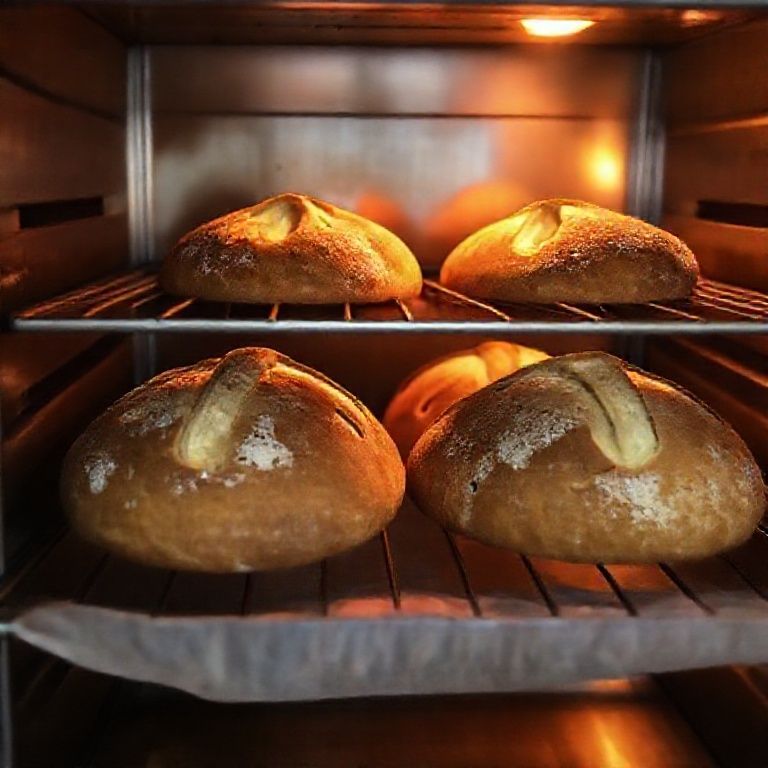
Let me start with a confession: I spent three years baking sourdough in a convection oven that was absolutely wrong for my needs before I admitted I had no clue what I was doing. The crusts were either leather or charcoal, the proofing was inconsistent, and I blamed everything, my starter, the Nashville humidity, my own incompetence, before realizing the problem was the damn oven. Turns out, commercial ovens aren’t just “hot boxes”; they’re specialized tools, and picking the wrong one is like trying to frost a cake with a spatula made of sandpaper.
If you’re a baker, whether you’re scaling up from a home kitchen, opening your first wholesale operation, or just tired of your current oven’s quirks, this guide is for you. We’re diving deep into every major type of commercial oven, not just the specs but the real-world implications of each. What’s it like to load a rack oven at 4 a.m.? How does a deck oven’s heat distribution actually affect your baguettes? And why do so many bakeries swear by combi ovens despite the sticker shock? I’ve talked to bakers, equipment reps, and even a few engineers (who, by the way, love overcomplicating things) to break this down in a way that’s useful, not just technical.
By the end, you’ll know:
- Which oven types align with your specific products (bread vs. pastries vs. cookies)
- The hidden costs (energy, maintenance, training) no one talks about upfront
- How to future-proof your purchase as your business grows
- When to splurge and where you can save without regretting it
And because I’ve been burned (literally) by bad advice before, I’ll also call out the myths and half-truths floating around forums. Let’s get into it.
The 10 Types of Commercial Ovens Every Baker Should Understand
1. Deck Ovens: The Purist’s Choice (But Not Without Flaws)
If you’ve ever eaten a perfectly blistered Neapolitan pizza or a crusty French baguette with that signature chew, chances are it came from a deck oven. These are the ovens that make bakers weep with joy-and sometimes frustration. Here’s why:
Deck ovens use radiant heat from stone or ceramic decks to bake products directly on the surface. No fans, no forced air, just pure, even heat transfer. The result? Unmatched crust development and that coveted “hearth-baked” texture. But, and this is a big but, they’re ot plug-and-play. You need to understand heat retention, deck seasoning (yes, like cast iron), and how to manage multiple decks if you’re baking at scale.
Pros:
- Superior crust and texture for artisanal bread, pizza, and flatbreads
- Versatility: Can bake everything from ciabatta to cookies (with adjustments)
- Durability: A well-maintained deck oven can last 20+ years
- Energy efficiency for small batches (once heated, they retain warmth well)
Cons:
- Slow preheat times (30–60 minutes isn’t uncommon)
- Labor-intensive: Requires manual loading/unloading (no rolling racks)
- Skill curve: You will burn a few batches learning heat zones
- Space hogs: Need proper ventilation and clearance
Best for: Artisan bakeries, pizzerias, and small-scale operations where quality outweighs speed. If you’re making 500 loaves a day, look elsewhere. If you’re making 50 perfect loaves, this is your oven.
Real-world tip: Invest in a deck brush and stone cleaner. Neglecting the decks leads to uneven baking and off-flavors. And for the love of all things holy, don’t use soap-just scrape and brush.
2. Convection Ovens: The Workhorse (With a Few Quirks)
This is the oven I wrongly assumed was the “default” for bakeries. Convection ovens use fans to circulate hot air, which means faster, more even baking. They’re the Swiss Army knife of commercial ovens-good for cookies, cakes, pastries, and even some breads. But here’s what no one tells you: they’re not all created equal.
There are two main types:
- Standard convection: Air is blown horizontally. Great for consistency but can dry out products if not monitored.
- Impingement convection: Uses high-velocity air jets (think jet-engine heat) for ultra-fast baking. Common in high-volume operations like chain bakeries.
Pros:
- Speed: Cuts baking time by 20–30% compared to deck ovens
- Evenness: No hot spots (if the fan’s working properly)
- Versatility: Can handle multiple product types in one batch
- Easier to train staff on (less finesse required than deck ovens)
Cons:
- Can over-brown or dry out products if not adjusted for airflow
- Less “artisan” crust (lack of radiant heat means less caramelization)
- Noise: Fans aren’t silent, especially in older models
- Maintenance: Fans and vents need regular cleaning to avoid grease fires
Best for: High-volume bakeries, cafes, and operations where consistency > artistry. If you’re making 200 dozen cookies a day, this is your best friend. If you’re a sourdough purist, you might hate it.
Real-world tip: If you’re baking laminated pastries (croissants, puff pastry), reduce the fan speed to prevent layers from blowing apart. Also, rotate your pans-even with convection, hot spots can develop over time.
3. Rack Ovens: The Mass-Production Beast
Walk into any wholesale bakery or supermarket bakery department, and you’ll likely see a rack oven. These are the industrial powerhouses designed for one thing: pumping out thousands of units with minimal labor. They use rolling racks that hold multiple trays, which are wheeled in and out of the oven cavity.
Here’s the kicker: They’re not just big convection ovens. The best ones combine convection, radiant heat, and sometimes even steam to mimic artisanal results at scale. But they’re expensive (think $50K–$200K), and if you don’t have the volume to justify it, you’re throwing money away.
Pros:
- Unmatched capacity: Can bake 20+ sheets at once
- Labor savings: One person can load/unload hundreds of units
- Consistency: Computer-controlled settings reduce human error
- Flexibility: Can bake everything from bread to cakes to pies
Cons:
- Footprint: Needs a dedicated space (and often custom ventilation)
- Upfront cost: Not for the faint of wallet
- Complexity: Requires training to program and maintain
- Energy use: These things are ot eco-friendly
Best for: Large-scale operations, wholesale bakeries, and businesses with diverse product lines. If you’re supplying bread to 20 coffee shops, this is your oven. If you’re a solo baker, it’s overkill.
Real-world tip: If you’re considering a used rack oven, check the door seals and fan motors. These are the first things to wear out, and replacements aren’t cheap. Also, egotiate installation-some dealers include it, others charge extra.
4. Combi Ovens: The Overachiever (But Do You Need It?)
Combi ovens are the darling of modern kitchens, and for good reason: they combine convection, steam, and sometimes even microwave functions in one unit. For bakers, the steam injection is the game-changer, it lets you replicate a deck oven’s crust in a fraction of the time. But here’s the debate: Are they worth the hype?
I’ve seen bakeries swear by them and others call them “a glorified toaster”. The truth? It depends on what you’re baking. For bread, pastries, and proofing, they’re incredible. For delicate cookies or cakes, the steam can be overkill.
Pros:
- Steam control: Perfect for artisan bread, pretzels, and laminated doughs
- Multi-functionality: Can replace a proofer, steamer, and oven in one
- Precision: Digital controls allow for repeatable results
- Space-saving: One unit does the work of three
Cons:
- Cost: High-end models can run $20K–$40K
- Learning curve: Mastering steam settings takes time
- Maintenance: Steam systems require descaling and cleaning
- Overkill for some: If you only bake cookies, why pay for steam?
Best for: Bakeries with diverse menus, especially those needing steam (bread, pastries, bagels). If you’re a cookie-only operation, save your money.
Real-world tip: If you’re using a combi for bread, preheat with steam to create that initial burst of moisture, then switch to dry heat for the finish. And always use filtered water, mineral buildup will wreck the steam generator.
5. Conveyor Ovens: The Fast-Food Bakery Hybrid
You’ve seen these in pizza chains and fast-casual bakeries. Conveyor ovens use a moving belt to pull products through a heated chamber, ensuring consistent bake times. They’re ot common in traditional bakeries, but they’re worth mentioning because they solve a specific problem: high-speed, low-skill production.
Pros:
- Speed: Can bake hundreds of units per hour
- Consistency: No human error in timing
- Ease of use: Minimal training required
- Compact: Fits into tight spaces
Cons:
- Limited versatility: Best for flat products (cookies, pizza, flatbreads)
- Less control: Hard to adjust for different products
- Quality trade-off: Won’t give you artisanal results
- Maintenance: Belts wear out and need replacement
Best for: High-volume, single-product operations (e.g., cookie factories, pizza shops). If you’re a craft baker, this isn’t your tool.
Real-world tip: If you’re using a conveyor for cookies, rotate your pans 180° halfway to account for uneven heat distribution. And watch the belt tension, too loose, and products won’t move evenly.
6. Rotary Rack Ovens: The Middle Ground
Think of these as the lovechild of a rack oven and a Ferris wheel. Rotary rack ovens have a rotating rack inside a stationary chamber, which ensures even heat distribution without requiring manual rotation. They’re popular in European bakeries and are gaining traction in the U.S. for mid-volume operations.
Pros:
- Even baking: No need to rotate pans
- Space-efficient: Smaller footprint than a standard rack oven
- Versatile: Can bake bread, pastries, and cakes
- Energy-efficient: Better heat retention than convection
Cons:
- Slower than rack ovens (but faster than deck ovens)
- Limited capacity: Not for massive production
- Higher cost than basic convection
- Mechanical complexity: More moving parts = more to break
Best for: Small to mid-sized bakeries that want artisanal quality without the labor of deck ovens. If you’re making 100–500 units per day, this could be your sweet spot.
Real-world tip: If you’re baking sourdough, use the “falling heat” method: Start hot to get oven spring, then reduce temp for even baking. Rotary ovens excel at this.
7. Steam Ovens: The Secret Weapon for Bread Bakers
If you’ve ever struggled with dry, pale crusts on your bread, a steam oven might be your salvation. These ovens inject controlled bursts of steam at the start of baking, which delays crust formation and allows for maximum oven spring. The result? Bakery-quality bread with minimal effort.
But here’s the catch: They’re not standalone ovens. Most are add-ons to convection or deck ovens, though some high-end models (like combi ovens) have built-in steam functions.
Pros:
- Professional crust development without a deck oven
- Faster proofing: Steam accelerates yeast activity
- Versatility: Can be used for bagels, pretzels, and pastries
- Consistency: Eliminates guesswork with humidity control
Cons:
- Cost: Adding steam to an oven isn’t cheap
- Maintenance: Steam generators need regular descaling
- Learning curve: Too much steam = gummy crust; too little = no effect
- Space: Requires plumbing for water supply
Best for: Bread-focused bakeries, bagel shops, and operations where crust quality is non-negotiable. If you’re mostly doing cakes or cookies, skip it.
Real-world tip: For sourdough, use steam for the first 5–10 minutes, then vent the oven to crisp the crust. And always use distilled water to avoid mineral buildup.
8. Pizza Ovens: Not Just for Pizza Anymore
Yes, they’re called pizza ovens, but modern versions are incredibly versatile for bakers. The key is the high heat and fast bake times, which can be adapted for flatbreads, focaccia, and even some pastries. There are three main types:
Wood-fired:
- Pros: Unmatched flavor, high heat (900°F+), great for Neapolitan-style
- Cons: Labor-intensive, requires skill, not legal everywhere (check local codes)
Gas-fired:
- Pros: Easier to control, cleaner, still hits high temps
- Cons: Less “smoky” flavor than wood
Electric:
- Pros: Precise temp control, no ventilation needed (sometimes)
- Cons: Lower max temp, less “authentic” flavor
Best for: Bakeries that also sell pizza, or those specializing in high-heat products like flatbreads and focaccia. If you’re not using the extreme heat, it’s overkill.
Real-world tip: If you’re using a pizza oven for bread, pre-shape your dough tightly-the intense heat can cause weak dough to spread too much. And invest in a good peel and stone; they make a difference.
9. Proofing Ovens: The Unsung Hero
Not a baking oven per se, but essential for any serious bakery. Proofing ovens (or proofer cabinets) control temperature and humidity to optimize dough fermentation. Skipping this step is like trying to build a house without a foundation, your final product will suffer.
Pros:
- Consistent proofing: No more “guessing” with room temp
- Faster production: Can speed up or slow down proofing as needed
- Better texture: Proper proofing = better crumb and crust
- Versatility: Can also be used for yogurt, tempering chocolate, or holding pastries
Cons:
- Cost: Good proofers start at $2K–$5K
- Space: Another large piece of equipment
- Maintenance: Humidity systems need cleaning
Best for: Any bakery doing yeasted products (bread, pastries, donuts). If you’re only making cookies, you can skip it.
Real-world tip: If you’re proofing sourdough, use a lower temp (75–80°F) and longer time for better flavor development. And don’t overcrowd-dough needs room to expand.
10. Specialty Ovens: When Nothing Else Will Do
Sometimes, standard ovens won’t cut it. Here are a few iche options for specific needs:
Tunnel Ovens:
- Used in industrial bakeries for continuous production (e.g., crackers, breadsticks).
- Pros: Massive output, automated.
- Cons: Expensive, not flexible.
Revolving Ovens:
- Like a rotisserie for baking-racks rotate vertically.
- Pros: Even baking, space-efficient.
- Cons: Limited capacity, slower.
Microwave-Combination Ovens:
- Used in some commercial kitchens for rapid baking (e.g., muffins, quick breads).
- Pros: Speed, energy efficiency.
- Cons: Texture can suffer, not for artisanal products.
Best for: Very specific, high-volume needs. Most bakeries won’t need these, but if you’re doing something unusual (e.g., gluten-free crackers at scale), they might be worth exploring.
How to Choose the Right Oven for Your Bakery (Without Regretting It)
Now that you know the options, how do you pick? Here’s my o-BS framework:
Step 1: Define Your Core Products
What are you baking 80% of the time? Be honest. If it’s sourdough bread, a deck or combi oven is non-negotiable. If it’s cookies and cakes, convection is fine. If it’s a mix, you might need two ovens (yes, really).
Ask yourself:
- Do I need steam for crust development?
- Is speed more important than artisanal quality?
- Will I be scaling up in the next 2 years?
Step 2: Calculate Realistic Volume
Don’t buy based on “someday” volume. If you’re currently baking 50 loaves a day, a rack oven is overkill. But if you’re at 200 and growing, it might be time. Rule of thumb:
- 0–100 units/day: Deck, convection, or rotary rack
- 100–500 units/day: Rotary rack or small rack oven
- 500+ units/day: Full rack oven or tunnel oven
Step 3: Budget for the Hidden Costs
The sticker price is just the start. Factor in:
- Installation: Ventilation, gas lines, electrical upgrades
- Training: Some ovens (like combi or rack) require staff education
- Maintenance: Steam systems, fans, and belts wear out
- Energy: Deck ovens are cheap to run; rack ovens are not
- Space: Will you need to reorganize your kitchen?
Pro tip: Call your local utility company before buying. Some offer rebates for energy-efficient models (especially convection or combi ovens).
Step 4: Test Before You Buy
This is where most bakers mess up. Never buy an oven without baking in it first. Many dealers offer demo days or rentals. Bring your actual dough and test:
- How even is the bake?
- How long does it take to recover between batches?
- Is the steam function (if applicable) easy to control?
- How loud is it? (Seriously, some ovens sound like jet engines.)
Step 5: Plan for Growth (But Don’t Overbuy)
It’s tempting to buy the “biggest, baddest” oven you can afford, but that’s a trap. Instead:
- Buy an oven that handles 1.5x your current volume.
- Choose a brand with modular upgrades (e.g., adding steam later).
- Consider used or refurbished for high-end models (but inspect thoroughly).
Warning: Some ovens (like deck ovens) hold resale value; others (like custom conveyor systems) don’t. Think about exit strategy.
The Oven Features No One Tells You About (But Should)
Beyond the basics, here are the little details that make or break your experience:
1. Heat Recovery Time
How fast does the oven reheat after opening the door? This is critical for high-volume bakeries. Some ovens (like deck ovens) take forever; others (like combi ovens) recover in minutes.
2. Door Design
Swing vs. sliding doors:
- Swing doors are easier to clean but take up space.
- Sliding doors save space but can be finicky.
Glass vs. solid doors:
- Glass lets you monitor without opening (but can fog up).
- Solid doors retain heat better.
3. Control Systems
Digital vs. analog:
- Digital offers precision and programmability (great for consistency).
- Analog is simpler and more durable (less to break).
Wi-Fi/remote monitoring: Some high-end models let you adjust settings from your phone. Gimmick or game-changer? Depends on your workflow.
4. Cleaning and Maintenance
Ask:
- Are the racks and trays dishwasher-safe?
- How often does the steam system need descaling?
- Can you easily replace the door gasket?
Red flag: If the sales rep can’t tell you the average lifespan of key parts, walk away.
5. Ventilation Requirements
Some ovens (like wood-fired or high-BTU gas models) need custom hoods. Others (like electric convection) can sometimes use existing ventilation. Check local codes-some areas require Type I hoods (for grease) even for bakeries.
Common Mistakes Bakers Make (And How to Avoid Them)
I’ve made most of these. Learn from my pain:
1. Buying Based on Price Alone
A cheap oven will cost you more in energy, repairs, and wasted product. That said, you don’t need the most expensive model. Mid-range is often the sweet spot.
2. Ignoring Energy Efficiency
An oven that costs $10K but uses $500/month in gas is not a bargain. Look for:
- Insulation quality (better insulation = less heat loss)
- Energy Star ratings (for electric models)
- Heat recovery systems (some ovens reuse exhaust heat)
3. Skipping the Warranty
Ovens will break. A good warranty covers:
- Parts (especially heating elements, fans, steam generators)
- Labor (some brands make you pay for service calls)
- Downtime (will they lend you a loaner if repairs take weeks?)
4. Not Training Staff
A $30K oven is useless if your team doesn’t know how to use it. Budget for:
- Initial training from the manufacturer
- Ongoing refresher courses
- Clear SOPs (Standard Operating Procedures) for each product
5. Forgetting About Resale Value
Some brands (like Bongard, MIWE, or Rational) hold value; others depreciate fast. If you might sell later, choose a popular, well-supported brand.
Final Thoughts: The Oven Is Just the Start
Here’s the truth: The oven matters, but it’s not everything. I’ve seen amazing bakers produce mediocre results in a top-tier oven because they didn’t adjust their process. And I’ve seen home bakers turn out incredible loaves in a $500 countertop model because they understood their dough.
So yes, pick the right oven. But also:
- Invest in good thermometers and timers.
- Train your team religiously.
- Test, adjust, and keep notes on every batch.
- Remember that ingredients and technique matter more than the equipment.
And if you’re still unsure? Start small. Buy a used deck oven or a mid-range convection, master it, and scale up when you’re ready. The worst decision is rushing into a purchase that cripples your cash flow or limits your creativity.
Now, go bake something amazing. And if you end up with a few burnt loaves along the way? Welcome to the club. We’ve all been there.
FAQ
Q: Can I use a home oven for commercial baking if I’m just starting out?
A: Technically, yes, but it’s a bad long-term idea. Home ovens lack the consistency, capacity, and durabilityeeded for commercial use. If you’re selling products, you’ll also need to comply with health department regulations, which often require commercial-grade equipment. That said, if you’re testing recipes or selling at farmers’ markets, a high-end home oven (like a Breville or Wolf) can work temporarily. Just don’t expect it to last more than a year under heavy use.
Q: How do I know if I need a steam oven or if a pan of water in a regular oven will work?
A: A pan of water is a poor substitute for real steam injection. It creates humidity, not the burst of steameeded for proper crust development. If you’re baking more than a few loaves a day and want consistent, professional results, invest in a steam oven or a combi. For occasional home baking, the pan trick is fine, but it won’t give you that glossy, crackly crust you see in bakeries.
Q: What’s the biggest difference between a $5,000 oven and a $20,000 oven?
A: Three things:
- Build quality: Cheaper ovens use thinner metals, less insulation, and lower-grade components that wear out faster.
- Precision: High-end ovens have better temperature control, even heat distribution, and more advanced features (like programmable steam cycles).
- Durability: A $20K oven is designed to run 12+ hours a day for 10+ years; a $5K oven might last 3–5 years under the same use.
That said, ot every bakery needs a $20K oven. If you’re a small operation, a well-maintained mid-range oven can serve you just as well.
Q: How often should I clean my commercial oven, and what’s the best way to do it?
A: Cleaning frequency depends on usage, but here’s a general guide:
- Daily: Wipe down interior surfaces, remove crumbs/debris, and clean racks.
- Weekly: Deep clean with a food-safe degreaser (avoid abrasive cleaners on stone decks).
- Monthly: Check and clean vents, fans, and steam systems (if applicable). Descale steam generators.
- Quarterly: Inspect door seals, heating elements, and thermostats for wear.
Pro tip: For deck ovens, use a deck brush and razor blade to remove stuck-on dough. For convection ovens, remove and soak racks in hot, soapy water. Never use oven cleaner-it’s toxic and can leave residues that affect flavor.
@article{commercial-oven-types-explained-for-bakers-the-unfiltered-guide-you-actually-need,
    title   = {Commercial Oven Types Explained for Bakers: The Unfiltered Guide You Actually Need},
    author  = {Chef's icon},
    year    = {2025},
    journal = {Chef's Icon},
    url     = {https://chefsicon.com/commercial-oven-types-explained-for-bakers/}
}