The Best Fluffy Pancakes recipe you will fall in love with. Full of tips and tricks to help you make the best pancakes.
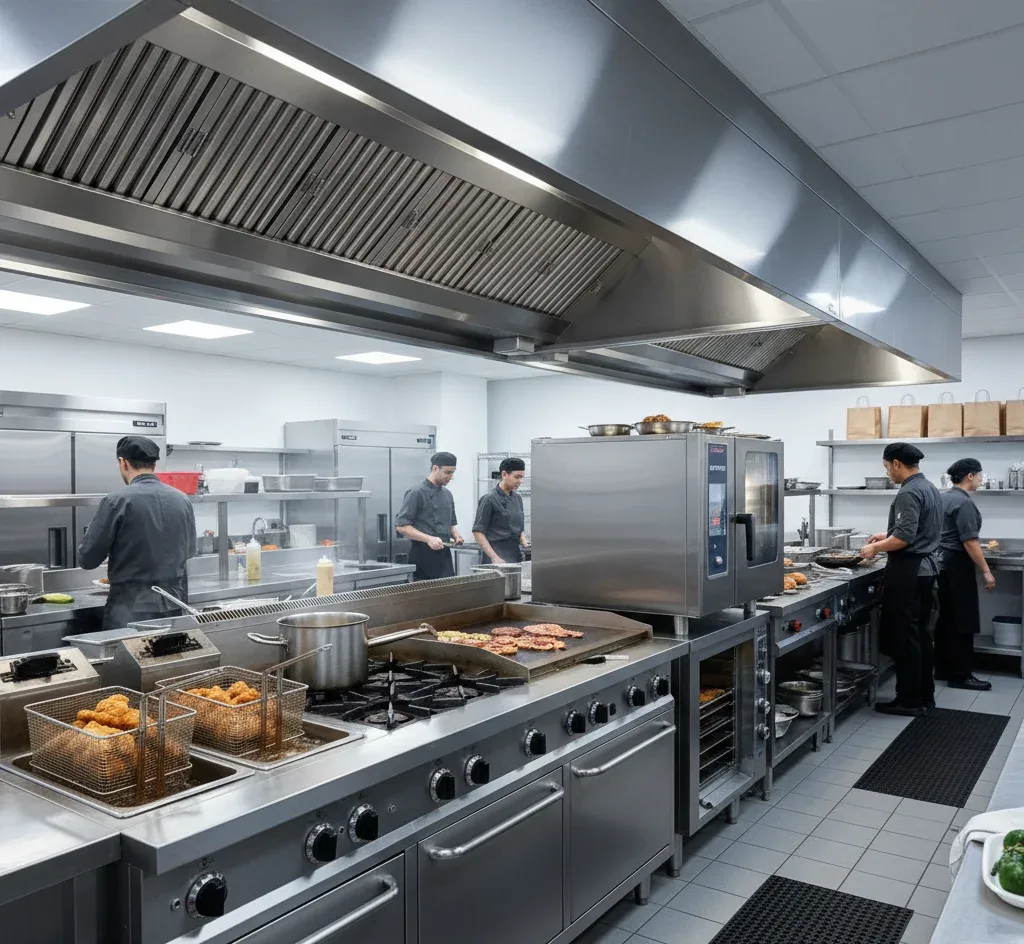
Essential Equipment for a Home Baker’s Kitchen
Whether you’re a seasoned baker or just starting out, having the right essential equipment for a home baker’s kitchen can make all the difference. I remember when I first moved to Nashville from the Bay Area, I was overwhelmed by the sheer amount of kitchen gadgets available. But over time, I’ve figured out what’s truly essential. So, let’s dive in and explore the must-have tools that’ll turn your kitchen into a baking haven.
In this article, we’ll cover everything from mixing bowls to stand mixers, ensuring you have a well-rounded understanding of what you need. By the end, you’ll be ready to tackle any recipe with confidence. Let’s get started!
Mixing Bowls: The Unsung Heroes
Mixing bowls are the workhorses of any baker’s kitchen. You’ll need a set that includes various sizes to accommodate different recipes. I prefer stainless steel bowls because they’re durable and easy to clean. Plus, they won’t absorb odors like plastic ones can.
A good set should include at least three sizes: small, medium, and large. This way, you can handle everything from whipping up a small batch of cookie dough to mixing a large cake batter.
Measuring Tools: Precision is Key
Baking is a science, and precision is crucial. That’s why having a reliable set of measuring cups and spoons is non-negotiable. I recommend getting a set that includes both dry and liquid measuring cups. For spoons, make sure you have at least a tablespoon, teaspoon, and half-teaspoon measure.
And let’s not forget the kitchen scale. It’s a game-changer for recipes that require exact measurements. I was skeptical at first, but now I can’t imagine baking without one. Is this the best approach? Let’s consider the benefits: consistency in results, easier cleanup, and the ability to follow international recipes that use grams instead of cups.
Spatulas and Whisks: Your Mixing Allies
When it comes to mixing, silicone spatulas are your best friends. They’re flexible, heat-resistant, and perfect for scraping every last bit of batter from your bowls. I have a few in different sizes and shapes for various tasks.
And then there’s the whisk. A good whisk can make quick work of combining dry ingredients or whipping up a smooth batter. I prefer a balloon whisk for its versatility, but a flat whisk can be handy for sauces and gravies.
Baking Sheets and Pans: The Foundation
No home baker’s kitchen is complete without a set of baking sheets. I recommend aluminum sheets because they conduct heat evenly and are durable. Look for ones with raised edges to prevent spills.
As for baking pans, you’ll need a variety to cover all your bases. A 9×13-inch rectangular pan is a must for cakes and casseroles. A 9-inch round cake pan is perfect for layer cakes, and a loaf pan is essential for bread. Don’t forget a muffin tin for all those delicious muffin and cupcake recipes.
Ovens and Thermometers: Temperature Control
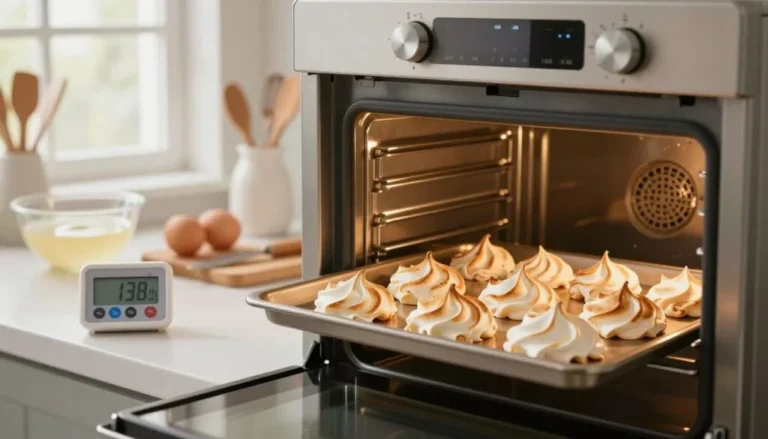
Your oven is the heart of your baking operation. Whether you have a conventional or convection oven, make sure it’s in good working order. Regular cleaning and maintenance can extend its lifespan and ensure consistent results.
And speaking of consistency, an oven thermometer is a must. Ovens can be finicky, and the built-in thermometer isn’t always accurate. A separate thermometer ensures you’re baking at the right temperature every time.
Cooling Racks: The often overlooked cool down
Once your goods are out of the oven, they need a place to cool down. Cooling racks allow air to circulate around your baked goods, preventing them from becoming soggy. I like to have a few on hand, especially during holiday baking marathons.
There are different types you might consider, for example stackable cooling racks can be space-saving, but ultimately you should go for durability and ease of cleaning.
Stand Mixers vs. Hand Mixers: The Great Debate
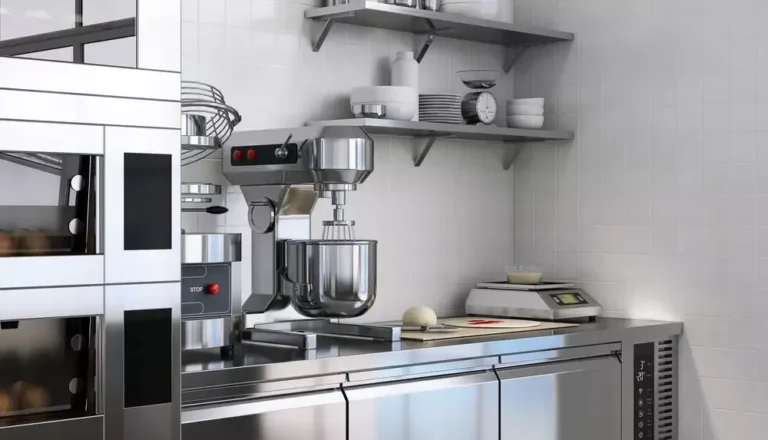
Now, let’s talk about mixers. I’m torn between stand mixers and hand mixers. Stand mixers are powerful and versatile, perfect for heavy-duty tasks like kneading dough. But they can be pricey and take up a lot of counter space.
Hand mixers, on the other hand, are more affordable and easier to store. They’re great for quick jobs like whipping cream or mixing batter. Maybe I should clarify that both have their place, and it ultimately depends on your needs and budget.
Rolling Pins and Pastry Mats: For Perfect Pastries
If you’re into making pies or cookies, a good rolling pin is essential. I prefer a marble rolling pin because it stays cool, which is great for working with dough. But a classic wooden rolling pin is also a solid choice.
A silicone pastry mat can make rolling out dough a breeze. It provides a non-stick surface and often comes with handy measurement guides. Plus, it’s easy to clean and store.
Parchment Paper and Silicone Mats: Non-Stick Solutions
Nobody likes stuck-on messes. Parchment paper is a lifesaver for lining baking sheets and pans. It ensures easy release and cleanup. But maybe I should clarify, it’s not reusable.
For a more eco-friendly option, consider silicone baking mats. They’re reusable, non-stick, and can withstand high temperatures. I use them for everything from cookies to roasted vegetables.
Timers and Timing: Keeping Track
Timing is everything in baking. A reliable kitchen timer is a must. I prefer a digital timer because it’s easy to set and read. But honestly, sometimes I just use the timer on my phone. Is this the best approach? Let’s consider the convenience factor.
And there you have it! The essential equipment for a home baker’s kitchen. With these tools, you’ll be well-equipped to tackle any recipe that comes your way. But remember, baking is also about experimentation and fun. Don’t be afraid to get creative and make it your own.
FAQ
Q: What’s the most versatile mixing bowl material?
A: Stainless steel is highly recommended for its durability and ease of cleaning. It doesn’t absorb odors like plastic and can handle a variety of tasks.
Q: Do I really need an oven thermometer?
A: Yes, an oven thermometer ensures accurate baking temperatures, which is crucial for consistent results. Built-in oven thermometers can be inaccurate.
Q: Can I use a hand mixer instead of a stand mixer?
A: Absolutely! Hand mixers are more affordable and easier to store. They’re great for quick tasks, though stand mixers are better for heavy-duty jobs.
Q: What’s the benefit of a silicone baking mat?
A: Silicone baking mats are reusable, non-stick, and can withstand high temperatures. They’re an eco-friendly alternative to parchment paper.
@article{essential-equipment-for-a-home-bakers-kitchen,
    title   = {Essential Equipment for a Home Baker’s Kitchen},
    author  = {Chef's icon},
    year    = {2025},
    journal = {Chef's Icon},
    url     = {https://chefsicon.com/essential-equipment-for-a-home-bakers-kitchen/}
}