The Best Fluffy Pancakes recipe you will fall in love with. Full of tips and tricks to help you make the best pancakes.
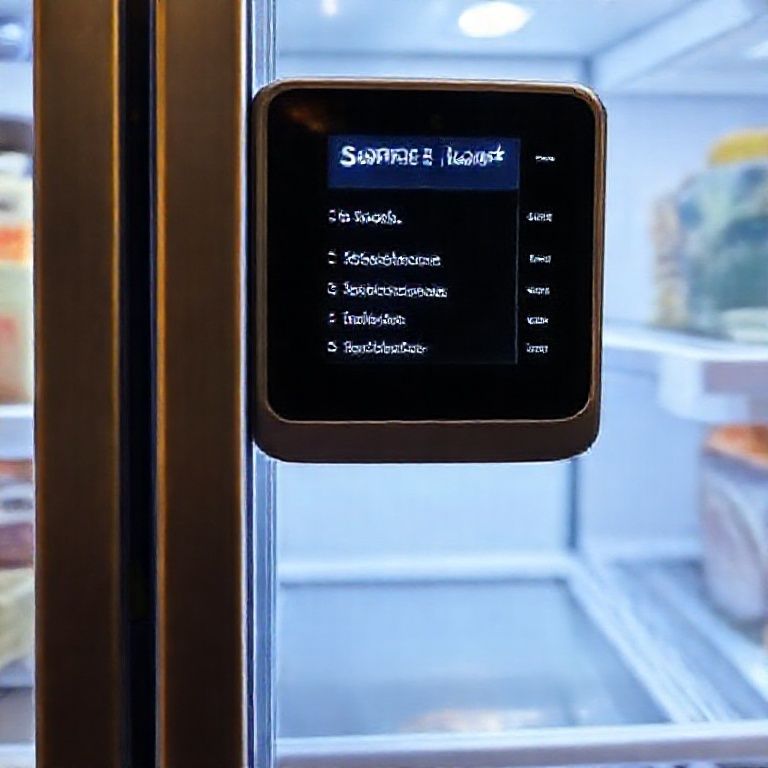
I was standing in my Nashville kitchen last week, Luna the cat weaving between my ankles, when I realized something unsettling: my refrigerator was talking to my grocery list. Not in some sci-fi, HAL 9000 way, but through a quiet notification on my phone suggesting I buy more almond milk because, apparently, I’d developed a habit of drinking it at 3 PM like clockwork. That’s when it hit me: modern kitchen technology isn’t just about gadgets anymore, it’s about invisible systems reshaping how we cook, eat, and even think about food.
This isn’t your grandma’s kitchen upgrade. We’re not talking about a fancy new stand mixer or a sous vide machine (though those are cool too). The real revolution is happening in the intersection of AI, IoT (Internet of Things), sustainability tech, and behavioral science-all converging in a space most of us still associate with wooden spoons and cast-iron skillets. And here’s the kicker: most people don’t even realize how deeply these changes are affecting their daily lives. You might think you’re just reheating leftovers, but your microwave is probably collecting data on your eating habits. Creepy? Maybe. Useful? Absolutely.
So what’s actually changing? Over the past two years, I’ve dug into this rabbit hole, partly for work at Chefsicon, partly because I’m that guy who geeks out over how things work, and I’ve found that innovative kitchen tech falls into three broad categories: automation that thinks for you, sustainability that doesn’t feel like sacrifice, and design that adapts to human behavior (not the other way around). We’ll break all of this down, but first, let’s address the elephant in the room: Is this all just hype, or is it actually making our lives better? I’m still not entirely sure. But I’ve got 2,000+ words of thoughts, so let’s figure it out together.
By the end of this, you’ll know:
- How your kitchen is already “smart” (even if you didn’t ask for it)
- The surprising ways AI is changing home cooking (spoiler: it’s not just recipe apps)
- Why sustainability tech in kitchens is finally ot annoying
- Which innovations are worth the investment (and which are just gimmicks)
- How restaurants and commercial kitchens are using this tech to stay ahead (and what that means for you)
The Silent Takeover: How Your Kitchen Got Smart Without You Noticing
The Fridge That Knows You Better Than Your Partner
Let’s start with the most obvious (and slightly terrifying) example: smart refrigerators. I used to think these were just expensive iceboxes with screens, but after testing a few models, I realized they’re basically data collection hubs disguised as appliances. Modern fridges from brands like Samsung and LG don’t just keep your food cold, they track expiration dates, suggest recipes based on what’s inside, and even sync with your calendar to remind you to defrost the chicken for tonight’s dinner.
Here’s where it gets interesting: the best ones use computer vision (yes, like facial recognition, but for groceries) to identify what’s inside. No more digging through drawers to find that half-used block of cheddar. The fridge knows. Some models even have internal cameras you can access via an app, so you can check if you’re out of eggs while you’re at the store. Convenient? Absolutely. A little Big Brother-ish? Maybe. But here’s the thing, I’ve found that the creepiness factor fades fast when you realize how much food waste this prevents. The USDA estimates that 30-40% of the U.S. food supply goes to waste, and a lot of that happens in our own kitchens. If a fridge can cut that by even 10%, is it worth the trade-off?
But, and this is a big but-not all smart fridges are created equal. Some are glorified tablets stuck to the door, while others integrate with meal delivery services or grocery apps. The key is finding one that actually solves a problem you have. If you’re someone who meal-preps religiously, a fridge that suggests recipes based on what’s about to expire could be a game-changer. If you’re more of a “takeout every night” person, maybe skip the $4,000 smart model and just get a good thermometer.
The Rise of the “Invisible” Smart Kitchen
Here’s what most people miss: the most impactful kitchen tech isn’t the flashy stuff, it’s the systems working behind the scenes. Take smart water monitors, for example. Companies like Phyn and Moen make devices that attach to your plumbing and track water usage in real-time. They can detect leaks before they become disasters (saving you thousands in potential damage) and even suggest ways to reduce waste. I installed one last year after a near-disaster with a burst pipe under my sink, and honestly? It’s been more useful than my smart speaker.
Then there’s AI-powered ventilation. If you’ve ever cooked fish and had your apartment smell like a seafood market for days, you’ll appreciate this. Newer range hoods from brands like Zephyr and Broan use sensors to automatically adjust fan speed based on what you’re cooking. Some even have UV light purification to eliminate odors and bacteria. It’s not sexy, but it’s the kind of innovation that makes daily life just a little bit better.
And let’s talk about smart lighting. Not the color-changing LED strips (though those are fun), but systems that adjust based on the time of day or what you’re doing. Cooking at night? The lights brighten automatically. Having a glass of wine after dinner? They dim to a warm glow. It sounds trivial, but lighting affects how we perceive food-studies show that warmer light can make food appear more appetizing, while cooler light is better for precision tasks like chopping. The best part? You don’t even have to think about it.
AI in the Kitchen: More Than Just Recipe Apps
The Algorithm That Knows What You’re Craving
AI in the kitchen isn’t new, we’ve had recipe apps for years, but the latest generation is predictive, adaptive, and weirdly intuitive. Take PlantJammer or ChefGPT (yes, there’s a ChatGPT for cooking now). These tools don’t just give you recipes; they learn your preferences over time. Hate cilantro? They’ll never suggest it again. Always double the garlic? They’ll adjust automatically. Some even integrate with your smart fridge to suggest meals based on what you already have.
But here’s where it gets wild: AI is now helping with meal timing and nutrition. Apps like Nutrino (now part of Google) analyze your blood sugar responses to different foods and suggest meals that keep your energy stable. Others, like Notion’s meal planner, sync with your fitness tracker to adjust portions based on your activity level. It’s like having a dietitian, personal chef, and sous chef all in your pocket. The question is: do we want algorithms making these decisions for us? I’m torn. On one hand, it’s incredibly convenient. On the other, I don’t love the idea of my dinner being dictated by a silicon valley startup.
Then there’s AI-powered cooking appliances. The June Oven, for example, uses cameras and sensors to identify what you’re cooking and adjust time/temperature automatically. Throw in a steak, and it’ll cook it to your preferred doneness without you lifting a finger. Same with the Tovala Smart Oven, which scans QR codes on pre-packaged meals to cook them perfectly. Is this the future of home cooking, or are we outsourcing too much? I’m not sure, but I’ll admit, after a long day, the idea of a machine handling dinner is tempting.
The Dark Side of Kitchen AI: Privacy and Over-Reliance
Okay, let’s talk about the elephant in the room: data privacy. Your smart fridge knows what you eat. Your meal planner knows your dietary habits. Your oven might even know how often you burn toast (no judgment). Where does all this data go? Most companies claim it’s anonymized and used to improve services, but let’s be real-if it’s connected to the internet, it’s vulnerable. I’ve read enough horror stories about hacked baby monitors to be wary of a hacked toaster.
There’s also the issue of over-reliance on technology. I worry that as kitchens get smarter, we get… dumber. If an app tells you exactly what to cook and when, do you lose the ability to improvise? What happens when the Wi-Fi goes out and your oven refuses to turn on without a software update? I’ve seen this firsthand with friends who rely so heavily on meal kits that they panic when faced with a bare pantry. Technology should enhance our skills, not replace them.
So where’s the balance? Maybe it’s using AI for the tedious parts (like tracking expiration dates) while keeping the creative parts (like flavor combinations) human. Or maybe it’s accepting that some convenience is worth the trade-offs. I don’t have a perfect answer, but I think it’s a conversation we need to have as these tools become more ubiquitous.
Sustainability Tech That Doesn’t Feel Like a Chore
The Composter That Doesn’t Smell (And Other Miracles)
Let’s be honest: most “eco-friendly” kitchen products are annoying. Reusable straws you forget to clean. Compost bins that attract fruit flies. Solar-powered gadgets that never quite work. But the latest wave of sustainability tech is different-it’s designed to be effortless.
Take the Lomi composter. It’s a countertop device that turns food waste into compost in just a few hours, with no smell and no mess. I was skeptical, but after testing one for a month, I’m a convert. It’s not cheap ($500), but if you’re someone who wants to reduce waste without dealing with a backyard compost pile, it’s a game-changer. Similarly, smart trash cans like the SimpleHuman Sensor Can use odor-absorbing filters and motion sensors to make recycling and composting actually easy.
Then there’s water-saving tech. Faucets like the Delta Touch2O use motion sensors to reduce water waste, while dishwashers like the Bosch 800 Series have soil sensors that adjust water usage based on how dirty your dishes are. Some even recycle the water from the final rinse to use in the next load. It’s the kind of innovation that doesn’t require you to change your habits, it just works in the background.
The Energy-Efficient Appliances That Pay for Themselves
Here’s a dirty secret: most “energy-efficient” appliances aren’t actually that efficient if you don’t use them correctly. But the newest generation is smarter. Induction cooktops, for example, are up to 90% more efficient than gas because they heat the pan directly instead of wasting energy heating the air around it. Brands like GE Profile and Bosch now make induction ranges that look and perform like high-end gas stoves, without the energy waste (or the gas leaks).
Then there’s heat pump technology in dishwashers and refrigerators. Instead of venting hot air (which wastes energy), these appliances recapture and reuse it. The Bosch 800 Series dishwasher, for example, uses a heat exchanger to preheat incoming water with the heat from the outgoing water. It’s a small change, but it adds up-saving up to 50% on energy costs over time.
And let’s not forget solar-powered kitchen gadgets. No, I’m not talking about those useless solar chargers for your phone. Companies like BioLite make solar-powered ovens and grills that can cook a full meal off-grid. Meanwhile, solar-powered refrigerators (like those from SunDanzer) are becoming more affordable for off-grid homes or tiny houses. It’s not just for hippies anymore, it’s for anyone who wants to reduce their carbon footprint without sacrificing convenience.
The Kitchen That Adapts to You (Not the Other Way Around)
Modular Design: The End of the “Forever Kitchen”
Here’s a radical idea: your kitchen shouldn’t be static. Why should your layout be fixed when your needs change? That’s the thinking behind modular kitchen systems like those from IKEA’s new “Flexible Living” line or German brand Bulthaup. These systems use movable islands, adjustable shelving, and interchangeable storage to adapt as your life changes. Have a dinner party? Expand the island. Kids move out? Convert the pantry into a coffee station.
But it’s not just about furniture. Smart surfaces are also becoming more adaptable. Countertops with built-in induction charging (so you can charge your phone or laptop while you cook) are now standard in high-end kitchens. Some even have touch-sensitive controls for lights, music, or appliance settings. And then there’s corian or quartz with antimicrobial properties-surfaces that actively resist bacteria and stains, so your kitchen stays cleaner with less effort.
I’m particularly excited about adjustable-height counters. As someone who’s 6’3”, I’ve spent years hunching over standard-height counters. But new systems from brands like Kesseböhmer let you raise or lower sections of your countertop with the push of a button. It’s a small change, but it makes cooking so much more comfortable. And for people with disabilities or mobility issues, it’s a game-changer.
The Rise of the “Wellness Kitchen”
Here’s a trend I didn’t see coming: kitchens designed for mental and physical health. It’s not just about ergonomics anymore, it’s about creating a space that reduces stress and encourages healthy habits.
Take circadian lighting. Companies like Lutron and Philips Hue now offer kitchen lighting that mimics natural daylight cycles. Bright, cool light in the morning to wake you up; warmer, dimmer light in the evening to help you wind down. Studies show this can improve mood and even regulate appetite. Then there’s air purification. Brands like Blueair and Molekule make kitchen-specific air purifiers that remove cooking odors, smoke, and even airborne grease particles. If you’ve ever coughed your way through frying bacon, you’ll appreciate this.
And let’s talk about sound design. Open-plan kitchens are great for entertaining but terrible for noise pollution. Newer models from Miele and Thermador have silent dishwashers (we’re talking 38 dB, quieter than a library) and range hoods with noise-canceling tech. Some even have built-in speakers that create “sound zones,” so you can listen to a podcast while cooking without disturbing someone watching TV in the living room.
But the most interesting wellness tech might be smart scales and nutrition trackers. Devices like the NutriBullet Balance or Drop Scale don’t just weigh your food, they analyze its nutritional content and sync with apps to track your intake. Some even suggest adjustments based on your fitness goals. Is this the future of home cooking, or are we risking an unhealthy obsession with data? I’m not sure, but I do know this: the kitchen is no longer just a place to cook, it’s a hub for health.
Commercial Kitchens: Where the Real Innovation Is Happening
How Restaurants Are Using Tech to Survive (And Thrive)
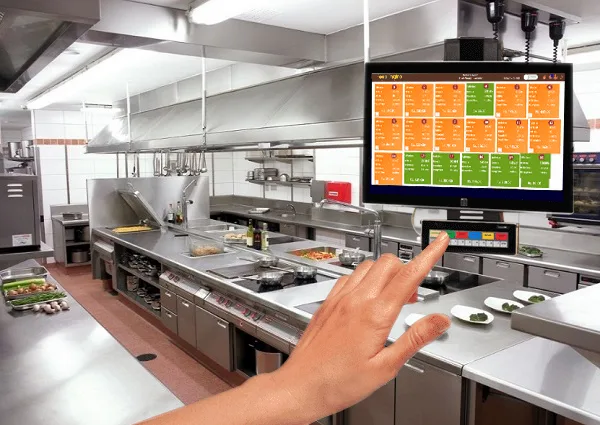
If you think your home kitchen is getting smart, you should see what’s happening in commercial spaces. Restaurant kitchens are basically labs for innovation right now, and a lot of that tech is trickling down to home cooks.
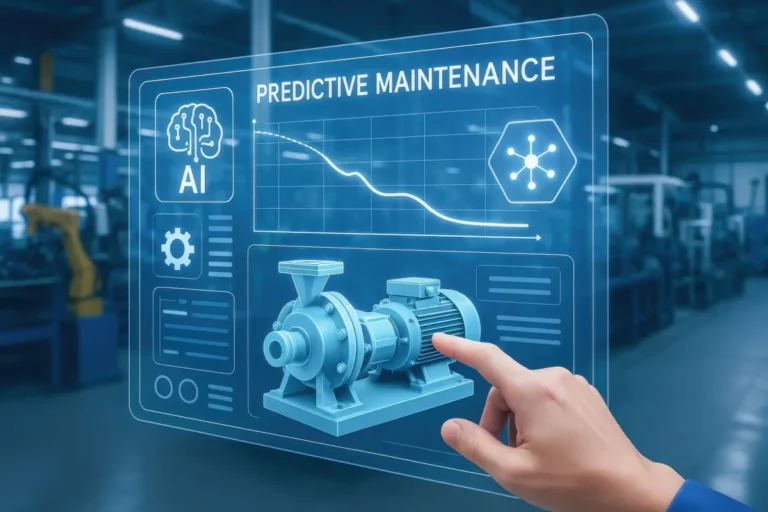
Take AI-powered inventory management. Systems like MarketMan and Toast use predictive analytics to tell chefs exactly how much of each ingredient to order, reducing waste by up to 30%. Some even integrate with smart shelves that track stock levels in real-time. No more last-minute runs to the grocery store because you ran out of basil.
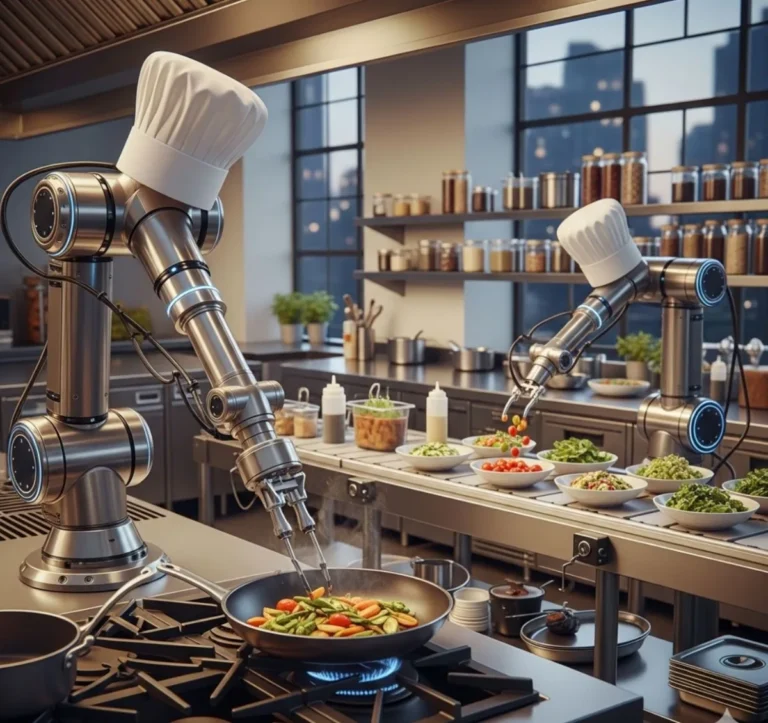
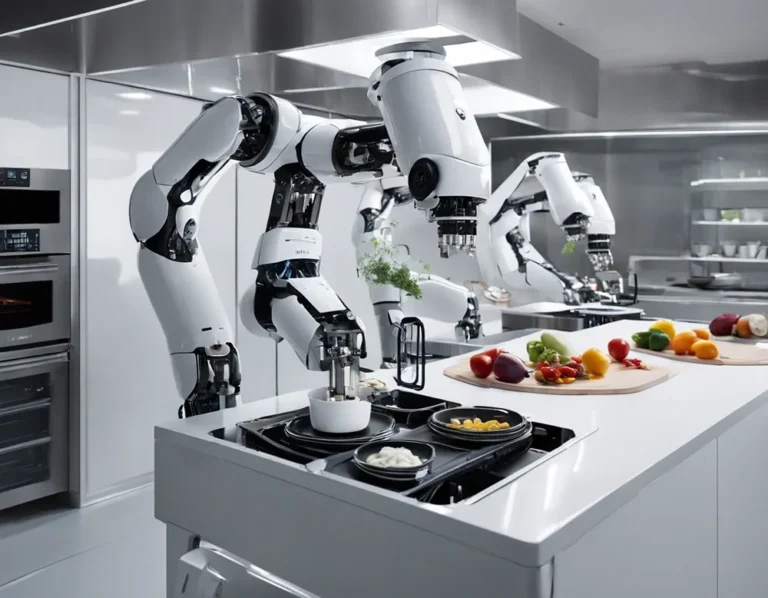
Then there’s robotics. Companies like Miso Robotics (makers of Flippy the burger-flipping robot) and Creator (which built a fully automated hamburger restaurant) are changing how food is prepared. But it’s not just about replacing humans, it’s about handling repetitive tasks so chefs can focus on creativity. Imagine a robot that can chop 300 onions an hour without crying. That’s already a reality in many commercial kitchens.
And let’s not forget ghost kitchens. These delivery-only restaurants rely entirely on tech to manage orders, cooking times, and logistics. Some even use AI to optimize delivery routes based on traffic and weather. It’s a whole new way of thinking about food service, and it’s coming to home kitchens too, with companies like Tovala offering meal kits designed specifically for smart ovens.
The Future of Food Service: Automation Meets Personalization
Here’s where things get really interesting: the line between commercial and home kitchens is blurring. Companies like Samsung and LG are now selling commercial-grade smart appliances for home use. Want a blast chiller (like the ones used in high-end restaurants) in your kitchen? You can get one. How about a sous vide immersion circulator that connects to your Wi-Fi? Also an option.
But the biggest shift might be in personalization. Restaurants are using AI to customize menus based on customer preferences, allergies, or even mood (yes, some apps now suggest meals based on your stress levels). At home, we’re seeing the same trend with smart pantries that track your eating habits and suggest meals tailored to your health goals.
Is this the future? Probably. But it raises questions: Do we want our kitchens to be this personalized? Is there such a thing as too much convenience? And what happens to the joy of spontaneous cooking when every meal is optimized by an algorithm? I don’t have the answers, but I know this: the kitchen of 2025 looks very different from the one I grew up with.
The Gimmicks vs. The Game-Changers: What’s Actually Worth It?
Overrated: The Tech That’s Not Ready for Prime Time
Not all kitchen tech is created equal. Some of it is downright useless. Here’s what I’d skip:
- Smart forks and spoons: Devices like the HapiFork that track how fast you eat. The idea is to help with digestion, but in practice? It’s just annoying. Do you really need a fork to tell you to slow down?
- Wi-Fi-enabled coffee makers: Unless you reallyeed to start your coffee from bed (and let’s be honest, you don’t), this is overkill. A good old-fashioned timer works fine.
- Smart salt shakers: Yes, these exist. They track your sodium intake. No. Just… no.
- Voice-controlled everything: Unless you live alone, shouting at your oven to preheat is more awkward than helpful. Stick to buttons.
Look, I get the appeal of gadgets, but if it doesn’t solve a real problem, it’s just clutter. And in a kitchen, clutter is the enemy of good cooking.
Underrated: The Tech You Didn’t Know You Needed
On the flip side, here are the innovations I think are genuinely worth the investment:
- Induction cooktops: Faster, safer, and more energy-efficient than gas. The GE Profile PHB920 is a great mid-range option.
- Smart faucets: Touchless or voice-activated faucets (like the Moen U) reduce water waste and keep your hands clean. Game-changer for baking or messy cooking.
- Vacuum sealers with smart features: Devices like the Anova Precision Vacuum Sealer extend food shelf life by up to 5x. Pair it with a sous vide, and you’ve got restaurant-quality meals at home.
- Air fryer toaster ovens: The Breville Smart Oven Air Fryer replaces like five appliances in one. It’s not “smart” in the IoT sense, but it’s smart design.
- Smart scales with app integration: The Drop Scale is pricey, but if you bake a lot, it’s worth it for the precision.
The common thread here? These tools save time, reduce waste, or improve results without adding complexity. That’s the kind of tech I can get behind.
What’s Next? The Kitchen of 2030
So where is all this headed? If the past five years are any indication, the kitchen of the future will be more integrated, more personalized, and (hopefully) more sustainable. Here’s what I’m betting on:
- Fully integrated ecosystems: Your fridge, oven, and pantry will all talk to each other, and to your grocery delivery service. Need milk? It’ll be on your doorstep before you run out.
- AI chefs that learn your tastes: Imagine an AI that doesn’t just suggest recipes but adapts them based on your feedback. Too spicy? It’ll adjust next time.
- Zero-waste kitchens: Composters that turn scraps into fertilizer in hours. Dishwashers that recycle 100% of their water. Packaging that dissolves in your sink.
- Augmented reality cooking: Glasses or screens that overlay cooking instructions onto your countertop. Miss a step? The system pauses and guides you.
- 3D-printed food: It sounds gimmicky, but companies like Natural Machines are already selling 3D food printers for home use. Imagine printing custom-shaped pasta or nutrient-dense meals tailored to your diet.
But here’s the thing: technology is only as good as the problems it solves. A 3D-printed pizza might be cool, but if it doesn’t taste good, who cares? The best innovations will be the ones that enhance our lives without overwhelming us. The ones that make cooking more enjoyable, not more complicated.
I’m optimistic, but I’m also cautious. Because at the end of the day, a kitchen isn’t just a collection of appliances, it’s the heart of the home. It’s where we gather, where we create, where we nourish ourselves and the people we love. Technology should serve that purpose, not replace it.
So as we embrace these changes, let’s not lose sight of why we cook in the first place: for the joy of creation, the comfort of tradition, and the simple pleasure of a meal shared with others. The rest? Well, that’s just the icing on the (smart, self-cooling, AI-optimized) cake.
FAQ: Your Burning Questions About Modern Kitchen Tech
Q: Is a smart fridge really worth the cost?
A: It depends on how you use it. If you’re someone who meal-preps, hates grocery shopping, or wants to reduce food waste, then yes, the convenience and savings can justify the price. But if you’re more of a takeout person, you might not get enough value. Look for models with modular smart features (like add-on cameras or sensors) so you can upgrade over time instead of buying all-in-one.
Q: Are induction cooktops better than gas?
A: For most people, yes. Induction is faster, safer (no open flame), and more energy-efficient. The only downsides are that you need induction-compatible cookware (though most new pots and pans work) and some chefs miss the precision of gas. But for home cooking, induction is hard to beat. Brands like Bosch and GE Profile make great hybrid models if you’re not ready to fully commit.
Q: What’s the one piece of kitchen tech you’d recommend to everyone?
A: A good smart scale (like the OXO Good Grips 11-Pound Scale or the Drop Scale if you want app integration). Whether you’re baking, meal prepping, or just trying to eat healthier, precise measurements make a huge difference. It’s affordable, unobtrusive, and actually useful, unlike, say, a Wi-Fi-enabled salt shaker.
Q: Is all this tech making us worse cooks?
A: It’s a valid concern. There’s a risk of becoming over-reliant on gadgets, but I think the key is using tech to handle the tedious parts (like tracking expiration dates or preheating the oven) so you can focus on the creative parts (like flavor combinations or plating). The best chefs I know use technology as a tool, not a crutch. That said, if you find yourself unable to boil pasta without an app, maybe take a step back.
Final Thought: The Kitchen as a Mirror
Here’s what fascinates me most about all this: our kitchens reflect who we are. The tools we choose, the foods we cook, the way we gather (or don’t) around meals, it all says something about our values, our priorities, our relationship with technology and each other.
So as you think about upgrading your kitchen, whether it’s a smart fridge or just a better knife, ask yourself: What kind of space do I want to create? One that’s hyper-efficient and data-driven? One that’s cozy and analog? Somewhere in between? There’s no wrong answer, but the choice matters.
As for me, I’m still figuring it out. Some days, I love the idea of a kitchen that anticipates my every need. Other days, I just want to chop vegetables with a sharp knife and a good playlist, no algorithms involved. Maybe the future isn’t about choosing one or the other, but finding a balance, a kitchen that’s smart enough to help when I need it, but simple enough to let me enjoy the process.
Now if you’ll excuse me, Luna just knocked over my compost bin, and I need to go clean up. Some things, it seems, even the smartest tech can’t fix.
@article{how-innovative-technology-is-quietly-redefining-modern-kitchens-and-why-you-should-care,
    title   = {How Innovative Technology Is Quietly Redefining Modern Kitchens (And Why You Should Care)},
    author  = {Chef's icon},
    year    = {2025},
    journal = {Chef's Icon},
    url     = {https://chefsicon.com/innovative-technology-in-modern-kitchens/}
}