The Best Fluffy Pancakes recipe you will fall in love with. Full of tips and tricks to help you make the best pancakes.
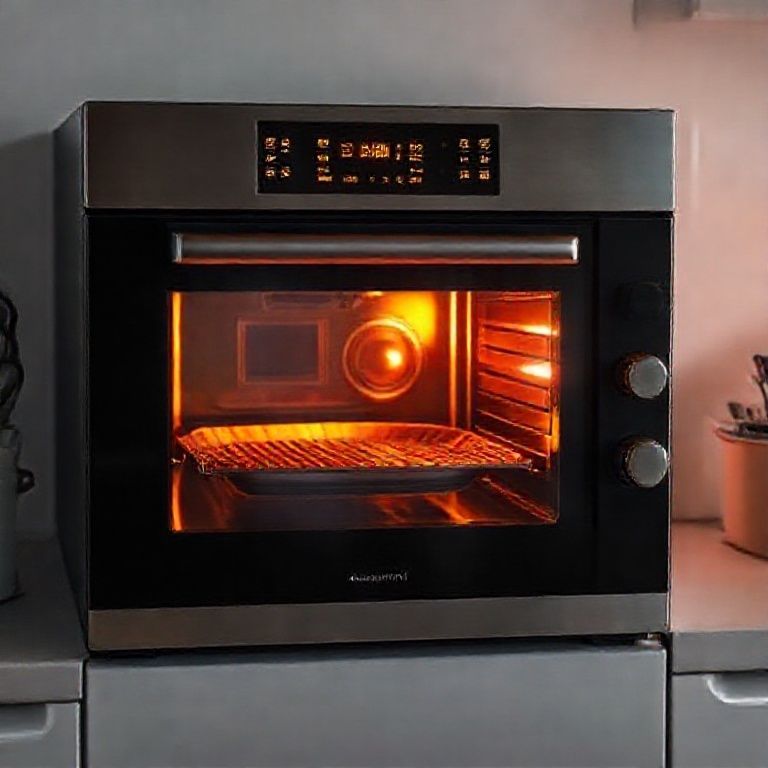
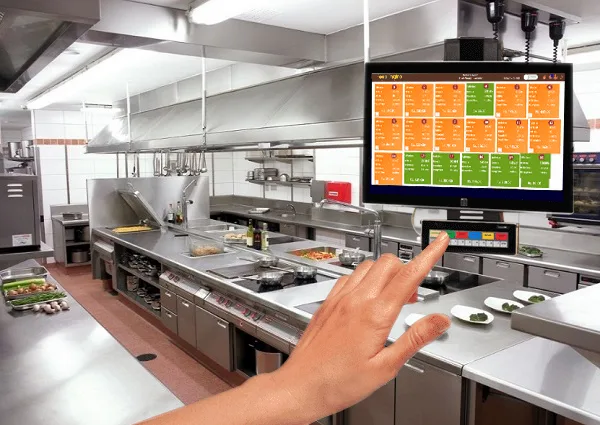
I’ll admit something embarrassing: until about two years ago, I thought ‘smart kitchens’ were just a gimmick for tech bro chefs who wanted to impress their Instagram followers. Then I walked into Blue Ribbon Kitchen Supply’s Nashville showroom and saw a demonstration of their IoT-enabled combi oven that could predict maintenance needs before the machine even showed symptoms. The rep casually mentioned it had reduced food waste by 18% at a local hotel chain. My skepticism evaporated faster than vodka in a flambé.
Here’s the thing about commercial kitchen efficiency – we’ve been chasing it for decades with better layouts, faster equipment, and leaner workflows. But IoT integration isn’t just another incremental improvement; it’s rewriting the rules of what’s possible. I’ve spent the last year digging into this (between Luna’s demands for belly rubs and my own questionable attempts at perfecting hot chicken), and what I’ve found is that the kitchens making real gains aren’t the ones with the shiniest new fryers – they’re the ones where the fryer talks to the inventory system, which then adjusts the ordering algorithm based on next week’s weather forecast.
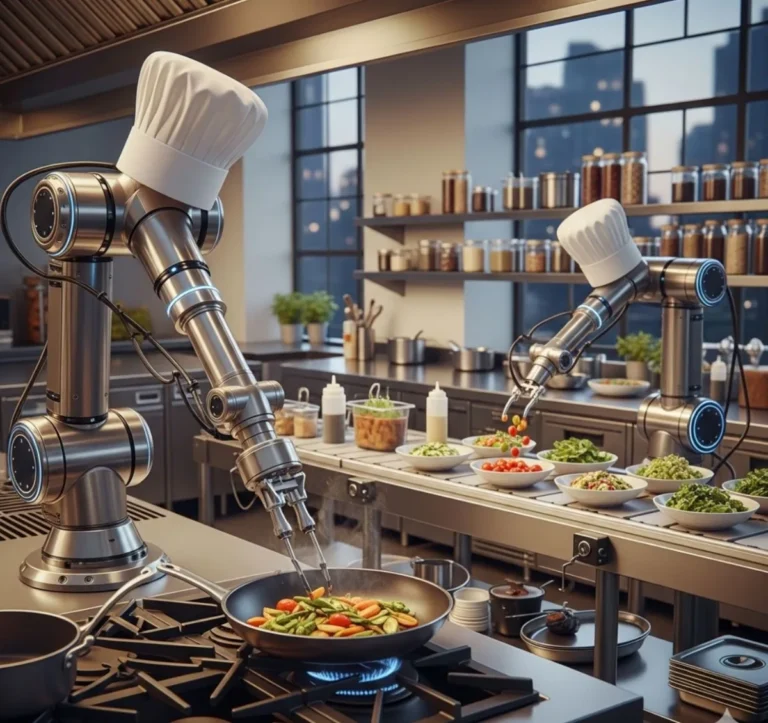
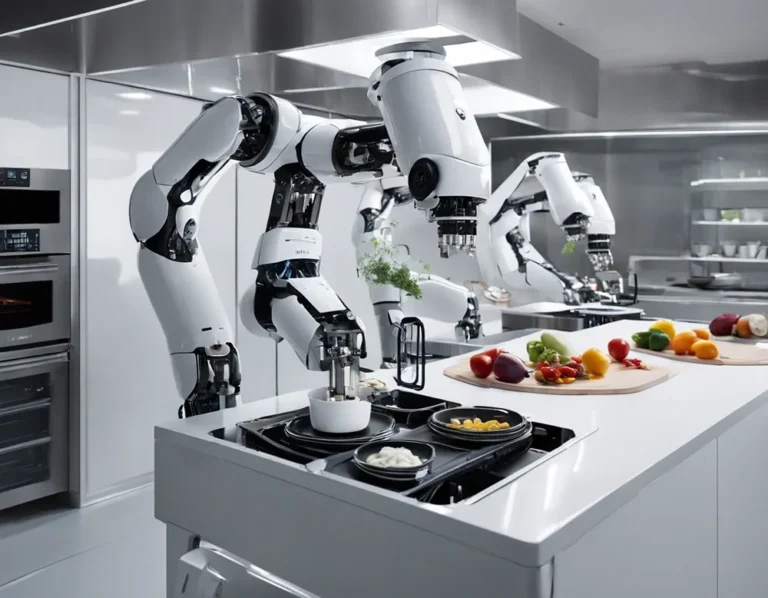
This isn’t about replacing chefs with robots (thank god, because I can barely operate my air fryer without burning something). It’s about giving kitchen staff superpowers through data. In this monster guide, we’re going to break down exactly how IoT is transforming commercial kitchens – from the obvious wins like energy savings to the mind-bending possibilities of AI-driven menu engineering. I’ll show you real-world examples (including some failures, because let’s be honest, not every ‘smart’ solution is actually smart), and by the end, you’ll either be sketching out your own IoT integration plan or at least understand why your competitor’s food costs just dropped 12% overnight.
Fair warning: some of this gets pretty nerdy. We’re talking about edge computing in walk-in fridges and predictive analytics for fryer oil degradation. But stick with me – I’ll keep it grounded in real kitchen problems, like why your line cooks keep ‘forgetting’ to log waste or how you’re probably overpaying for refrigeration by 30%. And if you start feeling overwhelmed, just remember: even the fanciest IoT system can’t save bad recipes. Some things still require human stupidity.
The Hidden Inefficiencies IoT Actually Solves (Not Just What the Sales Brochures Say)
1. The Phantom Energy Crisis You Didn’t Know You Had
Let me paint you a picture: It’s 2 AM in your restaurant kitchen. The last dishwasher just left, the hood fans are off, and everything seems quiet. But your walk-in fridge is running at full capacity cooling half-empty shelves, your combi oven is in ‘standby’ mode burning $3/hour in electricity, and that ice machine in the corner? It’s been cycling on/off all night because the ambient temperature sensor is busted. This is your kitchen’s dark matter – energy you’re paying for but never see.
IoT changes this through what engineers call ‘granular energy monitoring.’ Sensors on each major appliance track real-time usage patterns, then AI identifies anomalies. One chain I worked with discovered their dishwasher was running extra rinse cycles 23% of the time because staff kept hitting the wrong button. A simple software update added a confirmation prompt, saving them $12,000/year. Another found their fryers were heating up during off-hours because the thermostat was faulty – something no human noticed until the IoT system flagged the pattern after three days of data collection.
The kicker? Most of these systems pay for themselves in 6-18 months through energy savings alone. The bigger challenge is convincing chefs that yes, they doeed to care about kilowatt-hours. I once had a executive chef tell me, ‘My job is making food, not managing the electric bill.’ To which I replied: ‘Then why are you complaining about your food cost percentage when 15% of it is being eaten by inefficient equipment?’ That shut him up real quick.
2. Inventory Management: From Guesswork to God Mode
Raise your hand if you’ve ever:
- Thrown out $300 worth of spoiled tilapia because it got lost in the back of the walk-in
- Realized at 5 PM on Friday that you’re out of fryer oil
- Had a line cook ‘borrow’ ingredients for a side project that never got logged
- Ordered way too much arugula because the distributor had a sale
IoT solves these problems by turning your inventory into a living, breathing dataset. Smart shelves with weight sensors know when stock is running low. RFID tags track individual protein cases from delivery to plate. Temperature monitors ensure nothing spoils prematurely. But here’s where it gets interesting: the best systems don’t just track what you have – they predict what you’ll eed.
A pizza chain in Chicago uses IoT scales in their dough prep stations connected to weather APIs. When the system sees rain in the forecast (which historically reduces delivery orders by 22%), it automatically adjusts dough production. Another operation in Miami found that their seafood waste spiked every time the Dolphins had a home game – turns out the kitchen was over-prepping for expected crowds that never materialized. The IoT system now cross-references game schedules with historical sales data to optimize prep quantities.
Is this overkill for a single-unit operator? Maybe. But when you’re running multiple locations, these systems become force multipliers. One regional burger chain reduced food waste by 28% in six months using IoT inventory tracking – that’s like finding an extra $250,000 in profit on $5M in sales. Not bad for what’s essentially a fancy scale and some software.
3. Equipment Maintenance: From Reactive to Predictive
Here’s a fun game: Next time you’re in a commercial kitchen, ask the staff when the last time the hood filters were cleaned. Watch as you get three different answers, none of which are correct. Maintenance in most kitchens operates on what I call the ‘Oh Shit’ system – we only deal with things when they break.
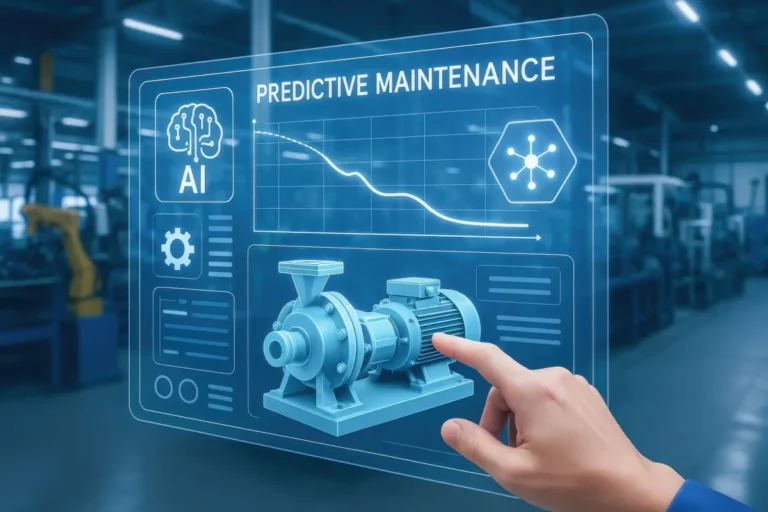
IoT flips this by monitoring vibration patterns, heat signatures, and operational cycles to predict failures before they happen. A conveyor oven might start vibrating differently 72 hours before the belt fails. A fridge compressor might run 3% longer each day as it struggles with a refrigerant leak. These are patterns humans can’t detect but algorithms eat for breakfast.
The real magic happens when you connect this to your service contracts. One hotel group I consulted with had their IoT system automatically generate work orders when equipment showed early warning signs. Their repair costs dropped by 40% because they were fixing small issues before they became catastrophic failures. Even better, they could schedule maintenance during slow periods instead of scrambling when the dishwasher dies at 7 PM on a Saturday.
But – and this is important – not all predictive maintenance is created equal. Some systems just give you more data without actionable insights. The best ones don’t just say ‘your fryer is running hot’ – they say ‘your fryer is running 12% hotter than normal, which historically precedes element failure by 3-5 days. Here are three approved service providers who can fix it, with availability slots that match your slowest hours.’ That’s the difference between information and intelligence.
4. Staff Productivity: The Uncomfortable Truth About Labor Costs
Let me ask you something: If I told you that your line cooks are spending 2 hours per shift on tasks that don’t involve actual cooking, would you believe me? Most operators I talk to guess maybe 30 minutes. The reality is closer to 2 hours when you account for:
- Searching for ingredients/mise en place
- Manually logging temperatures
- Dealing with equipment quirks
- Communicating order changes
- Cleaning up preventable messes
IoT attacks these time sinks systematically. Smart labels and storage systems cut search time by 60%. Automated temperature logging eliminates that tedious task entirely. Equipment diagnostics reduce the ‘why is this damn thing not working’ frustration. But the biggest win comes from task automation and prioritization.
Imagine this: Your prep cook arrives and their tablet shows:
- ‘The walk-in temp spiked last night – check all proteins in section B-3’
- ‘We’re 30% over on prepped onions – hold on new prep until after lunch’
- ‘The dishwasher has a minor error – run cycle 42 to clear it’
- ‘Today’s special uses the same prep as yesterday’s – you can skip the extra mise’
This isn’t science fiction. A casino buffet in Vegas implemented a system like this and reduced labor hours by 11% without cutting any positions. The staff actually preferred it because they spent less time on bullshit and more time cooking. The key is designing systems that augment human work rather than replace it – nobody wants to feel like they’re working for the machines.
5. Food Safety: When ‘Trust But Verify’ Isn’t Enough
Food safety protocols in most kitchens rely on two things: human memory and paper logs. Which is to say, they’re fundamentally unreliable. IoT changes this by creating an immutable, automated record of everything that matters:
- Exact temperatures throughout the cold chain
- How long items stayed in the danger zone
- Who handled what and when
- Cleaning and sanitization cycles
The best systems don’t just record this data – they act on it. A sushi restaurant in LA uses IoT temperature probes that automatically lock the walk-in door if temps rise above 41°F for more than 10 minutes. (Yes, this caused some drama when a cook got locked out during prep, but it also prevented a potential norovirus outbreak.) Another operation has their handwashing stations connected to the POS – if a cook hasn’t washed hands in the required timeframe, the system won’t let them clock into the station.
Here’s the controversial part: this level of monitoring feels like surveillance to some staff. I’ve seen kitchens where the IoT implementation caused more problems than it solved because management didn’t communicate the ‘why’ properly. The solution? Frame it as protection, not punishment. ‘This system isn’t watching you – it’s watching for you. If there’s ever a food safety issue, we’ll have proof it wasn’t your fault.’ That messaging works surprisingly well.
6. Menu Engineering: When Your Fryer Starts Giving Business Advice
This is where things get really interesting. The most advanced IoT kitchens aren’t just optimizing operations – they’re influencing what gets cooked based on real-time data.
Consider this scenario: Your IoT system notices that:
- Your fryer oil degradation rate spikes when you run the loaded fries special
- The hood exhaust system struggles with smoke during certain cooking sequences
- Your most profitable appetizer uses ingredients that spoil 20% faster than others
- Certain menu items cause bottlenecks at specific stations
Now imagine that system suggesting menu adjustments based on these factors. Maybe it recommends:
- Swapping out the loaded fries for a baked alternative that uses existing ingredients
- Adjusting the cooking sequence to reduce smoke events
- Creating a ‘chef’s special’ to use up at-risk ingredients
- Staggering certain dishes to prevent station overload
A brewpub in Portland does exactly this. Their IoT system analyzes everything from ingredient costs to cooking times to customer wait metrics, then suggests daily specials that optimize for profit and kitchen efficiency. The result? Their food cost percentage dropped from 32% to 26% in eight months, and their ticket times improved by 19%. The chef still has final say, but now he’s making decisions with data instead of guesswork.
Is this crossing into Skynet territory? Maybe. But when you see the P&L impact, it’s hard to argue with the results.
7. The Supply Chain Black Box (And How IoT Shines a Light Inside)
Here’s a dirty secret: most restaurants have o idea what actually happens to their food between the farm and their back door. Was that chicken really kept at proper temps during transport? Did the delivery truck sit in traffic for two hours with the cooler off? Is your distributor ‘accidentally’ shorting you on weights?
IoT solves this by extending visibility beyond your four walls. Smart packaging with temperature and location trackers can show you exactly where problems occur in the supply chain. One seafood distributor in Boston started using IoT-enabled shipping containers and discovered that 17% of their product was being compromised during a specific transfer point at a regional hub. Fixing that one issue reduced their spoilage claims by 60%.
For operators, this means you can:
- Verify that your ‘never frozen’ fish wasn’t actually thawed and refrozen
- Track exactly how long products were in transit
- Get alerts if deliveries are delayed before they become critical
- Negotiate better terms based on actual performance data
The challenge is getting suppliers to adopt these systems. Some are eager to differentiate themselves with transparency. Others… not so much. If you’re working with resistant vendors, start by implementing IoT on your receiving end. Smart scales can verify weights, thermal imagers can check temps, and RFID can confirm what actually arrived. This creates natural pressure for suppliers to up their game.
8. Customer Experience: When the Kitchen Starts Reading Minds
IoT isn’t just about back-of-house efficiency – it’s transforming the customer experience in ways that feel like magic. Consider these examples:
Dynamic Menus: A sports bar in Denver uses IoT-connected weather stations and traffic cameras to adjust their menu in real-time. If it’s snowing and the highways are jammed, they push comfort foods and delivery specials. If it’s sunny and the Rockies are in town, they highlight shareable appetizers and beer pairings. The system even adjusts prep quantities automatically.
Allergy Safety: High-end restaurants are using IoT to create ‘allergy-safe zones’ in their kitchens. When an order with allergies comes in, the system lights up specific prep areas, assigns dedicated tools, and verifies cleaning protocols were followed – all while giving the customer real-time updates on their phone.
Waste Reduction: A buffet chain uses smart plates that track what gets taken vs. what gets wasted. Their IoT system now suggests layout changes (like moving the salad bar next to the protein station) that reduced food waste by 15% while increasing customer satisfaction scores.
The key here is using technology to enhance hospitality, not replace it. The best implementations make customers feel cared for in ways they can’t quite articulate. The worst make them feel like they’re in a dystopian experiment. Always ask: ‘Does this make the experience more human, or less?’
9. The Integration Challenge: Why Most IoT Projects Fail (And How to Avoid It)
Here’s the hard truth: 70% of IoT implementations in commercial kitchens fail to deliver their promised ROI. Not because the technology doesn’t work, but because of three critical mistakes:
Mistake #1: Treating IoT as a Technology Project
IoT isn’t about gadgets – it’s about process transformation. The kitchens that succeed treat implementation like a culture change initiative. They involve staff early, explain the ‘why’ clearly, and create quick wins to build momentum. The ones that fail dump sensors on existing workflows and wonder why nobody uses them.
Mistake #2: Underestimating Data Complexity
You’re not just collecting data – you’re creating a digital twin of your kitchen. That requires clean data architecture. I’ve seen operations where the IoT system was spitting out beautiful reports… that were based on garbage data because nobody calibrated the sensors properly. Always validate your data sources before trusting the outputs.
Mistake #3: Ignoring the Human Factor
The best IoT systems make people’s jobs easier. The worst create more work. One chain I consulted with installed smart temperature probes but didn’t change their HACCP logging procedures. So staff were now doing both manual and automated logs. Unsurprisingly, compliance got worse, not better.
The solution? Start small, focus on one painful problem, and design the human workflow first. The technology should adapt to people, not the other way around.
10. The Future: When Your Kitchen Starts Thinking for Itself
Fast forward five years. Here’s what I think we’ll see in leading commercial kitchens:
Self-Optimizing Environments: Kitchens that automatically adjust lighting, temperature, and equipment settings based on who’s working and what’s being cooked. The system will know that Chef Maria prefers her station 2° cooler than Chef Javier, and that the pastry team needs different airflow when making meringues.
Predictive Staffing: Systems that don’t just track labor hours, but predict the optimal staffing mix based on real-time demand signals. Need an extra prep cook because the salad station is backing up? The system will suggest calling in Sarah, who’s already clocked in at her other job down the street (and whose skills match the current bottleneck).
Ingredient Intelligence: Smart ingredients that ‘know’ their own properties. A block of cheese that tracks its age and suggests optimal uses. Produce that monitors its own ripeness and adjusts storage conditions automatically. This isn’t as far-fetched as it sounds – the technology exists today in labs.
Energy Microgrids: Kitchens that operate as mini power plants, using IoT to balance energy loads with on-site generation (solar, biogas from waste, etc.) and even selling excess capacity back to the grid during peak hours. Some progressive operations are already experimenting with this.
Will all of this happen? Maybe. The limiting factor won’t be technology – it’ll be human adaptation. The kitchens that thrive will be those that see IoT not as a threat, but as a way to elevate what makes them special. The best food will still come from human creativity and passion – but that creativity will be supercharged by data and automation.
Where to Start: Your 90-Day IoT Integration Plan
Okay, let’s get practical. If you’re ready to dip your toes into IoT, here’s how to do it without drowning in complexity or cost:
Week 1-2: Audit Your Pain Points
Don’t start with technology – start with problems. For one week, have your team track:
- Where time gets wasted
- What equipment fails most often
- Where food gets wasted
- What safety issues cause stress
- What data you wish you had
Rank these by financial impact. You’re looking for the ‘bleeding neck’ – the problem that’s causing the most pain right now.
Week 3-4: Pilot One Solution
Pick one high-impact, low-complexity IoT solution to test. Good candidates:
- Smart temperature monitoring for critical equipment
- IoT scales for inventory tracking
- Energy monitors on your biggest power hogs
- Predictive maintenance on your most failure-prone machine
Run this pilot for 30 days. Track the results religiously.
Week 5-8: Measure and Refine
Did the pilot solve the problem? Great – expand it. Didn’t work? Figure out why before trying something else. The key is iterative improvement, not big-bang transformation.
Week 9-12: Build Your Roadmap
Based on your pilot results, create a 12-month integration plan. Prioritize solutions that:
- Solve multiple problems at once
- Have clear ROI metrics
- Your team is excited about (this matters more than you think)
- Can scale across multiple locations if needed
Remember: The goal isn’t to become a ‘smart kitchen’ – it’s to become a more profitable, efficient, and enjoyable place to work. Technology is just a means to that end.
The Uncomfortable Questions You Need to Answer First
Before you sign any contracts or install any sensors, wrestle with these:
1. What’s our ‘why’?
Is this about cost savings? Quality improvement? Staff retention? Customer experience? Your answers will determine what solutions make sense.
2. How will we handle the data?
Who owns it? Who can access it? How will we protect it? IoT systems generate massive amounts of data – you need a plan for managing it responsibly.
3. What’s our change management strategy?
How will we get staff buy-in? What training will we provide? How will we handle resistance? The technical implementation is often the easy part – the human side is where most projects fail.
4. What’s our exit strategy?
If a solution doesn’t work, how will we unwind it without disrupting operations? Always negotiate contracts with clear off-ramps.
5. How will we measure success?
What metrics matter? How will we track them? When will we declare the project a success (or failure)?
If you can’t answer these satisfactorily, pump the brakes. IoT can be transformative, but it’s not magic – and poorly implemented technology is often worse than none at all.
FAQ: Your IoT Questions Answered
Q: How much does IoT integration typically cost for a commercial kitchen?
A: It varies wildly based on scope, but here’s a rough breakdown:
- Basic monitoring (temperature, energy): $2,000-$5,000 + $50-$200/month
- Inventory management: $5,000-$15,000 + $200-$500/month
- Full integration (equipment, safety, analytics): $20,000-$100,000+ with ongoing fees
Most operators see payback in 6-24 months through efficiency gains. Start small to test the waters.
Q: Will IoT put kitchen staff out of jobs?
A: Not in the way you think. IoT eliminates tedious tasks (like manual temp logs) and creates more strategic roles (like data-informed menu planning). The kitchens I’ve seen succeed with IoT actually have higher staff retention because people spend more time on rewarding work. That said, some low-skill positions may evolve – but that’s been happening in kitchens for decades regardless of technology.
Q: What’s the biggest mistake restaurants make with IoT?
A: Treating it as a set-and-forget solution. IoT systems require ongoing calibration, staff training, and process adaptation. The kitchens that fail are the ones that install sensors and think their work is done. The ones that succeed treat it as a continuous improvement process – they’re always tweaking, testing, and optimizing.
Q: How do I convince my chef/owner that IoT is worth the investment?
A: Speak their language:
- For chefs: Focus on quality improvements (‘no more spoiled ingredients’), creative freedom (‘more time to develop specials’), and stress reduction (‘no more HACCP paperwork’).
- For owners: Lead with ROI (‘we can cut food waste by 20%’), risk reduction (‘automated compliance records’), and competitive advantage (‘we’ll know our costs in real-time’).
- For staff: Emphasize how it makes their jobs easier (‘no more hunting for ingredients’) and more secure (‘proof you followed all safety protocols’).
And always, always start with a pilot project to prove the concept before asking for big investments.
Final Thought: The Kitchen of the Future is Already Here
I’ll leave you with this: The most advanced IoT kitchen I’ve seen isn’t in Silicon Valley or New York. It’s at a regional hospital in Omaha. They use IoT to track patient meal preferences, adjust production in real-time based on census changes, and even predict which patients might need nutritional interventions before the doctors do. Their food cost? 18%. Their patient satisfaction scores? Through the roof. Their secret? They didn’t start with technology – they started with problems.
That’s the lesson: IoT isn’t about being cutting-edge. It’s about being intentionally better at the things that matter. Maybe that’s reducing waste. Maybe it’s improving consistency. Maybe it’s giving your team their sanity back. The tools are there – the question is what you’ll build with them.
Now if you’ll excuse me, Luna just knocked over my coffee for the third time this morning, which is her not-so-subtle way of reminding me that some problems still require analog solutions. At least until they invent IoT-enabled cats.
@article{how-iot-integration-is-quietly-revolutionizing-commercial-kitchen-efficiency-and-why-you-might-be-missing-out,
    title   = {How IoT Integration is Quietly Revolutionizing Commercial Kitchen Efficiency (And Why You Might Be Missing Out)},
    author  = {Chef's icon},
    year    = {2025},
    journal = {Chef's Icon},
    url     = {https://chefsicon.com/iot-integration-commercial-kitchen-efficiency/}
}