The Best Fluffy Pancakes recipe you will fall in love with. Full of tips and tricks to help you make the best pancakes.
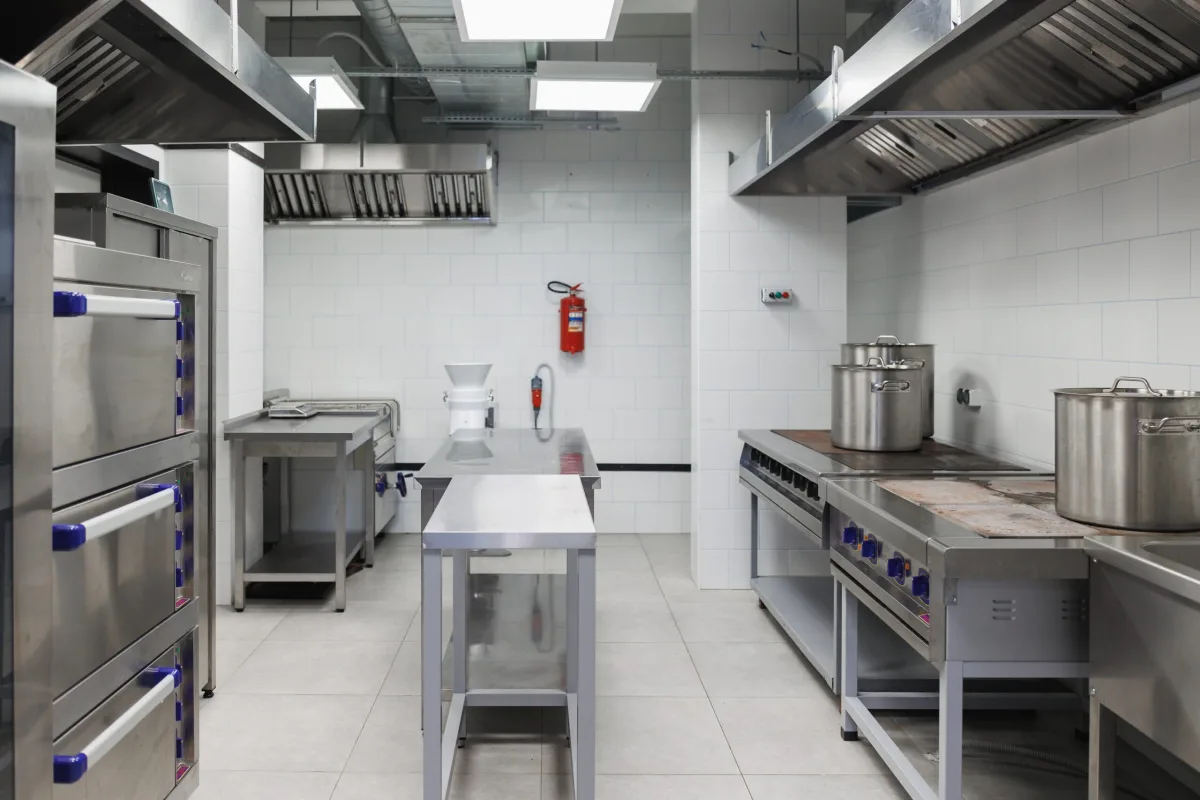
Let me tell you something, I’ve seen my fair share of cramped commercial kitchens. There was this tiny bistro in Nashville’s Gulch neighborhood, barely 400 square feet, where the chef and I once played Tetris with a walk-in fridge and a prep station just to squeeze in a new charbroiler. The owner, a friend of mine, looked at me with that mix of desperation and hope, like I was some kind of kitchen whisperer. “Sammy,” he said, “how do I make this work without turning my staff into contortionists?”
That moment stuck with me. Because here’s the truth: maximizing small commercial kitchens isn’t just about shoving more equipment into a tight space. It’s about designing a flow that keeps your team sane, your food consistent, and your customers happy. And let’s be real, most of us don’t have the luxury of a sprawling, Michelin-star-worthy kitchen. We’re working with what we’ve got, and what we’ve got is often a shoebox with a stove.
So, if you’re staring at your own tiny kitchen right now, wondering how the hell you’re supposed to fit everything in without sacrificing efficiency (or your sanity), this is for you. I’m going to walk you through practical, battle-tested layout tips that actually work in the real world, not just in some architect’s perfect rendering. We’ll cover everything from zoning strategies to equipment hacks, and yes, even how to make peace with the fact that you might never have enough counter space. By the end, you’ll have a game plan to turn your small kitchen into a powerhouse of productivity. No magic wands, just smart design.
Oh, and full disclosure? I’m not a chef. I’m a marketing guy who’s spent way too much time hanging out in kitchens, talking to owners, and watching how the sausage gets made, literally. So if some of this feels like I’m overstepping, just remember: I’ve seen enough kitchens to know what works and what doesn’t. And if I’m wrong about something? Well, that’s what the comments section is for.
The Psychology of Small Kitchens: Why We Freak Out (And How to Stop)
Before we dive into the nitty-gritty of layouts, let’s talk about the elephant in the room: the mental game of working in a small kitchen. There’s something about a tight space that messes with your head. One minute you’re confident, the next you’re staring at a pile of tickets wondering if you’re one order away from a full-blown meltdown. I’ve been there, watching chefs and line cooks move like they’re in a pinball machine, bumping into each other, cursing under their breath. It’s not just frustrating; it’s exhausting.
But here’s what I’ve learned: small kitchens don’t have to feel small. The problem isn’t just the square footage, it’s how we *perceive* the space. If your kitchen feels like a maze, it’s because it *is* a maze. And mazes are the enemy of efficiency. The goal isn’t to make the kitchen bigger; it’s to make it *feel* bigger. That means eliminating bottlenecks, reducing unnecessary movement, and creating a sense of order. Easier said than done, right?
Let’s start with the basics. The first rule of small kitchen design? Respect the triangle. No, not the Bermuda Triangle, the work triangle. This is the holy grail of kitchen efficiency, and it applies whether you’re running a food truck or a fine-dining restaurant. The idea is simple: your cooking area, prep station, and storage should form a triangle, with each point no more than a few steps apart. In a perfect world, you’d never have to take more than three steps to get what you need. But in a small kitchen? You’re lucky if you can swing a cat without hitting a stove. So how do you make it work?
You cheat. You optimize the triangle by stacking functions. For example, instead of having a separate prep station and cooking area, can you combine them? Maybe your prep counter doubles as a plating station. Or your under-counter fridge holds both ingredients and backup utensils. The key is to minimize cross-traffic-the number one killer of small kitchen efficiency. Every time a cook has to step around someone to grab a pan or a ticket, you’re losing time. And in a restaurant, time is money. Literally.
But here’s where I get stuck. Is the work triangle really the be-all and end-all? I mean, it’s a great concept, but it’s also kind of rigid. What if your kitchen doesn’t fit the mold? What if you’re running a sushi bar where the chef needs to be front and center, or a pizzeria where the oven is the star of the show? Maybe the triangle isn’t the answer for everyone. Maybe it’s more about flow than geometry. Let’s table that thought for now and come back to it later.
Zoning: The Secret Sauce of Small Kitchen Layouts
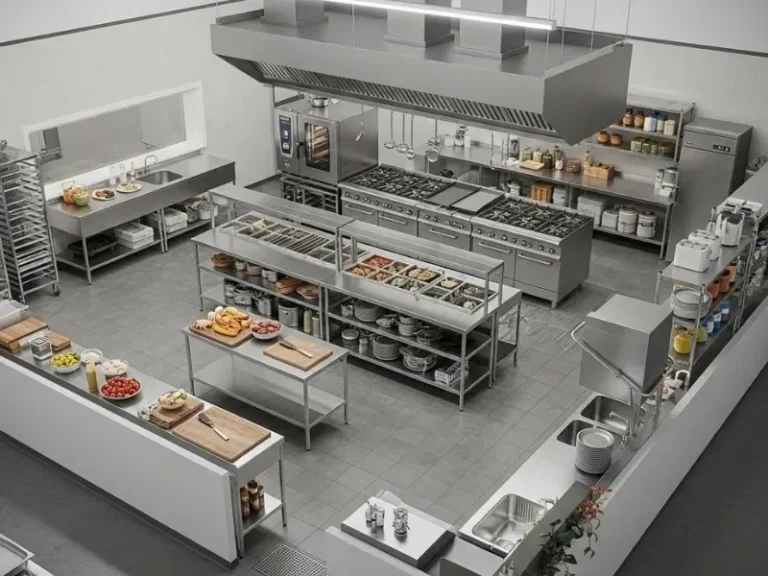
If the work triangle is the foundation, then zoning is the framework. Zoning is all about dividing your kitchen into functional areas based on what happens in each space. Think of it like organizing your closet: you wouldn’t throw your socks in with your suits, right? (Okay, maybe you would, but you shouldn’t.) The same logic applies to your kitchen. Each zone should have a clear purpose, and everything in that zone should serve that purpose.
In a small kitchen, zoning is even more critical because you don’t have the luxury of wasted space. Every square inch needs to pull its weight. So, what are the essential zones in a commercial kitchen? Here’s a quick breakdown:
- Prep Zone: Where the magic starts. This is where you chop, slice, dice, and assemble ingredients. In a small kitchen, this might double as a plating station or even a pass-through area for servers.
- Cooking Zone: The heart of the kitchen. This is where your stoves, grills, fryers, and ovens live. In a tiny space, you might have to get creative, like stacking a griddle on top of a range or using a countertop induction burner.
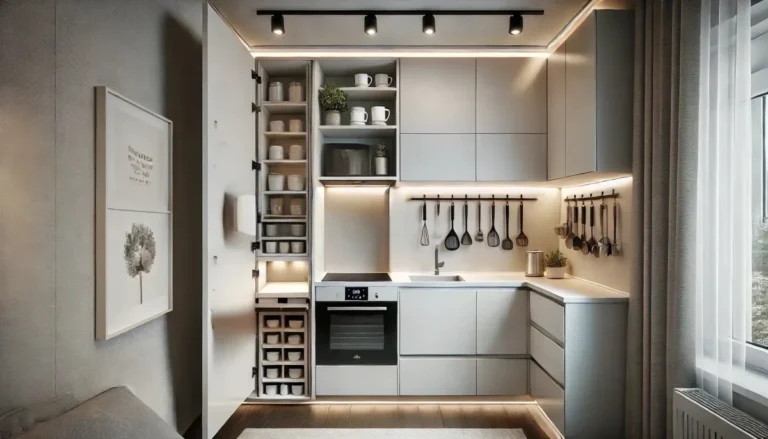
- Storage Zone: Where you keep ingredients, utensils, and backup supplies. In a small kitchen, this might mean under-counter fridges, wall-mounted shelves, or even a rolling cart that can be moved out of the way when not in use.
- Cleaning Zone: The dish pit. This is where you wash, rinse, and sanitize. In a small kitchen, this might be a single-compartment sink with a sprayer, or even a compact dishwasher if you’re lucky.
- Service Zone: The pass-through area where food leaves the kitchen and enters the dining room. In a small kitchen, this might be a countertop or a shelf where servers can grab plates without stepping into the cooking area.
Now, here’s the thing about zoning in a small kitchen: you’re going to have to overlap. There’s no way around it. Your prep zone might also be your storage zone. Your cooking zone might double as your service zone. And that’s okay, as long as you’re intentional about it. The goal isn’t to create perfect, isolated zones; it’s to minimize chaos by giving each task a home.
Let me give you an example. I once worked with a food truck owner who had a kitchen the size of a walk-in closet. Literally. His entire operation fit into a 6×8-foot space, and he was serving gourmet tacos to a line of hungry customers. How did he do it? He stacked his zones vertically. His prep station was a countertop with a cutting board and a small sink. Below the counter? A fridge for ingredients. Above the counter? A shelf for spices and utensils. His cooking zone was a single induction burner and a griddle, both on a rolling cart that could be moved out of the way when not in use. And his service zone? A tiny pass-through window where he handed plates directly to customers.
Was it perfect? No. Was it efficient? Absolutely. The key was that every inch had a purpose, and nothing was wasted. That’s the mindset you need to bring to your small kitchen. It’s not about having everything you want; it’s about making everything you have *work*.
But here’s where I get stuck again. What if your menu is too complex for simple zoning? What if you’re running a fusion restaurant where you need a wok station, a pasta station, and a dessert station all in the same tiny space? How do you zone for that? Maybe the answer is to simplify the menu. Or maybe it’s to rethink your equipment. Let’s circle back to that later.
Equipment Hacks for Small Kitchens: When Less Is More
Let’s talk about equipment. Because if there’s one thing that can make or break a small kitchen, it’s the stuff you fill it with. Too much equipment, and you’re tripping over yourself. Too little, and you can’t keep up with orders. It’s a delicate balance, and I’ve seen way too many kitchens get it wrong.
Here’s the hard truth: you don’t need as much equipment as you think. I know, I know, every chef has their favorite gadget, and every sales rep will tell you that you *need* the latest and greatest. But in a small kitchen, every piece of equipment has to earn its keep. If it’s not being used at least 80% of the time, it’s taking up valuable real estate that could be used for something else.
So, how do you decide what stays and what goes? Start by asking yourself these questions:
- Is this equipment essential to my menu? If you’re running a burger joint, you probably don’t need a pasta roller. If you’re a sushi bar, you might not need a deep fryer. Be ruthless.
- Can this equipment multitask? For example, a combi oven can roast, steam, and bake. A tilt skillet can sauté, braise, and even act as a griddle. The more versatile the equipment, the better.
- Is there a smaller or more compact version? Countertop equipment is your friend in a small kitchen. Think countertop fryers, induction burners, and mini prep stations.
- Can I store this elsewhere? If you only use something once a week, maybe it doesn’t need to live in the kitchen. Store it in a back room or even off-site.
Now, let’s talk about specific equipment hacks for small kitchens. These are the tricks I’ve seen work time and time again:
- Under-Counter Fridges: These are a game-changer. They free up floor space and keep ingredients within arm’s reach. Look for models with sliding doors to save even more space.
- Wall-Mounted Shelves: If you don’t have room for a full-sized shelf unit, mount shelves on the walls. They’re great for spices, utensils, and small equipment.
- Rolling Carts: These are the Swiss Army knives of small kitchens. Use them for prep, storage, or even as a mobile cooking station. The best part? You can roll them out of the way when they’re not in use.
- Countertop Equipment: From induction burners to mini food processors, countertop equipment can save you a ton of space. Just make sure you have enough outlets to power everything.
- Stackable Containers: If you’re storing ingredients in bulk, use stackable containers to save space. Bonus points if they’re clear so you can see what’s inside.
But here’s the thing about equipment: it’s not just about size. It’s also about placement. A small piece of equipment in the wrong spot can be just as disruptive as a large one. For example, if your fryer is too far from your prep station, you’re wasting time walking back and forth. If your fridge is on the other side of the kitchen from your cooking line, you’re adding unnecessary steps to every order.
I remember visiting a tiny café in East Nashville where the owner had placed their espresso machine right next to the sink. Every time a barista needed to steam milk, they had to step around the sink, which was constantly in use for washing dishes. It was a tiny inefficiency, but it added up over the course of a shift. The fix? Moving the espresso machine to the other side of the counter, where it was closer to the milk fridge and the register. Problem solved.
So, before you buy anything new, ask yourself: Where will this live? And more importantly, how will it fit into the flow of the kitchen? If you can’t answer those questions, you might want to hold off.
The Art of the Pass-Through: Designing for Service in a Small Space
Let’s talk about the pass-through-the area where food leaves the kitchen and enters the dining room. In a small kitchen, this is often the most chaotic part of the operation. Servers are grabbing plates, cooks are calling out orders, and everyone is trying not to bump into each other. It’s a recipe for disaster if you don’t design it right.
The key to a good pass-through is clarity. Everyone should know exactly where to stand, where to grab plates, and where to hand off food. In a small kitchen, this might mean designating specific zones for different tasks. For example:
- Plating Zone: Where cooks assemble dishes. This should be close to the cooking area so they don’t have to walk far with hot plates.
- Pickup Zone: Where servers grab plates. This should be easily accessible from the dining room.
- Expo Zone: Where the expediter (or chef) checks orders for accuracy. This should be in a spot where they can see both the kitchen and the dining room.
In a small kitchen, you might not have room for all three zones. That’s okay, just combine them in a way that makes sense. For example, your plating zone might also be your pickup zone. Or your expo zone might be a small countertop where the chef can check orders before they go out.
Here’s another pro tip: use color-coding. In a busy kitchen, it’s easy for plates to get mixed up. Color-coded plates or trays can help servers and cooks keep track of orders. For example, red plates for appetizers, blue plates for entrees, and green plates for desserts. It’s a small detail, but it can make a big difference in a small space.
And speaking of small details, let’s talk about communication. In a small kitchen, everyone is in everyone else’s business. That can be a good thing, it means you can communicate quickly and efficiently. But it can also be a nightmare if people aren’t on the same page. That’s why it’s so important to establish clear communication protocols. For example:
- Call Outs: Teach your staff to call out orders clearly and loudly. No mumbling, no assumptions. If a server is picking up an order, they should say, “Picking up table 12!” so the cook knows to watch for them.
- Hand Signals: In a loud kitchen, sometimes words aren’t enough. Teach your staff basic hand signals, like pointing to a plate to indicate it’s ready to go or holding up a finger to indicate a delay.
- Ticket Organization: Use a ticket rail or a digital system to keep orders organized. In a small kitchen, it’s easy for tickets to get lost or mixed up. A clear system can help prevent mistakes.
But here’s the thing about communication: it’s not just about the tools. It’s also about the culture. If your kitchen is a high-stress, chaotic environment, no amount of color-coding or hand signals is going to fix that. You have to foster a culture of respect and teamwork. That means:
- Leading by Example: If you’re the chef or the owner, your attitude sets the tone. If you’re calm and respectful, your staff will be too.
- Encouraging Feedback: Ask your staff for input on how to improve communication. They’re the ones in the trenches, so they’ll have the best ideas.
- Celebrating Wins: When the kitchen runs smoothly, acknowledge it. A little positive reinforcement can go a long way.
I know, I know, this is starting to sound like a management seminar. But trust me, communication is the glue that holds a small kitchen together. Without it, you’re just a bunch of people bumping into each other in a tiny space. With it, you’re a well-oiled machine.
Storage Solutions: Where to Put All the Stuff
Let’s talk about storage. Because if there’s one thing that can make a small kitchen feel even smaller, it’s clutter. And in a commercial kitchen, clutter isn’t just an eyesore, it’s a safety hazard. Knives on the counter? Fire hazard. Ingredients on the floor? Trip hazard. A messy kitchen is a dangerous kitchen, and in a small space, the stakes are even higher.
The key to good storage in a small kitchen is maximizing vertical space. You don’t have a lot of floor space, so you have to think up. Here are some ideas:
- Wall-Mounted Shelves: These are a no-brainer. Use them for spices, utensils, or small equipment. Just make sure they’re sturdy and easy to clean.
- Pegboards: A pegboard is like a blank canvas for your kitchen. You can hang pots, pans, utensils, and even small equipment. The best part? You can rearrange it as your needs change.
- Overhead Racks: If you have high ceilings, use them! Overhead racks are great for pots, pans, and even ingredients like onions or garlic.
- Under-Counter Storage: Don’t forget about the space under your counters. Use it for backup supplies, cleaning supplies, or even a small trash can.
- Rolling Carts: I mentioned these earlier, but they’re worth repeating. A rolling cart can be a mobile storage unit, a prep station, or even a serving tray. The possibilities are endless.
But storage isn’t just about shelves and racks. It’s also about organization. And organization starts with labeling. In a small kitchen, there’s no room for guesswork. Every container, every shelf, every drawer should be labeled so everyone knows what goes where. This might seem like overkill, but trust me, it saves time and prevents mistakes.
Here’s another pro tip: use clear containers. If you can see what’s inside, you don’t have to open it to check. This is especially useful for ingredients like flour, sugar, or spices. Just make sure the containers are airtight to keep everything fresh.
And speaking of freshness, let’s talk about FIFO. That stands for First In, First Out, and it’s a critical concept in kitchen storage. The idea is simple: the first ingredients you put into storage should be the first ones you use. This prevents waste and ensures that nothing gets forgotten in the back of the fridge. In a small kitchen, FIFO is even more important because you don’t have a lot of extra space for backup supplies.
But here’s the thing about storage: it’s not just about where you put things. It’s also about what you keep. In a small kitchen, you have to be ruthless about what you store. If you’re not using something regularly, get rid of it. If you have duplicate items, consolidate them. The less stuff you have, the easier it is to keep everything organized.
I remember visiting a tiny bakery in San Francisco where the owner had a rule: if it hasn’t been used in a month, it goes. At first, it seemed extreme, but it worked. The kitchen was clean, organized, and efficient. And because they didn’t have a lot of extra stuff lying around, they could focus on what really mattered: making great food.
So, take a hard look at your storage. What can you get rid of? What can you consolidate? What can you move to a better spot? It might take some time, but the payoff is worth it. A well-organized kitchen is a happy kitchen.
Lighting and Ventilation: The Unsung Heroes of Small Kitchens
Let’s talk about two things that often get overlooked in small kitchen design: lighting and ventilation. These might not be the most exciting topics, but they’re critical to the success of your kitchen. Poor lighting can lead to mistakes and accidents, while poor ventilation can make your kitchen feel like a sauna. And in a small space, that’s a recipe for disaster.
First, let’s talk about lighting. In a small kitchen, you need bright, even lighting that illuminates every corner. This isn’t just about aesthetics, it’s about safety. A poorly lit kitchen is a dangerous kitchen. Knives get dropped, fingers get cut, and plates get broken. And in a small space, there’s nowhere to hide from the mess.
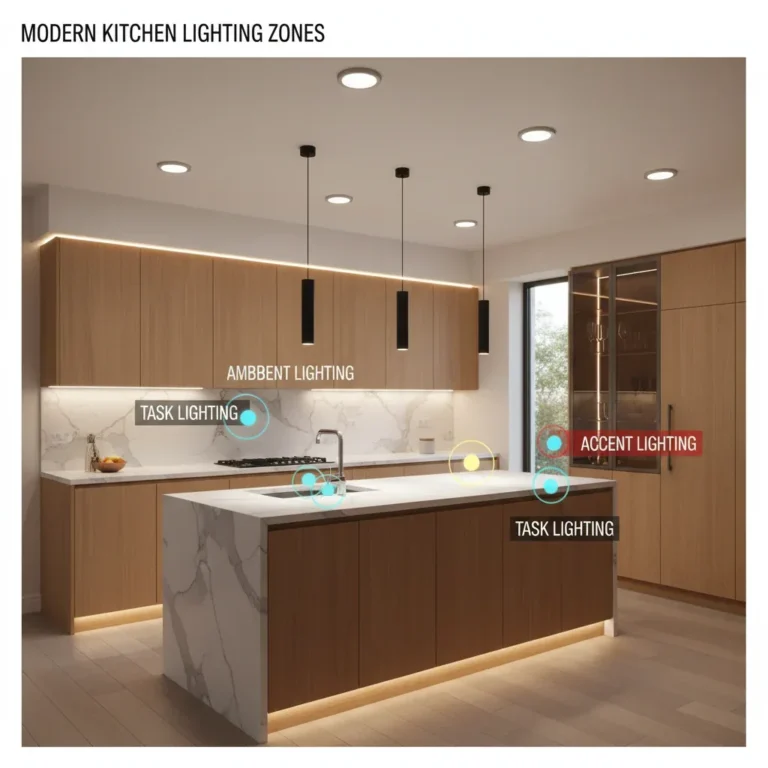
So, what kind of lighting do you need? Here are a few options:
- Overhead Lights: These are a must. Look for bright, energy-efficient LED lights that can be dimmed if needed.
- Task Lighting: This is lighting that’s focused on a specific area, like a prep station or a cooking line. Under-cabinet lights are a great option for this.
- Natural Light: If you have windows, use them! Natural light can make a small kitchen feel bigger and more open. Just make sure it’s not creating glare on your work surfaces.
But lighting isn’t just about brightness. It’s also about color temperature. The color temperature of a light bulb is measured in Kelvins (K), and it can have a big impact on how your kitchen feels. For example:
- Warm White (2700K-3000K): This is a soft, yellowish light that’s great for creating a cozy atmosphere. But it’s not ideal for a kitchen, where you need to see clearly.
- Cool White (3500K-4100K): This is a brighter, whiter light that’s great for task lighting. It’s the most common choice for commercial kitchens.
- Daylight (5000K-6500K): This is a very bright, blue-white light that mimics natural daylight. It’s great for areas where you need to see colors accurately, like a plating station.
In a small kitchen, I’d recommend cool white or daylight lighting for most areas, with warm white reserved for any dining or customer-facing spaces. Just make sure the lighting is consistent throughout the kitchen. You don’t want one area to be brighter than another, as this can create shadows and make it harder to see.
Now, let’s talk about ventilation. This is a big one, especially in a small kitchen where heat and smoke can build up quickly. Poor ventilation can make your kitchen feel like a sauna, which is uncomfortable for your staff and can even affect the quality of your food. Plus, it’s a health and safety issue. If your kitchen isn’t properly ventilated, you could be in violation of local codes.
So, what do you need to know about ventilation? Here are the basics:
- Exhaust Hoods: These are a must in any commercial kitchen. They capture smoke, heat, and grease, and vent it outside. In a small kitchen, you might not have room for a full-sized hood, but there are compact options available.
- Makeup Air: This is the air that replaces the air that’s being vented out. In a small kitchen, makeup air is critical. Without it, your kitchen can become depressurized, which can cause doors to slam, flames to flicker, and even carbon monoxide to build up.
- Airflow: The key to good ventilation is airflow. You want air to move smoothly through the kitchen, from the intake to the exhaust. This means placing your hoods and vents in the right spots and making sure there’s enough space for air to circulate.
But here’s the thing about ventilation: it’s not just about the equipment. It’s also about maintenance. A dirty hood or a clogged filter can reduce the effectiveness of your ventilation system, which can lead to all sorts of problems. So, make sure you’re cleaning your hoods and filters regularly, and replacing them when they wear out.
I remember visiting a tiny food truck in Austin where the owner had installed a compact exhaust hood above his grill. It was a great idea, but he hadn’t cleaned the filter in months. The result? Smoke was billowing into the truck, making it hard to see and even harder to breathe. The fix? A simple cleaning. But it was a good reminder that ventilation is only as good as its maintenance.
So, take a hard look at your lighting and ventilation. Are they up to par? If not, it might be time for an upgrade. It’s not the most glamorous part of kitchen design, but it’s one of the most important.
Flexibility: The Key to Adapting to Change
Here’s something I’ve learned after years of hanging out in kitchens: nothing stays the same. Menus change. Staff comes and goes. Equipment breaks. And in a small kitchen, every little change can feel like a earthquake. That’s why flexibility is so important. You need a layout that can adapt to whatever life throws at you.
So, how do you design a flexible kitchen? Start by avoiding permanent fixtures. The more things you can move, the better. For example:
- Rolling Carts: I’ve mentioned these before, but they’re worth repeating. A rolling cart can be a prep station, a storage unit, or even a mobile cooking line. The best part? You can move it out of the way when you don’t need it.
- Modular Equipment: Look for equipment that can be reconfigured or expanded. For example, a modular prep station can be adjusted to fit different tasks, or a stackable shelving unit can be rearranged as your needs change.
- Adjustable Shelves: If you’re using wall-mounted shelves, make sure they’re adjustable. This way, you can move them up or down as your storage needs change.
- Fold-Down Tables: If you need extra prep space but don’t have room for a full-sized table, consider a fold-down table. It can be folded up when not in use, freeing up valuable floor space.
But flexibility isn’t just about the physical layout. It’s also about mindset. You have to be willing to adapt, to try new things, and to embrace change. That means:
- Experimenting with Layouts: Don’t be afraid to move things around. If something isn’t working, try a different configuration. You might be surprised by what works.
- Listening to Your Staff: Your staff is on the front lines, so they’ll have the best ideas for how to improve the layout. Ask them for input, and be open to their suggestions.
- Staying Open to New Equipment: Just because you’ve always used a certain piece of equipment doesn’t mean it’s the best option. Be open to trying new things, even if they seem unconventional.
I remember working with a small café in Nashville that was struggling with their layout. The owner was convinced that the kitchen was too small to accommodate their growing menu, but after a few tweaks, we realized that the real issue was inflexibility. The kitchen was set up in a way that made it hard to adapt to change. For example, the prep station was fixed in one spot, and the cooking line was too close to the pass-through. The fix? We moved the prep station to a rolling cart and adjusted the cooking line to create more space. The result? A kitchen that was not only more efficient but also more adaptable.
But here’s the thing about flexibility: it’s not always easy. Change can be scary, especially in a small kitchen where every inch counts. You might be tempted to stick with what you know, even if it’s not working. But trust me-the best kitchens are the ones that can adapt. Whether it’s a new menu item, a staffing change, or a sudden rush of customers, a flexible kitchen can handle it all.
So, take a hard look at your kitchen. Is it flexible? Can it adapt to change? If not, it might be time to make some adjustments. Because in the world of restaurants, the only constant is change.
Safety First: Designing a Small Kitchen That Doesn’t Kill Your Staff
Let’s talk about safety. Because if there’s one thing that can derail a small kitchen faster than a bad Yelp review, it’s an accident. And in a tight space, accidents are more likely to happen. Trips, slips, burns, cuts, you name it, I’ve seen it. And let me tell you, nothing kills morale (or your bottom line) faster than a staff member getting hurt.
The key to safety in a small kitchen is design. You have to design your kitchen in a way that minimizes hazards and maximizes efficiency. That means:
- Clear Pathways: In a small kitchen, it’s easy for pathways to get cluttered. But cluttered pathways are a recipe for disaster. Make sure there’s a clear path from the cooking line to the prep station to the dish pit. And by “clear,” I mean at least 36 inches wide. That’s the minimum width required by most health codes, and for good reason, it’s enough space for someone to walk without bumping into anything.
- Non-Slip Flooring: This is a no-brainer, but it’s worth repeating. A slippery floor is a dangerous floor. Look for flooring that’s slip-resistant, easy to clean, and durable. And if you’re using mats, make sure they’re secured to the floor so they don’t become a tripping hazard.
- Proper Ventilation: We talked about this earlier, but it’s worth repeating. Poor ventilation can lead to heat exhaustion, smoke inhalation, and even carbon monoxide poisoning. Make sure your kitchen is properly ventilated, and that your staff knows how to use the equipment.
- Fire Safety: In a small kitchen, a fire can spread quickly. Make sure you have fire extinguishers in easy-to-reach spots, and that your staff knows how to use them. You should also have a fire suppression system installed in your hood, and make sure it’s regularly inspected.
- Ergonomics: A small kitchen can be a breeding ground for repetitive stress injuries. Make sure your equipment is ergonomically designed, and that your staff knows how to use it properly. For example, adjustable-height prep stations can help reduce strain on the back and shoulders.
But safety isn’t just about the physical layout. It’s also about culture. You have to foster a culture of safety in your kitchen, where everyone feels responsible for keeping each other safe. That means:
- Training: Make sure your staff is properly trained on how to use equipment, how to handle food safely, and how to respond in an emergency. And don’t just train them once-train them regularly.
- Communication: Encourage your staff to speak up if they see a hazard. If someone notices a spill, they should clean it up immediately. If they see a piece of equipment that’s not working properly, they should report it.
- Accountability: Hold your staff accountable for safety. If someone is repeatedly violating safety protocols, address it immediately. And if someone goes above and beyond to keep the kitchen safe, acknowledge it.
I remember visiting a tiny diner in Memphis where the owner had a safety checklist posted on the wall. Every morning, the staff would go through the checklist to make sure everything was in order. Did they have enough fire extinguishers? Were the pathways clear? Was the ventilation working properly? It was a simple system, but it worked. The kitchen was safe, efficient, and accident-free.
So, take a hard look at your kitchen. Is it safe? If not, it’s time to make some changes. Because in the world of restaurants, safety isn’t optional. It’s a necessity.
The Menu Matters: Designing a Kitchen Around What You Serve
Here’s something I see all the time: restaurants with kitchens that don’t match their menus. It’s like trying to fit a square peg into a round hole. You’ve got a tiny kitchen, but you’re trying to serve a complex menu with a dozen different cooking methods. It’s a recipe for disaster.
The truth is, your menu should dictate your kitchen layout, not the other way around. If you’re serving burgers and fries, you don’t need a pasta station. If you’re running a sushi bar, you don’t need a deep fryer. The more specialized your menu, the more specialized your kitchen can be. And in a small space, that’s a good thing.
So, how do you design a kitchen around your menu? Start by analyzing your menu items. What cooking methods do you use most often? What equipment do you need to prepare those dishes? What ingredients do you use most frequently? Once you have a clear picture of what you’re serving, you can start designing a kitchen that supports it.
Let me give you an example. I once worked with a small pizzeria in Nashville that was struggling with their layout. They had a tiny kitchen, but they were trying to serve a menu that included pizza, pasta, salads, and desserts. The result? A chaotic, inefficient kitchen that couldn’t keep up with orders. The fix? We simplified the menu. We focused on pizza and a few pasta dishes, and we designed the kitchen around those items. The result? A kitchen that was not only more efficient but also more profitable.
But here’s the thing about menu design: it’s not just about what you serve. It’s also about how you serve it. For example, if you’re running a fast-casual restaurant, you might want to focus on quick, easy-to-prepare dishes that can be assembled in front of the customer. If you’re running a fine-dining restaurant, you might want to focus on complex, multi-course dishes that require more prep time.
So, take a hard look at your menu. Does it match your kitchen? If not, it might be time to make some changes. Because in the world of restaurants, your menu is your lifeline. It’s what brings customers in, and it’s what keeps them coming back. So, make sure your kitchen is designed to support it.
Technology to the Rescue: Smart Tools for Small Kitchens
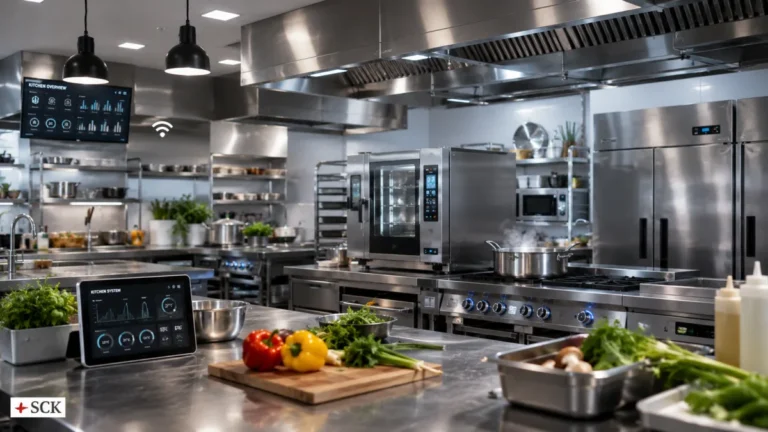
Let’s talk about technology. Because if there’s one thing that can make a small kitchen feel bigger, it’s the right tech. From digital ordering systems to smart appliances, technology can help you streamline your operations, reduce waste, and even save space. And in a small kitchen, every little bit helps.
So, what kind of technology should you be looking at? Here are a few ideas:
- Digital Ordering Systems: These systems allow customers to place orders directly from their phones or tablets, which can help reduce wait times and improve accuracy. In a small kitchen, this can be a game-changer.
- Kitchen Display Systems (KDS): A KDS is a digital screen that displays orders in real-time. It can help reduce paper waste, improve communication, and even prioritize orders based on urgency. In a small kitchen, this can help keep things running smoothly.
- Smart Appliances: From induction burners to combi ovens, smart appliances can help you save space and improve efficiency. For example, a combi oven can roast, steam, and bake, all in one compact unit.
- Inventory Management Software: This software can help you track inventory in real-time, reducing waste and ensuring that you never run out of key ingredients. In a small kitchen, this can help you make the most of your limited storage space.
- Energy-Efficient Equipment: Energy-efficient equipment can help you save money on utilities, which is always a good thing. Plus, it’s better for the environment. In a small kitchen, this can help you reduce your carbon footprint without sacrificing performance.
But here’s the thing about technology: it’s not a magic bullet. It’s a tool, and like any tool, it’s only as good as the person using it. So, before you invest in any new tech, make sure you’re training your staff on how to use it properly. And don’t forget to maintain it. A broken piece of technology is worse than no technology at all.
I remember visiting a tiny café in Portland where the owner had installed a digital ordering system. It was a great idea, but the staff wasn’t properly trained on how to use it. The result? Orders were getting lost, customers were getting frustrated, and the kitchen was more chaotic than ever. The fix? A simple training session. Once the staff understood how to use the system, everything ran smoothly.
So, take a hard look at your kitchen. Could technology help you save space, improve efficiency, or reduce waste? If so, it might be time to make an investment. Because in the world of restaurants, technology is the future. And the future is now.
Putting It All Together: A Step-by-Step Guide to Maximizing Your Small Kitchen
Okay, let’s take a breath. We’ve covered a lot of ground-zoning, equipment, storage, safety, menu design, technology-and it’s easy to feel overwhelmed. But here’s the good news: you don’t have to do everything at once. Maximizing a small kitchen is a process, and it’s okay to take it one step at a time. So, let’s break it down into a step-by-step guide that you can follow at your own pace.
Step 1: Assess Your Current Layout
Before you make any changes, take a hard look at your current kitchen. What’s working? What’s not? Where are the bottlenecks? Where are the safety hazards? Grab a notebook and sketch out your kitchen. Label each zone, and note any areas that feel cramped or inefficient. This will be your roadmap for the changes to come.
Step 2: Define Your Zones
Based on your assessment, define your zones. What are the essential areas in your kitchen? Where do you prep, cook, store, and clean? Once you’ve defined your zones, think about how they can overlap or stack to save space. Remember, the goal is to minimize cross-traffic and maximize efficiency.
Step 3: Audit Your Equipment
Now, take a look at your equipment. What do you use most often? What can you get rid of? What can you replace with a smaller or more versatile option? Be ruthless, if it’s not being used regularly, it’s taking up valuable space.
Step 4: Optimize Your Storage
Next, tackle your storage. What can you move to vertical space? What can you consolidate? What can you label? The goal is to reduce clutter and improve organization. And don’t forget about FIFO-First In, First Out-to prevent waste.
Step 5: Improve Your Lighting and Ventilation
Now, take a look at your lighting and ventilation. Is your kitchen bright and well-ventilated? If not, it’s time to make some changes. Upgrade your lighting to cool white or daylight, and make sure your ventilation system is properly maintained.
Step 6: Design for Flexibility
Think about how you can make your kitchen more flexible. Can you use rolling carts or modular equipment? Can you rearrange your layout to accommodate changes in your menu or staff? The more flexible your kitchen, the better it will adapt to whatever life throws at you.
Step 7: Prioritize Safety
Safety should always be a top priority. Make sure your pathways are clear and wide, your flooring is non-slip, and your equipment is ergonomically designed. And don’t forget to train your staff on safety protocols.
Step 8: Align Your Menu with Your Kitchen
Take a hard look at your menu. Does it match your kitchen? If not, it might be time to make some changes. Simplify where you can, and focus on dishes that can be prepared efficiently in your space.
Step 9: Embrace Technology
Finally, think about how technology can help you save space and improve efficiency. From digital ordering systems to smart appliances, there are plenty of tools that can make your small kitchen feel bigger.
Step 10: Test and Refine
Once you’ve made your changes, test them out. How does the new layout feel? Are there still bottlenecks? Are there still safety hazards? Be open to feedback from your staff, and don’t be afraid to tweak things as you go. Remember, maximizing a small kitchen is an ongoing process.
So, there you have it, a step-by-step guide to maximizing your small kitchen. It’s not going to be easy, and it’s not going to happen overnight. But if you take it one step at a time, you’ll end up with a kitchen that’s efficient, safe, and adaptable. And that’s something to be proud of.
The Bottom Line: Small Kitchens, Big Potential
Look, I’m not going to sugarcoat it-maximizing a small commercial kitchen is hard. There are no easy answers, no one-size-fits-all solutions. Every kitchen is different, every menu is different, and every team is different. But here’s what I know for sure: small kitchens can do big things. They can turn out incredible food, create memorable experiences, and even make a profit. The key is to design with intention, to embrace flexibility, and to never stop refining.
So, if you’re staring at your tiny kitchen right now, feeling overwhelmed, take a deep breath. You’ve got this. Start with the basics-zoning, equipment, storage-and build from there. And remember, it’s okay to ask for help. Talk to your staff, consult with experts, and don’t be afraid to experiment. The best kitchens are the ones that evolve, that adapt, that grow with their teams.
And who knows? Maybe one day, you’ll look back at this tiny kitchen and realize it was the best thing that ever happened to your restaurant. Because in the end, it’s not about the size of the kitchen. It’s about the heart of the people who work in it. And if there’s one thing I’ve learned from hanging out in kitchens, it’s that heart is something you can’t measure in square feet.
So, go ahead. Roll up your sleeves, grab a notebook, and start sketching. Your small kitchen is waiting.
FAQ
Q: What’s the most common mistake restaurants make when designing a small kitchen?
A: The biggest mistake I see is overcrowding. Restaurants try to cram too much equipment into a tiny space, which creates bottlenecks and makes it hard to move. The key is to prioritize essential equipment and maximize vertical space. If it’s not being used regularly, it doesn’t belong in the kitchen.
Q: How can I make my small kitchen feel bigger without expanding?
A: There are a few tricks to make a small kitchen feel bigger. Bright lighting can open up the space, while mirrors or reflective surfaces can create the illusion of depth. Decluttering is also key, every item should have a purpose and a home. And don’t forget about zoning-a well-organized kitchen feels more spacious than a chaotic one.
Q: What’s the best way to handle storage in a small kitchen?
A: Vertical space is your friend. Use wall-mounted shelves, pegboards, and overhead racks to maximize storage without taking up floor space. Under-counter fridges and rolling carts are also great for small kitchens. And don’t forget to label everything-it saves time and reduces mistakes.
Q: How do I know if my kitchen layout is efficient?
A: The best way to test efficiency is to watch your staff in action. Are they constantly bumping into each other? Are they taking extra steps to grab ingredients or equipment? If so, your layout isn’t working. A good layout should minimize cross-traffic and keep everything within arm’s reach. If it doesn’t, it’s time to make some changes.
@article{maximizing-small-commercial-kitchens-layout-tips-for-restaurants-that-actually-work,
    title   = {Maximizing Small Commercial Kitchens: Layout Tips for Restaurants That Actually Work},
    author  = {Chef's icon},
    year    = {2026},
    journal = {Chef's Icon},
    url     = {https://chefsicon.com/maximizing-small-commercial-kitchens-layout-tips-for-restaurants/}
}