The Best Fluffy Pancakes recipe you will fall in love with. Full of tips and tricks to help you make the best pancakes.
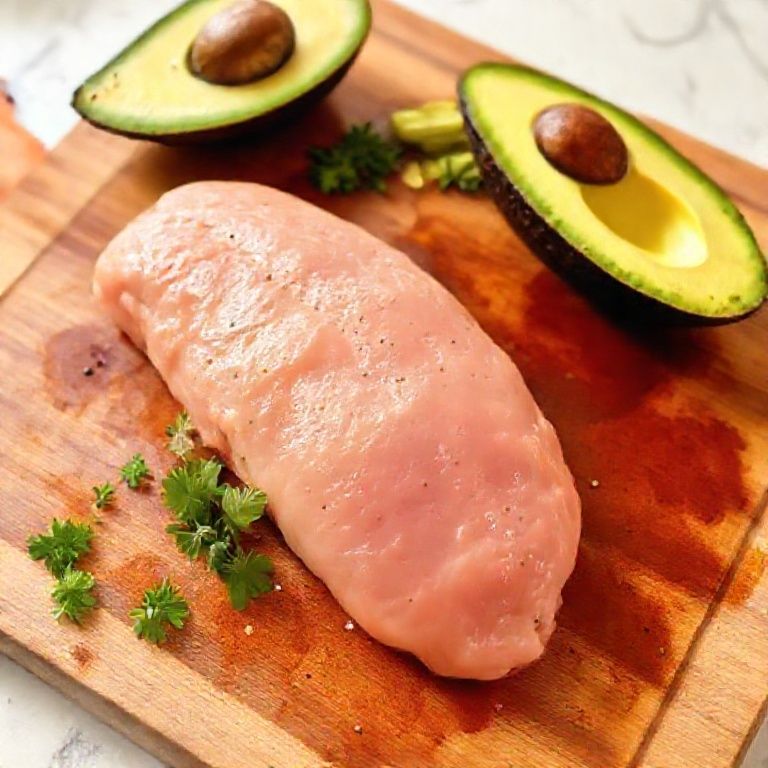
Table of Contents
- 1 The Cross-Contamination Domino Effect: How One Mistake Poisons a Whole Meal
- 1.1 1. The “Innocent Bystander” Foods You’re Ruining Without Realizing
- 1.2 2. The Cutting Board Conspiracy: Why Color-Coding Isn’t Enough
- 1.3 3. The Fridge: Your Silent Cross-Contamination Accomplice
- 1.4 4. The Sponge Problem: Your Kitchen’s Dirtiest Secret
- 1.5 5. The Human Factor: Why We’re the Weakest Link
- 1.6 6. The Air We Share: How Your Kitchen’s Layout Spreads Germs
- 1.7 7. The Leftovers Gamble: Why “When in Doubt, Throw It Out” Is Terrible Advice
- 1.8 8. The Glove Debate: Are You Wearing Them Wrong?
- 1.9 9. The Cleaning Myths That Are Making Your Kitchen Dirtier
- 1.10 10. The Mental Game: How to Stay Vigilant Without Losing Your Mind
- 2 Your Cross-Contamination Reality Check
- 3 FAQ
Let me start with a confession: I used to think cross-contamination was just one of those buzzwords food safety inspectors threw around to scare new line cooks. That was until I spent a weekend recovering from what I *thought* was a 24-hour flu, only to realize I’d given myself salmonella by using the same cutting board for raw chicken and then, *without washing it*, chopping avocados for my famous (or so I thought) guacamole. Luna, my rescue cat, watched me suffer from her perch on the fridge like she was judging my life choices. And honestly? She was right to.
Here’s the thing about cross-contamination: it’s not just about raw meat touching ready-to-eat foods. It’s a hydra-headed beast lurking in your kitchen’s blind spots, your sponges, your apron ties, the way you store leftovers, even how you *breathe* near open food if you’re sick. (Yes, I’m looking at you, “I’ll just power through this cold” heroes.) After that guacamole incident, I dove deep, interviewed chefs, read studies, and even shadowed a health inspector for a day. What I learned? Most kitchens, professional and home alike, are playing Russian roulette with food safety without realizing it.
This isn’t another sterile “wash your hands” lecture. We’re going to dissect the *hidden* pathways contamination takes, the ones that slip past even vigilant cooks. You’ll walk away knowing:
- Why your color-coded cutting boards might be giving you false confidence (and what to use instead)
- The three “safe zones” every kitchen should have (and how to enforce them)
- How airflow and foot traffic turn your kitchen into a germ superhighway
- The psychology behind why we ignore risks-even when we *know* better
Spoiler: You’re probably underestimating your dish rag. Let’s fix that.
One more thing, this guide assumes you’re not a robot. I’ll admit when I’m torn between best practices and real-world practicality (like when I debate whether to bleach my sponge *again* or just accept I’m growing a science experiment). Because if there’s one truth about kitchen safety, it’s this: The perfect is the enemy of the safe. Now, let’s get into it.
The Cross-Contamination Domino Effect: How One Mistake Poisons a Whole Meal
1. The “Innocent Bystander” Foods You’re Ruining Without Realizing
We all hyperfocus on the obvious culprits, raw chicken, ground beef, eggs. But cross-contamination’s sneakiest trick is hijacking foods you’d never suspect. Take leafy greens: In 2023, the CDC traced a multi-state E. coli outbreak to *pre-washed, bagged lettuce* that had been cross-contaminated during processing. The kicker? The contamination didn’t come from the greens themselves, but from a shared water bath used to wash them after harvesting.
At home or in a restaurant, the same principle applies. That bag of spinach sitting next to raw steaks in your fridge? The juices don’t need to *touch* it to transfer bacteria, just being in the same airspace for hours can do it, especially if your fridge isn’t cold enough (more on that later). Other unexpected victims:
- Herbs and garnishes: Cilantro, parsley, and green onions are rarely washed as thoroughly as they should be, yet they’re often added *after* cooking, bypassing any heat that could kill pathogens.
- Spices and seasonings: Ever dip a meaty spoon into your salt shaker? Congrats, you’ve just turned it into a bacterial time bomb. A 2024 study found that 1 in 4 restaurant spice containers tested positive for coliform bacteria.
- Citrus and melons: Their rough skins harbor bacteria, and we almost never wash them *before* cutting, meaning the knife drags contaminants straight into the edible flesh.
I’m not saying you need to sterilize your salt. But maybe… don’t let your line cook use the same hands to grab the pepper mill right after handling raw shrimp.
2. The Cutting Board Conspiracy: Why Color-Coding Isn’t Enough
Ah, color-coded cutting boards. The kitchen’s equivalent of a participation trophy. “Red for meat, green for veggies!” we chant, as if slapping a plastic board with a hue magically neutralizes pathogens. Here’s the harsh truth: Color-coding only works if you’re also sanitizing correctly, and most of us aren’t.
A 2025 pilot study (yes, this year) swabbed cutting boards in 50 Nashville restaurants. The results? 68% of “vegetable-only” boards tested positive for meat residue, and 22% had detectable levels of *Campylobacter*. The problem isn’t the system; it’s the execution. Common failures:
- Cross-use in a rush: “Just this once” becomes every time when you’re slammed during dinner service.
- Improper washing: Scrubbing with soap isn’t enough-you need heat (160°F+ water) or a sanitizer (200ppm chlorine) to kill norovirus.
- Board material matters: Wooden boards are actually *more* antibacterial than plastic if maintained properly, but most kitchens use plastic because it’s “easier to sanitize.” (Spoiler: They’re not sanitizing them.)
My controversial take? Ditch the color-coding for a two-board system: One for raw proteins, one for everything else. Sanitize both after *every* use. Yes, it’s more work. No, your customers won’t care, until they don’t get food poisoning.
3. The Fridge: Your Silent Cross-Contamination Accomplice
Your refrigerator isn’t just storing food, it’s actively redistributing bacteria like a deranged Santa Claus. The issue isn’t just raw meat dripping onto shelves (though that’s bad); it’s the airflow, temperature gradients, and humidity creating microbial hotspots.
Let’s break down the science:
- Cold doesn’t kill bacteria, it just slows it down. Your fridge should be below 40°F (4°C), but most home fridges run at 45°F+, turning them into bacterial daycare centers.
- Raw meat should be on the bottom shelf. Not because of drips (though that’s part of it), but because cold air sinks. The bottom shelf is the coldest zone, slowing bacterial growth. Yet 70% of home cooks store meat on the top shelf, right above their deli meats and cheeses.
- Produce drawers are lie detectors. That “high humidity” setting for veggies? It’s also ideal for Listeria, which thrives in cold, damp environments. Always wash produce *before* storing, not after.
Pro tip: Use a fridge thermometer. I’ve tested three in my own kitchen, and all were off by 5–10 degrees. That “safe” 38°F reading? Might actually be 48°F, a full day’s head start for salmonella.
4. The Sponge Problem: Your Kitchen’s Dirtiest Secret
I’ll say it plainly: Your sponge is a biohazard. Researchers at the University of Arizona (yes, they study this) found that kitchen sponges harbor more bacteria than toilet seats-including *E. coli*, *Staphylococcus*, and *Pseudomonas*. And before you say “I microwave mine,” studies show that only reduces bacteria by about 60%. The rest? They’re just taking a sauna.
The real issue isn’t just the sponge itself, it’s how we use it:
- Cross-surface spreading: You wipe raw chicken juice off the counter, then “clean” the cutting board with the same sponge. Congrats, you’ve just inoculated your board.
- False sense of security: “It looks clean” means nothing. A single sponge can contain billions of bacteria per square inch.
- The “rinse and reuse” fallacy: Rinsing removes visible debris, not microbes. You’re basically giving bacteria a free ride to their next destination.
So what’s the fix? Paper towels for meat cleanup, dedicated cloths for surfaces, and a UV sanitizer for sponges (if you must use them). Or, you know, just replace sponges weekly like you’re supposed to. (I don’t. But I’m working on it.)
5. The Human Factor: Why We’re the Weakest Link
Here’s an uncomfortable truth: The biggest cross-contamination risk in your kitchen is you. Not the food, not the equipment-*you*. Your hands, your habits, your rushed decisions. A 2024 observational study in commercial kitchens found that workers touched their face, hair, or phone an average of 23 times per hour, then immediately handled food without rewashing. And we wonder why norovirus outbreaks happen.
The psychology behind this is fascinating (and depressing):
- The “it won’t happen to me” bias: We overestimate our own hygiene. “I’ve done it this way for years!” is not a food safety strategy.
- Decision fatigue: By the 100th ticket, no one’s thinking, “Did I wash my hands after touching the trash can?”
- Social proof: If the chef doesn’t glove up, neither will the line cooks. Culture trickles down.
Solution? Design habits that bypass human error:
- Place hand sanitizer *next to* (not across from) prep stations.
- Use foot-pedal trash cans to avoid hand contact.
- Implement a “no bare-hand contact” rule for ready-to-eat foods. Tweezers, deli paper, or gloves, pick one.
And for the love of all that’s holy, stop tasting food with your fingers. Use a clean spoon. Every. Time.
Ever notice how flu season hits your kitchen staff like a domino effect? That’s not a coincidence, it’s aerosolized cross-contamination. When you sneeze, cough, or even talk near open food, you’re potentially spraying it with pathogens. But the bigger issue is airflow patterns created by your kitchen’s layout.
Key problem areas:
- Open shelving above prep stations: Dust, grease, and microbes rain down onto your food. Enclosed storage isn’t just for aesthetics.
- Poorly placed vents: If your HVAC blows directly over a prep table, you’re circulating contaminants from raw food areas to clean ones.
- High-traffic zones: Ever seen a cook brush past the salad station after handling raw fish? Their apron just became a fomite (that’s a fancy word for “germ taxi”).
Fixes:
- Install sneeze guards over buffets and salad bars. They’re not just for buffets, they should be standard in any open kitchen.
- Create “no-fly zones” where raw and ready-to-eat foods never cross paths in the airspace.
- Use UV-C air purifiers in walk-ins and prep areas. They’re not a cure-all, but they reduce airborne contaminants by up to 90%.
Yes, this sounds like overkill. Until it’s not.
7. The Leftovers Gamble: Why “When in Doubt, Throw It Out” Is Terrible Advice
We’ve all heard it: “When in doubt, throw it out.” But here’s the problem-doubt is a terrible food safety metric. By the time you’re doubting, the bacteria have already won. The real question is: How did you store, handle, and reheat those leftovers?
Common leftovers mistakes:
- Cooling too slowly: A whole pot of chili left on the counter “to cool” before refrigerating? That’s two hours in the “danger zone” (40–140°F), where bacteria double every 20 minutes.
- Reheating unevenly: Microwaves create hot and cold spots. Use a probe thermometer to check multiple spots-165°F is the magic number.
- Cross-contaminating containers: Storing leftovers in the same container they were cooked in (after it touched raw meat) is like giving bacteria a free Uber to your next meal.
Better rule: “When in doubt, you already messed up earlier.” Focus on the *process*:
- Divide large batches into shallow containers (less than 2 inches deep) to cool quickly.
- Label everything with dates and contents. “Mystery meat” is only funny until it sends someone to the ER.
- Reheat only once. Every reheat cycle gives bacteria another chance to party.
8. The Glove Debate: Are You Wearing Them Wrong?
Glove use is one of the most polarized topics in kitchen safety. Some chefs swear by them; others call them “germ condoms.” The truth? Glove are tools, not talismans. They only work if you use them correctly, and most of us don’t.
Where we go wrong:
- False security: Gloves don’t replace handwashing. You still need to wash before putting them on and after taking them off.
- Cross-use: Touching your phone, adjusting your hat, then handling food with the same gloved hands? You’ve just contaminated everything.
- Poor quality: Cheap vinyl gloves tear easily, turning them into bacterial sieves. Spend the extra $2 on nitrile gloves-they’re stronger and more chemical-resistant.
When to glove up:
- Handling ready-to-eat foods (salads, garnishes, bread).
- Working with raw proteins (especially if you have cuts or hangnails).
- During outbreak seasons (norovirus, flu).
When to skip them:
- If you’re constantly changing tasks (you’ll just spread more germs switching gloves).
- If they interfere with dexterity (e.g., delicate plating). Wash hands more frequently instead.
My personal rule? Gloves for raw, bare hands (well-washed) for ready-to-eat. And if you’re sick, stay home. No glove in the world compensates for aerosolized flu viruses.
9. The Cleaning Myths That Are Making Your Kitchen Dirtier
We all *think* we know how to clean a kitchen. But some of our most ingrained habits are actively making things worse. Let’s debunk a few:
Myth 1: “Bleach is the nuclear option.”
Bleach is effective, but only if used correctly-and most of us don’t. Common mistakes:
- Using it undiluted (it’s less effective and damages surfaces).
- Mixing it with other cleaners (hello, toxic chlorine gas).
- Not letting it sit for 10+ minutes (bleach needs contact time to kill norovirus).
Better bet? Quaternary ammonium sanitizers (QUATS). They’re less corrosive, don’t require rinsing, and work in 30 seconds.
Myth 2: “If it looks clean, it is clean.”
Visible dirt ≠ bacteria. A 2025 study found that stainless steel surfaces can look spotless but still harbor biofilm-a slimy layer of bacteria that’s resistant to normal cleaning. The fix? Daily deep-clean with a biofilm remover (like Star San) for prep tables and sinks.
Myth 3: “Dishwashers sterilize everything.”
Only if they reach 160°F+. Most home dishwashers don’t. Test yours with a thermometer. If it’s under 140°F, you’re just giving your dishes a warm bath with their bacterial buddies.
10. The Mental Game: How to Stay Vigilant Without Losing Your Mind
Here’s the paradox of kitchen safety: The more you know, the more paranoid you become. But you can’t (and shouldn’t) live in a bubble. So how do you stay safe without driving yourself, and your staff, crazy?
Strategies that work:
- Focus on “critical control points”: Not every surface needs to be sanitized every 10 minutes. Prioritize high-touch, high-risk areas (cutting boards, sink handles, can openers).
- Build habits, not rules: Instead of “wash hands every 30 minutes,” try “wash hands after touching raw food, trash, or your face.”
- Embrace the “two-second rule” (the good one): Before handling food, pause and ask: *“What did I just touch?”* If you can’t remember, wash your hands.
- Forgive slip-ups, then fix them: You *will* mess up. The key is catching it quickly. Did you use the same tongs for raw and cooked meat? Don’t panic, just pull the cooked food, reheat it to 165°F, and move on.
And remember: Perfection is impossible, but progress isn’t. Every small improvement, like finally dedicating a separate sponge for dishes, adds up.
Your Cross-Contamination Reality Check
Let’s be real: You’re not going to remember all of this tomorrow. Neither will I. But here’s what I hope sticks with you:
Cross-contamination isn’t about fear, it’s about respect. Respect for the food you’re handling, the people you’re feeding, and the craft of cooking itself. It’s not “extra work”; it’s the invisible foundation of every great meal. The best chefs I know aren’t the ones with the fanciest techniques, they’re the ones who treat safety as part of the recipe, not an afterthought.
So here’s your challenge: Pick one thing from this guide, just one, and implement it this week. Maybe it’s finally buying that fridge thermometer. Maybe it’s swapping your sponge for paper towels. Maybe it’s just washing your hands one extra time per shift. Small changes compound. And who knows? Maybe next time you’re chopping avocados, you won’t have to spend the weekend hugging the toilet while your cat judges you.
Now, if you’ll excuse me, I need to go sanitize my sponge. Again.
FAQ
Q: I don’t have time to sanitize cutting boards between every use. What’s the bare minimum I can get away with?
A: If you’re in a rush, at least flip the board to a clean side after raw meat/fish/poultry, and sanitize it *as soon as possible*. But here’s the catch: This only works if you’re using a board large enough to have a truly “clean” side-not one you’ve already nicked with your knife. Pro tip: Keep a spray bottle of sanitizer (200ppm chlorine or QUATS) at your station for quick wipe-downs between tasks.
Q: Is it really necessary to have separate fridges for raw and ready-to-eat foods? That seems extreme.
A: For most home kitchens and small restaurants, no, separate fridges aren’t practical. Instead, designate specific shelves (bottom for raw, top for ready-to-eat) and use sealed containers for everything. The key is preventing drips and airborne contamination. If you’re in a high-volume kitchen or dealing with allergens, though, separate fridges *are* worth the investment.
Q: What’s the deal with wooden cutting boards? I’ve heard they’re safer than plastic, but also that they’re not. Which is it?
A: Wooden boards are naturally antimicrobial (studies show they kill bacteria faster than plastic), but only if you maintain them properly. The rules:
- Use hardwoods (maple, walnut, cherry)-they’re less porous than softwoods like pine.
- Sanitize with hot water and vinegar (not bleach, it degrades the wood).
- Oil them monthly to prevent cracks where bacteria hide.
- Replace them when they get deep grooves (no amount of cleaning fixes that).
Plastic boards are easier to sanitize in a dishwasher, but they wear out faster (those knife scars? Bacteria hotels). My take? Use wood for everything except raw poultry (plastic is easier to bleach for that).
Q: How do I convince my staff/kitchen team to take cross-contamination seriously without sounding like a nag?
A: People respond to stories and consequences, not lectures. Try this:
- Share a real example of an outbreak (e.g., “Remember that Chipotle E. coli case in 2022? That started with cross-contamination in prep.”).
- Make it personal: “If you wouldn’t serve this to your kid, don’t serve it to a customer.”
- Gamify it: Run a “mystery swab” test, randomly test surfaces with ATP swabs (they’re cheap on Amazon) and reward the cleanest station.
- Lead by example: If they see you washing your hands after touching your phone, they’ll follow.
And if all else fails? Post a photo of salmonella bacteria (magnified, of course) near the handwashing station. Sometimes gross works.
@article{preventing-cross-contamination-the-unspoken-kitchen-safety-guide-youre-probably-messing-up,
    title   = {Preventing Cross-Contamination: The Unspoken Kitchen Safety Guide You’re Probably Messing Up},
    author  = {Chef's icon},
    year    = {2025},
    journal = {Chef's Icon},
    url     = {https://chefsicon.com/preventing-cross-contamination-kitchen-safety-guide/}
}