The Best Fluffy Pancakes recipe you will fall in love with. Full of tips and tricks to help you make the best pancakes.
Let me paint you a picture, it’s 9:47 PM on a Saturday, your restaurant is packed, tickets are flying out of the printer like confetti, and your line cooks are moving at warp speed. The fryer’s hissing, the grill’s flaring up, and then-whoosh-a grease fire ignites near the exhaust hood. In that moment, your entire business isn’t just at risk; it’s a tinderbox waiting for a spark. Now, ask yourself: How confident are you in your kitchen’s fire suppression system?
I’ll admit, when I first moved to Nashville and took over a friend’s food truck (long story, involving a failed pop-up and a very persistent health inspector), fire suppression wasn’t exactly top of mind. I mean, sure, I had a fire extinguisher mounted on the wall, somewhere, but the idea of a full-blown restaurant kitchen fire suppression system felt like overkill. That is, until I watched a diner two blocks down go up in flames because their hood system hadn’t been serviced in years. The owner lost everything. No insurance payout. No grand reopening. Just a charred shell and a GoFundMe that barely covered the lease.
That’s the thing about commercial kitchen fires: they don’t discriminate. Whether you’re running a Michelin-starred temple of gastronomy or a hole-in-the-wall taqueria, grease is grease, and heat is heat. And yet, so many operators treat fire suppression like an afterthought, a box to check during inspections, not a critical layer of protection. This article isn’t just about compliance; it’s about survival. By the end, you’ll understand:
- How these systems actually work (spoiler: it’s not just sprinklers).
- The hidden costs of cutting corners (hint: it’s not just the fine).
- Why your insurance company is silently judging your maintenance logs.
- How to choose a system that won’t leave you high and dry when it matters most.
And because I’ve spent the last three years digging into this (partly out of fascination, partly out of paranoia), I’ll also share the questions I wish I’d asked before that first health inspection. Let’s get into it.
The Brutal Truth About Kitchen Fires (And Why Your Extinguisher Isn’t Enough)
First, let’s talk about the elephant in the room: most restaurant fires start in the kitchen. According to the NFPA (National Fire Protection Association), cooking equipment is the leading cause of restaurant fires, accounting for 61% of all incidents. And here’s the kicker, over half of those fires involve grease or cooking oils. You know, the stuff that’s literally designed to catch fire when heated.
Now, you might be thinking, “But I’ve got a fire extinguisher! And my staff knows how to use it!” That’s great. Really. But here’s the problem: by the time a fire grows large enough to require an extinguisher, you’re already in crisis mode. Extinguishers are reactive. Suppression systems? They’re proactive. They detect and smother fires before they spiral out of control, often in seconds. And in a commercial kitchen, seconds are the difference between a minor incident and a six-figure disaster.
Let me break it down:
- Grease fires burn at temperatures upwards of 600°F. Water won’t just fail to extinguish it, it’ll spread the fire.
- Class K extinguishers (the ones rated for cooking oils) are effective, but they require human intervention. If your cook panics, or worse, throws water on the fire, you’re toast. Literally.
- Automatic suppression systems activate instantly when they detect heat or flame, releasing a fine mist of wet chemical agent that cools the fire and creates a barrier to prevent re-ignition.
I get it. These systems aren’t cheap. A full installation can run anywhere from $3,000 to $10,000, depending on the size of your kitchen and the type of equipment you’re protecting. But consider this: the average cost of a restaurant fire? $23,000 in direct damages-and that’s before you factor in lost revenue, reputational damage, or the very real possibility of permanent closure. Suddenly, that suppression system looks like a bargain.
The Domino Effect of a Kitchen Fire
Here’s what most operators don’t realize: a fire isn’t just a fire. It’s a business continuity nightmare. Let’s say your hood suppression system fails, and a grease fire gets out of hand. Even if the fire department arrives quickly, you’re looking at:
- Immediate closure for investigations (health department, fire marshal, insurance adjusters).
- Equipment replacement-not just the damaged appliances, but potentially your entire ventilation system if smoke and soot infiltrate the ducts.
- Staff wages during downtime (because, yes, you still have to pay them even if you’re not open).
- Lost customers. In Nashville’s competitive scene, diners have options. If you’re closed for weeks, they’ll find a new favorite spot.
- Insurance premiums skyrocketing-if your provider doesn’t drop you altogether.
I talked to a pizza shop owner in East Nashville who went through this last year. His fire started in the oven, spread to the exhaust hood, and triggered a sprinkler system that also failed (more on that later). Total damages? $87,000. Time closed? Three months. He told me, “I thought I was saving money by skipping the annual inspection. Turns out, I was just delaying the inevitable.”
So, yeah. Fire suppression isn’t sexy. It’s not a new wood-fired oven or a fancy POS system. But it’s the thing that keeps you in business when everything else goes wrong.
How Restaurant Kitchen Fire Suppression Systems Actually Work (No, It’s Not Magic)
Alright, let’s geek out for a second. I’m one of those weirdos who loves understanding how things work, probably why I spent an entire weekend watching YouTube videos about suppression systems (Luna, my cat, judged me hard for this). At its core, a restaurant kitchen fire suppression system is a network of detectors, nozzles, and chemical agents designed to:
- Detect a fire (usually via heat sensors or flame detection).
- Automatically discharge a suppressing agent (typically a wet chemical for grease fires).
- Shut off fuel and electrical sources to starve the fire.
- Prevent re-ignition by cooling surfaces and creating a chemical barrier.
But here’s where it gets interesting: ot all systems are created equal. The two main types you’ll encounter are:
- Wet chemical systems (e.g., Ansul, Pyro-Chem): These are the gold standard for commercial kitchens. They use a potassium acetate-based agent that reacts with cooking oils to form a soapy layer, smothering the fire and cooling the surface. Think of it like throwing a chemical blanket over the flames.
- Dry chemical systems (less common in kitchens): These use a powdered agent (like monoammonium phosphate) to interrupt the fire’s chemical reaction. They’re effective but messier and can damage equipment if not cleaned properly.
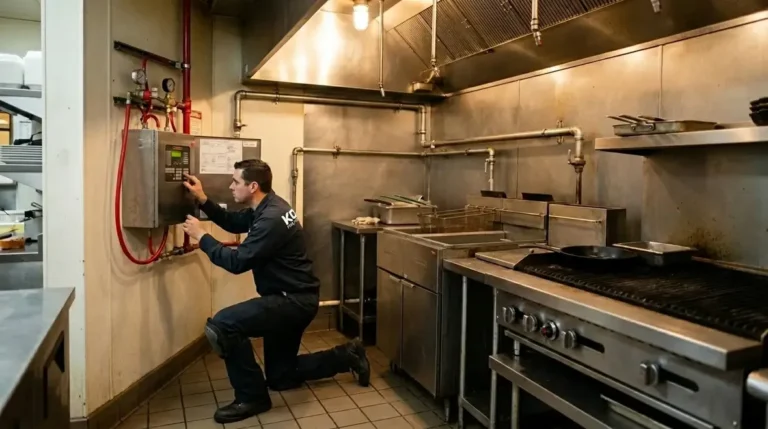
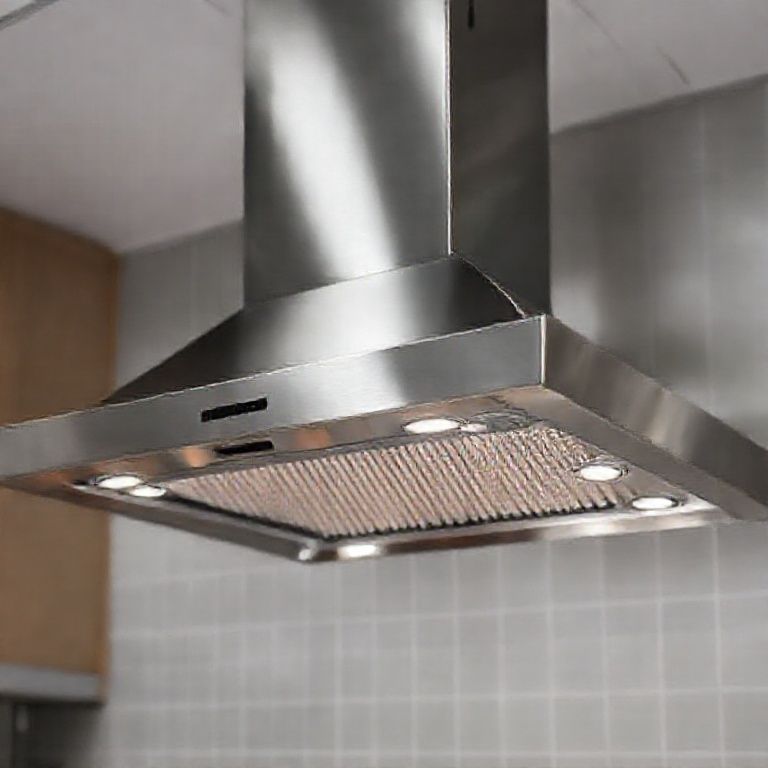
Most modern systems are hood-mounted, meaning they’re integrated into your exhaust hood and ductwork. Why? Because that’s where grease fires love to hide. The nozzles are strategically placed to cover cooking surfaces (grills, fryers, ranges) and the exhaust plenum, ensuring full coverage.
The Role of Fusible Links (And Why They’re Your First Line of Defense)
Here’s a term you should commit to memory: fusible links. These are small, heat-sensitive components that act as triggers for the suppression system. When exposed to high temperatures (usually around 360°F), they melt, releasing the suppressing agent.
Why does this matter? Because fusible links are consumable. Once they melt, they need to be replaced-even if the system doesn’t fully discharge. This is where a lot of operators get tripped up. They assume that if the system didn’t go off, everything’s fine. But if a link melts during a minor flare-up, it’s now a ticking time bomb. The next time the temperature spikes, the system won’t activate because the link is already gone.
Pro tip: After any significant heat event (even if it doesn’t result in a fire), have your system inspected. A melted fusible link is a silent failure waiting to happen.
Why Sprinklers Aren’t Enough (And Can Actually Make Things Worse)
I’ve heard this myth more times than I can count: “My building has sprinklers, so I’m covered.” Nope. Sprinklers are not designed for grease fires. In fact, they can make things worse by spreading burning grease or creating steam explosions. Commercial kitchen suppression systems are specialized for high-heat, high-grease environments. Sprinklers? They’re for general building fires, think paper, wood, or electrical.
Here’s the breakdown:
- Sprinklers use water, which is ineffective (and dangerous) for grease fires.
- Suppression systems use wet chemicals that chemically extinguish the fire, not just cool it.
- Sprinklers activate based on ambient temperature, often too late for a fast-moving grease fire.
- Suppression systems are tied directly to your cooking equipment, responding in milliseconds.
Bottom line: if your landlord or building manager tries to tell you that sprinklers are sufficient, push back. Hard.
The Legal Stuff: Codes, Compliance, and Why the Fire Marshal Is Your New Best Friend
Let’s talk about the fun part: regulations. I know, I know, your eyes are glazing over already. But stick with me, because this is where a lot of operators get blindsided. Fire suppression systems aren’t just a good idea; in most jurisdictions, they’re legally required for commercial kitchens. And the rules aren’t just suggestions, they’re enforced by people who have the power to shut you down.
The big players in this space are:
- NFPA 96: The Standard for Ventilation Control and Fire Protection of Commercial Cooking Operations. This is the bible of kitchen fire safety, covering everything from hood design to suppression system requirements.
- NFPA 17A: The standard for wet chemical extinguishing systems (i.e., the kind you need for grease fires).
- Local fire codes: These vary by city and state but often reference NFPA standards. In Nashville, for example, the Metro Fire Marshal’s Office enforces strict compliance with NFPA 96, including semi-annual inspections for suppression systems.
Here’s where it gets tricky: compliance isn’t a one-and-done deal. Most jurisdictions require:
- Initial installation by a certified professional (no, your cousin who’s “good with tools” doesn’t count).
- Semi-annual inspections (every 6 months) by a licensed technician. This isn’t optional, it’s the law.
- Immediate servicing after any discharge or significant heat event (remember those fusible links?).
- Documentation of all inspections and maintenance. If you can’t prove it, it didn’t happen.
I’ll be honest: the inspection process can feel like a shakedown. Technicians charge anywhere from $150 to $400 per visit, and if they find issues (like expired extinguishers or corroded nozzles), you’re on the hook for repairs. But here’s the thing-skipping inspections is penny-wise and pound-foolish. In Nashville, failing to comply with NFPA 96 can result in:
- Immediate closure until violations are corrected.
- Fines up to $1,000 per day for continued non-compliance.
- Denial of insurance claims if a fire occurs and your system wasn’t up to code.
The Insurance Wildcard (Or: How to Avoid Getting Dropped Like a Hot Potato)
Let’s talk about insurance. Specifically, how your provider views fire suppression systems. Spoiler alert: they care. A lot. Most commercial kitchen policies require proof of a functioning suppression system and regular inspections. If you can’t provide that, you’re playing with fire (pun intended).
I had a wake-up call last year when my insurance agent, let’s call her Linda, called me out of the blue. “Sammy,” she said, “I just got your renewal paperwork, and I notice your last suppression system inspection was 8 months ago. That’s a problem.” Turns out, my policy had a clause stating that inspections must be current within 6 months or coverage could be voided. One missed inspection, and I was one grease fire away from financial ruin.
Here’s what insurance companies typically require:
- Proof of installation by a certified provider.
- Up-to-date inspection records (usually within the last 6 months).
- Immediate reporting of any system discharges or malfunctions.
- Compliance with all local and national fire codes (NFPA 96, etc.).
And if you think you can fly under the radar? Think again. After a fire, insurance investigators will always check your maintenance logs. If they find lapses, they’ll deny your claim faster than you can say “but I swear I meant to schedule that inspection!”
Choosing the Right System: Ansul vs. Pyro-Chem vs. The Rest (And Why Brand Matters)
Alright, let’s say you’re convinced. You’re ready to invest in a suppression system. Now comes the fun part: which one? The two biggest names in the game are Ansul and Pyro-Chem, but there are other players too. Here’s how they stack up.
Ansul: The Industry Standard (For a Reason)
Ansul is like the Kleenex of fire suppression-so dominant that many people use the brand name interchangeably with the product itself. Their R-102 system is the most widely installed in commercial kitchens, and for good reason:
- Proven reliability: Ansul systems have been around for decades, with a track record of effectiveness.
- Widespread service network: Finding a certified Ansul technician is easier than with some lesser-known brands.
- Compatibility: Works with most commercial cooking equipment and hood designs.
- Insurance-friendly: Many providers offer discounts for Ansul systems due to their reputation.
Downsides? Cost. Ansul systems tend to be pricier upfront, and their proprietary parts mean you’re locked into their service network. But as my mechanic always says, “You don’t want the cheapest brakes on a race car.”
Pyro-Chem: The Underdog with a Punch
Pyro-Chem is Ansul’s main competitor, and they’ve been gaining ground in recent years. Their K-Class systems are known for:
- Faster discharge times: Some models activate in under a second, which can be critical in a fast-moving fire.
- Lower maintenance costs: Pyro-Chem’s designs often require fewer parts replacements over time.
- Customizability: Better suited for non-standard kitchen layouts or specialty equipment (like wood-fired ovens).
Where Pyro-Chem falls short is service availability. In some regions, finding a certified technician can be harder than with Ansul. And while their systems are solid, they don’t yet have the same instant recognition with insurance companies.
The Others: When to Consider Alternatives
There are other brands out there-Range Guard, Firetrace, and Kidde, to name a few, but they’re less common in commercial kitchens. You might encounter them in:
- Food trucks (where space and weight are concerns).
- Specialty applications (like outdoor kitchens or mobile units).
- Budget constraints (though I’d argue this is short-sighted).
My advice? Stick with Ansul or Pyro-Chem unless you have a very specific need. The peace of mind, and insurance discounts, are worth the extra cost.
Sizing Your System: Bigger Isn’t Always Better
Here’s a mistake I see all the time: operators assuming that a larger system means better protection. Not necessarily. Oversized systems can be just as dangerous as undersized ones. Why? Because:
- Too much agent can damage equipment or create cleanup hazards.
- Improper nozzle placement can leave dead zones where fires can spread.
- Higher maintenance costs (more agent = more frequent refills).
A proper system should be sized based on:
- The type and number of cooking appliances (fryers, grills, charbroilers, etc.).
- The hood and duct dimensions (longer ducts require more coverage).
- The BTU output of your equipment (higher heat = higher risk).
Pro tip: Always have a certified technician perform a hazard analysis before installation. They’ll calculate the exact requirements for your kitchen.
Installation: What to Expect (And Where Most People Mess Up)
So, you’ve picked your system. Now comes installation. This is where things can go sideways fast if you’re not careful. Here’s what you need to know.
The Pre-Installation Checklist (Don’t Skip This)
Before the technicians show up, make sure you’ve covered:
- Permits: Most jurisdictions require a permit for suppression system installation. In Nashville, this means filing with the Metro Fire Marshal’s Office and paying a fee (usually $100–$300).
- Hood and duct compatibility: Your suppression system must integrate with your existing ventilation. If your hood isn’t up to code, you may need upgrades.
- Fuel and electrical shutoffs: The system should automatically cut power to cooking equipment when activated. This requires coordination with your electrician and gas provider.
- Staff training: Your team needs to know how to manually activate the system and what to do in case of a fire. More on this later.
I cannot stress this enough: do not assume your contractor will handle permits. I’ve seen too many operators get hit with stop-work orders because they didn’t dot their i’s and cross their t’s.
The Installation Process (And Where Delays Happen)
Installation typically takes 1–3 days, depending on the complexity of your kitchen. Here’s what to expect:
- Site survey: The technician will assess your kitchen layout, equipment, and ventilation to finalize the design.
- Mounting the system: This includes installing the agent tanks, piping, nozzles, and fusible links.
- Integrating with hood and ducts: Nozzles are placed to cover all cooking surfaces and exhaust pathways.
- Connecting shutoffs: The system is wired to cut fuel and power automatically during activation.
- Testing: The technician will perform a full discharge test (with water or a safe substitute) to ensure everything works.
Where do delays usually occur?
- Permit backlogs: In busy cities like Nashville, permit approval can take weeks.
- Hood modifications: If your hood isn’t compatible, you may need to reinforce or replace it.
- Electrical/gas work: If your shutoffs aren’t properly labeled or accessible, this can add time.
- Agent availability: Some suppression agents are on backorder due to supply chain issues (thanks, 2020–2024).
Plan for downtime. If your kitchen is active, schedule installation during off-hours or closure days. And budget an extra 20% for unexpected costs, because there will be unexpected costs.
Post-Installation: The 30-Day Rule
Here’s a critical detail most operators miss: your system isn’t fully “live” until it’s been inspected and approved by the fire marshal. In Nashville, you have 30 days from installation to schedule this inspection. Fail to do so, and you’re operating out of compliance.
The inspector will:
- Verify the system meets NFPA 96 standards.
- Check that all nozzles and fusible links are properly installed.
- Ensure the manual pull station is accessible.
- Confirm that fuel and electrical shutoffs are functional.
Once you pass, you’ll get a certificate of compliance. Frame it. Kiss it. Put it in a safe place. You’ll need it for insurance and future inspections.
Maintenance: The Silent Killer of Fire Suppression Systems
Congratulations! Your system is installed, inspected, and ready to go. Now comes the hard part: keeping it that way. I’ll level with you, maintenance is where most restaurants drop the ball. It’s not malicious; it’s just easy to forget when you’re dealing with staffing shortages, supply chain issues, and the daily chaos of running a kitchen.
The Semi-Annual Inspection: Non-Negotiable
Let’s start with the big one: semi-annual inspections. NFPA 96 mandates that suppression systems be inspected every 6 months by a certified technician. What does this entail?
- Visual inspection of all components (tanks, piping, nozzles, fusible links).
- Functional test of manual pull stations and shutoffs.
- Agent level check (if the agent is low, it’s a sign of a leak or previous discharge).
- Documentation of any issues and corrective actions.
Cost? Typically $200–$400 per visit, depending on your location and system size. Is it a pain? Yes. Is it cheaper than a fire? Absolutely.
Pro tip: Schedule your inspections for the same time each year (e.g., January and July). Put it on your calendar like it’s a dentist appointment, because, in a way, it is. Preventative care saves you from root canals later.
The Hidden Dangers of DIY “Fixes”
I get it. When money’s tight, it’s tempting to “handle” minor issues yourself. Maybe a nozzle looks a little rusty, or a fusible link is dangling. Don’t. Here’s why:
- Void warranties: Most manufacturers will void your warranty if uncertified personnel touch the system.
- False sense of security: That “quick fix” might mask a bigger problem (like a corroded pipe that won’t hold pressure).
- Insurance nightmare: If a fire occurs and your system fails due to unauthorized modifications, your claim will be denied.
Case in point: A barbecue joint in Memphis tried to replace a fusible link themselves. When a fire broke out, the system failed to activate because the link wasn’t properly seated. The resulting fire caused $120,000 in damages. Their insurance? Denied. Why? Because the inspection logs showed “unauthorized tampering.”
When to Replace (Not Just Repair)
Suppression systems don’t last forever. Here’s a rough timeline for key components:
- Wet chemical agent: Typically lasts 5–10 years, but should be tested annually for potency.
- Fusible links: Should be replaced after any significant heat event or every 6 years, whichever comes first.
- Nozzles and piping: Can last 10–15 years, but corrosion or damage may require earlier replacement.
- Agent tanks: Usually last 10–12 years, but must be hydrostatically tested every 5 years.
If your system is over 10 years old, it’s time to start budgeting for a replacement. Technology improves, and older systems may not meet current NFPA standards.
Training Your Staff: Because a System Is Only as Good as the People Using It
You can have the fanciest suppression system on the market, but if your staff doesn’t know how to use it, it’s about as useful as a screen door on a submarine. Training is not optional.
The 5 Non-Negotiable Training Topics
Every member of your team, from the dishwasher to the executive chef, should know:
- How to manually activate the system: Where the pull station is and how to use it. (Hint: it’s usually a red handle near the exit.)
- What to do when the system discharges:
- Evacuate immediately.
- Do ot re-enter the kitchen until the fire department clears it.
- Call the suppression company to recharge the system (even if it was a false alarm).
- How to prevent fires in the first place:
- Never leave cooking equipment unattended.
- Keep grease traps and filters clean.
- Use the right oil for the job (smoke points matter!).
- What ot to do in a fire:
- Do ot use water on a grease fire.
- Do ot try to move burning pots or pans.
- Do ot assume the fire is out just because the flames are gone (re-ignition is common).
- Who to call in an emergency: Post emergency contacts (fire department, suppression company, insurance) near the phone.
Pro tip: Run a fire drill at least once a quarter. Simulate a grease fire and have your team practice evacuating and activating the system. It might feel silly, but muscle memory saves lives.
The Human Factor: Why Even the Best Systems Fail
Here’s a hard truth: most suppression system failures are due to human error. Not mechanical failure. Not design flaws. People. Common mistakes include:
- Ignoring alarms: That beeping noise isn’t just annoying, it’s telling you something’s wrong.
- Disabling the system: I’ve heard of cooks “temporarily” disconnecting nozzles because they’re “in the way.” Don’t.
- Blocking access: If your manual pull station is buried under boxes, it’s useless.
- Assuming it’s “someone else’s job”: Fire safety is everyone’s responsibility.
Create a culture where fire safety is part of the daily routine. Make it as normal as washing hands or checking temps.
Common Myths (And Why They’ll Get You in Trouble)
Let’s debunk some dangerous misconceptions I’ve heard over the years.
Myth 1: “My Fire Extinguisher Is Enough”
Nope. As we’ve discussed, extinguishers are a last resort. Suppression systems are designed to prevent fires from reaching the point where an extinguisher is needed.
Myth 2: “I Only Need to Inspect If Something Looks Wrong”
Wrong. Suppression systems fail silently. A nozzle might be clogged, a fusible link corroded, or the agent degraded, all without any visible signs. Regular inspections catch these issues before they become disasters.
Myth 3: “All Suppression Systems Are the Same”
Not even close. Wet chemical systems are designed for grease fires. Dry chemical systems are better for electrical fires. Using the wrong type is like trying to put out a grease fire with gasoline.
Myth 4: “If the System Discharges, I Can Just Clean It Up and Keep Cooking”
Absolutely not. After a discharge:
- The system must be professionally recharged.
- The kitchen must be inspected for damage (heat can warp equipment).
- The suppression company must replace all fusible links and nozzles that were exposed to heat.
Skipping these steps is like resetting a circuit breaker without fixing the short, it’s only a matter of time before it fails again.
Myth 5: “I Don’t Need a Suppression System Because I Have a Sprinkler System”
We’ve covered this, but it bears repeating: sprinklers and suppression systems are not interchangeable. Sprinklers are for building fires. Suppression systems are for kitchen fires. You need both.
The Cost of Cutting Corners (A Cautionary Tale)
I want to tell you about a place called Big Tony’s Pizzeria. It was a Nashville institution, thin-crust, old-school vibes, the kind of place where families went after Little League games. In 2023, they had a grease fire. Their suppression system failed because the last inspection was 18 months prior (they’d “forgotten” to schedule it). The fire spread to the ducts, then the roof. Total loss.
The kicker? Their insurance denied the claim because of the lapsed inspection. Big Tony had to declare bankruptcy. The building is still vacant.
This isn’t fear-mongering. It’s reality. The average restaurant fire causes $23,000 in direct damages. But the indirect costs, lost revenue, reputational damage, legal fees, can be 10 times that. And if you’re uninsured or underinsured? You’re one fire away from closing forever.
So, when you’re tempted to skip that inspection or delay a repair, ask yourself: Is saving $300 worth risking $300,000?
Future-Proofing Your Kitchen: What’s Next in Fire Suppression?
The world of fire suppression isn’t static. New technologies are emerging that could change the game. Here’s what’s on the horizon:
Smart Systems: AI and IoT Integration
Companies are developing smart suppression systems that use sensors and AI to:
- Detect fires before they start (by monitoring temperature spikes and smoke patterns).
- Send real-time alerts to your phone or monitoring service.
- Integrate with your POS or building management system for automatic shutdowns.
Imagine getting a text alert: “Warning: Fryer temperature approaching critical. Take action.” That’s not sci-fi, that’s where we’re headed.
Eco-Friendly Agents
Traditional wet chemical agents are effective but not exactly green. Newer, bio-based suppressing agents are being tested that are less toxic and easier to clean up. This could be a game-changer for sustainability-focused restaurants.
Modular Systems for Food Trucks and Pop-Ups
Mobile kitchens have unique challenges (space, weight, power constraints). New modular suppression systems are being designed specifically for food trucks, concession stands, and pop-up kitchens. These are lighter, more compact, and easier to recharge.
While these technologies are still evolving, they’re worth keeping an eye on, especially if you’re planning a kitchen upgrade in the next few years.
Final Thoughts: Your Kitchen’s Fire Suppression System Is Your Silent Partner
Here’s the thing about fire suppression systems: when they work, nothing happens. No fanfare, no applause, no viral TikTok moments. They just sit there, quietly doing their job. And that’s the point. The best fire suppression system is the one you never have to think about, because it’s always ready when you need it.
But here’s the reality: most operators don’t think about it. Not until it’s too late. And by then, the damage is done. So, let me leave you with a challenge:
- Pull out your last inspection report. When was it? If it’s been more than 6 months, schedule an inspection today.
- Walk into your kitchen right now. Can your staff find the manual pull station in under 10 seconds? If not, train them.
- Look at your suppression system’s age. If it’s over 10 years old, start budgeting for a replacement.
- Call your insurance agent. Ask them what discounts you’d get for upgrading your system. Then act on it.
Running a restaurant is hard enough without adding “rebuilding after a fire” to your to-do list. Your suppression system isn’t just a legal requirement, it’s your last line of defense against losing everything you’ve built. Treat it that way.
And if you’re still on the fence, ask yourself this: What’s the one thing in my kitchen that, if it failed, would shut me down forever? Now go make sure it’s protected.
FAQ
Q: How often do I reallyeed to inspect my suppression system?
A: Every 6 months, no exceptions. NFPA 96 mandates semi-annual inspections, and most insurance policies require it. Skipping inspections isn’t just risky, it’s a violation of fire codes in most jurisdictions. Think of it like changing the oil in your car: it’s not glamorous, but it keeps the engine running.
Q: Can I install a suppression system myself to save money?
A: Absolutely not. Suppression systems must be installed by certified professionals to meet NFPA standards and local fire codes. DIY installation voids warranties, violates insurance requirements, and, most importantly, could fail when you need it most. This isn’t a weekend project; it’s a life-safety system.
Q: What’s the difference between a wet chemical and dry chemical system? Which one do I need?
A: Wet chemical systems (like Ansul R-102) are designed for grease fires and use a potassium-based agent to smother and cool the fire. Dry chemical systems (like those using monoammonium phosphate) are more versatile but messier and less effective for deep-fat fryers. For 99% of restaurants, a wet chemical system is the right choice because it’s specifically engineered for commercial cooking equipment.
Q: My suppression system discharged, but the fire was small and out quickly. Do I still need to recharge it?
A: Yes, immediately. Even a partial discharge means the system is compromised. The suppressing agent must be replenished, and all fusible links and nozzles exposed to heat must be replaced. Failure to recharge the system leaves you unprotected, and violates fire codes. Think of it like a seatbelt after a crash: even if it “looks fine,” it’s no longer safe to use until it’s been professionally inspected.
@article{restaurant-kitchen-fire-suppression-systems-the-unseen-guardian-of-your-culinary-empire-and-why-youre-probably-underestimating-it,
    title   = {Restaurant Kitchen Fire Suppression Systems: The Unseen Guardian of Your Culinary Empire (And Why You’re Probably Underestimating It)},
    author  = {Chef's icon},
    year    = {2025},
    journal = {Chef's Icon},
    url     = {https://chefsicon.com/restaurant-kitchen-fire-suppression-systems/}
}