The Best Fluffy Pancakes recipe you will fall in love with. Full of tips and tricks to help you make the best pancakes.
I’ll admit it, I used to think NSF certification was just another bureaucratic hoop to jump through. Another sticker to slap on equipment, another line item on an invoice. Then I watched a health inspector shut down a friend’s new Nashville food truck over a on-NSF-certified prep table. Three days of lost revenue, a $1,200 fine, and a reputation hit that took months to recover. That’s when I realized: NSF certification isn’t just paperwork, it’s the difference between a kitchen that thrives and one that gets shut down.
Here’s the thing: most operators (and even some suppliers) treat NSF certification like a checkbox. “Does it have the logo? Good enough.” But after digging into the standards, talking to inspectors, and watching kitchens fail audits over tiny details, I’ve learned it’s way more nuanced. This isn’t just about passing inspection, it’s about food safety culture, equipment longevity, and even your insurance premiums. And in 2025, with supply chain delays and labor shortages, the last thing you need is a certification oversight derailing your operation.
So let’s break it down-what NSF certification actually means, where people mess up (spoiler: it’s often in places you’d never expect), and how to navigate the system without losing your mind. I’ll share the mistakes I’ve seen, the questions I wished I’d asked earlier, and why that little blue NSF logo might be the most important detail in your kitchen.
Fair warning: This isn’t a dry standards manual. I’m going to rant about stupid design flaws I’ve seen in “certified” equipment, question why some rules exist, and probably over-explain a few things. But by the end, you’ll understand NSF certification better than 90% of the industry, and maybe save yourself a headache or five.
The NSF Certification Crash Course (Without the Jargon Overload)
What Exactly Is NSF Certification?
NSF International (originally the National Sanitation Foundation) is a third-party organization that tests and certifies products to ensure they meet public health and safety standards. In commercial kitchens, their certification is the gold standard for food equipment, water systems, and even cleaning chemicals. Think of it as the Underwriters Laboratories (UL) stamp, but for stuff that touches your food.
Here’s what most people don’t grasp: NSF doesn’t just test one product, they evaluate the entire system. A certified refrigerator isn’t just about keeping food cold; it’s about seamless welds (no bacteria hiding spots), on-toxic materials (no lead leaching into your soup), and design that prevents cross-contamination (because yes, the way a shelf is angled does matter).
And it’s not a one-and-done deal. NSF recertifies products annually, and they conduct unannounced factory inspections. That’s why you’ll sometimes see equipment lose its certification, manufacturers cut corners, change materials, or outsource production without telling anyone. (More on that nightmare later.)
The Three NSF Standards You Need to Know (And the One Everyone Forgets)
Not all NSF certifications are created equal. Here are the big ones for commercial kitchens:
- NSF/ANSI 2: The baseline for food equipment-refrigerators, prep tables, sinks, etc. Covers materials, design, and cleanability. If it touches food, it needs this.
- NSF/ANSI 4: For commercial cooking equipment-ranges, ovens, fryers. Focuses on safety (no gas leaks, no fire hazards) and performance (does it actually cook at the temp it claims?).
- NSF/ANSI 51: The plumbing standard-sinks, faucets, grease interceptors. Often overlooked, but a non-certified sink can fail your health inspection faster than expired milk.
The one everyone forgets? NSF/ANSI 184. This covers residential-style appliances used in commercial settings-like that “commercial-grade” air fryer you bought from a big-box store. If it’s not NSF-184 certified, it’s not legal for your kitchen. (Yes, inspectors do check.)
Pro tip: If a supplier tells you, “Oh, it’s NSF certified,” ask which standard. I’ve seen “certified” equipment fail inspections because it met NSF/ANSI 2 but not NSF/ANSI 4 for cooking equipment. The devil’s in the details.
Why NSF Certification Matters More in 2025
Three words: supply chain chaos. Post-pandemic, manufacturers are still playing catch-up, and some are cutting corners. I’ve heard from distributors about:
- “Certified” equipment arriving with uncertified replacement parts (because the original supplier ran out).
- Counterfeit NSF labels on knockoff equipment (yes, this is a real problem now).
- Delays in recertification, meaning some products are technically out of compliance but still being sold.
Plus, health departments are cracking down. In Nashville, inspectors now use UV flashlights to check for hidden grime in “sealed” equipment. If your NSF-certified fridge has a cracked gasket (a common issue with cheaper models), you’re getting written up.
And let’s talk about insurance. Many providers now require NSF certification for equipment coverage. One operator I know had a fryer fire, his policy wouldn’t cover it because the fryer lacked NSF/ANSI 4 certification. $28,000 lesson.
Where Most Kitchens Mess Up (And How to Avoid It)
The “But It Looks Certified” Trap
I can’t tell you how many times I’ve seen this: A kitchen buys a prep table with an NSF logo, only to fail inspection because the legs aren’t sealed (a requirement for NSF/ANSI 2). Or a sink that’s NSF-certified but installed with on-certified drain components. Here’s the thing: certification applies to the product as tested, not as modified or installed.
Example: You buy an NSF-certified stainless steel shelf. You drill a hole to mount it. Boom, no longer certified. The modification voids the certification because it creates a potential bacteria harboring point. Same goes for:
- Adding non-certified casters to a worktable.
- Replacing a certified faucet with a non-certified one.
- Using non-NSF-approved epoxy to “repair” a chipped prep surface.
How to avoid it: Always check the NSF website for the exact model number. If you modify anything, document it and get it re-certified (yes, that’s a thing).
The Used Equipment Gamble
Buying used equipment? NSF certification does not transfer. A certified fridge that’s been dented, re-welded, or had parts replaced is no longer guaranteed to meet standards. I’ve seen operators get burned by:
- “Certified” used equipment with replaced compressors (not NSF-approved).
- Prep tables with re-sealed seams (using non-food-safe silicone).
- Ovens with aftermarket thermostats (voids NSF/ANSI 4).
The fix? If you buy used, demand original certification documents and a full service history. If the seller can’t provide them, walk away, or budget for recertification (which can cost $500–$2,000 per piece).
The Chemical Conundrum
NSF certification isn’t just for equipment, it’s also for cleaning chemicals, lubricants, and even ice machine cleaners. Using a non-NSF-approved degreaser? That’s an automatic violation in most jurisdictions. Same goes for:
- Dish machine detergents (must be NSF/ANSI 3 or 51).
- Conveyor lubricants (for pizza ovens, etc.).
- Sanitizing wipes (many “food-safe” wipes aren’t NSF-certified).
Real-world fail: A BBQ joint in Austin got flagged because their “eco-friendly” degreaser wasn’t NSF-certified. The inspector made them throw out $300 worth of product and deep-clean the entire kitchen. Always check the NSF White Book (their directory of certified products) before buying.
The Installation Blind Spot
Here’s a fun fact: NSF certification can be voided by improper installation. Examples:
- A certified grease interceptor installed too far from the sink (violates NSF/ANSI 51).
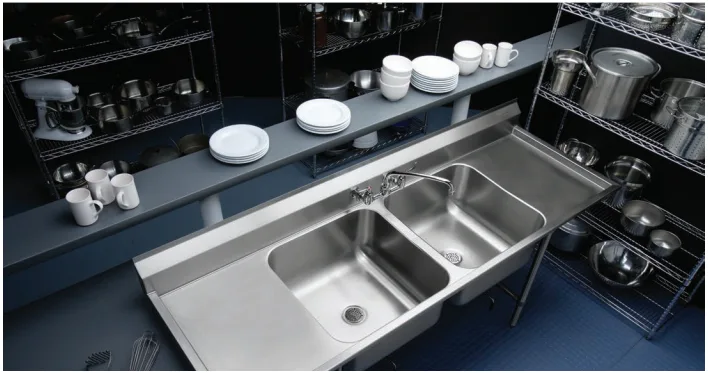
- A three-compartment sink with on-certified drain boards attached.
- A walk-in cooler with on-NSF-approved insulation (some spray foams leach chemicals).
Solution: Hire an installer who understands NSF standards, or at least, get the installation manual and follow it to the letter. I’ve seen inspectors measure the distance between a sink and its grease trap with a tape measure. They’re not messing around.
How to Verify NSF Certification (Without Getting Scammed)
The NSF Directory: Your Best Friend
Before you buy anything, check the NSF Certified Food Equipment directory. Search by:
- Manufacturer name (watch for typos, some brands use similar names).
- Exact model number (not just the series).
- Standard (e.g., NSF/ANSI 2 vs. NSF/ANSI 4).
Red flags:
- The product is listed but marked “certification suspended.”
- The model number in the directory doesn’t match the equipment’s serial plate.
- The certification is under a different standard than what you need (e.g., residential vs. commercial).
Spotting Fake NSF Labels
Counterfeit NSF marks are a growing problem, especially with overseas manufacturers. Here’s how to spot fakes:
- Blurry or pixelated logos (real NSF marks are crisp).
- Missing the “NSF” textear the logo (some fakes just use the blue checkmark).
- Incorrect standard numbers (e.g., “NSF/ANSI 2-2020” when the current standard is 2023).
- No manufacturer infoear the mark (real labels include the company name and location).
If in doubt, email NSF at [email protected] with a photo of the label. They’ll verify it for free.
What to Do If Your Equipment Loses Certification
Yes, this happens. Manufacturers sometimes lose certification due to:
- Quality control failures in production.
- Using unapproved suppliers for components.
- Failing to pay NSF fees (yes, really).
If you own equipment that gets decertified:
- Stop using it immediately (you’re now out of compliance).
- Contact the manufacturer-they may offer a retrofit or replacement.
- Check if your warranty covers recertification (some do).
- Document everything for your health inspector.
Pro tip: Sign up for NSF’s email alerts to get notified if a product you own loses certification.
The Hidden Costs of NSF Certification (And Why It’s Still Worth It)
The Upfront Premium
NSF-certified equipment typically costs 10–30% more than non-certified alternatives. For example:
- A non-certified prep table: $800
- NSF-certified equivalent: $1,100–$1,400
But here’s the thing: non-certified equipment fails faster. I’ve seen cheap prep tables rust within a year because they used low-grade stainless steel (not NSF-approved). NSF-certified equipment is built to last, and that means lower replacement costs over time.
The Maintenance Factor
NSF-certified equipment is easier to clean (by design), which saves labor costs. Example:
- A non-certified fryer with riveted seams takes 20 minutes to scrub.
- An NSF-certified fryer with welded, rounded corners takes 5 minutes.
Over a year, that’s dozens of hours in labor savings-not to mention fewer failed health inspections.
The Insurance Discount You’re Missing
Many insurers offer 5–15% discounts for kitchens with 100% NSF-certified equipment. Why? Because certified equipment is:
- Less likely to cause fires (NSF/ANSI 4 standards).
- Less likely to harbor bacteria (NSF/ANSI 2 standards).
- Less likely to fail catastrophically (NSF tests for durability).
Action item: Ask your insurance agent if they offer an NSF discount. If not, shop around, some providers specialize in foodservice and reward certification.
NSF Certification in Specialized Kitchens (Because Not All Kitchens Are Created Equal)
Food Trucks: The NSF Wild West
Food trucks have unique challenges:
- Space constraints mean equipment is often modified (voiding certification).
- Mobile operations require NSF-certified securing systems (e.g., straps for fridges).
- Generator power can affect equipment performance (some NSF standards assume stable electricity).
Biggest mistake: Using residential-grade appliances (even if they’re “high-end”). NSF/ANSI 184 is your friend here, it covers residential-style equipment in commercial settings.
Healthcare and Senior Living: The High-Stakes Game
In healthcare kitchens, NSF certification isn’t just about passing inspection, it’s about patient safety. Key considerations:
- NSF/ANSI 2 is non-negotiable for all surfaces (immunocompromised patients are at higher risk).
- NSF/ANSI 51 for plumbing is critical (legionella risks in water systems).
- NSF/ANSI 3 for dish machines (to ensure proper sanitization).
Real-world example: A senior living facility in Florida had a listeria outbreak traced to a non-NSF-certified ice machine. The lawsuit settlement was in the millions.
Breweries and Distilleries: The Overlooked Standards
If you’re running a brewery or distillery with a kitchen, you need:
- NSF/ANSI 2 for food prep areas.
- NSF/ANSI 184 for any residential-style equipment (common in small batch operations).
- NSF/ANSI 51 for plumbing (especially if you’re reusing water for cleaning).
Watch out for: Cross-contamination between food and beverage areas. NSF inspectors will flag any shared equipment that isn’t certified for both uses.
NSF Certification and the Future: What’s Changing in 2025–2026
Stricter Standards for Sustainability
NSF is rolling out new environmental criteria for certification, including:
- Energy efficiency requirements for refrigeration (NSF/ANSI 7).
- Water usage limits for dish machines and prep sinks.
- Recyclability standards for equipment materials.
This means some older certified equipment may not meet the new standards. Check your gear, especially if it’s more than 5 years old.
The Rise of Smart Kitchen Tech
NSF is developing standards for IoT-enabled kitchen equipment (e.g., smart fridges, connected ovens). Key concerns:
- Data security (can hackers access your fridge’s temp logs?).
- Software reliability (does the oven’s Wi-Fi connection affect cooking performance?).
- Cyber hygiene (can the system be updated to patch vulnerabilities?).
If you’re investing in smart equipment, ask the manufacturer about NSF/ANSI 21 (the emerging standard for connected food equipment).
Supply Chain Transparency
After recent scandals with counterfeit parts and unapproved materials, NSF is requiring more detailed supply chain documentation. This means:
- Manufacturers must disclose all component suppliers.
- Any changes to suppliers must be pre-approved by NSF.
- Random material testing will increase (to catch lead, cadmium, etc.).
What this means for you: Expect longer lead times for certified equipment, as manufacturers adjust to the new rules. Order early.
Your NSF Certification Action Plan (Because Knowledge Is Useless Without Execution)
Step 1: Audit Your Kitchen
Grab a clipboard and walk through your kitchen. For every piece of equipment, ask:
- Is it NSF certified? Check the label and the NSF directory.
- Is it certified under the right standard for its use?
- Has it been modified or repaired in a way that voids certification?
- Is the installation compliant (e.g., proper clearance, secured properly)?
Pro tip: Take photos of every NSF label. If an inspector questions something, you’ll have proof.
Step 2: Train Your Team
NSF certification isn’t just a purchasing issue, it’s an operational culture. Train your staff on:
- Why they can’t use non-NSF-approved chemicals (even if they’re “cheaper”).
- How to spot damage that could void certification (e.g., cracked seals, rust).
- The proper way to clean certified equipment (no steel wool on stainless steel!).
Step 3: Build NSF into Your Purchasing Process
Before buying anything, follow this checklist:
- Confirm the exact model number is listed in the NSF directory.
- Check that it’s certified under the correct standard for your use.
- Ask the supplier for a certificate of compliance (and verify it).
- If buying used, demand service records and original certification docs.
- For installations, hire a contractor who understands NSF requirements.
Step 4: Plan for Recertification
NSF certification isn’t forever. Equipment can lose certification due to:
- Design changes by the manufacturer.
- New standards (e.g., 2025 sustainability updates).
- Wear and tear that makes it non-compliant (e.g., a fridge with a broken door seal).
Solution: Set a calendar reminder to recheck your equipment’s certification status annually. Sign up for NSF alerts, and budget for recertification or replacements as needed.
FAQ: Your Burning NSF Certification Questions, Answered
Q: Can I get NSF certification for custom-built equipment?
A: Yes, but it’s a process. You’ll need to work with an NSF-listed fabricator and submit designs for pre-approval. Expect to pay $2,000–$10,000 in testing fees, depending on complexity. For small custom pieces (like a specialized prep table), it’s often cheaper to buy certified components and assemble them according to NSF guidelines.
Q: Does NSF certification guarantee my kitchen will pass health inspections?
A: No, but it dramatically increases your odds. Health inspectors use NSF standards as a baseline, but they also check for proper use, maintenance, and installation. You can have all NSF-certified equipment and still fail if your staff isn’t following food safety protocols.
Q: Is there a “grandfather clause” for old equipment that’s no longer certified?
A: Unfortunately, no. If a product loses certification, it’s no longer compliant, even if you bought it years ago. Some health departments offer a grace period (usually 6–12 months) to replace decertified equipment, but don’t count on it. Start planning (and budgeting) for replacements as soon as you learn about a decertification.
Q: Are there alternatives to NSF certification?
A: In the U.S., NSF is the most widely recognized, but some areas accept UL EPH (Underwriters Laboratories Environmental and Public Health) or ETL Sanitation marks. However, NSF is the safest bet-most inspectors are trained on their standards, and some jurisdictions only accept NSF. If you’re considering alternatives, check with your local health department first.
Final Thoughts: NSF Certification as a Competitive Advantage
Here’s what I’ve learned after years of watching kitchens succeed (and fail) with NSF certification: It’s not just about compliance, it’s about trust.
When you commit to NSF-certified equipment, you’re telling your customers, staff, and inspectors that you take food safety seriously. In an era where one viral health inspection fail can tank a restaurant, that trust is priceless. Plus, the operational benefits-longer-lasting equipment, easier cleaning, lower insurance costs-add up fast.
Is it more work upfront? Absolutely. Does it cost more? Often. But the alternative, fines, shutdowns, or worse, is far more expensive. And in 2025, with supply chains still unstable and health departments under pressure to enforce standards, cutting corners on certification is a risk you can’t afford.
So here’s your challenge: Pick one piece of equipment in your kitchen this week and verify its NSF certification. Check the label, look it up in the directory, and make sure it’s still compliant. If it’s not, start planning to replace it. Small steps now prevent disasters later.
And if you’re opening a new kitchen? Make NSF certification a non-negotiable from day one. Your future self (and your bank account) will thank you.
Now, if you’ll excuse me, I need to go check if Luna’s been sleeping on my NSF-certified prep table again. (She has. She always does.)
@article{nsf-certification-in-commercial-kitchens-what-youre-probably-missing-and-why-it-matters-more-than-you-think,
    title   = {NSF Certification in Commercial Kitchens: What You’re Probably Missing (And Why It Matters More Than You Think)},
    author  = {Chef's icon},
    year    = {2025},
    journal = {Chef's Icon},
    url     = {https://chefsicon.com/understanding-nsf-certification-commercial-kitchens/}
}