The Best Fluffy Pancakes recipe you will fall in love with. Full of tips and tricks to help you make the best pancakes.
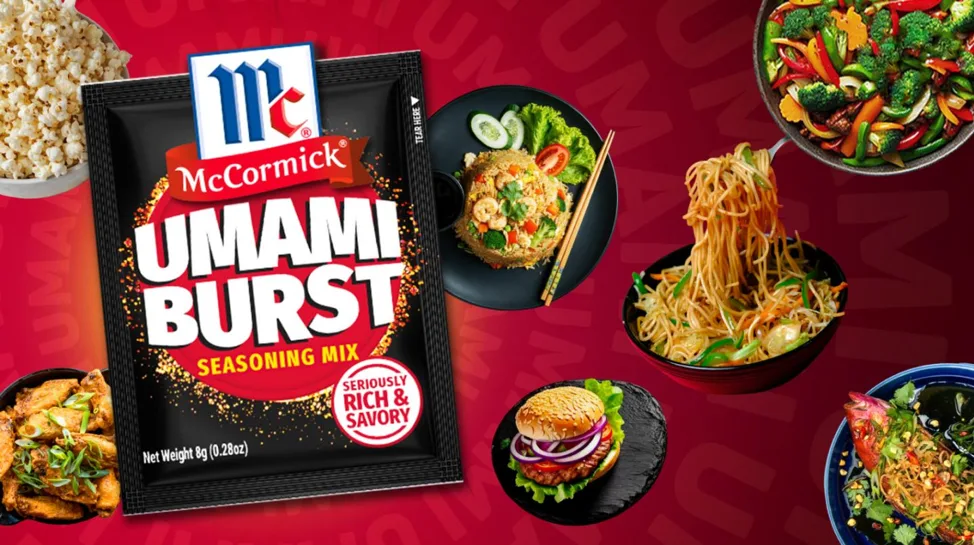
Hey everyone, Sammy here, tuning in from my Nashville home office – Luna, my rescue cat, is currently supervising from her sunbeam spot, probably dreaming of tuna, which, come to think of it, is a prime umami source. But more on that later! Today, I want to talk about something that’s been tickling my taste buds and my brain for a while now: umami. You’ve heard of sweet, salty, sour, and bitter, right? Those are the classic four. But there’s a fifth player, a more subtle, savory, and deeply satisfying taste that often gets overlooked or misunderstood. It’s that ‘je ne sais quoi’ in a perfectly ripe tomato, a slow-cooked stew, or a good ol’ slice of Parmesan cheese. That, my friends, is umami.
I remember when I first consciously tried to pinpoint umami. I was still back in the Bay Area, probably at some trendy new restaurant, and the chef was going on about the ‘umami profile’ of a dish. I nodded along, pretending I totally got it, but inside, I was like, ‘Umam-what-now?’ It sounded like some fancy culinary buzzword. But the more I ate, the more I researched (you know me, I can’t help but dissect things), the more I realized umami isn’t just a buzzword; it’s a fundamental aspect of how we experience flavor. It’s that deep, savory, sometimes meaty character that makes food so incredibly satisfying. It’s not always loud, but its absence can leave a dish feeling a bit…flat. Maybe Luna’s onto something with her discerning palate for fishy treats.
So, what’s the plan for today? Well, we’re going on an umami adventure. We’ll dig into what it actually is, where it comes from (both naturally and through a little kitchen magic), how it was discovered, and why it’s so darn important for anyone who loves to cook or eat. And trust me, once you start recognizing umami, you’ll find it everywhere, and your appreciation for food will hit a whole new level. It’s like getting a new lens for your taste perception. Ready to have your culinary world expanded? Let’s get to it.
Demystifying Umami: The Science and Sensation of the Fifth Taste
What Exactly IS Umami, Anyway? Beyond Salty, Sweet, Sour, Bitter
Alright, let’s lay the groundwork. We all know the basic tastes: sweetness from sugar, saltiness from, well, salt, sourness from acids like lemon juice, and bitterness from things like coffee or dark chocolate. For a long time, that was the whole story in many parts of the world. But umami is the fifth distinct taste, and it’s best described as savory, brothy, or meaty. Think of the satisfying depth of a mushroom soup, the richness of a seared steak, or that comforting flavor in your grandma’s chicken noodle soup. That comforting, mouth-filling sensation? That’s largely umami at play. It’s a taste that tends to spread across the tongue, creating a feeling of fullness and satisfaction. It’s not just ‘savory’ in a general sense; it’s a specific sensation triggered by certain compounds, primarily an amino acid called L-glutamate, and to a lesser extent, ribonucleotides like inosinate and guanylate. These compounds signal to our brains that we’re consuming something potentially rich in protein, which, from an evolutionary standpoint, is pretty important. So it’s not just delicious, it’s practically a survival instinct. I find that fascinating, how our biology is so deeply intertwined with our culinary preferences. It makes you wonder what other subtle signals our bodies are picking up from food that we haven’t even named yet.
A Little Bit of History: The Discovery of the Fifth Taste
The story of umami’s ‘official’ discovery is pretty cool and takes us back to Japan in the early 20th century. In 1908, a chemistry professor at Tokyo Imperial University named Dr. Kikunae Ikeda was pondering the distinct flavor of kombu dashi, a traditional Japanese seaweed broth. He knew it wasn’t just salty, sweet, sour, or bitter. There was something else, something uniquely savory. So, like any good scientist, he set out to isolate it. Through painstaking work, he identified glutamate as the source of this taste and named it “umami,” which roughly translates from Japanese to “delicious taste” or “savoriness.” It’s a pretty direct name, isn’t it? No beating around the bush there. He even went on to develop a way to produce glutamate in a stable, usable form – monosodium glutamate, or MSG, which then led to the founding of the company Ajinomoto. Of course, it took a while for the Western scientific community to fully embrace umami as a fifth basic taste. There was skepticism, I suppose it’s always hard to add a new fundamental concept to an established set. But eventually, with the discovery of specific umami taste receptors on the tongue in the early 2000s, the debate was settled. It kind of makes you think about how much cultural context influences scientific inquiry, or at least its reception. Dashi was a staple in Japan, so that unique taste was always there, waiting to be named and understood systemically.
The Science of Sensation: How We Perceive Umami
So how do we actually *taste* umami? It’s not magic, it’s biology! Our tongues are covered in taste buds, and within these taste buds are specialized cells with taste receptors. For umami, the key receptors are known as T1R1 and T1R3. When glutamate molecules (or other umami-inducing compounds) land on these receptors, they send a signal to our brain, which then interprets it as that characteristic savory taste. It’s a pretty neat system. What’s even more interesting is the synergistic effect. This is where umami gets really clever. When glutamate is present with certain ribonucleotides, like inosinate (found in meat and fish) or guanylate (found in dried mushrooms), the umami taste is amplified significantly – way more than the sum of its parts. This is why a dish with both mushrooms and Parmesan cheese, or meat and tomatoes, can have such an intense savory depth. It’s like a flavor explosion. This synergy is a big reason why traditional food pairings often work so well; cooks throughout history figured this out by taste, long before the science caught up. It also plays a role in appetite. Umami can stimulate saliva production and can make food more palatable, potentially increasing satisfaction. I often wonder if this is why I find a simple bowl of miso soup so incredibly comforting – it’s a pure hit of umami that just feels good.
Natural Sources of Glutamate: The Building Block of Umami
Now for the fun part: where can we find this magical glutamate in its natural state? The good news is, it’s everywhere! Many whole foods are packed with it. Tomatoes are a classic example, especially when they’re super ripe or cooked down, like in tomato paste or sun-dried tomatoes. The ripening process naturally increases glutamate levels. Then there are mushrooms – oh, the glorious mushroom! Shiitake, porcini, morels, even common button mushrooms contain glutamate, with dried shiitake being particularly potent in both glutamate and guanylate. This is why mushroom broth can be so incredibly rich. Seaweed, particularly kombu, is the OG umami source, as Dr. Ikeda discovered. Nori, the seaweed used for sushi rolls, also has a nice umami kick. And let’s not forget aged cheeses. Parmesan (Parmigiano-Reggiano) is famous for its umami punch, thanks to the long aging process that breaks down proteins and frees up glutamate. Other aged cheeses like Roquefort, cheddar, and Gouda also deliver. Even green tea has a subtle umami quality. And of course, fermented soy products like soy sauce, miso, and tamari are umami powerhouses. It’s really amazing how many everyday ingredients are brimming with it, once you know what you’re looking for.
Unlocking Umami Through Process: Fermentation, Aging, and Cooking
While some foods are naturally high in free glutamate, many others develop or intensify their umami character through various processes. This is where human ingenuity in the kitchen and food production really shines. Fermentation is a huge one. Think about soy sauce: soybeans themselves have some glutamate, but the long fermentation process with specific molds and bacteria (like Aspergillus oryzae, or koji) dramatically breaks down proteins and unleashes a torrent of free glutamate and other flavor compounds. The same goes for miso, fish sauce (a staple in Southeast Asian cooking, made from fermented fish), kimchi, and even some types of sauerkraut. The microbes are doing the heavy lifting, transforming humble ingredients into flavor bombs. Then there’s aging. We talked about aged cheeses, but this also applies to cured meats. Prosciutto, serrano ham, bacon – the drying and aging process concentrates flavors and allows enzymes to break down proteins, increasing free glutamate and inosinate. It’s a slow transformation, but the results are undeniably delicious. And finally, cooking itself is a major umami-enhancer. Roasting vegetables or meats, simmering bones for stock, or achieving that beautiful brown crust through the Maillard reaction – all these techniques can create new flavor compounds and free up existing glutamate. A long, slow simmer of a beef stew, for example, isn’t just about making the meat tender; it’s about developing those deep, savory, umami notes. It makes me appreciate the patience involved in traditional cooking methods even more.
Meat, Poultry, and Seafood: Prime Umami Providers
Okay, carnivores and pescatarians, this section is for you, though vegetarians, don’t tune out – we’ve already covered plenty of plant-based sources! Meat, poultry, and seafood are significant contributors of umami compounds, particularly inosinate (inosine monophosphate, or IMP), which, as we learned, works synergistically with glutamate. Beef, especially when aged or slow-cooked, is rich in umami. Think of a perfectly seared steak or a hearty beef broth. Pork products like bacon and ham are also umami stars, partly due to curing and smoking processes. Chicken, particularly in chicken soup or stock made with bones, provides a comforting umami base. When it comes to seafood, the list is long. Fish like sardines, anchovies, tuna, and mackerel are packed with inosinate. This is why anchovies can ‘melt’ into a sauce and add an incredible depth of flavor without necessarily tasting fishy. Bonito flakes (katsuobushi), made from dried, fermented, and smoked skipjack tuna, are a cornerstone of Japanese dashi and are incredibly rich in inosinate. Shellfish, too, like scallops, shrimp, and oysters, have their own delicate umami notes. The synergy here is key – pairing these inosinate-rich foods with glutamate-rich ingredients (like tomatoes with beef, or seaweed with fish for dashi) is a classic culinary strategy for maximizing that savory punch. It’s like a one-two punch for your tastebuds.
The MSG Debate: Friend, Foe, or Misunderstood?
Ah, Monosodium Glutamate (MSG). No discussion about umami is complete without touching on this controversial ingredient. MSG is essentially the sodium salt of glutamic acid – that same amino acid Dr. Ikeda isolated. When it dissolves, it releases free glutamate, triggering the umami taste. For decades, MSG has been a bit of a culinary villain, largely due to anecdotal reports of adverse reactions, often dubbed “Chinese Restaurant Syndrome,” which included symptoms like headaches or flushing after eating at Chinese restaurants where MSG was supposedly used. This led to a lot of fear and avoidance. However, and this is important, numerous scientific studies and reviews by regulatory bodies worldwide (like the FDA) have found that MSG is generally recognized as safe (GRAS) for most people when consumed at typical levels. The early studies linking MSG to those symptoms were often flawed, using massive doses without food, which isn’t how people consume it. While a very small percentage of people might report mild, transient sensitivity to MSG, particularly at high doses on an empty stomach, the widespread demonization seems largely unfounded. It’s a bit like gluten – essential for some to avoid, but perfectly fine for the vast majority. I used to be wary of it myself, I’ll admit. The stigma was strong. But after digging into the research, I’ve come to see it as just another tool in the culinary toolkit, a concentrated form of umami. The key, as with anything, is moderation and knowing your own body. But the idea that it’s inherently ‘bad’ or ‘unnatural’ doesn’t quite hold up, especially since glutamate is naturally present in so many foods we love. It’s a complex issue, more social and psychological than purely scientific sometimes, I think.
Umami in Global Cuisines: A Universal Pleasure
One of the things I find most compelling about umami is its universality. While the term itself is Japanese, the pursuit of that savory, satisfying flavor is found in cuisines all over the world. It’s like a common thread running through global food cultures, even if they didn’t have a specific word for it until recently. Take Italian cuisine: the liberal use of Parmesan cheese, ripe tomatoes (especially in sauces like ragù), anchovies, and mushrooms all contribute to a profound umami depth. Japanese cuisine, of course, is built around umami, with dashi (kombu and bonito flakes), soy sauce, and miso being fundamental. In China, you have soy sauce, fermented bean pastes (like doubanjiang), preserved vegetables, and rich broths. Southeast Asian cuisines, like Thai and Vietnamese, rely heavily on fish sauce for its intense umami kick, along with shrimp paste and various broths. Even in Western cooking, think about classic dishes: a French onion soup with its deeply caramelized onions and beef broth, Worcestershire sauce (which often contains anchovies and tamarind), or even good old ketchup (tomatoes and vinegar!). These are all umami-driven. It’s a testament to how humans, across cultures and generations, have intuitively sought out and combined ingredients to create these deeply satisfying flavors. It makes me feel a bit more connected to culinary traditions everywhere, knowing we all share this appreciation for that fifth taste. It’s not an ‘exotic’ or ‘ethnic’ taste; it’s a human taste.
Harnessing Umami in Your Own Kitchen: Tips and Tricks
Okay, enough theory – let’s get practical! How can you consciously bring more umami into your own cooking? It’s easier than you think, and it can elevate your dishes from good to ‘wow’. The first tip is to think about layering umami. Don’t just rely on one source; combine ingredients that offer different umami compounds. For example, if you’re making a pasta sauce, use ripe tomatoes (glutamate), sauté some mushrooms (glutamate and guanylate), and maybe add a tiny bit of anchovy paste (inosinate) or a Parmesan rind while it simmers. The synergy will be amazing. Making a good stock from scratch – whether it’s chicken, beef, or vegetable (using mushrooms, kombu, and an array of veggies) – is a fantastic way to build an umami base for soups, stews, and sauces. Don’t underestimate ‘umami bombs’ – these are concentrated ingredients that can add a quick hit of savory depth. Think tomato paste, miso paste (a little goes a long way in dressings or glazes), soy sauce, nutritional yeast (great for vegan dishes), or even a dash of Maggi or Worcestershire sauce. And don’t be afraid to experiment with ingredients you might not use often, like dried shiitake mushrooms (soak them and use the soaking liquid too!) or a small piece of kombu added to bean cooking water. The more you play around and, crucially, *taste* as you go, the better you’ll get at recognizing and building umami. My Nashville kitchen has seen a lot of umami experiments lately, and Luna always seems to approve when the results are particularly savory.
Beyond Taste: The Broader Impact of Umami
The significance of umami might even extend beyond just making food taste good. There’s ongoing research into its broader physiological and psychological impacts. For instance, there’s some discussion around umami and satiety. Could umami-rich foods help us feel fuller or more satisfied with smaller portions? The idea is that the savory taste signals the presence of protein, which might trigger satiety responses in the brain. It’s an interesting area, though I think more research is needed to make definitive claims. Is this the key to effortless portion control? Probably not that simple, but it’s a compelling thought. Another potential benefit is in making low-sodium foods more palatable. Salt is a major flavor enhancer, but high sodium intake is a health concern for many. Because umami provides its own kind of savory satisfaction, it can help boost the flavor of foods even when salt is reduced. This could be really useful in public health initiatives or for individuals trying to cut back on sodium. And then there’s the psychological comfort factor. Think about classic comfort foods – chicken soup, beef stew, a hearty tomato sauce. Many of these are rich in umami. There’s something deeply reassuring and satisfying about these flavors. Perhaps it’s linked to those evolutionary signals of nourishment and protein. It makes me wonder, too, about the modern food landscape. Processed foods often use umami enhancers to make them hyper-palatable. Is this always a good thing, or does it sometimes override our natural satiety cues? Food for thought, definitely. The journey into umami is more than just taste; it’s about our health, our psychology, and our connection to food.
Final Thoughts on Our Umami Journey
Well, we’ve certainly taken a deep dive into the world of umami, haven’t we? From its discovery in a Japanese lab to its presence in kitchens all over the globe, it’s clear that this fifth taste is a pretty big deal. It’s not just some fleeting foodie trend; it’s a fundamental part of how we experience and enjoy what we eat. For me, learning about umami has been like discovering a hidden layer in the world of flavor, one that was always there but I just didn’t have the language or awareness to fully appreciate. It’s made me a more conscious cook and a more adventurous eater. I find myself actively looking for it now, whether I’m trying a new dish at a restaurant here in Nashville or just tinkering in my own kitchen. It’s a bit like learning a new color, suddenly you see it everywhere.
So, what now? My challenge to you, if you’re up for it, is to go on your own umami scavenger hunt. Start paying closer attention to that savory, mouth-filling sensation in your food. Notice it in that aged cheese, that mushroom risotto, that soy-glazed tofu, or even that perfectly ripe summer tomato. Try combining different umami-rich ingredients and see how they play off each other. I suspect that once you start consciously recognizing and harnessing umami, you’ll find your cooking becomes more satisfying, more nuanced, and ultimately, more delicious. But then again, maybe the real joy is just in the exploration itself. What do you think? How will this newfound, or perhaps renewed, appreciation for umami change the way you approach your next meal?
FAQ About Umami
Q: Is umami the same as “savory”?
A: They’re related, but not quite the same. “Savory” is a broad descriptive term for foods that aren’t sweet. Umami, on the other hand, is a specific, scientifically recognized basic taste, primarily triggered by glutamate and certain ribonucleotides. Think of it this way: all umami foods are savory, but not all savory foods necessarily have a strong umami taste.
Q: Can I taste umami if I’m vegetarian or vegan?
A: Absolutely! While meats and fish are well-known umami sources (due to inosinate), there’s a huge array of plant-based ingredients packed with glutamate. Think ripe tomatoes, mushrooms (especially shiitake), seaweed (like kombu and nori), soy products (tofu, tempeh, soy sauce, miso), nutritional yeast, green peas, corn, and fermented vegetables like kimchi. You can build incredibly umami-rich vegetarian and vegan dishes.
Q: Is MSG really bad for you?
A: This is a common concern, but the overwhelming scientific consensus from major health organizations worldwide is that Monosodium Glutamate (MSG) is safe for most people to consume in typical amounts. The “Chinese Restaurant Syndrome” that fueled much of the fear has largely been debunked by rigorous studies. A very small percentage of individuals may report mild, temporary sensitivities, but for the general population, MSG is simply a source of glutamate, which is naturally present in many foods we eat daily. The stigma, in my opinion, often outweighs the science.
Q: What’s the easiest way to add a quick umami boost to a simple dish?
A: Oh, there are so many easy ways! A splash of soy sauce or tamari can work wonders in stir-fries, soups, or marinades. A sprinkle of grated Parmesan cheese over pasta, salads, or roasted vegetables is a classic. For a vegan option, nutritional yeast adds a cheesy, nutty, umami flavor to almost anything. A dab of tomato paste sautéed at the beginning of a sauce, or even a dash of Worcestershire sauce (check ingredients if vegetarian/vegan, as it often contains anchovies) can also provide a quick and effective umami lift.
@article{umamis-secret-finding-the-fifth-taste-and-its-rich-sources,
    title   = {Umami’s Secret: Finding the Fifth Taste and Its Rich Sources},
    author  = {Chef's icon},
    year    = {2025},
    journal = {Chef's Icon},
    url     = {https://chefsicon.com/exploring-umami-the-fifth-taste-and-its-sources/}
}