The Best Fluffy Pancakes recipe you will fall in love with. Full of tips and tricks to help you make the best pancakes.
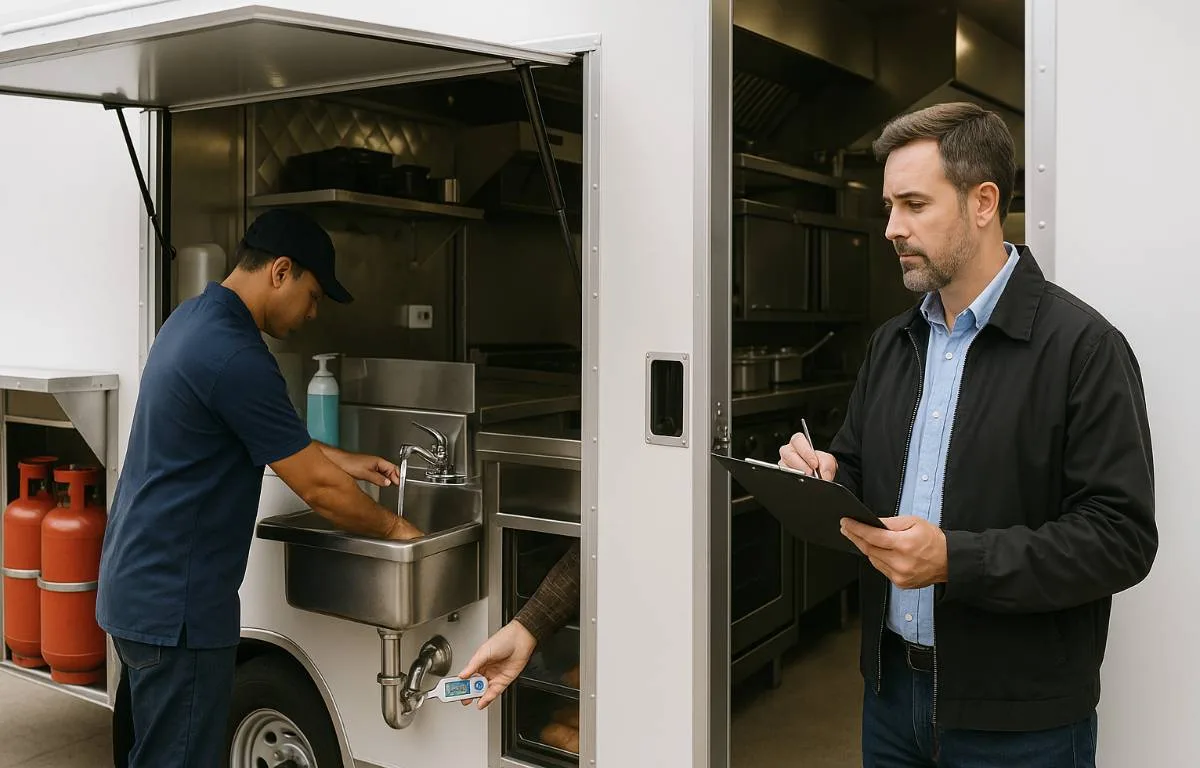
Let me tell you about the time my taco truck almost got shut down over a thermometer. Not because it was broken, because I didn’t have the right kind in the right place at the right time. The health inspector (who, by the way, had the poker face of a Vegas pro) pointed at my chicken carnitas and said, *“Prove it’s 165°F ow.”* I fumbled for my trusty instant-read, only to realize I’d left it in the glove compartment after last night’s pop-up. What followed was 20 minutes of me sweating more than the carnitas while she lectured me on calibration logs and time-temperature abuse. We passed, barely, but that day taught me more about food truck inspections than any manual ever could.
Here’s the thing: food truck health inspections aren’t just about cleanliness, they’re about systems. And the difference between a smooth 100% score and a stressful re-inspection often comes down to the stuff no one tells you until it’s too late. Maybe you’re a new operator assuming your restaurant experience translates directly to mobile units (spoiler: it doesn’t). Or maybe you’re a veteran who’s gotten complacent because *“I’ve never had a problem before.”* Either way, the rules are evolving, the inspectors are getting sharper, and the margin for error is thinner than the paper your permit’s printed on.
In this guide, we’re diving deep into the most common (and often overlooked) health inspection pitfalls for food trucks, from the “duh, why didn’t I think of that?” mistakes to the “wait, that’s actually a rule?” surprises. I’ll share what I’ve learned from my own close calls, conversations with inspectors (yes, some of them do talk to you after the fact), and the hard-won wisdom of operators who’ve been in the trenches. By the end, you’ll know exactly where to focus your energy, because in this business, an ounce of preparation is worth a pound of “please don’t shut me down” begging.
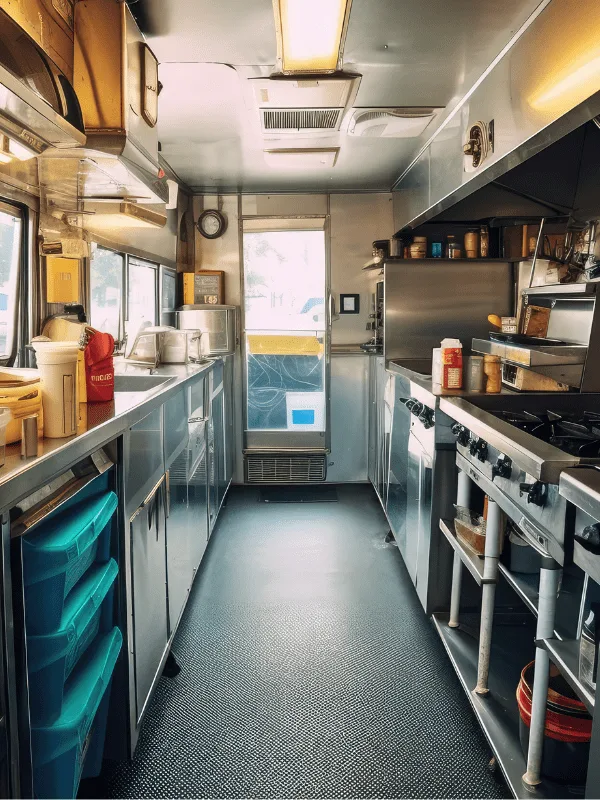
One quick note before we dive in: If you’re setting up a new truck or retrofitting an existing one, kitchen design matters more than you think. A poorly designed space can create blind spots for inspectors (literally and figuratively). Suppliers like Chef’s Deal offer free design consultations that can help you avoid layout mistakes that turn into inspection nightmares later. Trust me, it’s easier to fix a blueprint than to re-plumb your handwashing station mid-service.
The 10 Most Common Food Truck Health Inspection Issues (And How to Outsmart Them)
1. Temperature Abuse: The Silent Killer of Inspection Scores
You can have the cleanest truck in the fleet, but if your time-temperature control (TTC) is off, you’re one probe away from a failing grade. This is where most operators, even experienced ones, get tripped up. Here’s why:
- Hot holding below 135°F: That chafing dish you swear *“keeps things warm enough”*? Inspectors don’t care about *“enough.”* They care about 135°F or above, measured with a calibrated thermometer (not the one built into your equipment). I’ve seen trucks fail because their queso dipped to 132°F during a rush. Pro tip: Use a high-low recording thermometer in your hot well, it logs temps continuously, so you’ve got proof if questioned.
- Cold holding above 41°F: Your fridge might read 38°F, but is that everywhere? Inspectors will check the warmest spot (usually the door or top shelf). If you’re storing prepped lettuce in a shallow pan, it’s warming up faster than you think. Solution: Use insulated pans and a thermometer with a probe to test multiple spots.
- The “danger zone” (41°F–135°F) during prep: This is where things get messy. Let’s say you pull chicken from the fridge to season it before grilling. If it sits out for more than two hours (or one hour if it’s above 90°F outside), you’re in violation. Workaround: Prep in small batches and use an ice bath under your prep containers to keep temps down.
The bigger issue? Most operators don’t realize their equipment isn’t up to the task. That cheap under-counter fridge you bought used? It might not hold temps consistently in 100°F heat. If you’re upgrading, look for NSF-certified units with strong compressors, companies like Chef’s Deal can help match you with the right gear for your climate. And for god’s sake, calibrate your thermometers monthly (yes, they drift over time).
2. Handwashing Stations: The #1 Reason Trucks Get Shut Down Immediately
I’m not exaggerating: If your handwashing station isn’t 100% compliant, some inspectors will shut you down on the spot. No warnings, no second chances. Why? Because improper handwashing is linked to orovirus outbreaks, and health departments take that very seriously. Here’s what they’re looking for:
- Running water (hot and cold): No, a jug with a spigot doesn’t count. You need a hands-free faucet (foot pedal or sensor) with at least 5 gallons of water capacity (more if you’re in a high-volume area). The water must reach 100°F for proper handwashing, lukewarm won’t cut it.
- Soap and paper towels (within easy reach): If your soap dispenser is empty or your towels are across the truck, you’re failing. Pro move: Mount a touchless soap dispenser and a paper towel holder right next to the sink. No excuses.
- Wastewater disposal: Your gray water tank must be leak-proof and properly vented. If it’s overflowing or smells, you’re in trouble. Some inspectors will even check your wastewater logs to ensure you’re dumping at approved stations.
- No cross-contamination: If your handwashing sink is also used for rinsing utensils or prepping food, that’s an automatic violation. Separate sinks for separate purposes, no exceptions.
Here’s the kicker: Some trucks try to “fake it” by filling their water tanks right before inspection. Bad idea. Inspectors can (and will) ask to see your water source receipts or test your tank’s capacity. If you’re not sure your setup meets code, consult a food truck equipment specialist before you get caught. A proper handwashing station isn’t just a box to check, it’s your first line of defense against foodborne illness and fines.
3. Cross-Contamination: The Invisible Threat You’re Probably Ignoring
You’d never cut raw chicken on the same board as your veggies, right? But cross-contamination in food trucks goes way beyond cutting boards. Inspectors are trained to spot hidden risks most operators miss:
- Shared utensils: Using the same tongs for raw and cooked meats? That’s a critical violation. Even if you “wipe them down,” it’s not enough. Solution: Color-code your tools (e.g., red for raw, green for cooked) and store them separately.
- Storage hierarchy: Raw meats must be stored below ready-to-eat foods in the fridge. If your inspector opens your cooler and sees raw beef dripping onto your shredded cheese, you’re getting written up. Fix: Use stackable, leak-proof containers and label everything.
- Glove misuse: Wearing gloves doesn’t mean you can touch everything. If you handle money, your phone, or a trash bin with gloved hands, those gloves are now contaminated. Rule: Change gloves every 30 minutes or after any non-food task.
- Cleaning cloths: That rag you use to wipe counters? If it’s not stored in sanitizer solution between uses, it’s a violation. Better option: Use disposable wipes or a bucket with sanitizer (200ppm chlorine or 200ppm quat).
The sneakiest issue? Aerosol contamination. Ever notice how flour dusts everything when you’re prepping tortillas? Inspectors do. If your dry storage isn’t sealed, you risk contaminating nearby surfaces. Quick fix: Use airtight containers and designate a “dry prep zone” away from ready-to-eat foods.
Personal confession: I used to think my truck was “clean enough” because I wiped things down regularly. Then an inspector swabbed my prep table with an ATP meter (a device that detects organic matter) and it lit up like a Christmas tree. Turns out, “visibly clean” ≠ “microbiologically clean.” Now I use a sanitizer spray bottle (mixed fresh daily) and test surfaces with ATP swabs myself. It’s a game-changer.
4. Improper Food Storage: Where Good Intentions Go to Die
Food storage violations are like weeds, they pop up everywhere, and just when you think you’ve got them under control, another one appears. Here’s where trucks mess up most often:
- Dented or swollen cans: That can of tomatoes with a tiny dent? Toss it. Inspectors will flag it as a potential botulism risk. Same goes for bulging or leaking packages.
- Unlabeled leftovers: If you can’t prove when that chili was made, it’s getting thrown out. Requirement: Every container must have a date and time (use the “7-day rule” for cooked foods: day 1 is the day it’s made, day 7 is the last day it can be served).
- Improper thawing: Leaving frozen meat out on the counter? That’s a critical violation. Approved methods:
- In the fridge (slow but safe)
- Under running water (70°F or below)
- In the microwave (if cooked immediately after)
- Overpacked fridges: If air can’t circulate, temps become uneven, and food spoils faster. Rule of thumb: Leave 2 inches of space around each container for airflow.
The storage hack no one talks about: First In, First Out (FIFO) bins. These are clear, stackable containers with a “push-from-behind” design that forces you to use older stock first. They’re a lifesaver for keeping track of prepped ingredients and avoiding waste. You can find them at most restaurant supply stores, or through vendors like Chef’s Deal if you’re ordering other equipment.
5. Equipment Issues: When Your Gear Betrays You
Your food truck’s equipment is like a high-maintenance relationship: It works great when you pay attention to it, but ignore it for too long, and it’ll sabotage you at the worst possible moment. Here’s what inspectors zero in on:
- Uncertified equipment: That amazing deal you got on a used fryer? If it’s not NSF or ETL certified, it’s not legal for commercial use. No exceptions.
- Improper ventilation: Grease buildup in your hood or ductwork is a fire hazard and a health violation. Cleaning schedule: Monthly for light use, weekly if you’re frying heavily. Pro tip: Install a grease containment system to catch runoff before it clogs your ducts.
- Leaking or corroded equipment: A rusty prep table or a fridge with a puddle underneath is a red flag. Fix it or replace it, inspectors see these as signs of poor maintenance.
- Missing or broken thermometers: Every cold-holding and hot-holding unit must have a working, calibrated thermometer. If the display is cracked or the probe is bent, it’s a violation.
The equipment upgrade that pays for itself: A blast chiller. If you’re prepping large batches of food (like soups or braised meats), cooling them quickly is a food safety must. Most health codes require food to go from 135°F to 70°F in 2 hours, and 70°F to 41°F in the next 4 hours. A blast chiller does this in minutes, and it’s a huge selling point if you ever want to cater or scale up.
Side note: If you’re in the market for new equipment, don’t skimp on installation. A poorly installed fryer or grill can create gas leaks or electrical hazards, which are automatic fails. Companies like Chef’s Deal offer professional installation services-it’s worth the investment to avoid headaches later.
6. Employee Hygiene: The Human Factor You Can’t Afford to Overlook
Your team might be the friendliest, hardest-working crew in the business, but if they’re not following hygiene protocols, they’re your biggest liability. Inspectors will observe your staff, and here’s what they’re watching for:
- No hair restraints: Hats, hairnets, or bandanas, pick one. Loose hair is a physical contaminant risk.
- Jewelry: Rings, bracelets, and watches harbor bacteria. Only plain wedding bands are allowed.
- Apron hygiene: If an employee wipes their hands on their apron and then touches food, that’s a direct contamination risk. Train your team to use paper towels or sanitizer instead.
- Illness policies: If an employee shows up sick (especially with vomiting or diarrhea), they cannot work for at least 24 hours after symptoms stop. No exceptions. Have a backup staff plan for these situations.
The training trick that works: Role-playing inspections. Once a month, have a manager act as an inspector and put the team through a mock inspection. It’s amazing how quickly people remember to wash their hands when they know someone’s watching.
7. Pest Control: The Battle You Didn’t Know You Were Fighting
You might think pests are only a problem for brick-and-mortar restaurants, but food trucks are just as vulnerable-if not more so, because you’re constantly moving through different environments. Here’s what inspectors look for:
- Fly strips or sprays near food: These are illegal in food prep areas. Approved alternatives: UV light traps (placed away from food) or non-toxic pest control methods.
- Gaps in seals: If your service window or door doesn’t close tightly, pests will find a way in. Fix: Install weather stripping and check it monthly.
- Improper trash storage: Trash bins must have tight-fitting lids and be emptied at least daily. If you’re parked near a dumpster, keep your bins elevated to avoid rodents.
- Stagnant water: Even a small puddle under your sink can become a mosquito breeding ground. Dry everything thoroughly after cleaning.
The pest control hack: Diatomaceous earth. It’s a non-toxic powder that kills insects by dehydrating them. Sprinkle it around the perimeter of your truck (away from food areas) to deter ants and roaches. Just don’t tell the health inspector, I didn’t hear it from you.
8. Documentation: The Paperwork That Saves Your Bacon
If there’s one thing inspectors love more than a spotless truck, it’s meticulous paperwork. Missing logs are an easy way to lose points, even if everything else is perfect. Here’s what you must have on hand:
- Temperature logs: Record temps for all TTC foods every 4 hours (or more often if it’s hot outside). Include: Food item, temp, time, and initials of the person who checked.
- Cleaning schedules: A log showing when equipment, surfaces, and utensils were cleaned and sanitized. Pro tip: Use a checklist system so nothing gets missed.
- Employee health policies: A signed document showing all staff have been trained on hygiene and illness reporting.
- Supplier invoices: Proof that your food comes from approved sources (no “guy who sells meat out of his van” deals).
- Pest control records: If you use a professional service, keep receipts. If you DIY, log what you used and when.
The digital shortcut: Apps like SafeFood Handler or ComplianceMate let you track logs electronically, which is a lifesaver when you’re juggling service and paperwork. Some even sync with Bluetooth thermometers to auto-record temps. Worth. Every. Penny.
9. Water Supply: The Overlooked Lifeline of Your Operation
Your water system is the circulatory system of your food truck. If it’s not working right, nothing else matters. Here’s what inspectors check:
- Potable water source: Your water must come from an approved filling station (no garden hoses hooked up to random spigots). Keep receipts or logs showing where and when you filled up.
- Backflow prevention: Your hose must have a backflow preventer to stop contaminated water from siphoning back into your tank.
- Tank maintenance: Clean and sanitize your water tank monthly (or more often if you notice sediment). Use: 50ppm chlorine solution for sanitizing.
- Hose storage: Hoses must be stored off the ground and covered when not in use. A hose dragging in the dirt is a direct contamination risk.
The water hack: Carry a portable water tester. They’re cheap and let you check for bacteria or contaminants on the spot. If your water fails, you can dump and refill before the inspector shows up.
10. The “Miscellaneous” Violations That Add Up Fast
These are the small but mighty issues that might not fail you on their own but can pile up into a bad score:
- Missing or expired permits: Your health permit, fire permit, and business license must be visible (usually posted in the window). If they’re expired, you’re operating illegally.
- Improper waste disposal: Dumping gray water or grease down a storm drain is a fines-worthy offense. Only dump at approved stations.
- Unapproved modifications: If you’ve added a new piece of equipment or changed your layout, you may need a re-inspection. Always check with your local health department before making changes.
- Lack of a consumer advisory: If you serve raw or undercooked foods (like rare burgers or ceviche), you must have a written disclosure on your menu. Example: *“Consuming raw or undercooked meats may increase your risk of foodborne illness.”*
The “duh, but people forget” tip: Keep a copy of your last inspection report in the truck. It shows inspectors you’re proactive about improvements, and it gives you a checklist of what to focus on next time.
How to Ace Your Next Inspection: A Step-by-Step Game Plan
Now that you know what inspectors are looking for, here’s how to turn that knowledge into a perfect score:
Step 1: Conduct a Self-Inspection (Be Brutal)
Grab a health inspection checklist (your local health department’s website should have one) and go through your truck as if you’re the inspector. Look in every corner, open every container, and ask:
- Is this clean (not just “looks clean”)?
- Is this stored correctly?
- Is this labeled and dated?
- Is this within temperature safe zones?
Pro move: Use a UV blacklight to check for hidden grime. Protein residues (like from meat or dairy) glow under UV light, it’s a horrifying but effective way to find missed spots.
Step 2: Train (and Retrain) Your Team
Hold a monthly safety meeting where you:
- Review common violations and how to avoid them.
- Do a hands-on demo of proper handwashing, glove use, and sanitizing.
- Run a mock inspection with rewards for spotting issues.
The secret weapon: Gamify it. Turn safety into a competition, whoever catches the most “violations” in a week gets a bonus or a free meal. It keeps everyone engaged.
Step 3: Invest in the Right Tools
Some upgrades are non-negotiable if you want to stay compliant:
- A high-quality thermometer (like a ThermoWorks ChefAlarm) for accurate temp checks.
- A portable handwashing station with foot pedal (if your truck’s sink isn’t up to par).
- NSF-certified food pans and utensils (no more dollar-store plastic containers).
- A blast chiller (if you’re doing high-volume prep).
Where to splurge: Your fridge and freezer. A reliable, well-maintained unit is the heart of your food safety system. If yours is on its last legs, replace it before it fails you during an inspection. Companies like Chef’s Deal offer financing options if you need to upgrade but are tight on cash.
Step 4: Build a Relationship with Your Inspector
Yes, really. Inspectors are not your enemies-they’re there to help you avoid making people sick. If you treat them with respect and show that you’re proactive about safety, they’re more likely to:
- Give you advice instead of just writing violations.
- Offer grace periods for minor fixes.
- Alert you to new regulations before they become a problem.
How to do it:
- Greet them politely (no eye-rolling or sighing).
- Ask specific questions about how to improve (e.g., *“We’ve been struggling with keeping our fryer area clean, do you have any tips?”*).
- Follow up after inspections with a thank-you email and a note on how you’ve addressed their feedback.
Step 5: Stay Ahead of the Curve
Health codes change constantly. What was fine last year might be a violation now. Stay updated by:
- Subscribing to your local health department’s newsletter.
- Joining food truck associations (like the National Food Truck Association).
- Following food safety blogs (like the ones from ServSafe or the FDA).
The future-proofing move: Get ServSafe certified. Even if your state doesn’t require it, having a certified food protection manager on staff (that’s you!) gives you major credibility with inspectors and can sometimes reduce your inspection frequency.
When Things Go Wrong: How to Handle a Bad Inspection
Even with the best preparation, sometimes you’ll get a bad score. It happens. The key is how you respond. Here’s what to do:
If You Fail:
First, don’t panic. A failing score doesn’t mean you’re shut down forever, it means you have a set timeframe to fix the issues.
- Read the report carefully. Focus on the critical violations first (these are the ones that can shut you down).
- Create a correction plan. List each violation and how you’ll fix it, with deadlines.
- Document everything. Take photos of fixes, keep receipts for new equipment, and log retraining sessions.
- Request a re-inspection ASAP. The longer you wait, the more it looks like you’re not taking it seriously.
If You Disagree with the Inspector:
Yes, inspectors can make mistakes. If you genuinely believe a violation was incorrect or unfair, you can:
- Ask for clarification on the spot. Politely say, *“Can you help me understand how this violates code X?”*
- File an appeal. Most health departments have a formal appeal process-but you’ll need evidence (photos, logs, witness statements).
- Get a second opinion. Some cities allow you to request a different inspector for a follow-up.
Warning: Don’t argue during the inspection. Stay calm, take notes, and address it afterward. Burning bridges with inspectors is a bad long-term strategy.
If You’re Facing Fines or Closure:
This is the worst-case scenario, but it’s not the end of the world. Here’s how to minimize the damage:
- Consult a food safety lawyer. Some violations (like repeat offenses or foodborne illness outbreaks) can lead to legal action. A lawyer can help you negotiate fines or licensing issues.
- Be transparent with customers. If you’re closed for a day or two, post on social media: *“We’re taking a short break to upgrade our safety systems, see you soon!”* People respect honesty.
- Use the downtime wisely. Deep clean, retrain staff, and upgrade any problematic equipment.
The Mindset Shift: From “Passing” to “Excelling”
Here’s the truth: Most food truck operators treat inspections like a test they’re trying to “just pass.” But the best operators, the ones who rarely get violations and build loyal customer bases-think differently. They see inspections as:
- A chance to prove their professionalism.
- A free consultation from a food safety expert.
- A marketing opportunity (“We aced our health inspection, come see why!”).
The real secret? Consistency. The trucks that score 100% aren’t lucky, they’ve systematized their safety practices so well that compliance is automatic. They don’t have to scramble before inspections because they’re always inspection-ready.
So here’s my challenge to you: Stop thinking about “passing” your next inspection. Start thinking about how to make your truck the safest in your city. Because when you do that, the high scores, the customer trust, and the peace of mind? They’ll follow.
And hey, if you ever find yourself sweating over a thermometer like I did, just remember: Every close call is a lesson, not a failure. Now go ace that inspection.
FAQ: Your Burning Questions About Food Truck Health Inspections
Q: How often do food trucks get inspected?
A: It varies by location, but most food trucks are inspected 2–4 times per year. High-risk operations (like those serving raw foods) or trucks with past violations may get inspected monthly. Some cities also do random spot checks during events or festivals.
Q: Can I operate while waiting for my inspection results?
A: Usually, yes-unless you have critical violations (like no running water or a pest infestation). If you’re unsure, call your health department and ask. Never assume it’s okay to keep operating if you’ve been told to stop.
Q: What’s the most common critical violation that shuts down food trucks?
A: Lack of running water or a functional handwashing station. This is considered an imminent health hazard because it directly impacts food safety. Other instant shut-down triggers include sewage leaks, rodent infestations, or operating without a permit.
Q: Do inspectors give warnings before failing you?
A: It depends on the inspector and the violation. Minor issues (like a missing label) might get a warning, but critical violations (like improper hot-holding temps) usually result in immediate points off or closure. Some inspectors are more lenient if it’s your first offense and you fix it on the spot, but never count on leniency.
Q: How can I find out what my local health codes are?
A: Start with your city or county health department’s website-they should have a food code manual available. You can also call and ask for a pre-inspection checklist. If you’re part of a food truck association, they often have resources too. And if you’re working with a kitchen designer (like through Chef’s Deal), they can help ensure your setup meets local codes before you even open.
@article{navigating-food-truck-health-inspections-the-common-issues-that-trip-up-even-the-best-operators-and-how-to-avoid-them,
    title   = {Navigating Food Truck Health Inspections: The Common Issues That Trip Up Even the Best Operators (And How to Avoid Them)},
    author  = {Chef's icon},
    year    = {2025},
    journal = {Chef's Icon},
    url     = {https://chefsicon.com/navigating-food-truck-health-inspections-common-issues/}
}