The Best Fluffy Pancakes recipe you will fall in love with. Full of tips and tricks to help you make the best pancakes.
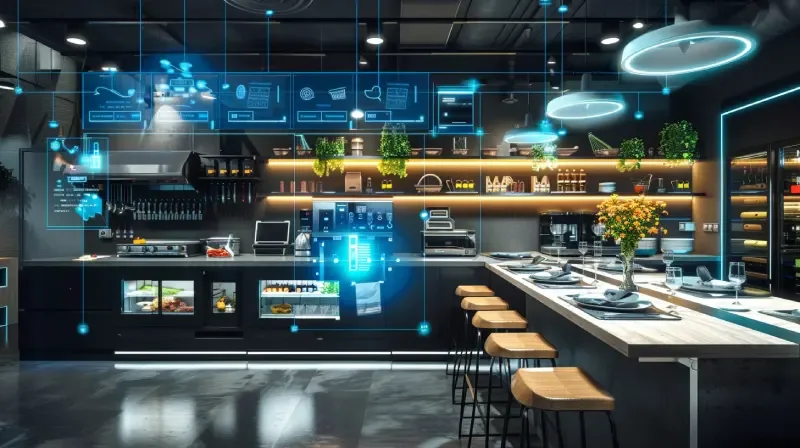
I’ll admit something embarrassing: until about two years ago, I thought smart kitchen systems were just gimmicky tech for chain restaurants with bottomless budgets. You know, the kind of thing corporate suits love to show off at trade shows while actual chefs roll their eyes. Then I watched a 12-table bistro in East Nashville cut their food waste by 38% in three months, using nothing but a modest smart inventory system and a couple of IoT-enabled appliances. That’s when I realized I’d been dead wrong.
The truth is, smart kitchen systems aren’t about flashy robots flipping burgers (though those exist too). They’re about invisible efficiency-the kind that shaves 15 minutes off your prep time, prevents that $300 prime rib from spoiling in the walk-in, or lets your line cooks focus on plating instead of manually logging temperatures. And here’s the kicker: the restaurants thriving right now? They’re not the ones with the most Instagram followers. They’re the ones who’ve quietly integrated these systems while everyone else was debating whether AI would replace chefs (spoiler: it won’t).
In this piece, I’m going to break down exactly how smart kitchen tech is reshaping restaurant operations, from the back-of-house workflows you’ve never questioned to the customer experience you didn’t realize was being influenced by sensors and algorithms. We’ll cover:
- How a $200 smart scale can save you thousands in annual food costs
- The surprising psychological effects of real-time performance dashboards on kitchen morale
- Why your POS system is probably sabotaging your efficiency (and how to fix it)
- The one type of smart tech that actually reduces employee turnover
- How to implement these systems without becoming a slave to the tech
I’ll also share some hard lessons I’ve learned watching restaurants adopt (and sometimes regret) these systems. Because let’s be real, no technology is a magic bullet, and I’ve seen plenty of expensive mistakes.
Fair warning: by the end of this, you might start noticing how many “small inefficiencies” in your kitchen are actually systemic leaks in your profitability. But hey, at least you’ll know how to plug them.
The Hidden Costs of a “Dumb” Kitchen (And Why You’re Probably Underestimating Them)
1. The Food Waste Illusion
Most restaurant owners I talk to think they’ve got a pretty good handle on their food waste. They’ll say something like, “Yeah, we compost our veggie scraps and train staff not to over-portion.” That’s all well and good, but here’s what they’re missing: the waste you don’t see is costing you more than the waste you do.
Take inventory shrinkage, for example. That half-case of chicken that “disappeared” between deliveries? The avocados that went bad because they got buried in the walk-in? The butter that got left out overnight because someone forgot to log it? These aren’t just operational hiccups, they’re symptoms of a disconnected system. Smart kitchens don’t just track waste; they predict and prevent it by cross-referencing your inventory levels with historical usage data, weather patterns (yes, really, humidity affects shelf life), and even local event calendars that might spike demand.
I visited a seafood restaurant in Charleston last year that was losing about $1,200/month to “mysterious” fish spoilage. Turns out, their walk-in temp was fluctuating by 4°F overnight because the door seal was worn, but no one noticed because they weren’t monitoring it in real time. A $150 IoT temperature sensor and a $20 seal replacement fixed it. That’s a 7,900% ROI in one month. Tell me again how smart tech is “too expensive.”
2. The Labor Efficiency Mirage
Here’s a uncomfortable truth: your kitchen is probably overstaffed, but your staff are still overwhelmed. How? Because you’ve got bodies in the right places at the wrong times, or doing tasks that don’t actually move the needle. Smart scheduling tools don’t just cut labor costs, they redistribute labor intelligently.
For example, most restaurants schedule prep cooks based on gut feeling or “how we’ve always done it.” But what if your data showed that Tuesdays at 3 PM are your slowest prep hours, yet you’ve got two people chopping onions while the dinner rush prep isn’t starting until 4? Smart systems analyze real-time foot traffic, reservation patterns, and even weather forecasts to suggest optimal staffing levels. One pizza place in Denver used this to reduce their prep staff by 1.5 FTEs without increasing anyone’s workload, because they were finally staffing for actual demand, not perceived busy-ness.
And let’s talk about training. The average restaurant spends about 30 hours training a new line cook, but how much of that time is spent teaching them where things are stored or how to log temps manually? Smart kitchens with integrated training modules (like step-by-step video guides triggered by scanning a QR code on equipment) can cut that training time by 40%. That’s not just efficiency, that’s reducing the cost of turnover, which, by the way, costs the industry $673 per employee according to the National Restaurant Association.
3. The Customer Experience You Didn’t Realize Was Broken
You’d be shocked how many “customer experience” issues actually originate in the kitchen. Long ticket times? That’s often a kitchen layout problem. Inconsistent food quality? Usually a temperature or timing issue. Even something as simple as a lukewarm plate can often be traced back to a process failure in the kitchen, not the server’s fault.
Smart kitchens fix these issues by creating feedback loops between the front and back of house. For example:
- Table sensors can alert the kitchen when a party is seated, so appetizers start firing at the optimal time
- Plate temperature monitors ensure hot food stays hot and cold food stays cold between kitchen and table
- AI-powered expediting systems can predict which orders will take longer and adjust firing sequences automatically
I watched a Mexican restaurant in Austin implement a smart expediting system and drop their average ticket time by 22%-not by making cooks work faster, but by eliminating the “hurry up and wait” inefficiencies that plague most kitchens.
And here’s the thing: customers notice these improvements, even if they can’t articulate why. They just know the food comes out faster, hotter, and more consistently. That’s how you turn a 4-star Yelp rating into a 4.5-star rating, which, by the way, can increase revenue by 5-9% according to a Harvard Business School study.
The Core Components of a Smart Kitchen (And Which Ones Actually Move the Needle)
1. Inventory Management: Beyond the Clipboard
Let’s start with the most immediately impactful (and often overlooked) smart kitchen tool: automated inventory management. I’m not talking about barcodes, though those help. I’m talking about systems that use weight sensors, RFID tags, and AI forecasting to track your inventory in real time.
Here’s how it works in practice: You place your protein storage on a smart scale. Every time someone removes a steak, the system logs it and updates your inventory count. When stock gets low, it automatically generates a purchase order based on your par levels and predicts how much you’ll need based on upcoming reservations and historical data. Some systems even integrate with your suppliers to automatically reorder when prices hit their lowest point in the week.
A sushi restaurant in Seattle used this to reduce their seafood waste by 42%. Before, they were ordering based on the chef’s gut feeling, which led to overordering on slow nights and underordering during unexpected rushes. The smart system noticed that their tuna consumption spiked by 30% whenever the local hockey team won, a pattern no human had caught. Now they adjust orders automatically based on the game schedule.
Key features to look for:
- Real-time tracking (not just end-of-day counts)
- Supplier integration for automatic reordering
- Waste analytics that show you why things are being wasted
- Recipe costing that updates automatically when ingredient prices change
Pro tip: Start with your most expensive ingredients first. Tracking your $20/lb fish is more impactful than your $0.50/lb onions.
2. Smart Appliances: When to Upgrade and When to Skip
Not all smart appliances are created equal. Some are game-changers; others are just regular appliances with a Wi-Fi chip glued on. Here’s my brutally honest breakdown:
Worth the investment:
- Combi ovens with AI cooking profiles: These learn how your specific kitchen’s humidity and altitude affect cooking times. One bakery in Portland reduced their bread waste by 30% because the oven automatically adjusted for rainy days (which make dough rise faster).
- Induction cooktops with energy monitoring: They’re not just faster, they track exactly how much energy each dish uses, so you can identify which menu items are secretly killing your utility bills.
- Smart fryers with oil quality sensors: These extend oil life by 20-30% by telling you exactly when to filter or replace it, not just guessing based on color.
- Bluetooth-enabled thermometers: No more manual temp logs. These sync directly to your food safety compliance system.
Skip (for now):
- Smart refrigerators with cameras inside. Cool in theory, but the image recognition isn’t reliable enough yet to justify the cost.
- Voice-activated equipment. The noise level in most kitchens makes this more frustrating than helpful.
- Anything that requires a monthly subscription just to use basic functions.
My rule of thumb: If it saves you time and money, consider it. If it only does one, think twice. And always calculate the payback period. If a $3,000 smart oven saves you $300/month in energy and food waste, it pays for itself in 10 months. That’s a no-brainer.
3. The POS System You Didn’t Know Was Holding You Back
Most restaurants treat their POS system like a cash register on steroids. But modern POS systems are actually the central nervous system of a smart kitchen. The problem? 80% of restaurants are using theirs at about 20% of its capability.
Here’s what you’re probably missing:
- Ingredient-level tracking: Your POS should deduct ingredients from inventory in real time as orders come in. This prevents the “we thought we had enough avocados” disaster during brunch.
- Dynamic menu pricing: Some systems can adjust prices based on demand (higher prices during peak hours) or inventory levels (discounting items you have too much of).
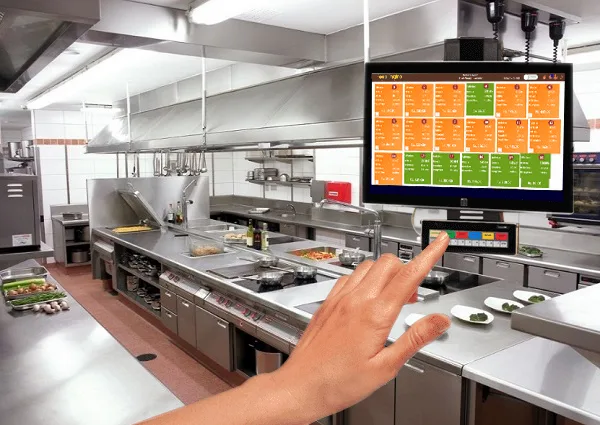
- Kitchen display systems (KDS) with AI prioritization: Instead of just showing orders in the sequence they came in, smart KDS systems can reorder tickets based on cook times, table location, and even server speed. One restaurant in Chicago reduced their average ticket time by 18% just by letting the system optimize the order in which dishes were fired.
- Staff performance analytics: Not in a creepy way, more like identifying who’s consistently fastest at which stations so you can optimize your line setup.
The biggest mistake I see? Restaurants choosing their POS based on upfront cost rather than long-term capability. A $1,500 system that can’t integrate with your inventory or scheduling tools will cost you far more in lost efficiency than a $3,000 system that connects everything.
Ask yourself: Does my POS make decisions for me, or just record what I tell it? If it’s the latter, you’re leaving money on the table.
4. Energy Management: The Silent Profit Killer
Energy costs are the third-largest expense for most restaurants, after labor and food. Yet most owners have no idea how much they’re wasting. Smart energy systems don’t just track usage, they identify patterns and suggest fixes.
For example:
- A smart hood system can adjust fan speeds based on how many burners are in use, cutting energy use by up to 60%.
- Smart thermostats learn your kitchen’s heat patterns and adjust HVAC accordingly. One pizzeria in Phoenix saved $800/month just by letting the system optimize when to run the AC hardest.
- Equipment usage monitors can tell you which appliances are drawing “vampire power” when not in use. I’ve seen restaurants save hundreds a month just by unplugging a few idle devices.
The best systems don’t just give you data, they give you actionable alerts. Like: “Your walk-in door was left open for 12 minutes last night, costing you $18 in extra energy. Here’s how to fix the seal.”
Here’s a harsh truth: if you’re not monitoring your energy usage in real time, you’re essentially writing a blank check to the utility company every month.
Implementation: How to Actually Make This Work (Without Losing Your Mind)
1. Start Small (But Think Big)
The restaurants that fail with smart kitchen tech are the ones that try to overhaul everything at once. The ones that succeed? They pick one painful problem and solve it completely before moving to the next.
Good first projects:
- Inventory tracking for your 5 most expensive ingredients
- A smart thermometer system for food safety compliance
- Energy monitoring for your most power-hungry appliances
- A KDS upgrade to optimize ticket times
Bad first projects:
- Full kitchen automation (too complex)
- AI menu pricing (requires too much historical data upfront)
- Robot chefs (just… no. Not yet.)
Remember: the goal isn’t to have a “smart kitchen”-it’s to solve specific problems. The tech is just a tool.
2. The Human Factor: Getting Your Team On Board
Here’s where most smart kitchen projects fail: people hate change, especially when it feels like Big Brother is watching. I’ve seen chefs sabotage smart scales by “forgetting” to use them, and line cooks deliberately mislabel ingredients to throw off inventory systems. The key is to frame this as making their jobs easier, not monitoring their performance.
Some tactics that work:
- Involve staff in the selection process. Let them test different systems and give feedback. They’ll be more invested if they had a say.
- Start with tools that save them time. A smart label printer that automatically generates date labels is an easy win. A system that eliminates their end-of-shift paperwork? Even better.
- Gamify it. One restaurant turned their waste reduction into a competition between shifts, with the winning team getting a free family meal. Waste dropped by 28% in a month.
- Show them the data. When your prep cook sees that the new system saved them 2 hours of chopping this week, they’ll be more open to the next change.
And here’s a pro tip: identify your tech champions. There’s always one person on your team who loves gadgets. Put them in charge of training others, and give them a little extra recognition for it.
3. Integration: The Make-or-Break Step
The dirtiest secret of smart kitchen tech? Most of it doesn’t talk to each other. You can have the fanciest inventory system and the smartest POS, but if they’re not integrated, you’re just creating more work for yourself.
Before you buy anything, ask:
- Does this system have an open API?
- Can it integrate with my existing POS/inventory/HR systems?
- Who owns the data? (If the answer isn’t “you,” run.)
- What’s the actual process for exporting data if I want to switch systems later?
I can’t tell you how many restaurants I’ve seen stuck with “smart” systems that are actually data silos-useful for one specific task but impossible to connect to anything else. That’s not a smart kitchen; that’s just a collection of expensive single-purpose tools.
Look for platforms that act as a central hub, not just point solutions. Systems like [generic smart kitchen platform type] or [another platform type] are designed to connect all your devices and data streams in one place. Yes, they cost more upfront, but they’ll save you from the “franken-kitchen” problem down the road.
4. The Maintenance Reality Check
Smart kitchens aren’t “set it and forget it.” They require ongoing calibration, updates, and staff training. Here’s what most vendors won’t tell you:
Hidden costs to budget for:
- Software updates: Some systems charge annual fees for “premium” features that were included in your initial purchase.
- Staff turnover training: Every time someone leaves, you’ll need to train their replacement on the system.
- Data cleanup: Garbage in, garbage out. Someone needs to regularly audit the data for errors.
- Hardware replacements: Sensors and smart devices have a lifespan. Budget for replacing them every 3-5 years.
Questions to ask vendors:
- What’s your average response time for support issues?
- How often do you release updates, and are they included in the price?
- What happens to my data if I cancel my subscription?
- Can you provide references from restaurants of similar size to mine?
And here’s my golden rule: Never buy a system that requires the vendor to come on-site for basic troubleshooting. If you can’t fix 90% of issues yourself with a phone call or video tutorial, you’ll end up paying more in downtime than you save in efficiency.
The Dark Side of Smart Kitchens (And How to Avoid It)
1. Over-Reliance on Tech
I’ll say it plainly: smart systems should enhance human judgment, not replace it. The worst implementations I’ve seen are where managers stop thinking because “the computer said so.”
Example: One restaurant blindly followed their inventory system’s reorder suggestions without noticing it was basing predictions on a month when they’d had a private event. They ended up with $2,000 worth of extra prime rib they couldn’t use in time. The system wasn’t wrong, it just didn’t have the context that a human would have caught.
Another danger: algorithm bias. If your system is trained on historical data that includes inefficiencies, it will perpetuate them. I saw a smart scheduling system that kept understaffing Friday nights because the old schedule (which was wrong) had become the “normal” in the data. Always audit your AI’s suggestions against real-world results.
2. Data Overload
Smart kitchens generate a lot of data. The problem? Most of it is noise. I’ve seen restaurant owners drowning in spreadsheets, paralyzed by analysis instead of making decisions.
Here’s how to avoid that:
- Start with 3-5 key metrics that actually move your business (e.g., food cost percentage, ticket times, energy use per cover). Ignore the rest until you’ve mastered those.
- Set up automated alerts for exceptions (e.g., “Alert me if food waste exceeds 15% for two days in a row”).
- Schedule weekly data reviews-not daily. You need enough data to see patterns, not react to every blip.
- Hire or train a data-savvy manager who can translate numbers into action. This doesn’t have to be a full-time role, even a part-time analyst can pay for themselves.
Remember: Data is only useful if it leads to action. If you’re not using the information to change behavior, you’re just collecting digital dust.
3. The “Shiny Object” Trap
New smart kitchen tech comes out every month, and it’s easy to get distracted by the latest gadget. But here’s the truth: the restaurants winning with smart tech are the ones that master the basics, not the ones chasing every innovation.
Before you consider any new technology, ask:
- Does this solve a specific, measurable problem I have?
- What’s the ROI, and how long will it take to achieve?
- How will this integrate with my existing systems?
- What’s the worst-case scenario if this fails?
And be honest with yourself: are you considering this because it will genuinely improve operations, or because it’s cool? I’ve seen restaurants blow $20,000 on robot servers that became expensive paperweights because they didn’t actually solve any real problems.
4. The Privacy and Security Risks No One Talks About
Your smart kitchen is a hacking target. Not because someone wants your secret recipe, but because kitchen systems are often the weak link in a restaurant’s cybersecurity. Many smart devices have poor security protocols, and restaurants rarely update their software.
Basic protections you need:
- Separate network for kitchen devices (don’t mix with your guest Wi-Fi or POS system)
- Regular password rotations (yes, even for your smart fryer)
- Automatic software updates enabled for all devices
- Employee training on phishing scams (many breaches start with a fake “equipment update” email)
- Data encryption for any system handling customer information or payment data
And here’s a scary thought: your smart appliances could be spying on you. Some manufacturers collect usage data to sell to third parties. Always read the privacy policy before installing anything.
Real-World Success Stories (And What You Can Steal From Them)
1. The 12-Table Bistro That Outperforms Chains
Remember the Nashville bistro I mentioned at the start? Here’s how they did it:
- Installed smart scales in their protein and dairy stations
- Connected their POS to their inventory system so every order deducted ingredients in real time
- Used a simple energy monitor to identify that their ice machine was running 24/7 when it only needed to run 12 hours/day
- Implemented a staff training system with QR codes on equipment that linked to video tutorials
Results:
- Food waste dropped from 22% to 14% of food costs
- Labor costs decreased by 8% without cutting hours, just redistributing them more efficiently
- Energy bills fell by $400/month
- Training time for new hires dropped from 30 hours to 18 hours
The key takeaway? They didn’t do anything fancy. They just identified their biggest pain points and applied simple, targeted solutions.
2. The Pizza Chain That Cut Ticket Times by 30%
A regional pizza chain with 15 locations was struggling with inconsistent ticket times across stores. Some locations could pump out pies in 12 minutes; others took 22. They implemented:
- A smart KDS that prioritized orders based on cook times and oven capacity
- Oven sensors that tracked actual cook times vs. expected times and adjusted automatically
- A staff performance dashboard that showed which employees were fastest at which tasks (so they could optimize shifts)
Results:
- Average ticket time dropped from 18 minutes to 12 minutes
- Customer satisfaction scores increased by 15%
- They reduced oven energy use by 15% by optimizing cook cycles
- Staff turnover decreased because employees felt less rushed and more in control
The lesson? Small improvements in process add up to huge gains in speed and consistency.
3. The Fine-Dining Restaurant That Reduced Food Costs by 18%
A high-end steakhouse in Chicago had a food cost percentage of 38%, which was eating into their already thin margins. They implemented:
- A smart inventory system with RFID tags on all proteins
- Supplier integration that automatically compared prices across vendors
- A waste tracking system that photographed and logged every discarded item
- Portion control scales that alerted cooks if they were over-portioning
Results:
- Food cost percentage dropped to 31%
- Identified that their “standard” 12oz steak portions were actually averaging 13.2oz, saving them $12,000/year just by standardizing
- Discovered that one supplier was consistently overcharging by 3-5% on seafood, allowing them to renegotiate
- Reduced spoilage by identifying which items were being prepped too far in advance
The big insight? You can’t manage what you don’t measure. And most restaurants aren’t measuring nearly enough.
The Future of Smart Kitchens (And What You Should Be Preparing For)
1. AI That Actually Understands Your Kitchen
The next generation of smart kitchen systems won’t just collect data, they’ll understand context. We’re talking about AI that:
- Recognizes when a cook is falling behind and suggests adjustments to the line
- Predicts which menu items will be popular based on weather, local events, and social media trends
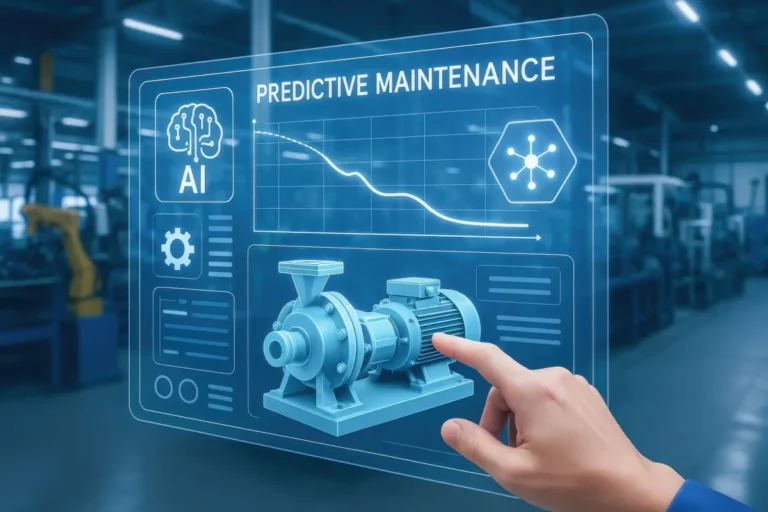
- Detects when equipment is about to fail based on subtle changes in performance data
- Adapts recipes in real time based on ingredient quality (e.g., adjusting cook times for a batch of tomatoes that’s less acidic than usual)
This isn’t sci-fi. Some high-end systems are already doing pieces of this. The restaurants that adopt these early will have a massive competitive advantage in consistency and cost control.
2. The Rise of the “Kitchen OS”
Right now, most smart kitchen tools are separate apps and devices. But we’re moving toward a unified Kitchen Operating System-one platform that handles inventory, scheduling, energy, food safety, and even staff training in a single interface.
Think of it like the iOS for your kitchen. Third-party apps (like your POS or reservation system) will plug into it, but the core functionality will be standardized. This will finally solve the integration nightmare that plagues most restaurants today.
The players to watch in this space are [generic platform types] and [another platform type], which are already moving in this direction. If you’re investing in smart tech now, make sure it’s compatible with these emerging platforms.
3. Robotics (But Not How You Think)
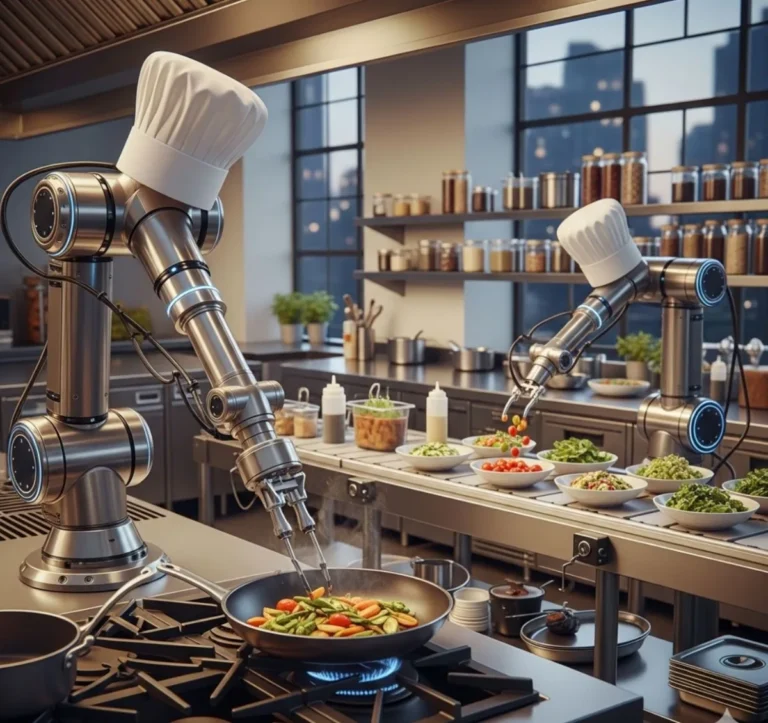
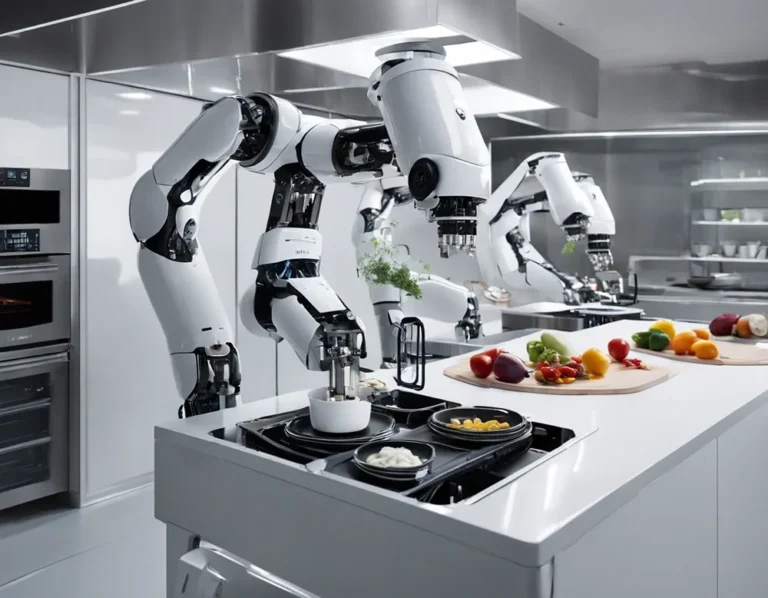
Yes, robot chefs exist. But the real robotic revolution in restaurants won’t be humanoid cooks, it’ll be specialized automation that handles repetitive tasks:
- Robotic arms that portion proteins or assemble burgers
- Automated fry stations that handle baskets and filtering
- Dishwashing robots that can sort and sanitize silverware
- Drone-like systems that transport plates from kitchen to table in large restaurants
The key difference? These systems are designed to work alongside humans, not replace them. The restaurants that will win are the ones that use robots to elevate their human staff, not replace them.
4. The Sustainability Imperative
Smart kitchens aren’t just about efficiency, they’re becoming essential for sustainability compliance. Cities and states are starting to mandate food waste tracking, energy usage reporting, and even water usage limits for restaurants. Smart systems will be the only practical way to comply with these regulations without drowning in paperwork.
Plus, consumers are increasingly making dining choices based on sustainability. Restaurants that can prove their low waste and energy efficiency will have a marketing advantage. Imagine being able to show customers exactly how much water and energy their meal “cost” to produce, and how it compares to industry averages.
Your Next Steps: A No-BS Implementation Plan
If you’re feeling overwhelmed, good. That means you’re taking this seriously. Here’s how to start without losing your mind:
Step 1: Audit Your Pain Points
Grab a notebook and spend a week observing your kitchen. Ask yourself:
- Where do I see the most waste (food, time, energy)?
- What tasks do my staff complain about the most?
- Which processes feel “clunky” or outdated?
- Where do I consistently overspend?
Rank these by cost impact (both financial and time). That’s your priority list.
Step 2: Pick One Project
Choose one problem from your list and research solutions. Remember: simple and targeted beats complex and comprehensive. A $200 smart scale that solves your portion control problem is better than a $20,000 system that does everything poorly.
Good first projects:
- Inventory tracking for your top 5 most wasted ingredients
- A smart thermometer system for food safety compliance
- Energy monitoring for your most power-hungry appliances
- A KDS upgrade to optimize ticket times
Step 3: Calculate the Real ROI
For every solution you consider, ask:
- What’s the upfront cost (including installation and training)?
- What’s the ongoing cost (subscriptions, maintenance, etc.)?
- How much will it save me in time, money, and stress?
- What’s the payback period?
If the payback period is more than 18 months, think twice. If it’s less than 12 months, it’s probably a no-brainer.
Step 4: Pilot Before You Commit
Never roll out a new system kitchen-wide without testing it first. Run a 2-week pilot with a small team or during off-hours. Track:
- Does it actually solve the problem?
- Are staff using it correctly, or finding workarounds?
- What unexpected issues came up?
Adjust based on feedback, then decide whether to expand.
Step 5: Train Like Your Business Depends on It (Because It Does)
Most smart kitchen failures aren’t tech failures, they’re training failures. Budget for:
- Initial training sessions (not just a quick demo)
- Refresher training every 3-6 months
- “Super users” on each shift who can troubleshoot issues
- A feedback system for staff to report problems or suggestions
And remember: training isn’t a one-time event. Every time you update the system or hire new staff, you’ll need to reinforce the training.
Step 6: Measure, Adjust, Repeat
Set up a monthly review of your key metrics. Ask:
- Is the system delivering the promised savings?
- What new inefficiencies has it revealed?
- Are there features we’re not using that could help?
Be prepared to pivot or abandon systems that aren’t working. The goal isn’t to have a smart kitchen, it’s to have a more profitable, efficient restaurant.
FAQ: Your Smart Kitchen Questions Answered
Q: I run a small restaurant with tight margins. Is smart kitchen tech even worth it for me?
A: Absolutely, but start small. A $200 smart scale or $500 inventory system can pay for itself in months by reducing waste. You don’t need a full overhaul to see benefits. Focus on your biggest pain point (usually food waste or labor costs) and address that first. Many vendors offer scalable solutions where you can start with basic features and add more as you grow.
Q: Won’t all this tech make my kitchen feel impersonal or robotic?
A: It can if you let it. The key is to use tech to remove friction, not replace human judgment. The best smart kitchens I’ve seen actually improve morale because they eliminate the tedious parts of the job (like manual temp logs or inventory counts) and let staff focus on cooking. Think of it as giving your team superpowers, not replacing them.
Q: How do I get my older, tech-resistant staff on board?
A: First, involve them in the selection process. Let them test options and give feedback. Second, start with tools that make their jobs easier, like a smart label printer that eliminates handwriting date labels. Third, pair tech-savvy and tech-resistant staff for training. And finally, be patient. One chef I know refused to use the new inventory system until he saw it saved him 2 hours of paperwork every week. Now he’s the biggest advocate.
Q: What’s the one smart kitchen tool you’d recommend to every restaurant?
A: A smart temperature monitoring system for food safety. It’s relatively inexpensive (starting around $500), prevents costly health violations, and often pays for itself in reduced food waste from improper storage. Plus, it gives you automatic records for health inspections, which is a huge stress reliever. If you’re only going to invest in one thing, make it this.
Final Thought: The Restaurant of the Future Is Already Here
Here’s what keeps me up at night: The restaurants that will dominate the next decade are already using these systems. They’re not waiting for prices to drop or for the tech to get “better.” They’re implementing now, learning the kinks, and building an unstoppable efficiency advantage.
But here’s the good news: you don’t need to be a tech genius to compete. You just need to be willing to question how things have always been done. The smartest kitchen isn’t the one with the most gadgets, it’s the one that uses technology to make humans more human. To let your cooks focus on creativity, your servers on hospitality, and you on growing your business instead of putting out operational fires.
So here’s my challenge to you: Pick one inefficiency in your kitchen this week. Just one. And research one smart tool that could fix it. That’s all. Because the journey to a smarter kitchen doesn’t start with a massive investment, it starts with a single, deliberate step.
And who knows? A year from now, you might be the one other restaurant owners are asking for advice. (Just don’t forget to invite me for a meal when that happens.)
@article{how-smart-kitchen-systems-are-quietly-revolutionizing-restaurant-efficiency-and-why-you-might-be-missing-out,
    title   = {How Smart Kitchen Systems Are Quietly Revolutionizing Restaurant Efficiency (And Why You Might Be Missing Out)},
    author  = {Chef's icon},
    year    = {2025},
    journal = {Chef's Icon},
    url     = {https://chefsicon.com/smart-kitchen-systems-boosting-restaurant-efficiency/}
}