The Best Fluffy Pancakes recipe you will fall in love with. Full of tips and tricks to help you make the best pancakes.
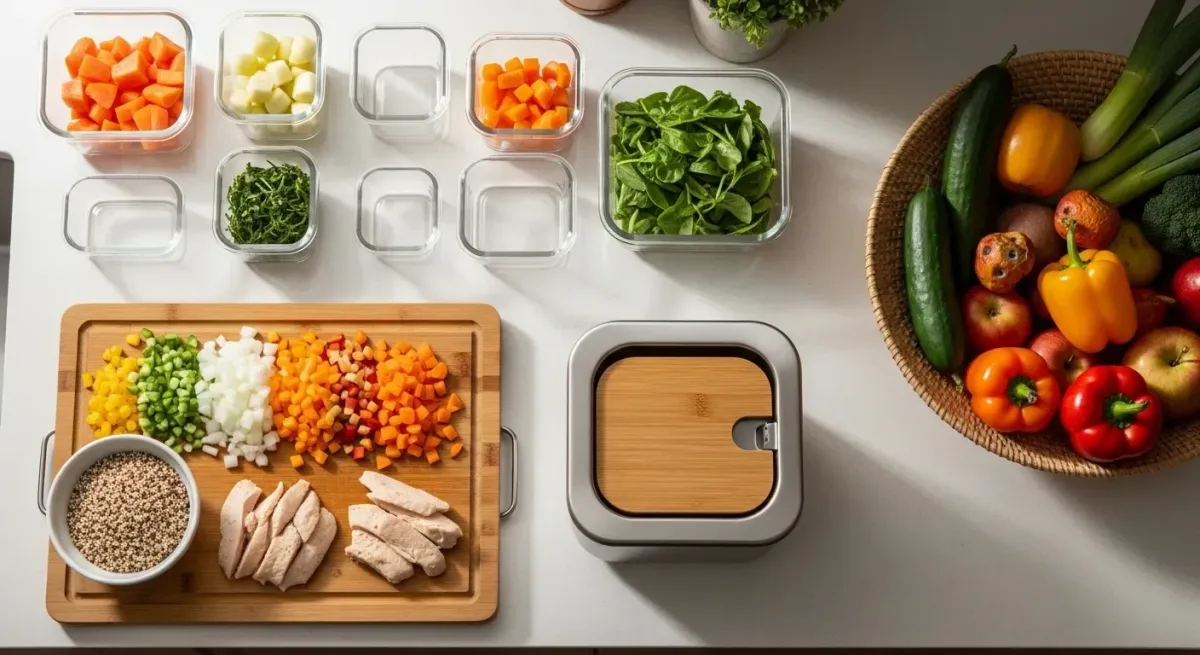
Let me start with a confession: I used to be terrible at managing food waste. There was that one time I found a sad, wilted head of lettuce in the back of my fridge that had somehow transformed into a science experiment. The smell was… unforgettable. And don’t even get me started on the half-empty containers of takeout that would languish until they developed their own ecosystems. If you’ve ever opened your fridge to find something resembling a petri dish, you know exactly what I’m talking about.
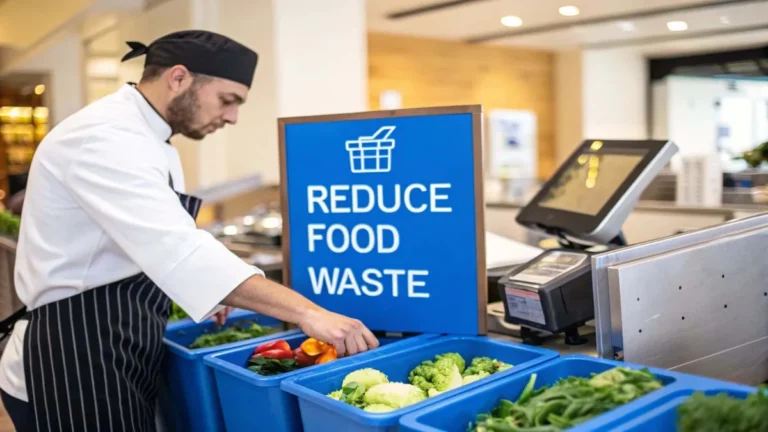
But here’s the thing, food waste isn’t just gross. It’s expensive, environmentally disastrous, and frankly, kind of embarrassing when you think about how many people struggle with food insecurity. The USDA estimates that 30-40% of the food supply in the U.S. goes to waste, with households contributing the largest share. That’s like buying five bags of groceries and immediately tossing two of them in the trash. And if you’re running a commercial kitchen? The stakes are even higher, wasted food means wasted money, wasted resources, and a bigger carbon footprint.
So, how do we fix this? Over the past few years, I’ve tested (and sometimes failed at) countless strategies to cut down on food waste in my own kitchen. Some worked brilliantly. Others… not so much. (Looking at you, “meal prep Sundays” that turned into “takeout Tuesdays.”) But after a lot of trial and error, and some deep dives into the world of smart kitchen tech, I’ve landed on a system that actually works. In this guide, I’ll walk you through practical, actionable strategies to reduce food waste, whether you’re cooking at home or running a commercial kitchen. We’ll cover everything from inventory management to creative repurposing, and yes, even how to make friends with your freezer again.
By the end of this, you’ll have a toolkit of strategies that don’t just sound good on paper, they work in the real world, where life is messy, schedules are unpredictable, and sometimes, you just really want to order pizza. Let’s get started.
The Psychology of Food Waste: Why We Toss So Much (And How to Stop)
Why Do We Waste So Much Food, Anyway?
Before we dive into solutions, it’s worth asking: Why do we waste so much food in the first place? It’s not like anyone sets out to throw away groceries. (Well, except maybe that one roommate who thought “expiration dates” were more of a suggestion.) The truth is, food waste is often the result of a mix of psychological, logistical, and cultural factors. Let’s break it down.
First, there’s optimism bias. You know the drill: You go to the grocery store with the best of intentions. “This week,” you think, “I’m going to meal prep like a pro. Salads! Smoothies! Homemade soups!” You load up your cart with fresh produce, lean proteins, and all the fixings for a week of virtuous eating. But then life happens, late nights at work, unexpected plans, that sudden craving for tacos. By day three, your spinach is wilting, your avocados are overripe, and your good intentions are buried under a pile of takeout menus. Sound familiar?
Then there’s the “out of sight, out of mind” problem. How many times have you forgotten about that half-used container of sour cream or that bag of carrots buried in the crisper drawer? Our fridges and pantries are often so packed that it’s easy to lose track of what we have. And let’s be honest, no one enjoys digging through the back of the fridge to find that forgotten block of cheese that’s now growing a new ecosystem. The result? We buy duplicates of things we already have, and the cycle of waste continues.
And let’s not forget portion distortion. Whether it’s restaurant servings that could feed a small army or our own eyes being bigger than our stomachs, we often cook or serve more food than we can actually eat. Leftovers get pushed to the back of the fridge, forgotten, and eventually tossed. It’s a vicious cycle, and it’s one that’s hard to break without some intentional strategies.
Finally, there’s the confusion around food labels. “Sell by,” “use by,” “best by”-what do these dates even mean? Most of us err on the side of caution, tossing food as soon as it hits the date on the package. But here’s the thing: Those dates are often about quality, not safety. According to the USDA, except for infant formula, product dating is not required by federal regulations. That means a lot of the food we throw out is still perfectly safe to eat. (More on this later.)
How to Rewire Your Brain for Less Waste
So, how do we overcome these psychological hurdles? It starts with mindset shifts. Here are a few ways to reframe your relationship with food and waste:
- Think of food as money. That $5 bag of spinach? It’s not just greens, it’s five bucks you’re throwing away if it goes bad. Suddenly, that wilting lettuce feels a lot more painful, doesn’t it?
- Embrace imperfection. A bruised apple or a slightly soft tomato isn’t garbage, it’s an opportunity. Bruised fruit makes great smoothies or sauces. Soft veggies can be roasted or blended into soups. Get creative!
- Plan for reality, not fantasy. If you know you’re not going to cook every night, don’t buy groceries like you will. Be honest with yourself about your habits and plan accordingly.
- Make waste visible. If you can see the food you’re wasting, you’re more likely to do something about it. Try keeping a “waste log” for a week, write down everything you throw out. You might be surprised by what you find.
Is this the best approach? I’m not entirely sure. But what I do know is that awareness is the first step. Once you start paying attention to your food waste habits, you’ll naturally start looking for ways to improve them. And that’s where the real work begins.
Smart Kitchen Strategies: The Practical Stuff
Alright, enough with the psychology. Let’s get into the nitty-gritty: actionable strategies to reduce food waste in your kitchen. These are the tactics I’ve tested, tweaked, and (mostly) succeeded with over the years. Some are simple, some require a bit more effort, but all of them work if you stick with them.
1. Master the Art of Inventory Management
If you’re running a commercial kitchen, you already know that inventory management is the backbone of reducing waste. But even in a home kitchen, keeping track of what you have is crucial. The goal? First in, first out (FIFO). This means using older ingredients before newer ones to prevent spoilage. Here’s how to make it work:
- Label everything. Use masking tape and a marker to write the date on leftovers, opened packages, and anything else that might get lost in the fridge. In a commercial kitchen, this is non-negotiable. At home? It’s a game-changer.
- Organize your fridge by expiration date. Place newer items behind older ones so you’re forced to use the older stuff first. This is especially important for perishables like dairy, meat, and produce.
- Conduct a weekly “fridge audit.” Set aside 10 minutes every week to take stock of what you have. What’s about to go bad? What can you repurpose into a meal? This simple habit can save you a ton of waste (and money).
- Use inventory apps. If you’re tech-savvy, apps like NoWaste or Fridge Pal can help you track what you have and when it expires. For commercial kitchens, tools like UpKeep or MarketMan can streamline inventory management and reduce waste.
I’ll admit, I was skeptical about the whole “label everything” thing at first. It felt a little… obsessive. But after a few weeks of doing it, I noticed a huge difference. No more mystery containers. No more forgotten leftovers. Just a fridge that’s actually organized by what needs to be used first. Is it a little extra work? Sure. But it’s worth it.
2. The Power of Meal Planning (Without the Burnout)
Meal planning gets a bad rap. For a lot of people, it conjures up images of rigid schedules, boring meals, and the pressure to cook every single night. But here’s the thing: meal planning doesn’t have to be all or nothing. You don’t have to plan every meal for the week. You don’t even have to cook every night. The key is to plan for flexibility.
Here’s how I approach meal planning now:
- Start with a “flexible framework.” Instead of assigning specific meals to specific days, I plan a few core meals that I know I’ll cook during the week. For example: two nights of pasta, one night of stir-fry, one night of soup, and one night of leftovers. The rest? Takeout or whatever I’m craving.
- Plan for leftovers. If I’m making a big batch of something (like chili or lasagna), I make sure to plan for leftovers. That might mean eating them for lunch the next day or freezing half for later. Leftovers are your friend, don’t let them go to waste!
- Use the “shop your fridge” method. Before I even think about what to cook, I take stock of what I already have. What needs to be used up? What can I repurpose? This simple step has saved me countless trips to the grocery store (and a lot of wasted food).
- Embrace “no-recipe recipes.” Some of the best meals come from throwing together what you have on hand. A stir-fry with whatever veggies are in the fridge. A frittata with leftover roasted potatoes and cheese. A pasta dish with whatever protein and veggies need to be used up. Get creative!
I’m torn between the “plan everything” and “wing it” approaches. On one hand, having a plan reduces waste and saves money. On the other, too much structure can feel stifling. My solution? A hybrid approach. I plan just enough to reduce waste but leave room for spontaneity. It’s not perfect, but it works for me.
3. The Freezer Is Your Best Friend (Seriously)
If there’s one tool that’s been a game-changer in my fight against food waste, it’s the freezer. I used to think of my freezer as a place where food went to die, until I realized it’s actually a time machine for food. Freezing extends the life of ingredients, leftovers, and even entire meals. Here’s how to make the most of it:
- Freeze in portions. Instead of freezing a whole batch of soup or chili in one container, divide it into single-serving portions. That way, you can thaw only what you need, reducing waste.
- Label and date everything. I know, I know, I already talked about labeling. But it’s especially important for the freezer. Write what the food is and when you froze it. Trust me, you won’t remember in three months.
- Freeze herbs in oil or water. Fresh herbs are one of the most commonly wasted ingredients. Instead of letting them wilt in the fridge, chop them up and freeze them in ice cube trays with a little oil or water. Pop them out and use them in cooking whenever you need them.
- Freeze bread and baked goods. Bread is another big source of waste. Freeze it as soon as you buy it, then toast slices straight from the freezer. No more moldy loaves!
- Freeze fruit for smoothies. Overripe bananas, berries, and other fruit can be frozen and used in smoothies later. Just peel and slice bananas before freezing to make blending easier.
- Freeze dairy products. Yes, you can freeze milk, cheese, and even butter! Milk can be frozen in its original container (just leave some room for expansion). Cheese can be grated and frozen, and butter can be frozen as-is.
Maybe I should clarify: Not everything freezes well. Lettuce, cucumbers, and other high-water-content veggies turn to mush when frozen. But most things? They’re fair game. The key is to freeze things properly so they don’t get freezer burn or lose texture. And remember, freezing doesn’t make food last forever. Most things are best used within three months.
4. Get Creative with Repurposing
One of the biggest mistakes people make when trying to reduce food waste is thinking of leftovers as, well, leftovers. But what if we thought of them as ingredients instead? Repurposing leftovers and scraps into new meals is one of the most effective ways to cut down on waste. Here are some of my favorite tricks:
- Turn veggie scraps into stock. Save onion skins, carrot peels, celery ends, and other veggie scraps in a bag in the freezer. Once you have enough, simmer them in water for a few hours to make homemade stock. Strain, store, and use in soups, stews, or risottos.
- Make croutons or breadcrumbs. Stale bread doesn’t have to go to waste. Cut it into cubes, toss with olive oil and seasonings, and bake until crispy for homemade croutons. Or pulse it in a food processor to make breadcrumbs.
- Blend overripe fruit into sauces or smoothies. Overripe bananas can be mashed into banana bread or blended into smoothies. Soft berries can be cooked down into a compote for pancakes or yogurt.
- Use leftover rice for fried rice or rice pudding. Day-old rice is actually better for fried rice because it’s drier and fries up better. Or mix it with milk, sugar, and cinnamon for a simple rice pudding.
- Turn roasted veggies into soups or frittatas. Leftover roasted veggies can be blended into soups or folded into a frittata. They’re also great on pizza or in wraps.
- Make “everything but the kitchen sink” meals. Stir-fries, soups, and casseroles are perfect for using up random bits of food. Throw in whatever veggies, proteins, and grains you have on hand and see what happens!
I’ll be honest, some of my best meals have come from repurposing leftovers. There was that time I turned leftover roasted chicken, mashed potatoes, and veggies into a pot pie. Or the time I blended overripe avocados into a creamy pasta sauce. The possibilities are endless if you’re willing to get a little creative.
5. Smart Storage: Keep Food Fresher, Longer
How you store your food can make a huge difference in how long it lasts. The right storage techniques can extend the life of your groceries by days, weeks, or even months. Here are some of my favorite smart storage strategies:
- Use airtight containers. Oxygen is the enemy of freshness. Store leftovers, opened packages, and cut produce in airtight containers to keep them fresher longer. For commercial kitchens, Cambro containers are a great investment, they’re durable, stackable, and come in a variety of sizes.
- Wrap herbs in damp paper towels. Fresh herbs like cilantro, parsley, and basil wilt quickly. Wrap them in a damp paper towel and store them in a plastic bag in the fridge. They’ll stay fresh for up to two weeks.
- Store mushrooms in a paper bag. Mushrooms release moisture, which can make them slimy if stored in plastic. Keep them in a paper bag in the fridge to absorb excess moisture and extend their shelf life.
- Keep tomatoes stem-side down. Storing tomatoes stem-side down prevents air from entering the stem scar, which slows down ripening. Keep them at room temperature for the best flavor.
- Use produce bags for leafy greens. Those thin plastic bags that come with salad greens? They’re actually designed to keep greens fresh. If you don’t have one, wrap greens in a dry paper towel before storing them in a plastic bag.
- Store potatoes and onions separately. Potatoes and onions release gases that can cause each other to spoil faster. Keep them in separate, cool, dark places for the longest shelf life.
- Freeze fresh herbs in oil. As mentioned earlier, freezing herbs in oil or water is a great way to preserve them. Just chop them up, pack them into ice cube trays, cover with oil or water, and freeze. Pop them out and use them in cooking whenever you need them.
I’m always surprised by how much of a difference these small storage tweaks can make. For example, I used to go through a bunch of cilantro every week because it would wilt within a few days. Now, I wrap it in a damp paper towel and store it in a bag, and it lasts for weeks. It’s such a simple change, but it’s made a big difference in my food waste.
6. The Truth About Expiration Dates
Let’s talk about expiration dates. If you’re like most people, you probably treat them as gospel, tossing food as soon as it hits the date on the package. But here’s the thing: expiration dates are not regulated by the federal government (except for infant formula). That means they’re often more about quality than safety. In other words, a lot of the food we throw out because of expiration dates is still perfectly safe to eat.
Here’s a quick breakdown of what those dates actually mean:
- “Sell by”: This is a date for retailers, not consumers. It tells stores how long to display the product for sale. Food is often still safe to eat after this date.
- “Best if used by” or “Best by”: This is about quality, not safety. The product may not be at its peak flavor or texture after this date, but it’s still safe to eat.
- “Use by”: This is the last date recommended for use of the product at peak quality. It’s not a safety date, but it’s a good idea to pay attention to it for perishable items like meat and dairy.
- “Freeze by”: This indicates when a product should be frozen to maintain peak quality. It’s not a safety date.
So, how do you know if something is still safe to eat? Use your senses. Does it look, smell, and taste normal? If so, it’s probably fine. If it’s moldy, slimy, or has an off odor, it’s time to toss it. When in doubt, err on the side of caution, but don’t assume that just because a date has passed, the food is no longer safe.
I’ll admit, I used to be a stickler for expiration dates. If the date on the yogurt said it expired yesterday, into the trash it went. But after doing some research (and talking to food safety experts), I’ve relaxed a bit. Now, I use expiration dates as a guideline, not a hard rule. And you know what? I’ve never gotten sick from eating something a few days past its date. (Knock on wood.)
7. Tech to the Rescue: Smart Kitchen Gadgets That Reduce Waste
If you’re a tech nerd like me, you’ll be happy to know that there are some smart kitchen gadgets out there that can help reduce food waste. These tools aren’t just for commercial kitchens, they can make a big difference in home kitchens too. Here are a few of my favorites:
- Smart fridges. Fridge manufacturers like Samsung and LG now offer smart fridges with cameras inside that let you see what’s in your fridge from your phone. Some even track expiration dates and suggest recipes based on what you have. Is it a little overkill? Maybe. But if it helps reduce waste, I’m all for it.
- Food waste trackers. Apps like Too Good To Go and Olio connect users with surplus food from local restaurants and grocery stores. You can snag discounted meals or groceries that would otherwise go to waste. For commercial kitchens, these apps can be a great way to offload excess food.
- Vacuum sealers. Vacuum sealers remove air from food packaging, which helps extend the shelf life of food. They’re great for storing leftovers, bulk purchases, and even fresh produce. If you’re serious about reducing waste, a vacuum sealer is a worthwhile investment.
- Composters. If you’re not already composting, it’s time to start. Composting turns food scraps into nutrient-rich soil, reducing the amount of waste that ends up in landfills. Smart composters like Lomi make the process easy and odor-free. For commercial kitchens, composting can be a great way to reduce waste and even save money on disposal fees.
- Inventory management software. For commercial kitchens, inventory management software like MarketMan or UpKeep can help track food usage, reduce waste, and even suggest recipes based on what you have on hand. These tools can be a game-changer for restaurants and other food service businesses.
I’m torn between the “tech is the answer” and “keep it simple” approaches. On one hand, these gadgets can be incredibly helpful. On the other, they’re not always necessary. For example, you don’t need a smart fridge to reduce waste, just a little organization and planning. But if you’re someone who loves gadgets (like me), these tools can make the process a lot easier.
8. Batch Cooking and Bulk Buying: The Good, the Bad, and the Ugly
Batch cooking and bulk buying are often touted as money-saving, waste-reducing strategies. And they can be, if done right. But they can also backfire if you’re not careful. Here’s how to make them work for you:
- The good:
- Saves time. Cooking in bulk means you spend less time in the kitchen overall. One big cooking session can provide meals for the whole week.
- Saves money. Buying in bulk is often cheaper per unit, and cooking in bulk can reduce the temptation to order takeout.
- Reduces waste. When you plan your meals in advance, you’re less likely to let ingredients go bad.
- The bad:
- Can lead to boredom. Eating the same thing all week can get old fast. If you’re not careful, you might end up wasting food because you’re sick of it.
- Requires planning. Batch cooking and bulk buying only work if you have a plan for what you’re going to do with all that food. Without a plan, you might end up with a freezer full of mystery meals.
- Not everything scales well. Some recipes don’t taste as good when made in large quantities. Others don’t freeze well. It’s important to test recipes before committing to a big batch.
- The ugly:
- Food safety risks. Cooking in bulk means you have to be extra careful about food safety. Large batches of food can take longer to cool, increasing the risk of bacterial growth. Make sure to cool food quickly and store it properly.
- Storage challenges. Bulk buying and batch cooking require a lot of storage space. If you don’t have enough fridge, freezer, or pantry space, you might end up with food going bad.
So, how do you make batch cooking and bulk buying work for you? Here are a few tips:
- Start small. Don’t go from zero to sixty. Start with one or two meals a week and see how it goes.
- Choose freezer-friendly recipes. Soups, stews, casseroles, and sauces are all great candidates for batch cooking. Avoid recipes with ingredients that don’t freeze well, like cream sauces or crispy toppings.
- Portion before freezing. Freeze meals in single-serving portions so you can thaw only what you need. This reduces waste and makes it easier to grab a meal on the go.
- Label and date everything. I know, I’m sounding like a broken record. But it’s especially important when you’re batch cooking. You don’t want to be stuck with a freezer full of unlabeled mystery meals.
- Rotate your stock. Use the first in, first out (FIFO) method to make sure you’re using older meals before newer ones.
I’ll be honest, I’ve had some batch cooking disasters. There was that time I made a giant pot of chili, only to realize that no one in my household actually likes chili. (Oops.) Or the time I bought a 10-pound bag of potatoes because it was a “great deal,” only to watch them sprout before I could use them all. But when it works, it’s magical. There’s nothing better than coming home after a long day and knowing that dinner is already taken care of.
9. The Role of Portion Control in Reducing Waste
Portion control isn’t just about watching your waistline, it’s also a key strategy for reducing food waste. When we cook or serve more food than we can eat, the leftovers often end up in the trash. Here’s how to get a handle on portions:
- Use smaller plates. It sounds simple, but it works. Smaller plates trick your brain into thinking you’re eating more, which can help reduce overeating and food waste.
- Measure your portions. Use measuring cups, spoons, or a food scale to portion out meals. This is especially important for grains like rice and pasta, which can expand a lot when cooked.
- Cook less. It’s tempting to cook a little extra “just in case,” but those extras often go to waste. Try cooking just enough for one meal and see how it goes.
- Serve family-style. Instead of plating meals in the kitchen, serve food family-style at the table. This gives everyone control over their portions and reduces the likelihood of uneaten food going to waste.
- Use leftovers intentionally. If you do end up with leftovers, plan for them. Pack them for lunch the next day, or incorporate them into another meal. Don’t let them languish in the fridge.
For commercial kitchens, portion control is even more critical. Over-portioning can lead to a lot of waste, not to mention higher food costs. Here are a few strategies for restaurants and food service businesses:
- Train staff on portion sizes. Make sure everyone knows how much of each ingredient should go into each dish. Use portion scoops, scales, or other tools to ensure consistency.
- Offer smaller portions. Consider offering half-portion sizes or smaller plates. This can reduce waste and appeal to customers who are looking for lighter options.
- Use portion control tools. Tools like portion scales, scoops, and ladles can help ensure that every dish is served with the right amount of food.
- Monitor waste. Keep track of how much food is being wasted and adjust portions accordingly. If you’re consistently throwing out half-eaten plates, it might be time to reduce portion sizes.
I’m always amazed by how much food we waste simply because we serve too much. It’s a habit that’s hard to break, but it’s worth the effort. Not only does it reduce waste, but it also saves money and can even improve our health. Win-win-win.
10. Community and Collaboration: Reducing Waste Together
Reducing food waste isn’t just an individual effort, it’s a community endeavor. Whether you’re part of a household, a restaurant team, or a neighborhood, working together can make a big difference. Here are a few ways to collaborate:
- Share meals with neighbors. If you’ve made too much food, offer some to your neighbors. They’ll likely return the favor, and you’ll both reduce waste. Apps like Olio can help facilitate this.
- Donate excess food. If you have food that you can’t use, consider donating it to a local food bank or shelter. Many organizations accept perishable and non-perishable food donations. For commercial kitchens, donating excess food can be a great way to give back to the community and reduce waste.
- Start a composting program. If you’re part of a community or apartment complex, consider starting a composting program. This can reduce waste and create nutrient-rich soil for community gardens.
- Educate others. Share what you’ve learned about reducing food waste with your friends, family, and coworkers. The more people who are aware of the issue, the bigger the impact we can make.
- Support businesses that prioritize sustainability. Choose restaurants, grocery stores, and other businesses that have strong sustainability practices. Your dollars can make a difference!
In commercial kitchens, collaboration is key. Here are a few ways to reduce waste as a team:
- Hold regular waste audits. Get the team together to review what’s being wasted and brainstorm solutions. This can help identify patterns and areas for improvement.
- Train staff on waste reduction. Make sure everyone knows the importance of reducing waste and how they can contribute. This includes everything from proper storage techniques to portion control.
- Encourage creativity. Challenge the team to come up with new ways to use leftovers or scraps. You might be surprised by the ideas they come up with!
- Set goals and track progress. Establish waste reduction goals and track your progress over time. Celebrate successes and learn from setbacks.
I’ve found that the more I talk about food waste, the more I realize how many people are interested in the topic. It’s not just about saving money or being eco-friendly, it’s about respecting the resources that go into our food. When we waste food, we’re not just wasting the food itself. We’re wasting the water, energy, and labor that went into producing it. Working together, we can make a real difference.
Putting It All Together: Your Action Plan for Less Waste
Alright, let’s recap. We’ve covered a lot of ground here, from the psychology of food waste to smart kitchen strategies that actually work. But how do you put it all into practice? Here’s a simple action plan to get you started:
- Start with awareness. For one week, keep a waste log. Write down everything you throw out and why. This will help you identify patterns and areas for improvement.
- Plan your meals. Even if it’s just a loose framework, having a plan will help you use what you have and reduce waste. Don’t forget to “shop your fridge” before heading to the grocery store.
- Organize your fridge and pantry. Use the first in, first out (FIFO) method to make sure you’re using older ingredients first. Label and date everything to avoid mystery containers.
- Get creative with repurposing. Turn leftovers and scraps into new meals. Make stock from veggie scraps, croutons from stale bread, and smoothies from overripe fruit.
- Master your freezer. Freeze leftovers, herbs, bread, and other perishables to extend their shelf life. Just make sure to label and date everything!
- Use smart storage techniques. Store food properly to keep it fresher longer. Use airtight containers, wrap herbs in damp paper towels, and keep tomatoes stem-side down.
- Question expiration dates. Use your senses to determine if food is still safe to eat. When in doubt, err on the side of caution, but don’t assume that just because a date has passed, the food is no longer safe.
- Embrace portion control. Cook and serve smaller portions to reduce waste. Use smaller plates, measure your portions, and plan for leftovers.
- Collaborate with others. Share meals with neighbors, donate excess food, and educate others about reducing waste. The more people who are on board, the bigger the impact.
- Invest in the right tools. Whether it’s a vacuum sealer, a compost bin, or inventory management software, the right tools can make reducing waste a lot easier.
Is this the best approach? I don’t know. But it’s a start. The key is to start small and build from there. You don’t have to implement all of these strategies at once. Pick one or two that resonate with you and see how they work. Then, gradually add more as you get comfortable.
I’ll be honest, reducing food waste isn’t always easy. There are days when I fail miserably. (Like the time I forgot about a whole head of cauliflower in the crisper drawer. Let’s just say it was… beyond saving.) But even on those days, I remind myself that every little bit helps. If I can save one meal from the trash, it’s a win.
So, here’s my challenge to you: Pick one strategy from this list and try it for a week. See how it goes. Adjust as needed. And most importantly, don’t beat yourself up if it’s not perfect. Reducing food waste is a journey, not a destination. And the fact that you’re even thinking about it? That’s a great first step.
FAQ: Your Burning Questions About Reducing Food Waste
Q: What are the most commonly wasted foods, and how can I use them up before they go bad?
A: Great question! The most commonly wasted foods are fresh produce (especially leafy greens and herbs), dairy products, bread, and leftovers. Here’s how to use them up:
- Leafy greens: Sauté them with garlic and olive oil, blend them into smoothies, or add them to soups and stews.
- Herbs: Make pesto, chimichurri, or herb-infused oils. You can also freeze them in oil or water for later use.
- Dairy: Overripe cheese can be grated and used in cooking. Sour milk can be used in baking (it’s great for pancakes or muffins). Yogurt can be used in smoothies or marinades.
- Bread: Make croutons, breadcrumbs, or French toast. Stale bread can also be used in stuffing or bread pudding.
- Leftovers: Get creative! Turn last night’s roasted veggies into a frittata, or use leftover rice in fried rice or rice pudding.
The key is to plan for these ingredients before they go bad. If you know you have a bunch of spinach that needs to be used up, plan a meal around it. Don’t let it languish in the fridge until it’s too late.
Q: How can I reduce food waste when cooking for one or two people?
A: Cooking for one or two can be tricky, especially when most recipes are designed for four or more servings. Here are a few strategies to help:
- Halve recipes. Most recipes can be halved (or even quartered) without too much trouble. Just make sure to adjust cooking times accordingly.
- Cook once, eat twice. Make a big batch of something and eat it for multiple meals. Soups, stews, and casseroles are great for this.
- Freeze leftovers. If you make a big batch of something, freeze half for later. This way, you’ll always have a meal on hand when you don’t feel like cooking.
- Use smaller appliances. A toaster oven, slow cooker, or Instant Pot can be great for cooking smaller portions. They’re also more energy-efficient than a full-sized oven.
- Embrace single-serving meals. Things like omelets, stir-fries, and grain bowls are easy to make for one or two people. Plus, they’re a great way to use up random ingredients.
I’ll admit, cooking for one can be a challenge. There are days when I don’t feel like cooking at all, and that’s okay. The key is to find a balance between cooking at home and ordering takeout. And when you do cook, make it count!
Q: What are some easy ways to reduce food waste in a commercial kitchen?
A: Commercial kitchens have a lot of moving parts, which can make reducing waste a challenge. But there are some simple strategies that can make a big difference:
- Conduct regular waste audits. Track what’s being wasted and why. This can help you identify patterns and areas for improvement.
- Train staff on waste reduction. Make sure everyone knows the importance of reducing waste and how they can contribute. This includes everything from proper storage techniques to portion control.
- Use the “first in, first out” (FIFO) method. This ensures that older ingredients are used before newer ones, reducing spoilage.
- Repurpose leftovers and scraps. Get creative with leftovers and scraps. Turn veggie scraps into stock, stale bread into croutons, and overripe fruit into sauces.
- Donate excess food. Partner with local food banks or shelters to donate excess food. This can reduce waste and give back to the community.
- Invest in inventory management software. Tools like MarketMan or UpKeep can help track food usage, reduce waste, and even suggest recipes based on what you have on hand.
- Offer smaller portions. Consider offering half-portion sizes or smaller plates. This can reduce waste and appeal to customers who are looking for lighter options.
The key is to make waste reduction a team effort. When everyone is on board, it’s much easier to make a real difference.
Q: How do I know if food is still safe to eat after the expiration date?
A: This is a common question, and the answer isn’t always straightforward. Here’s what you need to know:
- Expiration dates are about quality, not safety. Most expiration dates are set by manufacturers to indicate when a product is at its peak quality. They’re not an indicator of safety.
- Use your senses. If food looks, smells, and tastes normal, it’s probably still safe to eat. If it’s moldy, slimy, or has an off odor, it’s time to toss it.
- When in doubt, throw it out. If you’re not sure whether something is safe to eat, it’s better to err on the side of caution. But don’t assume that just because a date has passed, the food is no longer safe.
- Pay attention to perishable items. Meat, dairy, and other perishable items should be handled with care. If they’ve been stored improperly or are past their “use by” date, it’s best to toss them.
- Trust your gut. If something doesn’t seem right, it’s probably not. Don’t take chances with food safety.
I’ll be honest, I used to be a stickler for expiration dates. But after doing some research (and talking to food safety experts), I’ve relaxed a bit. Now, I use expiration dates as a guideline, not a hard rule. And you know what? I’ve never got sick from eating something a few days past its date. (Knock on wood.)
@article{reducing-food-waste-smart-kitchen-strategies-that-actually-work-and-save-you-money,
    title   = {Reducing Food Waste: Smart Kitchen Strategies That Actually Work (And Save You Money)},
    author  = {Chef's icon},
    year    = {2026},
    journal = {Chef's Icon},
    url     = {https://chefsicon.com/reducing-food-waste-smart-kitchen-strategies/}
}