The Best Fluffy Pancakes recipe you will fall in love with. Full of tips and tricks to help you make the best pancakes.
Let me set the scene. It’s 2:17 AM, the kitchen’s finally quiet, and I’m staring at a mountain of day-old baguettes that never made it out of the walk-in. Again. Luna, my rescue cat, is perched on the prep table like some kind of furry food-waste auditor, judging me with those unblinking green eyes. “You’re telling me we can’t do better than this?” her expression seems to say. And honestly? She’s right.
Bread waste in commercial kitchens isn’t just about the money, though at $0.50 to $2.00 per loaf, those numbers add up fast. It’s about the energy, the water, the labor, the creativity that goes into every crust that ends up in the trash. And let’s be real: in a world where food costs keep climbing and diners expect both abundance and sustainability, we can’t afford to keep treating bread like it’s disposable. But here’s the thing, I’ve been down this road enough times to know there’s no one-size-fits-all solution. What works for a high-volume pizzeria in Brooklyn won’t necessarily fly in a Nashville brunch spot where biscuits are basically a religion.
So, what’s a chef to do? Over the next few thousand words, we’re going to dive deep into commercial kitchen bread waste reduction strategies-not just the obvious stuff (though we’ll cover that too), but the weird, the creative, the “why didn’t I think of that sooner?” tactics that can turn your bread waste from a problem into an opportunity. You’ll walk away with a toolkit of ideas, from the hyper-practical to the delightfully strange, all designed to help you reduce waste, save money, and maybe, just maybe, impress that judgmental cat of yours.
Fair warning: This isn’t a lecture. It’s a conversation. I’ll share what’s worked for me, what’s failed spectacularly, and where I’m still scratching my head. Because if there’s one thing I’ve learned in this industry, it’s that the best solutions aren’t always the ones you find in a manual. Sometimes, they’re the ones you stumble into when you’re desperate, exhausted, and willing to try just about anything to avoid another 3 AM bread reckoning.
The Bread Waste Problem: Bigger Than You Think (And Way More Personal)
Why Bread Waste Hurts More Than You Realize
Let’s start with the numbers, because nothing kills a good rant like cold, hard data. The average commercial kitchen wastes between 4% and 10% of its bread purchases, according to a 2025 study by the Food Waste Reduction Alliance. For a mid-sized restaurant doing $2 million in annual sales, that’s roughly $8,000 to $20,000 worth of bread-per year-ending up in the trash. And that’s before you factor in the labor costs of prepping, storing, and eventually tossing it, or the environmental impact of all that wasted water and energy.
But here’s where it gets personal. Bread isn’t just another ingredient. It’s one of the few things in a commercial kitchen that carries emotional weight. Think about it: A diner might not notice if their steak is cooked to 145°F instead of 150°F, but they’ll definitely remember if their bread is stale. Bread is comfort. It’s tradition. It’s the first thing a guest interacts with when they sit down, and the last thing they’ll remember if it’s disappointing. So when we waste bread, we’re not just wasting money, we’re wasting an experience. And that’s a harder pill to swallow.
I remember the first time I really *saw* our bread waste. It was at a Bay Area bistro where I was consulting, and the chef, let’s call him Marco, had this habit of ordering way more bread than he needed. “Better to have too much than too little,” he’d say, like it was some kind of culinary mantra. One night, after a particularly slow service, I watched as the dishwasher tossed 18 whole loaves of sourdough into the compost bin. Eighteen. Loaves. That’s not just waste; that’s a crime against carbs. When I pointed it out, Marco just shrugged. “It’s the cost of doing business,” he said. I wanted to scream. Instead, I started taking notes.
Here’s the thing: Bread waste isn’t just a logistical problem. It’s a cultural one. We’ve been conditioned to think of bread as cheap, abundant, and replaceable. But in a commercial kitchen, where every dollar counts and every ingredient has a story, that mindset is a liability. The first step to fixing the problem? Acknowledging that it’s not just about the bread. It’s about how we think about the bread.
The Psychology of Bread Waste: Why We Overorder (And How to Stop)
Let’s talk about the elephant in the room: fear. Specifically, the fear of running out. It’s the same reason we overorder produce, over-prep proteins, and keep the walk-in stocked like we’re preparing for a zombie apocalypse. No one wants to be the chef who tells a guest, “Sorry, we’re out of bread.” So we err on the side of caution, and suddenly, we’re drowning in day-old baguettes.
But here’s the kicker: Running out of bread is rarely as catastrophic as we think it will be. In fact, it can even be an opportunity. I learned this the hard way during a particularly busy brunch service at a Nashville spot I was running. We’d misjudged the crowd (rookie mistake), and by 11 AM, we were down to our last three loaves of brioche. Panic set in. But then something unexpected happened: The servers started offering guests a choice-a small slice of brioche with their meal, or a complimentary side of our house-made granola. To our surprise, about half the guests chose the granola. Not only did we avoid a bread shortage, but we also introduced a bunch of people to a menu item they might not have tried otherwise. It was a win-win.
So how do you break the cycle of overordering? Start by asking yourself these questions:
- What’s the worst that could happen if we run out? (Spoiler: It’s probably not as bad as you think.)
- Are there alternative menu items we can offer? (Like that granola example, get creative!)
- Can we adjust portion sizes? (More on this later.)
- How accurate are our current forecasts? (If you’re not tracking bread usage, start now.)
Another psychological trap? The “just in case” mentality. You know the one: “We might need extra bread for the catering event next week, so let’s order double.” Nine times out of ten, that extra bread ends up in the trash. Instead, try this: Order only what you need for the next 48 hours, and treat anything beyond that as a separate, intentional purchase. It’s a small shift, but it forces you to think critically about what you’re actually going to use.
Finally, let’s talk about ego. There’s this unspoken pressure in kitchens to have abundance-to never let the bread basket look sparse, to always have backup loaves at the ready. But abundance doesn’t have to mean waste. It can mean smart planning, creative repurposing, and a willingness to adapt. The best chefs I know aren’t the ones with the most bread on hand; they’re the ones who know how to make the most of what they’ve got.
The Low-Hanging Fruit: Quick Wins for Immediate Waste Reduction
1. The Art of the Bread Audit: Know Thy Waste
You can’t fix what you don’t measure. And yet, most kitchens I’ve worked in treat bread waste like some kind of culinary black box-it goes in, it comes out, and no one really knows what happens in between. If you want to reduce waste, the first step is to track it. And I don’t mean a vague, “Yeah, we toss some bread every night.” I mean actual, hard data.
Here’s how to do a bread audit in three steps:
- Track your purchases. How much bread are you ordering each week? Break it down by type (baguettes, sourdough, brioche, etc.) and by supplier. You might be surprised to find that one type of bread is consistently wasted more than others.
- Measure your waste. For one week, have your team weigh the bread that gets tossed at the end of each day. Separate it into categories: stale, damaged, uneaten portions, etc. This will give you a baseline to work from.
- Analyze the patterns. Are certain days of the week worse than others? Is there a particular service (brunch, dinner, catering) where waste spikes? Look for trends, and then ask *why*. Is it overordering? Poor storage? Menu design?
I’ll never forget the first time I did this at a restaurant I was managing. We were tossing an average of 12 loaves of bread per night, mostly sourdough. At first, I assumed we were just overordering. But when I dug deeper, I realized the real issue was storage. Our bread was being kept in the walk-in, where the cold, damp air was turning it stale within hours. A simple switch to a bread box at room temperature cut our waste by 40% overnight. Sometimes, the solution is simpler than you think.
2. Storage Hacks: Keep Your Bread Fresher, Longer
Let’s talk about storage, because this is where a lot of kitchens go wrong. Bread is not like other ingredients. It doesn’t belong in the walk-in. It doesn’t belong in plastic bags. And it definitely doesn’t belong next to the onions (unless you’re going for a very specific flavor profile). Here’s how to store bread like a pro:
- Room temperature is your friend. Bread stales fastest at temperatures between 32°F and 50°F (aka, walk-in territory). If you can, store your bread at room temperature in a bread box, linen bag, or paper bag. This keeps it fresher longer and prevents that dreaded “walk-in stale” texture.
- Avoid plastic like the plague. Plastic traps moisture, which makes bread soggy and accelerates mold growth. If you must use plastic (for example, to transport bread from a supplier), remove it as soon as the bread arrives and transfer it to a breathable container.
- Slice it yourself. Pre-sliced bread stales faster than whole loaves because more surface area is exposed to air. If you’re buying pre-sliced bread, order it unsliced and slice it in-house as needed. Bonus: Freshly sliced bread tastes better, which means guests are more likely to eat it.
- Freeze what you won’t use immediately. Bread freezes beautifully. If you know you won’t use a loaf within 24-48 hours, wrap it tightly in plastic and freeze it. When you’re ready to use it, thaw it at room temperature or toast it straight from the freezer. (Pro tip: Freeze bread in single-serving portions so you can thaw only what you need.)
- Rotate, rotate, rotate. This should go without saying, but I’ve seen enough kitchens where the bread storage looks like an archaeological dig. First in, first out (FIFO) isn’t just a good idea, it’s a bread-saving necessity. Label your bread with the date it arrived, and make sure the oldest loaves are used first.
Here’s a storage hack I picked up from a bakery in Portland: Store bread with a slice of apple or a piece of raw potato. The ethylene gas released by the apple or potato helps keep the bread moist and fresh for longer. Is it a game-changer? Maybe not. But in a pinch, it’s worth a try. (Just don’t tell your health inspector.)
3. Portion Control: Less Is More (And Your Diners Won’t Even Notice)
Let’s talk about portion sizes, because this is where a lot of kitchens leave money on the table, literally. The average restaurant serves way more bread than diners actually eat. Think about it: How many times have you seen a bread basket come back to the kitchen with half the slices untouched? Now multiply that by every table, every night. It adds up.
So how do you serve less bread without making diners feel like they’re getting shortchanged? Here are a few strategies:
- Smaller slices, more frequently. Instead of serving a whole loaf at once, offer smaller slices and let diners request more. This not only reduces waste but also makes the bread feel more special. (Pro tip: Use a bread warmer to keep slices toasty and fresh between refills.)
- Charge for extra bread. This one’s controversial, but hear me out. If diners know they’ll be charged for additional bread, they’re less likely to over-order. It’s not about nickel-and-diming your guests; it’s about setting expectations. And if someone really wants more bread, they’ll pay for it. (Just make sure to frame it as a premium offering, not a penalty.)
- Offer bread as a course, not a given. Some restaurants have started treating bread like a tasting menu item-something that’s offered, but not automatic. For example, you might say, “Would you like to start with our house-made focaccia and olive oil?” This makes the bread feel more intentional and reduces the likelihood of waste.
- Let diners choose their bread. Instead of automatically bringing out the same bread for every table, give diners a choice. For example: “Would you prefer our sourdough, multigrain, or gluten-free option?” This not only reduces waste (because you’re only serving what people actually want) but also makes the experience feel more personalized.
I tested this last strategy at a pop-up I ran last year, and the results were eye-opening. By letting diners choose their bread, we reduced waste by 30% and actually increased sales of premium bread options (like our house-made brioche). Turns out, people are happy to pay a little extra for something they really want.
4. The Power of the Pre-Order: Bread on Demand
Here’s a radical idea: What if you didn’t serve bread unless someone asked for it? I know, I know, this flies in the face of everything we’ve been taught about hospitality. But hear me out. The pre-order model is already working for everything from cocktails to desserts. Why not bread?
Here’s how it works:
- When guests are seated, the server asks, “Would you like to start with our house bread and olive oil?” (Or butter, or dipping sauce, or whatever your bread offering is.)
- If they say yes, the kitchen prepares the bread fresh to order. No more sitting on the counter for hours, drying out.
- If they say no, no bread is wasted.
This approach has a few key benefits:
- Reduces waste. You’re only serving bread to people who actually want it.
- Improves quality. Bread served fresh to order tastes better, which means diners are more likely to enjoy it (and maybe even order more).
- Creates upsell opportunities. If someone says no to the standard bread offering, you can follow up with, “We also have a premium bread flight with three artisanal options, would you like to try that?”
I’ll admit, I was skeptical about this one at first. Would diners feel like they were being nickeled-and-dimed? Would it slow down service? But after testing it at a few different spots, I’m convinced. The key is how you frame it. If you present it as a premium experience-”Would you like to start with our famous house bread?”-rather than a cost-cutting measure, diners are more likely to respond positively.
And here’s the thing: People don’t miss what they don’t expect. If bread isn’t automatically on the table, most diners won’t even notice. But if they *do* want bread, they’ll appreciate that it’s fresh and intentional.
Beyond the Basics: Creative (and Sometimes Weird) Ways to Repurpose Bread
5. The Stale Bread Menu: Turning Waste into Profit
Let’s say you’ve done everything right, you’re tracking waste, storing bread properly, controlling portions, but you still end up with day-old loaves at the end of the night. What then? The answer: Turn it into something else. Stale bread isn’t waste; it’s an ingredient. And with a little creativity, it can become a profit center for your kitchen.
Here are a few ideas to get you started:
- Bread pudding. This is the classic, and for good reason. Bread pudding is versatile, profitable, and delicious. Use your stale bread to make a signature bread pudding that you can offer as a dessert special. Bonus points if you pair it with a house-made sauce or ice cream.
- Croutons. Homemade croutons are easy to make, store well, and add a premium touch to salads and soups. Toss stale bread cubes with olive oil, salt, and herbs, then bake until crispy. Package them in small bags and sell them as a retail item-diners love taking home a taste of your kitchen.
- Breadcrumbs. Pulse stale bread in a food processor until you get fine crumbs, then use them for breading proteins, topping casseroles, or thickening sauces. You can also sell them as a house-made pantry item. (Just make sure to label them clearly if they contain allergens like nuts or dairy.)
- Panzanella salad. This Tuscan classic is the perfect way to use up stale bread. Toss cubed bread with tomatoes, cucumbers, onions, and a tangy vinaigrette for a refreshing, no-waste salad. Serve it as a side dish or a light lunch special.
- French toast or strata. Stale bread is actually better for French toast because it soaks up the custard without falling apart. Use it to make a brunch special or a decadent dessert.
- Bread soup (ribollita or gazpacho). If you’re feeling adventurous, use stale bread to make a hearty soup like ribollita (a Tuscan bread and vegetable soup) or a chilled gazpacho. These dishes are comforting, unique, and a great way to showcase your creativity.
- Bread-based cocktails. Yes, you read that right. Stale bread can be used to make infusions, syrups, or even a bread-based liqueur. For example, toast stale bread, steep it in vodka with some spices, and use the resulting infusion to make a unique cocktail. (I tried this with a rye bread infusion and a Manhattan variation, it was a hit.)
The key here is to think of stale bread as a blank canvas. What flavors pair well with it? What dishes can you create that highlight its texture? The more you experiment, the more you’ll realize that stale bread isn’t a problem, it’s an opportunity.
I’ll never forget the first time I served a bread pudding special at a restaurant I was running. We’d had a slow week, and the walk-in was full of day-old brioche. On a whim, I decided to turn it into bread pudding with a bourbon caramel sauce. We sold out in two hours. Diners were asking for the recipe. One regular even offered to buy the whole batch. That’s when it hit me: People don’t just tolerate repurposed bread, they love it.
6. The Bread Exchange: Partnering with Local Businesses
Here’s an idea that’s equal parts practical and community-building: partner with other local businesses to exchange bread waste. No, I’m not talking about dumpster diving. I’m talking about strategic collaborations that turn your bread waste into someone else’s treasure.
Here are a few ways to make it work:
- Bakeries and breweries. Many breweries use bread to make beer (yes, really). The process, called ”brewing with bread,” involves replacing a portion of the malt with stale bread, which reduces waste and adds unique flavors. Reach out to local breweries and see if they’d be interested in taking your stale bread off your hands. (Some might even pay you for it.)
- Farms and animal sanctuaries. Stale bread can be a great supplement for livestock like chickens, pigs, or goats. Partner with a local farm or sanctuary to donate your bread waste. Not only does this reduce waste, but it also builds goodwill in your community. (Just make sure to check with the farm first, some animals have dietary restrictions.)
- Soup kitchens and food banks. If your bread is still edible (just not fresh enough for your menu), consider donating it to a local soup kitchen or food bank. Many organizations will pick up donations, and some even offer tax deductions for food donations. (Again, check local regulations to make sure you’re complying with food safety laws.)
- Composting programs. If your bread is past the point of being edible, look into local composting programs. Some cities have municipal composting that accepts food waste from businesses. If yours doesn’t, consider starting your own compost pile or partnering with a local garden or farm.
I tried this at a restaurant in Nashville, and it was a game-changer. We partnered with a local brewery that used our stale sourdough to make a limited-edition beer. They promoted it as a ”collaboration brew,” and we got to tell our diners that their bread was being turned into beer. It was a win-win-win: We reduced waste, the brewery got a unique product, and diners loved the story. Plus, the beer sold out in a week.
The key to making these partnerships work? Communication. Be upfront about what you have to offer, and be open to creative solutions. Not every partnership will work out, but the ones that do can transform your waste into something valuable.
7. The Bread Upcycle: Turning Scraps into New Menu Items
Let’s take the repurposing idea one step further. Instead of just using stale bread in traditional dishes, why not invent entirely new menu items that highlight its unique qualities? This is where things get fun. Think of it as culinary upcycling-taking something that would otherwise be wasted and turning it into something delicious, unexpected, and profitable.
Here are a few ideas to spark your creativity:
- Bread ice cream. Yes, you read that right. Toast stale bread, infuse it into a custard base, and churn it into bread ice cream. It sounds weird, but it’s delicious-think caramelized, nutty, and slightly savory. Pair it with a fruit compote or a drizzle of honey for a showstopping dessert.
- Bread granola. Pulse stale bread into coarse crumbs, toss it with nuts, seeds, and a sweetener, then bake until crispy. The result is a crunchy, caramelized granola that’s perfect for breakfast or as a topping for yogurt or ice cream. Package it in jars and sell it as a retail item.
- Bread-based crackers. Roll out stale bread dough with herbs, spices, and olive oil, then bake it into thin, crispy crackers. These are great for charcuterie boards, cheese plates, or as a bar snack.
- Bread-infused spirits. Steep stale bread in vodka, gin, or whiskey to create a unique infusion. Use it to make signature cocktails or sell it as a house-made liqueur. (I once made a rye bread-infused Old Fashioned that was a huge hit at a whiskey event.)
- Bread-based sauces. Blend stale bread with garlic, herbs, and stock to make a thick, flavorful sauce for pasta or proteins. Think of it as a deconstructed stuffing-it’s comforting, versatile, and a great way to use up scraps.
- Bread-based dumplings or gnocchi. Mix stale bread with flour, eggs, and seasonings to make light, pillowy dumplings or gnocchi. These are easy to make, freeze well, and add a unique texture to soups or pasta dishes.
The key here is to think outside the (bread) box. Don’t limit yourself to traditional dishes. Instead, ask yourself: What can this bread become? The more you experiment, the more you’ll realize that stale bread isn’t a limitation, it’s an inspiration.
I’ll admit, some of these ideas sound a little out there. Bread ice cream? Really? But here’s the thing: Diners love novelty. They love trying something they’ve never had before. And if you can frame it as a sustainable, no-waste creation, they’ll love it even more. Plus, it’s a great way to stand out from the competition. While other restaurants are serving the same old bread pudding, you’ll be serving something unexpected, delicious, and totally unique.
The Tech Angle: How Smart Kitchens Are Tackling Bread Waste
8. Inventory Management Software: Your New Best Friend
Let’s talk about technology, because if there’s one thing that’s changed the game in commercial kitchens over the past few years, it’s the rise of smart inventory management systems. These tools aren’t just for tracking produce or proteins, they can be incredibly effective for managing bread waste, too.
Here’s how it works: Inventory management software like Toast, Upserve, or MarketMan allows you to track your bread usage in real time. You can set up alerts for when stock is running low, generate reports on waste patterns, and even predict future usage based on historical data. Some systems even integrate with your POS, so you can see exactly how much bread is being sold (or wasted) during each service.
But here’s the real magic: These systems can help you optimize your orders. Instead of relying on gut instinct or last week’s numbers, you can use data-driven forecasts to order exactly what you need. No more overordering. No more waste. Just smart, efficient bread management.
I’ll be honest, I was a skeptic at first. I’ve been in this industry long enough to know that no software can replace good old-fashioned chef’s intuition. But after testing a few systems, I’m a convert. One restaurant I worked with reduced their bread waste by 25% in just three months by using inventory software to fine-tune their orders. That’s not just a win for the bottom line; it’s a win for the planet, too.
If you’re not ready to invest in a full-blown inventory system, start small. Use a simple spreadsheet to track your bread purchases and waste. Over time, you’ll start to see patterns that can help you make smarter decisions. And who knows? You might even find that the data surprises you. (I once discovered that we were wasting twice as much bread on Mondays as any other day of the week. Turns out, our weekend staff was overordering, and the Monday crew was stuck with the leftovers. A simple staff meeting later, and the problem was solved.)
9. The Rise of the Bread Robot (Yes, Really)
Okay, so maybe “robot” is a bit of a stretch. But automated bread slicers and portioners are becoming more common in commercial kitchens, and they’re game-changers when it comes to waste reduction. Here’s why:
- Precision slicing. Automated slicers can cut bread to exact specifications, which means less waste from uneven or damaged slices. They can also adjust thickness on the fly, so you can offer different portion sizes without having to switch blades.
- Consistent portions. One of the biggest sources of bread waste is inconsistent portioning. A server might give one table three slices and another table five, leading to over-prepping and waste. Automated portioners ensure that every slice is the same size, which means you can control waste without sacrificing quality.
- Speed and efficiency. Automated slicers and portioners are faster than manual slicing, which means you can slice bread on demand rather than prepping it hours in advance. This not only reduces waste but also improves freshness.
- Data tracking. Some advanced systems can track how much bread is being sliced and portioned, which gives you real-time data on usage. This can help you adjust orders and reduce waste even further.
I know what you’re thinking: ”Robots? In my kitchen? No way.” And I get it. There’s something deeply satisfying about slicing bread by hand, about feeling the crust give way under the knife. But here’s the thing: Automation isn’t about replacing craftsmanship, it’s about freeing up your team to focus on what really matters. If a machine can handle the slicing, your cooks can spend more time on creative dishes, guest interactions, and yes, even bread waste reduction.
Plus, let’s be real: The future is here. From AI-powered inventory systems to smart ovens that adjust cooking times on the fly, technology is changing the way we cook. And if it can help us reduce waste, save money, and serve better food, I’m all for it.
10. The Blockchain Bread Trail: Transparency as a Selling Point
Okay, this one’s a little out there. But hear me out: Blockchain technology is starting to make its way into the food industry, and it could be a game-changer for bread waste reduction. Here’s how it works:
Blockchain is essentially a digital ledger that tracks the journey of a product from farm to table. In the case of bread, it could track everything from where the wheat was grown to how the bread was transported and stored to how much of it was wasted. This level of transparency isn’t just good for food safety-it’s also a powerful marketing tool.
Imagine being able to tell your diners: ”This bread was made from wheat grown on a regenerative farm in Kansas, milled at a zero-waste facility in Colorado, and baked fresh this morning. And thanks to our smart inventory system, we know that only 2% of it will go to waste.” That’s a story-and stories sell.
But here’s where it gets really interesting: Blockchain can also help you reduce waste. By tracking bread usage in real time, you can identify inefficiencies and adjust your processes accordingly. For example, if you notice that a certain type of bread is consistently wasted, you can switch suppliers, adjust your menu, or find a creative way to repurpose it.
I’ll admit, blockchain is still in its early days when it comes to food. But the potential is huge. And if it can help us reduce waste, improve transparency, and tell better stories, I’m all for it. (Plus, it’s a great way to impress your tech-savvy diners.)
So, is blockchain the future of bread waste reduction? Maybe. Maybe not. But one thing’s for sure: The more we know about our bread, the better we can manage it. And that’s a win for everyone.
Putting It All Together: A Step-by-Step Plan for Reducing Bread Waste
Alright, let’s take a breath. We’ve covered a lot of ground, from storage hacks to psychological tricks to high-tech solutions. If you’re feeling overwhelmed, I get it. Reducing bread waste can seem like a daunting task, especially when you’re already juggling a million other things in the kitchen. But here’s the good news: You don’t have to do everything at once. Start small, pick a few strategies that resonate with you, and build from there.
To make it easier, I’ve put together a step-by-step plan for reducing bread waste in your kitchen. Think of it as a roadmap-you can follow it exactly, or use it as a jumping-off point for your own ideas. Either way, it’s a great place to start.
Step 1: Measure Your Waste
Before you can reduce waste, you need to know how much you’re wasting. For one week, track the following:
- How much bread you order (by type and quantity).
- How much bread you use (by service and menu item).
- How much bread you waste (by category: stale, damaged, uneaten portions, etc.).
Use a simple spreadsheet or an inventory app to log this data. At the end of the week, you’ll have a clear picture of your bread waste, and a baseline to measure your progress against.
Step 2: Optimize Your Storage
Next, take a look at how you’re storing your bread. Are you keeping it in the walk-in? In plastic bags? On the counter for hours? Make these changes:
- Move bread to room temperature storage (a bread box, linen bag, or paper bag).
- Remove bread from plastic packaging as soon as it arrives.
- Slice bread in-house rather than buying pre-sliced loaves.
- Freeze bread that won’t be used within 48 hours.
These small changes can dramatically reduce waste by keeping your bread fresher, longer.
Step 3: Adjust Your Portions
Now, take a look at how you’re serving bread. Are you giving diners more than they can eat? Try these strategies:
- Serve smaller slices and let diners request more.
- Offer bread as a course rather than an automatic side.
- Let diners choose their bread (e.g., sourdough, multigrain, gluten-free).
- Charge for extra bread to discourage over-ordering.
These tweaks can reduce waste without sacrificing the guest experience.
Step 4: Repurpose Stale Bread
Even with the best planning, you’ll still end up with stale bread. Instead of tossing it, turn it into something new. Here are a few ideas:
- Make bread pudding, croutons, or breadcrumbs.
- Create a stale bread menu with dishes like panzanella or ribollita.
- Partner with a local brewery, farm, or food bank to donate or exchange bread waste.
The key is to think of stale bread as an ingredient, not waste.
Step 5: Implement Tech Solutions
If you’re ready to take things to the next level, consider tech solutions like:
- Inventory management software to track bread usage and optimize orders.
- Automated slicers or portioners to reduce waste from inconsistent slicing.
- Blockchain or digital tracking to improve transparency and reduce waste.
These tools can streamline your processes and help you reduce waste even further.
Step 6: Train Your Team
Finally, make sure your entire team is on board with your waste reduction efforts. Hold a training session to explain the new processes, and encourage everyone to share their ideas. After all, the best solutions often come from the people who are in the trenches every day.
Here’s a simple script you can use to introduce the topic:
“Hey team, we’re going to be making some changes to how we handle bread in the kitchen. Our goal is to reduce waste, save money, and serve better food. Here’s what we’re doing: [Insert changes here]. We’ll be tracking our progress over the next few weeks, and we’d love to hear your ideas. If you have any suggestions, let us know!”
And that’s it! Six steps to reduce bread waste, save money, and serve better food. It’s not rocket science, but it does take intention, effort, and a willingness to try new things. And who knows? You might even find that reducing waste makes your kitchen more creative, more efficient, and more profitable.
The Big Picture: Why Bread Waste Reduction Matters More Than You Think
At the end of the day, reducing bread waste isn’t just about saving money or making your kitchen more efficient. It’s about something bigger. It’s about respect-for the ingredients, for the people who grew and made them, and for the diners who trust us to serve them well. It’s about creativity-finding new ways to turn what would otherwise be waste into something delicious. And it’s about community-building relationships with local businesses, farms, and organizations that can help us turn our waste into something valuable.
I’ll leave you with this: The next time you’re staring at a mountain of stale bread at 2 AM, don’t see it as a failure. See it as an opportunity. An opportunity to get creative, to save money, to build something better. Because in this industry, waste isn’t just a problem, it’s a challenge. And if there’s one thing chefs love, it’s a good challenge.
So go ahead. Slice it, toast it, crumble it, freeze it, infuse it, bake it, blend it. Turn it into something amazing. And the next time Luna gives you that judgmental stare, you can look her in the eye and say, ”We’ve got this.”
FAQ: Your Burning Bread Waste Questions, Answered
Q: Is it really worth the effort to reduce bread waste? I mean, bread is cheap, right?
A: Bread might seem cheap, but when you factor in the cost of ingredients, labor, storage, and disposal, the numbers add up fast. The average commercial kitchen wastes $8,000 to $20,000 worth of bread per year. That’s not chump change, and it doesn’t even account for the environmental cost of all that wasted water, energy, and labor. Plus, reducing waste isn’t just about saving money; it’s about improving efficiency, creativity, and sustainability. So yes, it’s absolutely worth the effort.
Q: What’s the easiest way to start reducing bread waste in my kitchen?
A: Start with storage. Move your bread out of the walk-in and into room temperature storage (a bread box, linen bag, or paper bag). This one change can dramatically reduce waste by keeping your bread fresher, longer. Next, track your waste for a week to get a baseline. Once you know how much bread you’re wasting (and why), you can start making targeted changes to reduce it.
Q: How do I get my team on board with bread waste reduction? They’re already stretched thin!
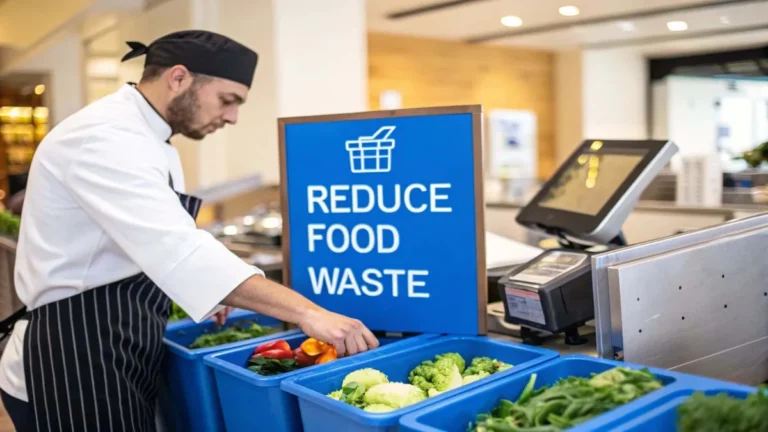
A: The key is to make it easy and rewarding. Start by explaining the why-how reducing waste saves money, improves efficiency, and helps the environment. Then, simplify the process. For example, set up a dedicated bin for stale bread and label it “Bread Upcycle Station.” Encourage your team to get creative with repurposing, and celebrate their ideas. You might even consider tying waste reduction to bonuses or incentives. The more ownership your team feels over the process, the more successful it will be.
Q: What do I do with bread that’s past the point of being edible?
A: Even bread that’s too stale to eat can still be useful. Here are a few options:
- Compost it. Many cities have municipal composting programs that accept food waste from businesses. If yours doesn’t, consider starting your own compost pile or partnering with a local garden or farm.
- Donate it to a farm or animal sanctuary. Stale bread can be a great supplement for livestock like chickens, pigs, or goats. Just make sure to check with the farm first, some animals have dietary restrictions.
- Use it for non-food purposes. Stale bread can be used to make art, crafts, or even biofuel. Get creative!
The key is to think of stale bread as a resource, not waste. Even if it’s not edible, it can still have value.
@article{the-hidden-cost-of-stale-bread-a-chefs-guide-to-cutting-commercial-kitchen-waste-without-losing-your-mind,
    title   = {The Hidden Cost of Stale Bread: A Chef’s Guide to Cutting Commercial Kitchen Waste Without Losing Your Mind},
    author  = {Chef's icon},
    year    = {2026},
    journal = {Chef's Icon},
    url     = {https://chefsicon.com/commercial-kitchen-bread-waste-reduction-strategies/}
}