The Best Fluffy Pancakes recipe you will fall in love with. Full of tips and tricks to help you make the best pancakes.
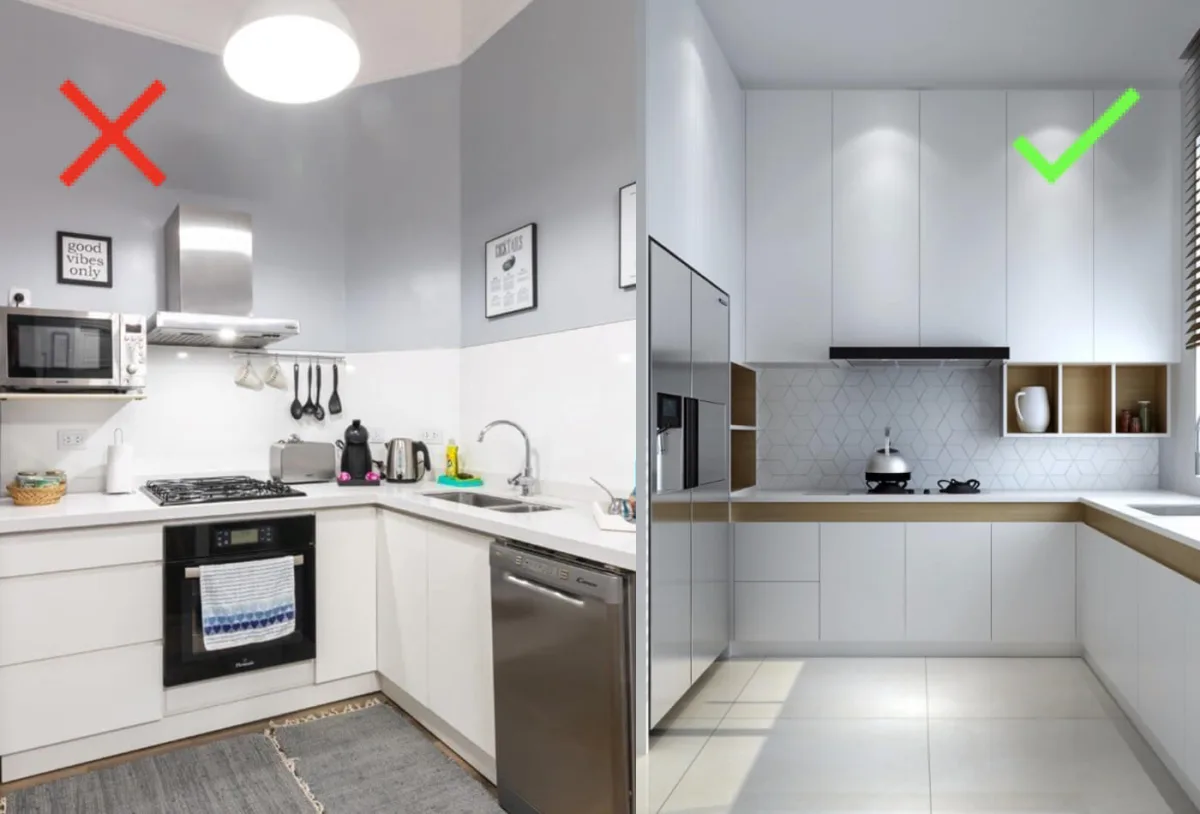
Let me tell you about the time I walked into a Michelin-starred kitchen in San Francisco, yes, one of those places where the plates cost more than my rent, and found the pastry chef elbow-deep in a walk-in, muttering under her breath while digging through a mountain of mismatched containers. The line cooks were stepping over crates of herbs just to reach the prep station. And the sous chef? He was using a hotel pan as a makeshift shelf because, somehow, they’d run out of actual shelving. It was a masterclass in how ot to handle small kitchen storage, and it stuck with me.
Now, I get it. Space is a luxury in commercial kitchens, especially in cities where rent eats up half your budget before you even buy a single onion. But here’s the thing: storage mistakes don’t just waste space, they waste time, money, and sanity. I’ve seen chefs with decades of experience make the same avoidable errors, and I’ve watched how those mistakes snowball into chaos during a Saturday night rush. The good news? Most of these issues are fixable with a little foresight and some clever tweaks.
In this article, I’m going to break down the 10 most common small kitchen storage mistakes commercial chefs make, why they happen, and, most importantly, how to fix them. We’ll talk about everything from the psychology of clutter to the nitty-gritty of shelving heights, and by the end, you’ll have a game plan to turn even the tiniest kitchen into a well-oiled machine. Sound good? Let’s dive in.
The Hidden Costs of Poor Storage in Small Kitchens
Before we get into the specifics, let’s talk about why this matters. I’ve worked with chefs who treat storage like an afterthought, something to deal with “later,” once the menu is locked in and the staff is trained. But here’s the hard truth: poor storage is a silent profit killer. It’s not just about aesthetics or organization; it’s about the cold, hard numbers.
First, there’s the waste factor. When ingredients are buried under piles of other ingredients, they get forgotten. That case of heirloom tomatoes you bought on a whim? It’s now a science experiment in the back of the walk-in. The half-used container of heavy cream? Expired. The sad truth is that most kitchens waste between 4% and 10% of their food before it even hits the plate, and a huge chunk of that waste is due to poor visibility and accessibility. If you can’t see it, you can’t use it, and if you can’t reach it, you won’t.
Then there’s the time tax. How many minutes do your cooks spend every shift searching for that one container of clarified butter or digging through a drawer of mismatched ladles? Those minutes add up. In a small kitchen, where every second counts, disorganization can turn a 10-minute prep task into a 20-minute ordeal. Multiply that by the number of cooks and the number of shifts, and suddenly, you’re paying for hours of labor that could’ve been spent on actual cooking.
And let’s not forget the safety risks. Cluttered walk-ins, overstuffed shelves, and improperly stored chemicals are accidents waiting to happen. I’ve seen cooks slip on spilled oil that wasn’t cleaned up because the mop bucket was buried under a pile of dirty towels. I’ve seen fires start because a flammable spray was stored too close to the stove. In a small kitchen, every inch of space needs to be treated like a potential hazard-because it is.
Finally, there’s the mental load. A cluttered kitchen is a stressful kitchen. When your brain is constantly scanning for the next obstacle, whether it’s a rogue knife on the counter or a precariously stacked tower of sheet pans, it’s harder to focus on the actual cooking. Clutter drains cognitive bandwidth, and in a high-pressure environment like a commercial kitchen, that’s the last thing you need.
So, with all that in mind, let’s get into the specific mistakes, and how to fix them.
1. The “We’ll Figure It Out Later” Shelving Mistake
I see this one all the time: chefs who buy shelving units based on price or availability, not functionality. They grab whatever’s on sale at the restaurant supply store, slap it up against the wall, and call it a day. But here’s the problem: ot all shelving is created equal, and in a small kitchen, every inch of vertical space matters.
First, let’s talk about shelf depth. Most commercial shelving units come in standard depths-12 inches, 18 inches, 24 inches, but if you’re not careful, you’ll end up with shelves that are either too shallow (wasting vertical space) or too deep (making it impossible to reach the back). In a small kitchen, 18-inch shelves are usually the sweet spot. They’re deep enough to hold most containers and equipment but shallow enough that you’re not playing Jenga every time you need to grab something.
Then there’s the shelf height. This is where a lot of chefs mess up. They set all their shelves at the same height, which means they’re either too close together (wasting space) or too far apart (making it hard to reach the top shelf). The fix? Adjustable shelving. If you’re not using shelving units with adjustable heights, you’re leaving money on the table. Here’s a quick rule of thumb: the most frequently used items should be between waist and shoulder height. That’s the “golden zone” where you can grab things without bending or stretching. Less frequently used items can go higher or lower, but even then, don’t make your cooks climb a ladder every time they need a spare whisk.
And speaking of ladders-don’t store anything above 7 feet. I know, I know, you’re thinking, “But Sammy, that’s wasted space!” No, it’s not. It’s wasted time and safety hazards. If your cooks need a step stool to reach something, they’re not going to use it as often as they should. And if they’re balancing on a wobbly stool while holding a 20-pound bag of flour? That’s a workers’ comp claim waiting to happen.
Finally, let’s talk about shelf material. Wire shelving is popular because it’s cheap and easy to clean, but it’s not always the best choice. If you’re storing small items, like spices, packets of sauce, or small containers, wire shelves can be a nightmare. Things fall through the gaps, and suddenly you’re on your hands and knees searching for that one packet of saffron. Solid shelving or perforated shelving with small holes is a better option for small items. And if you’re storing heavy equipment, like cast-iron pans or stockpots, make sure your shelves are rated for the weight. Nothing kills morale like a shelf collapse mid-service.
Is this the best approach? Let’s consider: maybe you’re thinking, “But Sammy, I don’t have the budget to redo all my shelving.” Fair point. But here’s the thing-you don’t have to do it all at once. Start with the most problematic shelves, the ones that cause the most frustration during service. Swap out one unit, see how it works, and go from there. Small changes add up.
2. The “One Size Fits All” Container Conundrum
Ah, containers. The unsung heroes of kitchen storage. Or, more accurately, the unsung villains when they’re used incorrectly. I’ve seen kitchens where every single ingredient is stored in whatever container was handy, plastic deli cups, random Tupperware, even takeout containers from the restaurant down the street. And while I admire the frugality, this is a recipe for disaster.
First, let’s talk about standardization. In a commercial kitchen, consistency is key. That means using the same type of container for the same type of ingredient. For example, all your dry goods, flour, sugar, rice, should be stored in airtight, stackable containers of the same size. All your mise en place should be in identical cambros or hotel pans. Why? Because when every container looks the same, your brain doesn’t have to work as hard to find what you need. It’s like muscle memory for your eyes. You see a 1/6 pan, and you know exactly what’s in it without even reading the label.
But here’s where it gets tricky: ot all containers are created equal. Some are better for dry goods, some for liquids, some for cold storage. Here’s a quick breakdown:
- Dry goods: Airtight, stackable containers with clear sides. Think Cambro or Rubbermaid. You want to be able to see the contents at a glance, and you want them to be easy to stack so you’re not wasting vertical space.
- Liquids: Containers with pour spouts and tight-sealing lids. Mason jars work great for small quantities, while larger batches might need something like a Lexan container with a gasket lid. The key here is o spills. I’ve seen too many kitchens lose entire batches of stock because someone knocked over a poorly sealed container.
- Cold storage: Shallow, wide containers are best for walk-ins because they allow for even cooling. Deep containers take longer to chill, which means your food spends more time in the “danger zone” (between 40°F and 140°F), where bacteria thrive. Also, ever store liquids in deep containers in the walk-in. They take forever to cool, and you’re basically creating a petri dish for bacteria.
- Mise en place: Small, stackable containers with lids. Cambro 1/6 pans are the gold standard here, but any small, uniform container will do. The key is that they need to be easy to grab and easy to clean. If your cooks are wasting time wrestling with lids or scrubbing out weird shapes, you’re losing efficiency.
Now, let’s talk about labels. I know, I know, labeling seems like a no-brainer. But you’d be surprised how many kitchens skip this step. And even when they do label, they do it wrong. Here’s the thing: labels need to be clear, consistent, and easy to read at a glance. That means:
- Use a label maker or printed labels. Handwritten labels are fine in a pinch, but they’re not scalable. If you’re serious about organization, invest in a label maker or print out labels with a consistent font and size.
- Include the date. This is non-negotiable. Every container should have the date it was prepped or opened. Use the “first in, first out” (FIFO) system-older items go in the front, newer items in the back. This alone can cut your food waste by half.
- Color-code if possible. Some kitchens use colored labels or tape to indicate categories, red for proteins, blue for dairy, green for produce, etc. This isn’t necessary, but it can be a helpful visual cue, especially for new cooks.
- Label the lid, not the side. This is a small but game-changing tip. If you label the lid, you can see what’s inside without having to pick up the container. If you label the side, you’re stuck playing “guess the ingredient” every time you open the walk-in.
I’m torn between two schools of thought here. On one hand, standardization is crucial-it saves time, reduces waste, and makes training new staff easier. On the other hand, I get that not every kitchen has the budget to overhaul their entire container system overnight. So where do you start? Pick one category, dry goods, mise en place, or cold storage, and standardize that first. See how it feels, then expand from there. Baby steps.
3. The “We Don’t Need a System” Walk-In Woes
Walk-ins are the heart of any commercial kitchen, and yet, they’re often the most disorganized spaces in the entire operation. I’ve seen walk-ins that look like a game of Tetris gone wrong, random containers stacked haphazardly, half-empty bags of produce shoved into corners, and shelves so overloaded they look like they’re about to collapse. And the worst part? Most chefs don’t even realize how much time and money they’re wasting because of a poorly organized walk-in.
First, let’s talk about zoning. Your walk-in should be divided into distinct zones based on temperature and usage. Here’s a simple breakdown:
- Raw proteins: This should be the coldest part of the walk-in, usually near the back. Store raw meats on the bottom shelf to prevent cross-contamination from drips. Use perforated hotel pans to allow for airflow and keep meats from sitting in their own juices.
- Dairy and eggs: These should be stored on a middle shelf, away from strong odors (like fish or onions) that can absorb into the porous shells or packaging.
- Produce: Most produce does best in the high-humidity section of the walk-in. Store it in shallow, perforated containers to allow for airflow and prevent spoilage. And for the love of all things holy, don’t store onions and potatoes together. Onions release gases that make potatoes sprout faster.
- Prepared foods: These should be stored in shallow, covered containers on the top shelves. The key here is FIFO (First In, First Out)-older items in the front, newer items in the back. Label everything with the date and contents.
- Dry storage overflow: If you’re using your walk-in for dry goods (like flour or sugar), keep them in airtight, sealed containers and store them on the highest shelves. But honestly? This is a last resort. Dry goods should be stored at room temperature whenever possible.
Now, let’s talk about shelf organization. The biggest mistake I see in walk-ins is overloading shelves. When shelves are packed to the brim, air can’t circulate properly, which means your fridge has to work harder to maintain temperature. That’s not just bad for your food, it’s bad for your energy bill. Leave at least 2 inches of space between items to allow for airflow. And if you’re stacking containers, make sure they’re stackable and stable. Nothing ruins a shift like a tower of hotel pans crashing to the floor.
Another common mistake? Storing items on the floor. I don’t care if you’re using a milk crate or a fancy dunnage rack-othing should be stored directly on the floor. It’s a health code violation, it blocks airflow, and it’s just asking for a pest problem. If you’re running out of shelf space, it’s time to rethink your storage system, not start stacking things on the ground.
And finally, let’s talk about cleanliness. Walk-ins are notoriously dirty because, let’s face it, no one wants to clean them. But a dirty walk-in is a breeding ground for bacteria, mold, and pests. Schedule a deep clean at least once a month, and do a quick wipe-down of shelves and walls every week. Use food-safe sanitizers and make sure to clean the coils and fans regularly to keep your fridge running efficiently.
Maybe I should clarify: when I say “deep clean,” I don’t mean just wiping down the shelves. I mean emptying the entire walk-in, scrubbing every surface, and checking for any signs of wear and tear. It’s a pain, but it’s worth it. A clean walk-in is a happy walk-in.
4. The “We’ll Just Stack It” Equipment Nightmare
Let’s talk about equipment. Specifically, the “we’ll just stack it and hope for the best” approach that so many small kitchens take. I get it, when space is tight, you have to get creative. But stacking equipment haphazardly is a recipe for disaster. Not only does it make your kitchen look like a junkyard, but it’s also a safety hazard and an efficiency killer.
First, let’s talk about heavy equipment. Things like stand mixers, food processors, and slicers are essential, but they’re also bulky and heavy. If you’re stacking them on top of each other, you’re asking for trouble. Never stack heavy equipment. Period. If you absolutely must stack something, make sure it’s lightweight and stable, like sheet pans or cutting boards. And even then, don’t stack them too high. A tower of sheet pans might look impressive, but it’s also a tipping hazard.
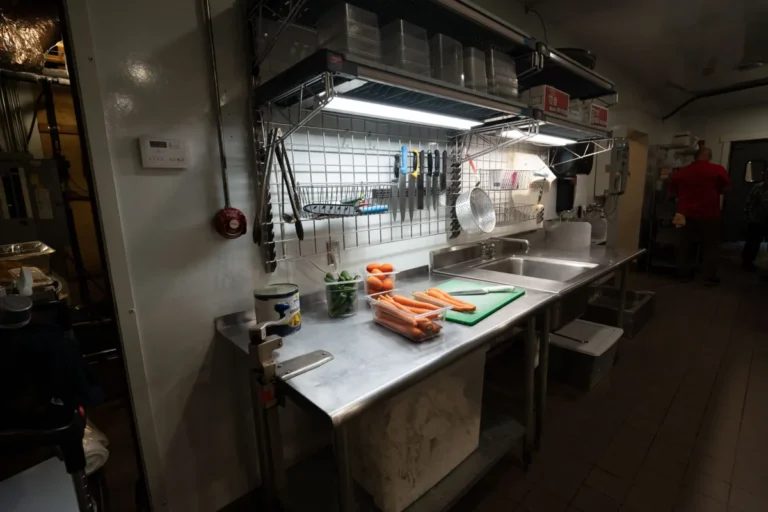
Instead of stacking, think vertical. Use wall-mounted racks or pegboards to store equipment off the counter. A pegboard is one of the best investments you can make in a small kitchen, it’s cheap, customizable, and it keeps everything within reach. You can hang everything from ladles to whisks to small appliances, freeing up valuable counter space. And the best part? You can rearrange it as your needs change.
Another option is under-counter storage. If you have deep counters, you can install pull-out shelves or drawers to store equipment. This is especially useful for things like stand mixers or food processors that you don’t use every day. Just make sure the shelves are rated for the weight-nothing ruins a shift like a drawer full of equipment collapsing mid-service.
Now, let’s talk about small equipment. Things like tongs, whisks, and ladles are easy to overlook, but they can quickly turn into a cluttered mess if you’re not careful. The key here is dedicated storage. Use utensil crocks or magnetic strips to keep small tools organized and within reach. If you’re using a utensil crock, make sure it’s easy to clean and sanitize-no one wants to dig through a grimy, bacteria-filled container for a pair of tongs.
And finally, let’s talk about cords. Nothing says “chaos” like a tangle of cords snaking across the counter. Use cord organizers or Velcro straps to keep cords tidy and prevent them from becoming a tripping hazard. If you’re storing equipment with cords, like blenders or immersion circulators, make sure the cords are wrapped neatly and secured so they don’t get tangled or damaged.
I’m torn between two approaches here. On one hand, wall-mounted storage is the most efficient-it keeps everything off the counter and within reach. On the other hand, not every kitchen has the wall space for a pegboard or racks. So what’s the alternative? Mobile storage. Rolling carts or workstations can be a great solution for small kitchens because they’re flexible and multi-functional. You can use them to store equipment, prep ingredients, or even as a mobile plating station. The key is to choose carts that are sturdy, easy to clean, and the right size for your space.
5. The “We Don’t Need a System for That” Dry Storage Disaster
Dry storage is one of those things that seems simple, until it’s not. I’ve seen kitchens where the dry storage area looks like a black hole: ingredients go in, but they never come out (at least, not until they’ve expired). And the worst part? Most chefs don’t even realize how much money they’re wasting because of poor dry storage practices.
First, let’s talk about shelving. Just like in the walk-in, adjustable shelving is key. You want to be able to customize the height of your shelves based on what you’re storing. For example, tall items like bags of flour or sugar need more vertical space, while smaller items like spices or packets of sauce can be stored on shorter shelves. Wire shelving is usually the best option for dry storage because it allows for airflow, which helps prevent moisture buildup and pests.
But here’s where a lot of chefs mess up: they store everything in its original packaging. I get it, it’s convenient, and it saves time. But those flimsy plastic bags and cardboard boxes are ot airtight, not pest-proof, and not stackable. They’re also a pain to label. Instead, transfer dry goods to airtight, stackable containers as soon as they arrive. This does two things: it extends the shelf life of your ingredients and it makes your dry storage area look and feel more organized.
Now, let’s talk about organization. Dry storage should be divided into zones based on category. Here’s a simple breakdown:
- Baking supplies: Flour, sugar, baking powder, etc. Store these in airtight containers to prevent moisture and pests. Label everything with the date and contents.
- Canned goods: These can be stored in their original packaging, but make sure they’re organized by type and date. Use the FIFO system, older cans in the front, newer cans in the back.
- Spices and herbs: Store these in small, airtight containers away from heat and light. A spice rack or wall-mounted organizer can be a great way to keep them within reach while saving counter space.
- Dry pasta and grains: These should be stored in airtight containers to prevent pests. If you’re storing them in bulk, consider using food-grade buckets with gamma seal lids-they’re airtight, stackable, and easy to access.
- Snacks and miscellaneous items: Things like crackers, nuts, and dried fruit should be stored in resealable bags or containers to keep them fresh. Label everything with the date and contents.
Another common mistake? Ignoring the floor. Just like in the walk-in, othing should be stored directly on the floor. It’s a health code violation, it blocks airflow, and it’s just asking for a pest problem. Use dunnage racks or pallets to keep items off the ground. And if you’re storing heavy items, like bags of flour or sugar, make sure they’re stacked safely and securely. A 50-pound bag of flour falling on someone’s foot is not a fun way to start a shift.
And finally, let’s talk about pest control. Dry storage is a prime target for pests like rodents, cockroaches, and pantry moths. Inspect your dry storage area regularly for signs of pests, droppings, chew marks, or webbing. Use pest-proof containers for all your dry goods, and consider setting up traps or hiring a pest control service if you notice any issues. And for the love of all things holy, don’t store food near cleaning supplies or chemicals. Not only is it a health code violation, but it’s also a great way to contaminate your ingredients.
Is this the best approach? Let’s consider: maybe you’re thinking, “But Sammy, I don’t have time to transfer every ingredient to a new container.” Fair point. But here’s the thing-you don’t have to do it all at once. Start with the most problematic items, like flour or sugar, and go from there. And if you’re really pressed for time, at least label everything and use the FIFO system. Small changes add up.
6. The “We’ll Just Shove It in the Drawer” Utensil Chaos
Let’s talk about utensils. Specifically, the “we’ll just shove it in the drawer and hope for the best” approach that so many kitchens take. I’ve seen drawers that look like a junk drawer on steroids, tongs tangled with whisks, ladles buried under spatulas, and enough mystery tools to open a hardware store. And the worst part? It’s a huge waste of time and efficiency.
First, let’s talk about dedicated storage. Utensils should have their own home, not just a random drawer where they get lost in the shuffle. The best way to store utensils is within arm’s reach of where they’re used. For example, tongs and spatulas should be near the grill or sauté station, while whisks and ladles should be near the prep area. This might seem obvious, but you’d be surprised how many kitchens ignore this basic principle.
Now, let’s talk about organization. The key here is divide and conquer. Use utensil organizers or dividers to keep things separated and easy to find. Here’s a simple breakdown:
- Tongs and spatulas: Store these in a utensil crock or wall-mounted rackear the grill or sauté station. If you’re using a crock, make sure it’s easy to clean and sanitize-no one wants to dig through a grimy container for a pair of tongs.
- Whisks and ladles: Store these in a drawer organizer or wall-mounted rackear the prep area. If you’re using a drawer, make sure it’s divided into sections so things don’t get tangled.
- Knives: Store these in a magnetic strip or knife blockear the cutting station. Never store knives in a drawer, it’s a safety hazard and a great way to dull your blades.
- Small tools: Things like peelers, zesters, and can openers should be stored in a small container or caddyear the prep area. If you’re using a caddy, make sure it’s easy to clean and sanitize.
Another common mistake? Overloading drawers. When drawers are packed to the brim, it’s hard to find what you need, and things get damaged or lost. Leave some breathing room-if a drawer is more than 75% full, it’s time to rethink your storage system. Consider using wall-mounted racks or pegboards to free up drawer space.
And finally, let’s talk about cleanliness. Utensils are one of the most frequently used items in a kitchen, which means they’re also one of the dirtiest. Clean and sanitize your utensil storage areas regularly-at least once a week, if not more. And if you’re using a utensil crock, make sure it’s dishwasher-safe and easy to clean. A grimy utensil crock is a breeding ground for bacteria.
I’m torn between two approaches here. On one hand, wall-mounted storage is the most efficient-it keeps everything off the counter and within reach. On the other hand, not every kitchen has the wall space for a pegboard or racks. So what’s the alternative? Mobile storage. A rolling cart or workstation can be a great solution for small kitchens because it’s flexible and multi-functional. You can use it to store utensils, prep ingredients, or even as a mobile plating station. The key is to choose a cart that’s sturdy, easy to clean, and the right size for your space.
7. The “We Don’t Need a Label” Spice Rack Fiasco
Spices. They’re the backbone of flavor in any kitchen, and yet, they’re often the most disorganized items in the entire operation. I’ve seen spice racks that look like a game of “guess the spice”-unlabeled containers, half-empty jars, and enough dust to suggest they haven’t been touched since the Clinton administration. And the worst part? It’s a huge waste of money and flavor.
First, let’s talk about containers. Spices should be stored in small, airtight containers to preserve their flavor and freshness. Glass jars with tight-sealing lids are ideal, but if you’re on a budget, small plastic containers with snap-on lids work too. The key is to keep them airtight and away from heat and light. Never store spices in their original packaging, those flimsy bags and cardboard containers are ot airtight and not stackable.
Now, let’s talk about organization. Spices should be grouped by category and stored in a way that makes them easy to find. Here’s a simple breakdown:
- Frequently used spices: These should be stored in a spice rack or wall-mounted organizerear the prep area. Think salt, pepper, garlic powder, paprika, etc.
- Less frequently used spices: These can be stored in a drawer or cabinet, but make sure they’re labeled and organized by category (e.g., baking spices, savory spices, etc.).
- Bulk spices: If you’re buying spices in bulk, store them in airtight, food-grade containers in a cool, dark place. Label everything with the date and contents.
And here’s where a lot of chefs mess up: they don’t label their spices. I know, I know, labeling seems like a no-brainer. But you’d be surprised how many kitchens skip this step. And even when they do label, they do it wrong. Here’s the thing: labels need to be clear, consistent, and easy to read at a glance. That means:
- Use a label maker or printed labels. Handwritten labels are fine in a pinch, but they’re not scalable. If you’re serious about organization, invest in a label maker or print out labels with a consistent font and size.
- Include the date. Spices lose their flavor over time, so it’s important to know when they were opened. Use the “first in, first out” (FIFO) system-older spices in the front, newer spices in the back.
- Label the lid, not the side. This is a small but game-changing tip. If you label the lid, you can see what’s inside without having to pick up the container. If you label the side, you’re stuck playing “guess the spice” every time you open the cabinet.
Another common mistake? Storing spices near the stove or oven. Heat and light are the enemies of flavor, so keep your spices in a cool, dark place. If you’re using a spice rack, make sure it’s away from direct sunlight and heat sources. And if you’re storing spices in a cabinet, make sure it’s ot above the stove or oven.
And finally, let’s talk about freshness. Spices don’t last forever. Ground spices typically last about 6 months, while whole spices can last up to a year. Check your spices regularly for freshness-if they’ve lost their aroma or flavor, it’s time to toss them. And if you’re not sure, do the “sniff test”-if it doesn’t smell like anything, it’s not going to taste like anything either.
Maybe I should clarify: when I say “check your spices regularly,” I don’t mean once a year. I mean every few months. Set a reminder on your phone or calendar to do a spice inventory every quarter. It’s a small task, but it can make a big difference in the flavor of your dishes.
8. The “We’ll Just Wing It” Chemical Storage Blunder
Let’s talk about chemicals. Specifically, the “we’ll just wing it and hope for the best” approach that so many kitchens take. I’ve seen kitchens where cleaning supplies are stored next to food, where flammable sprays are kept near the stove, and where chemicals are labeled with nothing more than a Sharpie scribble. And the worst part? It’s a huge safety hazard.
First, let’s talk about separation. Chemicals should ever be stored near food. That means no bleach next to the flour, no degreaser next to the olive oil, and no sanitizer next to the spices. Chemicals should have their own dedicated storage area, preferably in a locked cabinet or closet. If you don’t have a separate storage area, at least keep chemicals on the lowest shelf to prevent spills from contaminating food.
Now, let’s talk about labeling. Every chemical container should be clearly labeled with the contents and any safety warnings. This isn’t just a good idea, it’s a health code requirement. If you’re using a spray bottle, make sure it’s labeled with the chemical name and any dilution instructions. And if you’re storing chemicals in their original containers, make sure the labels are legible and intact.
Another common mistake? Storing flammable chemicals near heat sources. Things like degreasers, aerosol sprays, and alcohol-based cleaners should ever be stored near the stove, oven, or grill. They should be kept in a cool, dry place, away from any potential ignition sources. And if you’re storing large quantities of flammable chemicals, make sure you’re following local fire codes and regulations.
And finally, let’s talk about MSDS (Material Safety Data Sheets). Every chemical in your kitchen should have an accompanying MSDS, which provides information on the chemical’s properties, hazards, and safe handling procedures. Keep these sheets in a binder or folder in an easily accessible location, and make sure all your staff know where to find them. If you’re not sure where to get MSDS sheets, check the manufacturer’s website or contact your chemical supplier.
I’m torn between two approaches here. On one hand, separate storage is the safest option-it prevents contamination and reduces the risk of accidents. On the other hand, not every kitchen has the space for a dedicated chemical storage area. So what’s the alternative? Use a locked cabinet or closet. If you don’t have a separate room, at least keep chemicals in a locked cabinet or closet to prevent unauthorized access. And if you’re storing chemicals on a shelf, make sure they’re on the lowest shelf and away from food.
9. The “We Don’t Have Time for That” Inventory Oversight
Inventory. It’s one of those tasks that no one wants to do, but everyone knows is essential. And yet, I’ve seen kitchens where inventory is an afterthought, something that gets done “when we have time,” which, let’s be honest, is never. The result? Wasted food, wasted money, and wasted time.
First, let’s talk about frequency. How often should you do inventory? The short answer: as often as possible. The long answer: it depends on your kitchen. If you’re a high-volume restaurant with a lot of perishable ingredients, you should be doing inventory at least once a week. If you’re a smaller operation with mostly dry goods, you can get away with once every two weeks. But here’s the thing: the more often you do inventory, the more accurate it will be. And the more accurate your inventory, the less waste you’ll have.
Now, let’s talk about organization. Inventory should be systematic and consistent. That means using the same method every time, whether it’s a spreadsheet, an app, or good old-fashioned pen and paper. Here’s a simple breakdown:
- Start with a template. Create a spreadsheet or checklist that lists all your ingredients, along with their units of measurement (e.g., pounds, ounces, cases). This will make it easier to track quantities and compare them over time.
- Group ingredients by category. For example, group all your proteins together, all your produce together, all your dry goods together, etc. This will make it easier to find what you’re looking for and spot any discrepancies.
- Use the FIFO system. As you’re doing inventory, make sure older items are in the front and newer items are in the back. This will help you use up ingredients before they expire.
- Take notes. If you notice any discrepancies, like a missing case of tomatoes or an extra bag of flour, make a note of it. This will help you identify patterns and adjust your ordering accordingly.
Another common mistake? Not involving your staff. Inventory shouldn’t be a one-person job. Get your cooks and prep staff involved-they’re the ones who use the ingredients every day, so they’re more likely to notice if something is missing or expired. Plus, involving your staff in inventory can help them understand the importance of waste reduction and cost control.
And finally, let’s talk about technology. There are a ton of inventory management apps and software out there, from simple spreadsheets to full-blown POS integrations. If you’re still using pen and paper, it’s time to upgrade to a digital system. Not only will it save you time, but it will also give you real-time data and insights into your inventory. Some popular options include Toast, Upserve, and MarketMan, but there are plenty of others to choose from.
I’m torn between two schools of thought here. On one hand, digital inventory systems are the future-they’re faster, more accurate, and more efficient. On the other hand, not every kitchen has the budget or the tech-savviness to implement a digital system. So what’s the alternative? Start with a simple spreadsheet. It’s not as fancy as a full-blown app, but it’s better than nothing. And once you get the hang of it, you can always upgrade to a more sophisticated system later.
10. The “We’ll Deal With It Later” Maintenance Neglect
Maintenance. It’s one of those things that’s easy to ignore, until it’s not. I’ve seen kitchens where storage areas are treated like a dumping ground, where shelves are held together with duct tape, and where refrigeration units are on their last legs. And the worst part? It’s a ticking time bomb.
First, let’s talk about shelving maintenance. Shelves take a beating in a commercial kitchen, spills, heavy equipment, constant use. Inspect your shelves regularly for signs of wear and tear, like rust, bent wires, or loose screws. If a shelf is wobbly or unstable, fix it or replace it. And if you’re using wire shelving, make sure the coating is intact-exposed metal can rust and contaminate food.
Now, let’s talk about refrigeration maintenance. Walk-ins and reach-ins are the workhorses of any kitchen, and they need to be cleaned and serviced regularly. Here’s a quick checklist:
- Clean the coils. Dust and debris can build up on the coils, making your fridge work harder and use more energy. Clean the coils at least once a month with a coil brush or vacuum.
- Check the seals. The door seals (or gaskets) on your fridge should be clean and intact. If they’re cracked or dirty, they won’t seal properly, which means your fridge has to work harder to maintain temperature. Clean the seals regularly with warm, soapy water, and replace them if they’re damaged.
- Monitor the temperature. Your walk-in and reach-in should be between 34°F and 40°F. Use a digital thermometer to check the temperature regularly, and make sure it’s consistent throughout the fridge. If you notice any hot spots or temperature fluctuations, it’s time to call a technician.
- Defrost the freezer. If you have a manual defrost freezer, defrost it regularly to prevent ice buildup. Ice can insulate the coils, making your freezer work harder and use more energy.
Another common mistake? Ignoring small problems. A loose screw, a wobbly shelf, a slow leak, these might seem like minor issues, but they can quickly turn into major problems if they’re not addressed. Fix small problems as soon as you notice them, before they become big, expensive headaches.
And finally, let’s talk about pest control. Pests are a fact of life in any kitchen, but they’re especially problematic in storage areas. Inspect your storage areas regularly for signs of pests, like droppings, chew marks, or webbing. Use pest-proof containers for all your food, and consider setting up traps or hiring a pest control service if you notice any issues. And for the love of all things holy, don’t store food near cleaning supplies or chemicals. Not only is it a health code violation, but it’s also a great way to attract pests.
Maybe I should clarify: when I say “inspect your storage areas regularly,” I don’t mean once a year. I mean every week. Set aside 10 minutes at the end of each shift to do a quick walkthrough of your storage areas. Look for signs of wear and tear, pests, or other issues. It’s a small task, but it can save you a lot of time and money in the long run.
Putting It All Together: A Small Kitchen Storage Checklist
Okay, let’s take a step back. We’ve covered a lot of ground here, shelving, containers, walk-ins, dry storage, utensils, spices, chemicals, inventory, maintenance. It’s a lot to take in, and I get that. So let’s break it down into a simple, actionable checklist that you can use to audit your own kitchen. Here’s what to look for:
- Shelving:
- Are your shelves the right depth (18 inches is usually the sweet spot)?
- Are your shelves adjustable to accommodate different-sized items?
- Are your most frequently used items between waist and shoulder height?
- Is nothing stored above 7 feet?
- Are your shelves rated for the weight of what you’re storing?
- Containers:
- Are you using the same type of container for the same type of ingredient?
- Are your containers airtight, stackable, and easy to clean?
- Are all your containers labeled with the contents and date?
- Are you using the FIFO system (older items in the front, newer items in the back)?
- Walk-in:
- Is your walk-in divided into zones (proteins, dairy, produce, prepared foods)?
- Are you leaving at least 2 inches of space between items for airflow?
- Is nothing stored on the floor?
- Are you using shallow, covered containers for prepared foods?
- Is your walk-in clean and free of spills or debris?
- Dry storage:
- Are you using airtight, stackable containers for dry goods?
- Are your shelves adjustable to accommodate different-sized items?
- Are you using the FIFO system?
- Is nothing stored on the floor?
- Are you inspecting for pests regularly?
- Utensils:
- Are your utensils stored within arm’s reach of where they’re used?
- Are you using utensil organizers or dividers to keep things separated?
- Are your utensil storage areas clean and sanitized?
- Spices:
- Are your spices stored in small, airtight containers?
- Are your spices labeled with the contents and date?
- Are your spices stored away from heat and light?
- Are you checking for freshness regularly?
- Chemicals:
- Are your chemicals stored in a dedicated area, away from food?
- Are all your chemical containers labeled with the contents and safety warnings?
- Are flammable chemicals stored away from heat sources?
- Do you have MSDS sheets for all your chemicals?
- Inventory:
- Are you doing inventory at least once a week?
- Are you using a systematic method (spreadsheet, app, etc.)?
- Are you involving your staff in the inventory process?
- Are you using the FIFO system?
- Maintenance:
- Are you inspecting your shelves regularly for signs of wear and tear?
- Are you cleaning your refrigeration coils at least once a month?
- Are you checking your fridge seals regularly?
- Are you monitoring your fridge temperature regularly?
- Are you fixing small problems as soon as you notice them?
How does your kitchen stack up? If you’re checking off most of these boxes, congratulations, you’re ahead of the game. If not, don’t panic. Start with one or two areas, make some changes, and see how it feels. Small steps add up, and before you know it, your kitchen will be running smoother than ever.
Final Thoughts: The Psychology of Small Kitchen Storage
At the end of the day, small kitchen storage isn’t just about shelves and containers, it’s about mindset. It’s about recognizing that every inch of space in your kitchen is valuable, and that disorganization isn’t just an annoyance, it’s a liability. It’s about understanding that storage isn’t something to deal with “later”-it’s something to prioritize now.
But here’s the thing: you don’t have to do it all at once. Start small. Pick one area, shelving, containers, the walk-in, and make some changes. See how it feels. Then move on to the next area. Before you know it, your kitchen will be running smoother, your staff will be happier, and your bottom line will thank you.
And if you’re feeling overwhelmed, remember this: every kitchen, no matter how big or small, has storage challenges. The difference between a good kitchen and a great kitchen isn’t the size of the space, it’s how you use it. So take a deep breath, roll up your sleeves, and get to work. Your future self will thank you.
FAQ
Q: What’s the biggest mistake commercial chefs make with small kitchen storage?
A: The biggest mistake is treating storage as an afterthought. Many chefs focus on cooking and service first, assuming they’ll “figure out” storage later. But poor storage leads to wasted time, wasted money, and wasted ingredients. The key is to plan your storage system before you even open your kitchen, and to treat it as an ongoing priority, not a one-time task.
Q: How can I maximize storage in a tiny commercial kitchen?
A: The key is to think vertically. Use wall-mounted racks, pegboards, and adjustable shelving to take advantage of every inch of space. Also, standardize your containers so they’re stackable and easy to organize. And don’t forget to use the “golden zone”-store frequently used items between waist and shoulder height for easy access.
Q: What’s the best way to organize a walk-in fridge in a small kitchen?
A: Start by zoning your walk-in-divide it into sections for proteins, dairy, produce, and prepared foods. Use shallow, covered containers for prepared foods to allow for even cooling, and leave at least 2 inches of space between items for airflow. And always use the FIFO system-older items in the front, newer items in the back.
Q: How often should I do inventory in a small commercial kitchen?
A: Ideally, you should do inventory at least once a week, especially if you’re dealing with a lot of perishable ingredients. If you’re a smaller operation with mostly dry goods, you can get away with once every two weeks. The key is to be consistent-use the same method every time, and involve your staff in the process to ensure accuracy.
@article{small-kitchen-storage-mistakes-commercial-chefs-make-and-how-to-fix-them-before-they-cost-you,
    title   = {Small Kitchen Storage Mistakes Commercial Chefs Make (And How to Fix Them Before They Cost You)},
    author  = {Chef's icon},
    year    = {2026},
    journal = {Chef's Icon},
    url     = {https://chefsicon.com/small-kitchen-storage-mistakes-commercial-chefs-make/}
}