The Best Fluffy Pancakes recipe you will fall in love with. Full of tips and tricks to help you make the best pancakes.
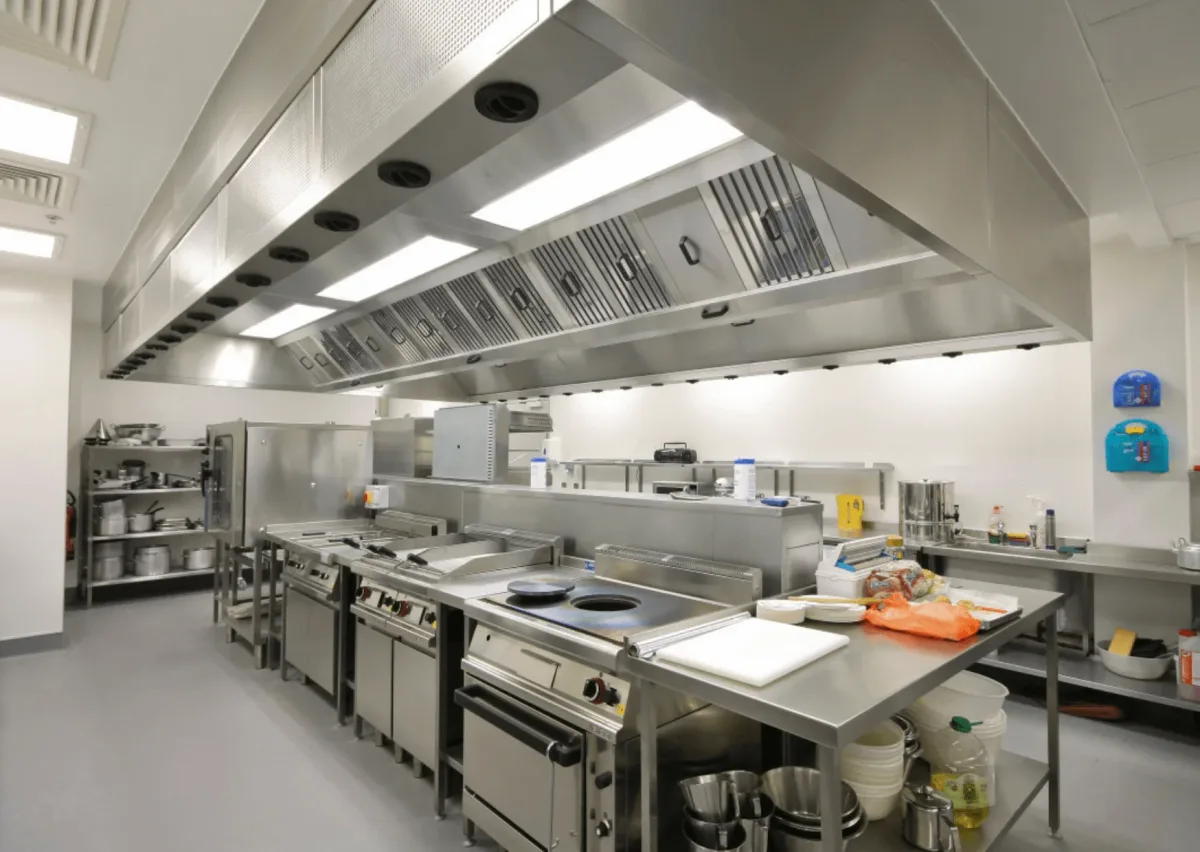
Let me be honest, when I first heard about auditing water usage in a restaurant kitchen, I rolled my eyes. “We’ve got bigger fish to fry,” I thought, literally. Between managing staff, keeping customers happy, and ensuring the food is top-notch, who has time to worry about water? But then I stumbled upon a stat that made me pause: the average restaurant uses about 5,800 gallons of water per day. That’s enough to fill a small swimming pool. Every. Single. Day.
I live in Nashville, where the Cumberland River flows right through the heart of the city, and it got me thinking. What if we’re wasting water without even realizing it? What if those little leaks, the running faucets, the inefficient equipment are adding up to something bigger, both for the environment and our bottom line? So, I decided to dig in. I talked to plumbers, read up on water-saving tech, and even shadowed a few kitchen managers to see how they tackle this. What I found surprised me. Auditing water usage isn’t just about saving the planet (though that’s a pretty great side effect). It’s about cutting costs, improving efficiency, and future-proofing your business. And the best part? It’s not as complicated as it sounds.
In this guide, I’m going to walk you through exactly how to audit water usage in your restaurant kitchen. We’ll cover everything from identifying hidden leaks to choosing the right equipment, and even how to get your staff on board. By the end, you’ll have a clear, actionable plan to reduce water waste, and maybe even save a few bucks in the process. Let’s dive in.
Why Bother Auditing Water Usage in Your Restaurant Kitchen?
Before we get into the nitty-gritty, let’s talk about why this matters. I get it, water is cheap, right? Turn on the tap, and it flows. But here’s the thing: water isn’t just about the cost of the water itself. It’s about the energy used to heat it, the sewer fees tied to your usage, and the wear and tear on your equipment when it’s working overtime. And let’s not forget the environmental impact. In many parts of the country, water scarcity is becoming a real issue. Even in Nashville, where water seems abundant, droughts and infrastructure challenges can sneak up on you.
I remember chatting with a chef friend of mine who runs a small bistro downtown. He told me about a time his water bill suddenly spiked by 30%. At first, he assumed it was a billing error. But after a quick audit, he discovered a leak in his walk-in cooler’s water line. It had been dripping for weeks, wasting thousands of gallons. Fixing it saved him over $500 a month. That’s not chump change for a small business.
So, why audit? Here are a few reasons that might hit home:
- Cost Savings: Water bills might seem small, but they add up. Reducing usage can save you hundreds, or even thousands, of dollars a year.
- Equipment Longevity: Overusing water can strain your dishwashers, ice machines, and other equipment, leading to costly repairs or replacements.
- Sustainability: Customers care about this stuff. A 2025 survey found that 68% of diners are more likely to support restaurants with strong sustainability practices.
- Regulations: Some cities are starting to implement water restrictions for commercial properties. Getting ahead of the curve can save you headaches down the road.
Is this the best approach? Let’s consider: maybe you’re thinking, “I don’t have time for this.” Or, “My staff will never go for it.” Trust me, I’ve been there. But the truth is, auditing water usage doesn’t have to be a massive undertaking. Even small changes can make a big difference. And once you see the results, you’ll wonder why you didn’t start sooner.
Step 1: Gather Your Tools and Data
Alright, let’s get started. The first step in auditing your water usage is to gather the right tools and data. You don’t need anything fancy, just a few basics to get a clear picture of where you stand. Here’s what you’ll need:
- A water meter (most restaurants already have one installed by the utility company).
- A otebook or spreadsheet to track your findings. I’m old-school, so I prefer a notebook, but a spreadsheet works too if you’re into that sort of thing.
- A measuring cup or bucket (for testing flow rates).
- A flashlight (for checking under sinks and behind equipment).
- A camera or phone (to document leaks or issues).
- Your past water bills (at least the last 6-12 months).
First things first: locate your water meter. It’s usually outside near the street or in a utility closet. If you’re not sure where it is, call your water utility company, they can point you in the right direction. Once you’ve found it, take a reading. This will be your baseline. Write it down, along with the date and time. You’ll want to compare this to future readings to see how your usage changes.
Next, grab your water bills. Look for patterns. Are there months where usage spikes? If so, why? Maybe it’s a busy season, or maybe there’s a leak you haven’t noticed. I remember one restaurant owner I talked to who noticed a spike every July. Turns out, their outdoor patio misters were running nonstop during the hottest month of the year. A simple timer fixed the issue and cut their bill by 15%.
Now, let’s talk about flow rates. This is where the measuring cup or bucket comes in. Turn on a faucet and see how long it takes to fill a gallon. Most kitchen faucets should fill a gallon in about 10-15 seconds. If it’s faster than that, you might have a high-flow faucet that’s wasting water. Jot down the flow rates for all your faucets, dishwashers, and other water-using equipment. We’ll come back to this later.
Finally, take a walk around your kitchen. Look for obvious leaks, dripping faucets, puddles under equipment, or water stains on walls or ceilings. Don’t forget to check less obvious spots, like under sinks or behind the dishwasher. Use your flashlight to get a good look. If you find anything suspicious, snap a photo. You’ll want to document this stuff for later.
Step 2: Map Out Your Water Usage
Now that you’ve got your tools and baseline data, it’s time to map out where your water is actually going. This is where things get interesting. Most restaurant owners I’ve talked to are shocked when they see how their water is being used. It’s not just about the big stuff, like dishwashers or sinks. It’s the little things, like pre-rinsing dishes, thawing food, or even cleaning floors, that add up.
Let’s break it down. Here are the main areas where water is used in a restaurant kitchen:
- Dishwashing: This is usually the biggest water hog. Commercial dishwashers can use anywhere from 1 to 3 gallons per rack, depending on the model.
- Food Prep: Washing produce, thawing food, and rinsing dishes all add up.
- Cooking: Boiling pasta, blanching vegetables, or making stock all require water.
- Cleaning: Mopping floors, sanitizing surfaces, and washing hands.
- Equipment: Ice machines, steamers, and combi ovens all use water.
- Restrooms: Yes, even your restrooms contribute to your overall water usage.
To map this out, I recommend creating a simple diagram of your kitchen. Nothing fancy, just a rough sketch with all the water-using equipment and fixtures. Label each one with its flow rate (if you measured it) and how often it’s used. For example, your dishwasher might run 50 racks a day, while your prep sink is used for 2 hours a day. This will help you visualize where the bulk of your water is going.
I’m torn between two approaches here. One option is to track usage for a single day, just observe and note how often each fixture is used. The other option is to track over a week to get a more accurate average. Honestly, both work. If you’re short on time, a single day will give you a good snapshot. But if you can swing it, a week’s worth of data will give you a clearer picture.
Here’s a pro tip: involve your staff in this process. Ask them to jot down how often they use certain equipment or fixtures. You might be surprised by what they notice. For example, one line cook I talked to pointed out that the prep sink was constantly running because the faucet didn’t have a shut-off valve. A quick fix saved them hundreds of gallons a month.
Step 3: Identify the Biggest Water Wasters
Alright, now that you’ve mapped out your water usage, it’s time to play detective. Where are the biggest water wasters hiding in your kitchen? This is where things get a little messy, but stick with me. The goal here is to identify the low-hanging fruit, the stuff that’s easy to fix and will give you the biggest bang for your buck.
Let’s start with the obvious: leaks. Even a small leak can waste thousands of gallons a year. I remember a restaurant in East Nashville that had a leaky faucet in their prep area. It was dripping at a rate of one drip per second. Sounds harmless, right? Wrong. That little drip added up to over 3,000 gallons a year. Fixing it took 10 minutes and saved them $200 annually. Not bad for a 10-minute fix.
Here’s how to check for leaks:
- Turn off all water-using equipment and fixtures.
- Check your water meter. If the dial is still moving, you’ve got a leak.
- Inspect all faucets, pipes, and connections for drips or puddles.
- Listen for the sound of running water when everything is turned off.
Next up: inefficient equipment. Older dishwashers, ice machines, and steamers can be major water wasters. For example, a high-temp dishwasher from the 1990s might use 2.5 gallons per rack, while a newer, energy-efficient model uses just 1 gallon. That’s a 60% reduction in water usage. If you’re using older equipment, it might be time for an upgrade. I know, I know, upgrades are expensive. But think of it this way: the money you save on water bills could pay for the new equipment in just a few years.
Another big water waster? Pre-rinsing dishes. I get it, no one wants to load a dishwasher with food still on the plates. But pre-rinsing under a running faucet can waste gallons of water per minute. Instead, scrape food into the trash or compost, then use a spray nozzle with a shut-off valve to rinse. This simple change can cut your dishwashing water usage in half.
Let’s not forget about thawing food. Running water over frozen food to thaw it is a huge water waster. Instead, plan ahead and thaw food in the fridge overnight. It’s safer, more efficient, and, you guessed it, saves water.
Finally, take a look at your cleaning practices. Are you using a hose to clean floors? A pressure washer? Both can use a ton of water. Instead, try using a mop and bucket, or invest in a low-flow pressure washer. Small changes like this can add up to big savings.
Step 4: Calculate Your Water Usage
Okay, so you’ve identified the biggest water wasters in your kitchen. Now it’s time to crunch the numbers. This is where things get a little math-y, but don’t worry, I’ll walk you through it. The goal here is to calculate how much water you’re using (and wasting) so you can set realistic reduction goals.
First, let’s calculate your daily water usage. Take your water meter reading from Step 1 and subtract it from a reading taken 24 hours later. This will give you your total water usage for that day. Do this for a few days to get an average. For example, if your meter reads 10,000 gallons on Monday and 10,500 gallons on Tuesday, your daily usage is 500 gallons.
Next, let’s break it down by area. Remember that diagram you made in Step 2? Now’s the time to use it. For each water-using fixture or piece of equipment, estimate how much water it uses per day. Here’s a rough guide to help you:
- Dishwasher: 1-3 gallons per rack. Multiply by the number of racks you run per day.
- Prep Sink: 2-5 gallons per minute. Multiply by the number of minutes it’s used per day.
- Handwashing Sinks: 1-2 gallons per minute. Multiply by the number of minutes they’re used per day.
- Ice Machine: 100-200 gallons per 100 pounds of ice. Check your machine’s specs for exact numbers.
- Steamer: 5-10 gallons per hour. Multiply by the number of hours it’s used per day.
Add up all these numbers to get your total estimated daily water usage. Compare this to your actual daily usage from the water meter. If there’s a big discrepancy, you might have a leak or an unaccounted-for water waster.
Now, let’s talk about waste. For each area, estimate how much water is being wasted. For example, if your prep sink runs for 2 hours a day but is only actively used for 30 minutes, that’s 90 minutes of wasted water. Multiply that by the flow rate to get your daily waste. Do this for all your fixtures and equipment.
Finally, let’s calculate your potential savings. For each water waster you identified in Step 3, estimate how much water you could save by fixing it. For example, if you reduce your dishwasher’s water usage by 1 gallon per rack and run 50 racks a day, that’s 50 gallons saved per day. Multiply that by 365 to get your annual savings. Then, multiply by your water cost per gallon to see how much money you’ll save.
I know this sounds like a lot of work, but trust me, it’s worth it. Once you see the numbers, you’ll have a clear picture of where your water is going and how much you can save. And who knows? You might even find a few surprises along the way.
Step 5: Set Realistic Water Reduction Goals
Alright, you’ve got the data. Now what? It’s time to set some goals. But not just any goals-realistic, achievable goals. The last thing you want is to set yourself up for failure. Trust me, I’ve been there. A few years ago, I decided to cut my personal water usage by 50%. Spoiler alert: it didn’t go well. I ended up taking 30-second showers and reusing the same glass of water all day. It was miserable, and I gave up after a week. Lesson learned: start small.
The same principle applies to your restaurant. Don’t aim to cut your water usage in half overnight. Instead, start with a modest goal, say, 10-15%-and build from there. Here’s how to do it:
First, look at your biggest water wasters. Which ones are the easiest to fix? For example, if you’ve got a leaky faucet, that’s a quick win. Fixing it might save you 5% of your total water usage. Start there. Then, move on to slightly bigger projects, like upgrading your dishwasher or installing low-flow faucets. Each small change will add up to big savings over time.
Next, think about your staff. Getting them on board is crucial. If they’re not motivated to save water, your efforts will fall flat. So, set team-based goals. For example, challenge your kitchen staff to reduce water usage by 10% over the next month. Offer a small reward, like a team lunch or a bonus, if they hit the target. This not only motivates them but also fosters a culture of sustainability in your restaurant.
Here’s another idea: track your progress publicly. Post your water usage data in the break room or on a staff bulletin board. Update it weekly so everyone can see how they’re doing. People love competition, so turn it into a game. Which shift can reduce water usage the most? Who can spot the most leaks? Make it fun, and your staff will be more likely to get on board.
Finally, don’t forget to celebrate your wins. When you hit a milestone, like reducing usage by 10%-take a moment to acknowledge it. Maybe it’s a shoutout in the staff meeting or a small celebration. Whatever it is, make sure your team knows their efforts are appreciated. This will keep them motivated and engaged.
Is this the best approach? Let’s consider: maybe you’re thinking, “I don’t have time to track all this.” Or, “My staff won’t care.” I get it. Change is hard, especially in a busy kitchen. But the truth is, small changes can make a big difference. And once you see the results, you’ll wonder why you didn’t start sooner. So, start small. Set a goal. Get your team on board. And watch the savings add up.
Step 6: Fix the Quick Wins First
Alright, let’s talk about the low-hanging fruit. These are the quick fixes, the stuff you can do in an afternoon that will start saving you water (and money) immediately. I love quick wins. They give you that instant gratification that keeps you motivated to tackle the bigger projects. So, let’s dive in.
First up: fix leaks. I can’t stress this enough. Leaks are the silent killers of water efficiency. A dripping faucet might not seem like a big deal, but it adds up fast. Here’s how to tackle them:
- Faucets: Replace worn-out washers or cartridges. Most hardware stores sell repair kits for under $10.
- Pipes: Tighten loose connections or replace corroded pipes. If you’re not comfortable doing this yourself, call a plumber.
- Toilets: Put a few drops of food coloring in the tank. If the color appears in the bowl without flushing, you’ve got a leak. Replace the flapper or fill valve.
Next, let’s talk about faucet aerators. These little devices screw onto the end of your faucet and mix air with the water, reducing flow without sacrificing pressure. They’re cheap (usually under $5), easy to install, and can cut your faucet’s water usage by up to 50%. I installed them in my kitchen at home, and honestly, I can’t even tell the difference in water pressure. It’s a no-brainer.
Another quick win: pre-rinse spray valves. If you’re still using an old-school faucet to rinse dishes before loading them into the dishwasher, you’re wasting a ton of water. A pre-rinse spray valve uses as little as 0.65 gallons per minute, compared to 2-5 gallons for a regular faucet. They’re affordable (around $50), easy to install, and can save you thousands of gallons a year. Plus, they make pre-rinsing dishes faster and easier. Win-win.
Let’s not forget about thawing food. Running water over frozen food to thaw it is a huge water waster. Instead, plan ahead and thaw food in the fridge overnight. It’s safer, more efficient, and, you guessed it, saves water. If you’re in a pinch, use a microwave or a cold water bath (change the water every 30 minutes). But avoid running water over food at all costs.
Finally, take a look at your cleaning practices. Are you using a hose to clean floors? A pressure washer? Both can use a ton of water. Instead, try using a mop and bucket, or invest in a low-flow pressure washer. Small changes like this can add up to big savings. And hey, your floors might even get cleaner, who knows?
I’m torn between two schools of thought here. One says, “Fix the quick wins first, they’ll give you momentum to tackle the bigger projects.” The other says, “Go for the big projects first, they’ll give you the biggest savings.” Honestly, I think both have merit. But if you’re just starting out, I’d recommend focusing on the quick wins. They’re easy, affordable, and will give you that instant gratification that keeps you motivated. Plus, they’ll free up some cash to invest in bigger projects down the road.
Step 7: Upgrade to Water-Efficient Equipment
Alright, now that you’ve tackled the quick wins, it’s time to think bigger. Upgrading to water-efficient equipment can be a game-changer for your restaurant. I know, I know, upgrades are expensive. But hear me out. The money you save on water bills can pay for the new equipment in just a few years. And in some cases, you might even qualify for rebates or tax incentives to offset the cost. So, let’s dive in.
First up: dishwashers. This is usually the biggest water user in a restaurant kitchen, so it’s a great place to start. Older dishwashers can use up to 3 gallons per rack, while newer, energy-efficient models use as little as 1 gallon. That’s a 66% reduction in water usage. Plus, newer models are often faster and more efficient, which can save you time and energy as well.
When shopping for a new dishwasher, look for the ENERGY STAR label. These models meet strict efficiency guidelines set by the EPA. They’re not only better for the environment but also better for your bottom line. And don’t forget to check with your local utility company, many offer rebates for upgrading to energy-efficient equipment.
Next, let’s talk about ice machines. Commercial ice machines can use a ton of water, some models use up to 200 gallons per 100 pounds of ice. But newer, water-efficient models use as little as 100 gallons. That’s a 50% reduction. Plus, they’re often more reliable and produce clearer, better-tasting ice. When shopping for a new ice machine, look for the ENERGY STAR label and check the water usage specs. And again, don’t forget to ask about rebates.
Another big water user: steamers. Traditional steamers can use up to 10 gallons of water per hour. But newer, connectionless steamers use as little as 1 gallon per hour. That’s a 90% reduction in water usage. Plus, they’re easier to install and maintain. If you’re in the market for a new steamer, this is definitely something to consider.
Let’s not forget about combi ovens. These versatile ovens can steam, bake, roast, and more. But they can also use a lot of water. Look for models with water-saving features, like automatic shut-off valves or low-flow steam injectors. These can cut your water usage by up to 30%.
Finally, take a look at your prep sinks. If you’re still using old-school faucets, consider upgrading to low-flow models. These use as little as 1.5 gallons per minute, compared to 2-5 gallons for traditional faucets. They’re affordable, easy to install, and can save you thousands of gallons a year. Plus, they’re often more ergonomic and easier to use.
I’m torn between two approaches here. One says, “Upgrade everything at once, it’ll give you the biggest savings.” The other says, “Upgrade one piece at a time, it’s more affordable and less disruptive.” Honestly, I think it depends on your budget and your timeline. If you’ve got the cash and the time, upgrading everything at once might be the way to go. But if you’re on a tight budget, start with the biggest water users, like your dishwasher or ice machine, and work your way down the list.
Step 8: Train Your Staff on Water-Saving Practices
Alright, let’s talk about the elephant in the room: your staff. You can have the most water-efficient equipment in the world, but if your team isn’t using it properly, you’re not going to see the savings. Training your staff on water-saving practices is crucial. But here’s the thing: it’s not just about telling them what to do. It’s about changing their habits. And that’s easier said than done.
First, let’s talk about why this matters. Most people don’t think about water usage in the kitchen. They turn on the faucet, do their thing, and turn it off. But in a restaurant, those little actions add up. A running faucet can waste 2-5 gallons per minute. A leaky dishwasher can waste hundreds of gallons a day. And let’s not forget about the energy used to heat that water. So, it’s not just about water, it’s about energy, money, and sustainability.
Here’s how to get your staff on board:
- Start with a meeting: Gather your team and explain why water efficiency matters. Show them the data you’ve collected, how much water you’re using, how much you’re wasting, and how much you could save. Make it personal. For example, “If we reduce our water usage by 10%, we could save $200 a month. That’s enough to give everyone a bonus.”
- Lead by example: If you’re not practicing what you preach, your staff won’t either. Show them that you’re committed to water efficiency. Turn off faucets when you’re not using them. Scrape plates instead of pre-rinsing them. Small actions like this can make a big difference.
- Make it easy: People are more likely to change their habits if it’s easy. Install automatic shut-off valves on faucets. Label equipment with water-saving tips. Post reminders in the break room. The easier it is, the more likely your staff will be to comply.
- Incentivize: People love rewards. Offer a small bonus or prize to the shift that reduces water usage the most. Or, create a water-saving challenge-who can spot the most leaks, who can save the most water, etc. Make it fun, and your staff will be more likely to get on board.
- Provide training: Don’t assume your staff knows how to use equipment properly. Provide hands-on training on how to use dishwashers, ice machines, and other water-using equipment. Show them how to scrape plates instead of pre-rinsing them. Teach them how to spot leaks and report them. The more they know, the more they can help.
I’m torn between two approaches here. One says, “Train your staff once and be done with it.” The other says, “Make it an ongoing effort, provide regular reminders and updates.” Honestly, I think the latter is the way to go. Habits are hard to change, and people need reminders. So, don’t just train your staff once. Make water efficiency a regular part of your staff meetings. Post updates on your progress. Celebrate your wins. And don’t be afraid to call out areas where you can improve. The more you talk about it, the more it’ll become part of your restaurant’s culture.
Here’s a pro tip: assign a water efficiency champion. This is someone on your team who’s responsible for monitoring water usage, spotting leaks, and reminding staff to save water. It doesn’t have to be a manager, it could be a line cook, a dishwasher, or even a host. The key is to have someone who’s passionate about the issue and can keep it top of mind for the rest of the team.
Step 9: Monitor and Maintain Your Progress
Alright, you’ve fixed the leaks, upgraded your equipment, and trained your staff. Now what? It’s time to monitor and maintain your progress. This is where the rubber meets the road. If you don’t keep an eye on things, old habits will creep back in, and your water usage will start to creep up. So, let’s talk about how to stay on track.
First, let’s talk about tracking your water usage. You’ve already got your baseline data from Step 1. Now, it’s time to compare it to your current usage. Take a water meter reading at the same time every day (or week) and record it. Then, compare it to your baseline. Are you using less water? More? The same? If you’re not seeing the savings you expected, dig deeper. Maybe there’s a leak you missed, or maybe your staff needs a refresher on water-saving practices.
Here’s a pro tip: use a spreadsheet to track your usage. Record your daily (or weekly) meter readings, along with any changes you’ve made. For example, if you fixed a leak on Tuesday, note that in your spreadsheet. This will help you see the impact of your efforts over time. Plus, it’s a great way to spot trends. For example, if your usage spikes every Friday, maybe it’s because you’re prepping for the weekend rush. Knowing this can help you adjust your practices accordingly.
Next, let’s talk about maintenance. Water-efficient equipment is only as good as its maintenance. A leaky faucet, a clogged aerator, or a malfunctioning dishwasher can all waste water. So, make sure you’re staying on top of maintenance. Here’s a quick checklist:
- Check for leaks weekly. Look under sinks, behind equipment, and around toilets.
- Clean aerators and pre-rinse spray valves monthly. Mineral buildup can reduce their efficiency.
- Inspect dishwashers and ice machines quarterly. Make sure they’re running efficiently and not wasting water.
- Test water pressure annually. High water pressure can strain your pipes and lead to leaks.
I’m torn between two approaches here. One says, “Set it and forget it, once you’ve made the changes, you’re done.” The other says, “Stay vigilant, monitor and maintain your progress regularly.” Honestly, I think the latter is the way to go. Water efficiency isn’t a one-and-done deal. It’s an ongoing effort. So, don’t just make the changes and move on. Keep an eye on things. Stay on top of maintenance. And don’t be afraid to make adjustments as needed.
Finally, let’s talk about celebrating your wins. When you hit a milestone, like reducing your water usage by 10%-take a moment to acknowledge it. Maybe it’s a shoutout in the staff meeting, or maybe it’s a small celebration. Whatever it is, make sure your team knows their efforts are appreciated. This will keep them motivated and engaged. Plus, it’s a great way to build a culture of sustainability in your restaurant.
Step 10: Consider Water Recycling and Reuse Systems
Alright, let’s talk about the future. If you’ve made it this far, you’re already ahead of the game. You’ve fixed the leaks, upgraded your equipment, and trained your staff. But if you really want to take your water efficiency to the next level, it’s time to think about water recycling and reuse systems. These systems capture and treat water so it can be used again, reducing your overall water usage. They’re not cheap, and they’re not for everyone. But if you’re serious about sustainability, they’re worth considering.
First, let’s talk about graywater systems. Graywater is water that’s been used for things like handwashing, dishwashing, or cleaning. It’s not as dirty as sewage (blackwater), but it’s not clean enough to drink. Graywater systems capture this water, filter it, and reuse it for things like flushing toilets or irrigating landscaping. They’re not as common in restaurants as they are in homes, but they’re starting to gain traction. If you’re interested, talk to a plumber or a water efficiency expert to see if it’s a good fit for your restaurant.
Next, let’s talk about rainwater harvesting. This is exactly what it sounds like, capturing rainwater and using it for things like irrigation or flushing toilets. It’s a great way to reduce your reliance on municipal water, especially if you’ve got a large roof or outdoor space. But it’s not as simple as putting a barrel under a downspout. You’ll need a proper filtration and storage system to make sure the water is safe to use. Again, talk to an expert to see if this is a good fit for your restaurant.
Another option: condensate recovery. This is a fancy way of saying “capturing the water that drips off your air conditioning unit.” AC units produce a lot of condensate, up to 20 gallons per day for a large unit. Instead of letting it go to waste, you can capture it and use it for things like irrigation or flushing toilets. It’s not a huge water saver, but every little bit helps. Plus, it’s a great way to show your customers that you’re serious about sustainability.
Finally, let’s talk about on-site water treatment. This is the most advanced (and expensive) option. On-site water treatment systems treat your wastewater so it can be reused for things like dishwashing or cleaning. They’re not common in restaurants, but they’re starting to gain traction in large commercial kitchens. If you’re interested, talk to a water treatment expert to see if it’s a good fit for your restaurant.
I’m torn between two schools of thought here. One says, “Go all-in, if you’re serious about sustainability, invest in water recycling and reuse systems.” The other says, “Start small, focus on the basics before investing in advanced systems.” Honestly, I think it depends on your budget and your goals. If you’ve got the cash and the commitment, water recycling and reuse systems are a great way to take your water efficiency to the next level. But if you’re just starting out, focus on the basics first. Fix the leaks, upgrade your equipment, and train your staff. Then, once you’ve got those under control, you can start thinking about more advanced systems.
Putting It All Together: Your Water Efficiency Action Plan
Alright, let’s wrap this up. You’ve made it through the entire guide, and now it’s time to put it all together. Here’s your water efficiency action plan-a step-by-step roadmap to reducing water usage in your restaurant kitchen.
- Gather your tools and data: Locate your water meter, grab your past water bills, and gather your measuring cup, flashlight, and camera. Take a baseline reading and start tracking your usage.
- Map out your water usage: Create a diagram of your kitchen and label all the water-using equipment and fixtures. Estimate how much water each one uses per day.
- Identify the biggest water wasters: Look for leaks, inefficient equipment, and wasteful practices. Document everything and prioritize the fixes.
- Calculate your water usage: Use your baseline data and your diagram to estimate your daily water usage. Compare this to your actual usage to spot discrepancies.
- Set realistic water reduction goals: Start with a modest goal, say, 10-15%-and build from there. Involve your staff and make it a team effort.
- Fix the quick wins first: Tackle the easy fixes, like leaks, aerators, and pre-rinse spray valves, before moving on to bigger projects.
- Upgrade to water-efficient equipment: Consider upgrading your dishwasher, ice machine, steamer, or other water-using equipment. Look for the ENERGY STAR label and check for rebates.
- Train your staff on water-saving practices: Get your team on board by explaining why water efficiency matters, leading by example, and providing hands-on training.
- Monitor and maintain your progress: Track your water usage regularly, stay on top of maintenance, and celebrate your wins. Make water efficiency an ongoing effort.
- Consider water recycling and reuse systems: If you’re serious about sustainability, look into graywater systems, rainwater harvesting, or condensate recovery. Talk to an expert to see if it’s a good fit for your restaurant.
I know this seems like a lot, but trust me, it’s worth it. Small changes can add up to big savings, both for your wallet and the planet. And who knows? You might even inspire other restaurants to follow your lead. So, what are you waiting for? Grab your notebook, gather your team, and start auditing your water usage today. Your bottom line (and the planet) will thank you.
Maybe I should clarify: this isn’t about perfection. It’s about progress. You don’t have to do everything at once. Start small. Fix the leaks. Train your staff. Upgrade one piece of equipment. Then, build from there. Every little bit helps. And before you know it, you’ll be a water efficiency superstar.
FAQ
Q: How much water does the average restaurant use per day?
A: The average restaurant uses about 5,800 gallons of water per day. This can vary widely depending on the size of the restaurant, the type of cuisine, and the efficiency of the equipment. For example, a small café might use 1,000 gallons a day, while a large hotel kitchen could use 20,000 gallons or more.
Q: What are the biggest water wasters in a restaurant kitchen?
A: The biggest water wasters in a restaurant kitchen are usually leaks, inefficient equipment, and wasteful practices. For example, a leaky faucet can waste thousands of gallons a year, while an older dishwasher can use twice as much water as a newer, energy-efficient model. Other big wasters include pre-rinsing dishes under running water, thawing food with running water, and using hoses to clean floors.
Q: How can I get my staff on board with water-saving practices?
A: Getting your staff on board with water-saving practices is all about communication and incentives. Start by explaining why water efficiency matters, how it saves money, reduces energy usage, and helps the environment. Then, lead by example. Show your staff that you’re committed to water efficiency by practicing what you preach. Finally, incentivize them. Offer a small bonus or prize to the shift that reduces water usage the most, or create a water-saving challenge. Make it fun, and your staff will be more likely to get on board.
Q: Are there any rebates or incentives for upgrading to water-efficient equipment?
A: Yes! Many utility companies and local governments offer rebates or incentives for upgrading to water-efficient equipment. For example, you might qualify for a rebate if you upgrade to an ENERGY STAR-certified dishwasher or ice machine. Check with your local utility company or visit the ENERGY STAR website to see what’s available in your area. You might be surprised by how much you can save.
@article{how-to-audit-water-usage-in-your-restaurant-kitchen-a-step-by-step-guide-to-saving-money-and-the-planet,
    title   = {How to Audit Water Usage in Your Restaurant Kitchen: A Step-by-Step Guide to Saving Money and the Planet},
    author  = {Chef's icon},
    year    = {2026},
    journal = {Chef's Icon},
    url     = {https://chefsicon.com/how-to-audit-water-usage-in-your-restaurant-kitchen/}
}