The Best Fluffy Pancakes recipe you will fall in love with. Full of tips and tricks to help you make the best pancakes.

The Ultimate Guide to Essential Tools for Cooking the Perfect Steak (And Why You’re Probably Overcomplicating It)
Let me tell you something that might surprise you: I once ruined a $60 dry-aged ribeye because I was too busy admiring my fancy new sous vide setup instead of paying attention to the basics. It was 2023, I had just moved to Nashville from the Bay Area, and I was convinced that high-tech gadgets were the secret to steak perfection. Spoiler alert: they’re not. At least, not without mastering the fundamentals first.
Here’s the thing about cooking the perfect steak, it’s equal parts science, art, and sheer stubbornness. You can have all the best tools in the world, but if you don’t understand why they matter (or when to ignore them), you’re just spinning your wheels. I’ve spent the last three years testing, failing, and occasionally succeeding at this, and I’ve learned that the difference between a good steak and a great one often comes down to a handful of essential tools, and how you use them.
In this guide, we’re going to cut through the noise. No unnecessary gadgets, no gatekeeping, no pretending that you need a $3,000 grill to make a steak worth eating. By the end, you’ll know exactly what tools you *actually* need, why they matter, and how to use them to cook a steak that’ll make your dinner guests think you’ve been hiding a secret culinary past. Let’s get into it.
The Foundation: Tools You Can’t Skip (No Matter How Hard You Try)
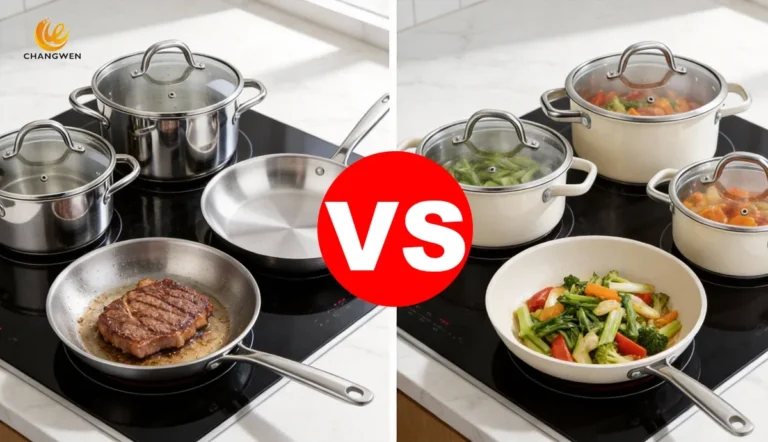
1. The Right Pan: Why Your Grandma’s Cast Iron Might Be Your Best Friend
I’ll admit it, I used to think that the pan didn’t matter as much as the heat source. Boy, was I wrong. After burning through a nonstick skillet (literally), warping a stainless steel pan, and nearly setting off my smoke alarm with a flimsy aluminum one, I finally caved and bought a proper cast iron skillet. And let me tell you, it changed everything.
Here’s why cast iron is non-negotiable for steak: it retains heat like a champ. When you slap a cold steak into a pan, the temperature drops, dramatically. A thin pan recovers too slowly, leaving you with a sad, gray steak instead of a beautiful sear. Cast iron, on the other hand, holds onto its heat like a grudge, bouncing back quickly and giving you that Maillard reaction (the fancy term for the browning that makes steak taste like steak) without turning your kitchen into a war zone.
Now, not all cast iron is created equal. If you’re just starting out, I’d recommend a pre-seasoned skillet from Lodge. They’re affordable, durable, and honestly, they work just as well as the $200 artisan options. That said, if you’re feeling fancy (or you’ve got a birthday coming up), a vintage Griswold or Wagner skillet is a thing of beauty. Just be prepared to hunt for one at flea markets or pay a premium online.
Oh, and one more thing, size matters. A 10-inch skillet is perfect for most steaks, but if you’re cooking for a crowd or dealing with a massive tomahawk, you might want to step up to a 12-inch. Anything smaller, and you’ll be crowding the meat, which leads to steaming instead of searing. Trust me, I’ve learned this the hard way.
2. The Thermometer: Because Guessing is for Gamblers, Not Cooks
I used to be that guy, the one who’d poke a steak with his finger and declare it “medium-rare” with the confidence of a Michelin-starred chef. Then I’d slice into it, only to find a gradient of doneness that looked like a mood ring. Some parts were perfect, some were overcooked, and some were basically still mooing. It was humbling, to say the least.
Enter the instant-read thermometer. This little tool is the unsung hero of steak cooking. It doesn’t matter if you’re using a grill, a pan, or a blowtorch (please don’t use a blowtorch)-if you’re not measuring the internal temperature, you’re just guessing. And guessing is how you end up with a steak that’s either too rare to be enjoyable or so well-done it could double as a hockey puck.
Here’s the thing about thermometers: not all of them are created equal. You want something fast, accurate, and easy to read. The Thermapen is the gold standard, it’s lightning-fast, precise, and built to last. But it’s also pricey. If you’re on a budget, the ThermoWorks ThermoPop is a solid alternative. It’s not quite as fast, but it’s still accurate and a fraction of the price.
Now, let’s talk about target temperatures. Here’s a quick cheat sheet:
- Rare: 120-125°F (49-52°C)
- Medium-rare: 130-135°F (54-57°C)
- Medium: 140-145°F (60-63°C)
- Medium-well: 150-155°F (66-68°C)
- Well-done: 160°F+ (71°C+)
But here’s the kicker, you need to account for carryover cooking. When you pull your steak off the heat, the internal temperature will continue to rise by about 5-10°F as it rests. So if you’re aiming for medium-rare, you’ll want to pull it off the heat at around 125-130°F. It’s a small detail, but it makes a world of difference.
3. The Tongs: Why You Should Never Use a Fork (Ever)
I’ll never forget the first time I saw a professional chef use tongs to flip a steak. It was at a little hole-in-the-wall steakhouse in Nashville, and the guy behind the counter moved with the precision of a surgeon. No flipping, no stabbing, just a quick, confident turn. Meanwhile, I was at home, poking my steaks with a fork like I was testing a cake for doneness. No wonder mine never looked as good as his.
Here’s the deal: tongs are non-negotiable. A fork might seem harmless, but every time you pierce the meat, you’re letting precious juices escape. Those juices are what keep your steak moist and flavorful, so you want to keep them inside the meat, not on your cutting board. Tongs, on the other hand, grip the steak without breaking the surface, giving you control without sacrificing flavor.
Now, not all tongs are created equal. You want something with a good grip, a comfortable handle, and enough length to keep your hands away from the heat. I’ve got a pair of OXO Good Grips tongs that I’ve had for years, and they’re still going strong. They’re sturdy, easy to use, and they’ve got a little lock that makes them easy to store. If you’re looking for something a little more heavy-duty, the Winco tongs are a favorite among professional chefs. They’re a bit longer and more durable, but they’re also a little pricier.
Oh, and one more thing, don’t flip your steak too often. I know, I know, there’s a lot of debate about this. Some people swear by flipping every 30 seconds for even cooking, while others insist on a single flip. I’ve tried both methods, and honestly, I think the single flip works best for most home cooks. It’s simpler, it gives you a better sear, and it’s less likely to dry out the meat. But hey, if you’re feeling adventurous, give the multiple flip method a shot and see what you think.
The Nice-to-Haves: Tools That Elevate Your Steak Game (But Aren’t Strictly Necessary)
4. The Meat Mallet: For When Your Steak is Built Like a Linebacker
I’ll be honest, I didn’t own a meat mallet for the first two years of my steak-cooking journey. I figured if I bought good cuts of meat, I wouldn’t need one. And for the most part, I was right. But then I tried cooking a flank steak, and let’s just say it was like trying to sear a leather belt. That’s when I realized that sometimes, you need a little help breaking down those tough muscle fibers.
A meat mallet isn’t just for tenderizing tough cuts, though. It’s also great for evening out the thickness of your steak. If you’ve ever cooked a steak that’s thicker on one end than the other, you know how frustrating it is to end up with one side overcooked and the other side undercooked. A few strategic whacks with a mallet can help you get a more uniform thickness, which means more even cooking.
Now, there are two main types of meat mallets: textured and smooth. The textured ones have little pyramid-shaped points that help break down muscle fibers, while the smooth ones are better for pounding out thinner cuts. I’ve got both, but if I had to pick one, I’d go with the textured. It’s more versatile, and it does a better job of tenderizing tough cuts.
One word of caution: don’t go overboard with the mallet. You’re not trying to pulverize the meat into submission, you just want to break down some of those tough fibers and even out the thickness. A few firm whacks should do the trick. And for the love of all that is holy, don’t use the mallet on high-end cuts like ribeye or filet mignon. Those cuts are already tender, and you’ll just end up with a mushy mess.
5. The Grill Press: Because Flattening Your Steak is an Underrated Move
I was skeptical about grill presses at first. I mean, why would I want to flatten my steak? Wouldn’t that just make it cook faster and dry out? Turns out, I was missing the point entirely. A grill press isn’t about flattening your steak, it’s about ensuring even contact with the cooking surface, which means a better sear and more consistent cooking.
Here’s how it works: when you place a grill press on top of your steak, it pushes the meat down onto the pan or grill, eliminating any air gaps and ensuring that the entire surface is in contact with the heat. This is especially useful if you’re cooking a steak with an uneven surface, like a skirt steak or a flank steak. It also helps to prevent the steak from curling up as it cooks, which is a common problem with cuts that have a lot of connective tissue.
Now, you don’t need to spend a fortune on a grill press. A simple cast iron press will do the trick. I’ve got a Lodge grill press that I picked up for under $20, and it works like a charm. It’s heavy enough to do the job without being unwieldy, and it’s easy to clean. If you’re feeling fancy, you can even get a press with a handle, but honestly, the basic model works just fine.
One thing to keep in mind: don’t press too hard. You’re not trying to flatten the steak, you just want to ensure even contact. And be careful when you remove the press, because it’ll be hot. I learned that the hard way when I grabbed mine without a towel and nearly dropped it on my foot. Not my finest moment.
6. The Salt Cellar: Because Seasoning is Everything (And Timing is Key)
I used to think that seasoning a steak was as simple as sprinkling some salt and pepper on it right before it hit the pan. Then I watched a video of Gordon Ramsay seasoning a steak, and I realized I’d been doing it wrong my entire life. The man doesn’t just sprinkle, he coats the steak in salt, and he does it well in advance. It was a game-changer.
Here’s the deal: salt is the most important seasoning for steak, and when you apply it matters just as much as how much you use. If you salt your steak right before cooking, you’ll get a nice crust, but the salt won’t have time to penetrate the meat. If you salt it too far in advance, the salt will draw out moisture, leaving you with a steak that’s more cured than cooked. The sweet spot? About 40 minutes to an hour before cooking. This gives the salt time to work its way into the meat, enhancing the flavor and improving the texture.
Now, you don’t need a fancy salt cellar to do this, but it sure does make the process easier. A salt cellar is essentially a little bowl with a lid that keeps your salt dry and makes it easy to sprinkle evenly over your steak. I’ve got a simple ceramic one that I picked up at a kitchen supply store, and it’s one of my most-used tools. If you don’t have a salt cellar, a small bowl will do the trick, just make sure it’s got a wide enough opening to allow for even distribution.
As for the type of salt, I’m a fan of kosher salt. It’s coarse enough to give you good coverage without being too overpowering, and it’s easy to control. I’ve tried flaky sea salt, and while it’s delicious, it’s also expensive and a little harder to distribute evenly. Save the fancy salts for finishing, stick with kosher for seasoning.
The Wildcards: Tools That Might Surprise You (But Work Like a Charm)
7. The Baking Sheet: For the Reverse Sear Method (Trust Me on This One)
I’ll admit it, I was a reverse sear skeptic. The idea of cooking a steak in the oven before searing it just seemed wrong. I mean, isn’t the whole point of cooking a steak to get a good sear? Turns out, I was missing out on one of the best ways to cook a thick steak.
The reverse sear method is simple: you cook the steak in a low oven (around 250°F) until it’s about 10-15°F below your target temperature, then you finish it off with a quick sear in a hot pan. The result? A steak that’s perfectly cooked edge-to-edge, with a beautiful crust. It’s especially great for thick cuts like ribeye or tomahawk, where getting an even cook can be tricky.
Now, you don’t need any fancy equipment for this, just a baking sheet and a wire rack. The wire rack elevates the steak, allowing air to circulate all around it, which ensures even cooking. If you don’t have a wire rack, you can use a couple of chopsticks or even a pair of crumpled-up aluminum foil balls to prop up the steak. It’s not ideal, but it works in a pinch.
Here’s how I do it: preheat the oven to 250°F, place the steak on a wire rack set over a baking sheet, and cook until it’s about 10-15°F below your target temperature. Then, transfer the steak to a hot cast iron skillet and sear it for about a minute on each side. The result is a steak that’s perfectly cooked from edge to edge, with a crust that’ll make your mouth water. It’s a game-changer, and it’s one of my go-to methods for thick cuts.
8. The Butcher’s Twine: For When Your Steak is Shaped Like a Football
I never thought I’d need butcher’s twine. I mean, how hard could it be to cook a steak without tying it up like a Christmas turkey? Turns out, it’s harder than you’d think. Especially if you’re dealing with a cut like a filet mignon, which has a tendency to puff up in the middle as it cooks. That’s where butcher’s twine comes in.
Butcher’s twine is a food-safe string that’s used to tie up roasts, poultry, and, yes, steaks. It helps to maintain the shape of the meat as it cooks, ensuring even cooking and a more attractive presentation. It’s especially useful for cuts that are irregularly shaped or have a tendency to curl up, like filet mignon or strip steak.
Now, you don’t need to go overboard with the twine. A simple loop around the steak, tied securely but not too tight, is all you need. The goal is to keep the steak from curling up, not to strangle it. And don’t worry about the twine burning, it’s designed to withstand high heat, and it’ll char a little, but it won’t catch fire.
If you don’t have butcher’s twine, you can use dental floss in a pinch. Just make sure it’s unflavored and unwaxed. It’s not ideal, but it’ll do the job. And if you’re really in a bind, you can skip the twine altogether, just be prepared for a steak that’s a little misshapen. It’ll still taste good, but it might not look as pretty on the plate.
9. The Fish Spatula: Because Flipping Steak is Harder Than It Looks
I used to think that a spatula was a spatula. Then I tried cooking a steak with a fish spatula, and I realized I’d been doing it wrong my entire life. Fish spatulas are thin, flexible, and have a slotted design that makes them perfect for flipping delicate fish fillets. But they’re also amazing for steak.
Here’s why: the thin, flexible blade of a fish spatula makes it easy to slide under the steak without disturbing the crust. The slotted design allows any excess fat or juices to drain away, which helps to prevent steaming. And the long handle keeps your hands away from the heat. It’s a small detail, but it makes a big difference.
Now, you don’t need to spend a fortune on a fish spatula. I’ve got a Mercer fish spatula that I picked up for under $20, and it works like a dream. It’s sturdy, flexible, and it’s become one of my most-used tools. If you’re looking for something a little fancier, the Wüsthof fish spatula is a great option, but it’s also a lot pricier.
One thing to keep in mind: fish spatulas are sharp. Like, really sharp. So be careful when you’re using it, and make sure to store it somewhere safe. I learned that the hard way when I reached into my utensil drawer and nearly sliced my finger open. Not my finest moment, but a good reminder to be careful.
The Overrated: Tools You Don’t Actually Need (No Matter What the Internet Says)
10. The Sous Vide Machine: Because Not Everything Needs to Be High-Tech
Let me preface this by saying that I love my sous vide machine. It’s great for cooking eggs, vegetables, and even some cuts of meat. But when it comes to steak, I think it’s overkill. And I say that as someone who owns one and has used it to cook more steaks than I can count.
Here’s the thing about sous vide: it’s a fantastic tool for precision cooking. If you want a steak that’s cooked to the exact same temperature edge-to-edge, sous vide is the way to go. But here’s the catch, it’s not great for developing a crust. And let’s be honest, the crust is half the reason we love steak. So if you’re using sous vide, you’re still going to need to finish the steak with a sear, which means you’re adding an extra step to the process.
Now, don’t get me wrong, sous vide has its place. If you’re cooking a tough cut of meat, like a flank steak or a chuck roast, it can be a game-changer. But for a high-end cut like a ribeye or a filet mignon, I think it’s unnecessary. You’re better off sticking with a good old-fashioned cast iron skillet or a grill. It’s simpler, it’s faster, and it gives you a better crust.
That said, if you’re dead set on trying sous vide, go for it. Just don’t expect it to be a magic bullet. And whatever you do, don’t skip the sear. A sous vide steak without a crust is like a burger without a bun, it’s just not the same.
11. The Steak Knives: Because a Sharp Knife is All You Really Need
I’ll admit it, I used to think that steak knives were essential. I mean, how else are you supposed to cut into a juicy steak? Turns out, I was wrong. You don’t need a set of fancy steak knives to enjoy a good steak. All you need is a sharp chef’s knife.
Here’s the deal: steak knives are designed to be sharp enough to cut through meat without tearing it. But a good chef’s knife can do the same thing, and it’s more versatile. Plus, chef’s knives are easier to sharpen, which means they’ll stay sharp longer. Steak knives, on the other hand, are notoriously difficult to sharpen, which means they’ll dull quickly and become more of a hindrance than a help.
Now, I’m not saying that steak knives are useless. If you’ve got a set, by all means, use them. But if you’re on a budget, don’t feel like you need to run out and buy a set just for steak night. A good chef’s knife will do the job just fine. And if you’re really feeling fancy, you can even use a slicing knife for a more elegant presentation.
One thing to keep in mind: no matter what knife you’re using, make sure it’s sharp. A dull knife will tear the meat, which not only looks messy but can also make the steak seem tougher than it is. If you’re not comfortable sharpening your knives yourself, take them to a professional. It’s a small investment that’ll pay off in spades.
12. The Meat Thermometer with All the Bells and Whistles
I’ll be honest, I was tempted by the fancy meat thermometers. You know the ones: they’ve got Bluetooth, Wi-Fi, multiple probes, and enough features to make a NASA engineer jealous. But after doing some research (and a lot of soul-searching), I realized that most of those features are unnecessary for home cooks.
Here’s the thing: you don’t need a thermometer with a million features. All you really need is something that’s fast, accurate, and easy to read. The Thermapen and the ThermoWorks ThermoPop both fit the bill, and they’re a fraction of the price of the high-tech options. Plus, they’re more reliable, no batteries to die, no Bluetooth to disconnect, no Wi-Fi to drop out.
Now, I’m not saying that the fancy thermometers are useless. If you’re cooking for a crowd or you’re a data nerd who loves tracking every detail, they can be a lot of fun. But for most home cooks, they’re overkill. You’re better off sticking with a simple, reliable thermometer and focusing on the basics.
That said, if you’re dead set on a high-tech thermometer, go for it. Just don’t expect it to magically make you a better cook. At the end of the day, it’s still just a tool, and tools are only as good as the person using them.
Putting It All Together: A Step-by-Step Guide to the Perfect Steak
Alright, let’s put all of this into practice. Here’s my step-by-step guide to cooking the perfect steak, using the tools we’ve talked about. This is the method I use most often, and it’s the one that’s given me the most consistent results. Feel free to tweak it to suit your preferences, cooking is as much about personal taste as it is about technique.
Step 1: Choose Your Steak
First things first, you need a good steak. Not all steaks are created equal, and the cut you choose will have a big impact on the final result. Here are a few of my favorites:
- Ribeye: Rich, flavorful, and well-marbled. It’s my go-to for most occasions.
- Filet Mignon: Tender, lean, and elegant. It’s a little pricier, but it’s worth it for special occasions.
- New York Strip: A good balance of tenderness and flavor. It’s a little leaner than a ribeye, but it’s still packed with beefy goodness.
- Sirloin: Affordable and flavorful, but a little tougher than the other cuts. It’s a great option if you’re on a budget.
No matter what cut you choose, look for steaks that are at least 1 to 1.5 inches thick. Thinner steaks are harder to cook evenly, and they’re more likely to dry out. And if you can, opt for dry-aged steaks, they’ve got a deeper, more complex flavor that’s hard to beat.
Step 2: Season Your Steak
Remember that salt cellar we talked about? Now’s the time to put it to use. About 40 minutes to an hour before you plan to cook, generously season your steak with kosher salt. You want to use about 1 teaspoon of salt per pound of meat, but don’t stress too much about the exact amount. The goal is to coat the steak evenly, not to bury it in salt.
After salting, let the steak sit at room temperature. This gives the salt time to work its way into the meat, enhancing the flavor and improving the texture. It also ensures that the steak cooks more evenly, which is especially important for thicker cuts.
When it’s time to cook, pat the steak dry with a paper towel. This helps to remove any excess moisture, which ensures a better sear. Then, season the steak with freshly ground black pepper. I like to use a lot of pepper, it adds a nice kick and complements the salt beautifully.
Step 3: Preheat Your Pan
While your steak is coming to room temperature, preheat your cast iron skillet over medium-high heat. You want the pan to be hot enough to sear the steak, but not so hot that it smokes excessively. If you’re using a gas stove, this should take about 5 minutes. If you’re using an electric stove, it might take a little longer.
To test if the pan is hot enough, flick a few drops of water onto the surface. If the water sizzles and evaporates immediately, the pan is ready. If it just sits there, give it a little more time.
Once the pan is hot, add a high-smoke-point oil, like avocado oil or grapeseed oil. You want just enough to coat the bottom of the pan, about 1 tablespoon. Swirl the oil around to ensure even coverage, then let it heat up for another minute or so.
Step 4: Cook Your Steak
Now comes the fun part, cooking the steak. Carefully place the steak in the hot pan, using your tongs to avoid any oil splatter. You should hear a satisfying sizzle as the steak hits the pan. If you don’t, the pan isn’t hot enough, and you’ll need to pull the steak out and let the pan heat up a little more.
Cook the steak for about 2-3 minutes on each side, depending on the thickness and your desired level of doneness. For a 1-inch-thick steak, this should give you a nice medium-rare. If you’re cooking a thicker steak, you might need to adjust the cooking time accordingly.
While the steak is cooking, use your instant-read thermometer to check the internal temperature. Remember, you want to pull the steak off the heat about 5-10°F below your target temperature, to account for carryover cooking. For medium-rare, that means pulling the steak off the heat at around 125-130°F.
If you’re using a grill press, place it on top of the steak after the first flip. This helps to ensure even contact with the pan and prevents the steak from curling up. Just be careful when you remove the press, it’ll be hot!
Step 5: Rest Your Steak
This is the step that most people skip, but it’s one of the most important. After you pull the steak off the heat, let it rest for about 5-10 minutes before slicing into it. This gives the juices time to redistribute throughout the meat, ensuring that every bite is juicy and flavorful.
While the steak is resting, you can use this time to make a quick pan sauce. Just pour off any excess fat from the pan, leaving about 1 tablespoon behind. Add a splash of red wine or beef broth, along with a pat of butter, and let it simmer for a minute or two. Then, pour the sauce over the steak and serve.
Step 6: Slice and Serve
Finally, it’s time to slice into that beautiful steak. Use a sharp chef’s knife or a slicing knife to cut the steak against the grain. This helps to shorten the muscle fibers, making the steak more tender. And if you’re feeling fancy, you can use a fish spatula to transfer the slices to a plate.
Serve the steak with your favorite sides, and enjoy the fruits of your labor. You’ve earned it!
Final Thoughts: The Perfect Steak is Closer Than You Think
Here’s the thing about cooking the perfect steak, it’s not about having the fanciest tools or the most expensive cuts. It’s about understanding the fundamentals, paying attention to the details, and being willing to learn from your mistakes. I’ve burned, overcooked, and underseasoned more steaks than I can count, but each one has taught me something new.
So, what’s the takeaway from all of this? Start with the basics: a good cast iron skillet, a reliable thermometer, and a pair of tongs. Master those, and you’ll be well on your way to steak perfection. From there, you can experiment with the nice-to-haves, the grill press, the fish spatula, the reverse sear method, and see what works best for you.
And remember, there’s no such thing as a perfect steak. What matters is that you enjoy the process, learn from your mistakes, and keep pushing yourself to get better. Because at the end of the day, the best steak is the one that you cook with care, share with people you love, and savor every last bite of.
Now, if you’ll excuse me, all this talk about steak has made me hungry. I think it’s time to fire up the grill and put these tools to the test. Wish me luck, and happy cooking!
FAQ: Your Steak-Cooking Questions, Answered
Q: Do I really need a cast iron skillet to cook a good steak?
A: You don’t eed a cast iron skillet, but it’s one of the best tools for the job. Cast iron retains heat exceptionally well, which means it can maintain a high temperature even when you add a cold steak to the pan. This ensures a better sear and more even cooking. If you don’t have a cast iron skillet, a heavy stainless steel pan can work in a pinch, but it won’t retain heat as effectively. Avoid nonstick pans, they can’t handle the high heat required for a good sear, and they’re not as durable.
Q: What’s the best way to season a steak?
A: The best way to season a steak is with kosher salt and freshly ground black pepper. Salt is the most important seasoning, it enhances the natural flavor of the meat and helps to create a delicious crust. For best results, season the steak generously with salt about 40 minutes to an hour before cooking. This gives the salt time to penetrate the meat and improve its texture. Just before cooking, pat the steak dry with a paper towel and season it with freshly ground black pepper. If you’re feeling adventurous, you can also add other seasonings like garlic powder, smoked paprika, or herbs, but salt and pepper are all you really need for a classic steak.
Q: How do I know when my steak is done?
A: The most accurate way to determine when your steak is done is to use an instant-read thermometer. Here are the target temperatures for different levels of doneness:
- Rare: 120-125°F (49-52°C)
- Medium-rare: 130-135°F (54-57°C)
- Medium: 140-145°F (60-63°C)
- Medium-well: 150-155°F (66-68°C)
- Well-done: 160°F+ (71°C+)
Remember to account for carryover cooking-the internal temperature of the steak will continue to rise by about 5-10°F as it rests. So if you’re aiming for medium-rare, pull the steak off the heat at around 125-130°F. If you don’t have a thermometer, you can use the finger test to estimate doneness, but it’s less accurate and takes some practice to master.
Q: What’s the best way to store leftover steak?
A: To store leftover steak, let it cool to room temperature, then wrap it tightly in plastic wrap or aluminum foil. You can also place it in an airtight container. Store the steak in the refrigerator for up to 3-4 days. When you’re ready to reheat it, do so gently to avoid overcooking. I like to warm it up in a skillet over low heat, adding a splash of beef broth or water to create steam. This helps to keep the steak moist. Alternatively, you can reheat the steak in the oven at 250°F until it reaches your desired temperature. Avoid using the microwave, it tends to dry out the meat and can make it tough.
And there you have it, everything you need to know to cook the perfect steak. Now, go forth and sear!
@article{the-ultimate-guide-to-essential-tools-for-cooking-the-perfect-steak-and-why-youre-probably-overcomplicating-it,
    title   = {The Ultimate Guide to Essential Tools for Cooking the Perfect Steak (And Why You’re Probably Overcomplicating It)},
    author  = {Chef's icon},
    year    = {2026},
    journal = {Chef's Icon},
    url     = {https://chefsicon.com/essential-tools-for-cooking-the-perfect-steak/}
}