The Best Fluffy Pancakes recipe you will fall in love with. Full of tips and tricks to help you make the best pancakes.
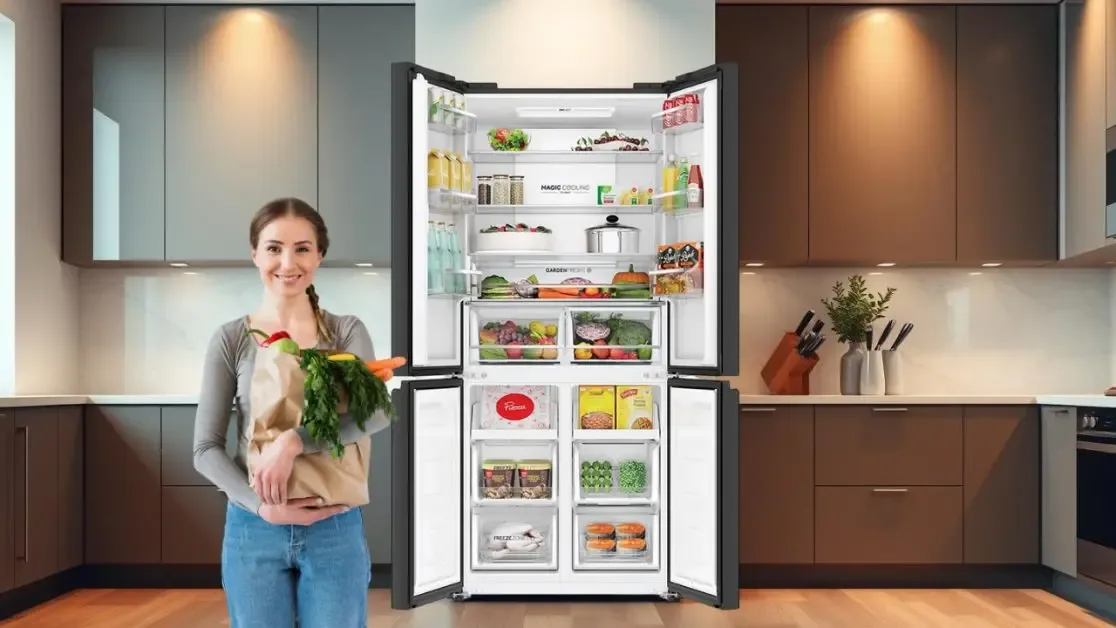
Let me tell you about the time I found a science experiment growing in my crisper drawer. It was a bag of spinach that had somehow transformed into a slimy, neon-green blob that smelled like regret and bad decisions. I stood there, holding the bag at arm’s length, wondering how something so innocent could turn so… evil. That was the day I realized my fridge wasn’t just storing food, it was running a secret compost operation without my permission.
Here’s the thing about food waste: it’s not just about the money you’re literally throwing away (though that’s bad enough, we’ll get to the numbers in a minute). It’s about the resources wasted growing, transporting, and storing food that never gets eaten. It’s about the guilt of knowing that while you’re tossing that wilted lettuce, someone somewhere is wondering where their next meal will come from. And let’s be real, it’s also about the sheer absurdity of watching your hard-earned cash turn into mold in real time.
But here’s the good news: reducing food waste at home isn’t about becoming some kind of zero-waste monk who weighs their banana peels. It’s about small, practical changes that actually make your life easier. Over the next few thousand words, we’re going to dive into the nitty-gritty of why we waste food, how to stop doing it, and, most importantly, how to make these changes stick without feeling like you’re constantly policing your own grocery habits. You’ll learn how to shop smarter, store better, cook with scraps, and maybe even save enough money to justify that fancy kitchen gadget you’ve been eyeing.
Is this the be-all and end-all of food waste reduction? Probably not. But it’s a start, and honestly? That’s more than most of us are doing right now. So let’s roll up our sleeves, take a hard look at our fridge habits, and figure out how to stop treating our kitchens like food graveyards.
The Psychology of Food Waste: Why We’re All Terrible at This
The Guilt Factor (And Why It’s Not Helping)
Let’s start with the elephant in the room: guilt. That sinking feeling when you scrape a half-eaten plate into the trash? That’s guilt. The way you avert your eyes when tossing out that moldy container of leftovers? Also guilt. We’ve all been conditioned to feel bad about wasting food, and yet… we still do it. Why?
Here’s the uncomfortable truth: guilt is a terrible motivator. It makes us want to hide from the problem rather than solve it. Think about it, when was the last time you actually planned to reduce food waste? Or was it more like, “Ugh, I really need to stop wasting so much food,” followed by… nothing? That’s guilt talking, and it’s not helping.
What does help? Systems. Habits. Small, repeatable actions that don’t rely on you feeling bad about yourself. Because let’s be honest, you’re not going to suddenly become a perfect human who never wastes anything. But you can set up your kitchen in a way that makes wasting food the exception rather than the rule. And that starts with understanding why we waste food in the first place.
The Four Horsemen of the Food Waste Apocalypse
After years of observing my own terrible habits (and those of my friends, who are somehow both worse and better at this than I am), I’ve identified four main reasons we waste food at home:
- Overbuying: That “great deal” on two-for-one avocados seemed like a win until you realized you can’t eat six avocados before they turn into guacamole smoothies.
- Poor storage: Your herbs are wilting in the fridge like they’re in a sauna, your bread is growing its own ecosystem, and your potatoes have sprouted more eyes than a potato convention.
- Misunderstanding labels: “Best by,” “sell by,” “use by”-what does any of this even mean? Spoiler: it’s not as scary as you think.
- Lack of planning: You bought ingredients for three different meals, cooked one, and now the rest are slowly turning into abstract art in your fridge.
I’m guilty of all four, by the way. Just last week, I bought a bunch of cilantro because I had a grand vision of making homemade salsa every night. Spoiler: I made salsa once. The rest of the cilantro is currently in a glass of water on my counter, looking at me judgmentally every time I walk by. But here’s the thing, I know I’m doing this, and that’s the first step to fixing it.
So let’s tackle these one by one, starting with the most obvious: overbuying. Because nothing says “I have my life together” like a fridge so packed you can’t see the back wall.
The Art of Not Buying Everything: Smart Shopping Strategies
The Grocery Store as a Battlefield (And How to Win)
Let me paint you a picture: It’s 6 PM on a Wednesday. You’re hungry, tired, and the last thing you want to do is cook. So you walk into the grocery store with the best of intentions-”I’ll just grab a few things for dinner”-and walk out with enough food to feed a small army. Sound familiar?
Grocery stores are designed to make you buy more than you need. The layout, the lighting, the way the bread smells like it’s fresh from heaven, it’s all engineered to separate you from your money. And it works. But here’s how to fight back:
- Make a list (and stick to it): I know, I know, this is the most basic advice ever. But here’s the thing: most of us don’t actually plan our meals before making a list. We just write down ingredients we think we might need, which is how you end up with three different kinds of cheese and no actual meals. Take 10 minutes before you shop to think about what you’ll actually eat that week. Pro tip: include at least one “use-it-up” meal where you clean out the fridge.
- Shop more often, buy less: This might sound counterintuitive, but hear me out. If you’re only buying what you need for the next few days, you’re less likely to overbuy. Yes, it means more trips to the store, but it also means less food going bad in your fridge. Plus, it gives you more flexibility to adjust based on what you’re actually in the mood for.
- Embrace the ugly produce: Those slightly bruised apples or misshapen carrots? They taste the same as the “perfect” ones, and they’re often cheaper. Many stores now have “imperfect produce” sections, seek them out. You’re not just saving money; you’re also telling the store that you don’t need your food to look like it belongs in a magazine spread.
- Beware the bulk buy trap: That 5-pound bag of spinach seems like a great deal, until you realize you can’t eat it all before it turns into a science project. Bulk buying only works if you’re actually going to use the food. If you’re not feeding a family of six, maybe skip the industrial-sized anything.
Now, I can already hear the objections: “But Sammy, what if I want to try new recipes?” “What if I don’t know what I’ll be in the mood for?” Look, I’m not saying you can’t be spontaneous. But spontaneity works better when you’re not also dealing with a fridge full of rotting food. Maybe try this: pick one new recipe a week to try, and plan the rest of your meals around what you already have. That way, you’re still experimenting without creating a food waste crisis.
The Freezer Is Your Friend (If You Use It Right)
Ah, the freezer, the place where good intentions go to die. We’ve all been there: you buy a bunch of meat on sale, freeze it with the best of intentions, and then… forget about it. Six months later, you find a sad, freezer-burned chicken breast that looks like it’s been through a war. Not ideal.
But here’s the thing: your freezer can be a powerful tool for reducing food waste, if you use it strategically. Here’s how:
- Portion before freezing: Instead of freezing that whole loaf of bread, slice it first. That way, you can grab just what you need without thawing the whole thing. Same goes for meat, portion it out before freezing so you’re not stuck defrosting a whole chicken when you only need enough for one meal.
- Label everything: I cannot stress this enough. Write the contents and the date on everything you freeze. “Mystery meat 2024” is not a helpful label. Use masking tape and a permanent marker, or invest in some reusable freezer labels. Future you will thank present you.
- Freeze in usable quantities: If you’re freezing soup, freeze it in single-serving portions. If you’re freezing berries, freeze them on a tray first (so they don’t clump together) and then transfer to a bag. Think about how you’ll actually use the food later, and freeze it accordingly.
- Know what freezes well (and what doesn’t): Most things freeze just fine, but some foods don’t love the freezer. Lettuce, cucumbers, and raw potatoes? Not great. But cooked potatoes, most fruits and veggies (blanched first), bread, meat, and even dairy products like milk and cheese? They freeze surprisingly well. Do a quick search before freezing something new, it’ll save you from freezer disappointment later.
And here’s a pro tip: keep a freezer inventory. It can be as simple as a whiteboard on your fridge or a note in your phone. List what you have and when you froze it. That way, you’re not playing freezer archaeology every time you want to cook something.
Is this a lot of work? Maybe a little. But think about it this way: every time you freeze something properly, you’re essentially putting money in the bank. That $5 bag of frozen berries? It’s not going to go bad. That loaf of bread you froze in slices? You’ll actually use it. It’s like having a time machine for your food.
Storage Wars: How to Keep Your Food Alive Longer
The Fridge Is Not a Magic Preservation Box
Here’s a hard truth: your fridge is not a cryogenic chamber. It doesn’t stop time; it just slows it down. And yet, we treat it like some kind of food immortality machine, tossing things in there willy-nilly and expecting them to stay fresh forever. News flash: they won’t.
The key to keeping food fresh longer is understanding that different foods have different needs. Some like it cold and dry, some like it humid, and some don’t even belong in the fridge at all. Let’s break it down:
- The crisper drawers aren’t just for show: Most fridges have humidity-controlled crisper drawers for a reason. Use them! High humidity for leafy greens and herbs, low humidity for fruits and veggies that tend to rot (like apples and pears). If your fridge doesn’t have labels, a quick Google search will tell you which setting is which.
- Not everything belongs in the fridge: Tomatoes, potatoes, onions, garlic, and most fruits (except berries) do better at room temperature. Storing them in the fridge can actually make them go bad faster. Keep them in a cool, dark place instead, like a pantry or a basket on the counter.
- Herbs are divas: Those delicate little bunches of cilantro and parsley? They need special treatment. Trim the stems, put them in a jar of water (like flowers), and cover them loosely with a plastic bag. Store them in the fridge, and change the water every few days. They’ll last weeks longer this way.
- Bread doesn’t like the fridge: The fridge dries out bread faster than leaving it on the counter. If you’re not going to eat it within a few days, freeze it. Otherwise, keep it in a bread box or a paper bag on the counter. (And no, the bread drawer in your fridge doesn’t count, it’s still too cold.)
Now, let’s talk about containers. If you’re still storing your leftovers in the takeout containers they came in, we need to have a talk. Those flimsy plastic containers are not doing your food any favors. Invest in some good-quality, airtight containers. Glass is great because it doesn’t absorb odors, and you can see what’s inside (no more mystery leftovers!). But even high-quality plastic containers are better than nothing.
And here’s a storage hack that changed my life: the “first in, first out” rule. Every time you put groceries away, move the older stuff to the front and put the new stuff in the back. That way, you’re always using up the oldest food first. It’s simple, but it works.
The Pantry: Where Food Goes to Disappear
Your pantry is like a black hole, things go in, but they never come out. At least, not until they’ve expired or turned into something unrecognizable. But it doesn’t have to be this way. With a little organization, your pantry can actually help you reduce food waste.
First, take everything out. I know, it’s a pain. But you can’t organize what you can’t see. Once everything’s out, check expiration dates and toss anything that’s past its prime. (Yes, even that can of beans from 2018. Let it go.)
Now, organize by category. Group all your canned goods together, all your grains together, all your snacks together. Within each category, use the “first in, first out” rule, put the newer stuff in the back and the older stuff in the front. And here’s the key: make sure everything is visible. If you can’t see it, you won’t use it.
Consider using clear containers for things like pasta, rice, and cereal. Not only does this keep things fresh longer, but it also makes it easy to see what you have. No more buying another box of pasta because you forgot you already had three.
And here’s a pro tip: keep a pantry inventory. It can be as simple as a list on your phone or a whiteboard on the fridge. Update it every time you use something or buy something new. That way, you’ll always know what you have and what you need.
Is this a lot of work upfront? Yes. But once it’s done, it’ll save you time, money, and food waste in the long run. Plus, there’s something weirdly satisfying about a well-organized pantry. It’s like adult Legos.
Cooking with Scraps: Because Waste Not, Want Not Isn’t Just a Saying
The Vegetable Scrap Revolution
Let’s talk about vegetable scraps. You know, the ends of onions, the tops of carrots, the stems of herbs, the stuff you usually toss without a second thought. What if I told you that those scraps are actually flavor gold? And that you can use them to make some of the most delicious things in your kitchen?
First up: vegetable stock. This is the easiest way to use up scraps, and it’s a game-changer for your cooking. Instead of buying stock (which is often full of salt and preservatives), make your own. Here’s how:
- Save your vegetable scraps in a bag or container in the freezer. Onion ends, carrot peels, celery leaves, herb stems, pretty much anything except potato peels (they make the stock cloudy) and cruciferous veggies like broccoli and cauliflower (they can make the stock bitter).
- When the bag is full, dump the scraps into a large pot. Add enough water to cover them by a few inches, plus a few peppercorns and a bay leaf if you have them.
- Bring to a boil, then reduce the heat and let it simmer for about an hour. Strain out the solids, and voila, you have homemade vegetable stock. Freeze it in portions, and you’ll always have stock on hand for soups, stews, and sauces.
But stock isn’t the only thing you can make with scraps. Here are a few more ideas:
- Herb stem pesto: Got a bunch of herb stems leftover from cooking? Don’t toss them! Blend them with some garlic, nuts, Parmesan, and olive oil for a delicious pesto. It’s great on pasta, sandwiches, or even as a dip.
- Citrus zest: Before you juice a lemon or orange, zest it! The zest is full of flavor and can be used in everything from baked goods to marinades. Freeze it in a small container, and you’ll always have some on hand.
- Pickled veggie ends: The ends of cucumbers, carrots, and radishes make great pickles. Just slice them thin, add some vinegar, salt, sugar, and spices, and let them sit in the fridge for a few days. They’ll keep for weeks and add a nice crunch to sandwiches and salads.
- Fruit scrap vinegar: Got some apple cores or citrus peels? Cover them with water and a little sugar, let them sit for a few weeks, and you’ll have homemade vinegar. It’s great for salad dressings and marinades.
Now, I know what you’re thinking: “Sammy, this sounds like a lot of work.” And yeah, it does take a little effort. But here’s the thing, once you start thinking about scraps as ingredients rather than waste, it becomes second nature. And the flavor payoff is huge. Homemade stock tastes a million times better than store-bought. Herb stem pesto is just as good as regular pesto. And pickled veggie ends? They’re a game-changer.
Leftovers: The Gift That Keeps on Giving (If You Use Them Right)
Let’s talk about leftovers. We’ve all been there: you cook a big meal, eat half of it, and then… forget about the rest. A few days later, you find a container of something fuzzy and unidentifiable in the back of the fridge. Not ideal.
But leftovers don’t have to be a source of guilt and waste. With a little creativity, they can be the start of something delicious. Here are a few ideas:
- Turn roasted veggies into soup: Got some leftover roasted veggies? Blend them with some stock and a little cream (or coconut milk) for a quick, easy soup. Add some croutons or a swirl of pesto for extra flavor.
- Make a frittata: Leftover veggies, meat, and cheese? Mix them with some beaten eggs and cook in a skillet for a quick frittata. It’s great for breakfast, lunch, or dinner.
- Create a stir-fry: Got some leftover rice and a few random veggies? Toss them in a pan with some soy sauce, garlic, and ginger for a quick stir-fry. Add an egg or some leftover meat for extra protein.
- Blend into sauces: Leftover cooked veggies can be blended into pasta sauces, curries, or even pizza sauce. It’s a great way to add extra nutrition and flavor.
And here’s a pro tip: the “leftover remix” rule. Every time you cook, think about how the leftovers could be transformed into something new. Roast chicken tonight? Shred the leftovers for tacos tomorrow. Cook a big pot of chili? Use the leftovers for chili cheese fries or stuffed baked potatoes. It’s like meal planning, but in reverse.
Now, I know what you’re thinking: “But Sammy, what if I don’t want to eat leftovers?” Fair enough. Not everyone loves leftovers, and that’s okay. But here’s the thing, if you’re not going to eat them, don’t let them sit in the fridge until they turn into science experiments. Freeze them instead. That way, you can save them for a day when you are in the mood for leftovers.
And if all else fails, there’s always compost. I’ll get into that later, but for now, just know that even if you can’t save every scrap, you can still keep it out of the landfill.
The Label Game: Decoding Dates and What They Really Mean
“Best By,” “Sell By,” “Use By”-What’s the Difference?
Let’s talk about date labels. You know, those little numbers on your food that seem to exist solely to confuse you. “Best by,” “sell by,” “use by”-what do they even mean? And why do they make us throw out perfectly good food?
Here’s the truth: most date labels have nothing to do with food safety. They’re about food quality. That “best by” date on your yogurt? It’s telling you when the yogurt will be at its peak quality, not when it will suddenly turn into poison. Same goes for most other foods.
Let’s break it down:
- “Best if used by/before”: This is about quality, not safety. The food might not be at its peak after this date, but it’s still safe to eat. Think of it like a “sell by” date for your taste buds.
- “Sell by”: This is for retailers, not consumers. It tells stores how long to display the product. Most foods are still good for a while after this date.
- “Use by”: This is the most serious one, but it’s still not a safety guarantee. It’s usually found on perishable foods like meat and dairy. Even so, these foods are often safe for a few days after the date, use your senses to check.
So how do you know if something is still good? Use your senses. Does it look weird? Smell bad? Taste off? If not, it’s probably fine. And when in doubt, remember this: the sniff test is your friend. Your nose is a powerful tool for detecting spoilage.
Now, I know what you’re thinking: “But Sammy, what about food safety? I don’t want to get sick!” Fair point. Some foods are riskier than others. Here’s a quick guide:
- Low risk: Most shelf-stable foods (canned goods, pasta, rice), hard cheeses, butter, eggs (if stored properly), and many fruits and vegetables.
- Medium risk: Dairy products, cooked leftovers, deli meats, and soft cheeses. These should be eaten within a few days of opening or cooking.
- High risk: Raw meat, poultry, fish, and shellfish. These should be eaten by the “use by” date or frozen for later use.
And here’s a pro tip: the freezer is your safety net. If you’re not going to use something before it goes bad, freeze it. Most foods can be frozen safely, and it’s a great way to extend their shelf life.
The Expiration Date Myth
Let’s bust some myths, shall we? Because there are a lot of misconceptions about expiration dates. Here are a few of the biggest:
- Myth: If it’s past the date, it’s not safe to eat.
Reality: As we just discussed, most date labels are about quality, not safety. The exception is infant formula, which should not be used after the “use by” date. For everything else, use your senses.
- Myth: Canned foods last forever.
Reality: While canned foods have a long shelf life, they don’t last forever. Most canned goods are good for 2-5 years, but high-acid foods (like tomatoes and fruit) should be used within 18 months. And if the can is dented, rusted, or bulging? Toss it.
- Myth: Freezing food kills bacteria.
Reality: Freezing doesn’t kill bacteria, it just puts them in suspended animation. When you thaw the food, the bacteria can become active again. That’s why it’s important to handle food safely before freezing it.
- Myth: You can’t refreeze food once it’s been thawed.
Reality: You can refreeze food, but the quality might suffer. The USDA says it’s safe to refreeze food as long as it was thawed in the fridge and hasn’t been sitting out for more than two hours. But if you’re not sure, it’s better to be safe than sorry.
And here’s one more myth to bust: the five-second rule. You know, the idea that food is safe to eat if you pick it up within five seconds of dropping it. Sorry to break it to you, but that’s not true. Bacteria can contaminate food instantly. If you drop something on the floor, use your best judgment. Is it worth the risk? Probably not.
So what’s the takeaway here? Date labels are guidelines, not rules. Use your senses, trust your instincts, and when in doubt, throw it out. But don’t let those dates trick you into wasting perfectly good food.
Meal Planning: The Secret Weapon Against Food Waste
Why Meal Planning Isn’t Just for Overachievers
Let me guess: when you hear “meal planning,” you picture some type-A personality with a color-coded spreadsheet and a fridge full of perfectly portioned Tupperware. And yeah, that’s one way to do it. But it’s not the only way, and it’s definitely not the only way that works.
Here’s the thing about meal planning: it doesn’t have to be complicated. It doesn’t have to involve hours of prep or fancy recipes. At its core, meal planning is just thinking ahead. And when it comes to reducing food waste, thinking ahead is half the battle.
So how do you meal plan without turning into a robot? Here are a few strategies:
- Start small: You don’t have to plan every meal for the whole week. Start with just a few meals, maybe dinner for three nights. Once you get the hang of it, you can expand.
- Plan around what you already have: Before you even think about what to make, take inventory of your fridge, freezer, and pantry. What needs to be used up? Build your meals around those ingredients.
- Embrace flexibility: Your meal plan isn’t set in stone. If you’re not in the mood for tacos on Tuesday, swap it with Wednesday’s meal. The goal is to reduce waste, not to stick to a rigid schedule.
- Include “use-it-up” meals: These are meals designed to clean out your fridge. Think stir-fries, soups, frittatas, anything that can incorporate a bunch of random ingredients. Plan one of these for the end of the week to make sure nothing gets left behind.
And here’s a pro tip: the “two-for-one” rule. When you’re planning meals, think about how you can use ingredients in multiple ways. Roast a chicken on Sunday? Use the leftovers for chicken salad on Monday and chicken soup on Tuesday. Cook a big batch of rice? Use it for stir-fry one night and fried rice the next. It’s like getting two meals for the price of one.
Now, I know what you’re thinking: “But Sammy, what if I don’t want to eat the same thing twice in a week?” Fair enough. Not everyone loves leftovers, and that’s okay. But here’s the thing, you don’t have to eat the exact same meal twice. You can use the same ingredients in different ways. Roast chicken one night, chicken tacos the next, chicken soup the night after that. Same ingredient, different meals.
The Lazy Person’s Guide to Meal Planning
Okay, let’s be real: meal planning sounds great in theory, but in practice? It can feel like a lot of work. And if you’re anything like me, you’d rather spend your Sunday afternoon doing literally anything else. So how do you meal plan without putting in a ton of effort?
Here’s my lazy person’s guide to meal planning:
- Keep a running list of meals you like: This can be as simple as a note in your phone. Every time you make something you enjoy, add it to the list. That way, when it’s time to meal plan, you’re not starting from scratch.
- Use themes: Assign a theme to each night of the week to make planning easier. For example:
- Monday: Meatless Monday
- Tuesday: Taco Tuesday
- Wednesday: Pasta Night
- Thursday: Leftovers or “use-it-up” night
- Friday: Takeout or easy meals
- Saturday: Try a new recipe
- Sunday: Big family meal
- Batch cook: Pick one day a week to cook a big batch of something, like a pot of soup, a tray of roasted veggies, or a batch of grains. Use it in different meals throughout the week. It’s less work than cooking every night, and it ensures you’re using up what you make.
- Keep it simple: You don’t have to make elaborate meals. A simple pasta with veggies and protein is just as good as something fancy. The goal is to reduce waste, not to become a Michelin-star chef.
And here’s a pro tip: the “5-4-3-2-1” rule. This is a simple formula for planning meals that ensures you’re using up what you have:
- 5 servings of vegetables
- 4 servings of protein
- 3 servings of grains
- 2 servings of fruit
- 1 serving of something fun (like dessert or a snack)
It’s not a hard-and-fast rule, but it’s a good framework to ensure you’re getting a variety of foods without overbuying.
Now, I know what you’re thinking: “But Sammy, what if I don’t want to meal plan?” And to that, I say: fair enough. Meal planning isn’t for everyone. But even if you don’t want to plan every meal, you can still use some of these strategies to reduce waste. Maybe you just plan one or two meals a week. Maybe you just make a list before you go shopping. Every little bit helps.
Composting: The Last Resort (That’s Not Really a Last Resort)
Why Composting Isn’t Just for Hippies
Let’s talk about composting. I know, I know, it sounds like something only people with backyard chickens and hemp clothing do. But hear me out: composting is one of the easiest ways to reduce food waste, and it’s not as gross or complicated as you might think.
Here’s the deal: even if you do everything right, shop smart, store properly, cook with scraps, you’re still going to have some food waste. Eggshells, coffee grounds, banana peels, the stuff that can’t be eaten. Instead of tossing it in the trash (where it will sit in a landfill and produce methane, a potent greenhouse gas), you can compost it. And the best part? You don’t need a fancy setup to do it.
So how do you compost at home? Here are a few options:
- Backyard composting: If you have outdoor space, this is the easiest option. All you need is a bin (or even just a pile) and a mix of “greens” (like fruit and veggie scraps, coffee grounds, and grass clippings) and “browns” (like leaves, straw, and shredded paper). Mix them together, keep it moist, and turn it occasionally. In a few months, you’ll have rich, nutrient-dense compost for your garden.
- Vermicomposting: This is composting with worms. It’s great for small spaces (like apartments) because it doesn’t take up much room and doesn’t smell. You’ll need a bin, some bedding (like shredded newspaper), and a pound of red wigglers. The worms eat your food scraps and turn them into compost. It’s like having pets, but they make dirt instead of noise.
- Bokashi composting: This is a Japanese method that ferments food waste using a special bran. It’s great for all types of food scraps (including meat and dairy, which you can’t compost with other methods), and it works quickly. You’ll need a Bokashi bin and some Bokashi bran, but it’s a great option if you don’t have outdoor space.
- Countertop composting: If you don’t want to deal with worms or outdoor bins, there are countertop composters that break down food waste quickly. They’re not as effective as other methods, but they’re a good option if you’re short on space.
Now, I know what you’re thinking: “But Sammy, I don’t have a garden. What am I supposed to do with the compost?” Great question! Even if you don’t have a garden, there are plenty of ways to use compost. You can:
- Donate it to a community garden or local farm.
- Use it for houseplants or potted plants.
- Give it to a friend or neighbor who gardens.
- Check if your city has a composting program, many do!
And here’s a pro tip: keep a small compost bin in your kitchen. It can be as simple as a container with a lid (to keep smells in) that you empty into your outdoor bin or curbside compost pickup. That way, you’re not running outside every time you peel a banana.
What Can (and Can’t) Be Composted
Not all food waste can be composted, and some things can be composted with certain methods but not others. Here’s a quick guide:
- Yes (for all methods):
- Fruit and vegetable scraps
- Coffee grounds and filters
- Tea bags (remove the staple first)
- Eggshells
- Nutshells
- Yard waste (like leaves and grass clippings)
- Yes (for some methods):
- Meat and dairy (Bokashi only)
- Cooked food (Bokashi or vermicomposting, but not backyard composting)
- Citrus peels (in moderation for vermicomposting)
- Onion and garlic scraps (in moderation for vermicomposting)
- No:
- Plastic or metal
- Pet waste (can contain harmful bacteria)
- Diseased plants
- Weeds with seeds (they can sprout in your compost)
And here’s a pro tip: chop up your scraps. The smaller the pieces, the faster they’ll break down. You don’t have to go crazy, just cut that banana peel in half or break up those eggshells. It makes a big difference.
Now, I know what you’re thinking: “But Sammy, what if I don’t want to compost?” And to that, I say: that’s okay. Composting isn’t for everyone, and it’s not the only way to reduce food waste. But if you’re looking for a way to keep food scraps out of the landfill, it’s one of the easiest and most effective options.
Tech to the Rescue: Apps and Gadgets That Help Reduce Waste
There’s an App for That (And It Might Actually Help)
Let’s face it: we’re all glued to our phones these days. So why not use that to our advantage? There are a ton of apps out there designed to help you reduce food waste, and some of them are actually useful. Here are a few worth checking out:
- Too Good To Go: This app connects you with local restaurants and stores that have surplus food at the end of the day. You can buy “surprise bags” of food at a steep discount, it’s like a mystery box, but for food. It’s a great way to save money and reduce waste.
- Olio: This app is all about sharing food. Have some extra groceries you’re not going to use? Post them on Olio, and someone in your neighborhood can come pick them up. It’s like a free farmers’ market for your leftovers.
- NoWaste: This app helps you track what’s in your fridge, freezer, and pantry. You can add items manually or scan barcodes, and the app will remind you when things are about to expire. It’s like a personal assistant for your food.
- Mealime: This meal planning app helps you plan meals based on what you already have. It generates a shopping list and even suggests recipes based on your preferences. It’s a great way to reduce waste and save time.
Now, I know what you’re thinking: “But Sammy, do I reallyeed another app?” And the answer is: probably not. But if you’re the type of person who responds well to reminders and tracking, these apps can be a game-changer. And if not? That’s okay too. The goal is to reduce waste, not to clutter up your phone with apps you’ll never use.
Gadgets That Actually Make a Difference
If apps aren’t your thing, maybe gadgets are. There are a few kitchen tools out there that can help you reduce waste, and some of them are actually worth the investment. Here are a few to consider:
- Food savers: These vacuum-sealing systems (like FoodSaver) remove air from bags or containers, keeping food fresh longer. They’re great for meat, cheese, and even produce. If you’re someone who buys in bulk, this can be a lifesaver.
- Produce keepers: These containers (like the ones from Rubbermaid or OXO) are designed to keep produce fresh longer. They regulate humidity and airflow, which can extend the life of your fruits and veggies by days or even weeks.
- Countertop composters: If you’re not ready for a full composting setup, these gadgets (like the Vitamix FoodCycler) break down food waste into a dry, odorless powder that you can use in your garden or throw away. They’re not as effective as traditional composting, but they’re a good option if you’re short on space.
- Smart fridges: Okay, these are pricey, but if you’re in the market for a new fridge, consider one with smart features. Some fridges (like the ones from Samsung or LG) have cameras inside so you can see what you have without opening the door, and they can even suggest recipes based on what’s inside. It’s like having a personal chef in your fridge.
Now, I know what you’re thinking: “But Sammy, do I reallyeed to buy more stuff?” And the answer is: no. You don’t eed any of these gadgets to reduce food waste. But if you’re the type of person who likes to invest in tools that make your life easier, they can be worth it. And if not? That’s okay too. The goal is to reduce waste, not to clutter up your kitchen with gadgets you’ll never use.
Here’s the thing about tech: it’s only as good as the habits you build around it. An app won’t reduce waste if you don’t use it, and a gadget won’t help if you don’t take care of it. So if you’re going to invest in tech, make sure it’s something you’ll actually use. Otherwise, it’s just another thing taking up space in your kitchen.
The Ripple Effect: How Reducing Food Waste Changes More Than Just Your Fridge
Saving Money Without Even Trying
Let’s talk about money. Because let’s be real, one of the biggest motivators for reducing food waste is the fact that it saves you cash. And not just a little cash. We’re talking hundreds of dollars a year that you’re currently throwing in the trash (literally).
Here’s the math: the average American family of four wastes about $1,500 worth of food every year. That’s like throwing away a mortgage payment. Or a really nice vacation. Or, you know, a lot of avocado toast. And that’s just the average, if you’re someone who frequently buys food that goes bad, you’re probably wasting even more.
But here’s the thing: when you start reducing food waste, you’re not just saving money on the food you don’t waste. You’re also saving money in other ways:
- You’ll shop smarter: When you’re not throwing away half of what you buy, you’ll start to notice that you don’t need to buy as much. That means fewer impulse buys, fewer “great deals” that turn into waste, and more money in your pocket.
- You’ll eat out less: When you have a fridge full of food that needs to be used up, you’re less likely to order takeout. And let’s be real, cooking at home is almost always cheaper (and healthier) than eating out.
- You’ll use up what you have: How many times have you bought something new only to realize you already had it at home? When you’re organized and know what you have, you’ll stop buying duplicates. That means less money spent on things you don’t need.
And here’s the best part: you don’t have to be perfect to see the benefits. Even small changes, like meal planning once a week or storing your herbs properly, can add up to big savings over time. It’s like finding money in your couch cushions, but instead of couch cushions, it’s your fridge.
The Environmental Impact (Or, How Your Fridge Affects the Planet)
But it’s not just about money. Reducing food waste is also one of the easiest ways to reduce your environmental impact. And I know, I know-”environmental impact” sounds like a buzzword. But hear me out, because the numbers are kind of staggering.
Here’s the deal: when food goes to waste, it doesn’t just disappear. It ends up in landfills, where it decomposes and produces methane, a greenhouse gas that’s 25 times more potent than carbon dioxide. In fact, if food waste were a country, it would be the third-largest emitter of greenhouse gases after the U.S. and China. That’s not a typo. That’s the impact of all the food we’re throwing away.
But it’s not just about the methane. It’s also about the resources wasted growing, transporting, and storing food that never gets eaten. Consider this:
- The water used to grow wasted food could fill Lake Geneva.
- The land used to grow wasted food is larger than the country of Mexico.
- The carbon footprint of wasted food is equivalent to the emissions of all the cars in the U.S. and Europe combined.
And here’s the kicker: most of this waste happens at home. That’s right, we’re not just talking about restaurants or grocery stores. We’re talking about us. The good news? That means we have the power to change it. And it doesn’t require big, sweeping changes. It just requires small, consistent actions.
So what’s the takeaway here? Reducing food waste isn’t just about saving money or keeping your fridge clean. It’s about making a difference. And the best part? You don’t have to do it perfectly to see the benefits. Every little bit helps, whether it’s saving a few dollars a week or keeping a little less methane out of the atmosphere.
Putting It All Together: A Step-by-Step Plan to Reduce Food Waste
Okay, let’s take a breath. We’ve covered a lot of ground here, from the psychology of food waste to composting to meal planning. It’s a lot to take in, and I wouldn’t blame you if you’re feeling a little overwhelmed. So let’s simplify things. Here’s a step-by-step plan to reduce food waste at home, without turning your life upside down.
Step 1: Take Inventory
Before you do anything else, take stock of what you already have. Go through your fridge, freezer, and pantry, and make a list of what’s in there. Check expiration dates, and toss anything that’s past its prime. (Yes, even that can of beans from 2018. Let it go.)
This isn’t just about cleaning out your fridge, it’s about knowing what you have. Because you can’t reduce waste if you don’t know what you’re working with. And who knows? You might find some hidden gems in there that you forgot about.
Step 2: Plan Your Meals
Now that you know what you have, it’s time to plan your meals. Start with what’s already in your fridge and pantry, what needs to be used up? Build your meals around those ingredients. Then, make a list of what you need to buy to round out those meals.
Remember: the goal isn’t to plan every meal for the week. Start small, maybe just plan dinners for the next few days. And don’t forget to include a “use-it-up” meal to clean out the fridge.
Step 3: Shop Smart
Now that you have your list, it’s time to shop. Stick to the list, and resist the urge to buy things just because they’re on sale. And if you’re someone who tends to overbuy, consider shopping more often and buying less each time. It might mean more trips to the store, but it also means less food going bad in your fridge.
Pro tip: if you’re not sure you’ll use something before it goes bad, buy the frozen version instead. Frozen fruits and veggies are just as nutritious as fresh, and they last much longer.
Step 4: Store Food Properly
Once you get home, store your food properly. That means:
- Using the crisper drawers in your fridge (high humidity for greens, low humidity for fruits and veggies that tend to rot).
- Keeping herbs in a jar of water (like flowers) and covering them loosely with a plastic bag.
- Storing bread in a bread box or paper bag (not the fridge).
- Keeping potatoes, onions, and garlic in a cool, dark place (not the fridge).
And don’t forget the “first in, first out” rule, every time you put groceries away, move the older stuff to the front and put the new stuff in the back. That way, you’re always using up the oldest food first.
Step 5: Cook with Scraps
Now it’s time to cook! But before you toss those veggie scraps, think about how you can use them. Save onion ends, carrot peels, and herb stems for homemade stock. Use citrus zest in baked goods or marinades. And if you have leftover cooked veggies, blend them into sauces or soups.
And don’t forget the “leftover remix” rule, every time you cook, think about how the leftovers could be transformed into something new. Roast chicken tonight? Shred the leftovers for tacos tomorrow. Cook a big pot of chili? Use the leftovers for chili cheese fries or stuffed baked potatoes.
Step 6: Compost What’s Left
Even if you do everything right, you’re still going to have some food waste, eggshells, coffee grounds, banana peels. Instead of tossing them in the trash, compost them. If you have outdoor space, start a compost pile. If not, look into vermicomposting or Bokashi composting. And if composting isn’t an option, check if your city has a composting program.
Remember: the goal isn’t to be perfect. It’s to reduce waste. Every little bit helps, whether it’s saving a few dollars a week or keeping a little less methane out of the atmosphere.
Final Thoughts: You’ve Got This (Even If It Doesn’t Feel Like It)
Let me be real with you for a second: reducing food waste is a journey, not a destination. You’re not going to wake up tomorrow and suddenly be perfect at it. There will be setbacks. There will be times when you forget to check the fridge before going shopping, or when you find a science experiment growing in the back of the crisper drawer. And that’s okay.
The key is to start small. Pick one or two things from this guide to focus on, maybe it’s meal planning once a week, or storing your herbs properly, or starting a compost pile. Once those habits become second nature, add something else. And don’t beat yourself up when you slip up. Progress isn’t linear, and every little bit helps.
And here’s the thing: reducing food waste isn’t just about saving money or helping the environment. It’s about respect. Respect for the food itself, for the people who grew it, for the resources that went into producing it. It’s about recognizing that food isn’t just something we consume, it’s something we value.
So take a deep breath, look at your fridge with fresh eyes, and ask yourself: what’s one small change I can make today? Maybe it’s using up those leftovers in the back of the fridge. Maybe it’s finally starting that compost pile. Maybe it’s just making a list before you go shopping. Whatever it is, start there. And remember: you’re not alone in this. We’re all figuring it out together.
Now, if you’ll excuse me, I have a bag of spinach in my fridge that’s looking at me judgmentally. I think it’s time to make some pesto.
FAQ: Your Burning Questions About Reducing Food Waste
Q: I live alone, how do I avoid buying too much food?
A: Living alone can make food waste even trickier, since most recipes are designed for families. Here are a few tips: buy frozen fruits and veggies (they last longer and you can use just what you need), choose smaller portions at the store (even if it means paying a little more per ounce), and consider meal prepping in batches that you can freeze. Also, don’t be afraid to buy single-serving items, sometimes that “convenience” premium is worth it to avoid waste.
Q: What’s the best way to store fresh herbs? I always end up throwing them out.
A: Herbs are tricky, but here’s the method that works for me: trim the stems, put them in a jar of water (like flowers), and cover them loosely with a plastic bag. Store them in the fridge, and change the water every few days. For hardy herbs like rosemary and thyme, you can wrap them in a damp paper towel and store them in a resealable bag. And if you’re not going to use them in time, chop them up and freeze them in ice cube trays with a little water or oil.
Q: How do I know if something is still safe to eat? I don’t want to get sick.
A: Trust your senses! If something looks moldy, smells off, or has an unusual texture, it’s probably not safe to eat. For perishable foods like meat and dairy, use the “use by” date as a guideline, but don’t rely on it completely. When in doubt, remember that the sniff test is your friend. And if you’re still unsure, it’s better to be safe than sorry, toss it. But don’t let fear of spoilage trick you into wasting perfectly good food. Most foods are safe for a few days past their date if stored properly.
Q: I’ve tried reducing food waste before, but I always slip back into old habits. How do I make these changes stick?
A: Habits are hard to break, and new habits are hard to form. The key is to start small and make the changes as easy as possible. Here are a few tips:
- Start with just one or two changes, like meal planning once a week or storing your herbs properly.
- Set reminders on your phone to check the fridge before going shopping or to use up leftovers.
- Keep a “use-it-up” container in your fridge for random bits of food that need to be eaten soon.
- Celebrate your wins, even small ones. Did you use up that bag of spinach before it went bad? That’s a win!
- Don’t beat yourself up when you slip up. Progress isn’t linear, and every little bit helps.
And remember: it takes time to build new habits. Be patient with yourself, and keep at it. You’ve got this.
@article{the-hidden-cost-of-your-fridge-a-no-nonsense-guide-to-reducing-food-waste-at-home,
    title   = {The Hidden Cost of Your Fridge: A No-Nonsense Guide to Reducing Food Waste at Home},
    author  = {Chef's icon},
    year    = {2026},
    journal = {Chef's Icon},
    url     = {https://chefsicon.com/reducing-food-waste-at-home/}
}