The Best Fluffy Pancakes recipe you will fall in love with. Full of tips and tricks to help you make the best pancakes.
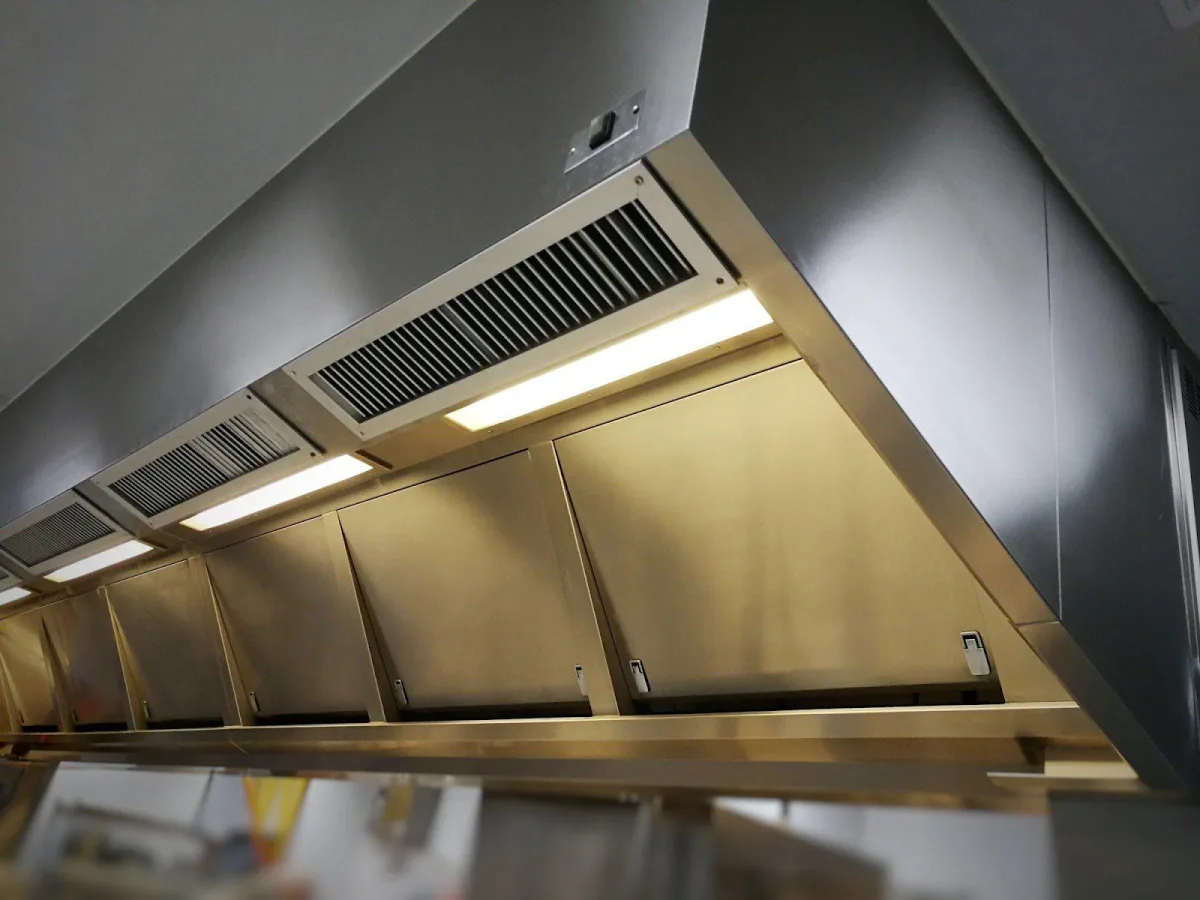
How to Troubleshoot Common Commercial Kitchen Ventilation Issues Without Losing Your Mind
Let me set the scene: It’s a Friday night service, the kitchen’s packed, tickets are flying, and suddenly-*poof*-the air gets thick enough to cut with a knife. Not the good kind of thick, like a perfectly reduced demi-glace. The kind where your eyes sting, your clothes feel damp within minutes, and the line cooks start side-eyeing the hood like it’s personally betrayed them. Sound familiar? If you’ve ever worked in or managed a commercial kitchen, you know that ventilation issues aren’t just annoying, they’re productivity killers, safety hazards, and morale crushers all rolled into one.
I’ll admit, when I first moved to Nashville and started diving into the world of commercial kitchens (beyond just eating in them), I assumed ventilation was one of those “set it and forget it” systems. Like a slow cooker, but for air. Turns out, I was dead wrong. These systems are complex, finicky, and, when they fail, capable of turning a well-oiled kitchen into a sauna from hell. Over the past few years, I’ve talked to chefs, HVAC techs, and even a few exhausted kitchen managers who’ve seen it all: grease buildup that could double as insulation, fans running backward (yes, really), and dampers that might as well be decorative sculptures for all the good they do.
So, if you’re reading this because your kitchen’s ventilation is acting up, take a deep breath (preferably somewhere with better airflow). This guide isn’t just about slapping a Band-Aid on the problem, it’s about diagnosing the root cause, fixing it efficiently, and maybe even preventing future meltdowns (both literal and figurative). By the end, you’ll know how to troubleshoot the most common commercial kitchen ventilation issues, when to call in the pros, and how to keep your system running smoother than a well-seasoned cast-iron skillet. Let’s get into it.
The Anatomy of a Commercial Kitchen Ventilation System: What You’re Actually Dealing With
Before we dive into troubleshooting, it’s worth taking a step back to understand what a commercial kitchen ventilation system actually is. I know, I know, this feels like the part of the manual where they tell you to “consult your system’s diagram” while you’re standing in a puddle of condensation. But bear with me. If you don’t know how the system *should* work, it’s a lot harder to figure out why it *isn’t*.
At its core, a commercial kitchen ventilation system has two main jobs: exhaust and makeup air. The exhaust side pulls out all the bad stuff, heat, smoke, grease, steam, and whatever else your kitchen is churning out. The makeup air side replaces that extracted air with fresh, tempered air from outside. If either side is out of whack, the whole system suffers. Here’s a quick breakdown of the key components:
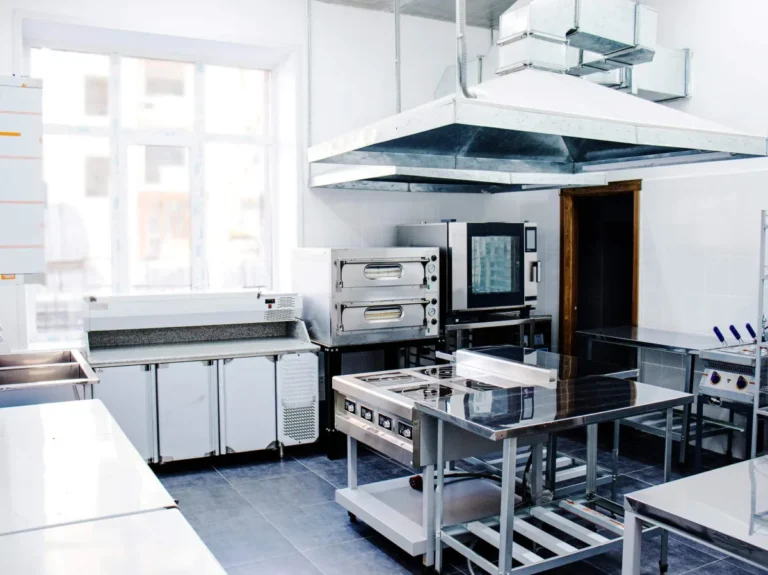
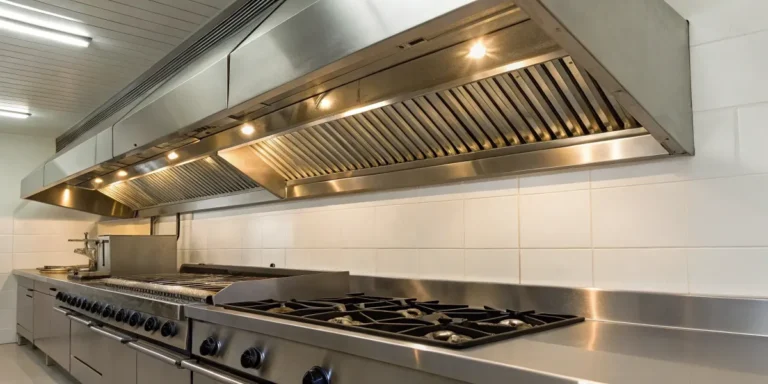
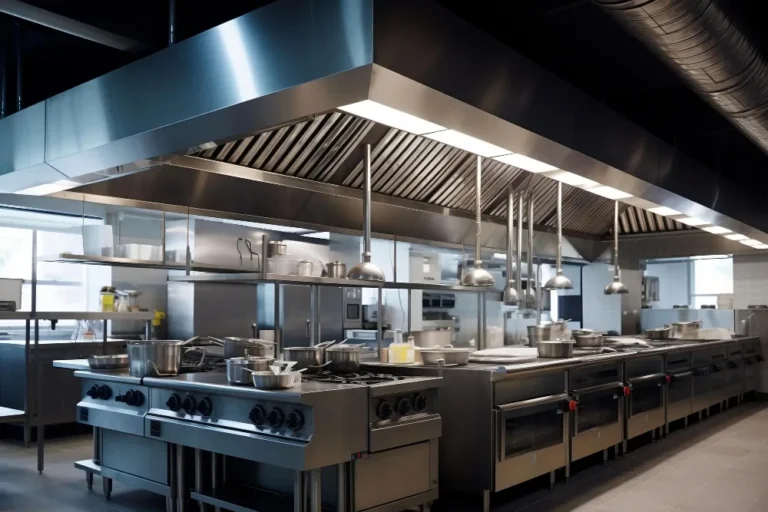
- Exhaust Hood: This is the big metal canopy hanging over your cooking equipment. It’s not just there to look intimidating, it’s designed to capture and contain the airborne grease, smoke, and heat before it spreads. There are a few types, like Type I hoods (for grease-producing equipment, like grills and fryers) and Type II hoods (for steam and heat, like dishwashers).
- Exhaust Fan: This is the muscle of the system. It pulls air through the hood and sends it outside. If this isn’t working, nothing else matters.
- Ductwork: The network of pipes that carries the exhaust air from the hood to the outside. It’s usually made of stainless steel or galvanized metal and needs to be sloped and sealed properly to prevent grease buildup and leaks.
- Makeup Air Unit (MAU): This brings in fresh air from outside to replace the air being exhausted. It’s often heated or cooled to keep the kitchen comfortable. If your makeup air isn’t balanced, you’ll end up with negative pressure, which can cause all sorts of problems (more on that later).
- Filters: These catch grease and other particles before they clog up your ducts. They need to be cleaned or replaced regularly, otherwise, they become a fire hazard and reduce airflow.
- Dampers: These are like the traffic cops of your ventilation system. They control airflow and can be manually or automatically adjusted to balance the system.
- Fire Suppression System: Not directly part of the ventilation, but often integrated with it. If your hood is triggering false alarms or not activating when it should, it could be a sign of ventilation issues.
Now, here’s where things get tricky. All these components are interconnected, and a problem in one area can cause issues in another. For example, a clogged filter might make your exhaust fan work harder, which could lead to overheating and premature failure. Or, if your makeup air isn’t balanced, you might end up with negative pressure, which can pull in cold air from outside or even cause your exhaust fan to work inefficiently. It’s like a game of Jenga, pull one piece out of place, and the whole thing could come crashing down.
Is this the best way to think about it? Maybe not. But it’s how I’ve come to understand it after talking to enough people who’ve dealt with these systems day in and day out. At the very least, it’s a starting point. Let’s move on to the actual troubleshooting.
1. The Kitchen Feels Like a Sauna: Diagnosing Poor Airflow
You walk into your kitchen, and it hits you like a wall, literally. The air is thick, hot, and smells like a mix of yesterday’s fryer oil and today’s desperation. If your kitchen feels more like a steam room than a workspace, poor airflow is likely the culprit. But what’s causing it? Let’s break it down.
Check the Obvious First: Filters and Fans
Before you start tearing apart your ductwork or calling in an HVAC tech, there are a few easy things to check. First, take a look at your hood filters. These are the first line of defense against grease and grime, and if they’re clogged, your airflow is going to suffer. I’ve seen filters so caked with grease that they looked like they’d been dipped in a vat of bacon fat. Not only does this restrict airflow, but it’s also a major fire hazard. Most filters should be cleaned daily or at least weekly, depending on your volume. If yours haven’t been cleaned in a while, that’s your first red flag.
Next, check your exhaust fan. Is it running? I know this sounds painfully obvious, but you’d be surprised how often the fan gets accidentally turned off or isn’t running at full capacity. Listen for unusual noises, grinding, squeaking, or rattling could indicate a problem with the motor or bearings. If the fan is running but the air isn’t moving, it might be spinning in the wrong direction. Yes, this happens more often than you’d think. Most commercial exhaust fans have a directional arrow on the housing. If it’s spinning backward, it’s not pulling air, it’s pushing it. This is usually an easy fix: just flip the switch on the motor (or call an electrician if you’re not comfortable doing it yourself).
If the fan and filters seem fine, the issue might be with the ductwork. Over time, grease and debris can build up inside the ducts, restricting airflow. This is especially common in older systems or kitchens with high-volume frying. You can sometimes spot this by looking for grease buildup around the hood or on the roof near the exhaust outlet. If the ducts are clogged, you’ll need to have them professionally cleaned. This isn’t a DIY job, it requires specialized equipment and, in some cases, disassembling parts of the system. But it’s worth it. I’ve seen kitchens go from unbearable to comfortable just by clearing out a few years’ worth of grease from the ducts.
Negative Pressure: The Silent Killer of Kitchen Comfort
Here’s a term you might not be familiar with, but it’s a big deal in commercial kitchens: negative pressure. This happens when your exhaust system is pulling out more air than your makeup air system is bringing in. The result? Your kitchen becomes a vacuum, sucking in air from wherever it can, under doors, through cracks in the walls, even down the chimney if you have one. This can cause a few problems:
- Cold drafts: If your kitchen is pulling in air from outside, it can create uncomfortable drafts, especially in colder months. I’ve heard stories of line cooks wearing gloves in the middle of service because the kitchen was so cold near the doors.
- Backdrafting: This is when the negative pressure causes exhaust gases (like carbon monoxide) to be pulled back into the kitchen instead of being vented outside. It’s a serious safety hazard and can lead to health issues for your staff.
- Inefficient exhaust: If your kitchen is under negative pressure, your exhaust fan has to work harder to pull air out, which can lead to premature wear and tear on the motor.
So how do you know if you have negative pressure? One easy test is the door test. Open an exterior door slightly and see if you feel a strong rush of air coming in. If you do, that’s a sign of negative pressure. Another clue is if doors are hard to open or slam shut on their own. If you suspect negative pressure, you’ll need to adjust your makeup air unit to bring in more fresh air. This might involve increasing the fan speed, opening dampers, or even installing additional makeup air vents. It’s a delicate balance, too much makeup air can cause positive pressure, which can push smoke and grease into dining areas or other parts of the building. Finding the sweet spot usually requires a bit of trial and error, or the help of an HVAC professional.
2. The Hood Isn’t Capturing Smoke or Steam: What’s Going Wrong?
You’ve got a cloud of smoke billowing up from the grill, but instead of being sucked into the hood, it’s spreading across the kitchen like a fog machine at a 2000s emo concert. If your hood isn’t capturing smoke, steam, or grease effectively, it’s not just an annoyance, it’s a sign that something’s seriously off with your ventilation system. Let’s figure out why.
Is Your Hood the Right Size or Type?
Not all hoods are created equal. If your hood is too small for the equipment it’s supposed to cover, it won’t be able to capture all the smoke and steam. The National Fire Protection Association (NFPA) and local building codes have specific guidelines for hood sizing based on the type and size of your cooking equipment. For example, a hood over a charbroiler needs to extend at least 6 inches beyond the front and sides of the equipment, while a fryer might require a different configuration. If your hood is undersized, you might need to replace it or add side panels to improve capture efficiency.
Another thing to consider is the type of hood. As I mentioned earlier, Type I hoods are designed for grease-producing equipment, while Type II hoods are for steam and heat. If you’ve got a Type II hood over a grill, it’s not going to do a great job of capturing grease particles, which can lead to buildup in your ducts and filters. Similarly, if you’ve got a Type I hood over a dishwasher, you might be over-engineering your system, which can lead to unnecessary energy costs. Double-check that your hood matches the equipment it’s covering.
The Placement and Positioning of Your Hood
Even the best hood won’t work if it’s not positioned correctly. The capture zone-the area where the hood can effectively pull in smoke and steam, is crucial. If your cooking equipment is too far below the hood, or if there are obstructions (like shelves or other equipment) in the way, the hood won’t be able to do its job. Ideally, the bottom of the hood should be 6 to 7 feet above the floor, and the front edge should extend slightly beyond the front of the cooking equipment. If your hood is too high, you might need to lower it or install a back shelf to help direct the airflow.
Another common issue is cross-drafts. If there’s a strong breeze coming from an open door, a nearby fan, or even an air conditioning vent, it can disrupt the airflow under the hood and cause smoke to escape. I’ve seen kitchens where the hood worked perfectly until someone opened the back door to take out the trash, suddenly, smoke was everywhere. If cross-drafts are an issue, you might need to adjust the layout of your kitchen or install partitions to block the airflow.
Is Your Exhaust Fan Powerful Enough?
Even if your hood is the right size and positioned correctly, it won’t work well if your exhaust fan isn’t powerful enough. The fan needs to be able to pull air at a high enough velocity to capture smoke and steam before it escapes. The required airflow is measured in cubic feet per minute (CFM), and it depends on the size of your hood and the type of cooking you’re doing. For example, a hood over a charbroiler might need 300 to 500 CFM per linear foot, while a hood over a steamer might need less. If your fan isn’t moving enough air, you might need to upgrade to a more powerful model or add a second fan.
One way to check if your fan is powerful enough is to do the tissue test. Hold a tissue near the edge of the hood while the fan is running. If the tissue is pulled toward the hood, the airflow is probably sufficient. If not, you might need to adjust the fan speed or check for obstructions in the ductwork. Keep in mind that this is a rough test, it’s not a substitute for a professional airflow measurement, but it can give you a quick idea of whether your fan is doing its job.
3. Grease Buildup: The Silent Fire Hazard Lurking in Your Ducts
Let’s talk about grease. It’s the lifeblood of a good fry-up, but in your ventilation system, it’s more like a ticking time bomb. Grease buildup in your ducts, filters, and hood is one of the most common, and dangerous, ventilation issues in commercial kitchens. It’s also one of the most overlooked, because it’s not always visible until it’s too late. If you’ve ever seen a kitchen fire, you know how quickly grease can go from “annoying cleanup job” to “oh crap, we’re evacuating.”
How to Spot Grease Buildup Before It Becomes a Problem
Grease buildup doesn’t happen overnight. It’s a slow, creeping process that starts with a thin film and gradually thickens into a sticky, flammable mess. The key is to catch it early. Here are a few signs to look out for:
- Visible grease on the hood or filters: If your hood or filters look like they’ve been dipped in oil, that’s a clear sign that grease is building up in your system. This is especially common in kitchens with high-volume frying or grilling.
- Grease dripping from the exhaust outlet: If you see grease dripping from the exhaust vent on the roof, it’s a sign that your ducts are clogged and the grease has nowhere to go but down. This is a major fire hazard and needs to be addressed immediately.
- Reduced airflow: If your hood isn’t pulling air as effectively as it used to, grease buildup in the ducts could be the culprit. As grease accumulates, it restricts airflow, making your system less efficient.
- Unusual smells: If your kitchen smells like a deep fryer even when nothing’s cooking, it could be a sign that grease is building up in your ducts and burning off when the system heats up.
If you notice any of these signs, it’s time to take action. The first step is to clean your filters. Most commercial kitchen filters are designed to be cleaned daily or at least weekly. You can wash them in a sink with hot water and degreaser, or run them through a dishwasher if they’re dishwasher-safe. Just make sure they’re completely dry before putting them back in the hood, wet filters can reduce airflow and promote mold growth.
Next, take a look at your ductwork. If you can see grease buildup on the inside of the ducts, it’s time for a professional cleaning. This isn’t a job for a mop and bucket, it requires specialized equipment, like high-pressure steam cleaners or chemical degreasers, to break down the grease without damaging the ducts. Most commercial kitchens should have their ducts cleaned at least once a year, but high-volume kitchens might need it more often. Check with your local fire marshal or insurance provider for specific requirements.
Preventing Grease Buildup: A Proactive Approach
Cleaning up grease buildup is a pain, so why not prevent it in the first place? Here are a few strategies to keep your system grease-free:
- Use the right filters: Not all filters are created equal. Some are designed to capture more grease than others. For example, baffle filters are more effective at trapping grease than mesh filters, and they’re also easier to clean. If you’re dealing with a lot of grease, consider upgrading your filters.
- Clean regularly: I know, I know, cleaning filters and hoods is nobody’s favorite job. But it’s a lot easier to clean a thin layer of grease than a thick, sticky mess. Make it part of your daily or weekly routine, and it’ll become second nature.
- Monitor your cooking methods: Some cooking methods produce more grease than others. For example, frying and grilling generate a lot of grease-laden vapors, while steaming or boiling produce more steam. If you’re doing a lot of high-grease cooking, you might need to clean your system more often.
- Install a grease interceptor: A grease interceptor is a device that captures grease before it enters your plumbing system. It won’t prevent grease from building up in your ventilation system, but it can reduce the amount of grease that ends up in your ducts.
- Train your staff: Make sure your staff knows how to use the equipment properly. For example, turning down the heat on a fryer can reduce the amount of grease-laden steam it produces. And if someone spills oil or grease, clean it up immediately, don’t let it sit and evaporate into your ventilation system.
Is this overkill? Maybe. But when it comes to grease buildup, an ounce of prevention is worth a pound of cure. Or, in this case, a pound of fire extinguisher.
4. Strange Noises: What’s That Racket Coming from Your Ventilation System?
Your kitchen is supposed to be loud, shouting, sizzling, the occasional clatter of pans, but it shouldn’t sound like a construction site. If your ventilation system is making strange noises, it’s not just annoying, it’s a sign that something’s wrong. And in a commercial kitchen, “something’s wrong” is never a phrase you want to hear. Let’s break down the most common noises and what they might mean.
Squeaking, Squealing, or Grinding: The Sounds of a Struggling Fan
If your exhaust fan sounds like a banshee every time it turns on, it’s probably trying to tell you something. Here are a few possibilities:
- Worn-out bearings: The bearings in your fan motor can wear out over time, especially if they’re not lubricated regularly. If you hear a high-pitched squealing or grinding noise, it’s likely a bearing issue. This is a job for a professional, replacing bearings isn’t a DIY fix, and if you ignore it, you could end up with a seized motor.
- Loose or misaligned belts: If your fan is belt-driven (common in older systems), a loose or misaligned belt can cause squeaking or squealing. You can usually spot this by looking for frayed or worn belts. Tightening or replacing the belt might fix the problem, but if the belt is damaged, it’s best to replace it.
- Debris in the fan: If something (like a piece of grease-laden debris or a loose screw) gets caught in the fan blades, it can cause a rattling or grinding noise. Turn off the fan and inspect the blades for obstructions. If you find something, remove it carefully, don’t try to force it, as you could damage the fan.
If the noise persists after checking these things, it’s time to call in a professional. A noisy fan isn’t just annoying, it’s a sign that the motor is working harder than it should, which can lead to premature failure.
Rattling or Vibrating: Is Your System About to Shake Itself Apart?
A rattling or vibrating noise is usually a sign that something is loose or unbalanced. Here are a few things to check:
- Loose ductwork: If your ducts aren’t properly secured, they can vibrate against the walls or ceiling, creating a rattling noise. This is especially common in older systems or kitchens with a lot of vibration (like those with heavy-duty equipment). Check the ducts for loose screws or brackets, and tighten them if necessary.
- Unbalanced fan blades: If the fan blades are bent or unbalanced, they can cause the fan to vibrate. This is usually a job for a professional, as balancing fan blades requires specialized equipment.
- Loose hood or mounting hardware: If the hood itself is loose, it can vibrate against the wall or ceiling. Check the mounting hardware and tighten any loose screws or bolts.
If the rattling is coming from the ductwork, you might be able to fix it yourself by tightening the screws or adding vibration-damping pads. But if the fan is unbalanced, you’ll need to call in a professional. An unbalanced fan can cause excessive wear and tear on the motor, leading to premature failure.
Whistling or Hissing: The Sound of Air Escaping
If your ventilation system sounds like a teakettle, it’s probably a sign of an air leak. Air leaks can occur in a few places:
- Ductwork: If there are gaps or holes in your ducts, air can escape, creating a whistling or hissing noise. This is especially common in older systems or kitchens with a lot of vibration. Check the ducts for visible gaps or holes, and seal them with metal tape or mastic sealant.
- Hood seams: If the seams in your hood aren’t properly sealed, air can escape, creating a hissing noise. Check the seams for gaps, and seal them with high-temperature silicone caulk.
- Dampers: If your dampers aren’t sealing properly, air can escape, creating a whistling noise. Check the dampers for gaps, and adjust or replace them if necessary.
Air leaks aren’t just noisy, they’re also inefficient. If air is escaping from your ducts, your system has to work harder to maintain the same airflow, which can lead to higher energy costs and premature wear and tear on your equipment. Sealing leaks is usually a simple fix, but if the ducts are damaged, you might need to replace them.
5. The Kitchen Smells Like a Deep Fryer (Even When It’s Not)
You walk into your kitchen, and it hits you, the unmistakable smell of fried food. The problem? Nothing’s cooking. If your kitchen smells like a grease trap even when the fryers are off, it’s a sign that something’s wrong with your ventilation system. And it’s not just unpleasant, it can also be a health hazard for your staff and customers. Let’s figure out why this is happening and how to fix it.
Grease Buildup in the Ducts: The Usual Suspect
If your kitchen smells like grease, the most likely culprit is grease buildup in the ducts. Over time, grease can accumulate in your ductwork, and when the system heats up (like when the exhaust fan is running), it can start to burn off, creating that familiar fried food smell. This is especially common in kitchens with high-volume frying or grilling.
The fix? You guessed it-clean your ducts. As I mentioned earlier, this isn’t a DIY job. You’ll need to hire a professional duct cleaning service to remove the grease buildup. They’ll use specialized equipment, like high-pressure steam cleaners or chemical degreasers, to break down the grease without damaging the ducts. Most commercial kitchens should have their ducts cleaned at least once a year, but high-volume kitchens might need it more often.
In the meantime, you can try running your exhaust fan at a higher speed to see if that helps clear out the smell. But this is just a temporary fix, if the ducts are clogged with grease, the smell will keep coming back.
Negative Pressure: Pulling in the Wrong Air
Remember negative pressure from earlier? If your kitchen is under negative pressure, it can pull in air from wherever it can, including from the grease-laden exhaust outlet on the roof. This can cause the smell of grease to waft back into your kitchen, even when nothing’s cooking. It’s like your kitchen is haunted by the ghost of fried chicken past.
To fix this, you’ll need to balance your makeup air. This might involve increasing the fan speed on your makeup air unit, opening dampers, or even installing additional makeup air vents. It’s a delicate balance, too much makeup air can cause positive pressure, which can push smoke and grease into dining areas or other parts of the building. If you’re not sure how to balance your system, it’s best to call in an HVAC professional.
Poor Filtration: Letting Grease Particles Escape
If your filters aren’t doing their job, grease particles can escape into your kitchen, creating that lingering fried food smell. This is especially common if your filters are clogged or if you’re using the wrong type of filters for your cooking methods.
First, check your filters. Are they clean? If not, clean or replace them. Most commercial kitchen filters should be cleaned daily or at least weekly, depending on your volume. If your filters are clean but you’re still getting a grease smell, you might need to upgrade to a more effective filter. For example, baffle filters are more effective at trapping grease than mesh filters, and they’re also easier to clean.
Another thing to consider is the filter efficiency rating. Filters are rated based on their ability to capture particles, with higher ratings indicating better filtration. If you’re dealing with a lot of grease, you might need a filter with a higher efficiency rating. Check with your filter supplier to see what’s available.
6. The Exhaust Fan Isn’t Turning On (Or Won’t Stay On)
You flip the switch, and… nothing. Or maybe it turns on for a second and then shuts off. If your exhaust fan isn’t working, it’s not just an inconvenience, it’s a major problem. Without the fan, your ventilation system can’t do its job, and your kitchen will quickly become unbearable. Let’s troubleshoot this step by step.
Check the Power Supply: Is It Plugged In?
I know, I know, this is the “is it plugged in?” question. But you’d be surprised how often the problem is something simple, like a tripped circuit breaker or a loose wire. Here’s what to check:
- Circuit breaker: Head to your electrical panel and check if the breaker for the exhaust fan has tripped. If it has, reset it and see if the fan turns on. If it trips again, there’s likely a problem with the fan motor or wiring, and you’ll need to call an electrician.
- Power switch: Make sure the switch for the fan is turned on. This might seem obvious, but it’s easy to overlook, especially if the switch is in an out-of-the-way location.
- Wiring: If the fan still isn’t turning on, check the wiring. Look for loose or disconnected wires, and make sure the connections are secure. If you’re not comfortable working with electricity, call an electrician.
If the power supply seems fine but the fan still isn’t turning on, the problem might be with the motor or the fan itself.
Is the Motor Overheating?
If your exhaust fan turns on but then shuts off after a few seconds, it might be overheating. This is usually a sign of a problem with the motor, like a worn-out bearing or a faulty thermal overload switch. Here’s what to check:
- Thermal overload switch: Most commercial exhaust fans have a thermal overload switch that shuts off the motor if it gets too hot. If the switch is tripped, the fan will turn off and won’t turn back on until the motor cools down. You can try resetting the switch, but if it keeps tripping, there’s likely a problem with the motor.
- Motor bearings: If the bearings in the motor are worn out, they can cause the motor to overheat. Listen for unusual noises, like grinding or squealing, which can indicate a bearing problem. If you hear these noises, it’s time to call in a professional.
- Grease buildup: If the motor is covered in grease, it can overheat. Clean the motor with a degreaser, and make sure it’s dry before turning the fan back on.
If the motor is overheating, it’s best to call in a professional. Overheating can cause permanent damage to the motor, and it’s not a problem you want to ignore.
Is the Fan Belt Broken or Slipping?
If your exhaust fan is belt-driven (common in older systems), a broken or slipping belt can prevent the fan from turning. Here’s what to check:
- Belt tension: If the belt is too loose, it can slip, preventing the fan from turning. Check the tension by pressing down on the belt, it should have a little give, but not too much. If it’s too loose, tighten it according to the manufacturer’s instructions.
- Belt condition: Look for signs of wear, like fraying or cracks. If the belt is damaged, it’s best to replace it.
- Pulleys: Check the pulleys for signs of wear or damage. If the pulleys are worn out, they can cause the belt to slip or break.
If the belt is broken or slipping, you’ll need to replace it. This is usually a simple fix, but if you’re not comfortable working with belts and pulleys, it’s best to call in a professional.
7. The Makeup Air Unit Isn’t Working: Why Your Kitchen Feels Like a Vacuum
Earlier, we talked about negative pressure and how it can cause all sorts of problems in your kitchen. If your makeup air unit isn’t working, your kitchen will quickly become a vacuum, sucking in air from wherever it can. This can cause cold drafts, backdrafting, and inefficient exhaust. Let’s troubleshoot the makeup air unit.
Check the Power Supply: Is It Getting Juice?
Just like with the exhaust fan, the first thing to check is the power supply. Here’s what to look for:
- Circuit breaker: Check if the breaker for the makeup air unit has tripped. If it has, reset it and see if the unit turns on. If it trips again, there’s likely a problem with the unit or wiring.
- Power switch: Make sure the switch for the unit is turned on. This might seem obvious, but it’s easy to overlook.
- Wiring: Check the wiring for loose or disconnected wires. If you’re not comfortable working with electricity, call an electrician.
If the power supply seems fine but the unit still isn’t turning on, the problem might be with the motor or the unit itself.
Is the Motor Overheating or Faulty?
If the makeup air unit turns on but then shuts off after a few seconds, it might be overheating. This is usually a sign of a problem with the motor, like a worn-out bearing or a faulty thermal overload switch. Here’s what to check:
- Thermal overload switch: Most makeup air units have a thermal overload switch that shuts off the motor if it gets too hot. If the switch is tripped, the unit will turn off and won’t turn back on until the motor cools down. You can try resetting the switch, but if it keeps tripping, there’s likely a problem with the motor.
- Motor bearings: If the bearings in the motor are worn out, they can cause the motor to overheat. Listen for unusual noises, like grinding or squealing, which can indicate a bearing problem. If you hear these noises, it’s time to call in a professional.
- Grease buildup: If the motor is covered in grease, it can overheat. Clean the motor with a degreaser, and make sure it’s dry before turning the unit back on.
If the motor is overheating, it’s best to call in a professional. Overheating can cause permanent damage to the motor, and it’s not a problem you want to ignore.
Are the Dampers Stuck or Misaligned?
The dampers in your makeup air unit control the flow of air. If they’re stuck or misaligned, the unit won’t be able to bring in enough fresh air. Here’s what to check:
- Damper position: Check if the dampers are open. If they’re closed or partially closed, the unit won’t be able to bring in enough air. Adjust the dampers according to the manufacturer’s instructions.
- Damper condition: Look for signs of wear or damage, like bent blades or broken linkages. If the dampers are damaged, they might need to be replaced.
- Damper motor: If your dampers are motorized, check if the motor is working. If the motor is faulty, the dampers won’t open or close properly.
If the dampers are stuck or misaligned, you might be able to fix them yourself by adjusting or lubricating them. But if they’re damaged, you’ll need to replace them. This is usually a job for a professional.
8. The Fire Suppression System Keeps Going Off (Or Won’t Go Off When It Should)
Your fire suppression system is designed to keep your kitchen safe, but if it’s going off when there’s no fire, or not going off when there is, it’s a sign that something’s wrong. And in a commercial kitchen, “something’s wrong” is never a phrase you want to hear. Let’s troubleshoot this step by step.
False Alarms: Why Is the System Going Off for No Reason?
If your fire suppression system keeps going off when there’s no fire, it’s usually a sign of one of these issues:
- Grease buildup: If there’s a lot of grease buildup in your hood or ducts, it can trigger the fire suppression system. This is especially common in kitchens with high-volume frying or grilling. Clean your hood and ducts to remove the grease buildup.
- Steam or smoke: If there’s a lot of steam or smoke in your kitchen, it can trigger the fire suppression system. This is more common in kitchens with poor ventilation or high-volume cooking. Improve your ventilation to reduce steam and smoke.
- Faulty sensors: If the sensors in your fire suppression system are dirty or damaged, they can trigger false alarms. Clean or replace the sensors as needed.
- Electrical issues: If there’s a problem with the wiring or power supply, it can cause the system to go off. Check the wiring and power supply, and call an electrician if needed.
If the system keeps going off, it’s best to call in a professional. False alarms aren’t just annoying, they can also desensitize your staff to real alarms, which is a major safety hazard.
The System Won’t Go Off When It Should: A Dangerous Situation
If your fire suppression system doesn’t go off when there’s a fire, it’s a sign of a serious problem. Here’s what to check:
- Sensors: If the sensors are dirty or damaged, they might not detect a fire. Clean or replace the sensors as needed.
- Wiring: If there’s a problem with the wiring, the system might not activate. Check the wiring, and call an electrician if needed.
- Power supply: If the system isn’t getting power, it won’t activate. Check the power supply and circuit breaker.
- Mechanical issues: If there’s a problem with the mechanical components of the system, like the nozzles or piping, it might not activate. Call in a professional to inspect the system.
If your fire suppression system isn’t working properly, it’s a major safety hazard. Call in a professional immediately to inspect and repair the system.
9. The Ventilation System Is Costing You a Fortune in Energy Bills
Let’s talk about money. Specifically, the money you’re probably wasting on an inefficient commercial kitchen ventilation system. If your energy bills are through the roof, it’s not just bad for your bottom line, it’s also a sign that your system isn’t running as efficiently as it could be. Let’s figure out why and how to fix it.
Is Your System Oversized or Undersized?
One of the most common causes of high energy bills is an oversized or undersized ventilation system. If your system is too big, it’s using more energy than it needs to. If it’s too small, it’s working harder than it should to keep up with demand. Here’s how to tell if your system is the right size:
- Oversized system: If your system is oversized, you might notice that it cycles on and off frequently, or that it’s running at a lower speed than it should be. This can cause unnecessary wear and tear on the motor and increase your energy bills.
- Undersized system: If your system is undersized, you might notice that it’s running at full speed all the time, or that it’s struggling to keep up with demand. This can cause the motor to overheat and increase your energy bills.
If your system is the wrong size, you might need to replace it or adjust the fan speed. This is usually a job for a professional, as it requires careful calculations to ensure the system is balanced.
Are Your Filters Clean?
I know I’ve said this before, but it bears repeating: dirty filters are a major energy drain. If your filters are clogged, your system has to work harder to pull air through, which increases your energy bills. Clean or replace your filters regularly to keep your system running efficiently.
Is Your Ductwork Leaking?
If your ducts are leaking, your system is wasting energy by pulling in or pushing out air where it shouldn’t be. This can cause your system to work harder than it needs to, increasing your energy bills. Check your ducts for visible gaps or holes, and seal them with metal tape or mastic sealant.
Are Your Dampers Adjusted Correctly?
If your dampers aren’t adjusted correctly, your system might be bringing in too much or too little makeup air. This can cause your system to work harder than it needs to, increasing your energy bills. Check your dampers and adjust them as needed to balance your system.
Is Your System Running When It Doesn’t Need To?
If your ventilation system is running at full speed when the kitchen is empty, you’re wasting energy. Consider installing a variable speed drive (VSD) or a demand-controlled ventilation (DCV) system. These systems adjust the fan speed based on the amount of smoke, steam, or heat in the kitchen, so they’re only running at full speed when they need to be. This can significantly reduce your energy bills.
10. When to Call in the Pros: Don’t DIY Your Way into a Disaster
Look, I get it. You’re a problem-solver. You see an issue, and your first instinct is to roll up your sleeves and fix it yourself. And in a lot of cases, that’s a great approach. But when it comes to commercial kitchen ventilation systems, there are some problems that are best left to the professionals. Here’s when to put down the wrench and pick up the phone.
Electrical Issues: Don’t Play with Fire (Literally)
If the problem involves electricity, like a tripped circuit breaker, a faulty motor, or loose wiring, it’s best to call in an electrician. Commercial kitchen ventilation systems draw a lot of power, and working with them can be dangerous if you’re not trained. Plus, if you mess something up, you could end up causing a fire or damaging your equipment. It’s not worth the risk.
Ductwork Problems: Leave It to the Experts
If the problem involves your ductwork-like leaks, clogs, or damage, it’s best to call in an HVAC professional. Ductwork is a complex system, and fixing it often requires specialized equipment and knowledge. Plus, if you don’t seal the ducts properly, you could end up with leaks that waste energy and reduce airflow. And if you’re dealing with grease buildup, you’ll need a professional duct cleaning service to remove it safely.
Fire Suppression System Issues: Safety First
If the problem involves your fire suppression system, it’s best to call in a professional. These systems are designed to keep your kitchen safe, and if they’re not working properly, it’s a major hazard. Plus, fire suppression systems are highly regulated, and any repairs or modifications need to be done by a licensed professional to ensure compliance with local codes.
Major Equipment Failures: Don’t Make It Worse
If your exhaust fan or makeup air unit is completely dead, it’s best to call in a professional. These are complex pieces of equipment, and trying to fix them yourself could make the problem worse. Plus, if you don’t diagnose the issue correctly, you could end up replacing the wrong part, which is a waste of time and money.
When in Doubt, Call It Out
If you’re not sure what’s causing the problem, or if you’ve tried troubleshooting and the issue persists, it’s best to call in a professional. Commercial kitchen ventilation systems are complex, and what seems like a simple fix could be a symptom of a larger problem. A professional can diagnose the issue quickly and accurately, saving you time, money, and headaches in the long run.
I’m torn between encouraging you to tackle the small stuff yourself and warning you not to bite off more than you can chew. Ultimately, it comes down to this: if you’re comfortable with the fix and it doesn’t involve electricity, fire suppression, or major equipment, go for it. But if you’re in over your head, don’t hesitate to call in the pros. Your kitchen (and your sanity) will thank you.
Wrapping It Up: A Breath of Fresh Air
Let’s be real-commercial kitchen ventilation issues are the kind of problems that can make you want to throw in the towel (or the apron, in this case). They’re complex, often invisible, and capable of turning a well-run kitchen into a chaotic mess. But here’s the thing: they’re also manageable. With a little knowledge, some proactive maintenance, and the willingness to call in the pros when needed, you can keep your system running smoothly and your kitchen comfortable.
So, where do you go from here? Start by giving your system a once-over. Check your filters, listen for unusual noises, and keep an eye out for grease buildup. If you notice anything off, don’t ignore it, address it before it becomes a bigger problem. And if you’re not sure what’s causing the issue, don’t be afraid to call in a professional. It’s better to spend a little money on a repair now than a lot of money on a replacement later.
At the end of the day, your ventilation system is the unsung hero of your kitchen. It’s easy to take it for granted when it’s working well, but when it’s not, it’s all you can think about. So treat it with the care it deserves, and it’ll keep your kitchen running smoothly for years to come. And who knows? Maybe you’ll even start to appreciate the hum of a well-tuned exhaust fan. Stranger things have happened.
FAQ: Your Burning Questions About Commercial Kitchen Ventilation
Q: How often should I clean my commercial kitchen ventilation filters?
A: It depends on your volume, but most commercial kitchen filters should be cleaned daily or at least weekly. High-volume kitchens (like those with a lot of frying or grilling) might need to clean their filters more often. If you’re not sure, check the manufacturer’s recommendations or consult with an HVAC professional. And remember, dirty filters aren’t just inefficient, they’re also a fire hazard.
Q: What’s the difference between Type I and Type II hoods, and how do I know which one I need?
A: Type I hoods are designed for grease-producing equipment, like grills, fryers, and charbroilers. They’re equipped with grease filters and are required by code in most commercial kitchens. Type II hoods, on the other hand, are designed for steam and heat, like dishwashers and steamers. They don’t have grease filters and aren’t suitable for grease-producing equipment. If you’re not sure which type you need, check your local building codes or consult with an HVAC professional.
Q: My kitchen feels drafty, and the doors are hard to open. Is this a ventilation issue?
A: It sounds like you’re dealing with negative pressure. This happens when your exhaust system is pulling out more air than your makeup air system is bringing in. The result is a vacuum effect, where your kitchen pulls in air from wherever it can, under doors, through cracks in the walls, etc. To fix this, you’ll need to balance your makeup air. This might involve increasing the fan speed on your makeup air unit, opening dampers, or even installing additional makeup air vents. If you’re not sure how to do this, it’s best to call in an HVAC professional.
Q: How can I tell if my exhaust fan is powerful enough for my kitchen?
A: The required airflow for your exhaust fan is measured in cubic feet per minute (CFM), and it depends on the size of your hood and the type of cooking you’re doing. A general rule of thumb is that a hood over a charbroiler might need 300 to 500 CFM per linear foot, while a hood over a steamer might need less. If you’re not sure, you can do the tissue test: hold a tissue near the edge of the hood while the fan is running. If the tissue is pulled toward the hood, the airflow is probably sufficient. If not, you might need to adjust the fan speed or check for obstructions in the ductwork. For a more accurate measurement, you’ll need to hire an HVAC professional to perform an airflow test.
@article{how-to-troubleshoot-common-commercial-kitchen-ventilation-issues-like-a-pro,
    title   = {How to Troubleshoot Common Commercial Kitchen Ventilation Issues Like a Pro},
    author  = {Chef's icon},
    year    = {2026},
    journal = {Chef's Icon},
    url     = {https://chefsicon.com/how-to-troubleshoot-common-commercial-kitchen-ventilation-issues/}
}