The Best Fluffy Pancakes recipe you will fall in love with. Full of tips and tricks to help you make the best pancakes.
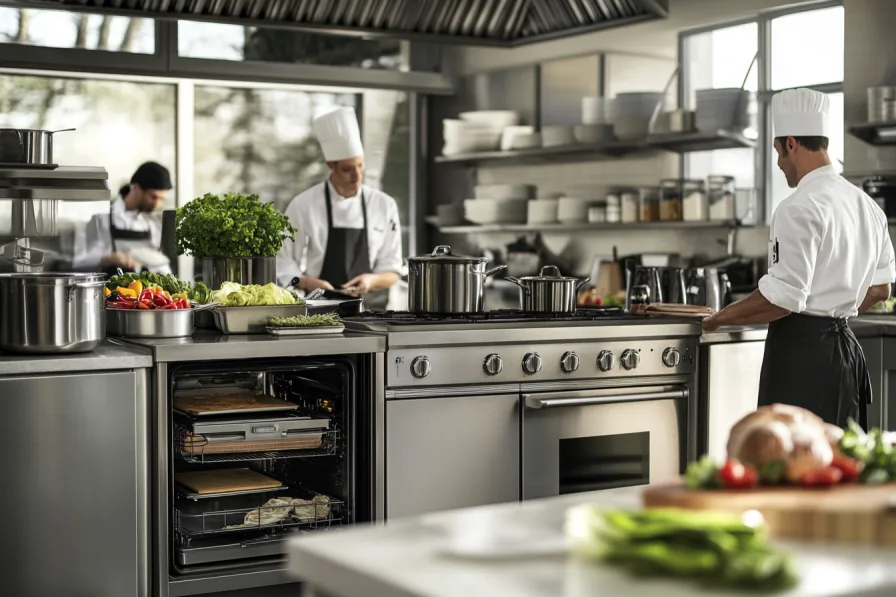
The Moment I Realized My Kitchen Was Holding Me Back
It was a Tuesday night, one of those nights where the dining room was packed, the bar was three-deep, and the kitchen was somehow both chaotic and eerily quiet. I was standing in the back of my first restaurant, watching my line cooks move like they were wading through molasses. The expediter was shouting orders that no one could hear over the hiss of the grill and the clatter of pans. And then it happened: three tickets for the same table came in at once, all with modifications, all due out in seven minutes. My sous chef turned to me, sweat beading on his forehead, and said what we were all thinking: “We can’t keep doing this.”
That was the night I learned the hard truth about scaling a restaurant: it’s not just about more customers or a bigger dining room. It’s about the commercial kitchen tools that either make growth possible or turn it into a nightmare. Most owners focus on the flashy stuff, the espresso machines, the wood-fired ovens, the custom walk-ins. But the real workhorses? The tools that actually let you handle 200 covers on a Friday night without your staff mutinying? Those are the ones no one talks about until it’s too late.
In this guide, I’m going to walk you through the 23 commercial kitchen tools every restaurant needs to scale-not just the obvious ones, but the ones that’ll save your sanity when you’re suddenly doing twice the volume with the same square footage. Some of these might surprise you. Some might make you groan because you know you should’ve invested in them six months ago. And some might make you realize that your current setup is one busy night away from total collapse. Let’s dive in.
The Foundation: Tools That Keep Your Kitchen From Imploding
1. The Right Commercial Range: Why Your Grandma’s Stove Won’t Cut It
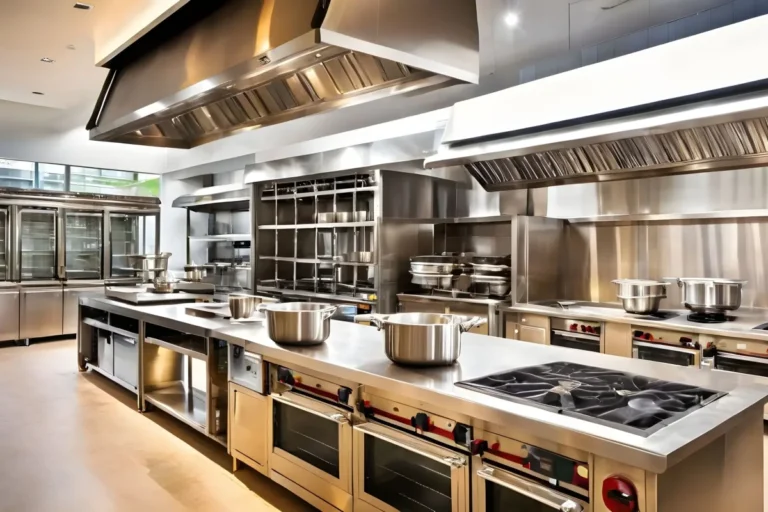
I’ll admit it: when I first opened, I tried to save money by going with a residential-style range. Big mistake. Huge. Commercial ranges aren’t just bigger, they’re built for punishment. We’re talking heavy-duty burners that can go from sear to simmer in seconds, griddle tops that distribute heat evenly across the entire surface, and oven capacities that actually fit your sheet pans without gymnastics.
But here’s where most owners mess up: they focus on BTUs and forget about versatility. You need a range that can handle your busiest night without breaking a sweat, but also one that won’t waste energy during slower shifts. I’m torn between the classic six-burner ranges (like the ones from Vulcan or Garland) and the more specialized modular ranges that let you customize your setup. Maybe I should clarify: if you’re doing mostly sauté work, go with the six-burner. If you’ve got a diverse menu, consider modular. And for God’s sake, make sure it’s NSF-certified-your health inspector will thank you.
Pro tip: If you’re working with a supplier like Chef’s Deal, ask about their free kitchen design services. They can help you figure out the optimal range configuration for your space and workflow. It’s easy to underestimate how much space you’ll need between stations when you’re suddenly moving twice as much product through the line.
2. The Walk-In Cooler: Your Silent Business Partner
I used to think walk-ins were just big refrigerators. Then I watched my food costs skyrocket because my reach-in coolers couldn’t keep up with our volume. A proper commercial walk-in cooler isn’t just about storage, it’s about inventory management, food safety, and operational efficiency. When you’re scaling, you need to be able to store bulk orders, prep ahead for busy nights, and keep everything at the right temperature without constant monitoring.
But here’s the thing: not all walk-ins are created equal. You need to consider:
- Size and layout: Can you actually move around in there when it’s fully stocked? Is there enough shelving to organize your mise en place?
- Temperature consistency: Cheap units have hot spots that can ruin your product.
- Energy efficiency: A walk-in that costs a fortune to run will eat into your profits.
- Durability: The door seals, flooring, and walls need to withstand daily abuse.
Is this the best approach? Let’s consider: some owners opt for multiple reach-ins instead of a walk-in to save space. But when you’re scaling, that’s a false economy. You’ll spend more time moving product between units than actually cooking. A well-designed walk-in, on the other hand, becomes the heart of your kitchen operations.
3. The Prep Table That Doesn’t Make Your Staff Want to Quit
I’ve seen too many kitchens where the prep tables are an afterthought, flimsy, poorly lit, and impossible to clean. When you’re scaling, your prep area becomes the bottleneck for your entire operation. You need commercial-grade prep tables that can handle the volume without falling apart.
Here’s what to look for:
- Stainless steel construction: It’s not just about durability, it’s about food safety and ease of cleaning.
- Adjustable shelves: You need flexibility as your menu evolves.
- Built-in refrigeration: Cold prep tables keep ingredients at safe temperatures while your staff works.
- Proper lighting: Your cooks shouldn’t need headlamps to see what they’re doing.
- Ergonomic design: If your prep tables are at the wrong height, you’re asking for injuries.
I’m torn between the classic worktop refrigerators and the more specialized sandwich prep tables. Ultimately, it depends on your menu. But here’s a hard truth: if your prep area is a mess, your entire kitchen will be a mess. Invest in good tables, and your staff will thank you.
The Workhorses: Tools That Actually Handle Volume
4. The Commercial Food Processor That Doesn’t Die After Two Months
I learned this lesson the hard way when my first food processor gave up during a Saturday brunch rush. Commercial food processors aren’t just bigger, they’re built to handle constant use. We’re talking heavy-duty motors, stainless steel bowls, and interchangeable blades that can chop, slice, shred, and puree without breaking a sweat.
But here’s where most owners go wrong: they buy based on price, not performance. A cheap food processor might save you money upfront, but it’ll cost you in downtime and replacement costs. Look for models with:
- Variable speed controls: You need precision for different tasks.
- Large capacity: If you’re scaling, you need to process large batches quickly.
- Easy-to-clean parts: If it’s a pain to clean, your staff won’t do it properly.
- Durable blades: The blades should last through thousands of uses.
Maybe I should clarify: if you’re doing mostly chopping and slicing, a batch bowl processor might be enough. But if you’re processing large volumes of liquids (like soups or sauces), you might need a continuous feed processor. And if you’re really scaling up, consider a buffalo chopper-it’s like a food processor on steroids.
5. The Dishwasher That Doesn’t Create a Second Kitchen Nightmare
I used to think dishwashers were just a necessary evil. Then I watched my staff spend more time washing dishes than cooking during a busy shift. A proper commercial dishwasher
isn’t just about cleaning plates, it’s about turnover, efficiency, and sanitation. When you’re scaling, you need a machine that can handle the volume without breaking down or creating a bottleneck. Here’s what to consider: I’m torn between under-counter models (great for small spaces) and conveyor dishwashers (better for high volume). Ultimately, it depends on your space and needs. But here’s a hard truth: if your dishwasher can’t keep up, your entire kitchen will grind to a halt. Don’t skimp on this one. If you’re doing any baking or dough prep, a commercial mixer is non-negotiable. But not all mixers are created equal. You need a machine that can handle large batches without overheating, vibrating itself to death, or making so much noise that your staff can’t hear the expediter. Here’s what to look for: Is this the best approach? Let’s consider: some owners opt for multiple smaller mixers instead of one large one. But when you’re scaling, that can create consistency issues. A single, powerful mixer ensures that all your doughs and batters are mixed the same way every time. And if you’re working with a supplier like Chef’s Deal, ask about their financing options-a good mixer is an investment, but it doesn’t have to break the bank. I’ll be honest: I resisted vacuum sealers for years. They seemed like an unnecessary expense. Then I watched my food waste drop by 30% in a single month. A good commercial vacuum sealer isn’t just about portion control, it’s about food safety, inventory management, and cost savings. When you’re scaling, you need to be able to prep ahead, store bulk orders, and extend the shelf life of your ingredients. Here’s what to look for: Maybe I should clarify: vacuum sealers aren’t just for sous vide. They’re also great for storing dry goods, portioning proteins, and even marinating meats. And if you’re scaling, they’re essential for reducing food waste and improving consistency. I learned about blast chillers the hard way when my walk-in couldn’t cool down a large batch of soup fast enough. A commercial blast chiller isn’t just a fancy refrigerator, it’s a food safety essential. When you’re scaling, you need to be able to cool down large batches of food quickly to prevent bacterial growth. And let’s be honest: no one wants to wait for a pot of soup to cool down in an ice bath. Here’s what to consider: I’m torn between countertop models (great for small kitchens) and floor models (better for high volume). Ultimately, it depends on your space and needs. But here’s a hard truth: if you’re not using a blast chiller, you’re playing with fire. Food safety isn’t something to mess around with. I used to think combi ovens were just for fancy hotels. Then I watched my kitchen staff use one to roast, steam, and bake without switching equipment. A commercial combi oven isn’t just a space-saver, it’s a game-changer. When you’re scaling, you need equipment that can handle multiple tasks without taking up valuable real estate. Here’s what to look for: Is this the best approach? Let’s consider: some owners opt for separate steamers and convection ovens instead of a combi oven. But when you’re scaling, that takes up more space and creates more equipment to maintain. A combi oven, on the other hand, can handle multiple tasks in a single footprint. And if you’re working with a supplier like Chef’s Deal, ask about their installation services-a combi oven is a complex piece of equipment, and you want to make sure it’s set up properly. I’ll admit it: I used to think speed racks were just for storage. Then I watched my kitchen staff waste precious minutes searching for ingredients during a busy shift. A proper speed rack system isn’t just about organization, it’s about efficiency, productivity, and sanitation. When you’re scaling, you need to be able to move product quickly and keep your kitchen clean. Here’s what to look for: Maybe I should clarify: speed racks aren’t just for dry storage. They’re also great for holding mise en place, storing prepped ingredients, and even organizing cleaning supplies. And if you’re scaling, they’re essential for keeping your kitchen running smoothly. I used to think portion scales were just for bakeries. Then I watched my food costs drop by 15% after implementing them across my kitchen. A good commercial portion scale isn’t just about accuracy, it’s about consistency, cost control, and customer satisfaction. When you’re scaling, you need to ensure that every dish is plated the same way, every time. Here’s what to look for: I’m torn between digital scales (more accurate) and mechanical scales (more durable). Ultimately, it depends on your needs. But here’s a hard truth: if you’re not using portion scales, you’re leaving money on the table. Consistency is key when you’re scaling. I learned about labeling systems the hard way when my walk-in became a game of “What’s in this container and when did we make it?” A proper commercial labeling system isn’t just about organization, it’s about food safety, inventory management, and compliance. When you’re scaling, you need to be able to track your ingredients and prepped items to prevent waste and ensure quality. Here’s what to consider: Is this the best approach? Let’s consider: some owners opt for handwritten labels instead of a labeling system. But when you’re scaling, that’s a recipe for disaster. A good labeling system ensures that everyone in your kitchen knows what’s in each container and when it was made. And if you’re working with a supplier like Chef’s Deal, ask about their kitchen design services-they can help you set up a labeling system that works with your workflow. I used to think smart thermometers were just a gimmick. Then I watched my line cooks use one to ensure that every steak was cooked to the perfect temperature, every time. A commercial smart thermometer isn’t just about accuracy, it’s about consistency, food safety, and efficiency. When you’re scaling, you need to ensure that every dish is cooked properly, without constant supervision. Here’s what to look for: Maybe I should clarify: smart thermometers aren’t just for proteins. They’re also great for checking the temperature of soups, sauces, and even baked goods. And if you’re scaling, they’re essential for ensuring consistency and food safety. I’ll admit it: I resisted kitchen display systems (KDS) for years. I thought they were just another expensive gadget. Then I watched my kitchen staff use one to handle a busy Saturday night without a single ticket getting lost or misread. A commercial KDS isn’t just about going paperless, it’s about efficiency, accuracy, and communication. When you’re scaling, you need to ensure that every order is seen, understood, and executed properly. Here’s what to consider: I’m torn between tablet-based systems (more affordable) and dedicated KDS screens (more durable). Ultimately, it depends on your budget and needs. But here’s a hard truth: if you’re still using paper tickets, you’re holding your kitchen back. A good KDS can revolutionize your operations. I used to think inventory management was just about counting what you have on hand. Then I watched my food costs drop by 20% after implementing a proper system. Commercial inventory management software isn’t just about tracking ingredients, it’s about cost control, waste reduction, and menu engineering. When you’re scaling, you need to know exactly what you’re using, what you’re wasting, and where you can save money. Here’s what to look for: Is this the best approach? Let’s consider: some owners opt for spreadsheets instead of software. But when you’re scaling, that’s a false economy. A good inventory management system can save you thousands of dollars in food waste and overordering. And if you’re working with a supplier like Chef’s Deal, ask about their consultation services-they can help you set up a system that works with your workflow. I learned about grease traps the hard way when my kitchen flooded during a Friday night rush. A proper commercial grease trap isn’t just about compliance, it’s about preventing disasters, maintaining sanitation, and avoiding costly repairs. When you’re scaling, you need to ensure that your plumbing can handle the volume without backing up. Here’s what to consider: Maybe I should clarify: grease traps aren’t just for restaurants with fryers. Any kitchen that produces grease (which is all of them) needs a proper trap. And if you’re scaling, don’t wait until you have a problem to upgrade yours. I used to think fire suppression systems were just a box to check for the health department. Then I watched a small grease fire turn into a kitchen nightmare in seconds. A proper commercial fire suppression system isn’t just about compliance, it’s about safety, protection, and peace of mind. When you’re scaling, you need to ensure that your kitchen is protected from the inevitable fires that come with high-volume cooking. Here’s what to look for: I’m torn between automatic systems (more reliable) and manual systems (more affordable). Ultimately, it depends on your budget and needs. But here’s a hard truth: if you don’t have a proper fire suppression system, you’re playing with fire. Literally. I used to think handwashing stations were just a health department requirement. Then I watched my staff skip washing their hands because the sink was too far away or too inconvenient. A proper commercial handwashing station isn’t just about compliance, it’s about food safety, sanitation, and customer protection. When you’re scaling, you need to ensure that your staff can wash their hands quickly and easily, without shortcuts. Here’s what to consider: Is this the best approach? Let’s consider: some owners opt for multiple small sinks instead of dedicated handwashing stations. But when you’re scaling, that can create bottlenecks and encourage shortcuts. A good handwashing station should be convenient, easy to use, and impossible to ignore. I’ll admit it: I used to think floor mats were just for comfort. Then I watched a line cook slip and fall during a busy shift, and suddenly I was dealing with a workers’ comp claim. Proper commercial floor mats aren’t just about comfort, they’re about safety, injury prevention, and productivity. When you’re scaling, you need to ensure that your staff can move quickly and safely, without the risk of slips and falls. Here’s what to look for: Maybe I should clarify: floor mats aren’t just for behind the line. They’re also great for prep areas, dish stations, and anywhere your staff stands for long periods. And if you’re scaling, they’re essential for preventing injuries and keeping your staff happy. I used to think exhaust hoods were just about removing smoke. Then I watched my kitchen staff work in a cloud of steam and grease during a busy shift. A proper commercial exhaust hood isn’t just about ventilation, it’s about comfort, air quality, and fire safety. When you’re scaling, you need to ensure that your kitchen is a safe and comfortable place to work, even during your busiest shifts. Here’s what to consider: I’m torn between wall-mounted hoods (more affordable) and island hoods (better for open kitchens). Ultimately, it depends on your layout and needs. But here’s a hard truth: if your exhaust hood can’t keep up, your kitchen will be a miserable place to work. And if you’re working with a supplier like Chef’s Deal, ask about their ventilation design services-they can help you set up a system that works with your kitchen’s layout and equipment. I used to think three-compartment sinks were just for washing pots and pans. Then I watched my dishwashing staff struggle to keep up during a busy shift because the sink was too small. A proper commercial three-compartment sink isn’t just about compliance, it’s about efficiency, sanitation, and productivity. When you’re scaling, you need to ensure that your dishwashing station can handle the volume without creating a bottleneck. Here’s what to look for: Is this the best approach? Let’s consider: some owners opt for multiple smaller sinks instead of a large three-compartment sink. But when you’re scaling, that can create inefficiencies and compliance issues. A good three-compartment sink should be large enough to handle your volume, but not so large that it takes up too much space. I’ll admit it: I used to think shelving was just about storage. Then I watched a shelf collapse under the weight of a case of tomatoes, and suddenly I was dealing with a mess and a health code violation. Proper commercial shelving isn’t just about storage, it’s about safety, organization, and efficiency. When you’re scaling, you need to ensure that your shelving can handle the weight of your inventory without collapsing. Here’s what to look for: Maybe I should clarify: shelving isn’t just for dry storage. It’s also great for walk-ins, prep areas, and even dish stations. And if you’re scaling, it’s essential for keeping your kitchen organized and efficient. Don’t skimp on this one, cheap shelving will cost you in the long run. I used to think knife sharpeners were just for professional chefs. Then I watched my line cooks struggle with dull knives during a busy shift, and suddenly I was dealing with slow prep times and safety hazards. A proper commercial knife sharpener isn’t just about sharp blades, it’s about efficiency, safety, and productivity. When you’re scaling, you need to ensure that your knives are always sharp, without relying on your staff to do it manually. Here’s what to consider: I’m torn between electric sharpeners (faster) and manual sharpeners (more precise). Ultimately, it depends on your needs and budget. But here’s a hard truth: if your knives are dull, your kitchen will be slow and unsafe. A good sharpener is an investment in your staff’s productivity and safety. So there you have it, the 23 commercial kitchen tools every restaurant needs to scale. But here’s the thing: having the right tools is only half the battle. The other half is implementation. You can have the best equipment in the world, but if your staff doesn’t know how to use it (or doesn’t want to), it’s all for nothing. Here’s my challenge to you: take a hard look at your kitchen. What’s holding you back? Is it the equipment? The layout? The workflow? Be honest with yourself. Scaling a restaurant isn’t just about doing more of the same, it’s about doing things differently. And sometimes, that means admitting that what worked for 50 covers a night won’t work for 200. I’ll leave you with this thought: the best kitchens aren’t the ones with the fanciest equipment. They’re the ones where the tools disappear into the background, letting the food and the people shine. When you’re scaling, your goal shouldn’t be to have the most impressive kitchen, it should be to have the most efficient, safe, and productive one. Because at the end of the day, that’s what will keep your customers coming back and your staff from burning out. And if you’re feeling overwhelmed, remember: you don’t have to do it alone. Suppliers like Chef’s Deal offer free kitchen design services and expert consultation to help you figure out the best setup for your space and needs. They can also provide professional installation and financing options to make the process easier. Scaling a restaurant is a big challenge, but with the right tools and the right partners, it’s one you can handle. Q: How do I know when it’s time to upgrade my kitchen equipment? Q: Should I buy new equipment or look for used? Q: How do I prioritize which equipment to upgrade first? Q: What’s the biggest mistake owners make when scaling their kitchens?
6. The Mixer That Doesn’t Sound Like a Jet Engine
The Efficiency Boosters: Tools That Save Time and Money
7. The Vacuum Sealer That Extends Your Food’s Shelf Life
8. The Blast Chiller That Lets You Prep Ahead Without Food Safety Nightmares
9. The Combi Oven That Does the Work of Three Machines
The Hidden Gems: Tools That No One Talks About (But Everyone Needs)
10. The Speed Rack System That Keeps Your Kitchen Organized
11. The Portion Scale That Ensures Consistency (And Saves You Money)
12. The Labeling System That Prevents Food Safety Disasters
The Future-Proofing: Tools That Grow With Your Business
13. The Smart Thermometer That Takes the Guesswork Out of Cooking
14. The Kitchen Display System That Replaces Paper Tickets
15. The Inventory Management Software That Saves You Thousands
The Often-Overlooked Essentials: Tools That Prevent Disasters
16. The Grease Trap That Doesn’t Back Up During Your Busiest Shift
17. The Fire Suppression System That Actually Works
18. The Handwashing Station That Doesn’t Make Your Staff Skip Washing
19. The Floor Mats That Prevent Injuries (And Lawsuits)
20. The Exhaust Hood That Doesn’t Turn Your Kitchen Into a Sauna
21. The Three-Compartment Sink That Doesn’t Slow Down Your Dishwashing
22. The Shelving That Doesn’t Collapse Under the Weight of Your Inventory
23. The Knife Sharpener That Keeps Your Blades Razor-Sharp
Putting It All Together: How to Scale Without Losing Your Mind
FAQ: Your Burning Questions About Scaling a Commercial Kitchen
A: Great question. There are a few telltale signs that it’s time to upgrade: your equipment is breaking down frequently, your staff is struggling to keep up with volume, your food costs are rising due to waste or inefficiency, or you’re getting complaints from customers about consistency or wait times. Another good rule of thumb: if you’re regularly hitting 80% of your kitchen’s capacity, it’s time to start planning for upgrades. Don’t wait until you’re at 100%-by then, it’s too late.
A: I’m torn on this one. On one hand, used equipment can save you a ton of money upfront. On the other hand, it can cost you more in the long run if it breaks down or doesn’t meet your needs. Here’s my advice: for critical equipment (like refrigeration, ranges, and dishwashers), go new. For less critical items (like prep tables, shelving, and small appliances), used can be a great option. And if you’re buying used, make sure to inspect it thoroughly and buy from a reputable dealer. Some suppliers, like Chef’s Deal, offer both new and used equipment, so you can compare options and find the best fit for your budget.
A: This is where things get tricky. You need to look at your kitchen’s bottlenecks, where are things slowing down? Where are you wasting time or money? For most restaurants, the priorities are: 1) refrigeration (if your walk-in can’t keep up, nothing else matters), 2) cooking equipment (if your range is holding you back, upgrade it), 3) dishwashing (if your dishwasher can’t keep up, your entire kitchen will grind to a halt), and 4) prep equipment (if your prep area is a mess, your kitchen will be too). But every restaurant is different. Take a hard look at your operations and figure out what’s holding you back the most.
A: Hands down, the biggest mistake is focusing on equipment and ignoring workflow. You can have the best tools in the world, but if your kitchen is poorly designed, you’ll still have bottlenecks and inefficiencies. Before you start buying equipment, take a step back and look at your kitchen’s layout. Are your stations set up in a logical order? Is there enough space for your staff to move around? Are your tools within easy reach? A good kitchen design can make all the difference when you’re scaling. And if you’re not sure where to start, consider working with a supplier that offers kitchen design services, like Chef’s Deal. They can help you optimize your space and workflow for maximum efficiency.
@article{the-unsung-heroes-of-restaurant-growth-23-commercial-kitchen-tools-you-cant-scale-without-and-why-most-owners-overlook-half-of-them,
    title   = {The Unsung Heroes of Restaurant Growth: 23 Commercial Kitchen Tools You Can’t Scale Without (And Why Most Owners Overlook Half of Them)},
    author  = {Chef's icon},
    year    = {2026},
    journal = {Chef's Icon},
    url     = {https://chefsicon.com/commercial-kitchen-tools-every-restaurant-needs-to-scale/}
}