The Best Fluffy Pancakes recipe you will fall in love with. Full of tips and tricks to help you make the best pancakes.

Doubanjiang in the Commercial Kitchen: Why This Fermented Paste Deserves a Permanent Spot in Your Pantry
I’ll admit it, I didn’t always get the hype around doubanjiang. Sure, I’d used it in mapo tofu or as a lazy stir-fry base, but it wasn’t until I spent a week shadowing a Sichuan chef in Chengdu that I realized I’d been treating it like a one-trick pony. That tiny jar of fermented broad beans and chiles isn’t just a condiment; it’s a flavor bomb waiting to be disarmed (or detonated, depending on your heat tolerance). Now, back in my Nashville kitchen, I’m on a mission to push doubanjiang pairings beyond the usual suspects, and I’m dragging you along for the ride.
Here’s the thing: commercial kitchens thrive on efficiency, consistency, and a little bit of magic. Doubanjiang delivers all three. It’s shelf-stable, packs a punch in small doses, and, when used creatively, can transform dishes from forgettable to *”Wait, what’s in this?”* territory. But where do you even start? Should you treat it like miso’s spicier cousin? A shortcut to umami? A way to add depth without adding hours to your prep time? Let’s be real: I’m still figuring this out too. But after testing these ideas in my own kitchen (and burning a few batches along the way), I’ve got some thoughts, and a lot of questions, about how to make doubanjiang work harder in a commercial setting.
By the end of this, you’ll have a toolkit for using doubanjiang in ways that go beyond traditional Sichuan dishes. We’re talking fusion applications, cost-saving hacks, and even a few *”why didn’t I think of this sooner?”* moments. Ready? Let’s dive in, just don’t blame me if your line cooks start side-eyeing you when you ask them to whip up a batch of doubanjiang-infused mayo.
The Science Behind the Funk: Why Doubanjiang Works in Commercial Kitchens
What Even *Is* Doubanjiang?
Before we get into the creative stuff, let’s get one thing straight: not all doubanjiang is created equal. The fermentation process-which can take anywhere from a few months to several years, is what gives it its signature funk, heat, and complexity. At its core, doubanjiang is made from fermented broad beans, chiles, wheat flour, and salt, but regional variations mean the flavor profile can swing from mildly spicy and sweet to *”I need a glass of milk”* intense. The two most common types you’ll encounter in commercial kitchens are:
- Pixian doubanjiang: Hailing from Sichuan’s Pixian county, this is the gold standard. It’s aged longer, has a deeper umami profile, and a balanced heat that builds rather than overwhelms. If you’re serious about using doubanjiang, this is the one to stock.
- Regular doubanjiang: More widely available and often cheaper, but it can be saltier, sharper, and less nuanced. It’s not bad, just different. Think of it like the difference between table salt and Maldon flakes.
I’ve made the mistake of assuming all doubanjiang is interchangeable. Spoiler: it’s not. If you’re using it as a base for a signature sauce, consistency is key, so stick with one brand and one type. Your regulars will notice if the flavor shifts.
The Umami Puzzle: How Doubanjiang Fits Into Flavor Profiles
Here’s where things get interesting. Doubanjiang isn’t just salty or spicy, it’s a flavor amplifier. The fermentation process breaks down proteins into amino acids, creating that coveted umami taste. But unlike soy sauce or fish sauce, which can be one-dimensional if overused, doubanjiang brings layers. There’s the initial hit of salt and heat, followed by a slow-building sweetness and a funky, almost meaty depth. It’s like the lovechild of miso and gochujang, but with its own personality.
In a commercial kitchen, this versatility is a godsend. Need to add depth to a vegetarian dish? Doubanjiang. Want to cut through the richness of a braised pork belly? Doubanjiang. Trying to make a quick pan sauce that doesn’t taste like you just deglazed with water? You guessed it, doubanjiang. But here’s the catch: it’s not a *”dump and stir”* ingredient. It needs balance. Too much, and your dish tastes like a salt lick. Too little, and it’s like adding a whisper to a rock concert. Finding that sweet spot is where the magic happens.
Is this the best approach? Let’s consider: what if we treated doubanjiang like a flavor bridge? Instead of thinking of it as a standalone ingredient, what if we used it to connect disparate elements in a dish? For example, pairing it with something sweet (like honey or caramelized onions) to offset its saltiness, or with something acidic (like rice vinegar or lime) to brighten its funk. It’s not rocket science, but it’s easy to overlook when you’re in the weeds during service.
Shelf Life and Storage: The Unsung Hero of Commercial Pantries
One of the biggest perks of doubanjiang in a commercial kitchen? It’s low-maintenance. Unlike fresh herbs or dairy, it doesn’t require refrigeration (though storing it in the fridge can extend its shelf life). An unopened jar can last years, and once opened, it’ll keep for months, if not longer, without losing its potency. This makes it ideal for kitchens with limited fridge space or for ingredients that aren’t used daily but still need to be on hand for specials or last-minute tweaks.
But here’s where I’ve messed up: assuming that because it’s shelf-stable, it’s indestructible. I’ve left jars uncovered, stored them near heat sources, and even (accidentally) contaminated a batch with a dirty spoon. The result? A jar of doubanjiang that smelled like regret and had to be tossed. Lesson learned: treat it like you would any other fermented product. Use clean utensils, seal it tightly after use, and store it in a cool, dark place. Your future self will thank you.
Beyond Mapo Tofu: Creative Doubanjiang Pairings for Commercial Menus
1. Doubanjiang as a Marinade: The Overnight Game-Changer
Marinades are the unsung heroes of commercial kitchens. They tenderize, infuse flavor, and can turn a tough cut of meat into something melt-in-your-mouth delicious. But let’s be honest: most marinades are either too sweet, too acidic, or too bland. Enter doubanjiang. Its fermented depth and saltiness make it an ideal base for a marinade that actually does something.
Here’s a basic formula I’ve been playing with:
- 2 tbsp doubanjiang (Pixian for best results)
- 1 tbsp soy sauce (for saltiness and color)
- 1 tbsp rice wine or Shaoxing wine (to cut the salt and add complexity)
- 1 tbsp honey or brown sugar (to balance the heat and add caramelization)
- 1 tsp grated ginger (for brightness)
- 1 clove garlic, minced (because garlic)
- A splash of sesame oil (for nuttiness)
Combine these ingredients, slather them on chicken thighs, pork shoulder, or even tofu, and let it sit overnight. The result? Meat that’s tender, flavorful, and has a subtle heat that builds with each bite. I’ve used this marinade for everything from doubanjiang-glazed ribs to spicy grilled chicken skewers, and it’s become a staple in my kitchen. The best part? It works just as well for large batches as it does for small ones, making it ideal for catering or bulk prep.
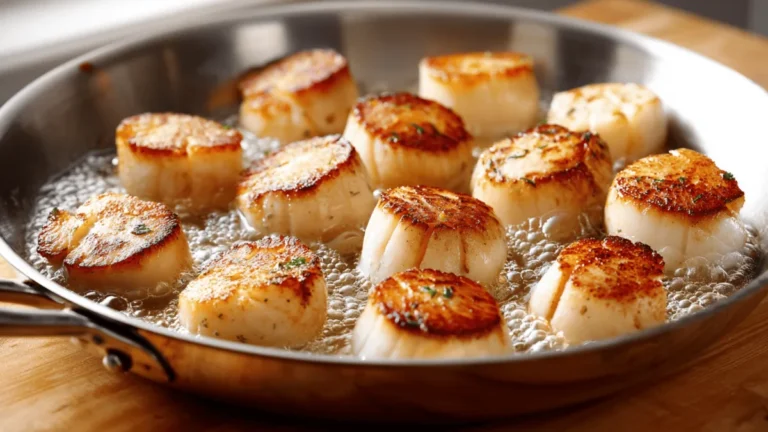
But here’s where I’m torn: should you use this marinade for seafood? On paper, it makes sense, doubanjiang’s umami would pair beautifully with the natural sweetness of fish or shrimp. But in practice? I’ve had mixed results. Some seafood, like salmon or scallops, can handle the bold flavors, but delicate white fish can get overwhelmed. Maybe I should clarify: this marinade is best for proteins with a bit of fat and structure. Save the seafood experiments for something lighter, like a quick doubanjiang butter sauce (more on that later).
2. Doubanjiang Butter: The Lazy Chef’s Secret Weapon
Compound butters are a commercial kitchen’s best friend. They’re easy to make, versatile, and can be used to finish dishes, top grilled meats, or even spread on bread for an impromptu appetizer. But have you ever tried doubanjiang butter? If not, you’re missing out.
Here’s how to make it:
- Start with 1 cup of unsalted butter, softened at room temperature.
- Add 2 tbsp of doubanjiang (start with less if you’re using a spicier variety).
- Mix in 1 tbsp of honey or brown sugar to balance the heat.
- Add a pinch of salt (doubanjiang is salty, but a little extra helps round out the flavors).
- Optional: throw in some chopped scallions or toasted sesame seeds for texture.
- Roll the mixture into a log using plastic wrap, chill until firm, and slice as needed.
The result is a rich, spicy, slightly funky butter that can be used in a million ways. I’ve used it to top grilled corn, melt over steamed buns, or finish a pan-seared steak. It’s also a game-changer for doubanjiang mashed potatoes-just fold a few slices into warm mashed potatoes for a side dish that’ll steal the show. The best part? It’s stupidly easy to make, and it keeps for weeks in the fridge.
But here’s the thing: not all butters are created equal. If you’re using a high-fat European-style butter, the flavors will meld more smoothly. If you’re using a cheaper butter with a higher water content, the doubanjiang can separate, leaving you with a greasy mess. I learned this the hard way when I tried to cut corners for a large catering order. Lesson learned: invest in good butter, especially if you’re using it as a finishing touch.
3. Doubanjiang in Sauces: From Pan Sauces to Dipping Delights
Sauces are where doubanjiang really shines. Its fermented depth and heat make it an ideal base for everything from quick pan sauces to rich, slow-cooked braises. Here are a few of my favorite ways to use it:
- Doubanjiang Pan Sauce: After searing a protein (chicken, pork, or even tofu), deglaze the pan with a splash of rice wine or stock, then add a spoonful of doubanjiang. Let it simmer for a minute, then finish with a pat of butter and a squeeze of lime. The result is a glossy, spicy sauce that’s ready in minutes. I’ve used this to elevate everything from simple weeknight stir-fries to high-end plated dishes.
- Doubanjiang BBQ Sauce: Mix doubanjiang with ketchup, honey, soy sauce, and a touch of vinegar for a spicy, umami-packed BBQ sauce that works on ribs, pulled pork, or even as a dipping sauce for fries. It’s not traditional, but it’s damn good. I’ve served this at backyard cookouts and had people ask for the recipe, only to be met with blank stares when I tell them the secret ingredient.
- Doubanjiang Aioli: Blend doubanjiang with mayo, garlic, and a splash of lemon juice for a spicy, funky aioli that’s perfect for sandwiches, burgers, or as a dip for fries or roasted veggies. This is one of those *”why didn’t I think of this sooner?”* ideas. It’s so simple, but it adds a layer of complexity that takes a dish from good to great.
But here’s where I’m still experimenting: how far can you push doubanjiang in sauces? I’ve tried using it in creamy pasta sauces, but the heat can overwhelm the dish if you’re not careful. I’ve also played around with doubanjiang caramel, which sounds weird but actually works, if you balance it with enough sugar and cream. Is this the best approach? Maybe not for every dish, but it’s fun to experiment. At the very least, it’s a conversation starter.
4. Doubanjiang in Soups and Broths: The Umami Booster
Soups and broths are the backbone of many commercial kitchens. They’re versatile, cost-effective, and can be used as a base for everything from noodle dishes to risottos. But let’s be real: most broths are boring. Even if you start with a rich stock, it’s easy for the flavor to fall flat after hours of simmering. That’s where doubanjiang comes in.
Adding a spoonful of doubanjiang to a broth or soup can transform it from bland to “I need the recipe” in seconds. Here’s how I’ve been using it:
- Doubanjiang Ramen Broth: Start with a rich pork or chicken stock, then add doubanjiang, soy sauce, garlic, and ginger. Simmer for at least an hour to let the flavors meld, then strain and use as a base for ramen. Top with chashu pork, soft-boiled eggs, and scallions for a restaurant-quality bowl that’s easier to make than you think.
- Spicy Tomato Soup: Blend canned tomatoes with doubanjiang, garlic, and a touch of cream for a spicy, umami-rich tomato soup that’s a far cry from the canned stuff. Serve it with grilled cheese for a twist on a classic.
- Doubanjiang Pho: Vietnamese pho is all about the broth, and adding a spoonful of doubanjiang to the simmering pot can add a subtle heat and depth that takes it to the next level. Just be careful not to overdo it, you don’t want to overpower the delicate spices in the traditional recipe.
I’m torn between keeping this a secret and shouting it from the rooftops. On one hand, it’s such a simple trick that it feels like cheating. On the other hand, why wouldn’t you want to make your broths more flavorful? Maybe I should clarify: doubanjiang isn’t a replacement for good stock, but it’s a tool to enhance it. Think of it like MSG, controversial in some circles, but undeniably effective when used correctly.
5. Doubanjiang in Baked Goods: Yes, Really
This is where things get weird. Or brilliant. Or both. I’ll let you decide.
I was skeptical when I first heard about using doubanjiang in baked goods, but after a few experiments, I’m a convert. The key is to use it sparingly and balance it with sweetness. Here are a few ideas that actually work:
- Doubanjiang Brownies: Add a teaspoon of doubanjiang to your favorite brownie batter for a spicy, fudgy twist on a classic. The heat cuts through the sweetness, making each bite more complex. I’ve served these at parties, and people either love them or look at me like I’ve lost my mind. There’s no in-between.
- Spicy Chocolate Chip Cookies: Mix a teaspoon of doubanjiang into your cookie dough for a subtle heat that pairs surprisingly well with chocolate. It’s like a Mexican chocolate cookie, but with a Sichuan twist.
- Doubanjiang Cornbread: Add a tablespoon of doubanjiang to your cornbread batter for a savory, spicy kick that works especially well with chili or BBQ. This is one of those ideas that sounds crazy but actually makes sense, cornbread is already slightly sweet, so the heat and umami from the doubanjiang balance it out.
But here’s the thing: this isn’t for everyone. If you’re running a bakery or a café, you might want to test these ideas on a small scale before rolling them out to customers. Some people love the unexpected heat, while others will take one bite and politely push their plate away. Is this the best approach? Maybe not for every menu, but it’s a fun way to stand out and offer something unique.
Doubanjiang in the Commercial Kitchen: Practical Tips and Tricks
1. Scaling Up: How to Use Doubanjiang in Bulk Prep
One of the biggest challenges in a commercial kitchen is scaling up recipes without losing flavor or consistency. Doubanjiang is no exception. Here’s how to make it work:
- Start small: If you’re using doubanjiang in a new recipe, test it in small batches first. What works for a single serving might not translate to 50 servings.
- Adjust for salt: Doubanjiang is salty, so if you’re using it in a marinade or sauce, you might need to reduce the amount of added salt elsewhere in the recipe.
- Mix it well: Doubanjiang can be thick and chunky, so if you’re using it in a sauce or marinade, make sure to mix it thoroughly to distribute the flavors evenly.
- Taste as you go: This might seem obvious, but it’s easy to get carried away when you’re in the weeds. Taste your dish at every stage to make sure the doubanjiang isn’t overpowering the other flavors.
I’ve made the mistake of assuming that if a little doubanjiang is good, a lot must be better. Spoiler: it’s not. Overdoing it can make a dish taste one-dimensional and overly salty. Start with a small amount, taste, and adjust as needed. It’s easier to add more than to fix a dish that’s already too salty or spicy.
2. Cost-Effective Uses: Getting the Most Bang for Your Buck
Doubanjiang isn’t the cheapest ingredient, especially if you’re using the high-quality Pixian variety. But when used correctly, a little goes a long way. Here are a few ways to stretch your dollar:
- Use it as a flavor base: Instead of using it as a finishing touch, use doubanjiang as a base for sauces, marinades, or broths. This way, you’re getting more mileage out of each jar.
- Pair it with affordable ingredients: Doubanjiang works well with inexpensive proteins like chicken thighs, tofu, or ground pork. Use it to elevate these ingredients and create dishes that feel high-end without the high-end price tag.
- Repurpose leftovers: If you have leftover doubanjiang from a recipe, mix it with mayo or butter to create a quick sauce or spread. This way, nothing goes to waste.
I’ve also found that buying doubanjiang in bulk can save money in the long run. Look for restaurant suppliers or Asian grocery stores that sell it in larger quantities. Just make sure to store it properly to extend its shelf life.
3. Cross-Utilization: Using Doubanjiang Across Multiple Dishes
One of the biggest advantages of doubanjiang in a commercial kitchen is its versatility. Here’s how to use it across multiple dishes to minimize waste and maximize flavor:
- Marinade for proteins: Use it to marinate chicken, pork, or tofu for grilling or roasting.
- Base for sauces: Mix it with other ingredients to create sauces for noodles, rice, or dumplings.
- Flavor booster for soups: Add it to broths or soups to add depth and heat.
- Finishing touch: Use it as a garnish or condiment for dishes like fried rice, stir-fries, or even tacos.
By using doubanjiang in multiple dishes, you can justify keeping it on hand and ensure that it doesn’t go to waste. It’s a win-win.
4. Training Staff: How to Get Your Team on Board
Introducing a new ingredient to your kitchen can be a challenge, especially if your staff isn’t familiar with it. Here’s how to get everyone on the same page:
- Host a tasting: Have your team taste doubanjiang on its own and in different dishes to get a sense of its flavor profile.
- Provide recipes: Give your staff clear, easy-to-follow recipes that use doubanjiang. This will help them feel more comfortable using it in their own dishes.
- Encourage experimentation: Let your team play around with doubanjiang and come up with their own ideas. You never know what they might come up with!
- Offer feedback: Taste the dishes your staff creates and provide constructive feedback. This will help them improve and feel more confident using the ingredient.
I’ve found that the best way to get buy-in from your team is to lead by example. If they see you using doubanjiang in creative ways, they’ll be more likely to experiment with it themselves. Plus, it’s a great way to foster a culture of innovation in your kitchen.
5. Safety and Allergens: What You Need to Know
Before you start slinging doubanjiang in your commercial kitchen, there are a few safety and allergen considerations to keep in mind:
- Allergens: Doubanjiang typically contains wheat and soy, which are common allergens. Make sure to label dishes that contain doubanjiang and be prepared to offer alternatives for customers with allergies.
- Fermentation: Because doubanjiang is a fermented product, it’s important to store it properly to prevent spoilage. Keep it in a cool, dark place and use clean utensils to avoid contamination.
- Heat levels: Doubanjiang can vary widely in heat level, so it’s important to taste it before using it in a dish. If you’re serving it to customers, make sure to label it as spicy and offer alternatives for those who can’t handle the heat.
I’ve made the mistake of assuming that because doubanjiang is a pantry staple, it’s foolproof. But like any fermented product, it can go bad if not stored properly. Always check for signs of spoilage, like mold or an off smell, before using it. When in doubt, throw it out.
Final Thoughts: Is Doubanjiang the Secret Weapon Your Kitchen’s Been Missing?
Here’s the thing: doubanjiang isn’t going to replace your entire pantry. It’s not a magic bullet that’ll solve all your flavor problems. But it is a tool, a versatile, cost-effective, and downright delicious tool, that can help you create dishes that stand out from the crowd. Whether you’re using it to add depth to a broth, spice up a marinade, or experiment with baked goods, doubanjiang has the potential to become a staple in your commercial kitchen.
But let’s be real: it’s not for everyone. Some people will take one bite of your doubanjiang-glazed ribs and declare them the best thing they’ve ever tasted. Others will push their plate away after the first spicy mouthful. And that’s okay. The key is to know your audience and use doubanjiang in a way that enhances your menu, not overwhelms it.
So, where do you go from here? Start small. Pick one or two ideas from this article and test them out in your kitchen. See how your staff responds. See how your customers react. And most importantly, see how you feel about it. Because at the end of the day, the best dishes come from a place of passion, and if you’re not excited about using doubanjiang, your customers won’t be either.
I’m still experimenting, still learning, and still making mistakes. But that’s the fun part, right? The kitchen is a place for creativity, for pushing boundaries, and for trying new things. So go ahead: grab a jar of doubanjiang, roll up your sleeves, and see what you can create. Just don’t say I didn’t warn you when your line cooks start asking for a raise because your menu just got a whole lot more interesting.
FAQ: Your Doubanjiang Questions, Answered
Q: Can I substitute doubanjiang with something else if I don’t have it on hand?
A: While there’s no perfect substitute for doubanjiang, you can try mixing miso paste with chili paste or gochujang to mimic its fermented depth and heat. Keep in mind that the flavor won’t be exactly the same, but it can work in a pinch. For example, mix 1 tbsp miso with 1 tsp chili paste for a quick alternative. Just remember that miso is less spicy, so you might need to adjust the heat level to taste.
Q: How do I store doubanjiang to maximize its shelf life?
A: Doubanjiang is shelf-stable, but proper storage can extend its life and maintain its flavor. Keep it in a cool, dark place (like a pantry) before opening. Once opened, store it in the refrigerator in an airtight container to prevent it from drying out or absorbing other odors. If you notice any mold or an off smell, it’s time to toss it. Also, always use a clean utensil to scoop it out to avoid contamination.
Q: Is doubanjiang gluten-free?
A: Most traditional doubanjiang contains wheat flour as part of the fermentation process, which means it’s not gluten-free. However, some brands offer gluten-free versions made with alternative grains like rice or soy. If you’re catering to gluten-free customers, make sure to check the label or contact the manufacturer to confirm. When in doubt, it’s best to err on the side of caution and avoid using it in gluten-free dishes.
Q: Can I use doubanjiang in cold dishes, or does it need to be cooked?
A: Doubanjiang can be used in both cooked and cold dishes, but its flavor profile changes depending on how you use it. When cooked, the heat mellows out, and the flavors become more integrated. This makes it ideal for sauces, marinades, and braises. In cold dishes, like dressings or dips, the heat and saltiness are more pronounced, so you’ll want to use it sparingly. For example, you can mix a small amount into mayo for a spicy aioli or whisk it into a vinaigrette for a salad dressing with a kick. Just remember to balance it with other ingredients to avoid overpowering the dish.
@article{doubanjiang-pairings-in-the-commercial-kitchen-creative-uses-you-havent-tried-yet,
    title   = {Doubanjiang Pairings in the Commercial Kitchen: Creative Uses You Haven’t Tried Yet},
    author  = {Chef's icon},
    year    = {2026},
    journal = {Chef's Icon},
    url     = {https://chefsicon.com/doubanjiang-pairings-commercial-kitchen-creative-uses/}
}