The Best Fluffy Pancakes recipe you will fall in love with. Full of tips and tricks to help you make the best pancakes.
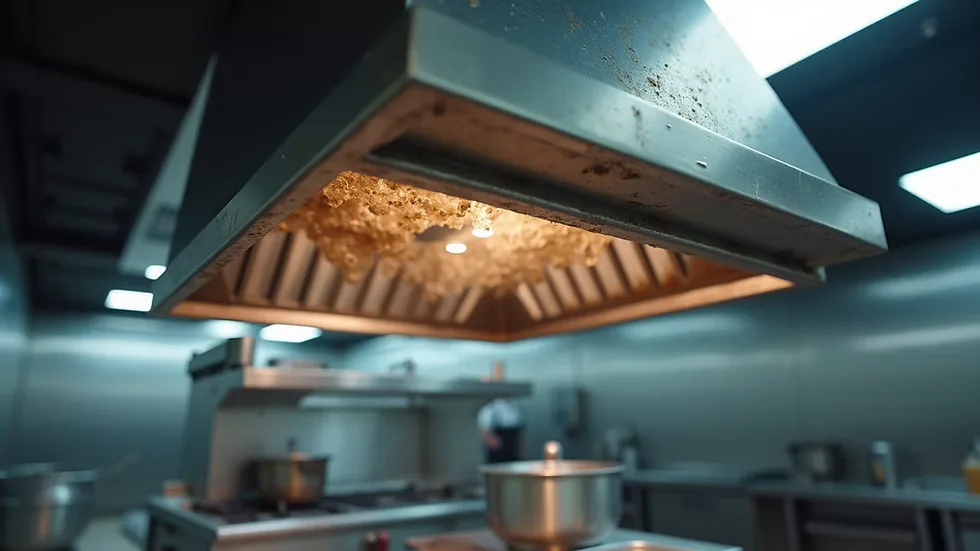
How to Reduce Grease Buildup in Commercial Hoods Without Losing Your Mind
Let me set the scene: It’s 2 AM, the dinner rush is finally over, and you’re staring up at the commercial hood system that’s somehow managed to collect what looks like a small oil spill in the ductwork. Again. You know you should clean it, hell, you want to clean it, but the thought of scrubbing grease off every nook and cranny makes you want to crawl into a walk-in freezer and never come out. Sound familiar?
I get it. As someone who’s spent way too much time in commercial kitchens (both as a line cook back in the day and now as a guy who writes about this stuff), I’ve seen firsthand how grease buildup in commercial hoods can turn into a nightmare. It’s not just about the gross factor, though, let’s be honest, that’s a big part of it. It’s about fire hazards, health code violations, and the sheer amount of time and money wasted when your ventilation system isn’t running at peak efficiency. And let’s not even talk about the smell. That lingering, rancid odor that clings to your clothes, your hair, even your dreams. Yeah, it’s that bad.
But here’s the thing: Reducing grease buildup in commercial hoods doesn’t have to be a Herculean task. It’s not about working harder; it’s about working smarter. Over the years, I’ve picked up a few tricks, some from old-school chefs, some from equipment suppliers, and some from the school of hard knocks, that can help keep your hood system cleaner, longer. In this guide, I’m going to walk you through everything I’ve learned about how to reduce grease buildup in commercial hoods, from daily habits that make a difference to long-term strategies that’ll save you time, money, and a whole lot of headaches. By the end, you’ll have a game plan that actually works, not just another list of chores you’ll ignore until the health inspector shows up.
So, grab a coffee (or something stronger, no judgment here), and let’s dive in. And hey, if you’re reading this while standing in front of a hood that’s seen better days, don’t worry, we’ll get through this together.
The Ugly Truth About Grease Buildup in Commercial Hoods
Why Grease Is Public Enemy #1 in Your Kitchen
Before we talk solutions, let’s talk about the problem. Grease buildup in commercial hoods isn’t just a nuisance; it’s a full-blown operational hazard. Here’s why it should keep you up at night (or at least motivate you to clean more often):
- Fire Risk: Grease is flammable. Like, really flammable. The National Fire Protection Association (NFPA) reports that nearly one in three restaurant fires starts in the kitchen, and a significant number of those are due to grease buildup in hoods and ducts. One spark, one overheated pan, and suddenly you’re dealing with a blaze that can spread faster than a TikTok trend. And let’s be real, your fire suppression system might not be as reliable as you think, especially if it’s been a while since the last inspection.
- Health Code Violations: Health inspectors have a sixth sense for grease. They can spot a neglected hood system from across the room, and they will write you up for it. Excessive grease buildup is a red flag for poor kitchen hygiene, and it can lead to fines, temporary closures, or worse, losing your reputation (and customers) for good. I’ve seen restaurants shut down over this, and it’s not pretty.
- Poor Air Quality: A hood system clogged with grease can’t do its job. That means smoke, steam, and all those lovely cooking odors (read: grease particles) get recirculated back into your kitchen. Your staff is breathing that in all day, which isn’t great for their health, and it can make your kitchen feel like a sauna with a side of lung disease. Not exactly the vibe you’re going for.
- Equipment Wear and Tear: Grease doesn’t just sit there, it eats away at your hood system. Over time, it can corrode metal, clog filters, and force your exhaust fans to work harder than they should. That means more breakdowns, more repairs, and a shorter lifespan for your equipment. And let’s not forget the energy costs. A clogged hood system is like running your AC with the windows open, it’s a waste of money, and it’s bad for the environment.
- The Gross Factor: Okay, this one’s personal, but I’m putting it out there. Working in a kitchen with a greasy hood system is just… demoralizing. It’s sticky, it’s smelly, and it makes everything feel dirty, even if the rest of your kitchen is spotless. Your staff notices. Your customers notice. And once that ick factor sets in, it’s hard to shake.
So, yeah. Grease buildup in commercial hoods is a big deal. But here’s the good news: It’s preventable. It’s manageable. And with the right approach, you can keep it under control without turning your kitchen into a full-time cleaning operation. The key is to think of grease reduction as a system, not just a chore. It’s about habits, equipment, and a little bit of strategy. Let’s break it down.
How Grease Ends Up in Your Hood (And Why It’s Harder to Remove Than You Think)
Ever wonder why grease seems to magically appear in your hood system, no matter how hard you try to keep it clean? It’s not magic, it’s science. Here’s what’s really happening:
When you cook, especially when you’re frying, grilling, or sautéing, tiny droplets of oil and fat get aerosolized. That means they turn into a fine mist that floats up into the air. This is why your kitchen smells amazing (or, let’s be honest, sometimes not so amazing) when you’re cooking. Those droplets rise with the heat and steam, and if your hood system is doing its job, it captures them before they can settle on surfaces or escape into the dining area.
But here’s the catch: Not all grease gets captured. Some of it slips through the cracks, literally. It settles on the hood, the filters, the ductwork, and even the fan blades. Over time, it builds up, hardens, and turns into that sticky, stubborn mess we all know and hate. And the longer it sits, the harder it is to remove. Fresh grease is relatively easy to clean, but once it oxidizes (which happens faster than you’d think), it turns into a gummy, tar-like substance that clings to surfaces like it’s auditioning for a horror movie.
Now, you might be thinking, “Okay, so grease is inevitable. What’s the big deal?” The big deal is that grease buildup is a self-perpetuating problem. The more grease you have, the less effective your hood system becomes at capturing new grease. It’s like trying to drink a milkshake through a straw that’s clogged with… well, grease. The system gets overwhelmed, the grease spreads, and suddenly you’re dealing with a much bigger problem than you started with.
So, how do you break the cycle? It starts with understanding that grease reduction isn’t just about cleaning, it’s about prevention, capture, and maintenance. You need a multi-pronged approach that addresses grease at every stage of its journey, from the pan to the hood to the exhaust. And that’s exactly what we’re going to cover.
Daily Habits That Make a Difference (No, Really)
The 10-Minute Rule: How a Little Effort Now Saves Hours Later
Let me guess: You’ve heard this before. “Just clean your hood every day!” Yeah, yeah, yeah. I know how it sounds. But hear me out, because this isn’t about adding another chore to your already packed schedule. It’s about working smarter, not harder. And the truth is, spending 10 minutes a day on your hood system can save you hours (and a ton of stress) down the line.
Here’s the deal: Grease buildup is exponential. The longer you wait to clean it, the harder it gets to remove. A little grease today turns into a lot of grease tomorrow, and before you know it, you’re facing a full-blown deep clean that’ll take your kitchen out of commission for hours. But if you tackle it daily, just a little bit at a time, you can keep it under control without breaking a sweat.
So, what does this 10-minute daily routine look like? It’s not rocket science, but it works. Here’s what I recommend:
- Wipe Down the Hood: Grab a degreaser (more on that later) and a microfiber cloth, and give the interior and exterior of your hood a quick wipe-down. Focus on the areas where grease tends to accumulate, like the edges, the corners, and the underside of the hood. Don’t forget the baffle filters, those things are grease magnets.
- Scrape Off Excess Grease: Use a plastic scraper (metal can damage the hood) to remove any thick buildup. This is especially important if you’re cooking with a lot of oil, like in a fry station or a charbroiler. A little scraping now can prevent a lot of scrubbing later.
- Check the Filters: If your filters are removable (and they should be), take them out and give them a quick once-over. If they’re looking particularly grimy, toss them in the dishwasher or soak them in a degreaser. Just make sure they’re completely dry before putting them back in, wet filters can reduce airflow and make your hood less effective.
- Inspect the Ducts: You don’t need to climb into the ductwork every day, but take a quick peek to see if there’s any visible grease buildup. If you notice a lot of accumulation, it’s a sign that you need to step up your cleaning game or maybe even schedule a professional deep clean.
- Test the Fan: Turn on the exhaust fan and make sure it’s running smoothly. If it’s making strange noises or vibrating more than usual, it could be a sign of grease buildup on the blades. A quick wipe-down with a degreaser can help keep it running efficiently.
That’s it. Ten minutes, tops. And the best part? You can do this during a slow period, like between lunch and dinner, or right before closing. It’s not about finding extra time; it’s about using the time you already have more effectively. And trust me, your future self will thank you.
Degreasers: The Good, the Bad, and the Ugly
Not all degreasers are created equal. Some are like the superhero of cleaning products, strong, effective, and ready to tackle even the toughest grease. Others are more like that one guy at the gym who talks a big game but can’t even lift the bar. So, how do you tell the difference? And more importantly, how do you choose the right one for your kitchen?
First, let’s talk about what makes a good degreaser. You want something that:
- Cuts Through Grease Quickly: Time is money, and you don’t want to spend all day scrubbing. A good degreaser should dissolve grease on contact, so you can wipe it away with minimal effort.
- Is Safe for Your Equipment: Some degreasers are so harsh they can damage the finish on your hood or corrode metal over time. Look for something that’s tough on grease but gentle on surfaces.
- Is Non-Toxic and Low-Odor: You’re going to be using this stuff in a kitchen, so you don’t want something that’s going to knock you out with fumes or leave a chemical residue on your surfaces. Eco-friendly degreasers are a great option, they’re effective, safe, and better for the environment.
- Is Versatile: The best degreasers can handle more than just grease. Look for something that can also tackle carbon buildup, soap scum, and other kitchen grime. That way, you’re not juggling a million different cleaning products.
Now, let’s talk about the different types of degreasers. There are three main categories:
- Solvent-Based Degreasers: These are the heavy hitters. They’re made with strong chemicals that dissolve grease on contact. They’re incredibly effective, but they can be harsh on surfaces and harmful to the environment. If you go this route, make sure to use them in a well-ventilated area and follow the manufacturer’s instructions to the letter.
- Water-Based Degreasers: These are a gentler alternative to solvent-based degreasers. They’re made with surfactants that break down grease, so they’re safer for your equipment and the environment. They’re not quite as powerful as solvent-based degreasers, but they’re still effective for most kitchen cleaning tasks.
- Eco-Friendly Degreasers: These are made with natural ingredients like citrus oils, vinegar, or plant-based surfactants. They’re non-toxic, biodegradable, and safe for the environment. They might not be as strong as solvent-based degreasers, but they’re a great option for daily cleaning and maintenance.
So, which one should you choose? It depends on your needs. If you’re dealing with heavy grease buildup, a solvent-based degreaser might be your best bet. But for daily cleaning, a water-based or eco-friendly degreaser is usually sufficient. And if you’re not sure, you can always ask your equipment supplier for recommendations. Places like Chef’s Deal often carry a wide range of cleaning products and can help you find something that fits your budget and your needs.
One last thing: Always test a new degreaser on a small, hidden area first. You don’t want to find out the hard way that it’s going to strip the finish off your hood or leave a weird residue. Better safe than sorry, right?
Equipment Upgrades That Actually Work
Baffle Filters vs. Mesh Filters: Which One Wins the Grease Battle?
If you’re serious about reducing grease buildup in your commercial hood, the first place to look is your filters. They’re the front line of defense against grease, and if they’re not up to snuff, the rest of your hood system is going to suffer. But not all filters are created equal. The two most common types are baffle filters and mesh filters, and they each have their pros and cons. Let’s break it down.
Baffle Filters: These are the heavyweights of the filter world. They’re made of multiple layers of metal (usually stainless steel or aluminum) that are designed to capture grease as it passes through. The grease hits the baffles, cools, and drips down into a collection tray, where it can be easily disposed of. Baffle filters are incredibly effective at capturing grease, and they’re also durable, easy to clean, and long-lasting. The downside? They’re more expensive than mesh filters, and they can be a bit heavier, which might be a consideration if you’re dealing with a large hood system.
Mesh Filters: These are the budget-friendly option. They’re made of multiple layers of fine metal mesh that trap grease as it passes through. They’re less expensive than baffle filters, and they’re also lighter and easier to handle. But here’s the catch: Mesh filters are less effective at capturing grease. They can get clogged quickly, which reduces airflow and makes your hood system less efficient. And because they’re made of finer materials, they’re also more prone to damage and wear over time. If you go with mesh filters, you’ll need to clean them more often, and you’ll probably need to replace them more frequently.
So, which one should you choose? If you’re serious about reducing grease buildup, baffle filters are the way to go. They’re more effective, more durable, and easier to maintain. And while they might cost more upfront, they’ll save you money in the long run by reducing the need for deep cleans and extending the life of your hood system. That said, if you’re on a tight budget, mesh filters are better than nothing. Just be prepared to clean them more often and replace them more frequently.
One more thing: No matter what type of filter you choose, make sure it’s the right size for your hood. A filter that’s too small won’t be effective, and one that’s too big can reduce airflow and make your hood system less efficient. If you’re not sure what size you need, check with your equipment supplier. Places like Chef’s Deal offer a wide range of filters and can help you find the right fit for your hood system.
Grease Extractors: The Secret Weapon You’re Probably Not Using
If you’re really serious about reducing grease buildup, it’s time to talk about grease extractors. These are like the special forces of the hood system world, they go above and beyond to capture grease before it even has a chance to settle. And the best part? They’re not as expensive or complicated as you might think.
So, what exactly is a grease extractor? It’s a device that’s installed in your hood system to capture grease particles before they can escape into the ductwork. There are a few different types, but the most common are:
- Electrostatic Precipitators: These use an electric charge to attract and capture grease particles. They’re incredibly effective, some models can capture up to 95% of grease particles, but they’re also more expensive and require regular maintenance to keep them running at peak efficiency.
- Ultraviolet (UV) Grease Extractors: These use UV light to break down grease molecules, making them easier to capture. They’re less effective than electrostatic precipitators, but they’re also less expensive and easier to maintain.
- Catalytic Converters: These use a chemical reaction to break down grease particles. They’re effective, but they can be expensive and require regular maintenance to keep them running smoothly.
So, are grease extractors worth the investment? It depends. If you’re running a high-volume kitchen with a lot of frying or grilling, they can be a game-changer. They’ll reduce grease buildup in your hood system, improve air quality, and make your kitchen a more pleasant place to work. But if you’re running a smaller operation with less grease-intensive cooking, they might be overkill.
One thing to keep in mind: Grease extractors aren’t a replacement for regular cleaning. They’re an added layer of protection, not a magic bullet. You’ll still need to clean your hood system regularly, but with a grease extractor in place, you’ll be able to go longer between deep cleans, and the cleaning process itself will be easier.
If you’re considering a grease extractor, talk to your equipment supplier. Places like Chef’s Deal can help you find the right model for your kitchen and even provide professional installation services to make sure it’s set up correctly. And if you’re not sure whether a grease extractor is right for you, they can help you weigh the pros and cons and make an informed decision.
Deep Cleaning: When, Why, and How to Do It Right
The 3-Month Rule: Why Waiting Longer Is a Recipe for Disaster
Let’s talk about deep cleaning. I know, I know, it’s the last thing you want to think about. But here’s the thing: Deep cleaning isn’t optional. It’s not something you can put off indefinitely, no matter how busy you are or how much you hate scrubbing grease. And if you think you can get away with doing it once a year, think again. The NFPA recommends deep cleaning your hood system at least every three months, and for good reason.
Why three months? Because that’s about how long it takes for grease to build up to dangerous levels. After three months, the grease in your hood system starts to harden and oxidize, making it much harder to remove. It also becomes more flammable, which increases the risk of a fire. And let’s not forget the health code violations. Inspectors know what a neglected hood system looks like, and they’re not afraid to write you up for it.
But here’s the good news: Deep cleaning doesn’t have to be a nightmare. If you’ve been following the daily and weekly maintenance tips I’ve outlined so far, your hood system should be in pretty good shape. That means the deep clean will be easier, faster, and less stressful. And if you hire a professional to do it, you can even schedule it during off-hours, so it doesn’t disrupt your operations.
So, what does a deep clean entail? It’s more than just wiping down the hood and scrubbing the filters. Here’s what you (or your professional cleaner) should be doing:
- Remove and Clean All Filters: Take out all the filters and soak them in a degreaser. Scrub them thoroughly, rinse them off, and let them dry completely before putting them back in.
- Scrape and Degrease the Hood: Use a plastic scraper to remove any thick grease buildup, then apply a degreaser and scrub the entire interior and exterior of the hood. Pay special attention to the edges, corners, and any hard-to-reach areas.
- Clean the Ductwork: This is the part that most people skip, but it’s also the most important. Grease buildup in the ductwork is a major fire hazard, and it’s also the hardest to clean. You’ll need to use a long-handled brush or a pressure washer to reach all the way into the ducts. If you’re not comfortable doing this yourself, hire a professional.
- Inspect and Clean the Fan: The exhaust fan is another area where grease tends to accumulate. Remove the fan blades (if possible) and clean them thoroughly. If the fan is mounted in the ductwork, you may need to use a long-handled brush or a pressure washer to clean it.
- Check the Grease Trap: If your hood system has a grease trap, make sure it’s empty and clean. A clogged grease trap can reduce airflow and make your hood system less effective.
- Inspect the Fire Suppression System: While you’re at it, take a look at your fire suppression system. Make sure it’s in good working order and that there are no obstructions that could prevent it from functioning properly.
That’s a lot, I know. But trust me, it’s worth it. A thorough deep clean will keep your hood system running efficiently, reduce the risk of fire, and make your kitchen a safer, more pleasant place to work. And if you’re not up for the task, there are plenty of professional cleaning services that can do it for you. Just make sure to choose one that’s certified and experienced in commercial kitchen cleaning.
DIY vs. Professional Cleaning: Which One’s Right for You?
So, should you tackle the deep clean yourself, or should you hire a professional? It’s a tough call, and there’s no one-size-fits-all answer. It depends on your budget, your schedule, and your comfort level with cleaning. Let’s weigh the pros and cons of each.
DIY Deep Cleaning:
Pros:
- Cost-Effective: Doing it yourself will save you money, especially if you’re on a tight budget.
- Flexible Scheduling: You can do it on your own time, without having to coordinate with a professional cleaner.
- Full Control: You know your kitchen better than anyone, so you can make sure every nook and cranny gets the attention it deserves.
Cons:
- Time-Consuming: Deep cleaning a hood system is a big job, and it can take hours (or even days) to do it right.
- Physically Demanding: Scrubbing grease off hoods and ducts is hard work, and it can be tough on your body, especially if you’re not used to it.
- Risk of Missing Something: If you’re not experienced, you might miss a spot or not clean thoroughly enough, which could lead to grease buildup and fire hazards.
- Equipment Costs: You’ll need to invest in degreasers, scrub brushes, pressure washers, and other cleaning supplies, which can add up.
Professional Cleaning:
Pros:
- Thorough and Efficient: Professional cleaners have the experience, equipment, and know-how to get the job done right, quickly and efficiently.
- Less Stress: You don’t have to worry about doing it yourself or making sure every detail is covered. The professionals handle it all.
- Certification and Compliance: Many professional cleaners provide certification that your hood system has been cleaned to NFPA standards, which can be helpful during health inspections.
- Access to Hard-to-Reach Areas: Professionals have the tools and training to clean areas that you might not be able to reach, like the ductwork and the exhaust fan.
Cons:
- Cost: Professional cleaning services can be expensive, especially if you need them frequently.
- Scheduling: You’ll need to coordinate with the cleaning service, which can be tricky if you’re running a busy kitchen.
- Less Control: You’re putting the job in someone else’s hands, which means you have to trust that they’ll do it right.
So, which one’s right for you? If you’re running a small kitchen with a relatively simple hood system, and you’re comfortable with the cleaning process, DIY might be the way to go. But if you’re running a high-volume kitchen with a complex hood system, or if you just don’t have the time or energy to do it yourself, hiring a professional is probably your best bet.
One thing to keep in mind: Even if you hire a professional, you’ll still need to do some maintenance yourself. Daily and weekly cleaning are still essential, and you’ll need to keep an eye on your hood system to make sure it’s running smoothly between deep cleans. Think of it like going to the dentist, you still need to brush your teeth every day, even if you get a professional cleaning every six months.
If you do decide to go the professional route, make sure to choose a reputable company. Ask for references, check online reviews, and make sure they’re certified by the NFPA or another recognized organization. And don’t be afraid to ask questions. A good cleaning service will be happy to explain their process and answer any concerns you have.
Long-Term Strategies for a Grease-Free Future
Kitchen Layout Hacks to Minimize Grease Spread
Here’s something most people don’t think about: The way your kitchen is laid out can have a huge impact on grease buildup. If your cooking stations are positioned in a way that forces grease-laden air to travel long distances before it reaches the hood, you’re going to end up with more grease in your ducts. And if your hood isn’t properly sized or positioned, it won’t be able to capture all that grease in the first place.
So, how do you design a kitchen that minimizes grease spread? It starts with understanding how air moves in your space. Here are a few key principles to keep in mind:
- Keep Cooking Stations Close to the Hood: The farther grease-laden air has to travel, the more likely it is to escape and settle on surfaces. Try to position your cooking stations as close to the hood as possible, ideally within 3 to 4 feet. This is especially important for high-grease stations like fryers and grills.
- Use the Right Hood for the Job: Not all hoods are created equal. Some are designed for light cooking, while others are built to handle heavy grease loads. Make sure your hood is the right size and type for your cooking needs. If you’re not sure, consult with a kitchen design expert. Places like Chef’s Deal offer free kitchen design services and can help you choose the right hood for your space.
- Create a Clear Path for Airflow: Grease-laden air needs a clear path to the hood. That means avoiding obstacles like shelves, equipment, or even walls that could disrupt airflow. If you’re designing a new kitchen or remodeling an existing one, make sure to leave plenty of space around your cooking stations for air to circulate.
- Consider a Makeup Air System: A makeup air system brings fresh air into your kitchen to replace the air that’s being exhausted by the hood. This helps maintain proper airflow and prevents negative pressure, which can make your hood less effective. It’s especially important in larger kitchens or those with high-volume cooking.
- Use Side Panels or Backshelf Hoods: If your cooking stations are against a wall or in a corner, consider using side panels or a backshelf hood to help contain grease-laden air. These can improve hood efficiency and reduce grease spread.
If you’re stuck with a kitchen layout that’s less than ideal, don’t despair. There are still things you can do to improve airflow and reduce grease buildup. For example, you can:
- Adjust Your Cooking Techniques: If you’re cooking with a lot of oil, try to use less or switch to a lower-smoke-point oil. You can also adjust your cooking temperatures to reduce the amount of grease that gets aerosolized.
- Use Grease Guards: Grease guards are panels that attach to your cooking equipment to help contain grease splatter. They’re especially useful for fryers and grills.
- Increase Hood Efficiency: If your hood isn’t capturing enough grease, you can try increasing the airflow or upgrading to a more efficient filter. You can also add a grease extractor (like we talked about earlier) to help capture more grease particles.
The bottom line? A well-designed kitchen is a grease-free kitchen. If you’re building a new kitchen or remodeling an existing one, take the time to think about airflow and grease management. It’ll save you a lot of headaches (and cleaning time) in the long run.
Preventative Maintenance: The Key to a Hood System That Lasts
You wouldn’t drive your car for years without changing the oil, would you? Of course not. The same logic applies to your hood system. Preventative maintenance is the key to keeping it running smoothly and reducing grease buildup over time. And the best part? It doesn’t have to be complicated or time-consuming. A little effort now can save you a lot of trouble later.
So, what does preventative maintenance for a hood system look like? Here’s a checklist to get you started:
- Regular Cleaning: I know, I know, I’ve already talked about this. But it’s worth repeating. Daily and weekly cleaning are essential for keeping grease buildup under control. Don’t skip it.
- Inspect Filters Monthly: Even if you’re cleaning your filters regularly, they can still wear out over time. Inspect them monthly for signs of damage, like holes, tears, or warping. If you notice any issues, replace them immediately.
- Check for Airflow Issues: If your hood system isn’t moving enough air, it could be a sign of grease buildup or a mechanical issue. Use an anemometer to measure airflow at the hood and compare it to the manufacturer’s specifications. If it’s significantly lower, it’s time for a deep clean or a service call.
- Lubricate Moving Parts: Your hood system has a few moving parts, like the exhaust fan and any dampers. Make sure to lubricate them regularly to keep them running smoothly. Check the manufacturer’s recommendations for the right type of lubricant and how often to apply it.
- Inspect the Ductwork: Grease buildup in the ductwork is a major fire hazard, so it’s important to inspect it regularly. If you can’t see the entire duct, use a flashlight and a mirror to check for any visible grease or damage. If you notice a lot of buildup, it’s time for a deep clean.
- Test the Fire Suppression System: Your fire suppression system is your last line of defense against a kitchen fire, so it’s important to make sure it’s in good working order. Test it regularly according to the manufacturer’s instructions, and make sure there are no obstructions that could prevent it from functioning properly.
- Keep a Maintenance Log: This might seem like overkill, but trust me, it’s worth it. Keep a log of all your maintenance activities, including cleaning, inspections, and repairs. This will help you stay on top of things and provide documentation for health inspectors or insurance purposes.
Preventative maintenance isn’t just about keeping your hood system clean, it’s about extending its lifespan and reducing the risk of breakdowns. And let’s be real, no one wants to deal with a hood system failure in the middle of a dinner rush. By staying on top of maintenance, you can keep your kitchen running smoothly and avoid costly repairs.
If you’re not sure where to start, talk to your equipment supplier. Places like Chef’s Deal offer expert consultation and support to help you develop a maintenance plan that fits your needs and your budget. They can also provide recommendations for cleaning products, replacement parts, and professional services.
Putting It All Together: Your Grease Reduction Game Plan
Alright, let’s take a step back and look at the big picture. We’ve covered a lot of ground, daily habits, equipment upgrades, deep cleaning, kitchen layout, and preventative maintenance. It’s a lot to take in, I know. But here’s the thing: You don’t have to do everything at once. Reducing grease buildup in your commercial hood is a process, not a one-time event. The key is to start small, build good habits, and gradually implement changes that make a difference.
So, where should you start? Here’s a simple, step-by-step game plan to get you on the right track:
- Assess Your Current Situation: Take a good, hard look at your hood system. How much grease buildup do you have? Are your filters clean? Is your ductwork accessible? Identify the biggest problem areas and prioritize them.
- Implement Daily Cleaning: Start with the 10-minute daily routine I outlined earlier. It’s the easiest way to make a big impact with minimal effort. Make it a habit, and stick to it.
- Upgrade Your Filters: If you’re still using mesh filters, consider upgrading to baffle filters. They’re more effective at capturing grease and easier to clean. It’s a small change that can make a big difference.
- Schedule a Deep Clean: If it’s been more than three months since your last deep clean, schedule one ASAP. Whether you do it yourself or hire a professional, make sure it’s thorough and covers all the bases.
- Evaluate Your Kitchen Layout: Take a look at your kitchen layout and see if there are any changes you can make to improve airflow and reduce grease spread. Even small adjustments can make a difference.
- Consider a Grease Extractor: If you’re dealing with a lot of grease, a grease extractor can be a game-changer. Talk to your equipment supplier about your options and see if it’s a good fit for your kitchen.
- Develop a Maintenance Plan: Finally, put together a preventative maintenance plan that includes regular cleaning, inspections, and repairs. Keep a log of all your activities, and make sure everyone on your team is on the same page.
That’s it. Seven steps to a cleaner, safer, more efficient hood system. It might seem like a lot, but remember, you don’t have to do it all at once. Start with the easy stuff, like daily cleaning and filter upgrades, and work your way up to the bigger changes. And if you ever feel overwhelmed, just take a deep breath and remind yourself: Every little bit helps.
One more thing: Don’t be afraid to ask for help. If you’re not sure how to clean your hood system, or if you’re considering an equipment upgrade, talk to the experts. Places like Chef’s Deal offer comprehensive kitchen design and equipment solutions, including professional installation services and expert consultation. They can help you find the right products for your needs, answer your questions, and even provide training for your staff. And with competitive pricing and financing options, they make it easy to get the equipment you need without breaking the bank.
Final Thoughts: Why This Matters More Than You Think
At the end of the day, reducing grease buildup in your commercial hood isn’t just about keeping your kitchen clean. It’s about keeping your staff safe, your customers happy, and your business running smoothly. It’s about avoiding costly repairs, health code violations, and the kind of kitchen fires that can shut you down for good. And it’s about creating a workspace that’s pleasant to be in, not a greasy, smelly nightmare that makes your staff want to quit.
I know it’s easy to put off. I know it’s not the most glamorous part of running a kitchen. But trust me, it’s worth it. A little effort now can save you a lot of trouble later. And who knows? Maybe you’ll even start to enjoy it. (Okay, maybe not. But you’ll definitely appreciate the results.)
So, what’s your next move? Are you going to implement the 10-minute daily routine? Upgrade your filters? Schedule a deep clean? Whatever you choose, just remember: You’re not alone in this. Every kitchen struggles with grease buildup, and every kitchen can benefit from the strategies we’ve talked about. The key is to start somewhere, stick with it, and keep making improvements over time.
And hey, if you ever feel like you’re in over your head, don’t hesitate to reach out to the pros. Whether it’s a cleaning service, an equipment supplier, or a kitchen design expert, there are plenty of people out there who can help. You don’t have to do it all yourself.
Now, go forth and conquer that grease. Your hood system (and your future self) will thank you.
FAQ: Your Burning Questions About Grease Buildup in Commercial Hoods
Q: How often should I really clean my commercial hood filters? I’ve heard different things from different people.
A: Great question, and one that causes a lot of confusion. The short answer is: It depends on how much you cook and what you’re cooking. For most kitchens, I recommend cleaning your filters at least once a day, especially if you’re doing a lot of frying or grilling. But if you’re running a high-volume kitchen with heavy grease loads, you might need to clean them more often, maybe even between lunch and dinner. The key is to check them regularly and clean them whenever they look dirty. And remember, it’s always better to clean them too often than not often enough. A clean filter is an effective filter.
Q: What’s the best degreaser for commercial hoods? I’ve tried a few, and some work better than others.
A: Ah, the million-dollar question. The truth is, there’s no one-size-fits-all answer. The best degreaser for your kitchen depends on your specific needs, your budget, and your cooking style. That said, I’ve had good luck with water-based degreasers for daily cleaning, they’re effective, safe, and easy to use. For tougher jobs, a solvent-based degreaser can be a lifesaver, but make sure to use it in a well-ventilated area and follow the manufacturer’s instructions. And if you’re looking for something eco-friendly, there are plenty of plant-based degreasers that work just as well as their chemical counterparts. My advice? Experiment a little and see what works best for you. And if you’re not sure, ask your equipment supplier for recommendations. Places like Chef’s Deal carry a wide range of cleaning products and can help you find something that fits your needs.
Q: I’ve heard that grease buildup can cause fires. How worried should I be about that?
A: Very worried. Grease fires are no joke. They can spread quickly, cause serious damage, and put your staff and customers at risk. And the scary part? They’re often caused by something as simple as a neglected hood system. The NFPA reports that nearly one in three restaurant fires starts in the kitchen, and a significant number of those are due to grease buildup in hoods and ducts. So, yeah. You should be worried. But the good news is that grease fires are preventable. By keeping your hood system clean, inspecting it regularly, and making sure your fire suppression system is in good working order, you can significantly reduce the risk of a fire. It’s not about living in fear, it’s about being proactive and taking the necessary steps to keep your kitchen safe.
Q: What’s the most common mistake people make when trying to reduce grease buildup in their hoods?
A: Oh, man. There are so many. But if I had to pick one, it would be waiting too long to clean. I get it, cleaning is nobody’s favorite task, and it’s easy to put it off until tomorrow. But here’s the thing: Grease buildup is exponential. The longer you wait, the harder it gets to remove. A little grease today turns into a lot of grease tomorrow, and before you know it, you’re facing a full-blown deep clean that’ll take your kitchen out of commission for hours. The key is to tackle it daily, even if it’s just a quick wipe-down. It’s not about finding extra time; it’s about using the time you already have more effectively. And trust me, your future self will thank you.
@article{how-to-reduce-grease-buildup-in-commercial-hoods-a-no-nonsense-guide-for-kitchen-pros,
    title   = {How to Reduce Grease Buildup in Commercial Hoods: A No-Nonsense Guide for Kitchen Pros},
    author  = {Chef's icon},
    year    = {2026},
    journal = {Chef's Icon},
    url     = {https://chefsicon.com/how-to-reduce-grease-buildup-in-commercial-hoods/}
}