The Best Fluffy Pancakes recipe you will fall in love with. Full of tips and tricks to help you make the best pancakes.
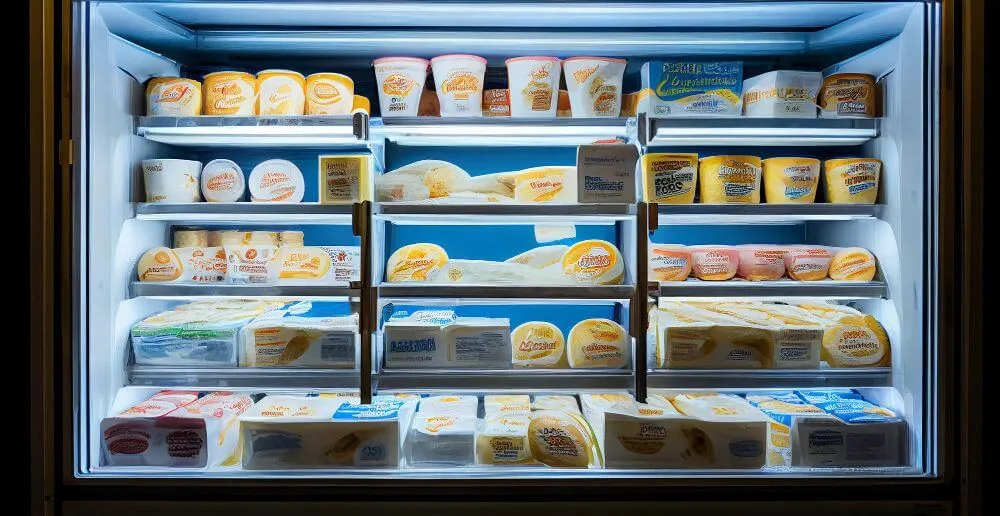
How to Extend the Shelf Life of Dairy Products in Commercial Kitchens (Without Losing Your Mind)
Let me tell you about the time I walked into a high-end Nashville restaurant’s walk-in fridge and nearly had a heart attack. There, nestled between a crate of heirloom tomatoes and what I can only describe as “mystery meat,” were half-opened containers of heavy cream, butter blocks with more fingerprints than a crime scene, and a gallon of milk that had clearly overstayed its welcome. The chef shrugged when I pointed it out. “It’s fine,” he said. “We use it fast enough.”
Famous last words. Two days later, that same milk was the star of a very unpleasant staff meeting, one that involved a lot of hand-wringing, a deep clean of the fridge, and a stern lecture about dairy product shelf life that I’m pretty sure the sous chef is still having nightmares about. The truth? Dairy doesn’t just “go bad”-it’s a slow, creeping disaster that starts the second it leaves the farm. And in a commercial kitchen, where margins are tighter than a sous vide bag and waste is the enemy, letting dairy spoil isn’t just gross, it’s expensive.
So, how do you extend the shelf life of dairy products without turning your kitchen into a science lab or your staff into dairy detectives? That’s what we’re diving into today. This isn’t just about slapping a “use by” date on a container and calling it a day. It’s about understanding the biology of spoilage, the logistics of storage, and the human psychology that turns even the most well-intentioned kitchen into a dairy graveyard. By the end of this, you’ll know how to keep your milk fresher, your cheese sharper, and your butter from tasting like it’s been sitting next to last week’s fish. Let’s get into it.
The Cold, Hard Truth About Dairy Spoilage
Before we talk solutions, we need to talk about the problem. Why does dairy spoil in the first place? It’s not just about time, it’s about bacteria, enzymes, and temperature abuse. Dairy is a living, breathing (well, not literally) ecosystem, and once it’s pasteurized, it’s a race against the clock to keep it from turning into a science experiment.
Here’s the deal: Raw milk is teeming with bacteria, some good, some bad. Pasteurization kills off the harmful stuff, but it doesn’t make dairy sterile. What’s left are spoilage bacteria and residual enzymes that, given the right conditions, will turn your once-creamy milk into a chunky, sour mess. The big culprits? Lactic acid bacteria (which turn lactose into lactic acid, making things taste sour) and psychrotrophic bacteria (which thrive in cold temps and break down proteins and fats, leading to off-flavors and textures).
And then there’s temperature abuse-the silent killer of dairy products. Every time your milk, cream, or butter sits out on the counter during prep, or gets shoved to the back of the fridge where the temperature fluctuates, you’re giving those bacteria a free pass to multiply. The danger zone for dairy (and most perishable foods) is between 40°F and 140°F (4°C and 60°C). In that range, bacteria can double in number every 20 minutes. Let that sink in. Twenty. Minutes.
So, what’s the takeaway? Extending dairy shelf life isn’t just about keeping things cold, it’s about controlling the environment so those bacteria don’t stand a chance. And that starts with the basics: storage.
1. The Goldilocks Rule of Dairy Storage: Not Too Hot, Not Too Cold, Just Right
If I had a dollar for every time I’ve seen dairy stored at the wrong temperature in a commercial kitchen, I could buy a small dairy farm. The problem isn’t that chefs don’t know dairy needs to be cold, it’s that they don’t realize how *precise* that cold needs to be. Your walk-in fridge might feel cold, but is it consistently at the right temperature? Probably not.
Here’s the deal: Most dairy products should be stored at 34°F to 38°F (1°C to 3°C). That’s colder than the average home fridge, and for good reason. At these temps, bacterial growth slows to a crawl, and enzymes become sluggish. But here’s the kicker: temperature fluctuations are just as bad as storing dairy too warm. Every time the door opens, or a new shipment comes in, or the compressor cycles on and off, the temp inside your fridge can swing by 5°F or more. Over time, those fluctuations add up, and your dairy pays the price.
So, how do you keep things steady? Start with these steps:
- Invest in a fridge thermometer (or three). Don’t trust the built-in thermostat, those things are notoriously inaccurate. Place a digital thermometer in the warmest part of your fridge (usually near the door) and check it daily. If it’s creeping above 38°F, you’ve got a problem.
- Organize your fridge like a pro. The back of the fridge is colder than the front, and the bottom shelves are colder than the top. Store your most perishable dairy (milk, cream, soft cheeses) in the coldest spots, and reserve the door for less sensitive items like butter or hard cheeses. And for the love of all things holy, don’t overcrowd. Air needs to circulate to maintain consistent temps.
- Pre-chill your dairy before storage. If you’re bringing in a new delivery, don’t just shove it into the fridge and call it a day. Let it sit in a cooler or a blast chiller for 30 minutes to an hour before moving it to the walk-in. This prevents the fridge from working overtime to cool it down, which can cause temperature spikes.
- Train your staff (and yourself) on the “first in, first out” rule. It’s not rocket science, but it’s shocking how often it’s ignored. When you get a new delivery, move the older stock to the front and put the new stuff in the back. Label everything with the date it was opened or received, and make it a habit to check those dates daily.
Is this the most exciting part of kitchen management? No. But is it the foundation of extending dairy shelf life? Absolutely. Get this right, and you’re already ahead of 90% of commercial kitchens out there.
2. The Container Conundrum: Why Your Dairy’s Packaging Matters More Than You Think
Here’s a question: When was the last time you thought about the container your dairy comes in? If you’re like most chefs, the answer is probably “never.” But here’s the thing-the packaging your dairy arrives in isn’t just about convenience. It’s about preservation. And if you’re not paying attention to it, you’re leaving shelf life on the table.
Let’s start with milk. Most commercial kitchens get their milk in one of two forms: plastic jugs or bag-in-box systems. Plastic jugs are convenient, but they’re not great for shelf life. Why? Because plastic is porous, and it’s not great at blocking light or oxygen, two things that speed up spoilage. Bag-in-box systems, on the other hand, are designed to minimize oxygen exposure, which can extend shelf life by days (or even weeks, if it’s ultra-pasteurized).
But here’s where things get tricky: Once you open that jug or box, all bets are off. Oxygen rushes in, bacteria hitch a ride on every utensil that touches the milk, and suddenly, you’re on the clock. So, what’s the solution? Decanting. If you’re using a lot of milk (like, say, in a bakery or a coffee shop), consider transferring it to a stainless steel or glass dispenser with a tight-sealing lid. This minimizes oxygen exposure and keeps contaminants out. Just make sure you’re cleaning and sanitizing that dispenser daily-otherwise, you’re just trading one problem for another.
Now, let’s talk about butter. Butter is a little more forgiving than milk, but it’s still vulnerable to oxidation (which makes it taste rancid) and absorbing odors (which makes it taste like whatever else is in your fridge). The best way to store butter? In its original packaging, wrapped tightly in aluminum foil or wax paper, and then placed in an airtight container. This creates a double barrier against oxygen and odors. And if you’re buying butter in bulk, consider portioning it out into smaller, airtight containers so you’re not exposing the whole block every time you need a pat.
Cheese is where things get really interesting. Different cheeses have different storage needs, but here’s a general rule: Hard cheeses (like Parmesan or aged cheddar) can handle a little more air exposure, but they still need to be wrapped tightly to prevent drying out. Soft cheeses (like brie or goat cheese) are more delicate and should be stored in their original packaging or in a container with a tight seal. And if you’re dealing with fresh cheeses (like mozzarella or ricotta), you’re basically playing a game of “beat the clock”-they’re highly perishable and should be used within a few days of opening.
I know what you’re thinking: “Sammy, this sounds like a lot of work.” And you’re not wrong. But here’s the thing-every extra day you can squeeze out of your dairy is money in your pocket. And if you’re not willing to put in a little effort to make that happen, you might as well just throw cash in the trash.
3. The Ultra-Pasteurization Debate: Is It Worth the Hype?
If you’ve spent any time in the world of commercial dairy, you’ve probably heard the term ultra-pasteurization (or UP) thrown around. It’s a process where milk is heated to a higher temperature (around 280°F or 138°C) for a shorter period of time than traditional pasteurization. The result? A product with a much longer shelf life-sometimes up to 60 days, compared to the 14-21 days of regular pasteurized milk.
Sounds like a no-brainer, right? Not so fast. Ultra-pasteurized dairy has its pros and cons, and whether it’s right for your kitchen depends on a few key factors.
The Pros:
- Longer shelf life. This is the big one. If you’re a small kitchen with limited storage or a high-volume operation where dairy moves fast, UP milk can be a game-changer. No more rushing to use up milk before it goes bad, and no more last-minute runs to the store because you ran out.
- Reduced waste. Less spoilage means less waste, which means more money in your pocket. In a commercial kitchen, where food costs can make or break you, this is a huge advantage.
- Consistency. UP milk is more stable, which means fewer surprises when you open a new container. No more guessing whether that half-used jug from three days ago is still good.
The Cons:
- Flavor differences. Let’s be real, ultra-pasteurized milk doesn’t taste the same as fresh, minimally processed milk. The high heat alters the proteins and sugars, giving it a slightly cooked or “flat” flavor. For some applications (like baking or making sauces), this isn’t a big deal. But if you’re serving milk as a beverage or using it in something where flavor is front and center (like a latte or a delicate custard), you might notice the difference.
- Cost. UP milk is more expensive than regular pasteurized milk. The processing is more intensive, and the packaging is often more specialized (think bag-in-box systems). If you’re a high-volume kitchen, this might not be a dealbreaker, but for smaller operations, the cost can add up.
- Perception. There’s a growing segment of consumers who are skeptical of ultra-processed foods, and UP milk falls into that category. If you’re marketing your kitchen as “farm-to-table” or “artisanal,” using UP milk might not align with your brand.
So, is ultra-pasteurized dairy worth it? It depends. If you’re struggling with waste and need a longer shelf life, it’s definitely worth testing. But if flavor is a top priority, you might want to stick with traditional pasteurization and focus on better storage practices instead.
I’m torn on this one, to be honest. On one hand, the waste reduction is a huge plus, especially in a world where food waste is a massive environmental and economic issue. On the other hand, I’ve tasted the difference, and it’s not always subtle. Maybe the best approach is to use UP milk for cooking and baking, where the flavor difference is less noticeable, and save the fresh stuff for applications where it really shines. What do you think?
4. The Power of pH: How Acid and Salt Can Save Your Dairy
Here’s something most chefs don’t think about: pH levels play a huge role in how long dairy lasts. The lower the pH (meaning the more acidic the environment), the harder it is for spoilage bacteria to thrive. That’s why things like yogurt, buttermilk, and sour cream last longer than fresh milk, they’ve been acidified, either through fermentation or the addition of acids like citric or lactic acid.
But here’s the cool part: You can use this principle to your advantage in the kitchen. By tweaking the pH of your dairy products, you can extend their shelf life without resorting to ultra-pasteurization or other heavy-handed methods. Here’s how:
- Add a splash of acid. If you’re making a sauce or a soup that uses dairy, consider adding a squeeze of lemon juice or a splash of vinegar at the end. This won’t just brighten the flavor, it’ll also lower the pH, making it harder for bacteria to grow. Just be careful not to overdo it, or you’ll end up with a curdled mess.
- Use cultured dairy products. Things like crème fraîche, sour cream, and buttermilk are already acidified, which means they last longer than fresh cream or milk. If you’re making a dish that calls for cream, consider swapping in crème fraîche or sour cream instead. You’ll get a tangier flavor, but you’ll also get a longer shelf life.
- Salt is your friend. Salt isn’t just a flavor enhancer, it’s a preservative. By adding salt to dairy-based dishes (like compound butters or cheese sauces), you’re creating an environment where bacteria struggle to survive. This is why things like salted butter last longer than unsalted butter, and why aged cheeses (which are packed with salt) can last for months.
Now, I’m not suggesting you start acidifying all your dairy products just to extend their shelf life. But if you’re making something that’s going to sit in the fridge for a few days (like a batch of compound butter or a big pot of béchamel), a little acid or salt can go a long way. It’s a small tweak that can make a big difference.
And here’s a pro tip: If you’re making a dairy-based sauce that needs to last a few days, consider adding a small amount of alcohol (like white wine or vodka). Alcohol is a natural preservative, and it can help extend the shelf life of your sauce by a day or two. Just don’t tell the health inspector I said that.
5. The Freezer: Your Secret Weapon for Dairy Preservation
Let’s talk about the freezer. Most chefs think of the freezer as a last resort for dairy, something you turn to when you’ve got a half-used container of cream or a block of cheese that’s about to go bad. But here’s the thing: The freezer is one of the best tools you have for extending dairy shelf life. You just have to use it right.
First, let’s address the elephant in the room: freezing changes the texture of dairy. Milk separates, cream can turn grainy, and cheese can become crumbly. But that doesn’t mean it’s ruined, it just means you need to be strategic about how you use it. Here’s how to freeze dairy like a pro:
- Milk: Freeze milk in airtight containers, leaving about an inch of headspace to account for expansion. When you’re ready to use it, thaw it in the fridge overnight and give it a good shake to reincorporate the separated fats. Frozen milk is best used for cooking and baking, not drinking. And if you’re using it in something like a sauce or a soup, you can often add it straight from frozen, just be prepared for a little extra stirring.
- Cream: Heavy cream freezes better than light cream or half-and-half, but it can still separate. To minimize this, whip the cream slightly before freezing it, this incorporates air and helps stabilize the fat. When you’re ready to use it, thaw it in the fridge and whisk it vigorously to bring it back to life. Frozen cream is great for soups, sauces, and baked goods, but it’s not ideal for whipping.
- Butter: Butter freezes beautifully. Just wrap it tightly in aluminum foil or plastic wrap, place it in an airtight container, and freeze it for up to 6 months. When you’re ready to use it, thaw it in the fridge overnight. Frozen butter works just as well as fresh butter in cooking and baking, and it’s a great way to take advantage of bulk discounts.
- Cheese: Hard cheeses (like cheddar, Parmesan, and Gouda) freeze better than soft cheeses, but even soft cheeses can be frozen if you’re strategic. For hard cheeses, grate or slice them before freezing, this makes it easier to thaw only what you need. For soft cheeses (like mozzarella or ricotta), freeze them in small portions and use them in cooked dishes (like lasagna or stuffed shells) where texture isn’t as critical. And whatever you do, don’t freeze cheese that’s already been sliced or shredded for serving-it’ll turn into a sad, crumbly mess.
- Yogurt and sour cream: These can be frozen, but the texture will change. Frozen yogurt or sour cream is best used in smoothies, baked goods, or sauces where texture isn’t a big deal. To freeze, portion it into small containers (leaving room for expansion) and thaw in the fridge when you’re ready to use it.
Now, I know what you’re thinking: “Sammy, this sounds like a lot of work.” And yeah, it is. But here’s the thing-freezing dairy is a game-changer for reducing waste. If you’ve got a half-used container of cream that’s about to go bad, freezing it buys you time to use it later. If you’ve got a block of cheese that’s starting to dry out, freezing it in portions means you can use it as needed without wasting the rest. And if you’re buying dairy in bulk to save money, freezing it ensures you’re not stuck with a mountain of spoilage.
Is it perfect? No. But is it better than throwing out half your dairy order every week? Absolutely.
6. The Human Factor: Why Your Staff Is Your Biggest Liability (and How to Fix It)
Let’s be real for a second: No matter how perfect your storage systems are, no matter how carefully you monitor temperatures, no matter how many labels you slap on your dairy containers, your staff can (and will) undo all your hard work in a heartbeat. It’s not that they’re trying to sabotage you, it’s that they’re human. They’re rushed, they’re distracted, they’re tired, and they’re not thinking about the long-term consequences of leaving the milk out on the counter or forgetting to seal the cream container.
So, how do you fix this? You can’t just yell at them (well, you can, but it won’t work in the long run). You’ve got to make it easy for them to do the right thing. Here’s how:
- Standardize your storage. If every dairy product has a designated spot in the fridge, and that spot is clearly labeled, your staff is more likely to put things back where they belong. Use color-coded bins or labels to make it even easier, red for milk, blue for cream, green for cheese, etc. The less they have to think about it, the better.
- Implement a “one in, one out” rule. This is a simple but effective way to prevent overstocking. When a new delivery comes in, the oldest product gets moved to the front and the new stuff goes to the back. This ensures that nothing gets forgotten in the depths of the fridge.
- Train, train, train. Don’t assume your staff knows how to store dairy properly. Take the time to train them on the basics: how to check temperatures, how to properly seal containers, how to label things, and why all of this matters. And don’t just train them once, make it a regular part of your kitchen meetings. The more they understand the “why” behind the rules, the more likely they are to follow them.
- Make it visual. People respond to visual cues. Post a chart in the fridge that shows where everything goes. Use clear containers so staff can see what’s inside without having to open them. And if you’ve got a particularly problematic item (like a half-used container of cream that keeps getting left out), put a big, bright label on it that says “PUT ME BACK IN THE FRIDGE, DAMN IT.” (Okay, maybe not that last part, but you get the idea.)
- Lead by example. If your staff sees you cutting corners, leaving the milk out, not sealing containers, ignoring labels, they’re going to do the same. But if they see you following the rules, even when you’re in a rush, they’re more likely to follow suit.
Here’s the thing: Your staff isn’t the enemy. They’re just trying to get through their shift without burning themselves or dropping a tray of dishes. If you want them to care about dairy shelf life, you’ve got to make it easy for them to do the right thing. And if you do that, you’ll see a huge improvement in how long your dairy lasts.
I’ll be honest, I’ve worked in kitchens where the staff was the biggest obstacle to reducing waste. But I’ve also worked in kitchens where the staff was the reason we had almost zero spoilage. The difference? Training, systems, and a culture that made it easy to do the right thing. Which one do you want to be?
7. The Labeling Lowdown: Why You’re Probably Doing It Wrong
Let’s talk about labels. I know, I know, labeling is boring. It’s tedious. It’s the kind of thing you put off until the health inspector is breathing down your neck. But here’s the thing: Proper labeling is one of the easiest and most effective ways to extend dairy shelf life. And if you’re not doing it right, you’re leaving money on the table.
First, let’s talk about what you should be labeling. Every single dairy product in your kitchen should have two things on it:
- The date it was received or opened. This is non-negotiable. If you don’t know when something was opened, you don’t know how long it’s been sitting there, and you’re basically playing Russian roulette with spoilage.
- The date it should be used by. This is where things get a little more complicated. Different dairy products have different shelf lives, and those shelf lives can vary depending on how they’re stored. But as a general rule, here’s what you should be aiming for:
- Milk: 7 days after opening (or the manufacturer’s “use by” date, whichever comes first).
- Cream: 5-7 days after opening.
- Butter: 1-3 months after opening (depending on whether it’s salted or unsalted).
- Hard cheese: 3-4 weeks after opening.
- Soft cheese: 1 week after opening.
- Yogurt: 7-10 days after opening.
- Sour cream: 7-10 days after opening.
Now, here’s where most kitchens go wrong: They either don’t label at all, or they label with vague terms like “old” or “new.” Neither of these is helpful. If you want to extend dairy shelf life, you’ve got to be specific, consistent, and visible.
Here’s how to do it right:
- Use a label maker or pre-printed labels. Handwritten labels are better than nothing, but they’re easy to misread or smudge. Invest in a label maker or pre-printed labels that are clear, legible, and waterproof. Your future self (and your staff) will thank you.
- Write the date in a standard format. Don’t use “3/19″-is that March 19th or September 3rd? Instead, use “19 MAR” or “MAR 19.” This eliminates confusion and makes it easy for everyone to understand.
- Include the time (if applicable). If you’re labeling something that was opened during service (like a container of cream), include the time it was opened. This gives you a more accurate sense of how long it’s been sitting out.
- Use color-coding. Assign a different color to each day of the week (e.g., red for Monday, blue for Tuesday, etc.). This makes it easy to see at a glance how old something is. If you’ve got a container with a red label and it’s Thursday, you know it’s time to use it up.
- Label everything, even the stuff you think you’ll use right away. It’s easy to forget about that half-used container of buttermilk or the block of cheese that’s been sitting in the back of the fridge. If it’s labeled, you’re less likely to let it slip through the cracks.
And here’s a pro tip: Create a “use first” section in your fridge. This is where you put all the dairy products that are nearing their “use by” date. Make it highly visible (like a bright red bin or a shelf with a big sign) and train your staff to check it first when they’re grabbing ingredients. This ensures that nothing gets forgotten and that you’re using up the oldest stuff first.
I know labeling sounds like a pain, but trust me, it’s worth it. The few minutes you spend labeling your dairy products will save you hours of frustration (and hundreds of dollars in waste) down the line. And if you make it a habit, it’ll become second nature.
8. The Blast Chiller: Your Not-So-Secret Weapon Against Spoilage
If you’re serious about extending dairy shelf life, you need a blast chiller. I know, I know, blast chillers are expensive, and they take up space, and they’re not exactly the most exciting piece of equipment in your kitchen. But if you’re dealing with a lot of dairy, they’re a game-changer.
Here’s why: A blast chiller cools food rapidly, bringing it from cooking temperature to safe storage temperature in a fraction of the time it would take in a regular fridge. For dairy products, this means two things:
- It minimizes the time dairy spends in the “danger zone” (40°F to 140°F), where bacteria multiply like crazy. If you’re making a big batch of béchamel or a vat of custard, a blast chiller can cool it down in minutes, not hours. This reduces the risk of spoilage and extends the shelf life of your finished product.
- It preserves texture and flavor. Slow cooling can cause dairy products to separate or develop off-flavors. A blast chiller cools things quickly and evenly, which helps maintain the quality of your dairy-based dishes.
But here’s the thing: A blast chiller isn’t just for cooked dishes. You can also use it to pre-chill dairy products before storing them in the fridge. If you’ve got a new delivery of milk or cream, running it through the blast chiller for 30 minutes before moving it to the walk-in can help bring it down to the ideal storage temperature faster, which reduces the risk of temperature abuse.
Now, I’ll be the first to admit that blast chillers aren’t cheap. But if you’re a high-volume kitchen where dairy waste is a constant problem, they can pay for themselves in a matter of months. And if you’re not ready to invest in a full-sized blast chiller, consider a countertop model-they’re smaller and more affordable, but they can still make a big difference in how long your dairy lasts.
Is a blast chiller absolutely necessary? No. But if you’re serious about extending dairy shelf life, it’s one of the best tools you can have in your arsenal. And if you’re not convinced, just think about how much money you’re currently throwing away in spoiled dairy. That might change your mind.
9. The Supplier Question: Are You Getting the Freshest Dairy Possible?
Here’s something most chefs don’t think about: The shelf life of your dairy products starts with your supplier. If you’re getting milk that’s already a week old, or cheese that’s been sitting in a warehouse for months, you’re fighting an uphill battle from the start. So, how do you ensure you’re getting the freshest dairy possible? It starts with asking the right questions.
First, let’s talk about delivery schedules. How often is your supplier delivering dairy to your kitchen? If it’s once a week, you’re probably not getting the freshest product. Ideally, you want a supplier who can deliver two to three times a week, especially for highly perishable items like milk and cream. This ensures that you’re getting the newest product possible, which gives you more time to use it before it goes bad.
Next, let’s talk about storage practices. How is your supplier storing and transporting your dairy? Are they using refrigerated trucks? Are they keeping things at the right temperature during transit? If your supplier is cutting corners on storage, your dairy is going to suffer. Don’t be afraid to ask for details, if they’re not willing to share, that’s a red flag.
And then there’s the “use by” date. This is where things get a little tricky. The “use by” date on dairy products is a guideline, not a hard and fast rule. But if you’re getting milk that’s already a week past its “sell by” date, or cheese that’s been sitting around for months, you’re not giving yourself much of a window to work with. When you’re evaluating suppliers, ask about their turnover rates-how quickly are they selling through their dairy products? A supplier with high turnover is more likely to have fresher product.
Here’s another thing to consider: Local vs. national suppliers. Local dairy suppliers often have shorter supply chains, which means their products spend less time in transit and storage. This can translate to fresher dairy and longer shelf life in your kitchen. But local suppliers aren’t always an option, especially if you’re in an area with limited dairy production. If that’s the case, look for suppliers who specialize in high-quality, minimally processed dairy. They might cost a little more, but the longer shelf life and better flavor can make it worth it.
And finally, let’s talk about communication. The best suppliers are the ones who are willing to work with you to solve problems. If you’re consistently having issues with spoilage, talk to your supplier. Maybe they can adjust their delivery schedule, or maybe they can recommend a different product with a longer shelf life. A good supplier will be your partner in reducing waste, not just a vendor.
I’ve worked with suppliers who were amazing, delivering fresh, high-quality dairy on a regular schedule, and I’ve worked with suppliers who were, well, not. The difference in shelf life was night and day. If you’re serious about extending the life of your dairy products, take the time to evaluate your suppliers. It’s one of the easiest ways to make a big impact.
10. The Waste Audit: How to Identify (and Fix) Your Dairy Spoilage Problems
Alright, let’s get real for a second. You can read all the articles in the world about extending dairy shelf life, but if you don’t know where your waste is coming from, you’re just shooting in the dark. That’s where a waste audit comes in. It’s not the most glamorous part of kitchen management, but it’s one of the most effective ways to identify (and fix) your dairy spoilage problems.
Here’s how to do it:
- Track your dairy waste for a week. This means keeping a log of every dairy product that gets thrown out, why it was thrown out, and how much was wasted. Be specific, don’t just write “milk.” Write “1/2 gallon of milk, sour, not used in time.” The more details you have, the better.
- Identify patterns. After a week, look at your log. Are you throwing out a lot of milk because it’s souring too quickly? Are you wasting cheese because it’s drying out? Are you tossing cream because it’s separating? Once you identify the patterns, you can start to address the root causes.
- Dig deeper. For each pattern you identify, ask yourself: Why is this happening? Is it because of poor storage? Is it because you’re over-ordering? Is it because your staff isn’t following the “first in, first out” rule? The answers might surprise you.
- Implement fixes. Once you know what’s causing your waste, you can start to fix it. Maybe you need to adjust your storage practices. Maybe you need to train your staff better. Maybe you need to switch suppliers. Whatever the solution, make sure it’s targeted and specific.
- Track your progress. After you’ve implemented your fixes, keep tracking your waste for another week. Are you seeing improvement? If not, it’s time to dig deeper and try something else.
Here’s the thing: A waste audit isn’t a one-time thing. It’s something you should be doing regularly, maybe once a month, or once a quarter, to make sure you’re staying on top of your spoilage problems. And it’s not just about dairy. You can use the same approach to track waste in other areas of your kitchen, too.
I’ll be honest, I resisted doing waste audits for a long time. It felt like a hassle, and I didn’t want to face the reality of how much we were wasting. But once I started doing them, I realized how eye-opening they were. We were throwing out way more dairy than I thought, and the reasons weren’t always what I expected. Once we started addressing those issues, our waste dropped dramatically, and our bottom line improved.
If you’re serious about extending dairy shelf life, a waste audit is one of the best tools you have. It’s not fun, but it’s effective. And if you do it right, it can save you a ton of money in the long run.
Putting It All Together: A Dairy Shelf Life Action Plan
Alright, let’s take a step back. We’ve covered a lot of ground here, everything from storage temperatures to blast chillers to waste audits. If you’re feeling a little overwhelmed, that’s normal. Extending dairy shelf life isn’t about doing one thing perfectly, it’s about doing a lot of little things consistently. So, where do you start?
Here’s a simple, actionable plan to get you on the right track:
- Start with storage. Make sure your fridge is at the right temperature (34°F to 38°F), and organize it so that dairy products are stored in the coldest spots. Invest in a few thermometers to monitor temps, and train your staff on the “first in, first out” rule.
- Label everything. Every dairy product in your kitchen should have a label with the date it was received or opened and the date it should be used by. Make it a habit to check those labels daily, and create a “use first” section in your fridge for items that are nearing their “use by” date.
- Evaluate your suppliers. Are you getting the freshest dairy possible? If not, it might be time to switch suppliers or adjust your delivery schedule. Talk to your current supplier about your spoilage issues, maybe they can help.
- Train your staff. Make sure everyone in your kitchen understands the importance of proper dairy storage and handling. The more they know, the more likely they are to follow the rules.
- Do a waste audit. Track your dairy waste for a week, identify the patterns, and implement fixes. Then, do it again a month later to see if things have improved.
- Consider upgrades. If you’re still struggling with spoilage, it might be time to invest in some upgrades, like a blast chiller, better containers, or ultra-pasteurized dairy products. These things cost money upfront, but they can pay for themselves in reduced waste.
And here’s the most important part: Be patient. Extending dairy shelf life isn’t something that happens overnight. It takes time, effort, and consistency. But if you stick with it, you’ll start to see results, less waste, better quality, and more money in your pocket.
I’ll leave you with this: The next time you walk into your walk-in fridge, take a good look at your dairy products. Are they labeled? Are they stored properly? Are they being used in the right order? If not, you’ve got work to do. But if you follow the steps in this guide, you’ll be well on your way to extending dairy shelf life, and keeping your kitchen running smoothly.
FAQ: Your Burning Questions About Extending Dairy Shelf Life
Q: How long does milk really last in a commercial fridge?
A: It depends. Unopened, pasteurized milk typically lasts 14-21 days from the processing date, but once opened, you’ve got about 7 days before it starts to turn. Ultra-pasteurized milk can last up to 60 days unopened, but once opened, it’s the same as regular milk, about 7 days. The key is proper storage-keep it at 34°F to 38°F, seal it tightly, and use it quickly.
Q: Can you freeze cheese without ruining it?
A: Yes, but it depends on the type of cheese. Hard cheeses (like cheddar, Parmesan, and Gouda) freeze well and can be grated or sliced before freezing for easier use later. Soft cheeses (like mozzarella or ricotta) can be frozen, but the texture will change, they’re best used in cooked dishes where texture isn’t critical. And whatever you do, don’t freeze cheese that’s already been sliced or shredded for serving-it’ll turn into a crumbly mess.
Q: What’s the best way to store butter in a commercial kitchen?
A: Butter is pretty forgiving, but it’s still vulnerable to oxidation and absorbing odors. The best way to store it is in its original packaging, wrapped tightly in aluminum foil or wax paper, and then placed in an airtight container. This creates a double barrier against oxygen and odors. If you’re buying butter in bulk, portion it out into smaller, airtight containers so you’re not exposing the whole block every time you need a pat. And if you’re not going to use it within a few weeks, freeze it, it’ll last up to 6 months in the freezer.
Q: How do you know if dairy has gone bad, beyond the obvious signs?
A: The obvious signs (sour smell, chunky texture, mold) are a dead giveaway, but there are some subtler clues, too. For milk, check for a slightly off smell or a slimy texture-these can be early signs of spoilage. For cream, look for separation or a slightly sour taste-if it’s not quite right, it’s probably on its way out. For cheese, watch for drying out, discoloration, or an ammonia-like smell-these are signs that it’s past its prime. And if you’re ever in doubt, throw it out. It’s not worth the risk.
Q: Is it worth it to switch to ultra-pasteurized dairy products?
A: It depends on your kitchen’s needs. Ultra-pasteurized dairy has a much longer shelf life (up to 60 days unopened), which can be a huge advantage if you’re struggling with waste. But it’s also more expensive, and the flavor isn’t as fresh as traditional pasteurized dairy. If you’re using dairy in cooking and baking, where the flavor difference is less noticeable, ultra-pasteurized can be a great option. But if you’re serving milk as a beverage or using it in something where flavor is front and center (like a latte or a delicate custard), you might want to stick with traditional pasteurization. It’s all about weighing the pros and cons for your specific operation.
@article{how-to-extend-the-shelf-life-of-dairy-products-in-commercial-kitchens-a-no-nonsense-guide,
    title   = {How to Extend the Shelf Life of Dairy Products in Commercial Kitchens: A No-Nonsense Guide},
    author  = {Chef's icon},
    year    = {2026},
    journal = {Chef's Icon},
    url     = {https://chefsicon.com/how-to-extend-shelf-life-of-dairy-products-in-commercial-kitchens/}
}