The Best Fluffy Pancakes recipe you will fall in love with. Full of tips and tricks to help you make the best pancakes.
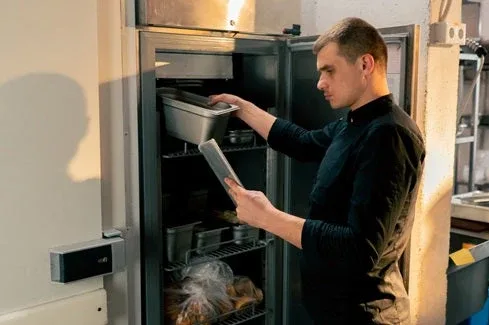
The Defrosting Dilemma: Why Your Commercial Kitchen’s Food Safety Hangs in the Balance
Let me tell you about the time I nearly ruined a dinner service at a Nashville hotspot. It was a sweltering July evening, you know, the kind where the air conditioning fights a losing battle against the heat radiating from the grill. I was consulting for a mid-sized restaurant, and the chef had just pulled a 20-pound block of frozen salmon from the walk-in. “We’ll just leave it on the counter,” he said, wiping his brow. “It’ll be fine by the time we need it.”
I froze. Not the salmon, the realization that this was a disaster waiting to happen. I’ve seen this scene play out in kitchens from San Francisco to Nashville: the assumption that defrosting is just a matter of time and patience. But here’s the truth: how you defrost food in a commercial kitchen isn’t just a logistical detail, it’s a food safety tightrope walk. Get it wrong, and you’re not just risking a bad Yelp review. You’re gambling with foodborne illnesses that can shut down your business faster than a health inspector with a clipboard.
This guide isn’t just another dry recitation of FDA guidelines (though we’ll cover those, because ignoring them is like playing Russian roulette with your customers’ stomachs). It’s a deep dive into the *why* behind commercial kitchen defrosting protocols, the *how* of doing it right, and the *what-the-hell-were-you-thinking* moments that happen when you cut corners. By the end, you’ll know:
- Why temperature control during defrosting is the unsung hero of food safety
- The four FDA-approved defrosting methods-and when to use (or avoid) each one
- How to audit your current defrosting practices without sending your staff into a panic
- The hidden dangers of cross-contamination during defrosting (spoiler: it’s not just about raw chicken)
- Real-world case studies of kitchens that got it wrong, and how to avoid their mistakes
- How to train your team so defrosting becomes second nature (not an afterthought)
Let’s be real: defrosting isn’t glamorous. It’s not the kind of topic that gets chefs excited or foodies swooning. But if you’re running a commercial kitchen, it’s the backbone of your operation. Miss this step, and everything else, your recipes, your plating, your carefully curated wine list, goes out the window. So grab a coffee (or something stronger, if it’s been *that* kind of shift), and let’s talk about how to defrost like your reputation depends on it. Because, well, it does.
The Science of Defrosting: Why Temperature Control is Your Best Friend (and Worst Enemy)
What Happens When Food Thaws? The Microbiological Rollercoaster
Here’s something they don’t teach you in culinary school: frozen food isn’t sterile. Shocking, right? When you freeze food, you’re not killing bacteria, you’re just hitting the pause button. And when that food starts to thaw, the bacteria wake up hungrier than a line cook at 2 AM. The danger zone? 41°F to 135°F (5°C to 57°C). That’s the sweet spot where bacteria like Salmonella, Listeria, and E. coli throw a rave in your food.
But here’s where it gets tricky. The surface of a frozen block thaws faster than the center. So while the outside might be basking in the danger zone, the inside is still frozen solid. This is why slow, controlled defrosting is non-negotiable. Dump a 30-pound turkey on a counter at room temperature, and you’ve just created a bacterial incubator. The surface could sit in the danger zone for hours while the center slowly thaws. And trust me, no one wants to explain to a health inspector why your turkey has a Salmonella crust.
I remember a conversation with a chef in the Bay Area who swore by “quick-thawing” whole fish in warm water. “It’s fine,” he said. “The water’s not that hot.” Here’s the problem: warm water thaws food unevenly. The outer layers warm up fast, while the center stays frozen. Meanwhile, the water temperature drops, creating a perfect environment for bacteria to multiply. It’s like trying to cook a steak by holding it over a candle, you’re not getting consistent results, and you’re playing with fire (or in this case, foodborne pathogens).
The 2-Hour Rule: Your Defrosting Deadline
You’ve probably heard of the 2-hour rule-the idea that perishable food shouldn’t sit out at room temperature for more than two hours. But here’s the kicker: that rule doesn’t just apply to cooked food. It applies to any food in the danger zone, including food that’s defrosting. And in a commercial kitchen, where temperatures can soar and workflows get chaotic, two hours can fly by faster than a server with a tray of hot plates.
Let’s say you pull a case of frozen ground beef from the freezer at 10 AM and leave it on a prep table to thaw. By noon, the outer layers are soft, but the center is still icy. The surface has been in the danger zone for two hours, long enough for bacteria to start multiplying. Now, imagine that beef sits there until 2 PM while your staff preps other ingredients. By the time it’s fully thawed, you’ve got a bacterial time bomb on your hands. And if that beef isn’t cooked to 160°F (71°C), you’re serving up a side of food poisoning with your burgers.
This is why time and temperature control are the dynamic duo of defrosting. You can’t just eyeball it. You need a plan, a thermometer, and a system to track how long food spends in the danger zone. And no, “I’ll remember” doesn’t count as a system.
FDA-Approved Defrosting Methods: The Good, the Bad, and the Risky
The FDA’s Food Code lays out four approved methods for defrosting food in commercial kitchens. Each has its place, but none are foolproof. Let’s break them down, warts and all.
1. Refrigerator Thawing: The Gold Standard (If You Have Time)
Best for: Large cuts of meat, whole poultry, seafood, and anything you’re not using immediately.
How it works: Move frozen food from the freezer to the refrigerator and let it thaw slowly. The goal is to keep the food at 41°F (5°C) or below the entire time.
Pros:
- Safest method. Food stays out of the danger zone, so bacteria don’t get a chance to multiply.
- No last-minute panic. Once thawed, food can stay in the fridge for a day or two (depending on the item) before cooking.
- Minimal hands-on time. Set it and forget it (well, sort of, more on that later).
Cons:
- Time-consuming. A 20-pound turkey can take 24 to 48 hours to thaw in the fridge. If you’re not planning ahead, this method is a non-starter.
- Refrigerator space. In a busy kitchen, fridge real estate is precious. Thawing large items can crowd out other ingredients.
- Uneven thawing. If your fridge isn’t circulating air properly, some parts of the food might thaw faster than others.
Pro tips for refrigerator thawing:
- Use shallow containers. Place food in a pan or on a tray to catch any drips (and prevent cross-contamination).
- Rotate food. If you’re thawing multiple items, rotate their positions in the fridge to ensure even air circulation.
- Label everything. Write the date and time on the food so you know when it went into the fridge. This helps you track how long it’s been thawing and when it needs to be used.
- Check the temperature. Use a refrigerator thermometer to ensure your fridge is holding steady at 41°F (5°C) or below. If it’s warmer, you’re playing with fire.
I’ll admit, I used to think refrigerator thawing was overkill. “Just throw it in the sink,” I’d say. But after seeing the aftermath of a Listeria outbreak at a catering company (spoiler: it involved a 50-pound bag of frozen shrimp left on a prep table), I’ve become a convert. Slow and steady wins the food safety race.
2. Cold Water Thawing: The Middle Ground (If You’re Paying Attention)
Best for: Smaller items like steaks, chicken breasts, or fish fillets that need to thaw quickly but safely.
How it works: Submerge the food in cold water (70°F/21°C or below) and change the water every 30 minutes to keep it cold. The food should be in a leak-proof bag to prevent water absorption and cross-contamination.
Pros:
- Faster than refrigerator thawing. A 1-pound package of ground beef can thaw in about an hour, while a 3- to 4-pound roast might take 2 to 3 hours.
- More controlled than room-temperature thawing. As long as you keep the water cold, the food stays out of the danger zone.
Cons:
- Labor-intensive. You have to change the water every 30 minutes. If you forget, the water warms up, and you’re back in the danger zone.
- Risk of cross-contamination. If the bag leaks or the food isn’t properly sealed, you’re introducing bacteria into the water, and potentially contaminating your sink.
- Not ideal for large items. A whole turkey in a cold water bath is a logistical nightmare.
Pro tips for cold water thawing:
- Use a clean sink. Designate one sink for thawing and sanitize it before and after use. Don’t use the same sink for handwashing or dishwashing.
- Seal the food properly. Use a zip-top bag or vacuum-sealed packaging. If the bag isn’t airtight, water can seep in, making the food soggy and increasing the risk of contamination.
- Change the water religiously. Set a timer for 30 minutes and stick to it. If the water starts to feel tepid, it’s time to change it.
- Cook immediately. Once the food is thawed, cook it right away. Don’t refreeze it or let it sit out.
Cold water thawing is a great option if you’re in a pinch, but it’s not something you can set and forget. I’ve seen kitchens where the “30-minute rule” turns into a 2-hour rule because someone got distracted. If you’re not 100% confident your team can stick to the schedule, don’t use this method.
3. Microwave Thawing: The Wildcard (Use with Caution)
Best for: Small, evenly shaped items like burgers, chicken breasts, or fish fillets that you plan to cook immediately.
How it works: Use the defrost setting on your microwave to thaw food quickly. Rotate or flip the food as needed to ensure even thawing.
Pros:
- Fastest method. A pound of ground beef can thaw in 10 to 15 minutes.
- No water required. No risk of soggy food or cross-contamination from thawing water.
Cons:
- Uneven thawing. Microwaves heat food unevenly, which means some parts might start cooking while others are still frozen. This can create hot spots where bacteria thrive.
- Risk of partial cooking. If you’re not careful, you can end up with food that’s partially cooked-a major food safety no-no.
- Texture issues. Microwaving can make meat tough or rubbery, especially if it’s not cooked immediately after thawing.
- Not ideal for large items. A whole chicken in the microwave is a recipe for disaster.
Pro tips for microwave thawing:
- Use the defrost setting. Don’t just crank up the power. The defrost setting uses low power to thaw food more evenly.
- Rotate and flip. Pause the microwave every few minutes to rotate or flip the food. This helps prevent hot spots.
- Cook immediately. Microwaved food should be cooked right away. Don’t let it sit out, and never refreeze it.
- Cut food into smaller pieces. If possible, cut large items into smaller, evenly shaped pieces before microwaving. This helps them thaw more uniformly.
Microwave thawing is a bit of a gamble. It’s fast, but it’s also easy to mess up. I’ve seen kitchens where the microwave becomes a defrosting black hole-food goes in frozen and comes out partially cooked, rubbery, or worse. If you’re going to use this method, train your team thoroughly and supervise closely.
4. Cooking from Frozen: The Last Resort (But Sometimes Necessary)
Best for: Small, thin items like burgers, fish fillets, or vegetables that can cook quickly and evenly from frozen.
How it works: Skip the thawing step entirely and cook the food from frozen. This works best with high-heat methods like grilling, broiling, or frying, where the food cooks quickly and evenly.
Pros:
- No thawing required. This is the ultimate time-saver if you’re in a rush.
- Reduces risk of cross-contamination. Since the food stays frozen until cooking, there’s less chance for bacteria to multiply.
Cons:
- Uneven cooking. The outside might burn while the inside stays frozen. This is especially risky with thick cuts of meat or whole poultry.
- Longer cooking times. Food takes longer to cook from frozen, which can throw off your timing during a busy service.
- Texture issues. Some foods, like vegetables, can turn mushy when cooked from frozen.
- Not all foods are safe to cook from frozen. Large roasts or whole turkeys should never be cooked from frozen. The outside will overcook before the inside reaches a safe temperature.
Pro tips for cooking from frozen:
- Use a thermometer. Since cooking times are longer, it’s even more important to check the internal temperature of the food. For example, ground beef should reach 160°F (71°C), while poultry should hit 165°F (74°C).
- Adjust your cooking method. If you’re grilling frozen burgers, lower the heat and cook them longer to ensure even cooking.
- Avoid slow cookers. Cooking frozen food in a slow cooker is a major food safety risk. The food spends too much time in the danger zone before it reaches a safe temperature.
- Stick to small, thin items. Burgers, fish fillets, and vegetables work best. Avoid thick cuts of meat or whole poultry.
Cooking from frozen is a bit of a wildcard. It can work in a pinch, but it’s not something I’d rely on for everyday use. If you’re going to do it, make sure your team knows the risks and how to mitigate them. And for the love of all things holy, don’t try to cook a frozen turkey in the oven. I’ve seen it happen, and it’s not pretty.
The Hidden Dangers of Cross-Contamination During Defrosting
Defrosting isn’t just about temperature control, it’s also about keeping your food (and your kitchen) clean. Cross-contamination is the silent killer of food safety, and it’s especially sneaky during defrosting. Here’s what you need to watch out for.
Drip Trays: The Unseen Threat
When food thaws, it releases purge-a mix of water, proteins, and bacteria that can turn your fridge or prep table into a biohazard. If you’re not using drip trays, that purge is spreading everywhere: onto other food, onto shelves, even onto your hands. And once it’s out there, it’s nearly impossible to contain.
I remember a health inspection at a restaurant where the inspector found raw chicken juice dripping onto a tray of ready-to-eat salads. The kitchen staff had thawed the chicken in the fridge but hadn’t used a drip tray. The result? A $5,000 fine and a week-long closure for deep cleaning. Moral of the story: drip trays aren’t optional.
How to prevent drip contamination:
- Use shallow pans. Place thawing food in a shallow pan or on a tray to catch any drips. The pan should be deep enough to contain the purge but shallow enough to fit in your fridge.
- Store raw food on the bottom shelf. In the fridge, raw meat, poultry, and seafood should always be stored below ready-to-eat foods to prevent drips from contaminating other items.
- Sanitize surfaces. After thawing, clean and sanitize the pan, the shelf, and any surfaces the food touched. Use a food-safe sanitizer (like quat or chlorine) and follow the manufacturer’s instructions.
- Wash your hands. This should go without saying, but wash your hands before and after handling thawing food. And no, a quick rinse under the tap doesn’t count.
Sink Sanitation: The Forgotten Step
If you’re thawing food in a sink (whether in cold water or just letting it sit), that sink becomes a contamination hotspot. Think about it: you’re submerging raw meat in water, and that water is touching the sides of the sink. If you don’t clean and sanitize the sink afterward, the next person to use it is at risk of cross-contamination.
Here’s a scenario I’ve seen play out too many times: A line cook thaws a bag of frozen shrimp in the sink. Afterward, they give the sink a quick rinse with hot water and move on. Later, a prep cook uses the same sink to wash lettuce for salads. Boom, cross-contamination. The shrimp juice that was clinging to the sides of the sink just contaminated the lettuce.
How to keep your sink clean:
- Designate a thawing sink. If possible, dedicate one sink to thawing and nothing else. Label it clearly so staff know it’s off-limits for handwashing or dishwashing.
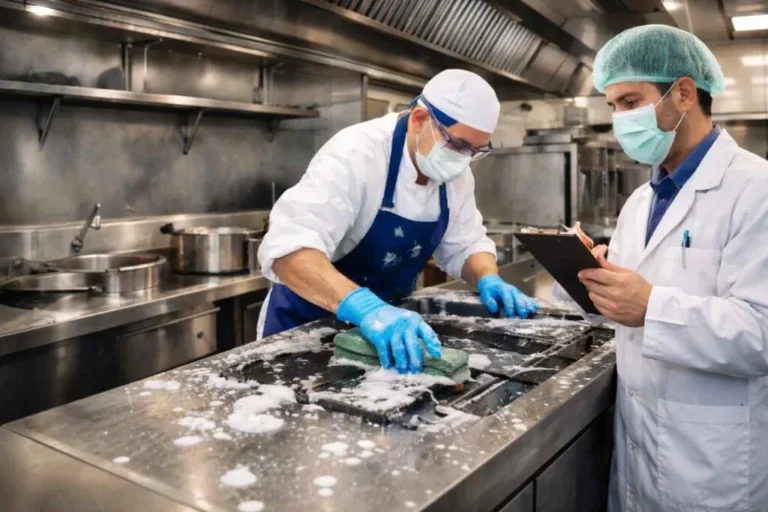
- Clean and sanitize after every use. After thawing food in the sink, scrub it with hot, soapy water, then sanitize it with a food-safe sanitizer. Don’t forget to clean the faucet and handles, those get touched a lot.
- Use a sink strainer. Place a strainer or colander in the sink to catch any food particles. This makes cleanup easier and reduces the risk of clogged drains.
- Train your team. Make sure everyone knows the proper procedure for thawing in the sink and why it’s important. A quick training session can prevent a lot of headaches (and health code violations).
Utensils and Surfaces: The Invisible Culprits
Cross-contamination isn’t just about food touching food. It’s also about food touching surfaces, utensils, or hands and then those things touching other food. For example:
- A knife used to cut frozen chicken is then used to slice tomatoes for a salad.
- A cutting board used for thawing fish is then used to chop vegetables.
- A prep cook handles thawing ground beef and then grabs a handful of lettuce without washing their hands.
These might seem like small things, but they add up. Bacteria don’t need much to spread. A single drop of raw chicken juice on a cutting board can contaminate an entire batch of vegetables.
How to prevent cross-contamination with utensils and surfaces:
- Use color-coded cutting boards. Assign different colors to different types of food (e.g., red for raw meat, green for vegetables). This makes it easy for staff to keep track of which board is for what.
- Sanitize utensils between uses. If you’re using a knife or tongs to handle thawing food, wash and sanitize them before using them on other foods. This is especially important for ready-to-eat foods like salads or sandwiches.
- Wash hands frequently. I can’t stress this enough: wash your hands after handling raw meat, poultry, or seafood. Use warm water and soap, and scrub for at least 20 seconds. Sing “Happy Birthday” twice if you need a timer.
- Use separate prep areas. If possible, designate separate prep areas for raw and ready-to-eat foods. This reduces the risk of cross-contamination and makes it easier for staff to follow food safety protocols.
How to Audit Your Defrosting Practices (Without Losing Your Mind)
Let’s be honest: auditing your defrosting practices isn’t exactly a thrilling way to spend an afternoon. But it’s one of those necessary evils that can save you from a world of hurt down the line. Here’s how to do it without sending your staff into a tailspin.
Step 1: Map Your Current Process
Before you can improve your defrosting practices, you need to understand what you’re currently doing. This means observing your kitchen in action and documenting how food moves from freezer to prep table. Ask yourself:
- Where is frozen food stored before thawing?
- What methods are staff using to thaw food? (Refrigerator? Cold water? Microwave? Room temperature?)
- How long does food sit out during thawing?
- Who is responsible for thawing food? Is it the same person every time, or does it vary?
- Are there any unofficial shortcuts staff are taking? (e.g., leaving food on the counter overnight)
I remember auditing a kitchen where the staff had developed a ”defrosting assembly line.” Frozen food would move from the freezer to the prep table to the walk-in fridge, with different people handling it at each stage. The problem? No one was tracking how long the food spent at each step, and the prep table was never sanitized between uses. By mapping the process, we identified the weak points and streamlined it.
Step 2: Identify the Risks
Once you’ve mapped your current process, it’s time to identify the risks. Look for:
- Time in the danger zone. How long is food sitting at temperatures between 41°F and 135°F (5°C and 57°C)? If it’s more than 2 hours, you’ve got a problem.
- Cross-contamination hotspots. Are thawing foods coming into contact with ready-to-eat foods? Are drip trays being used? Are sinks being cleaned properly?
- Inconsistent methods. Is one cook thawing food in the fridge while another is leaving it on the counter? Inconsistency is the enemy of food safety.
- Lack of documentation. Are you tracking when food goes into the fridge or how long it’s been thawing? If not, you’re flying blind.
At one restaurant I worked with, the biggest risk was room-temperature thawing. The staff would pull frozen chicken from the freezer in the morning and leave it on the prep table until they needed it in the afternoon. By the time it was fully thawed, it had been in the danger zone for 6 hours. We fixed it by switching to refrigerator thawing and implementing a labeling system to track thaw times.
Step 3: Compare to Best Practices
Now that you’ve identified the risks, it’s time to compare your process to best practices. Here’s a quick checklist to get you started:
- Are you using one of the four FDA-approved defrosting methods? (Refrigerator, cold water, microwave, or cooking from frozen.)
- Is food being thawed at safe temperatures? (Below 41°F/5°C for refrigerator thawing, or in cold water below 70°F/21°C.)
- Are you using drip trays to prevent cross-contamination?
- Are sinks and surfaces being cleaned and sanitized after thawing?
- Are staff washing their hands before and after handling thawing food?
- Are you tracking thaw times and temperatures?
- Is thawing food being stored separately from ready-to-eat foods?
If you’re falling short in any of these areas, don’t panic. The goal isn’t to be perfect, it’s to identify gaps and fix them. For example, if your staff isn’t using drip trays, start by buying a few shallow pans and training them on why they’re important. Small changes add up.
Step 4: Implement Changes (Without Causing a Mutiny)
Here’s the tricky part: implementing changes without making your staff feel like you’re micromanaging them. Food safety protocols are only effective if your team buys into them, so it’s important to explain the why behind the changes. Here’s how to do it:
- Hold a training session. Gather your team and walk them through the new defrosting protocols. Use real-world examples (like the Listeria outbreak I mentioned earlier) to drive home the importance of food safety.
- Make it easy. If you’re switching to refrigerator thawing, label shelves to show where thawing food should go. If you’re implementing a labeling system, provide pre-printed labels so staff don’t have to write everything by hand.
- Lead by example. If you’re the chef or manager, follow the protocols yourself. Nothing undermines a new system faster than a leader who cuts corners.
- Encourage feedback. Ask your team for input on the new protocols. They’re the ones using them every day, so they might have ideas for improvement.
- Be patient. Change takes time. It might take a few weeks for your team to adjust to the new system, so give them grace and keep reinforcing the protocols.
I’ve seen kitchens where new protocols were rolled out too quickly, and the staff rebelled. They’d go back to their old habits, and the whole system would collapse. Slow and steady wins the race. Start with one or two changes, get your team comfortable with them, and then build from there.
Step 5: Monitor and Adjust
Once you’ve implemented changes, don’t just set it and forget it. Monitor your new system to make sure it’s working, and be prepared to adjust as needed. Here’s how:
- Conduct spot checks. Every now and then, check the fridge or prep area to make sure staff are following the protocols. If you see something off, address it immediately.
- Ask for feedback. Check in with your team to see how the new system is working for them. Are there any pain points or unintended consequences? For example, if refrigerator thawing is taking up too much space, you might need to adjust your storage layout.
- Review health inspection reports. If you get dinged for defrosting-related issues during a health inspection, take it seriously. Use the feedback to tweak your protocols.
- Stay up to date. Food safety guidelines evolve, so keep an eye on updates from the FDA or your local health department. What’s considered best practice today might change tomorrow.
Auditing your defrosting practices isn’t a one-and-done deal. It’s an ongoing process that requires vigilance and adaptability. But if you stick with it, you’ll end up with a safer, more efficient kitchen-and that’s worth the effort.
Real-World Case Studies: Lessons from Kitchens That Got It Wrong
Theory is great, but nothing drives a point home like real-world examples. Here are a few case studies of kitchens that got defrosting wrong, and the lessons you can learn from their mistakes.
Case Study 1: The Catering Company That Thawed Shrimp on a Prep Table
What happened: A catering company in Texas was preparing for a large event. The chef pulled a 50-pound bag of frozen shrimp from the freezer and left it on a prep table to thaw overnight. By morning, the shrimp was soft on the outside but still frozen in the center. The chef decided to speed up the process by running the bag under warm water. The shrimp thawed unevenly, and the outer layers spent hours in the danger zone. Later that day, the shrimp was used in a seafood salad served at the event. Within 24 hours, dozens of guests reported symptoms of food poisoning, including nausea, vomiting, and diarrhea. The health department traced the outbreak back to the shrimp and shut down the catering company pending an investigation.
What went wrong:
- Room-temperature thawing. Leaving the shrimp on the prep table overnight allowed the outer layers to warm up to dangerous temperatures.
- Warm water thawing. Running the bag under warm water created uneven thawing and allowed bacteria to multiply.
- No temperature monitoring. The chef didn’t use a thermometer to check the temperature of the shrimp, so they had no idea how long it had been in the danger zone.
- Cross-contamination. The prep table wasn’t sanitized after the shrimp thawed, which could have contaminated other foods.
Lesson learned:
- Never thaw food at room temperature. Always use one of the FDA-approved methods (refrigerator, cold water, microwave, or cooking from frozen).
- Avoid warm water thawing. Warm water thaws food unevenly and creates a perfect environment for bacteria to multiply.
- Monitor temperatures. Use a thermometer to check the temperature of thawing food, and track how long it spends in the danger zone.
- Sanitize surfaces. After thawing food, clean and sanitize the prep table, sink, or any other surfaces it touched.
Case Study 2: The Restaurant That Microwaved Frozen Chicken
What happened: A busy restaurant in Chicago was short-staffed during a lunch rush. The chef needed to thaw frozen chicken breasts quickly, so they tossed them into the microwave on the defrost setting. The chicken thawed unevenly, some parts were still frozen, while others were partially cooked. The chef didn’t notice and sent the chicken to the grill. Later that day, several customers reported food poisoning symptoms, including fever and abdominal cramps. The health department traced the outbreak back to the chicken and fined the restaurant $2,000 for food safety violations.
What went wrong:
- Uneven thawing. The microwave thawed the chicken unevenly, creating hot spots where bacteria could multiply.
- Partial cooking. Some parts of the chicken were partially cooked, which can create a false sense of security. Partial cooking doesn’t kill bacteria, it just gives them a head start.
- No temperature monitoring. The chef didn’t use a thermometer to check the internal temperature of the chicken, so they had no idea if it was safe to cook.
- Rushed process. The chef was in a hurry and didn’t take the time to thaw the chicken properly.
Lesson learned:
- Microwave thawing is risky. If you’re going to use this method, rotate and flip the food to ensure even thawing, and cook it immediately afterward.
- Avoid partial cooking. Partial cooking doesn’t kill bacteria, it just makes them stronger. If you’re thawing food in the microwave, cook it right away.
- Use a thermometer. Always check the internal temperature of food before cooking. For chicken, that’s 165°F (74°C).
- Plan ahead. If you’re short-staffed or in a rush, plan your defrosting in advance so you’re not scrambling at the last minute.
Case Study 3: The Hotel Kitchen That Refroze Thawed Food
What happened: A hotel kitchen in Florida was preparing for a banquet. The chef thawed 100 pounds of frozen ground beef in the refrigerator, but the banquet was canceled at the last minute. Instead of cooking the beef, the chef refroze it to use later. A few weeks later, the beef was thawed again and used in burgers served at a conference. Within hours, dozens of attendees reported food poisoning symptoms, including diarrhea and vomiting. The health department traced the outbreak back to the beef and shut down the hotel’s kitchen for a week.
What went wrong:
- Refreezing thawed food. Refreezing food degrades its quality and increases the risk of bacterial growth. Each time food thaws and refreezes, bacteria have more opportunities to multiply.
- No temperature monitoring. The chef didn’t track how long the beef spent in the danger zone during the first thaw, which could have contributed to bacterial growth.
- Poor planning. The kitchen didn’t have a contingency plan for canceled events, which led to the beef being refrozen.
Lesson learned:
- Never refreeze thawed food. Once food is thawed, cook it or toss it. Refreezing food is a major food safety risk.
- Plan for contingencies. If you’re thawing food for an event, have a backup plan in case the event is canceled. For example, you could cook the food and freeze it (if it’s safe to do so) or donate it to a local shelter.
- Monitor thaw times. Use a labeling system to track when food goes into the fridge and how long it’s been thawing. This helps you plan your usage and avoid waste.
Training Your Team: How to Make Defrosting Second Nature
You can have the best defrosting protocols in the world, but if your team doesn’t follow them, they’re useless. Training is the key to food safety, and it’s not something you can afford to skip. Here’s how to make defrosting second nature for your staff.
Start with the Why
People are more likely to follow rules if they understand the reasoning behind them. Don’t just tell your team to thaw food in the fridge-explain why it’s important. Use real-world examples (like the case studies above) to show what happens when defrosting goes wrong. The more they understand the consequences of cutting corners, the more likely they are to follow the protocols.
I remember training a group of line cooks who thought defrosting was a waste of time. “It’s just meat,” one of them said. “It’ll be fine.” So I showed them a video of a Salmonella outbreak at a restaurant. The video included interviews with customers who got sick, footage of the health inspection, and a breakdown of the $100,000 fine the restaurant had to pay. After that, the cooks were a lot more receptive to the training.
Make It Hands-On
People learn by doing, so don’t just lecture your team, get them involved. Set up a mock defrosting station and have them practice thawing food using different methods. Walk them through the steps, answer their questions, and correct any mistakes in real time. The more they practice, the more comfortable they’ll be with the protocols.
Here’s a simple exercise you can try:
- Divide your team into small groups.
- Give each group a different defrosting scenario. For example, one group might get a frozen turkey (refrigerator thawing), another might get frozen shrimp (cold water thawing), and another might get frozen burgers (microwave thawing).
- Have each group thaw their food using the correct method. Provide them with thermometers, drip trays, and timers so they can practice monitoring temperatures and times.
- Debrief after the exercise. Ask each group to share what they learned and any challenges they faced. This is a great opportunity to clarify misconceptions and reinforce best practices.
Use Visual Aids
Visual aids are a game-changer for training. They make abstract concepts (like the danger zone) more concrete and help your team remember the protocols. Here are a few ideas:
- Posters. Hang posters in the kitchen that outline the four defrosting methods and the steps for each. Include temperature guidelines and time limits.
- Color-coded labels. Use color-coded labels to indicate where thawing food should be stored in the fridge (e.g., red for raw meat, blue for seafood). This makes it easy for staff to follow the protocols without having to think too hard.
- Infographics. Create infographics that show the dangers of cross-contamination and how to prevent it. For example, you could show a side-by-side comparison of a clean sink and a contaminated sink.
- Videos. Show short videos that demonstrate proper defrosting techniques. You can find plenty of free resources online, or you can create your own using your kitchen’s equipment.
I’ve seen kitchens where visual aids made a huge difference in compliance. One restaurant I worked with had a high turnover rate, so the chef created a defrosting cheat sheet and posted it above the prep table. New hires could refer to it whenever they were unsure, which reduced mistakes and improved food safety.
Reinforce with Regular Reminders
Training isn’t a one-and-done deal. People forget, habits slip, and new staff join the team. That’s why it’s important to reinforce the protocols with regular reminders. Here are a few ways to do it:
- Daily pre-shift meetings. Start each shift with a quick refresher on defrosting protocols. Ask a different team member to explain one of the methods to the group. This keeps the protocols top of mind and gives everyone a chance to ask questions.
- Weekly quizzes. Once a week, give your team a short quiz on defrosting protocols. You can make it fun by offering a small prize (like a gift card or extra break time) to the person who gets the most answers right.
- Spot checks. Every now and then, check the fridge or prep area to make sure staff are following the protocols. If you see something off, address it immediately and use it as a teaching moment.
- Feedback sessions. Schedule monthly feedback sessions where your team can share their thoughts on the defrosting protocols. Are they working? Are there any pain points or unintended consequences? Use this feedback to tweak the protocols as needed.
Reinforcement doesn’t have to be complicated. Even a quick reminder at the start of each shift can make a big difference. The key is to keep the protocols top of mind so they become second nature.
Lead by Example
Your team looks to you for guidance, so it’s important to lead by example. If you’re the chef or manager, follow the defrosting protocols yourself. Don’t cut corners, and don’t let your staff see you taking shortcuts. If you’re consistent and committed, your team will be more likely to follow suit.
I’ve seen kitchens where the chef would lecture the staff about food safety but then leave raw chicken on the counter to thaw. Unsurprisingly, the staff followed the chef’s example, not their words. Actions speak louder than words, so make sure yours are sending the right message.
Defrosting in Special Cases: When the Rules Don’t Quite Fit
Most of the time, the four FDA-approved defrosting methods will cover your needs. But what about those special cases where the rules don’t quite fit? Here’s how to handle them.
Defrosting Large Quantities of Food
Thawing a 50-pound bag of frozen shrimp or a 100-pound case of ground beef is a logistical challenge. The refrigerator might not have enough space, and cold water thawing would take forever. Here’s what to do:
- Break it down. If possible, divide the food into smaller portions before thawing. For example, you could thaw the shrimp in 10-pound batches instead of all at once.
- Use a walk-in fridge. If you have a walk-in refrigerator, use it to thaw large quantities of food. The larger space makes it easier to control temperatures and prevent cross-contamination.
- Plan ahead. Large quantities of food take longer to thaw, so plan your defrosting in advance. For example, if you’re thawing a 100-pound case of ground beef, start 48 hours before you need it.
- Monitor temperatures. Use a thermometer to check the temperature of the food as it thaws. If it starts to warm up, move it to a colder part of the fridge or adjust your plan.
I remember working with a catering company that needed to thaw 200 pounds of frozen chicken for a large event. They didn’t have enough space in their fridge, so we divided the chicken into smaller batches and thawed it in the walk-in. We also labeled each batch with the date and time it went into the fridge, which helped us track how long it had been thawing. It took some extra effort, but it was worth it to avoid food safety risks.
Defrosting in a Small Kitchen
If you’re running a food truck, pop-up restaurant, or small café, you might not have the luxury of a walk-in fridge or multiple sinks. Here’s how to defrost food safely in a small kitchen:
- Use the refrigerator. Even if space is tight, make room for thawing food in the fridge. It’s the safest method, and it’s worth the effort.
- Thaw in batches. If you don’t have enough fridge space, thaw food in smaller batches. For example, you could thaw half a case of frozen burgers one day and the other half the next.
- Use a cooler. If your fridge is full, use a cooler with ice packs to thaw food. Just make sure the cooler stays at 41°F (5°C) or below, and monitor the temperature regularly.
- Cook from frozen. If you’re really short on space, cook small, thin items from frozen. Just make sure to adjust your cooking times and check the internal temperature with a thermometer.
I’ve worked with food trucks where space was at a premium. One truck I consulted for had a tiny fridge that could barely hold a day’s worth of ingredients. To make defrosting work, we thawed food in batches and used a cooler with ice packs for overflow. It wasn’t ideal, but it kept the food safe and the health inspector happy.
Defrosting for High-Volume Service
If you’re running a high-volume restaurant, catering event, or banquet, you might need to thaw large quantities of food quickly. Here’s how to do it safely:
- Use cold water thawing. For smaller items like steaks or chicken breasts, cold water thawing is a fast and safe option. Just make sure to change the water every 30 minutes and cook the food immediately after thawing.
- Thaw in the refrigerator. For larger items like whole turkeys or roasts, refrigerator thawing is the safest option. Start thawing 48 to 72 hours before you need the food, and label it so you know when it went into the fridge.
- Cook from frozen. For small, thin items like burgers or fish fillets, cooking from frozen is a quick and safe option. Just make sure to adjust your cooking times and check the internal temperature.
- Plan ahead. High-volume service requires careful planning. Make a defrosting schedule that outlines when each item needs to go into the fridge or cold water bath. This helps you stay organized and avoid last-minute panic.
I remember working with a restaurant that was preparing for a wedding reception with 300 guests. The chef needed to thaw 100 pounds of frozen salmon for the main course, and they were panicking because they hadn’t planned ahead. We ended up dividing the salmon into smaller batches and thawing it in the walk-in fridge. It took some extra effort, but it kept the food safe and the guests happy.
Defrosting Myths: What You Think You Know (But Don’t)
There are a lot of myths and misconceptions about defrosting, and they can lead to dangerous shortcuts. Let’s debunk a few of the most common ones.
Myth 1: “Room-Temperature Thawing is Fine if You’re in a Hurry.”
Reality: Room-temperature thawing is never fine. It’s one of the most dangerous defrosting methods because it allows food to sit in the danger zone (41°F to 135°F/5°C to 57°C) for hours. Bacteria multiply rapidly in this temperature range, and 2 hours is all it takes for them to reach dangerous levels. If you’re in a hurry, use cold water thawing or microwave thawing instead.
Myth 2: “Warm Water Thaws Food Faster and Is Just as Safe.”
Reality: Warm water thaws food faster, but it’s not safe. Warm water creates uneven thawing, which means some parts of the food warm up while others stay frozen. This allows bacteria to multiply on the outer layers while the center is still thawing. Stick to cold water (70°F/21°C or below) and change it every 30 minutes.
Myth 3: “You Can Refreeze Thawed Food as Long as It’s Still Cold.”
Reality: Refreezing thawed food is a major food safety risk. Each time food thaws and refreezes, bacteria have more opportunities to multiply. Even if the food is still cold, refreezing it can degrade its quality and increase the risk of foodborne illness. Once food is thawed, cook it or toss it.
Myth 4: “Microwave Thawing is Safe as Long as You Cook the Food Right Away.”
Reality: Microwave thawing is risky because it thaws food unevenly. Some parts might start cooking while others are still frozen, creating hot spots where bacteria can multiply. If you’re going to use this method, rotate and flip the food to ensure even thawing, and cook it immediately afterward. But honestly, refrigerator or cold water thawing is safer.
Myth 5: “You Don’t Need to Thaw Food Before Cooking It.”
Reality: You can cook some foods from frozen, but it’s not always safe. Small, thin items like burgers or fish fillets can be cooked from frozen, but large roasts or whole poultry should never be cooked from frozen. The outside will overcook before the inside reaches a safe temperature, increasing the risk of foodborne illness. Always thaw large items before cooking.
Putting It All Together: Your Defrosting Action Plan
By now, you’ve got a ton of information about defrosting protocols. But how do you put it all into practice? Here’s a step-by-step action plan to help you improve your defrosting practices and keep your kitchen safe.
Step 1: Assess Your Current Practices
Start by auditing your current defrosting practices. Observe your kitchen in action and ask yourself:
- What methods are staff using to thaw food?
- How long is food sitting out during thawing?
- Are drip trays being used to prevent cross-contamination?
- Are sinks and surfaces being cleaned and sanitized after thawing?
- Are staff washing their hands before and after handling thawing food?
Write down your observations and identify the biggest risks. For example, if you notice that food is often left on the counter to thaw, that’s a red flag that needs to be addressed.
Step 2: Choose the Right Defrosting Methods
Based on your audit, choose the defrosting methods that work best for your kitchen. Here’s a quick recap of the options:
- Refrigerator thawing: Best for large items or food you’re not using immediately. Safest method, but takes the longest.
- Cold water thawing: Best for smaller items that need to thaw quickly. Faster than refrigerator thawing, but requires frequent water changes.
- Microwave thawing: Best for small, evenly shaped items that you plan to cook immediately. Fastest method, but risky if not done properly.
- Cooking from frozen: Best for small, thin items like burgers or fish fillets. Quick and easy, but not ideal for large items.
Pick the methods that fit your workflow and minimize risks. For example, if you’re running a high-volume restaurant, cold water thawing might be your best bet for smaller items, while refrigerator thawing is better for larger items.
Step 3: Train Your Team
Once you’ve chosen your defrosting methods, train your team on how to use them. Here’s how:
- Hold a training session. Gather your team and walk them through the new protocols. Use real-world examples to explain why defrosting is important.
- Make it hands-on. Set up a mock defrosting station and have your team practice thawing food using the new methods.
- Use visual aids. Hang posters or infographics in the kitchen to remind staff of the protocols.
- Reinforce with reminders. Start each shift with a quick refresher on defrosting protocols, and conduct spot checks to ensure compliance.
Training isn’t a one-time event. Reinforce the protocols regularly to keep them top of mind.
Step 4: Implement a Labeling System
A labeling system helps you track when food goes into the fridge or cold water bath and how long it’s been thawing. Here’s how to set one up:
- Use pre-printed labels. Create labels with spaces for the date, time, and type of food. This makes it easy for staff to fill out the information quickly.
- Color-code the labels. Use different colors for different types of food (e.g., red for raw meat, blue for seafood). This makes it easy to identify what’s what at a glance.
- Place labels on the food. Stick the label directly on the packaging or container so it doesn’t get lost.
- Set up a tracking system. Create a spreadsheet or logbook to track when food goes into the fridge and when it needs to be used. This helps you plan your usage and avoid waste.
A labeling system might seem like overkill, but it’s a game-changer for food safety. It helps you track thaw times, prevent cross-contamination, and avoid waste.
Step 5: Monitor and Adjust
Once you’ve implemented your new defrosting protocols, don’t just set it and forget it. Monitor the system to make sure it’s working, and adjust as needed. Here’s how:
- Conduct spot checks. Every now and then, check the fridge or prep area to make sure staff are following the protocols. If you see something off, address it immediately.
- Ask for feedback. Check in with your team to see how the new system is working for them. Are there any pain points or unintended consequences?
- Review health inspection reports. If you get dinged for defrosting-related issues during a health inspection, take it seriously. Use the feedback to tweak your protocols.
- Stay up to date. Food safety guidelines evolve, so keep an eye on updates from the FDA or your local health department.
Defrosting protocols aren’t set in stone. Adjust them as needed to fit your kitchen’s workflow and minimize risks.
The Bottom Line: Defrosting Isn’t Optional
Let’s be real: defrosting isn’t the most exciting part of running a commercial kitchen. It’s not the kind of topic that gets chefs fired up or foodies swooning. But if you’re in this business, it’s non-negotiable. How you defrost food isn’t just a logistical detail, it’s a food safety tightrope walk. Get it wrong, and you’re not just risking a bad Yelp review. You’re gambling with foodborne illnesses that can shut down your business, ruin your reputation, and, worst of all, make your customers sick.
So here’s my challenge to you: Take a hard look at your defrosting practices. Are you cutting corners? Are you relying on myths and misconceptions instead of science and best practices? Are you putting your customers, and your business, at risk?
If the answer is yes, it’s time to make a change. Start small. Pick one or two areas to improve, and build from there. Train your team, implement a labeling system, and monitor your progress. It might take some extra effort, but it’s worth it to keep your kitchen safe.
And if you’re still not convinced, think about this: Every time you defrost food safely, you’re not just following a protocol, you’re protecting someone’s health. Maybe it’s a first date who’s trying to impress their partner. Maybe it’s a family celebrating a birthday. Maybe it’s a busy parent grabbing a quick meal on the way home from work. Whoever it is, they’re counting on you to do the right thing.
So the next time you pull a case of frozen chicken from the freezer, ask yourself: Are you doing everything you can to keep it safe? If the answer isn’t a resounding “yes,” it’s time to rethink your approach. Because in the end, food safety isn’t just about following rules, it’s about caring for your customers. And that’s something every commercial kitchen should take seriously.
FAQ: Your Defrosting Questions, Answered
Q: Can I thaw food in hot water if I’m in a hurry?
A: No, you should never thaw food in hot water. Hot water thaws food unevenly, creating hot spots where bacteria can multiply. It also allows the outer layers of the food to warm up to dangerous temperatures while the center is still frozen. Stick to cold water (70°F/21°C or below) and change it every 30 minutes to keep it cold.
Q: How long can thawed food stay in the refrigerator before it goes bad?
A: It depends on the type of food. Here are some general guidelines:
- Raw ground meats, poultry, and seafood: 1 to 2 days
- Raw steaks, chops, or roasts: 3 to 5 days
- Cooked leftovers: 3 to 4 days
Always use your nose and eyes to check for spoilage. If the food smells off, looks discolored, or has a slimy texture, toss it. And remember: when in doubt, throw it out.
Q: Is it safe to thaw food in the oven?
A: No, thawing food in the oven is not safe. The oven thaws food unevenly, which means some parts might start cooking while others are still frozen. This creates hot spots where bacteria can multiply. If you’re in a hurry, use cold water thawing or microwave thawing instead. And if you’re thawing a large item like a turkey, plan ahead and use refrigerator thawing.
Q: What’s the best way to thaw a whole turkey?
A: The safest way to thaw a whole turkey is in the refrigerator. Here’s how:
- Place the turkey in a shallow pan to catch any drips.
- Put the pan in the refrigerator and let the turkey thaw slowly. A 20-pound turkey can take 48 to 72 hours to thaw.
- Monitor the temperature of the fridge to ensure it stays at 41°F (5°C) or below.
- Once the turkey is thawed, cook it within 1 to 2 days.
If you’re short on time, you can use cold water thawing, but it’s labor-intensive. Submerge the turkey in cold water (70°F/21°C or below) and change the water every 30 minutes. A 20-pound turkey can take 10 to 12 hours to thaw this way. Never thaw a turkey at room temperature or in warm water.
@article{the-ultimate-guide-to-commercial-kitchen-defrosting-protocols-food-safety-you-cant-afford-to-ignore,
    title   = {The Ultimate Guide to Commercial Kitchen Defrosting Protocols: Food Safety You Can’t Afford to Ignore},
    author  = {Chef's icon},
    year    = {2026},
    journal = {Chef's Icon},
    url     = {https://chefsicon.com/commercial-kitchen-defrosting-protocols-food-safety-guide/}
}