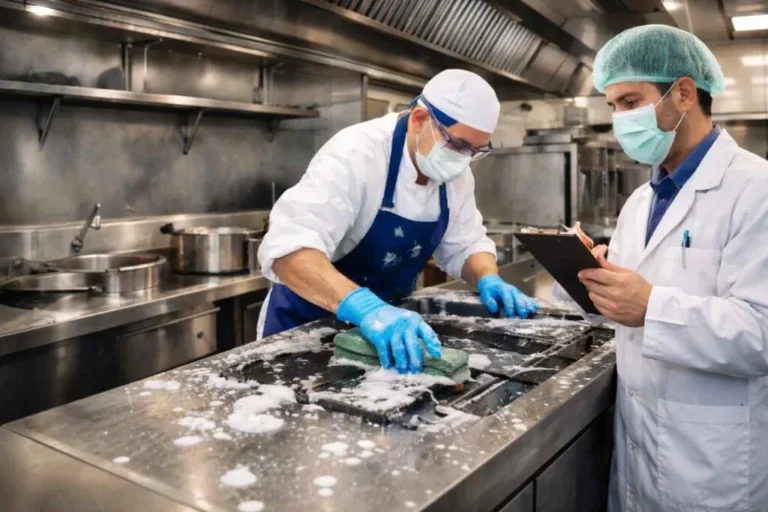
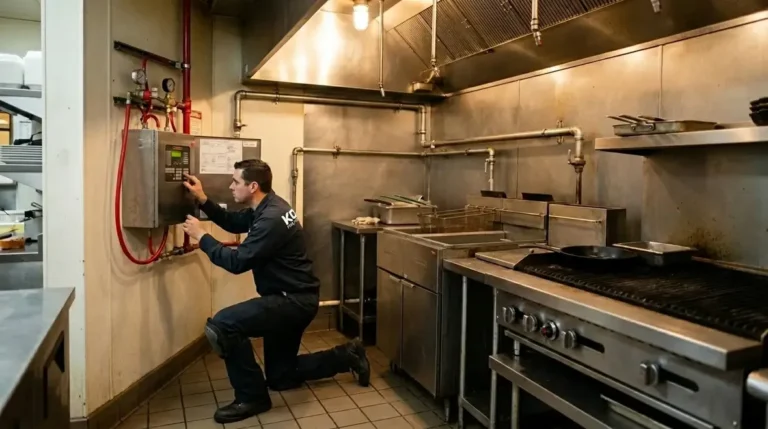
The Best Fluffy Pancakes recipe you will fall in love with. Full of tips and tricks to help you make the best pancakes.
The Hidden Battle in Your Kitchen: Why Cross-Contamination Prevention Tools Are Your Best Defense
Let me tell you about the time I nearly ruined a dinner service at a Nashville hotspot. It was a Tuesday, yes, the dreaded “Taco Tuesday”-and the line was out the door. I was expediting, calling tickets, and keeping the front of house in check. Then, I noticed something that made my stomach drop: the same cutting board that had just been used for raw chicken was now being used for fresh cilantro. No rinse. No sanitizer. Just a quick wipe with a towel that had seen better days. I froze. My brain screamed, cross-contamination, but my mouth couldn’t keep up with the chaos. That moment taught me something critical: even the best chefs can overlook the simplest tools that prevent disaster.
Fast forward to today, and I’m still thinking about that near-miss. It’s not just about food safety, though that’s a huge part of it. It’s about the reputation of your kitchen, the trust of your customers, and the peace of mind that comes with knowing you’ve done everything to protect them. Cross-contamination in commercial kitchens isn’t just a health code violation; it’s a ticking time bomb. And the tools to prevent it? They’re not just gadgets. They’re your first line of defense in a war you can’t afford to lose.
In this guide, I’m going to walk you through the essential cross-contamination prevention tools that every commercial kitchen should have. We’ll talk about the obvious ones (color-coded cutting boards, anyone?) and the ones that might surprise you. I’ll share some hard-earned lessons from my time in kitchens, both the mistakes and the saves, and I’ll even dive into the psychology behind why we sometimes ignore these tools, even when we know better. By the end, you’ll have a clear roadmap for keeping your kitchen safe, efficient, and compliant. And who knows? Maybe you’ll avoid your own “Taco Tuesday” disaster.
So, let’s start with the basics. What exactly are we fighting against, and why does it matter so much?
The Invisible Enemy: Understanding Cross-Contamination in Commercial Kitchens
What Is Cross-Contamination, Really?
Cross-contamination sounds like one of those buzzwords health inspectors throw around, but it’s way more insidious than that. At its core, cross-contamination is the transfer of harmful bacteria, viruses, or allergens from one surface, food, or tool to another. It’s invisible, silent, and often undetectable until it’s too late. Think of it like a kitchen ninja, it strikes when you least expect it, and the damage can be catastrophic.
In a commercial kitchen, cross-contamination can happen in a million ways. Raw meat juices dripping onto a salad. A knife used for shellfish being reused for vegetables without proper cleaning. Even something as simple as a chef touching their apron and then handling ready-to-eat food can spread pathogens. And here’s the kicker: you might not even realize it’s happening until someone gets sick. That’s why prevention isn’t just important, it’s everything.
I remember talking to a chef friend of mine who ran a high-volume seafood restaurant in San Francisco. He told me about a time when his entire staff came down with norovirus after a single contaminated oyster made its way into the prep line. The restaurant was shut down for days, and the reputational damage lasted months. That’s the power of cross-contamination. It doesn’t just affect one meal; it can take down an entire operation.
So, how do we fight back? The answer lies in the tools we use, and how we use them. But before we dive into the specifics, let’s talk about why some kitchens still struggle with this, even when they have the right equipment.
Why Do Kitchens Still Fail at Prevention?
You’d think that with all the training and regulations out there, cross-contamination would be a thing of the past. But it’s not. Why? Because human behavior is messy, and kitchens are high-pressure environments. Here are a few reasons why even the best kitchens can fall short:
- Complacency: When you’ve been doing something the same way for years, it’s easy to cut corners. “It’s just a quick wipe,” you tell yourself. But that quick wipe can be the difference between a safe meal and a disaster.
- Lack of Training: Not every kitchen invests in proper training, especially for new hires. If your staff doesn’t understand the risks, they won’t take the tools seriously.
- Tool Overload: Sometimes, kitchens have too many tools, and it becomes overwhelming. Color-coded cutting boards? Check. Separate prep stations? Check. But if no one knows how to use them properly, they’re just expensive clutter.
- Time Pressure: In a busy service, speed is everything. Sanitizing a knife between tasks takes time, and when tickets are piling up, it’s tempting to skip it. But that’s when mistakes happen.
- Misplaced Confidence: Some chefs think they’re immune to contamination because they’ve never had an issue. But bacteria don’t care about your track record. They’ll take any opportunity to spread.
I’ve been guilty of a few of these myself. There was a time when I thought I could eyeball whether a surface was clean. Spoiler alert: I couldn’t. That’s why tools aren’t just helpful, they’re necessary. They remove the guesswork and create systems that work, even when we’re not at our best.
Now, let’s get into the tools themselves. What are the essentials, and how do they fit into your kitchen workflow?
The Essential Cross-Contamination Prevention Tools Every Commercial Kitchen Needs
1. Color-Coded Cutting Boards: The Unsung Heroes of Food Safety
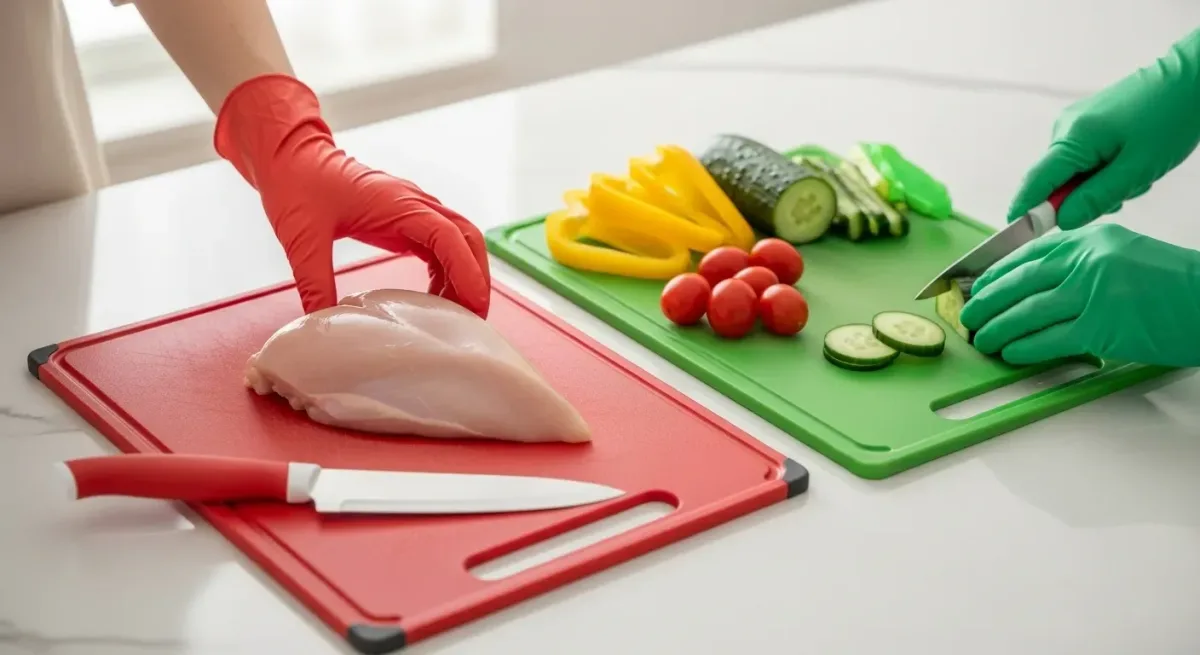
If there’s one tool that gets more eye rolls than it deserves, it’s the humble color-coded cutting board. I get it, it’s not the sexiest piece of equipment in your kitchen. But let me tell you, it’s one of the most effective. The idea is simple: assign a color to each type of food (red for raw meat, green for vegetables, blue for seafood, etc.) and never mix them up. It’s a visual system that even the most frazzled line cook can follow.
But here’s the thing: color-coding only works if everyone buys into it. I’ve seen kitchens where the boards are color-coded, but no one pays attention to the system. The red board gets used for everything because it’s the biggest, or the green board gets repurposed for cheese because someone didn’t feel like grabbing the yellow one. That’s why training is key. You can’t just hand out boards and expect magic to happen. You’ve got to reinforce the system, label the stations, and make it part of your kitchen culture.
And let’s talk about materials. Not all cutting boards are created equal. Plastic boards are the most common in commercial kitchens because they’re durable, easy to sanitize, and won’t dull your knives as quickly as wood. But they can warp over time, and if they’re not replaced regularly, they can harbor bacteria in the grooves. That’s why it’s important to inspect your boards regularly and replace them when they start to show wear. Wood boards, on the other hand, are less common in commercial settings because they’re harder to sanitize, but some chefs swear by them for certain tasks. If you’re using wood, just make sure it’s a hardwood like maple or bamboo, and that you’re following proper cleaning protocols.
Is this the best approach? Let’s consider: what if you took it a step further and assigned specific boards to specific stations? For example, the prep station for raw proteins gets a red board, and it never leaves that area. That way, there’s no confusion about where the board belongs, and the risk of cross-contamination is minimized. It’s a small tweak, but it can make a big difference.
2. Separate Prep Stations: The Power of Physical Barriers
Color-coded cutting boards are great, but they’re not enough on their own. You also need separate prep stations for different types of food. This is where a lot of kitchens fall short. They’ll have one giant prep table where everything happens, raw chicken next to lettuce, fish next to fruit. It’s a recipe for disaster.
Ideally, you should have dedicated stations for raw proteins, ready-to-eat foods, and allergens. If space is tight (and when isn’t it?), you can use physical barriers like dividers or even just clear signage to designate areas. The key is to create a workflow where food doesn’t cross paths. For example, raw chicken should never be prepped near a salad station. It’s not just about the tools; it’s about the layout of your kitchen.
I’ve worked in kitchens where the prep stations were so close together that it was almost impossible to avoid cross-contamination. One wrong move, and you’d have raw meat juices splashing onto a tray of washed greens. It’s a nightmare scenario, but it’s also preventable. If you’re designing a kitchen or renovating an existing one, think about the flow of food. Where does it come in? Where is it stored? Where is it prepped? The more you can separate these steps, the safer your kitchen will be.
And let’s not forget about allergens. If you’re serving customers with food allergies (and let’s be real, you are), you need a dedicated station for allergen-free prep. This isn’t just a nice-to-have; it’s a must. I’ve seen too many kitchens where the same utensils are used for everything, and it’s only a matter of time before someone has a reaction. A separate station, along with color-coded tools and clear labeling, can save lives.
3. Knife Sanitation Systems: Because a Rinse Under Hot Water Isn’t Enough
Knives are one of the biggest culprits when it comes to cross-contamination. They’re used for everything, and they’re often not cleaned properly between tasks. I’ve seen chefs rinse a knife under hot water and then use it to chop vegetables after slicing raw chicken. It’s a common mistake, but it’s also an easy one to fix.
Enter knife sanitation systems. These are tools designed to clean and sanitize knives quickly and effectively. The most common is a knife sterilizer, which uses heat or UV light to kill bacteria. Some kitchens also use sanitizing buckets filled with a food-safe sanitizing solution. The idea is to have a designated place where knives can be cleaned between uses, so there’s no excuse for skipping this step.
But here’s the thing: a knife sterilizer is only as good as the habits of the people using it. If your staff doesn’t use it consistently, it’s just another piece of equipment taking up space. That’s why training is so important. You’ve got to drill into your team that knives need to be sanitized between tasks, no exceptions. It’s not just about the tool; it’s about the culture.
I’m torn between recommending heat sterilizers and UV sterilizers. Heat sterilizers are fast and effective, but they can dull knives over time. UV sterilizers are gentler on knives, but they take longer and might not be as thorough. Maybe I should clarify: if you’re working with high-quality knives that you want to last, UV might be the way to go. But if speed is your priority, heat is the better option. Ultimately, it depends on your kitchen’s needs.
4. Glove Dispensers and Handwashing Stations: The Human Factor
Let’s talk about hands. They’re one of the biggest vectors for cross-contamination, and yet, they’re often overlooked. How many times have you seen a chef touch raw meat, then grab a bun without washing their hands? Too many to count, I’d bet. That’s why glove dispensers and handwashing stations are non-negotiable in any commercial kitchen.
Gloves are a great tool, but they’re not a substitute for handwashing. I’ve seen chefs wear the same pair of gloves all day, touching everything from raw chicken to ready-to-eat food. That’s not how gloves are supposed to be used. Gloves should be changed between tasks, and hands should be washed before putting on a new pair. It’s a simple rule, but it’s one that’s often ignored.
Handwashing stations should be strategically placed throughout the kitchen, especially near prep areas and food storage. They should be stocked with soap, paper towels, and a trash can. And here’s a pro tip: make sure the water is hot. Cold water doesn’t kill bacteria as effectively, and it’s less likely to encourage your staff to wash their hands properly.
But let’s be real: no matter how many handwashing stations you have, some people are just going to skip this step. That’s where culture comes in. You’ve got to make handwashing a priority in your kitchen. Post signs, hold training sessions, and lead by example. If your staff sees you washing your hands regularly, they’re more likely to do the same.
5. Food Storage Containers: The Often-Overlooked Defense
Food storage containers might not seem like a cross-contamination tool, but they play a huge role in keeping your kitchen safe. The wrong container can lead to leaks, spills, and contamination. The right one? It’s a game-changer.
First, let’s talk about materials. Food-grade plastic containers are the most common in commercial kitchens because they’re durable, lightweight, and easy to clean. But not all plastics are created equal. You want containers that are BPA-free and designed for food storage. Avoid containers that are cracked or warped, as they can harbor bacteria.
Next, consider the lid. A good lid should create a tight seal to prevent leaks and spills. This is especially important for raw proteins, which can drip and contaminate other foods. I’ve seen kitchens where raw chicken was stored above ready-to-eat foods, and the juices dripped onto the food below. It’s a nightmare scenario, but it’s also easily preventable with the right containers and proper storage practices.
And let’s not forget about labeling. Every container should be labeled with the contents and the date it was prepped. This isn’t just about organization; it’s about safety. If you don’t know what’s in a container or how long it’s been there, you’re playing Russian roulette with your food. A simple label can save you from a lot of headaches.
Is this the best approach? Maybe. But I’ve also seen kitchens where labeling is overcomplicated, and it becomes more of a hassle than a help. The key is to keep it simple. Use a labeling system that’s easy to understand and consistent. That way, everyone in the kitchen knows what’s what, and there’s no guesswork involved.
6. Sanitizing Wipes and Sprays: The Quick Fixes That Matter
Sanitizing wipes and sprays are the unsung heroes of cross-contamination prevention. They’re not as glamorous as a knife sterilizer or as high-tech as a UV light, but they’re just as important. These tools are your first line of defense when you need to clean a surface quickly between tasks.
But here’s the thing: not all sanitizing products are created equal. You want a product that’s food-safe and effective against bacteria and viruses. Look for products that are approved by the EPA or NSF, and make sure they’re safe for use on food contact surfaces. And don’t forget to follow the instructions. Some products need to sit on a surface for a certain amount of time to be effective. If you wipe it off too soon, you’re not killing the bacteria.
I’ve seen kitchens where the sanitizing spray is just water in a bottle. It’s a common shortcut, but it’s also a dangerous one. Water doesn’t kill bacteria, and it can actually spread it around. That’s why it’s so important to use the right product and to use it correctly.
And let’s talk about wipes. They’re convenient, but they can also be a source of contamination if they’re not used properly. For example, if you use the same wipe to clean multiple surfaces, you’re just spreading bacteria around. That’s why it’s important to use a fresh wipe for each surface, and to dispose of them properly after use.
Maybe I should clarify: sanitizing wipes and sprays are great for quick cleanups, but they’re not a substitute for deep cleaning. You still need to sanitize your kitchen thoroughly at the end of each day. But for those moments when you need to clean a surface quickly between tasks, these tools are invaluable.
7. Allergen-Specific Tools: The Silent Protectors
Food allergies are a growing concern in the food service industry. According to the CDC, food allergies affect about 32 million Americans, and the numbers are rising. That means every commercial kitchen needs to be prepared to handle allergens safely. And that starts with the right tools.
First, let’s talk about dedicated allergen tools. These are tools that are used exclusively for allergen-free prep. They should be color-coded (purple is a common choice for allergens) and stored separately from other tools. This isn’t just about preventing cross-contamination; it’s about protecting your customers from life-threatening reactions.
But it’s not just about the tools. It’s also about the process. You need a system in place for handling allergen orders, from the moment they’re taken to the moment they’re served. This might include separate prep stations, dedicated utensils, and clear labeling. And don’t forget about training. Your staff needs to understand the risks of food allergies and how to prevent cross-contact.
I’ve seen kitchens where allergen prep is an afterthought. The same cutting board is used for everything, and the same fryer is used for both gluten-free and regular foods. It’s a recipe for disaster. But it’s also a problem that’s easy to fix. With the right tools and the right training, you can create a kitchen that’s safe for everyone.
And let’s not forget about communication. If a customer has a food allergy, it’s your job to make sure the kitchen knows about it. That means clear communication between the front of house and the back of house, and a system for flagging allergen orders. It’s not just about the tools; it’s about the process.
8. Temperature Monitoring Tools: The Silent Watchdogs
Temperature is one of the most critical factors in food safety. If food isn’t stored or cooked at the right temperature, bacteria can grow and spread. That’s why temperature monitoring tools are essential in any commercial kitchen.
First, let’s talk about thermometers. Every kitchen should have a few high-quality thermometers for checking the temperature of food. There are different types of thermometers for different tasks: instant-read thermometers for checking the temperature of cooked food, probe thermometers for monitoring the temperature of refrigerators and freezers, and infrared thermometers for checking the temperature of surfaces.
But thermometers are only as good as the people using them. You’ve got to make sure your staff knows how to use them properly and how to interpret the results. For example, if a thermometer reads 145°F for a piece of chicken, does that mean it’s safe to eat? (Spoiler: no, it needs to be 165°F.) That’s why training is so important.
Next, let’s talk about temperature logs. Every commercial kitchen should have a system for logging the temperature of food, refrigerators, and freezers. This isn’t just about compliance; it’s about safety. If you’re not logging temperatures, you’re flying blind. And in a kitchen, that’s a recipe for disaster.
I’m torn between recommending manual logs and digital systems. Manual logs are simple and inexpensive, but they’re also prone to errors. Digital systems are more accurate and easier to use, but they can be expensive. Maybe I should clarify: if you’re a small kitchen with a limited budget, manual logs might be the way to go. But if you’re a high-volume operation, a digital system is worth the investment.
9. Dishwashing Systems: The Backbone of Kitchen Cleanliness
Dishwashing might not be the most glamorous part of running a kitchen, but it’s one of the most important. If your dishes, utensils, and tools aren’t clean, you’re putting your customers at risk. That’s why a high-quality dishwashing system is essential in any commercial kitchen.
First, let’s talk about commercial dishwashers. These machines are designed to handle the high volume of dishes in a commercial kitchen, and they’re much more effective than handwashing. They use high temperatures and sanitizing chemicals to kill bacteria and viruses, and they can clean dishes in a fraction of the time it takes to wash them by hand.
But not all dishwashers are created equal. You want a machine that’s NSF-certified and designed for commercial use. And don’t forget about maintenance. A dishwasher is only as good as its upkeep. You’ve got to clean it regularly, replace the filters, and make sure it’s working properly.
And let’s not forget about the human factor. Even the best dishwasher won’t work if your staff doesn’t use it properly. That means scraping food off dishes before loading them, using the right detergent, and following the manufacturer’s instructions. It’s not rocket science, but it’s also not something you can take for granted.
I’ve seen kitchens where the dishwasher is treated like an afterthought. Dishes are piled up, the machine is overloaded, and the detergent is running low. It’s a mess, and it’s a recipe for cross-contamination. But it’s also a problem that’s easy to fix. With the right equipment and the right training, you can create a dishwashing system that works.
10. Training and Culture: The Tools You Can’t See
All the tools in the world won’t matter if your staff doesn’t know how to use them. That’s why training and culture are the most important tools in your cross-contamination prevention arsenal. You can have the best equipment, the most advanced systems, and the strictest protocols, but if your team doesn’t buy into it, it’s all for nothing.
First, let’s talk about training. Every new hire should go through a comprehensive training program that covers food safety, cross-contamination prevention, and the proper use of tools. But training shouldn’t stop there. You’ve got to reinforce it regularly, with refresher courses, team meetings, and one-on-one coaching. And don’t forget about accountability. If someone isn’t following the rules, you’ve got to address it immediately.
Next, let’s talk about culture. A strong food safety culture is one where everyone, from the executive chef to the dishwasher, takes cross-contamination prevention seriously. It’s not just about following the rules; it’s about understanding the why behind them. When your team understands the risks and the consequences, they’re more likely to take the tools seriously.
I’ve worked in kitchens where food safety was treated like a checkbox. The staff went through the motions, but they didn’t really care. And I’ve worked in kitchens where food safety was a priority, and it showed. The difference? Culture. In the kitchens where food safety was a priority, the staff was engaged, the systems were followed, and the food was safer.
So, how do you build a strong food safety culture? It starts with leadership. If you’re not taking it seriously, your team won’t either. You’ve got to lead by example, reinforce the rules, and make food safety a priority. And don’t forget about communication. Talk about food safety regularly, celebrate the wins, and address the failures. It’s not always easy, but it’s always worth it.
Putting It All Together: A Kitchen That Works
So, there you have it: the essential cross-contamination prevention tools for commercial kitchens. From color-coded cutting boards to temperature monitoring tools, these are the systems and equipment that keep your kitchen safe, efficient, and compliant. But remember, tools are only as good as the people using them. That’s why training and culture are so important. You can have the best equipment in the world, but if your team doesn’t know how to use it, it’s all for nothing.
I’ll be honest: implementing these tools and systems isn’t always easy. It takes time, money, and effort. But it’s worth it. Because at the end of the day, cross-contamination prevention isn’t just about avoiding fines or passing inspections. It’s about protecting your customers, your staff, and your business. It’s about doing the right thing, even when no one is watching.
So, here’s my challenge to you: take a look at your kitchen. What tools and systems do you have in place? What’s working, and what’s not? Are there areas where you could improve? Don’t wait for a health inspector to point out the problems. Be proactive. Invest in the right tools, train your staff, and build a culture of food safety. Because in the end, that’s what separates the good kitchens from the great ones.
And who knows? Maybe you’ll avoid your own “Taco Tuesday” disaster.
FAQ: Your Cross-Contamination Questions Answered
Q: What’s the most common mistake kitchens make when it comes to cross-contamination prevention?
A: The most common mistake is relying too much on tools without proper training. For example, a kitchen might have color-coded cutting boards, but if the staff doesn’t understand the system or doesn’t use it consistently, it’s not effective. Tools are only as good as the people using them, so training and culture are just as important as the equipment itself.
Q: Are there any low-cost tools that can make a big difference in preventing cross-contamination?
A: Absolutely! Some of the most effective tools are also the most affordable. For example, color-coded cutting boards and sanitizing wipes are inexpensive but can make a huge difference. Even something as simple as separate prep stations (using dividers or clear signage) can help prevent cross-contamination without breaking the bank.
Q: How often should I replace my cutting boards and other tools to ensure they’re safe?
A: It depends on the tool and how often it’s used. For cutting boards, inspect them regularly for deep grooves, cracks, or warping. If they’re showing signs of wear, it’s time to replace them. Plastic boards should be replaced every 6-12 months, depending on usage. For other tools like knives and utensils, replace them when they become dull, damaged, or difficult to clean. The key is to stay vigilant and replace tools before they become a hazard.
Q: What’s the best way to train my staff on cross-contamination prevention?
A: The best training programs are comprehensive, engaging, and ongoing. Start with a thorough onboarding process that covers food safety basics, including cross-contamination prevention. Use a mix of hands-on training, videos, and quizzes to reinforce the material. But don’t stop there, schedule regular refresher courses and team meetings to keep the topic top of mind. And don’t forget about accountability. If someone isn’t following the rules, address it immediately. The goal is to create a culture where food safety is a priority for everyone.
@article{the-ultimate-guide-to-cross-contamination-prevention-tools-in-commercial-kitchens-what-every-chef-should-know,
    title   = {The Ultimate Guide to Cross-Contamination Prevention Tools in Commercial Kitchens: What Every Chef Should Know},
    author  = {Chef's icon},
    year    = {2026},
    journal = {Chef's Icon},
    url     = {https://chefsicon.com/cross-contamination-prevention-tools-commercial-kitchens/}
}