The Best Fluffy Pancakes recipe you will fall in love with. Full of tips and tricks to help you make the best pancakes.
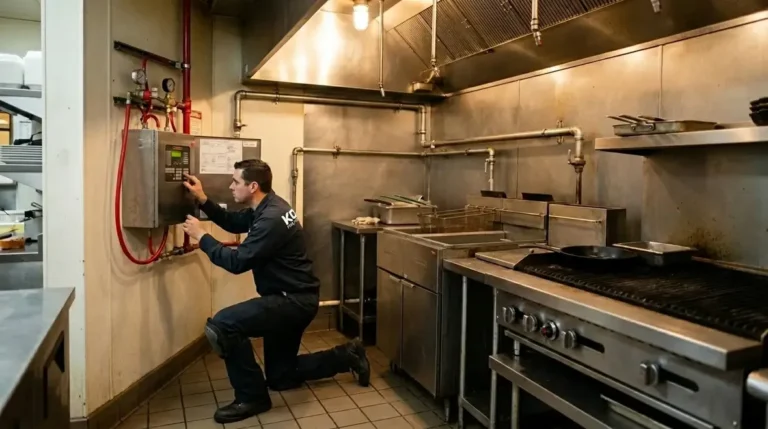
I’ll never forget the first time a health inspector walked into my tiny pet treat kitchen. Luna, my rescue cat, was perched on the counter (yes, I know, bad habit), and I swear she gave me that look that said, “You’re about to get grilled.” The inspector’s clipboard was already out, and I could practically see the red flags piling up in his mind. That day, I learned that pet treat kitchens aren’t just about making something Fido will love, they’re about surviving the scrutiny of someone who’s seen it all. And trust me, inspectors have a sixth sense for sanitation mistakes that most of us overlook.
If you’re running a pet treat business, whether it’s a side hustle or a full-blown operation, you’re probably juggling a million things: recipes, packaging, marketing, and maybe even trying to keep your own pets from stealing the goods. But here’s the thing, sanitation isn’t just a box to check before an inspection. It’s the backbone of your business. One slip-up, and you’re not just risking a fine; you’re risking your reputation, your customers’ trust, and maybe even their pets’ health. So, let’s talk about the pet treat kitchen sanitation mistakes that inspectors target like a bloodhound on a scent. I’ll walk you through the most common pitfalls, why they matter, and how to fix them before they become a problem. And hey, if I can survive my first inspection with Luna judging me from the sidelines, you can too.
By the end of this, you’ll know:
- Why inspectors zero in on certain sanitation mistakes (and how to avoid them)
- The hidden risks in your workflow that you might not even realize are problems
- Practical, no-nonsense fixes that won’t break the bank or your sanity
- How to turn sanitation from a chore into a habit that actually makes your life easier
Sound good? Let’s dive in. And if you’re anything like me, you’ll probably cringe a little as we go, because I’ve made most of these mistakes myself. But that’s okay. The goal isn’t perfection; it’s progress. And progress starts with knowing what to look for.
The Unseen Battle: Why Sanitation in Pet Treat Kitchens Is Different
Before we get into the nitty-gritty, let’s talk about why pet treat kitchens are under a microscope in the first place. I mean, it’s not like we’re handling raw chicken for human consumption, right? Well, here’s the thing: pet food and treat production is regulated differently than human food, but that doesn’t mean the standards are any less strict. In fact, in some ways, they’re even more demanding. Why? Because pets can’t tell us when something’s wrong. They can’t say, “Hey, this treat gave me an upset stomach,” or “I think that batch was contaminated.” So, the burden falls on us to make sure every single treat that leaves our kitchen is safe.
Inspectors know this. They know that pet treat kitchens are often small operations run by passionate people who might not have formal training in food safety. And while that passion is great, it’s not enough. You need systems. You need consistency. You need to think like an inspector, not just like a pet lover. That’s easier said than done, though. When you’re in the zone, mixing ingredients, baking batches, and dreaming up new flavors, the last thing on your mind is whether your cross-contamination protocols are up to snuff. But here’s the hard truth: if you’re not thinking about sanitation at every step, you’re playing Russian roulette with your business.
So, what makes pet treat kitchen sanitation different? For starters, the ingredients. Many pet treats include high-risk ingredients like meat, eggs, or dairy, all of which can harbor bacteria like Salmonella or Listeria if not handled properly. Even if you’re using dehydrated or freeze-dried ingredients, you’re not off the hook. Those products can still become contaminated if your kitchen isn’t clean. And let’s not forget about allergens. Just like humans, pets can have allergies, and cross-contamination can turn a harmless treat into a dangerous one. Inspectors are trained to look for these risks, and they won’t cut you any slack just because you’re small or new to the game.
Another thing that sets pet treat kitchens apart is the equipment. Many of us start out using the same tools we’d use for human food, mixing bowls, baking sheets, dehydrators, but that’s a recipe for disaster. Pet treat equipment needs to be dedicated to pet food only. No exceptions. I learned this the hard way when I accidentally used my favorite baking sheet for both human cookies and dog treats. Big mistake. Inspectors will flag that in a heartbeat, and for good reason. Even if you wash it thoroughly, there’s still a risk of residue or cross-contamination. And trust me, you don’t want to explain to an inspector why your dog treats smell faintly of chocolate (which, by the way, is toxic to dogs).
1. The Dirty Truth About Handwashing (Or Lack Thereof)
Let’s start with the most basic, most obvious, and yet most commonly violated rule in any kitchen: handwashing. I know, I know. You’ve heard it a million times. Wash your hands before you start. Wash them after you handle raw ingredients. Wash them after you touch your face, your phone, or, god forbid, your pet. But here’s the thing: most of us don’t do it nearly as often as we should. And in a pet treat kitchen, that’s a one-way ticket to a failed inspection.
Inspectors don’t just look for sinks with soap and water. They look for proof that you’re actually using them. That means paper towel dispensers that aren’t empty, soap that isn’t dried out, and, most importantly, visible signs that hands are being washed regularly. If your sink is spotless and your soap bottle hasn’t been touched in weeks, they’re going to assume you’re not washing your hands. And they’re probably right. I’ve been there. You get in the zone, you’re mixing ingredients, you’re racing against the clock, and suddenly you realize you haven’t washed your hands since you walked in the door. Oops.
But it’s not just about frequency. It’s about technique. Are you washing for at least 20 seconds? Are you scrubbing between your fingers, under your nails, and up to your wrists? Are you using warm water? If not, you’re not doing it right. And inspectors willotice. They might even ask you to demonstrate. (Yes, that’s a thing. No, it’s not fun.) I’ll admit, I used to think I could get away with a quick rinse. Spoiler alert: I couldn’t. After my first inspection, I invested in a touchless soap dispenser and a timer near the sink. Now, I don’t even think about it, I just do it. And honestly? It’s made a huge difference. My hands don’t feel gross at the end of the day, and I don’t have to stress about whether I’m cutting corners.
Here’s another thing inspectors look for: handwashing stations. You can’t just have a sink in the corner and call it a day. Your handwashing station needs to be easily accessible, stocked with soap and paper towels, and, this is key-separate from your prep sinks. If you’re washing your hands in the same sink where you’re rinsing raw meat, you’re asking for trouble. I made this mistake early on, and it cost me. The inspector flagged it immediately and gave me a stern lecture about cross-contamination. Lesson learned. Now, I have a dedicated handwashing sink right by the door, and I make sure it’s always stocked. It’s a small change, but it makes a big difference.
Common Handwashing Mistakes (And How to Fix Them)
- Mistake: Not washing hands after touching non-food surfaces (like your phone, doorknobs, or your pet). Fix: Keep a checklist near your sink with reminders: “Wash hands after touching anything non-food.” Better yet, keep your phone in a designated spot away from your prep area.
- Mistake: Using hand sanitizer as a substitute for handwashing. Fix: Hand sanitizer is great for a quick clean, but it’s not a replacement for soap and water. Use it after washing your hands, not instead of.
- Mistake: Not drying hands properly. Fix: Wet hands spread bacteria more easily. Use paper towels (not cloth) and make sure your hands are completely dry before touching anything else.
- Mistake: Washing hands in the prep sink. Fix: Invest in a separate handwashing station. It’s a small upfront cost that will save you headaches (and fines) down the road.
2. Cross-Contamination: The Silent Killer of Pet Treat Kitchens
If handwashing is the most basic sanitation rule, cross-contamination is the one that keeps inspectors up at night. And for good reason. Cross-contamination is sneaky. It’s invisible. And it can turn a safe batch of treats into a dangerous one without you even realizing it. In a pet treat kitchen, cross-contamination can happen in a hundred different ways, and inspectors are trained to spot them all. From raw meat juices dripping onto ready-to-eat treats to using the same cutting board for allergens and non-allergens, the risks are everywhere.
Let’s start with the big one: raw meat. If you’re making meat-based treats, you’re handling raw meat. And raw meat is a breeding ground for bacteria. If those juices get anywhere near your finished treats, you’re in trouble. Inspectors will look for things like:
- Raw meat stored above ready-to-eat treats in the fridge (because, yes, juices can drip)
- Cutting boards or knives used for raw meat that aren’t properly sanitized before being used for other ingredients
- Prep surfaces that aren’t cleaned and sanitized between uses
- Gloves that aren’t changed after handling raw meat
I’ll be honest: I didn’t take cross-contamination seriously enough at first. I thought, “It’s just a little juice. What’s the worst that could happen?” Famous last words. After a particularly stressful inspection, I realized that my casual attitude was putting my business at risk. So, I overhauled my workflow. Now, I have color-coded cutting boards (red for raw meat, green for veggies, blue for ready-to-eat), and I sanitize everything between uses. It’s a pain, but it’s worth it. And you know what? My treats taste better because I’m not mixing flavors unintentionally.
But cross-contamination isn’t just about raw meat. It’s also about allergens. If you’re making treats with common allergens like wheat, soy, or dairy, you need to be extra careful. Inspectors will look for things like:
- Shared equipment (like scoops or mixers) used for both allergen and non-allergen treats
- Prep surfaces that aren’t cleaned between allergen and non-allergen batches
- Ingredients stored in containers that aren’t properly labeled
- Employees who don’t understand the risks of cross-contact
I made the mistake of assuming that because I was the only one in my kitchen, I didn’t need to worry about allergens. Wrong. Even if you’re working alone, you can still contaminate your own treats. For example, if you’re making a batch of peanut butter treats and then switch to a grain-free recipe without cleaning your equipment, you could be introducing allergens into a product that’s supposed to be allergen-free. And that’s a big no-no. Now, I have a dedicated allergen-free zone in my kitchen, and I clean everything thoroughly between batches. It’s an extra step, but it’s non-negotiable.
How to Prevent Cross-Contamination Like a Pro
- Separate your prep areas: If possible, designate different zones for raw meat, allergens, and ready-to-eat treats. If space is tight, use temporary barriers (like cutting boards or trays) to keep ingredients apart.
- Color-code everything: Cutting boards, knives, scoops, you name it. Assign a color to each category (e.g., red for raw meat, green for veggies) and stick to it. It’s a simple way to avoid mix-ups.
- Sanitize between batches: Don’t just wipe down your surfaces, sanitize them. Use a food-safe sanitizer and follow the instructions for dilution and contact time. And don’t forget about your equipment! Mixers, dehydrators, and even your hands need to be sanitized between uses.
- Store ingredients properly: Raw meat should always be stored on the bottom shelf of your fridge to prevent drips. Allergens should be stored in sealed, labeled containers. And never, ever store ingredients in unlabeled containers. If you can’t read the label, you shouldn’t be using it.
- Change gloves frequently: Gloves aren’t a substitute for handwashing, but they can help prevent cross-contamination. Change them after handling raw meat, allergens, or anything else that could contaminate your treats. And yes, that means you’ll go through a lot of gloves. It’s worth it.
3. The Fridge: Your Best Friend or Worst Enemy
Your refrigerator is one of the most important tools in your pet treat kitchen. It’s also one of the most likely places for sanitation mistakes to hide. Inspectors know this, and they’ll go straight to your fridge when they walk in the door. Why? Because a messy, disorganized fridge is a breeding ground for bacteria, spoilage, and cross-contamination. And in a pet treat kitchen, that’s a recipe for disaster.
Let’s start with the basics: temperature. Your fridge needs to be at or below 40°F (4°C) at all times. If it’s any warmer, bacteria can grow, and your ingredients can spoil. Inspectors will check your fridge’s temperature with a thermometer, and if it’s too warm, you’ll get flagged. I learned this the hard way when my fridge’s thermostat stopped working, and I didn’t realize it until the inspector pointed it out. Now, I have a digital thermometer in my fridge, and I check it every morning. It’s a small habit that can save you a lot of trouble.
But temperature isn’t the only thing inspectors look for. They also check for:
- Proper storage: Are raw meats stored on the bottom shelf to prevent drips? Are ready-to-eat treats stored above raw ingredients? Are allergens stored in sealed containers?
- Labeling: Are all ingredients and finished treats labeled with the date they were made and the date they expire? If not, you’re asking for trouble. Inspectors will assume that anything unlabeled is expired or contaminated.
- Organization: Is your fridge clean and organized, or is it a jumbled mess of half-empty containers and mystery ingredients? A messy fridge is a red flag for inspectors. It suggests that you’re not paying attention to sanitation, and that’s a problem.
- FIFO (First In, First Out): Are you using the oldest ingredients first? If not, you’re risking spoilage and waste. Inspectors will check your ingredient rotation, and if they see that you’re not following FIFO, they’ll assume you’re not taking food safety seriously.
I’ll admit, my fridge used to be a disaster. I’d shove ingredients in wherever they fit, and I’d forget about them until they started growing mold. Not exactly a professional look. After a particularly embarrassing inspection, I decided to overhaul my fridge. Now, I have a labeling system (everything gets a date and a name), and I organize my fridge by category (raw meat on the bottom, ready-to-eat treats on the top, allergens in sealed containers). It’s made a huge difference. My fridge is cleaner, my ingredients last longer, and I don’t have to stress about what’s hiding in the back.
Fridge Organization Tips to Impress Inspectors
- Use clear, airtight containers: Not only do they keep ingredients fresh, but they also make it easy to see what’s inside. No more mystery containers!
- Label everything: Use a label maker or even just masking tape and a marker. Include the name of the ingredient, the date it was made, and the date it expires. If you can’t read the label, don’t use the ingredient.
- Follow the FIFO rule: When you restock your fridge, move the older ingredients to the front and put the new ones in the back. That way, you’ll use the oldest ingredients first, and nothing will get forgotten.
- Clean your fridge regularly: At least once a week, take everything out and wipe down the shelves. Check for spills, expired ingredients, and anything that looks suspicious. It’s a pain, but it’s worth it.
- Keep a fridge log: If you’re really serious about food safety, keep a log of your fridge’s temperature and any cleaning or maintenance you do. Inspectors love documentation, and it’s a great way to show that you’re taking sanitation seriously.
4. The Dreaded Equipment Cleaning (Or Lack Thereof)
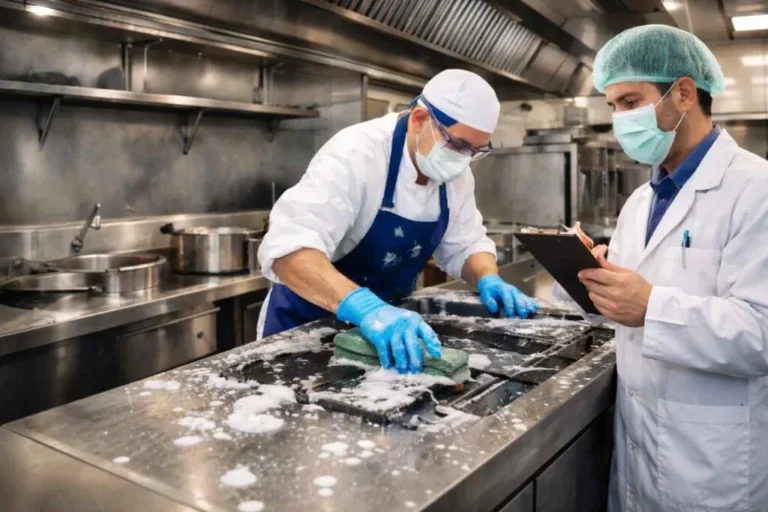
Let’s talk about the elephant in the room: equipment cleaning. It’s tedious, it’s time-consuming, and it’s absolutely essential. Inspectors know that most of us hate cleaning our equipment, and they also know that it’s one of the most common places for sanitation mistakes to hide. From mixers caked with dried dough to dehydrators clogged with grease, dirty equipment is a red flag for inspectors. And for good reason, it’s a breeding ground for bacteria, mold, and cross-contamination.
Here’s the thing: cleaning your equipment isn’t just about wiping it down with a damp cloth. It’s about sanitizing it. That means using the right cleaning agents, following the manufacturer’s instructions, and making sure every nook and cranny is clean. Inspectors will check for things like:
- Residue on equipment (like dried dough, grease, or food particles)
- Mold or mildew in hard-to-reach places (like the inside of a dehydrator or the corners of a mixer)
- Improper cleaning agents (like using dish soap instead of a food-safe sanitizer)
- Equipment that isn’t properly dried after cleaning (because wet surfaces can harbor bacteria)
I’ll be honest: I used to cut corners when it came to cleaning my equipment. I’d wipe down my mixer with a damp cloth, call it a day, and move on. Big mistake. After a particularly stressful inspection, I realized that my lazy cleaning habits were putting my business at risk. So, I overhauled my cleaning routine. Now, I follow a step-by-step cleaning process for every piece of equipment, and I document it in a log. It’s a pain, but it’s worth it. And you know what? My equipment lasts longer, my treats taste better, and I don’t have to stress about what’s hiding in the corners.
How to Clean Your Equipment Like a Pro
Cleaning your equipment isn’t rocket science, but it does require attention to detail. Here’s how to do it right:
- Disassemble: Take apart any removable parts (like mixer attachments or dehydrator trays) and clean them separately. This is the only way to make sure you’re getting into all the nooks and crannies.
- Scrape off residue: Use a spatula or scraper to remove any dried-on food, grease, or dough. The more you can remove now, the easier the next steps will be.
- Wash with hot, soapy water: Use a food-safe detergent and hot water to wash all surfaces. A scrub brush or sponge can help get into tight spaces.
- Rinse thoroughly: Make sure all soap residue is rinsed off. Soap can leave a film that harbors bacteria, so don’t skip this step.
- Sanitize: Use a food-safe sanitizer to kill any remaining bacteria. Follow the instructions for dilution and contact time. And don’t forget to sanitize all surfaces, not just the ones that look dirty.
- Dry completely: Use a clean towel or air-dry your equipment. Wet surfaces can harbor bacteria, so make sure everything is completely dry before you put it away.
- Reassemble and store properly: Put your equipment back together and store it in a clean, dry place. And don’t forget to document your cleaning in a log!
Here’s a pro tip: clean as you go. Don’t wait until the end of the day to clean your equipment. Instead, clean it between batches or whenever you have a few minutes of downtime. It’s a small habit that can save you a lot of time (and stress) in the long run. And trust me, inspectors will notice the difference.
5. The Forgotten Zones: Areas You’re Probably Overlooking
When we think about kitchen sanitation, we usually focus on the obvious stuff: countertops, sinks, and equipment. But inspectors know that the real sanitation mistakes often hide in the forgotten zones-the places we don’t think about until it’s too late. These are the areas that most of us overlook, but they’re also the places where bacteria, mold, and cross-contamination thrive. If you want to pass your inspection with flying colors, you need to pay attention to these often-neglected spots.
Let’s start with the ceiling. Yes, the ceiling. Inspectors will look up, and if they see dust, cobwebs, or grease buildup, they’re going to assume that you’re not taking sanitation seriously. And they’re right. A dirty ceiling isn’t just unsightly, it’s a sign that you’re not cleaning thoroughly. I made this mistake early on. I’d scrub my countertops and sanitize my equipment, but I’d forget about the ceiling. Big mistake. Now, I include the ceiling in my weekly cleaning routine. It’s a pain, but it’s worth it. And you know what? My kitchen feels cleaner overall.
Another forgotten zone: the floor. I know, it’s obvious. But how often do you really clean your floors? And I don’t mean just sweeping or mopping, I mean deep cleaning. Inspectors will look for things like:
- Grease buildup in the corners
- Food debris under equipment or shelves
- Dust or dirt in hard-to-reach places
- Wet floors (which can harbor bacteria and create slip hazards)
I’ll admit, I used to treat my floors like an afterthought. I’d sweep them at the end of the day, but I’d rarely mop them thoroughly. After a particularly embarrassing inspection, I realized that my lazy floor-cleaning habits were putting my business at risk. So, I invested in a commercial-grade mop and bucket, and I started deep-cleaning my floors at least once a week. It’s made a huge difference. My kitchen feels cleaner, my floors last longer, and I don’t have to stress about what’s lurking in the corners.
Here are a few more forgotten zones that inspectors love to target:
- Walls: Grease, food splatters, and dust can build up on your walls over time. Inspectors will notice, and they won’t be impressed. Wipe down your walls regularly, and don’t forget about the areas behind equipment or shelves.
- Shelves and storage areas: Dust, dirt, and food debris can accumulate on your shelves, especially if they’re not cleaned regularly. Inspectors will check for this, and if they see a buildup, they’ll assume you’re not taking sanitation seriously. Wipe down your shelves at least once a week, and don’t forget to clean the areas behind and under them.
- Light fixtures and vents: Dust and grease can build up on your light fixtures and vents, creating a fire hazard and a breeding ground for bacteria. Inspectors will check for this, and if they see a buildup, they’ll flag it. Clean your light fixtures and vents regularly, and don’t forget to check the areas above them.
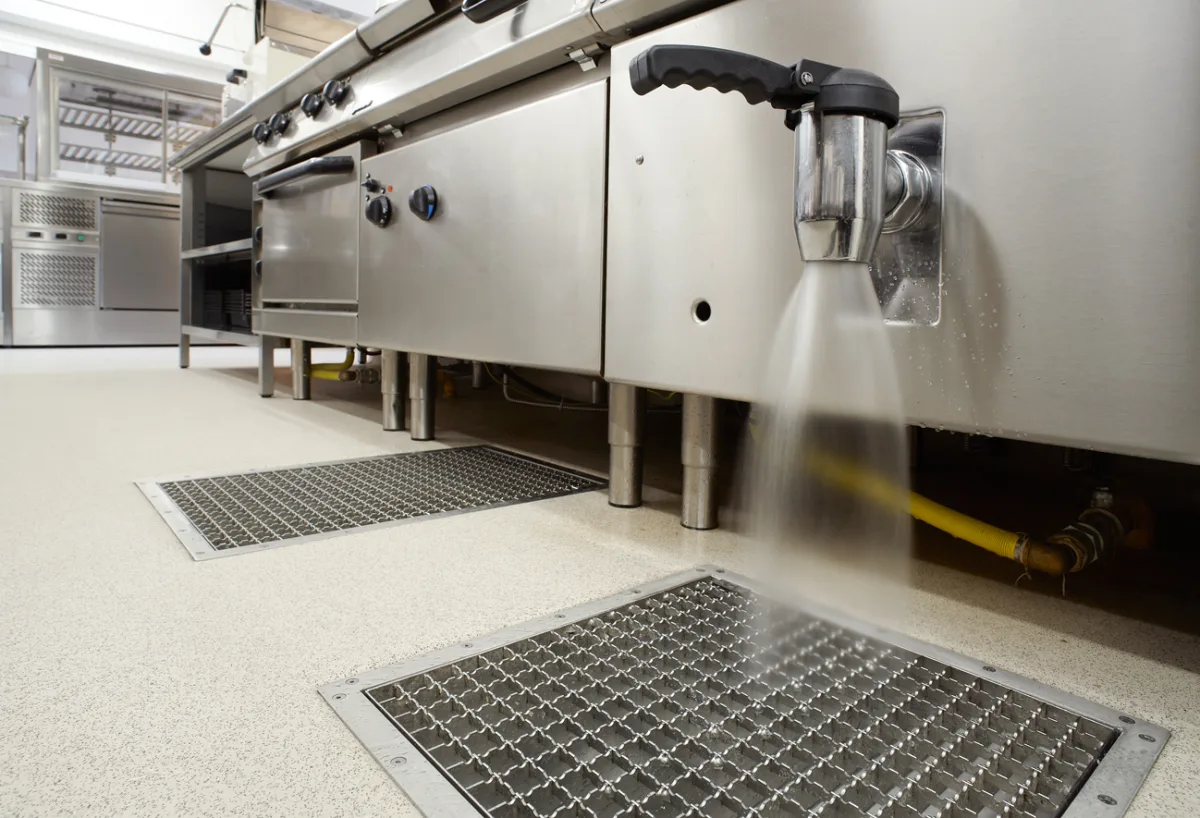
- Drains: Drains are one of the dirtiest places in any kitchen, and they’re a common source of bacteria and odors. Inspectors will check your drains, and if they’re clogged or dirty, they’ll assume you’re not cleaning thoroughly. Pour a drain cleaner down your drains at least once a week, and don’t forget to scrub the drain covers.
- Door handles and switches: These are high-touch areas that can harbor bacteria and viruses. Inspectors will check them, and if they’re dirty, they’ll flag it. Wipe down your door handles and switches regularly, and don’t forget to sanitize them.
How to Tackle the Forgotten Zones Like a Pro
Cleaning the forgotten zones isn’t rocket science, but it does require a little extra effort. Here’s how to do it right:
- Create a cleaning schedule: Break down your cleaning tasks into daily, weekly, and monthly chores. That way, you won’t forget about the forgotten zones, and you’ll stay on top of your sanitation game.
- Use the right tools: A microfiber cloth is great for wiping down walls and shelves, and a scrub brush can help get into tight spaces. For floors, invest in a commercial-grade mop and bucket. And don’t forget about a drain cleaner for your drains.
- Don’t forget the details: It’s easy to overlook the little things, like door handles or light switches. But these are the places where bacteria thrive. Make a list of all the high-touch areas in your kitchen, and wipe them down regularly.
- Document your cleaning: Keep a log of all your cleaning tasks, including the date, the task, and the person responsible. Inspectors love documentation, and it’s a great way to show that you’re taking sanitation seriously.
- Inspect your own kitchen: Put yourself in the inspector’s shoes. Walk through your kitchen and look for any areas that might be overlooked. If you see something, fix it. It’s better to catch a problem yourself than to have an inspector point it out.
6. The Paper Trail: Why Documentation Matters More Than You Think
Here’s something that might surprise you: inspectors care just as much about your paperwork as they do about your kitchen. In fact, in some cases, they might care more. Why? Because documentation is proof that you’re taking sanitation seriously. It’s not enough to say you’re cleaning your equipment or checking your fridge’s temperature, you need to show it. And that means keeping detailed records of everything you do.
I’ll admit, I used to think documentation was a waste of time. I’d clean my kitchen, sanitize my equipment, and call it a day. But after a particularly stressful inspection, I realized that my lack of documentation was hurting my business. The inspector asked me for my cleaning logs, my temperature logs, and my ingredient records, and I had nothing to show him. It was embarrassing, and it cost me. Now, I keep detailed records of everything, and it’s made a huge difference. Not only do I feel more organized, but I also have proof that I’m taking sanitation seriously. And trust me, inspectors love that.
So, what kind of documentation do inspectors look for? Here are a few key things:
- Cleaning logs: These are records of all the cleaning tasks you’ve completed, including the date, the task, and the person responsible. Inspectors will check these to make sure you’re cleaning your kitchen thoroughly and regularly.
- Temperature logs: These are records of your fridge’s temperature, your freezer’s temperature, and any other temperature-sensitive equipment. Inspectors will check these to make sure your ingredients are being stored at the right temperature.
- Ingredient records: These are records of all the ingredients you’ve used, including the date they were received, the date they were used, and the date they expire. Inspectors will check these to make sure you’re using fresh ingredients and following the FIFO rule.
- Pest control records: These are records of any pest control measures you’ve taken, including the date, the type of treatment, and the person responsible. Inspectors will check these to make sure you’re keeping pests out of your kitchen.
- Employee training records: These are records of any food safety training your employees have completed, including the date, the type of training, and the person responsible. Inspectors will check these to make sure your employees know how to handle food safely.
I know what you’re thinking: “This sounds like a lot of work.” And you’re right, it is. But it’s also necessary. Documentation isn’t just about passing inspections; it’s about protecting your business. If something goes wrong (like a customer getting sick or a batch of treats going bad), your documentation can prove that you did everything right. And that can save you a lot of trouble (and money) in the long run.
How to Create a Documentation System That Works
Creating a documentation system doesn’t have to be complicated. Here’s how to do it right:
- Start with a template: There are plenty of free templates online for cleaning logs, temperature logs, and ingredient records. Find one that works for you, and customize it to fit your needs.
- Keep it simple: Your documentation system doesn’t need to be fancy. It just needs to be thorough. Use a notebook, a spreadsheet, or even a whiteboard to keep track of your tasks. The important thing is that you’re consistent.
- Assign responsibility: If you have employees, assign someone to be in charge of documentation. That way, you’ll know that the records are being kept up to date.
- Review your records regularly: Don’t just file your records away and forget about them. Review them regularly to make sure you’re on track. If you see a pattern (like your fridge’s temperature creeping up), you can fix it before it becomes a problem.
- Keep your records organized: Store your records in a binder, a folder, or a digital file. That way, you can find them easily when an inspector asks for them. And trust me, they will ask for them.
7. The Pest Problem: Why Even a Single Bug Is a Big Deal
Let’s talk about something that no one likes to think about: pests. I’m talking about rodents, insects, and any other creepy-crawlies that might find their way into your kitchen. If you think pests are just a nuisance, think again. In a pet treat kitchen, pests are a sanitation nightmare. They can contaminate your ingredients, spread bacteria, and even trigger a shutdown. And inspectors know this. They’ll look for any signs of pests, and if they find them, they won’t hesitate to flag you.
I’ll be honest: I used to think pests were no big deal. I’d see a mouse or a cockroach every now and then, and I’d just shoo it away. Big mistake. After a particularly stressful inspection, I realized that my casual attitude toward pests was putting my business at risk. The inspector pointed out mouse droppings in my storage area, and I was mortified. It was a wake-up call. Now, I take pests seriously, and I’ve implemented a pest control plan that keeps my kitchen critter-free. It’s not fun, but it’s necessary. And you know what? My kitchen feels cleaner, my ingredients are safer, and I don’t have to stress about what’s lurking in the shadows.
So, what do inspectors look for when it comes to pests? Here are a few key things:
- Droppings: Mouse droppings, cockroach droppings, or any other signs of pest activity are a red flag for inspectors. If they see them, they’ll assume you have a pest problem.
- Gnaw marks: Rodents love to gnaw on things, and they’ll leave behind telltale marks. Inspectors will check for gnaw marks on your ingredients, your equipment, and even your walls.
- Nests: Rodents and insects love to build nests in warm, dark places. Inspectors will check for nests in your storage areas, your equipment, and even your walls.
- Trails: Pests often leave behind trails of grease, dirt, or food debris. Inspectors will check for these trails, and if they see them, they’ll assume you have a pest problem.
- Live pests: If an inspector sees a live pest in your kitchen, you’re in trouble. It’s a surefire sign that you have a pest problem, and it’s a major red flag.
How to Keep Pests Out of Your Kitchen
Keeping pests out of your kitchen isn’t rocket science, but it does require vigilance. Here’s how to do it right:
- Seal all entry points: Pests can squeeze through the tiniest cracks, so make sure your kitchen is sealed tight. Check for gaps around doors, windows, and pipes, and seal them with caulk or weatherstripping.
- Keep your kitchen clean: Pests are attracted to food, water, and shelter. If your kitchen is clean and dry, they’ll have no reason to stick around. Sweep and mop your floors regularly, wipe down your counters, and don’t leave food or water out overnight.
- Store ingredients properly: Pests love to munch on your ingredients, so make sure they’re stored in airtight containers. Don’t leave bags of flour or sugar open, and don’t store ingredients on the floor.
- Take out the trash regularly: Pests are attracted to garbage, so make sure your trash cans are emptied regularly. Use trash cans with lids, and don’t let garbage pile up.
- Inspect deliveries: Pests can hitch a ride on your ingredients, so make sure you inspect all deliveries before bringing them into your kitchen. Check for signs of pests, like droppings or gnaw marks, and reject any deliveries that look suspicious.
- Work with a pest control professional: If you have a pest problem, don’t try to handle it yourself. Work with a licensed pest control professional who can help you identify the problem and implement a solution. And don’t forget to document your pest control measures in a log!
8. The Allergen Trap: Why Even a Tiny Mistake Can Be a Big Deal
Allergens are a big deal in any kitchen, but they’re especially important in a pet treat kitchen. Why? Because pets can have allergies just like humans, and cross-contamination can turn a harmless treat into a dangerous one. Inspectors know this, and they’ll look for any signs of allergen cross-contact. If they find them, they won’t hesitate to flag you. And for good reason, allergen mistakes can have serious consequences, from sick pets to lawsuits.
I’ll admit, I used to think allergens were no big deal. I’d make a batch of peanut butter treats, then switch to a grain-free recipe without cleaning my equipment. Big mistake. After a particularly stressful inspection, I realized that my casual attitude toward allergens was putting my business at risk. The inspector pointed out that my grain-free treats could be contaminated with peanut residue, and I was mortified. It was a wake-up call. Now, I take allergens seriously, and I’ve implemented an allergen control plan that keeps my treats safe. It’s not fun, but it’s necessary. And you know what? My customers appreciate it, and I don’t have to stress about what’s hiding in my treats.
So, what do inspectors look for when it comes to allergens? Here are a few key things:
- Cross-contact: Inspectors will check for any signs of cross-contact, like shared equipment, shared prep surfaces, or shared ingredients. If they see them, they’ll assume you’re not taking allergens seriously.
- Labeling: Inspectors will check your ingredient labels to make sure they’re accurate and up to date. If they see a label that’s missing an allergen, they’ll flag it.
- Storage: Inspectors will check your ingredient storage to make sure allergens are stored separately from non-allergens. If they see allergens stored next to non-allergens, they’ll assume you’re not taking allergens seriously.
- Employee training: Inspectors will check to make sure your employees understand the risks of allergen cross-contact. If they don’t, they’ll assume you’re not taking allergens seriously.
How to Create an Allergen Control Plan That Works
Creating an allergen control plan doesn’t have to be complicated. Here’s how to do it right:
- Identify your allergens: Start by identifying all the allergens in your kitchen. Common pet allergens include wheat, soy, dairy, eggs, and peanuts. Make a list of all the allergens you use, and keep it handy.
- Separate your prep areas: If possible, designate different zones for allergen and non-allergen treats. If space is tight, use temporary barriers (like cutting boards or trays) to keep ingredients apart.
- Use dedicated equipment: If you’re making allergen and non-allergen treats, use dedicated equipment for each. That means separate mixers, separate cutting boards, and separate utensils. And don’t forget to label them!
- Clean thoroughly between batches: Don’t just wipe down your surfaces, sanitize them. Use a food-safe sanitizer and follow the instructions for dilution and contact time. And don’t forget about your equipment! Mixers, dehydrators, and even your hands need to be sanitized between uses.
- Label everything: Make sure all your ingredients and finished treats are labeled with the allergens they contain. If a treat is allergen-free, make sure that’s clearly marked on the label. And don’t forget to include a disclaimer on your packaging, like “Made in a facility that also processes wheat, soy, and dairy.”
- Train your employees: Make sure your employees understand the risks of allergen cross-contact. Train them on your allergen control plan, and make sure they know how to handle allergens safely.
- Document your allergen control measures: Keep a log of all your allergen control measures, including the date, the task, and the person responsible. Inspectors love documentation, and it’s a great way to show that you’re taking allergens seriously.
9. The Employee Factor: Why Training Is Non-Negotiable
If you’re running a pet treat kitchen, chances are you’re not doing it alone. You might have employees, family members, or even friends helping out. And while that’s great, it’s also a potential sanitation nightmare. Why? Because not everyone understands the risks of food contamination. They might not know how to wash their hands properly, how to handle raw meat safely, or how to prevent cross-contamination. And that’s a problem. Inspectors know this, and they’ll look for any signs that your employees aren’t following proper sanitation protocols. If they find them, they won’t hesitate to flag you.
I’ll admit, I used to think employee training was a waste of time. I’d show my helpers the basics, then let them loose in the kitchen. Big mistake. After a particularly stressful inspection, I realized that my lack of training was putting my business at risk. The inspector pointed out that one of my employees wasn’t washing their hands properly, and I was mortified. It was a wake-up call. Now, I take employee training seriously, and I’ve implemented a training program that keeps my kitchen safe. It’s not fun, but it’s necessary. And you know what? My employees appreciate it, and I don’t have to stress about what’s happening in my kitchen when I’m not around.
So, what do inspectors look for when it comes to employee training? Here are a few key things:
- Handwashing: Inspectors will check to make sure your employees are washing their hands properly and frequently. If they’re not, they’ll assume you’re not taking sanitation seriously.
- Personal hygiene: Inspectors will check to make sure your employees are following proper personal hygiene protocols, like wearing clean clothes, tying back their hair, and not wearing jewelry. If they’re not, they’ll assume you’re not taking sanitation seriously.
- Food handling: Inspectors will check to make sure your employees are handling food safely, like not touching ready-to-eat treats with bare hands, not cross-contaminating ingredients, and not working while sick. If they’re not, they’ll assume you’re not taking sanitation seriously.
- Allergen control: Inspectors will check to make sure your employees understand the risks of allergen cross-contact. If they don’t, they’ll assume you’re not taking allergens seriously.
- Documentation: Inspectors will check to make sure you have records of your employee training. If you don’t, they’ll assume you’re not taking training seriously.
How to Create an Employee Training Program That Works
Creating an employee training program doesn’t have to be complicated. Here’s how to do it right:
- Start with the basics: Make sure your employees understand the basics of food safety, like handwashing, personal hygiene, and food handling. Use videos, handouts, or even a simple quiz to reinforce the concepts.
- Train on your specific protocols: Make sure your employees understand your specific sanitation protocols, like how to clean your equipment, how to store your ingredients, and how to prevent cross-contamination. Use hands-on training to reinforce the concepts.
- Train on allergens: Make sure your employees understand the risks of allergen cross-contact. Train them on your allergen control plan, and make sure they know how to handle allergens safely.
- Train on documentation: Make sure your employees understand the importance of documentation. Train them on how to fill out your cleaning logs, your temperature logs, and your ingredient records.
- Provide ongoing training: Food safety isn’t a one-time thing. Make sure you provide ongoing training to keep your employees up to date on the latest protocols. Use refresher courses, newsletters, or even a simple meeting to reinforce the concepts.
- Document your training: Keep a log of all your employee training, including the date, the topic, and the employees who attended. Inspectors love documentation, and it’s a great way to show that you’re taking training seriously.
10. The Inspection Day Survival Guide: How to Pass With Flying Colors
Inspection day is the moment of truth. It’s the day when all your hard work is put to the test, and it’s the day when you find out if your sanitation protocols are up to snuff. And let me tell you, it’s nerve-wracking. Even if you’re confident in your kitchen, there’s always that nagging doubt: “What if I missed something? What if the inspector finds a problem?” I’ve been there, and I know how stressful it can be. But here’s the thing: if you’ve been following the tips in this article, you’re already ahead of the game. Inspectors aren’t out to get you, they’re out to make sure your kitchen is safe. And if you’re prepared, you’ll pass with flying colors.
So, how do you prepare for inspection day? Here’s a step-by-step guide to help you survive (and thrive):
Step 1: Do a Self-Inspection
Before the inspector arrives, do a self-inspection of your kitchen. Walk through your kitchen with a critical eye, and look for any areas that might be overlooked. Use a checklist (like the one your inspector will use) to make sure you’re covering all the bases. If you find a problem, fix it. It’s better to catch a problem yourself than to have an inspector point it out.
Step 2: Gather Your Documentation
Inspectors love documentation, so make sure you have all your records in order. That includes:
- Cleaning logs
- Temperature logs
- Ingredient records
- Pest control records
- Employee training records
Keep your records organized and easy to access. That way, you can hand them over to the inspector without fumbling around.
Step 3: Clean Like Your Business Depends on It (Because It Does)
On inspection day, clean your kitchen like you’ve never cleaned it before. That means:
- Wiping down all surfaces
- Sanitizing all equipment
- Mopping the floors
- Cleaning the forgotten zones (like the ceiling, the walls, and the drains)
Don’t cut corners. The inspector will notice, and it could cost you.
Step 4: Be Professional and Cooperative
When the inspector arrives, be professional and cooperative. Greet them with a smile, and be ready to answer their questions. If they ask for something (like your documentation or access to a certain area), provide it promptly. And don’t argue with them. Inspectors are just doing their job, and arguing with them won’t help your case.
Step 5: Ask Questions
If the inspector points out a problem, don’t be afraid to ask questions. Ask them to explain the issue, and ask them for advice on how to fix it. Inspectors are a wealth of knowledge, and they’re usually happy to help. And who knows? You might learn something new.
Step 6: Follow Up
After the inspection, follow up with the inspector. If they pointed out any problems, fix them promptly, and let the inspector know what you’ve done. If you passed with flying colors, thank them for their time. Either way, keep the lines of communication open. It’s a great way to build a positive relationship with your inspector, and it could make your next inspection a little easier.
Final Thoughts: Sanitation Isn’t a Chore, It’s a Mindset
Let’s be real: sanitation isn’t the most exciting part of running a pet treat kitchen. It’s tedious, it’s time-consuming, and it’s easy to overlook. But here’s the thing, it’s also the most important part. Sanitation isn’t just about passing inspections; it’s about protecting your business, your customers, and their pets. It’s about building a reputation for quality and safety. And it’s about doing the right thing, even when no one’s watching.
I’ll admit, I didn’t always see it that way. I used to think sanitation was a chore, something I had to do to keep the inspectors happy. But after a few close calls (and one particularly stressful inspection), I realized that sanitation is a mindset. It’s not something you do once in a while, it’s something you do every day, without fail. It’s about paying attention to the details, even when you’re tired or in a hurry. It’s about taking pride in your kitchen, your products, and your business. And it’s about never cutting corners, even when it’s tempting.
So, where do you go from here? Start small. Pick one area of your kitchen (like handwashing or equipment cleaning) and focus on improving it. Once you’ve mastered that, move on to the next area. And don’t forget to document your progress. Inspectors love documentation, and it’s a great way to show that you’re taking sanitation seriously.
And remember: you’re not alone. Every pet treat kitchen owner has been where you are, and every one of us has made mistakes. The difference between those who succeed and those who don’t isn’t perfection, it’s persistence. It’s about learning from your mistakes, improving your processes, and never giving up. So, take a deep breath, roll up your sleeves, and get to work. Your business (and your customers’ pets) will thank you.
FAQ
Q: What’s the most common pet treat kitchen sanitation mistake inspectors find?
A: The most common mistake is inadequate handwashing. Inspectors often find that kitchen staff either don’t wash their hands frequently enough or don’t use proper technique. This is a major red flag because it can lead to cross-contamination and the spread of bacteria. Other common mistakes include poor equipment cleaning, improper ingredient storage, and lack of documentation.
Q: How often should I clean my pet treat kitchen equipment?
A: You should clean and sanitize your equipment after every use. This includes mixers, cutting boards, dehydrators, and any other tools that come into contact with ingredients. For equipment that’s used continuously (like ovens or dehydrators), you should clean it at least once a day. Deep cleaning, which involves disassembling and thoroughly sanitizing all parts, should be done weekly or as needed. Always follow the manufacturer’s instructions for cleaning and sanitizing your specific equipment.
Q: What’s the best way to store ingredients to prevent contamination?
A: The best way to store ingredients is in airtight, labeled containers in a clean, dry, and temperature-controlled environment. Here are a few key tips: – Store raw meat on the bottom shelf of your fridge to prevent drips from contaminating other ingredients. – Keep allergens in sealed containers and store them separately from non-allergen ingredients. – Label all ingredients with the date they were received and the date they expire. – Follow the FIFO (First In, First Out) rule to ensure you’re using the oldest ingredients first. – Never store ingredients on the floor or in unlabeled containers.
Q: How can I make sure my employees are following sanitation protocols?
A: The key to ensuring your employees follow sanitation protocols is training and accountability. Here’s how to do it: – Start with a comprehensive training program that covers handwashing, personal hygiene, food handling, allergen control, and documentation. – Use hands-on training to reinforce the concepts and make sure your employees understand your specific protocols. – Provide ongoing training to keep your employees up to date on the latest protocols. This can include refresher courses, newsletters, or team meetings. – Assign responsibility for specific tasks, like cleaning logs or temperature checks, to ensure accountability. – Lead by example. If your employees see you following the protocols, they’re more likely to do the same. – Document all training and keep records of your employees’ progress. Inspectors love documentation, and it’s a great way to show that you’re taking training seriously.
@article{pet-treat-kitchen-sanitation-mistakes-inspectors-target-and-how-to-avoid-them,
    title   = {Pet Treat Kitchen Sanitation Mistakes Inspectors Target (And How to Avoid Them)},
    author  = {Chef's icon},
    year    = {2026},
    journal = {Chef's Icon},
    url     = {https://chefsicon.com/pet-treat-kitchen-sanitation-mistakes-inspectors-target/}
}