The Best Fluffy Pancakes recipe you will fall in love with. Full of tips and tricks to help you make the best pancakes.
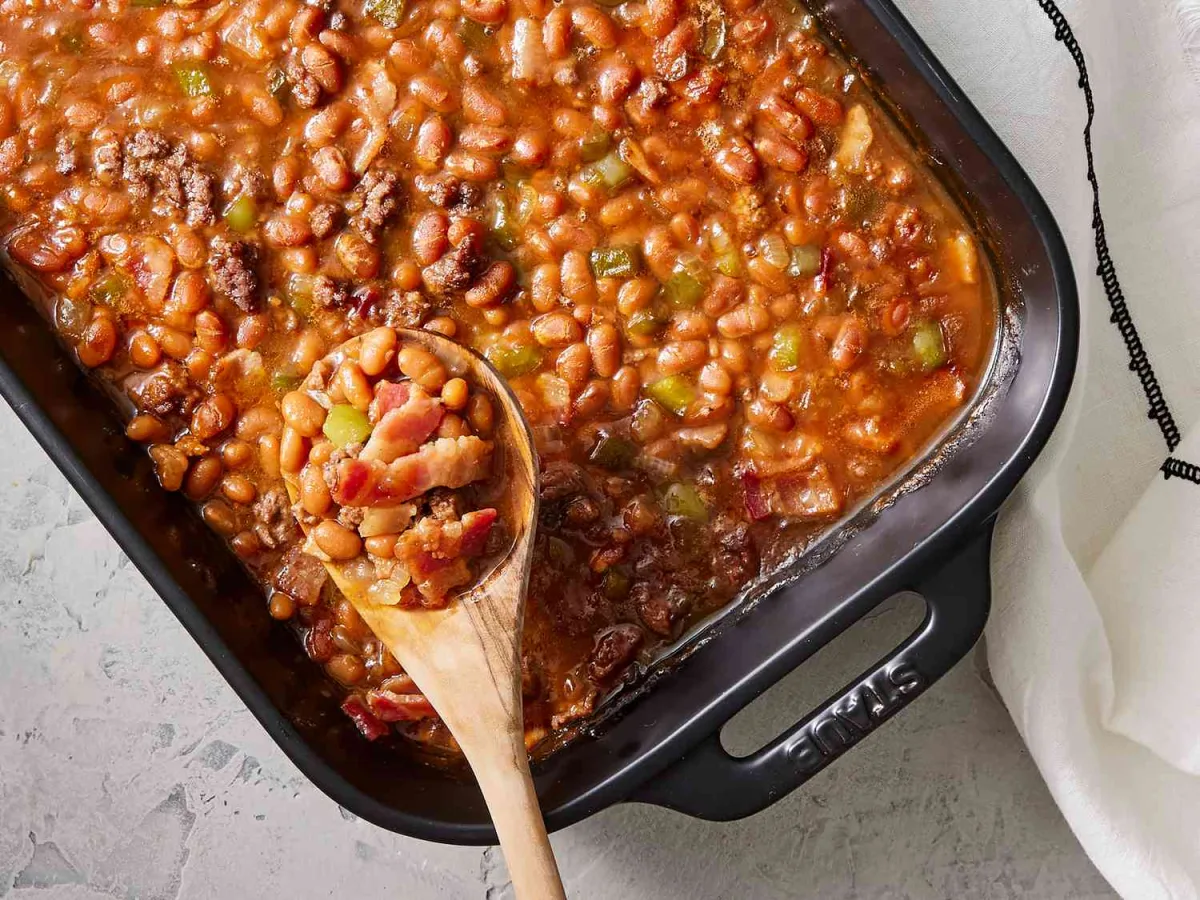
The Unsung Hero of High-Volume Kitchens: Why Baked Beans Deserve Your Respect
Let me tell you something that might sound crazy: baked beans could be the most underrated dish in a high-volume kitchen. I know, I know, when you think “batch cooking,” your mind probably jumps to soups, stews, or maybe even mashed potatoes. But baked beans? They’re the quiet workhorse that can save your sanity during a dinner rush, keep costs down, and even become a signature item if you play your cards right. And yet, most chefs treat them like an afterthought. That’s a mistake.
I learned this the hard way. A few years back, I was consulting for a Nashville BBQ joint that was struggling to keep up with weekend crowds. Their brisket was legendary, but their sides? A disaster. The baked beans, in particular, were either scorched, watery, or, worst of all, bland. One Saturday night, the line cook responsible for them called out sick, and the owner, in a panic, asked me to step in. I’d never made more than a single pot of beans in my life, let alone enough to feed 300 people. What followed was a baptism by fire: three hours of stirring, tasting, and praying I wouldn’t ruin the night’s service. Spoiler alert: I didn’t ruin it. In fact, those beans became one of the most talked-about items on the menu. That experience taught me something crucial, baked beans aren’t just a side dish. They’re a high-volume kitchen’s secret weapon, and mastering them can transform your operation.
In this guide, I’m going to walk you through everything I’ve learned about batch-cooking baked beans at scale. We’ll cover the science behind the perfect texture, the equipment you actually need (and what you can skip), flavor strategies that work in bulk, and the logistical tricks that’ll save you time and stress. Whether you’re running a cafeteria, a catering business, or a restaurant with a packed weekend brunch, these tips will help you turn baked beans from an afterthought into a star player. And who knows? Maybe, like me, you’ll start looking forward to bean day.
The Foundation: Why Baked Beans Work So Well in High-Volume Kitchens
1. The Economics of Beans: Cheap, Filling, and Endlessly Versatile
Let’s start with the obvious: beans are cheap. Like, *really* cheap. A 25-pound bag of dried navy beans costs about the same as a single high-quality steak, and it’ll feed hundreds of people. That’s not just good for your bottom line, it’s a lifeline for high-volume kitchens where food costs can spiral out of control faster than you can say “avocado toast.”
But it’s not just about cost. Beans are nutritionally dense, packed with protein and fiber, which makes them a filling side that won’t leave customers feeling sluggish. They’re also incredibly versatile. You can serve them as a classic BBQ side, mix them into chili, use them as a base for vegan bowls, or even incorporate them into breakfast dishes (shakshuka with beans, anyone?). In a high-volume setting, versatility is king. The more ways you can repurpose an ingredient, the less waste you’ll have and the more creative your menu can be.
Here’s the kicker, though: beans are only as good as your technique. You can’t just dump a bag of dried beans into a pot and hope for the best. There’s a science to batch-cooking beans that most kitchens ignore, and it’s the difference between a dish that wows and one that gets pushed to the side of the plate. Let’s break it down.
2. The Science of Texture: Why Your Beans Are Either Mushy or Undercooked
If you’ve ever bitten into a baked bean and thought, “This tastes like sadness,” chances are the texture was off. Too mushy? Undercooked? Grainy? All of these issues stem from the same root problem: inconsistent cooking. And in a high-volume kitchen, inconsistency is the enemy.
The first thing you need to understand is that beans are alive. Well, not *alive* alive, but they’re still biologically active. Dried beans contain complex sugars and starches that need to break down properly during cooking. If you rush the process, you’ll end up with beans that are either tough and undercooked (because the starches haven’t softened) or mushy and broken (because the cell walls have collapsed). Neither is ideal.
So, how do you get it right? It starts with soaking. I know, I know, soaking takes time, and in a busy kitchen, time is the one thing you don’t have. But here’s the thing: skipping the soak is like trying to build a house without a foundation. You *can* do it, but it’s going to be a mess. Soaking beans in water for at least 8 hours (or overnight) allows them to rehydrate evenly, which means they’ll cook more uniformly. Pro tip: add a pinch of baking soda to the soaking water. It helps break down the beans’ skins, which speeds up cooking and improves texture.
But soaking is just the beginning. The real magic happens during the initial boil. After soaking, drain the beans and cover them with fresh water in a large pot. Bring them to a rolling boil for about 10 minutes. This step is crucial because it deactivates the enzymes that can make beans tough and indigestible. After boiling, reduce the heat and let them simmer until they’re tender but still intact. This is where most kitchens go wrong, they either undercook the beans (leaving them gritty) or overcook them (turning them to mush). Aim for beans that are tender but still hold their shape. You should be able to crush one between your fingers with a little resistance, but not have to chew it like gum.
3. The Flavor Paradox: Why Batch-Cooked Beans Often Taste Bland (And How to Fix It)
Here’s a hard truth: most batch-cooked beans taste like they were made by a robot. Why? Because when you scale up a recipe, flavor gets diluted. A teaspoon of salt in a single pot of beans is perfect. A teaspoon of salt in a 50-gallon batch? It’s a drop in the bucket. The same goes for spices, sweeteners, and acids. What works in a home kitchen often falls flat in a high-volume setting.
The solution? Layer your flavors. Think of your beans like a symphony, you need a balance of sweet, salty, smoky, and tangy notes to create something memorable. Here’s how I do it:
- Start with a flavorful base: Instead of just water, cook your beans in a broth (chicken, vegetable, or even a light beef stock). This adds depth right from the start. If you’re going for a vegetarian or vegan option, use a mushroom or kombu broth for umami.
- Sweeten strategically: Most baked bean recipes call for brown sugar or molasses, but in a large batch, you need to be careful. Too much sugar can make the beans cloying, while too little leaves them tasting flat. I like to use a combination of molasses and maple syrup-molasses for depth, maple for brightness. Start with a 2:1 ratio (molasses to maple) and adjust to taste.
- Acid is your friend: A splash of apple cider vinegar or lemon juice at the end of cooking brightens up the flavors and cuts through the richness. This is especially important in large batches, where flavors can become muddy.
- Spice it up (but not too much): Smoked paprika, cayenne, and black pepper are your allies, but remember, spices intensify as they cook. Add them gradually and taste as you go. You can always add more, but you can’t take them out.
- Finish with freshness: Stir in chopped herbs (like parsley or cilantro) or a grated onion just before serving. This adds a pop of freshness that makes the dish feel vibrant, not tired.
One more thing: don’t underestimate the power of fat. A little bacon fat, butter, or olive oil added at the end of cooking can make your beans taste richer and more luxurious. In a high-volume kitchen, fat is your secret weapon, it carries flavor and adds a silky mouthfeel that makes even the simplest dishes feel indulgent.
The Logistics: How to Batch-Cook Beans Without Losing Your Mind
4. Equipment Matters: What You Actually Need (And What You Can Skip)
Let’s talk gear. If you’re cooking beans in bulk, you need the right tools for the job. But here’s the thing: you don’t need to drop thousands of dollars on fancy equipment. In fact, some of the best batch-cooked beans I’ve ever had were made in a simple steam kettle or even a large stockpot. The key is understanding how to use what you have (or what you can afford) to get the best results.
Here’s a breakdown of the essential equipment for batch-cooking beans:
- Large stockpots or steam kettles: These are the workhorses of bean cooking. A 40-quart stockpot is a great starting point for most kitchens, but if you’re feeding hundreds of people, you might need a steam kettle (which uses steam to cook food evenly and efficiently). Steam kettles are a game-changer for high-volume kitchens because they reduce cooking time and minimize scorching.
- Perforated hotel pans: If you’re baking your beans after cooking them (which I highly recommend, more on that later), you’ll need hotel pans to hold them. Perforated pans are ideal because they allow excess liquid to drain, preventing your beans from turning into a soupy mess.
- Immersion blender (optional but helpful): If you’re making a creamy bean dish (like refried beans or a bean dip), an immersion blender is a lifesaver. It allows you to blend the beans directly in the pot, which saves time and reduces cleanup. Just be careful not to over-blend, you want some texture, not a puree.
- Scale: This might seem obvious, but weighing your ingredients is crucial when cooking in bulk. A kitchen scale ensures consistency, which is especially important for beans, where the ratio of liquid to beans can make or break the dish.
- Fine-mesh strainer: For draining soaked beans, a large fine-mesh strainer is a must. It’s faster and more efficient than trying to drain a pot with a lid.
Now, let’s talk about what you *don’t* need. You don’t need a pressure cooker (though it can speed things up if you’re in a pinch). You don’t need a sous vide machine (seriously, don’t overcomplicate this). And you definitely don’t need a dedicated bean cooker-unless you’re cooking beans every single day, it’s not worth the investment.
One piece of equipment that *is* worth considering? A tilting skillet. If you have the budget and the space, a tilting skillet is one of the most versatile tools in a high-volume kitchen. You can use it to sauté aromatics, cook beans, and even bake them (if it’s oven-safe). It’s like a Swiss Army knife for batch cooking.
5. The Batch Cooking Workflow: A Step-by-Step Guide
Alright, let’s get into the nitty-gritty. Here’s how I batch-cook baked beans in a high-volume kitchen, from start to finish. This workflow is designed to minimize hands-on time while maximizing flavor and consistency.
Step 1: Prep (The Night Before)
Batch cooking starts with prep. The night before you plan to cook, measure out your dried beans and soak them in cold water with a pinch of baking soda. The ratio is simple: 1 pound of dried beans to 1 gallon of water. Cover the pot and let it sit overnight. This step is non-negotiable, skipping it will lead to inconsistent cooking times and mushy beans.
While the beans are soaking, prep your aromatics. For a standard 25-pound batch of beans, I use:
- 2 large onions, diced
- 1 head of garlic, minced
- 4 carrots, diced (optional, but adds sweetness)
- 4 celery stalks, diced (optional, but adds depth)
Store the aromatics in a labeled container in the fridge until you’re ready to use them. This might seem like a small step, but in a busy kitchen, prepping ahead saves mental energy when you’re in the weeds.
Step 2: The Initial Cook (Morning Of)
The next morning, drain and rinse the soaked beans. Transfer them to your stockpot or steam kettle and cover them with fresh water (about 2 inches above the beans). Bring the water to a rolling boil for 10 minutes, then reduce the heat to a gentle simmer. This is where the enzyme deactivation happens, don’t skip it!
While the beans are simmering, sauté your aromatics in a separate pan. Use a neutral oil (like canola or vegetable oil) and cook the onions, garlic, carrots, and celery until they’re soft and fragrant. This step is crucial for building flavor-blooming the aromatics in fat releases their essential oils, which infuses the beans with depth.
Once the beans have simmered for about 30 minutes, add the sautéed aromatics to the pot. At this point, you’ll also want to add your flavorings:
- 1 cup molasses
- ½ cup maple syrup
- 2 tablespoons smoked paprika
- 1 tablespoon black pepper
- 1 tablespoon salt (adjust to taste)
- 1 teaspoon cayenne (optional, for heat)
Stir everything together and let the beans simmer for another 1-2 hours, or until they’re tender but still intact. The exact cooking time will depend on the age of your beans (older beans take longer to soften) and the type of bean you’re using (navy beans cook faster than kidney beans, for example).
Step 3: The Bake (The Secret to Next-Level Flavor)
Here’s where most batch-cooked beans go wrong: they stop at the simmer. But if you want restaurant-quality baked beans, you need to bake them. Baking caramelizes the sugars in the sauce, deepens the flavors, and gives the beans a slightly crispy top that adds texture. It’s the difference between “meh” and “can I get another serving?”
Once your beans are tender, transfer them to perforated hotel pans (this allows excess liquid to drain). Cover the pans with foil and bake at 325°F (163°C) for 1-2 hours. The exact time will depend on how much liquid is in the beans, you want them to be thick and saucy, not soupy. If they’re still too wet after an hour, uncover the pans and bake for another 30 minutes to let the liquid evaporate.
Pro tip: If you’re short on oven space, you can hold the beans in a steam table after baking. Just keep an eye on the liquid level, if they start to dry out, add a little broth or water to loosen them up.
Step 4: Finishing Touches (The Details That Matter)
Once your beans are baked, it’s time for the finishing touches. This is where you can really make the dish your own. Here are a few ideas:
- Add crispy bacon or pancetta: Cook it separately and crumble it over the beans just before serving. The contrast of crunchy and creamy is irresistible.
- Stir in fresh herbs: Parsley, cilantro, or even dill can add a pop of color and freshness.
- Brighten with acid: A splash of apple cider vinegar or lemon juice at the end wakes up the flavors.
- Top with breadcrumbs: For a little texture, sprinkle toasted breadcrumbs over the beans before serving.
One last thing: taste as you go. Batch cooking can be unpredictable, and flavors can change as the dish sits. If your beans taste a little flat, don’t be afraid to adjust the seasoning-add more salt, a little sugar, or a splash of vinegar until they sing.
6. Holding and Reheating: How to Keep Beans Tasting Fresh
In a high-volume kitchen, you’re not always serving beans right after they’re cooked. Sometimes, you need to hold them for hours (or even days) before they hit the plate. The key to keeping beans tasting fresh is controlling moisture and temperature.
If you’re holding beans in a steam table, keep the temperature at 165°F (74°C) or higher. Use a perforated hotel pan to allow excess liquid to drain, and stir the beans occasionally to prevent them from drying out. If the beans start to look dry, add a little broth or water to loosen them up. Just be careful not to add too much, you don’t want them to turn soupy.
If you’re reheating beans, do it gently. The worst thing you can do is blast them with high heat, which will turn them mushy. Instead, reheat them in a steam kettle or on the stovetop over low heat, stirring occasionally. If they’re too thick, add a little liquid to thin them out. And if they’ve lost some of their brightness, a splash of vinegar or lemon juice can help revive the flavors.
One pro tip for reheating: add a pat of butter. It sounds simple, but a little fat can make a big difference in texture and flavor. Just stir it in at the end, your customers will thank you.
Troubleshooting: Common Batch-Cooking Bean Problems (And How to Fix Them)
7. Problem: Beans Are Too Mushy
Mushy beans are usually the result of overcooking or over-soaking. If your beans are turning to mush, here’s what to do:
- Reduce the soaking time: If you’re soaking beans overnight, try reducing it to 6-8 hours. Older beans (which have been sitting on the shelf longer) may need less soaking time than fresher beans.
- Monitor the simmer: Beans should simmer gently, not boil vigorously. A rolling boil can break them down too quickly.
- Check for alkalinity: If your water is very alkaline (high pH), it can cause beans to soften too quickly. A pinch of cream of tartar can help neutralize the pH.
If your beans are already mushy, don’t panic. You can still salvage them by blending a portion and mixing it back into the whole beans. This will give you a creamy texture without losing all the integrity of the dish. Alternatively, use them in a bean dip or soup where mushiness isn’t as noticeable.
8. Problem: Beans Are Undercooked or Gritty
Undercooked beans are usually the result of insufficient soaking or not enough cooking time. Here’s how to fix it:
- Soak longer: If your beans are still gritty after cooking, they probably needed more soaking time. Next time, try soaking them for 12 hours instead of 8.
- Add baking soda: A pinch of baking soda in the soaking water can help soften the beans’ skins, which speeds up cooking.
- Cook low and slow: Beans need time to soften. If you’re in a hurry, a pressure cooker can speed things up, but be careful, it’s easy to overcook beans in a pressure cooker.
If your beans are already undercooked, you can return them to the pot with a little extra water and simmer until tender. Just be patient, rushing this step will only lead to frustration.
9. Problem: Beans Are Bland
Bland beans are usually the result of under-seasoning or not enough flavor development. Here’s how to fix it:
- Layer your flavors: Don’t just dump all your seasonings in at once. Bloom your spices in fat (like oil or bacon fat) before adding them to the beans. This releases their essential oils and makes them more potent.
- Use a flavorful liquid: Instead of water, cook your beans in broth or stock. This adds depth right from the start.
- Finish with acid: A splash of vinegar or lemon juice at the end brightens up the flavors and makes the dish taste more vibrant.
- Don’t forget the fat: A little bacon fat, butter, or olive oil added at the end can make your beans taste richer and more luxurious.
If your beans are already cooked and bland, try reducing the sauce. Transfer the beans to a wide pot and simmer them over low heat until the liquid thickens. This concentrates the flavors and makes the dish taste more intense. You can also add a pat of butter or a drizzle of olive oil to boost richness.
10. Problem: Beans Are Scorched
Scorched beans are a nightmare in a high-volume kitchen. They’re not just unappetizing, they can ruin an entire batch. Here’s how to prevent it:
- Use a heavy-bottomed pot: A steam kettle or enameled cast-iron pot distributes heat more evenly, reducing the risk of scorching.
- Stir frequently: Especially during the initial simmer, when the beans are releasing starches. Starches can stick to the bottom of the pot and burn.
- Add liquid as needed: If the beans start to look dry, add a little broth or water to loosen them up. Just don’t add too much, you don’t want them to turn soupy.
- Use a diffuser: If you’re cooking on a gas stove, a diffuser can help distribute heat more evenly and prevent hot spots.
If your beans are already scorched, don’t stir them. Scraping the bottom of the pot will just spread the burnt flavor throughout the dish. Instead, carefully transfer the unburnt beans to a new pot, leaving the scorched bits behind. If the flavor is still off, you can try adding a pinch of sugar to mask the bitterness, but honestly? Sometimes it’s better to start over.
The Big Picture: Why Mastering Batch-Cooked Beans Matters
At the end of the day, baked beans might seem like a small part of your menu. But in a high-volume kitchen, the small things add up. Mastering batch-cooked beans can:
- Reduce food costs: Beans are one of the most affordable proteins out there, and using them well can stretch your budget further.
- Improve efficiency: Once you’ve got a solid workflow, batch-cooking beans becomes a set-it-and-forget-it process that frees up your team for other tasks.
- Enhance your menu: A great batch of beans can elevate a simple dish into something memorable. It’s the kind of detail that keeps customers coming back.
- Reduce waste: Beans are incredibly shelf-stable, which means you can cook a big batch and use them over several days without worrying about spoilage.
But more than that, mastering batch-cooked beans is about taking pride in your craft. It’s about recognizing that even the simplest dishes deserve care and attention. It’s about understanding that in a high-volume kitchen, consistency is king, and the only way to achieve it is through technique, patience, and a willingness to learn.
So, the next time you’re faced with a mountain of dried beans and a hungry crowd, don’t panic. Take a deep breath, remember the steps we’ve covered, and trust the process. And who knows? Maybe, like me, you’ll start to see baked beans not as a chore, but as an opportunity-a chance to create something delicious, efficient, and truly satisfying.
Now, if you’ll excuse me, I’ve got a pot of beans to check on. Luna’s been giving me the side-eye all morning, and I think she’s ready for a taste test.
FAQ: Your Baked Beans Batch-Cooking Questions, Answered
Q: Can I skip soaking the beans if I’m in a hurry?
A: Technically, yes, but I wouldn’t recommend it. Soaking beans ensures they cook evenly and reduces the risk of digestive issues (you know what I’m talking about). If you’re really pressed for time, you can use the quick-soak method: cover the beans with water, bring to a boil for 2 minutes, then remove from heat and let them sit for 1 hour. It’s not as effective as an overnight soak, but it’s better than nothing.
Q: What’s the best type of bean for batch cooking?
A: It depends on the dish, but for classic baked beans, navy beans or Great Northern beans are your best bet. They hold their shape well and have a mild flavor that pairs with just about anything. If you’re making a creamy bean dish, like refried beans, pinto beans are a great choice. For a hearty, meaty texture, try kidney beans or black beans. Just remember: different beans have different cooking times, so adjust accordingly.
Q: How do I scale up a baked bean recipe without losing flavor?
A: Scaling up a recipe is all about layering flavors and adjusting seasoning as you go. Start by sautéing your aromatics in batches, don’t try to cook 10 pounds of onions in one pan. Use a flavorful liquid (like broth or stock) instead of water, and don’t be afraid to taste and adjust as the beans cook. Remember, seasoning in a large batch is different than in a small pot, you’ll need more salt, sugar, and spices to achieve the same level of flavor. And finally, finish with freshness: stir in herbs, acid, or a pat of butter just before serving to brighten up the dish.
Q: How long can I hold cooked beans in the fridge or freezer?
A: Cooked beans will keep in the fridge for 3-4 days if stored in an airtight container. If you need to hold them longer, freeze them! Cooked beans freeze beautifully and will keep for up to 6 months in the freezer. Just be sure to cool them completely before freezing to prevent ice crystals from forming. When you’re ready to use them, thaw them in the fridge overnight and reheat gently on the stovetop or in a steam kettle. If they look a little dry, add a splash of broth or water to loosen them up.
@article{baked-beans-batch-cooking-the-high-volume-kitchens-secret-weapon-and-how-to-master-it,
    title   = {Baked Beans Batch Cooking: The High-Volume Kitchen’s Secret Weapon (And How to Master It)},
    author  = {Chef's icon},
    year    = {2026},
    journal = {Chef's Icon},
    url     = {https://chefsicon.com/baked-beans-batch-cooking-tips-high-volume-kitchens/}
}