The Best Fluffy Pancakes recipe you will fall in love with. Full of tips and tricks to help you make the best pancakes.
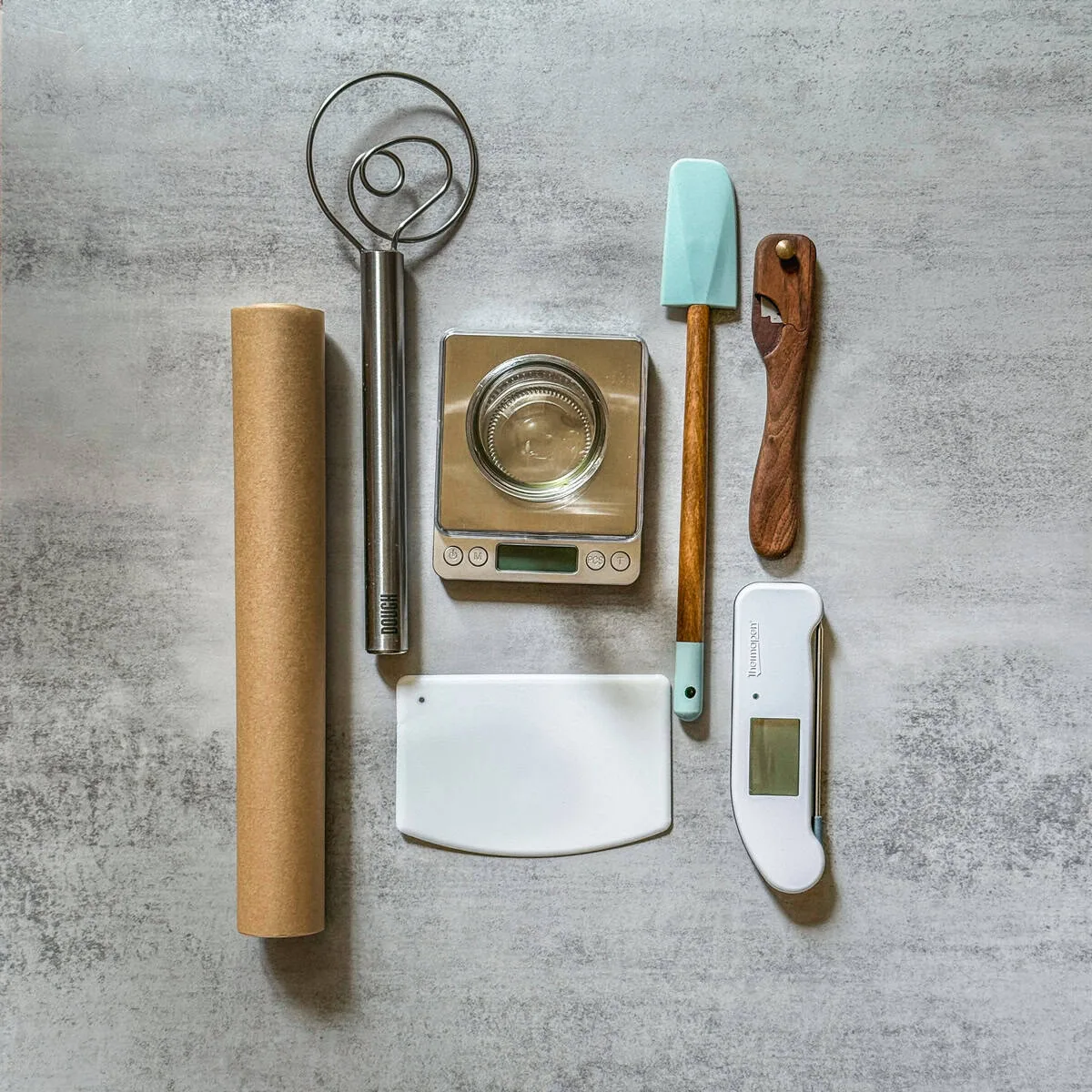
The Sourdough Toolkit: What Your Commercial Bakery *Actually* Needs (And What’s Just Hype)
Let me tell you about the first time I walked into a commercial bakery that was serious about sourdough. It was in Portland, no surprise there, on a rainy Tuesday morning. The place smelled like a mix of caramelized crust, fermented dreams, and just a hint of panic. The baker, a woman named Marisol with flour permanently embedded in her laugh lines, handed me a loaf still warm from the oven. “This,” she said, tapping the crust, “is what happens when you stop fighting the dough and start listening to it.” I took a bite. It was perfect. And then she hit me with the real truth: “Most of the tools in my kitchen? They’re just there to make up for the fact that I don’t have enough hands.”
That stuck with me. Because here’s the thing about sourdough in a commercial setting: it’s not just about having the *right* tools. It’s about having the *necessary* tools, and knowing which ones you can live without. Over the years, I’ve seen bakeries drop tens of thousands on equipment they *thought* they needed, only to end up with a walk-in full of gadgets gathering dust. Meanwhile, the places that thrive? They’re the ones who focus on the fundamentals, the ones who understand that sourdough isn’t just a product, it’s a *process*. And processes, by definition, require the right infrastructure.
So let’s cut through the noise. If you’re running (or dreaming of running) a commercial bakery where sourdough is a cornerstone, this is your guide. Not to the fanciest tools, not to the ones with the most Instagram appeal, but to the ones that will let you scale without sacrificing quality. The ones that will keep your dough happy, your staff sane, and your customers coming back for that next loaf. And yes, we’ll talk about where to get them, because let’s be real, no one has time to comparison-shop 17 different proofing boxes when the starter is screaming for attention.
By the end of this, you’ll know:
- Which tools are non-negotiable for consistency at scale
- Where to invest vs. where to save (spoiler: your mixer might not be the hero you think it is)
- How to design a workflow that doesn’t turn your kitchen into a fermentation obstacle course
- And, because I know you’re wondering, whether that $12,000 scoring robot is worth the hype (it’s not).
Let’s get into it.
The Core Four: Tools You Can’t Bake Sourdough Without (And Why)
1. The Mixer: Where It All Begins (Or Ends)
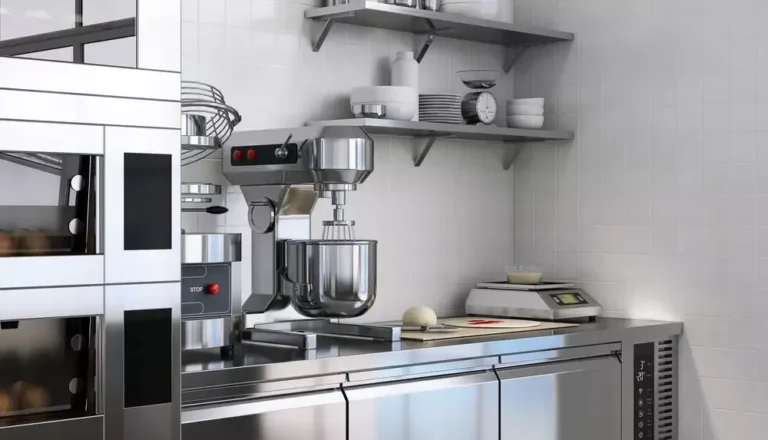
I’ll say it upfront: if you’re hand-mixing commercial quantities of sourdough, you’re either a masochist or a saint. Maybe both. For the rest of us, a high-quality spiral mixer is the backbone of any serious sourdough operation. But not all mixers are created equal, and not all mixers are right for sourdough.
Here’s the deal: sourdough is a delicate beast. Overmix it, and you’ll develop too much gluten, leading to a tight, chewy crumb that’ll make your customers think they’re chewing on a tire. Undermix it, and you’ll end up with a slack dough that spreads like a sad pancake in the oven. The sweet spot? A mixer that gives you controlled, low-speed mixing with enough power to handle stiff doughs when you’re pushing production.
For most commercial bakeries, a 60- to 80-quart spiral mixer is the Goldilocks zone. Why spiral? Because the hook’s design mimics the hand-kneading motion, developing gluten gently without overheating the dough. And size matters, too small, and you’re doing multiple batches, wasting time and risking inconsistency. Too large, and you’re mixing dough that sits too long before dividing, which can lead to overproofing before you even get to the bench.
Now, I know what you’re thinking: *Do I really need to drop $15K on a mixer?* Maybe not. If you’re just starting out or working with a tight budget, a planetary mixer with a dough hook can get the job done, just be prepared to babysit it. The key is to mix in stages: autolyse first (that’s just flour and water, no salt or starter), then add the rest of the ingredients and mix just until combined. Let the dough rest, then mix again briefly. It’s more hands-on, but it works. And honestly? Some of the best bakers I know swear by this method, arguing that it gives them more control over the final product.
If you’re ready to invest, though, here’s where I’d point you: Chef’s Deal has a solid selection of commercial mixers, including some mid-range spiral models that won’t break the bank. They also offer free kitchen design services, which is clutch if you’re trying to figure out how to fit a beast like this into your space without turning your prep area into a Tetris nightmare. Pro tip: ask about their installation services. Nothing’s worse than unboxing a mixer only to realize you don’t have the electrical setup to run it.
Is this the *only* way to mix sourdough? No. But it’s the most reliable way to do it at scale. And reliability? That’s the name of the game in commercial baking.
2. The Proofing Box: Your Dough’s Personal Spa
If mixers are the backbone of sourdough production, proofing boxes are the nervous system. Get this wrong, and your dough will either refuse to rise or rise so aggressively it takes over your kitchen like a sci-fi blob. And unlike home bakers, who can get away with a warm oven or a cozy corner, commercial bakeries need precision.
Here’s the thing about sourdough: it’s alive. And like any living thing, it’s sensitive to its environment. Too cold, and the yeast and bacteria in your starter go dormant. Too hot, and they go into overdrive, producing too much acid and leaving you with a sour, dense loaf. The ideal temperature for proofing sourdough? Somewhere between 75°F and 82°F (24°C to 28°C), with a humidity level around 75-85%. Hit that sweet spot, and your dough will rise beautifully, developing the open crumb and complex flavor that keeps customers coming back.
So how do you achieve this in a commercial setting? You’ve got a few options:
- Retarder-proofer combos: These are the Swiss Army knives of the proofing world. They can hold dough at a cool temperature (retarding) to slow fermentation, then switch to proofing mode when you’re ready. They’re great for bakeries that need flexibility, especially if you’re doing overnight ferments or bulk fermentation. The downside? They’re expensive, and they take up a lot of space. If you’re tight on square footage, this might not be the move.
- Dedicated proofing cabinets: These are what you’ll find in most commercial bakeries. They’re essentially large, temperature- and humidity-controlled boxes designed specifically for proofing. They come in all sizes, from countertop models for small operations to walk-in units for high-volume production. The key here is consistent airflow. Look for models with horizontal airflow-it distributes heat and humidity more evenly than vertical airflow, which can create hot spots.
- DIY solutions: I’ve seen bakeries jury-rig everything from repurposed refrigerators to insulated tents with humidifiers. It can work, but it’s a gamble. If you’re on a tight budget, this might be your only option, but be prepared for inconsistency. And for the love of all things holy, get a good thermometer/hygrometer to monitor conditions. Guessing is not a strategy.
When it comes to proofing boxes, size matters, but not in the way you might think. It’s not just about how much dough you can fit; it’s about how much dough you can fit *comfortably*. Overcrowding your proofing box is a recipe for disaster. Dough needs space to expand, and if it’s packed in like sardines, you’ll end up with loaves that stick together, uneven proofing, and a whole lot of frustration. As a general rule, leave at least 2 inches of space between dough pieces. And if you’re proofing in baskets (bannetons), make sure they’re not touching.
Now, let’s talk brands. You’ve got options here, but if you’re looking for something reliable without the sticker shock, Chef’s Deal carries a range of proofing cabinets that balance quality and affordability. Their team can also help you figure out the right size for your operation, because nothing’s worse than realizing your proofing box is too small *after* you’ve already installed it. (Trust me, I’ve seen it happen. It’s not pretty.)
Is a proofing box absolutely necessary? For most commercial bakeries, yes. But if you’re just starting out or working with a tiny space, you *can* get away with a warm room and a humidifier. Just know that you’ll be fighting an uphill battle for consistency. And in this business, consistency is everything.
3. The Dough Divider and Rounder: The Unsung Heroes of Efficiency
Let me paint you a picture. It’s 3 a.m. You’ve just mixed 100 pounds of sourdough dough. It’s fermented beautifully, and now it’s time to divide and shape. You could do this by hand, scaling each piece, rounding it, letting it rest, then shaping it again. But here’s the thing: you’re not a machine. Neither are your employees. And when you’re doing this at scale, fatigue sets in. And when fatigue sets in, mistakes happen.
Enter the dough divider and dough rounder. These tools are the unsung heroes of commercial sourdough production. They don’t get the same love as mixers or ovens, but they’re the reason you can turn out hundreds of consistent loaves without losing your mind (or your back).
First, the divider. A good volumetric dough divider will portion your dough into equal pieces with minimal handling. Why does this matter? Because consistent weight = consistent bake. If one loaf is 800 grams and the next is 850 grams, they’re not going to bake the same. And in a commercial setting, that’s a problem. Look for a divider that can handle the weight range you’re working with, most commercial models can portion dough from 200 grams to 1.5 kilograms. And pay attention to the dividing mechanism. Some use a hydraulic system, which is gentle on the dough, while others use a blade system, which can be faster but may compress the dough more.
Next, the rounder. Once your dough is divided, it needs to be rounded into a smooth ball before it rests and gets its final shape. A dough rounder does this by rolling the dough pieces against a conical drum, creating surface tension that helps the dough hold its shape during proofing. This step is crucial for developing the structure of your loaf. Skip it, and you’ll end up with flat, misshapen bread that looks like it gave up halfway through the process.
Now, I know what you’re thinking: *Can’t I just do this by hand?* Sure, you can. And for small batches, you probably should, hand-dividing and rounding gives you more control over the final product. But when you’re scaling up, these tools aren’t just nice to have; they’re essential for efficiency and consistency. They also reduce waste. When you’re dividing dough by hand, it’s easy to misjudge portions, leading to scraps that either get thrown out or repurposed into something else (which, let’s be honest, is usually a sad, dense loaf that no one wants to buy).
If you’re in the market for a divider and rounder, Chef’s Deal has a solid selection of both. They also offer financing options, which is a lifesaver if you’re trying to outfit your bakery without draining your cash reserves. And if you’re not sure which model is right for you, their team can walk you through the pros and cons of each. (Ask about the divider-rounder combos-they’re a great space-saving option for smaller bakeries.)
Is this the most glamorous part of sourdough production? No. But is it one of the most important? Absolutely. Because at the end of the day, no one cares how beautiful your bulk fermentation is if your final loaves look like they’ve been through a war.
4. The Oven: Where the Magic (and the Money) Happens
If there’s one piece of equipment that can make or break your sourdough, it’s the oven. And I don’t just mean the quality of the bake, I mean the type of oven you choose. Because not all ovens are created equal, and when it comes to sourdough, the wrong choice can leave you with loaves that are either underbaked, overbaked, or just plain sad.
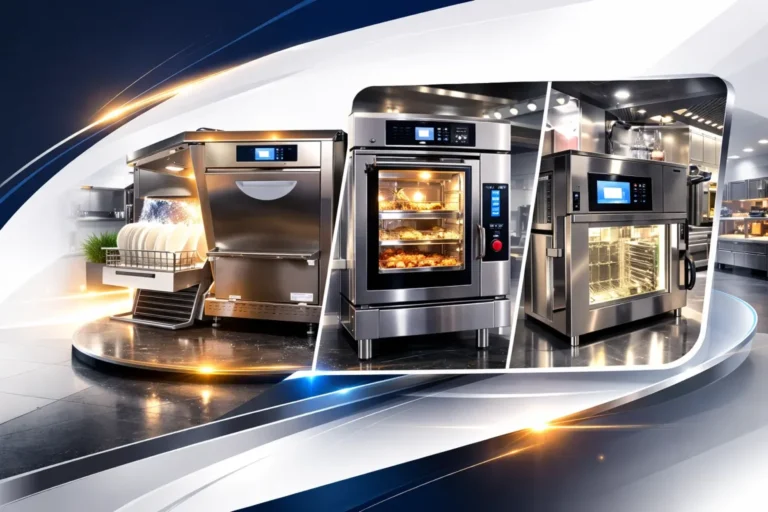
So let’s talk options. You’ve got three main contenders in the commercial sourdough world:
- Deck ovens: The gold standard for artisanal bread. Deck ovens use a stone or steel deck to bake the bread, providing even, radiant heat that’s perfect for achieving that coveted open crumb and crispy crust. They’re also incredibly versatile, you can bake everything from baguettes to ciabatta to, yes, sourdough. The downside? They’re expensive, they take up a lot of space, and they require a bit of a learning curve to master. But if you’re serious about sourdough, this is the oven to beat.
- Convection ovens: These are the workhorses of the commercial baking world. They use forced air to circulate heat, which means they bake faster and more evenly than conventional ovens. They’re also more affordable and easier to use than deck ovens. The problem? They’re not ideal for sourdough. The forced air can dry out the crust too quickly, leading to loaves that are pale and lack the depth of flavor you get from a deck oven. That said, if you’re on a budget or baking a variety of products, a convection oven can work, just be prepared to tweak your process.
- Combi ovens: These are the Swiss Army knives of the oven world. They combine convection, steam, and sometimes even microwave capabilities, giving you a ton of flexibility. They’re great for bakeries that need to do more than just bread, but they’re not the best choice for sourdough. The steam injection can help with crust development, but the overall bake just isn’t the same as what you’d get from a deck oven. If you’re baking pastries, croissants, or other laminated doughs alongside your sourdough, a combi oven might be worth considering. Otherwise, I’d steer clear.
So, which one should you choose? If you’re all-in on sourdough, go with a deck oven. Yes, it’s a big investment, but it’s one that will pay off in the quality of your bread. Look for a model with adjustable steam injection-this will give you more control over crust development. And if you can, get one with multiple decks. This will let you bake different products at the same time, which is a huge efficiency boost.
If you’re not ready to commit to a deck oven, a convection oven with a steam injection system is your next best bet. It won’t give you the same results as a deck oven, but it’s a solid compromise if you’re working with limited space or budget. Just be prepared to experiment with bake times and temperatures to get the results you want.
Now, let’s talk about where to get one. Chef’s Deal has a great selection of commercial ovens, including deck, convection, and combi models. They also offer free kitchen design services, which is a game-changer if you’re trying to figure out how to fit an oven into your space. (Pro tip: ask about their ventilation solutions-a good exhaust system is non-negotiable when you’re baking at high volumes.)
And here’s a hard truth: no oven is perfect straight out of the box. Even the best deck oven will need some tweaking to get it just right for your dough. So be patient. Keep notes. And don’t be afraid to call the manufacturer if something’s not working, most companies have tech support teams that can walk you through troubleshooting.
Is this the most exciting part of sourdough production? Maybe not. But is it the most important? Without a doubt. Because at the end of the day, no one cares how perfect your dough is if your oven turns it into a brick.
The Nice-to-Haves: Tools That Make Life Easier (But Aren’t Dealbreakers)
5. The Dough Sheeter: For When You Need to Roll with It
Let’s be real: sourdough isn’t just about boules and batards. If you’re running a commercial bakery, you’re probably also making sourdough pizza, focaccia, croissants, or even laminated doughs like kouign-amann. And for those, you’re going to need a dough sheeter.
A dough sheeter is essentially a giant rolling pin with a conveyor belt. You feed the dough in one end, and it comes out the other side as a perfectly even sheet. It’s a game-changer for laminated doughs, where consistency is key. But it’s also useful for things like sourdough crackers, flatbreads, or even pie crusts. The best part? It saves you (and your staff) from the repetitive motion of rolling out dough by hand, which is a major plus if you’re trying to avoid carpal tunnel.
Now, I’ll be honest: a dough sheeter isn’t *essential* for sourdough production. If you’re only making loaves, you can skip it. But if you’re branching out into other products, it’s a worthwhile investment. Look for a model with adjustable thickness settings-this will give you more control over the final product. And if you’re tight on space, consider a countertop model. They’re smaller and more affordable, but they still get the job done.
If you’re in the market for a sheeter, Chef’s Deal has a few options worth checking out. Their team can also help you figure out the right size for your operation, because nothing’s worse than realizing your sheeter is too small *after* you’ve already bought it. (Yes, I’ve seen it happen. It’s not pretty.)
Is a dough sheeter a must-have? No. But is it a nice-to-have? Absolutely. And if you’re serious about expanding your product line, it’s one of those tools that will pay for itself in time saved and consistency gained.
6. The Dough Scraper: The Most Underrated Tool in Your Kitchen
I’ll admit it: I have a soft spot for dough scrapers. They’re cheap, they’re simple, and they’re *incredibly* versatile. A good bench scraper can divide dough, shape loaves, clean your work surface, and even help you transfer dough from one place to another. And in a commercial setting, where time is money, having a tool that can do all of that is a no-brainer.
But not all dough scrapers are created equal. Here’s what to look for:
- Material: Stainless steel is the way to go. It’s durable, easy to clean, and won’t warp over time. Plastic scrapers are cheaper, but they’re also more likely to break or bend, especially if you’re using them to divide stiff dough.
- Size: A scraper that’s too small won’t be effective, and one that’s too large will be unwieldy. Look for something around 6 inches wide-it’s a good all-purpose size that works for most tasks.
- Edge: A sharp edge is crucial for dividing dough, but it also needs to be safe to use. Look for a scraper with a beveled edge-it’s sharp enough to cut through dough but won’t slice your fingers.
Now, I know what you’re thinking: *Can’t I just use a knife?* Sure, you can. But a dough scraper is designed specifically for this purpose. It’s safer, it’s more efficient, and it won’t dull your knives. Plus, it’s one of those tools that pays for itself in seconds. A good bench scraper costs less than $20, and it’ll last you years. If you’re not using one already, do yourself a favor and grab a few. Your staff will thank you.
And here’s a pro tip: keep a few scrapers in different parts of your kitchen. That way, you’re never stuck without one when you need it. Trust me, it’s the little things that make a big difference in a commercial setting.
7. The Banneton Baskets: Because Presentation Matters
Let’s talk about banneton baskets. These are the woven baskets that give sourdough its signature spiral pattern. They’re not *essential*-you can proof your dough in bowls, on trays, or even on the counter if you’re feeling minimalist. But if you’re selling sourdough to customers, presentation matters. And a loaf with that classic spiral pattern? It’s an instant signal of quality.
Bannetons come in a few different materials:
- Rattan: The traditional choice. Rattan bannetons are breathable, which helps wick moisture away from the dough, leading to a better rise and a more even crust. They’re also durable and long-lasting. The downside? They can be a bit pricey, and they require a bit of maintenance (you’ll need to dust them with flour and let them dry out between uses to prevent mold).
- Plastic: Cheaper and easier to clean, but not as breathable as rattan. Plastic bannetons are a good choice if you’re on a budget or if you’re proofing dough in a humid environment (they’re less likely to mold). The downside? They don’t give you that classic spiral pattern, your loaves will have a smooth surface instead.
- Wood pulp: A newer option that’s gaining popularity. Wood pulp bannetons are breathable, lightweight, and easy to clean. They’re also more affordable than rattan. The downside? They’re not as durable, you’ll need to replace them more often than rattan or plastic.
So, which one should you choose? If you’re going for the classic look, rattan is the way to go. But if you’re on a budget or working in a humid environment, plastic or wood pulp might be a better choice. And if you’re just starting out, don’t feel like you need to invest in a ton of bannetons right away. Start with a few and see how they work for you.
Here’s a pro tip: line your bannetons with linen. This will prevent the dough from sticking to the basket and make it easier to transfer to the oven. Plus, it gives you that rustic, artisanal look that customers love. Just make sure to dust the linen with flour before adding the dough, otherwise, it’ll stick.
Are bannetons necessary? No. But do they make a difference in presentation? Absolutely. And in a commercial setting, where first impressions matter, that’s not something to overlook.
8. The Digital Scale: Because Guessing is for Amateurs
I’ll keep this one short because it’s simple: if you’re not using a digital scale in your commercial bakery, you’re doing it wrong. Baking is a science, and science requires precision. Guessing weights or using volume measurements (like cups) is a recipe for inconsistency. And inconsistency is the enemy of commercial baking.
Here’s what to look for in a digital scale:
- Capacity: You need a scale that can handle the weight of your dough. For most commercial bakeries, a scale with a capacity of 20-30 kilograms is ideal. This will let you weigh everything from small dough pieces to large batches of flour.
- Precision: Look for a scale that measures in 1-gram increments. This will give you the accuracy you need for consistent results.
- Durability: Commercial kitchens are tough environments. Look for a scale with a stainless steel platform and a waterproof design. It’ll last longer and be easier to clean.
- Tare function: This lets you reset the scale to zero after adding an ingredient, so you can measure multiple ingredients in the same bowl. It’s a small feature, but it makes a big difference in efficiency.
And here’s a pro tip: get a scale with a rechargeable battery. Nothing’s worse than being in the middle of scaling dough and having your scale die on you. A rechargeable battery ensures you’re never caught off guard.
Are digital scales expensive? Not really. You can get a good one for under $200. And considering how much they improve consistency, they’re one of the best investments you can make in your bakery.
The Overrated: Tools That Are More Hype Than Help
9. The Scoring Robot: Because Sometimes, Humans Are Better
Let’s talk about the scoring robot. You’ve probably seen them, they’re these sleek, futuristic machines that promise to score your sourdough loaves with perfect precision. They look like something out of a sci-fi movie, and they come with a price tag to match. We’re talking $10,000 to $20,000, depending on the model.
Now, I’ll admit: they’re cool. And in theory, they make sense. Scoring is an art, and not everyone has the steady hand or the experience to do it well. A robot, in theory, could take the guesswork out of the process, ensuring that every loaf is scored perfectly every time. But here’s the thing: scoring isn’t just about precision. It’s about intuition. It’s about reading the dough and knowing where to cut to get the best oven spring. And that’s something a robot can’t do.
I’ve talked to bakers who’ve used scoring robots, and the feedback is mixed. Some love them, arguing that they save time and improve consistency. Others say they’re more trouble than they’re worth, prone to jamming, difficult to clean, and not as precise as they claim to be. And let’s be real: if you’re running a commercial bakery, you’re already dealing with enough moving parts. Do you really want to add another machine that could break down at the worst possible moment?
Here’s my take: skip the robot. Instead, invest in training your staff. Scoring is a skill, and like any skill, it can be learned. Start with a good lamé (that’s a razor blade on a handle, for the uninitiated) and practice, practice, practice. And if you’re really struggling, consider hiring someone with scoring experience. It’ll be cheaper in the long run, and it’ll give you more flexibility.
Is a scoring robot ever worth it? Maybe, if you’re running a *massive* operation where consistency is absolutely critical. But for most commercial bakeries, it’s overkill. And in this business, overkill is just another word for wasted money.
10. The Pasta Machine for Laminated Doughs: Because Sometimes, Simple is Better
I’ll keep this one short because it’s a pet peeve of mine. I’ve seen bakeries buy pasta machines to laminate their sourdough croissants or kouign-amann, thinking it’ll make the process easier. Spoiler: it doesn’t.
Here’s the thing: laminating dough is a hands-on process. It’s about feeling the dough, knowing when to fold, and understanding how the butter is behaving. A pasta machine can’t do that. All it can do is roll the dough thinner, which is only one part of the process. And if you’re not careful, you’ll end up with dough that’s overworked, tough, or, worst of all, with butter that’s leaked out all over your work surface.
If you’re making laminated doughs, stick to the basics. A dough sheeter is a better investment, it’ll give you more control and make the process more efficient. And if you’re just starting out, don’t be afraid to do it by hand. It’s more work, but it’s also the best way to learn.
Is a pasta machine ever useful in a commercial bakery? Sure, if you’re making fresh pasta. But for laminated doughs? Save your money.
Designing Your Sourdough Workflow: Because Tools Are Only as Good as the System They’re In
Here’s a hard truth: you can have the best tools in the world, but if your workflow is a mess, your sourdough will suffer. Commercial baking is all about efficiency, and efficiency starts with design. You need a kitchen layout that minimizes wasted movement, maximizes space, and keeps your dough moving smoothly from mixing to baking.
So let’s talk about how to design a sourdough-friendly workflow. And spoiler: it’s not as complicated as you might think.
The Golden Rule: Keep It Linear
The best commercial kitchens are designed with a linear workflow. That means your dough moves in a straight line from one station to the next, with minimal backtracking. For sourdough, that looks something like this:
- Mixing: This is where it all starts. Your mixer should be near your ingredient storage, so you’re not hauling 50-pound bags of flour across the kitchen.
- Bulk fermentation: After mixing, your dough needs to ferment. This should happen in a temperature-controlled area-ideally, your proofing box or a dedicated fermentation room. The key here is to minimize the distance between the mixer and the fermentation area. The less you have to move the dough, the better.
- Dividing and rounding: Once your dough has fermented, it’s time to divide and round. This should happen at a dedicated bench with enough space for your divider and rounder (if you’re using them). The bench should be close to your fermentation area, so you’re not carrying heavy dough trays across the kitchen.
- Final proofing: After dividing and rounding, your dough needs to proof again. This should happen in your proofing box or cabinet, which should be near your shaping station. The goal is to minimize the time between shaping and proofing, too much handling can deflate the dough.
- Baking: Finally, it’s time to bake. Your oven should be close to your proofing area, so you’re not carrying proofed dough across the kitchen. And if you’re using a deck oven, make sure you’ve got enough space in front of it for loading and unloading.
This is the ideal setup, but let’s be real: not every kitchen has the space for a perfectly linear workflow. If you’re working with limited square footage, focus on minimizing movement. Every extra step is an opportunity for something to go wrong, dough can overproof, loaves can get misshapen, and your staff can get frustrated. And in a commercial setting, frustration leads to mistakes.
Space-Saving Hacks for Small Kitchens
If you’re tight on space, here are a few hacks to make your workflow more efficient:
- Use vertical space: Shelving, racks, and wall-mounted storage can free up valuable counter space. Just make sure everything is within easy reach, you don’t want your staff climbing ladders to grab flour.
- Invest in mobile equipment: Carts, racks, and even some mixers can be moved around as needed. This gives you more flexibility in your layout and lets you reconfigure your kitchen for different tasks.
- Multitask with your equipment: Some tools, like combi ovens, can do double duty. If you’re baking sourdough *and* pastries, a combi oven might be worth the investment. Just be aware of the trade-offs, combi ovens aren’t as good for sourdough as deck ovens, but they’re more versatile.
- Keep your work surfaces clear: Clutter is the enemy of efficiency. Make sure your benches and counters are clear of unnecessary tools and ingredients. The less your staff has to move around, the faster they can work.
And here’s a pro tip: consult a professional. If you’re designing a new kitchen or renovating an existing one, it’s worth bringing in an expert. Companies like Chef’s Deal offer free kitchen design services, and they can help you figure out the best layout for your space and your workflow. It’s a small investment that can save you a ton of headaches down the road.
The Human Factor: Because Tools Don’t Bake Bread, People Do
Here’s something I see a lot in commercial bakeries: people treating their tools like magic wands. They think that if they just buy the right mixer or the fanciest oven, their sourdough will automatically turn out perfect. But here’s the thing: tools are only as good as the people using them.
No matter how much you spend on equipment, your sourdough will only be as good as your processes and your people. That means:
- Training your staff: Every tool in your kitchen should come with a training session. Make sure your staff knows how to use it, how to clean it, and how to troubleshoot common issues. And don’t just train them once, schedule regular refresher courses to keep skills sharp.
- Documenting your processes: Write down your recipes, your mixing times, your proofing conditions, and your bake times. This isn’t just for consistency, it’s also for troubleshooting. If something goes wrong, you’ll be able to look back at your notes and figure out what changed.
- Encouraging feedback: Your staff is on the front lines. They’re the ones using the tools day in and day out, and they’ll notice things you might miss. Encourage them to speak up if something isn’t working, and be open to making changes.
- Fostering a culture of learning: Baking is a craft, and like any craft, it’s always evolving. Encourage your staff to experiment, to try new techniques, and to share what they’ve learned. The best bakeries aren’t the ones with the fanciest tools, they’re the ones where everyone is constantly learning and improving.
And here’s a hard truth: no tool can replace experience. The best bakers I know are the ones who understand their dough, who can read it by touch and sight, and who know when to push it and when to back off. Tools can help, but they can’t replace that intuition. So invest in your people as much as you invest in your equipment. It’ll pay off in the long run.
Wrapping It Up: The Sourdough Toolkit, Simplified
Let’s take a step back. We’ve covered a lot of ground here, mixers, proofing boxes, dividers, ovens, and a whole lot more. And if you’re feeling overwhelmed, I get it. Outfitting a commercial bakery is a big job, and it’s easy to get lost in the details. But here’s the thing: you don’t need every tool under the sun to make great sourdough. You just need the right ones.
So let’s simplify. Here’s your essential sourdough toolkit for a commercial bakery:
- A high-quality spiral mixer (or a planetary mixer with a dough hook, if you’re on a budget).
- A reliable proofing box or cabinet with consistent temperature and humidity control.
- A dough divider and rounder to save time and improve consistency.
- A deck oven (or a convection oven with steam injection, if you’re not ready to commit to a deck oven).
- A digital scale for precise measurements.
- A bench scraper for dividing, shaping, and cleaning.
- Banneton baskets for proofing and presentation (optional but recommended).
That’s it. Those are the tools that will let you scale your sourdough production without sacrificing quality. Everything else? It’s nice to have, but it’s not essential. And if you’re just starting out, focus on the basics first. You can always add more tools as you grow.
Now, I’ll leave you with this: the best tool in your kitchen isn’t something you can buy. It’s your intuition, your experience, and your willingness to listen to your dough. Tools can help, but they can’t replace the craft. So don’t get so caught up in the equipment that you forget the most important part: the bread itself.
And if you’re ever in doubt, remember what Marisol told me that rainy morning in Portland: *”Stop fighting the dough and start listening to it.”* That’s the real secret to great sourdough. The rest is just details.
FAQ: Your Sourdough Tool Questions, Answered
Q: Do I really need a spiral mixer for sourdough, or can I get by with a planetary mixer?
A: You *can* get by with a planetary mixer, but it’s not ideal. Spiral mixers are designed specifically for dough, and they develop gluten more gently and evenly than planetary mixers. That said, if you’re on a tight budget, a planetary mixer with a dough hook can work, just be prepared to mix in stages and keep a close eye on your dough. And if you go this route, make sure to autolyse first (mix flour and water, then let it rest before adding the rest of the ingredients). It’ll give you better results.
Q: How do I know if my proofing box is working correctly?
A: The best way to check is with a good thermometer and hygrometer. Place them inside your proofing box and monitor the temperature and humidity over time. If the conditions are consistent, you’re good to go. If not, you may need to adjust the settings or look into a different model. And remember: proofing is as much about feel as it is about numbers. If your dough is rising beautifully and your loaves are turning out well, your proofing box is doing its job.
Q: Is a dough divider worth the investment, or can I just scale and round by hand?
A: For small batches, you can absolutely scale and round by hand. But if you’re producing sourdough at scale, a dough divider is a game-changer. It saves time, reduces waste, and improves consistency. And let’s be real: dividing and rounding hundreds of dough pieces by hand is a recipe for fatigue (and carpal tunnel). If you’re serious about efficiency, a divider is worth the investment. Just make sure to get one that’s gentle on the dough, hydraulic dividers are a good choice for sourdough.
Q: What’s the most common mistake bakeries make when outfitting their sourdough kitchen?
A: The biggest mistake I see is overcomplicating the process. Bakers get caught up in the latest gadgets and forget about the fundamentals. They buy a $20,000 scoring robot but skimp on a good mixer. Or they invest in a fancy proofing box but don’t train their staff on how to use it. At the end of the day, sourdough is about simplicity. Focus on the basics first, mixing, proofing, shaping, baking, and the rest will fall into place. And if you’re ever in doubt, remember: the best tool in your kitchen is the one you know how to use.
@article{the-essential-sourdough-baking-tools-every-commercial-bakery-needs-and-why-you-might-be-overcomplicating-it,
    title   = {The Essential Sourdough Baking Tools Every Commercial Bakery Needs (And Why You Might Be Overcomplicating It)},
    author  = {Chef's icon},
    year    = {2026},
    journal = {Chef's Icon},
    url     = {https://chefsicon.com/sourdough-baking-tools-commercial-bakeries-need/}
}