The Best Fluffy Pancakes recipe you will fall in love with. Full of tips and tricks to help you make the best pancakes.
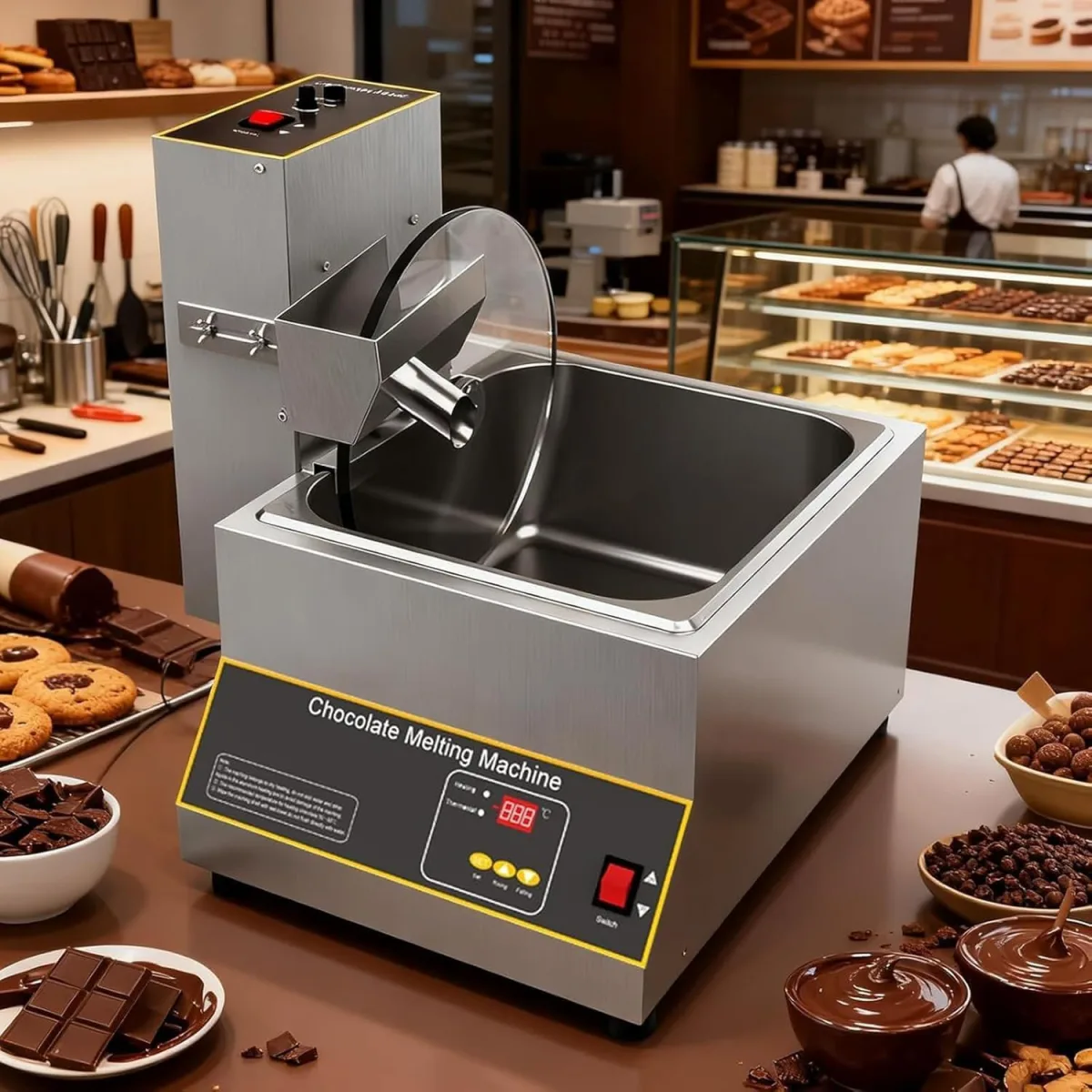
Let me tell you something, I learned the hard way about chocolate tempering. It was my first big bakery gig in Nashville, a swanky little patisserie downtown that wanted to elevate their dessert game. We had these gorgeous bonbons, hand-painted with gold leaf, and the owner wanted them to *snap* when customers bit into them. Not melt in their hands like some sad, waxy mess. So, I did what any self-respecting pastry chef would do: I grabbed a thermometer, a bowl, and a spatula, and I got to work. Three hours later, I had a counter covered in streaky, dull chocolate and a headache that could’ve powered a small wind turbine. That’s when I realized, there’s a reason commercial chocolate tempering machines exist. And no, they’re not just for the big players.
If you’re running a bakery, whether it’s a cozy neighborhood spot or a high-volume production kitchen, tempering chocolate by hand is like trying to paint the Mona Lisa with a toothbrush. It’s doable, but why would you? A good commercial chocolate tempering machine</’t just save you time, it’ll save your sanity, your consistency, and, frankly, your reputation. But here’s the thing: not all machines are created equal. Some are overkill for a small bakery, while others won’t cut it for a shop churning out hundreds of truffles a day. So, how do you choose? That’s what we’re diving into today. By the end of this guide, you’ll know:
- Why tempering matters (and what happens when you skip it)
- The different types of commercial tempering machines and which one fits your bakery’s needs
- Key features to look for (and the ones that are just marketing fluff)
- How to maintain your machine so it doesn’t die on you mid-batch
- The hidden costs and considerations no one tells you about
Oh, and full disclosure: I’m not here to sell you a specific brand. I’ve worked with enough equipment to know that what works for one bakery might be a disaster for another. My goal? To give you the unfiltered truth so you can make the best decision for *your* kitchen. Sound good? Let’s get into it.
Why Tempering Matters (And Why Your Bakery Can’t Afford to Skip It)
What Even Is Tempering, Anyway?
Alright, let’s start with the basics because, honestly, I’ve met way too many bakers who treat tempering like some kind of culinary voodoo. It’s not. Tempering is just the process of heating, cooling, and reheating chocolate to specific temperatures to stabilize its cocoa butter crystals. When chocolate is tempered correctly, it has that signature snap, a glossy finish, and it doesn’t melt at the slightest touch. When it’s not? Well, you get that sad, streaky, grayish mess that looks like it’s been sitting in a gas station for a week.
Here’s the science-y part (stick with me): Chocolate has six different types of cocoa butter crystals, but only one, Form V, gives you that perfect texture and shine. Tempering encourages the formation of these crystals while discouraging the others. If you skip tempering or do it wrong, you’ll end up with Form IV crystals, which are softer and melt at lower temperatures. That’s why untempered chocolate feels waxy and melts in your hand like a cheap chocolate bar from a vending machine.
Now, you might be thinking, *”But Sammy, I’ve seen recipes that say you can just melt chocolate and call it a day.”* And yeah, you *can*, but you’re sacrificing quality for convenience. If you’re making a ganache or a mousse, untempered chocolate is fine. But if you’re dipping truffles, molding bonbons, or coating cakes, tempering is non-negotiable. Trust me, your customers *will* notice the difference.
The Risks of Skipping Tempering (Or Doing It Wrong)
I get it, tempering by hand is a pain. It’s time-consuming, it’s finicky, and if you’re not paying attention, you can ruin an entire batch in seconds. But here’s the thing: the risks of skipping it (or messing it up) go beyond just aesthetics. Let’s break it down:
- Bloom: Ever seen chocolate with those weird white streaks or spots? That’s bloom, and it happens when cocoa butter or sugar rises to the surface. It’s not mold, and it’s not unsafe to eat, but it looks gross. Bloom is a dead giveaway that the chocolate wasn’t tempered properly, and it’ll make your products look amateurish.
- Texture Issues: Untempered chocolate is soft and melts easily. That means your bonbons might stick together in the display case, or your chocolate-dipped strawberries could leave a mess on your customers’ hands. No one wants to eat a dessert that feels like it’s sweating.
- Shelf Life: Tempered chocolate has a longer shelf life because the stable crystals prevent the cocoa butter from separating. Untempered chocolate? It’ll start to degrade faster, which means more waste and fewer profits.
- Customer Perception: Let’s be real, people eat with their eyes first. If your chocolate looks dull or streaky, customers are going to assume it tastes bad, even if it doesn’t. And in a world where Instagram and TikTok rule, presentation is everything.
So, yeah, tempering matters. But here’s the kicker: doing it by hand is a recipe for inconsistency. One batch might turn out great, and the next might be a disaster. That’s where commercial chocolate tempering machines come in. They take the guesswork out of the process, so you can focus on what really matters, making delicious treats.
Types of Commercial Chocolate Tempering Machines: Which One’s Right for Your Bakery?
Alright, let’s talk machines. Not all tempering machines are created equal, and the right one for your bakery depends on a few key factors: your volume, your budget, and how much control you want over the process. I’ve worked with everything from tabletop models to industrial beasts, and let me tell you, there’s a big difference between them. Here’s a breakdown of the main types you’ll encounter.
1. Tabletop Tempering Machines
These are the entry-level options, perfect for small bakeries, cafes, or home-based businesses that don’t need to temper massive quantities of chocolate. Tabletop machines are compact, relatively affordable, and easy to use. They’re ideal if you’re dipping truffles, molding small batches of bonbons, or coating pastries.
Pros:
- Affordable (usually between $500 and $2,000)
- Small footprint, won’t take up much counter space
- Simple to operate (most have pre-programmed settings for dark, milk, and white chocolate)
- Great for small batches (typically 1-5 kg of chocolate at a time)
Cons:
- Limited capacity, if you’re tempering more than 5 kg at a time, you’ll be waiting around for multiple batches
- Slower than larger machines (can take 20-30 minutes per batch)
- Less precise temperature control (some cheaper models struggle with consistency)
- Not ideal for high-volume production
Best for: Small bakeries, cafes, home-based chocolatiers, or anyone just starting out with chocolate work.
I’ll be honest, when I first started using a tabletop machine, I was skeptical. Could a machine that small really replace the precision of hand-tempering? Turns out, yes. The first time I used one, I tempered a batch of dark chocolate in under 20 minutes, and it came out *perfect*-glossy, snappy, and consistent. No more guessing, no more thermometer juggling. Just set it and forget it (well, mostly).
2. Floor-Standing Tempering Machines
If you’re running a mid-sized bakery or a chocolate shop that produces a decent volume of treats, a floor-standing machine is probably your best bet. These machines are larger, more powerful, and can handle bigger batches of chocolate, usually between 10 and 30 kg at a time. They’re still user-friendly, but they offer more control and faster tempering times than tabletop models.
Pros:
- Higher capacity (10-30 kg per batch)
- Faster tempering times (10-20 minutes per batch)
- More precise temperature control
- Durable and built to last
- Some models have wheels for easy mobility
Cons:
- More expensive (typically $3,000 to $10,000)
- Takes up more space, you’ll need a dedicated area in your kitchen
- Heavier and harder to move around
- Overkill for very small operations
Best for: Mid-sized bakeries, chocolate shops, or patisseries that produce a moderate to high volume of chocolate treats.
I remember the first time I used a floor-standing machine. It was at a bakery in San Francisco, and we were prepping for Valentine’s Day, hundreds of heart-shaped truffles, all needing a perfect chocolate coating. The machine handled it like a champ. We tempered batch after batch without any issues, and the chocolate came out consistently glossy every time. If you’re serious about chocolate work, this is the sweet spot (pun intended) between affordability and performance.
3. Continuous Tempering Machines
Now we’re getting into the big leagues. Continuous tempering machines are designed for high-volume production, think large-scale chocolate manufacturers, industrial bakeries, or confectionery companies that need to temper hundreds of kilograms of chocolate a day. These machines are beasts, both in size and capability. They’re not just tempering chocolate; they’re doing it non-stop, with minimal downtime between batches.
Pros:
- Massive capacity (50 kg to several hundred kg per hour)
- Continuous operation, no waiting between batches
- Extremely precise temperature control
- Automated processes (some models can even be integrated with other equipment)
- Ideal for large-scale production
Cons:
- Expensive (anywhere from $10,000 to $50,000 or more)
- Huge footprint, you’ll need a lot of space and a dedicated power supply
- Complex to operate and maintain
- Overkill for most bakeries (unless you’re producing chocolate on an industrial scale)
Best for: Large bakeries, industrial chocolate manufacturers, or confectionery companies with high-volume production needs.
I’ve only worked with continuous tempering machines a handful of times, and let me tell you, they’re impressive. The first time I saw one in action, it was like watching a chocolate factory from *Willy Wonka*-except real. Chocolate went in one end, and perfectly tempered, glossy chocolate came out the other, ready to be molded or enrobed. But here’s the thing: unless you’re producing chocolate at an industrial scale, these machines are probably overkill. They’re expensive, they’re complex, and they require a lot of maintenance. For most bakeries, a floor-standing machine will do just fine.
4. Enrobing Machines with Built-In Tempering
If you’re coating a lot of treats, think chocolate-covered pretzels, cookies, or cakes, an enrobing machine with built-in tempering might be the way to go. These machines are designed to coat large quantities of items quickly and evenly, and many of them come with a tempering unit built right in. This means you don’t have to temper the chocolate separately; the machine does it for you as it coats your treats.
Pros:
- Efficient for coating large quantities of items
- Built-in tempering means no separate machine needed
- Consistent, even coating every time
- Some models have adjustable settings for different coating thicknesses
Cons:
- Expensive (typically $5,000 to $20,000 or more)
- Large and bulky, you’ll need a lot of space
- Not versatile (primarily designed for coating, not molding or dipping)
- Overkill if you’re not coating a ton of items
Best for: Bakeries or confectionery shops that specialize in chocolate-coated treats (e.g., chocolate-covered strawberries, pretzels, or cookies).
I’ll admit, I was skeptical about enrobing machines at first. I thought, *”How different can it be from hand-dipping?”* Turns out, very. The first time I used one, I was coating hundreds of cookies for a holiday order, and the machine did it in a fraction of the time it would’ve taken me to do it by hand. Plus, the coating was *perfect*-even, glossy, and consistent. If you’re doing a lot of coating, this is a game-changer.
5. Manual vs. Automatic Tempering Machines
Within each of these categories, you’ll find machines that are either manual, semi-automatic, or fully automatic. Here’s the breakdown:
- Manual: You control everything, temperature settings, timing, stirring. These are the most affordable but require the most skill and attention. Best for small operations or chocolatiers who want complete control over the process.
- Semi-Automatic: The machine handles the tempering process, but you still need to add the chocolate, monitor the temperature, and adjust settings as needed. These are a good middle ground for bakeries that want consistency without the hassle of manual tempering.
- Fully Automatic: Just add chocolate, press a button, and let the machine do the rest. These are the most expensive but also the most convenient. Ideal for high-volume production where consistency is key.
I’ve used all three types, and honestly, it depends on what you’re looking for. If you’re a small bakery with a limited budget, a manual or semi-automatic machine might be the way to go. But if you’re producing a lot of chocolate and need consistency, a fully automatic machine is worth the investment.
Key Features to Look for in a Commercial Chocolate Tempering Machine
Alright, so you’ve decided you need a tempering machine. Great! But now comes the hard part: choosing the right one. There are *so* many options out there, and it’s easy to get overwhelmed. Do you need all the bells and whistles, or is a basic model enough? What features are actually important, and which ones are just marketing fluff? Let’s break it down.
1. Capacity: How Much Chocolate Do You Really Need to Temper?
This is the first question you should ask yourself. How much chocolate are you tempering on a regular basis? If you’re a small bakery making a few dozen truffles a day, a machine with a 1-5 kg capacity might be plenty. But if you’re producing hundreds of bonbons or coating dozens of cakes, you’ll need something with a larger capacity.
Here’s a rough guide:
- 1-5 kg: Small bakeries, cafes, or home-based businesses
- 5-15 kg: Mid-sized bakeries or chocolate shops
- 15-30 kg: Larger bakeries or confectionery shops with moderate to high production
- 30+ kg: Industrial-scale production (think large chocolate manufacturers)
I made the mistake early on of buying a machine with a larger capacity than I needed. I thought, *”Bigger is better, right?”* Wrong. A machine with a 15 kg capacity was way too big for my small bakery, and it took up valuable counter space. Plus, it was overkill for the amount of chocolate I was tempering. Lesson learned: buy what you need, not what you *think* you might need someday.
2. Temperature Control: Precision Is Everything
Tempering is all about temperature control. Too hot, and you’ll melt the cocoa butter crystals. Too cold, and the chocolate won’t set properly. That’s why precise temperature control is the most important feature to look for in a tempering machine. Here’s what to consider:
- Temperature Range: Look for a machine that can handle a wide range of temperatures (usually between 20°C and 60°C). This will give you the flexibility to work with different types of chocolate (dark, milk, white) and adapt to different tempering methods.
- Temperature Accuracy: The machine should maintain a consistent temperature within ±1°C. Anything less precise, and you risk ruining your chocolate.
- Pre-Programmed Settings: Many machines come with pre-programmed settings for dark, milk, and white chocolate. This is a huge time-saver, especially if you’re new to tempering.
- Adjustable Settings: If you’re an experienced chocolatier, you might want a machine that allows you to customize the tempering process. This is especially useful if you’re working with specialty chocolates or experimenting with different techniques.
I’ve used machines with both digital and analog temperature controls, and let me tell you, digital is the way to go. Analog controls are less precise, and they require more monitoring. With a digital machine, you can set the temperature and walk away, knowing it’ll stay consistent. That’s a game-changer when you’re juggling multiple tasks in a busy kitchen.
3. Heating and Cooling Speed: Time Is Money
In a bakery, time is everything. The faster you can temper your chocolate, the more efficient your production will be. That’s why heating and cooling speed is an important factor to consider. Look for a machine that can heat and cool chocolate quickly without sacrificing precision.
Here’s what to look for:
- Fast Heating: The machine should be able to heat chocolate to the desired temperature within 10-15 minutes. Anything longer, and you’re wasting time.
- Rapid Cooling: Cooling is just as important as heating. The machine should be able to cool the chocolate to the tempering temperature quickly and evenly.
- Consistent Performance: The machine should maintain its speed and precision over multiple batches. Some cheaper models slow down after a few uses, which can be frustrating.
I once worked with a machine that took *forever* to heat up. It was a small tabletop model, and it would take 30 minutes just to get the chocolate to the right temperature. By the time it was ready, I could’ve tempered two batches by hand. Needless to say, I didn’t keep that machine for long.
4. Ease of Use: Because No One Has Time for a Learning Curve
Let’s be real, no one wants to spend hours reading a manual just to figure out how to use a machine. That’s why ease of use is a critical factor, especially if you’re running a busy bakery. Here’s what to look for:
- Intuitive Controls: The machine should have clear, easy-to-use controls. Look for a digital display with simple buttons or a touchscreen interface.
- Pre-Programmed Settings: As I mentioned earlier, pre-programmed settings for dark, milk, and white chocolate are a huge time-saver. They take the guesswork out of tempering, so you can focus on other tasks.
- Easy Cleaning: Chocolate is messy, and tempering machines can be a pain to clean. Look for a machine with removable parts, non-stick surfaces, and easy-to-access components. Some machines even have self-cleaning functions, which are a lifesaver.
- Clear Instructions: The machine should come with a user-friendly manual or quick-start guide. Bonus points if the manufacturer offers video tutorials or customer support.
I’ve used machines that were so complicated, I needed a PhD in engineering to operate them. And I’ve used machines that were so simple, even my cat (Luna, who is *not* a culinary expert) could probably figure them out. Guess which ones I preferred?
5. Durability and Build Quality: Because You Don’t Want It to Break Mid-Batch
A tempering machine is an investment, and you want it to last. That’s why durability and build quality are so important. Here’s what to look for:
- Stainless Steel Construction: Stainless steel is durable, easy to clean, and resistant to corrosion. Look for a machine with a stainless steel tank and components.
- High-Quality Heating Elements: The heating elements should be made from high-quality materials that won’t burn out or degrade over time. Cheap heating elements can lead to inconsistent temperatures and frequent repairs.
- Reliable Motor: If the machine has a stirring or mixing function, the motor should be powerful and durable. A weak motor can struggle with thick chocolate or large batches.
- Warranty and Customer Support: A good warranty is a sign that the manufacturer stands behind their product. Look for a machine with at least a 1-year warranty, and check reviews to see how responsive the customer support is.
I’ve had machines that lasted years with minimal maintenance, and I’ve had machines that broke down after a few months. The difference? Build quality. A well-built machine might cost more upfront, but it’ll save you money in the long run by lasting longer and requiring fewer repairs.
6. Additional Features: The Nice-to-Haves
Once you’ve narrowed down the essentials, you can start looking at additional features that might make your life easier. These aren’t deal-breakers, but they can be nice to have:
- Automatic Stirring: Some machines come with an automatic stirring function, which ensures the chocolate is evenly heated and cooled. This is especially useful for larger batches.
- Adjustable Speed: If the machine has a stirring function, adjustable speed settings can be helpful for different types of chocolate. Thicker chocolates (like dark chocolate) might require a slower speed, while thinner chocolates (like white chocolate) can handle a faster speed.
- Memory Settings: Some machines allow you to save custom tempering settings. This is useful if you work with specialty chocolates or have a specific tempering process you prefer.
- Portability: If you need to move the machine around your kitchen, look for one with wheels or a lightweight design. Some tabletop models are compact enough to store when not in use.
- Noise Level: Some machines can be loud, especially larger models with powerful motors. If noise is a concern, look for a machine with a quiet operation.
I’ll admit, I’m a sucker for nice-to-have features. My current machine has automatic stirring and memory settings, and it’s made my life so much easier. But if you’re on a budget, don’t feel like you need all the bells and whistles. Focus on the essentials first, and you can always upgrade later.
How to Maintain Your Commercial Chocolate Tempering Machine (So It Doesn’t Die on You Mid-Batch)
Alright, so you’ve invested in a commercial chocolate tempering machine. Congrats! But here’s the thing: if you don’t take care of it, it’s not going to take care of you. I’ve seen too many bakers neglect their equipment, only to end up with a broken machine and a ruined batch of chocolate. Don’t be that person. Here’s how to keep your tempering machine in tip-top shape.
1. Cleaning: The Most Important (and Most Overlooked) Task
Chocolate is sticky, messy, and prone to burning if left unattended. That’s why regular cleaning is non-negotiable. Here’s how to do it right:
- After Every Use: Wipe down the tank and any removable parts with a damp cloth to remove excess chocolate. Don’t let chocolate harden in the machine, it’s a pain to scrape off later.
- Deep Clean Weekly: Once a week, give your machine a thorough cleaning. Most machines have removable parts (like the tank, stirring rod, or temperature probe) that can be washed with warm, soapy water. Avoid abrasive cleaners or scrubbers, as they can damage the non-stick coating.
- Descaling: Over time, mineral deposits can build up in the machine, especially if you’re using hard water. Descaling removes these deposits and keeps your machine running smoothly. Check your machine’s manual for specific descaling instructions, some machines have a built-in descaling function, while others require a special descaling solution.
- Drying: After cleaning, make sure all parts are completely dry before reassembling the machine. Moisture can lead to mold or corrosion, which is the last thing you want in your chocolate.
I’ll be honest, I used to skip the deep cleaning. I’d wipe down the machine after use and call it a day. Big mistake. After a few months, I noticed the chocolate wasn’t tempering as consistently, and the machine was making weird noises. Turns out, chocolate residue had built up in the heating elements, causing uneven heating. A thorough descaling fixed the problem, but I learned my lesson: clean your machine *properly* and *regularly*.
2. Regular Maintenance: Because Prevention Is Better Than Cure
Cleaning is just one part of maintenance. To keep your machine running smoothly, you’ll also need to perform regular checks and upkeep. Here’s what to do:
- Check the Temperature Probe: The temperature probe is one of the most important parts of your machine. If it’s not working correctly, your chocolate won’t temper properly. Test it regularly with a separate thermometer to ensure it’s accurate. If it’s off by more than a degree or two, it might need to be recalibrated or replaced.
- Inspect the Heating Elements: Over time, heating elements can wear out or become less efficient. If you notice your machine is taking longer to heat up or struggling to maintain a consistent temperature, the heating elements might be the culprit. Check them regularly for signs of wear or damage.
- Lubricate Moving Parts: If your machine has a stirring or mixing function, the motor and other moving parts will need occasional lubrication. Check your manual for specific instructions, some machines require food-grade lubricant, while others have sealed components that don’t need lubrication.
- Tighten Loose Screws and Bolts: Vibrations from the machine can cause screws and bolts to loosen over time. Check them regularly and tighten as needed to prevent parts from coming loose or falling off.
- Replace Worn-Out Parts: Some parts, like gaskets or seals, will wear out over time and need to be replaced. Keep an eye on these components and replace them as soon as they show signs of wear.
I once ignored a loose screw on my machine, thinking it wasn’t a big deal. Spoiler alert: it was. The screw came loose during a batch, and the stirring rod started wobbling, causing the chocolate to splash everywhere. It was a mess, and I had to stop production to fix it. Lesson learned: don’t ignore the little things.
3. Troubleshooting Common Issues: Because Things *Will* Go Wrong
Even with regular maintenance, your tempering machine might run into issues from time to time. Here are some common problems and how to fix them:
- Chocolate Isn’t Tempering Properly: If your chocolate is streaky, dull, or doesn’t set correctly, the most likely culprit is the temperature. Check the temperature probe to ensure it’s accurate, and make sure the machine is set to the correct tempering temperature for your type of chocolate. If the probe is off, recalibrate or replace it.
- Machine Won’t Heat Up: If the machine isn’t heating, check the power supply first. Make sure it’s plugged in and the outlet is working. If the power supply is fine, the heating elements might be faulty. In this case, you’ll need to contact the manufacturer for repairs.
- Machine Overheating: If the machine is overheating, it could be due to a faulty thermostat or a buildup of chocolate residue in the heating elements. Turn off the machine and let it cool down, then clean it thoroughly. If the problem persists, the thermostat might need to be replaced.
- Strange Noises: If your machine is making unusual noises (grinding, squeaking, etc.), it could be due to a loose part, a worn-out motor, or a lack of lubrication. Turn off the machine and inspect it for any obvious issues. If you can’t find the problem, contact the manufacturer for assistance.
- Chocolate Sticking to the Tank: If chocolate is sticking to the tank, it could be due to a damaged non-stick coating or improper cleaning. Clean the tank thoroughly and check for any scratches or damage. If the coating is damaged, you might need to replace the tank.
I’ve dealt with all of these issues at one point or another, and let me tell you, troubleshooting is *not* fun when you’re in the middle of a busy production day. That’s why it’s so important to perform regular maintenance, it can prevent a lot of these problems from happening in the first place.
4. Storage: Because Chocolate Machines Need Love Too
If you’re not using your tempering machine every day, you’ll need to store it properly to keep it in good condition. Here’s how:
- Clean It Thoroughly: Before storing the machine, clean it thoroughly to remove any chocolate residue. Make sure all parts are completely dry to prevent mold or corrosion.
- Cover It Up: Dust and debris can get into the machine if it’s left uncovered. Use a dust cover or a clean cloth to protect it while it’s in storage.
- Store in a Dry Place: Moisture is the enemy of chocolate machines. Store your machine in a dry, climate-controlled area to prevent rust or corrosion.
- Check on It Occasionally: Even if you’re not using the machine, check on it every few weeks to make sure it’s still in good condition. Look for signs of rust, mold, or other issues.
I once stored my machine in a damp corner of the kitchen, thinking it would be fine. Spoiler alert: it wasn’t. When I pulled it out a few months later, I found rust on the heating elements and a musty smell. It took a lot of cleaning (and a few prayers) to get it working again. Don’t make my mistake, store your machine properly!
The Hidden Costs and Considerations No One Tells You About
Alright, let’s talk about the elephant in the room: commercial chocolate tempering machines aren’t cheap. And the upfront cost is just the beginning. There are a lot of hidden costs and considerations that no one tells you about until it’s too late. Here’s what you need to know before you buy.
1. The Upfront Cost: It’s More Than Just the Machine
When you’re budgeting for a tempering machine, it’s easy to focus solely on the price tag. But the upfront cost is just one part of the equation. Here are some other expenses to consider:
- Shipping and Handling: Commercial tempering machines are heavy, and shipping costs can add up quickly. Some manufacturers offer free shipping, while others charge hundreds of dollars. Make sure to factor this into your budget.
- Installation: Depending on the size and complexity of the machine, you might need professional installation. This can cost anywhere from a few hundred to a few thousand dollars. Some manufacturers include installation in the purchase price, so be sure to ask.
- Accessories: Most machines come with basic accessories (like a stirring rod or temperature probe), but you might need to buy additional tools, like a chocolate melter, a dipping fork, or a cooling rack. These can add up quickly, so make sure to budget for them.
- Training: If you or your staff aren’t familiar with tempering machines, you might need training. Some manufacturers offer on-site training, while others provide video tutorials or manuals. If training isn’t included, you might need to hire a consultant or send your staff to a class.
I made the mistake of not budgeting for shipping when I bought my first machine. The machine itself was $2,500, but shipping was another $500. Ouch. Lesson learned: always ask about shipping costs upfront.
2. Energy Consumption: Because Chocolate Machines Are Power Hungry
Tempering machines require a lot of energy to heat and cool chocolate quickly and consistently. That means higher electricity bills. Here’s what to consider:
- Power Requirements: Check the machine’s power requirements before you buy. Some machines require a dedicated circuit or a specific voltage. If your kitchen isn’t set up for it, you might need to hire an electrician to install a new circuit, which can be expensive.
- Energy Efficiency: Not all machines are created equal when it comes to energy efficiency. Look for a machine with an energy-efficient design, like insulated tanks or programmable settings. These can help reduce your energy consumption and save you money in the long run.
- Usage Patterns: How often you use the machine will also affect your energy costs. If you’re tempering chocolate all day, every day, your energy bills will be higher than if you’re only using the machine occasionally.
I once worked in a bakery with an older tempering machine that was *not* energy-efficient. Our electricity bills were through the roof, and we eventually had to replace the machine with a more efficient model. If you’re running a high-volume operation, energy efficiency should be a top priority.
3. Maintenance and Repairs: Because Things *Will* Break
No matter how well you take care of your machine, things will eventually break. Here’s what to consider:
- Warranty: A good warranty can save you a lot of money on repairs. Look for a machine with at least a 1-year warranty, and check what’s covered. Some warranties only cover manufacturing defects, while others cover wear and tear.
- Extended Warranties: Some manufacturers offer extended warranties for an additional cost. These can be worth it if you’re running a high-volume operation, but they’re not always necessary for smaller bakeries.
- Replacement Parts: Over time, parts like gaskets, seals, and temperature probes will wear out and need to be replaced. Check the availability and cost of replacement parts before you buy. Some manufacturers make it easy to order parts online, while others require you to go through a dealer.
- Repair Costs: If something breaks, you’ll need to get it repaired. Some manufacturers offer on-site repairs, while others require you to ship the machine back to them. Either way, repairs can be expensive, so make sure to budget for them.
I’ve had machines that needed repairs within the first year, and it’s always a hassle. One time, the temperature probe stopped working, and I had to ship the machine back to the manufacturer for repairs. It took *weeks*, and I had to temper chocolate by hand in the meantime. Not fun. That’s why it’s so important to choose a machine with a good warranty and reliable customer support.
4. Space and Workflow: Because Your Kitchen Isn’t Infinite
Tempering machines take up space, and they can disrupt your kitchen’s workflow if you’re not careful. Here’s what to consider:
- Footprint: Measure your kitchen before you buy a machine. Make sure you have enough space for the machine itself, as well as room to move around it. Don’t forget to account for ventilation, some machines get hot and need proper airflow.
- Placement: Think about where you’ll place the machine in your kitchen. It should be in a convenient location, close to your other chocolate workstations. You don’t want to be running back and forth across the kitchen every time you need to temper chocolate.
- Workflow Integration: How will the machine fit into your existing workflow? Will it make your production more efficient, or will it create bottlenecks? Think about how you’ll use the machine and whether it’ll streamline your processes.
I once worked in a bakery where the tempering machine was placed in the *worst* possible spot, right next to the oven. The machine would overheat, and the chocolate would melt before it even had a chance to temper. We eventually had to move it to a cooler part of the kitchen, which disrupted our workflow for weeks. Lesson learned: think about placement *before* you buy.
5. Training and Staff Buy-In: Because a Machine Is Only as Good as the People Using It
A tempering machine is a big investment, and it’s only worth it if your staff knows how to use it. Here’s what to consider:
- Training: Make sure your staff is trained on how to use the machine. This includes not only the basics (like how to turn it on and set the temperature) but also troubleshooting common issues. Some manufacturers offer on-site training, while others provide video tutorials or manuals.
- Staff Buy-In: If your staff is resistant to using the machine, it’s not going to be worth the investment. Make sure everyone understands the benefits of the machine and how it’ll make their jobs easier. Get their input before you buy, and involve them in the training process.
- Consistency: One of the biggest benefits of a tempering machine is consistency. But if your staff isn’t using it correctly, you won’t get that consistency. Make sure everyone is on the same page when it comes to tempering techniques and machine settings.
I’ve seen bakeries invest in expensive tempering machines, only to have them sit unused because the staff didn’t know how to operate them. Don’t let that be you. Make sure your team is trained and on board before you buy.
How to Choose the Right Commercial Chocolate Tempering Machine for Your Bakery
Alright, we’ve covered a *lot* of ground so far. You know why tempering matters, the different types of machines, key features to look for, and the hidden costs to consider. Now, let’s put it all together and talk about how to choose the *right* machine for your bakery. Because let’s be real, this is a big decision, and you don’t want to mess it up.
1. Assess Your Needs: What’s Your Production Volume?
The first step in choosing a tempering machine is to assess your needs. How much chocolate are you tempering on a regular basis? Here’s a quick breakdown:
- Low Volume (1-5 kg per day): If you’re a small bakery, cafe, or home-based business, a tabletop tempering machine with a 1-5 kg capacity should be plenty. These machines are affordable, compact, and easy to use.
- Medium Volume (5-20 kg per day): If you’re a mid-sized bakery or chocolate shop, a floor-standing machine with a 10-20 kg capacity is a good choice. These machines are more powerful and can handle larger batches.
- High Volume (20+ kg per day): If you’re producing chocolate on an industrial scale, you’ll need a continuous tempering machine or an enrobing machine with built-in tempering. These machines are expensive and complex, but they’re designed for high-volume production.
I’ll be honest, I’ve made the mistake of buying a machine that was too big for my needs. I thought, *”I’ll grow into it.”* But the truth is, a machine that’s too big is just as problematic as one that’s too small. It takes up space, uses more energy, and can be overkill for your production volume. Be realistic about your needs, and choose a machine that fits your current production.
2. Set a Budget: Because Money Doesn’t Grow on Trees
Tempering machines range in price from a few hundred dollars to tens of thousands of dollars. Before you start shopping, set a budget. Here’s a rough guide:
- $500-$2,000: Tabletop tempering machines
- $3,000-$10,000: Floor-standing tempering machines
- $10,000-$50,000: Continuous tempering machines or enrobing machines with built-in tempering
Remember, the upfront cost is just one part of the equation. You’ll also need to budget for shipping, installation, accessories, training, and maintenance. Don’t forget to factor in energy costs and potential repair costs as well.
I’ve seen bakeries blow their entire equipment budget on a fancy tempering machine, only to realize they don’t have enough left for other essential tools. Don’t let that be you. Set a realistic budget, and stick to it.
3. Research Brands and Models: Because Not All Machines Are Created Equal
Once you’ve assessed your needs and set a budget, it’s time to start researching brands and models. Here’s what to look for:
- Reputation: Look for brands with a good reputation in the industry. Check reviews, ask other bakers for recommendations, and see what’s popular in professional kitchens.
- Customer Support: A good warranty and responsive customer support are crucial. Check reviews to see how the manufacturer handles repairs and replacements.
- Features: Make a list of the features that are most important to you (e.g., capacity, temperature control, ease of use). Compare different models to see which ones meet your needs.
- Durability: Look for machines with a sturdy build and high-quality components. A well-built machine will last longer and require fewer repairs.
I’ve worked with machines from a lot of different brands, and let me tell you, there’s a big difference in quality. Some brands are known for their durability and precision, while others are notorious for breaking down or producing inconsistent results. Do your research, and choose a brand you can trust.
4. Test Before You Buy: Because Seeing Is Believing
If possible, test the machine before you buy it. Many manufacturers offer demo models or have showrooms where you can try out the machine. If you can’t test it in person, ask for a video demo or a trial period.
Here’s what to look for when testing a machine:
- Ease of Use: Is the machine easy to operate? Are the controls intuitive, or do you need a manual to figure them out?
- Performance: Does the machine temper chocolate quickly and consistently? Does it maintain a stable temperature?
- Noise Level: Is the machine loud? If you’re working in a small kitchen, a noisy machine can be a distraction.
- Cleaning: Is the machine easy to clean? Are the parts removable and dishwasher-safe?
I once bought a machine without testing it first, and it was a disaster. The controls were confusing, the temperature was inconsistent, and it was *loud*. I ended up returning it and buying a different model. Lesson learned: always test before you buy.
5. Consider Used or Refurbished Machines: Because New Isn’t Always Better
If you’re on a tight budget, consider buying a used or refurbished tempering machine. Many manufacturers and dealers offer refurbished machines at a fraction of the cost of a new one. Just make sure to do your due diligence:
- Check the Condition: Ask for photos and videos of the machine in action. Look for signs of wear or damage, like scratches, dents, or rust.
- Ask About the History: How was the machine used? Was it well-maintained? Are there any known issues?
- Test It Out: If possible, test the machine before you buy it. Make sure it works properly and produces consistent results.
- Check the Warranty: Some refurbished machines come with a warranty, while others don’t. Make sure you understand what’s covered before you buy.
I’ve bought a few used machines over the years, and they’ve worked out great. Just make sure you’re buying from a reputable dealer, and don’t be afraid to ask questions. A good dealer will be transparent about the machine’s history and condition.
6. Think About the Future: Because Your Bakery Might Grow
When choosing a tempering machine, it’s important to think about your bakery’s future. Are you planning to expand your production? Will you be offering new products that require tempered chocolate? If so, you might want to invest in a machine with a larger capacity or more advanced features.
That said, don’t buy a machine that’s too big for your current needs. It’s better to start small and upgrade later than to invest in a machine that’s overkill for your production volume. You can always sell your old machine and upgrade when the time is right.
I’ve seen bakeries outgrow their tempering machines within a year, and it’s always a hassle to upgrade. If you’re planning to expand, choose a machine that can grow with you, but don’t go overboard.
Final Thoughts: Is a Commercial Chocolate Tempering Machine Worth It?
So, here we are at the end of this guide. You’ve learned why tempering matters, the different types of machines, key features to look for, and how to choose the right one for your bakery. But the big question remains: is a commercial chocolate tempering machine worth the investment?
For me, the answer is a resounding *yes*. When I first started tempering chocolate by hand, I thought I was saving money. But the truth is, I was wasting time, energy, and chocolate. A good tempering machine has saved me countless hours, reduced waste, and improved the quality of my products. It’s one of the best investments I’ve made for my bakery.
That said, it’s not a decision to take lightly. A tempering machine is a big investment, and it’s only worth it if you’re serious about chocolate work. If you’re just dipping the occasional truffle or making a few bonbons a week, you might not need a machine. But if you’re producing chocolate on a regular basis, it’s a game-changer.
So, what’s next? If you’re ready to take the plunge, start by assessing your needs, setting a budget, and researching brands. Test a few machines if you can, and don’t be afraid to ask for recommendations. And remember, this is an investment in your bakery’s future. Choose wisely, and your machine will pay for itself in no time.
And hey, if you’re still on the fence, why not try renting a machine for a week or two? Some manufacturers and dealers offer rental programs, which can be a great way to test a machine before you buy. It’s a low-risk way to see if a tempering machine is right for you.
At the end of the day, the goal is to make your life easier and your products better. If a tempering machine can help you do that, it’s worth every penny. Now go forth and temper some chocolate, your customers (and your sanity) will thank you.
FAQ: Your Burning Questions About Commercial Chocolate Tempering Machines
Q: Can I use a commercial chocolate tempering machine for other tasks, like melting chocolate for ganache or mousse?
A: Absolutely! While tempering machines are designed for tempering, they can also be used to melt chocolate for other purposes. Just make sure to clean the machine thoroughly between uses to avoid cross-contamination. Some machines even have a dedicated melting function, which can be a time-saver.
Q: How long does it take to temper chocolate in a commercial machine?
A: The time it takes to temper chocolate depends on the machine and the batch size. Tabletop machines typically take 20-30 minutes per batch, while larger machines can temper chocolate in 10-20 minutes. Continuous tempering machines can temper chocolate non-stop, with minimal downtime between batches.
Q: Can I temper different types of chocolate (dark, milk, white) in the same machine?
A: Yes, most commercial tempering machines can handle dark, milk, and white chocolate. Just make sure to clean the machine thoroughly between batches to avoid cross-contamination. Some machines have pre-programmed settings for different types of chocolate, which can make the process even easier.
Q: What’s the difference between a tempering machine and a chocolate melter?
A: A chocolate melter is designed to melt chocolate quickly and evenly, but it doesn’t temper the chocolate. Tempering machines, on the other hand, are designed to heat, cool, and reheat chocolate to specific temperatures to stabilize the cocoa butter crystals. If you’re dipping truffles, molding bonbons, or coating cakes, you’ll need a tempering machine. If you’re just melting chocolate for ganache or mousse, a melter will do the trick.
@article{the-ultimate-guide-to-commercial-chocolate-tempering-machines-for-bakeries-what-you-really-need-to-know-before-buying,
    title   = {The Ultimate Guide to Commercial Chocolate Tempering Machines for Bakeries: What You Really Need to Know Before Buying},
    author  = {Chef's icon},
    year    = {2026},
    journal = {Chef's Icon},
    url     = {https://chefsicon.com/commercial-chocolate-tempering-machines-guide-for-bakeries/}
}