The Best Fluffy Pancakes recipe you will fall in love with. Full of tips and tricks to help you make the best pancakes.
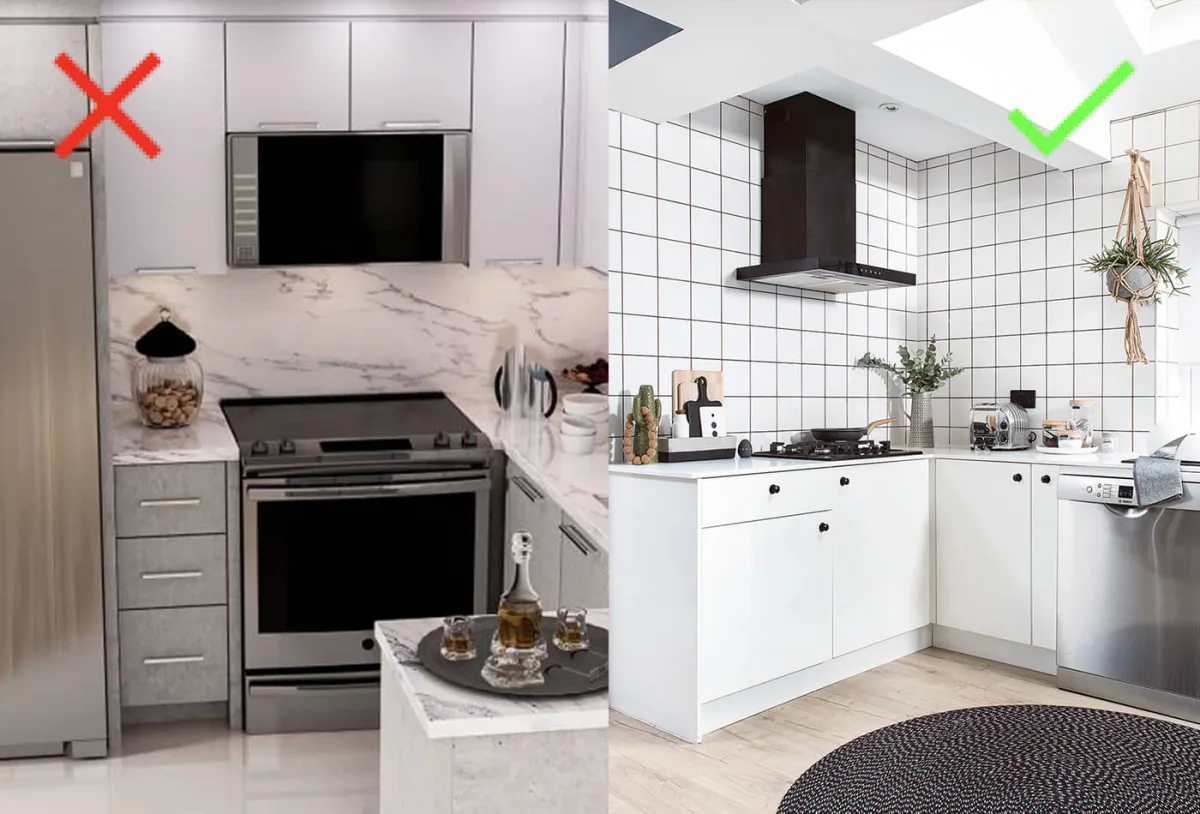
Let me set the scene: It’s 2023, I’ve just moved into my first real Nashville apartment, a charming but painfully compact shotgun-style place with a kitchen so narrow I could touch both walls if I stretched my arms. Luna, my rescue cat, watches with judgment as I attempt to sear a steak, chop an onion, and stir a pot of risotto all at once. Spoiler: I burn the steak, nearly slice my thumb off, and spill risotto on the floor. Luna licks it up, unimpressed.
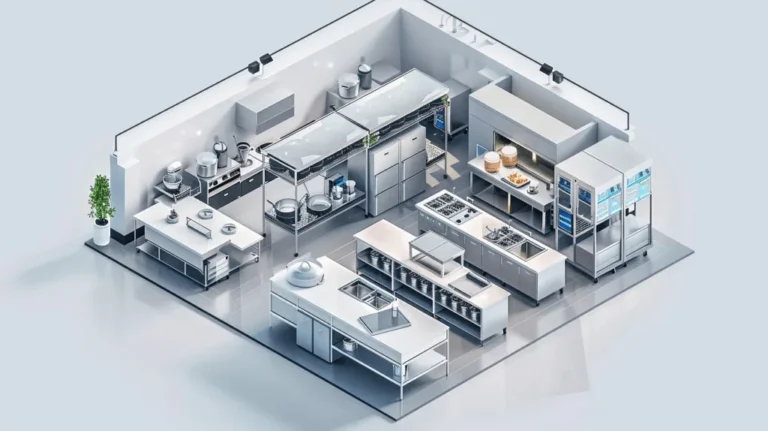
That night, I stood in my tiny kitchen, surrounded by chaos, and thought: There has to be a better way. And there is, but it’s not just about buying space-saving gadgets or decluttering (though those help). It’s about avoiding the sneaky, often-overlooked small kitchen layout mistakes that turn even the most well-intentioned space into a functional nightmare. Over the past few years, I’ve made every mistake in the book, talked to chefs, designers, and home cooks, and even consulted a few commercial kitchen experts (yes, really). Here’s what I’ve learned, the hard way.
This isn’t just another listicle of generic advice. We’re diving deep into the psychology of small kitchens, the ergonomics of movement, and the unwritten rules that separate a kitchen that works from one that drives you insane. By the end, you’ll know exactly what to avoid, how to fix what’s broken, and, most importantly, how to make your small kitchen feel like it was designed for you, not against you.
The Biggest Small Kitchen Layout Mistakes (And How to Fix Them)
1. Ignoring the Work Triangle: The Invisible Blueprint of Kitchen Efficiency
I’ll admit it: When I first heard about the kitchen work triangle, I rolled my eyes. It sounded like some corporate buzzword from a 1950s home economics textbook. But here’s the thing, it’s not just a fad. The work triangle (the imaginary lines connecting your sink, stove, and refrigerator) is the backbone of kitchen efficiency, and ignoring it is like trying to build a house without a foundation. In a small kitchen, a poorly designed triangle doesn’t just slow you down; it turns cooking into an obstacle course.
So, what’s the ideal setup? The general rule is that each leg of the triangle should be between 4 and 9 feet, with the total distance around all three sides adding up to no more than 26 feet. In a small kitchen, you’ll likely be on the shorter end of that spectrum, but the principle holds: If your fridge is on the opposite side of the kitchen from your stove, you’re going to waste time and energy walking back and forth. And if your sink is tucked away in a corner, you’ll be contorting your body to wash dishes or prep veggies.
But here’s where it gets tricky. In a tiny kitchen, you might not have the luxury of a perfect triangle. Maybe your layout is galley-style, or L-shaped, or (god forbid) a single-wall nightmare. That’s okay. The work triangle isn’t a rigid rule, it’s a guideline. The real goal is to minimize unnecessary movement. Ask yourself: How many steps do I take to get from the fridge to the stove? From the stove to the sink? If the answer is “too many,” it’s time to rethink your layout.
One fix I love for cramped spaces? The mini work triangle. If your kitchen is too small for a full triangle, create a compact version by clustering your most-used tools and appliances. For example, keep a cutting board over the sink (yes, it’s safe if it’s stable) and store your knives and prep bowls in a nearby drawer. Suddenly, your prep station is right next to your cooking station, and your sink is within arm’s reach. It’s not perfect, but it’s a game-changer.
2. Overlooking Vertical Space: The Forgotten Frontier
If I had a dollar for every time I’ve seen a small kitchen with empty walls and a countertop buried under appliances, I could afford a down payment on a bigger apartment. Vertical space is the most underutilized real estate in small kitchens, and ignoring it is like leaving money on the table. But here’s the catch: It’s not just about slapping up a few shelves and calling it a day. Done wrong, vertical storage can make your kitchen feel cluttered and claustrophobic. Done right? It’s a revelation.
First, let’s talk about open shelving. I know, I know, it’s trendy, and trendy things often get a bad rap. But hear me out. Open shelves aren’t just for Instagram aesthetics; they’re a functional powerhouse in small kitchens. The key is to use them strategically. Don’t just store random mugs and spices, think about frequency of use. Items you reach for daily (coffee mugs, oils, salt and pepper) should be within easy reach. Less frequently used items (specialty bakeware, holiday dishes) can go higher up or in less accessible spots.
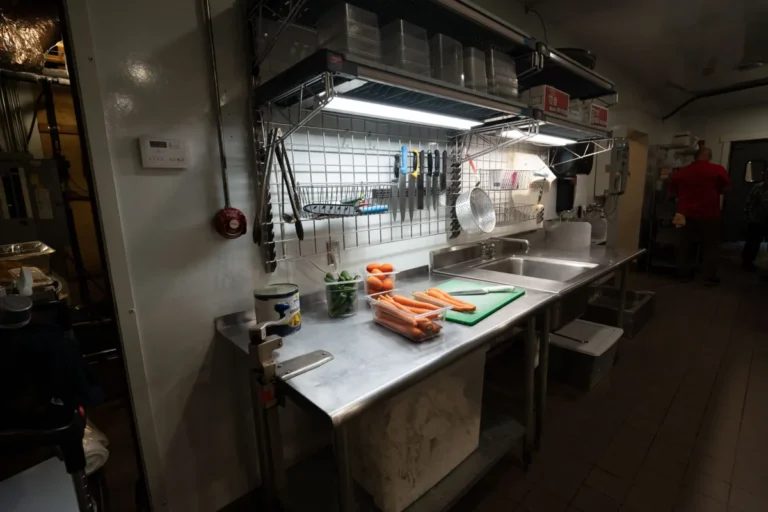
But open shelving isn’t the only option. Wall-mounted racks, pegboards, and magnetic strips can turn dead space into storage goldmines. I’ve seen kitchens where pots and pans hang from the ceiling (yes, really), and it’s not just for looks, it frees up cabinet space and makes cooking faster. One of my favorite tricks? A magnetic knife strip mounted on the wall. It keeps knives sharp, saves counter space, and, let’s be honest, looks pretty badass.
Now, a word of caution: Vertical storage can backfire if you go overboard. Too many shelves or racks can make your kitchen feel like a storage unit, not a place to cook. The goal is intentionality. Before you install anything, ask yourself: Will this make my life easier, or will it just add visual noise? If the answer is the latter, skip it.
3. Underestimating the Power of the “Golden Zone”
Here’s a concept I wish I’d known about years ago: the golden zone. It’s the area between your shoulders and knees, basically, the space where you can reach things without stretching or bending. In a small kitchen, every inch counts, and ignoring the golden zone is like leaving a Ferrari in first gear. You’re not using your space to its full potential.
Think about it: How often do you use the cabinet above your fridge? Probably not often, because it’s a pain to reach. Meanwhile, the cabinet right above your countertop is prime real estate, but it’s often wasted on rarely used items. The golden zone is where you should store your most frequently used tools and ingredients. For me, that’s my chef’s knife, cutting boards, spices, and oils. For you, it might be your coffee maker, favorite mugs, or that weird gadget you use every day but can never find.
So, how do you optimize the golden zone? Start by auditing your storage. Take everything out of your cabinets and drawers, then group items by how often you use them. Daily-use items go in the golden zone. Weekly-use items can go a little higher or lower. Monthly-use items? They can live in the hard-to-reach spots. It sounds tedious, but trust me, it’s worth it. I did this in my kitchen last year, and it cut my cooking time by at least 20%.
Another pro tip: Use drawer dividers and organizers to maximize the golden zone. A deep drawer can hold a lot, but if it’s a jumbled mess, you’ll waste time digging for what you need. Dividers keep things neat and accessible. I use mine to store spices, utensils, and even my most-used pots and pans. It’s like having a custom-built toolbox for your kitchen.
4. Sacrificing Counter Space for Appliances
I get it, appliances are tempting. That sleek air fryer, the multi-cooker that promises to do it all, the espresso machine that makes you feel like a barista. But in a small kitchen, every appliance you add is counter space you lose. And counter space? It’s the lifeblood of cooking. Without it, you’re stuck chopping veggies on a tiny cutting board balanced on your lap (ask me how I know).
Here’s the hard truth: Not every appliance deserves a permanent spot on your counter. Before you buy something new, ask yourself: How often will I use this? Can it be stored elsewhere? Is there a multi-functional alternative? For example, do you really need a toaster and a toaster oven? Probably not. A toaster oven can do everything a toaster can, plus more. Same goes for a blender and a food processor, if you’re not using both regularly, pick one and store the other.
But what if you love your appliances and use them all the time? Fair enough. In that case, think about appliance garages or pull-out shelves. An appliance garage is a cabinet with a roll-up or flip-up door that hides your appliances when they’re not in use. It keeps your counters clear and your kitchen looking tidy. Pull-out shelves work similarly, you can store appliances in a cabinet and pull them out when needed. It’s a small investment that makes a big difference.
And here’s a radical idea: Embrace the “less is more” philosophy. The fewer appliances you have, the more counter space you’ll have. And the more counter space you have, the easier (and more enjoyable) cooking becomes. I’ve started treating my kitchen like a chef’s station, only the essentials stay out, and everything else is stored away. It’s liberating.
5. Neglecting Lighting: The Silent Killer of Small Kitchen Functionality
Lighting is one of those things that’s easy to overlook until you’re squinting at a cutting board at 7 p.m., trying to figure out if that’s a carrot or a sweet potato. In a small kitchen, poor lighting doesn’t just make cooking harder, it makes the space feel smaller, darker, and way less inviting. And yet, most people treat lighting as an afterthought, slapping up a single overhead fixture and calling it a day.
Here’s the thing: Lighting can make or break a small kitchen. Done right, it enhances functionality, creates ambiance, and even makes the space feel larger. Done wrong? It’s like cooking in a cave. So, what’s the secret? Layered lighting. You need three types of lighting in a small kitchen: ambient, task, and accent.
Ambient lighting is your general, overall light. It’s usually a ceiling fixture or recessed lights. In a small kitchen, you want this to be bright but not harsh. A dimmer switch is your best friend here, it lets you adjust the light based on the time of day and what you’re doing.
Task lighting is where things get interesting. This is the lighting that illuminates your work surfaces, countertops, the stove, the sink. Under-cabinet lights are a game-changer for task lighting. They’re affordable, easy to install, and they make a huge difference in functionality. I installed LED strip lights under my cabinets last year, and it’s like I gained an extra hour of daylight every evening. No more shadows, no more squinting, just clear, bright light exactly where I need it.
Accent lighting is the cherry on top. It’s not essential, but it adds personality and depth to your kitchen. Think pendant lights over an island, a small plug-in sconce on the wall, or even string lights for a cozy vibe. In a small kitchen, accent lighting can make the space feel more intentional and less utilitarian.
One last tip: Pay attention to color temperature. Warm white (2700K-3000K) is cozy and inviting, but it can make food look unappetizing. Cool white (3500K-4100K) is brighter and better for task lighting, but it can feel sterile. Daylight (5000K-6500K) is the most accurate, but it can be harsh. For kitchens, I recommend a mix, warm white for ambient lighting and cool white or daylight for task lighting.
6. Forgetting About Workflow: The Invisible Dance of Cooking
Cooking isn’t just about having the right tools, it’s about movement. And in a small kitchen, every step counts. A poorly designed workflow turns cooking into a frustrating game of Twister, where you’re constantly reaching, stretching, and dodging obstacles. I’ve been there, and let me tell you, it’s not fun.
So, what’s the key to a good workflow? Zoning. Your kitchen should be divided into distinct zones based on function: prep, cooking, cleaning, and storage. In a small kitchen, these zones might overlap, but the goal is to keep them as separate as possible. For example, your prep zone (cutting board, knives, bowls) should be close to your cooking zone (stove, pots, pans). Your cleaning zone (sink, dish rack, trash) should be nearby but not in the way.
Here’s how I think about it: Imagine cooking a meal from start to finish. Where do you start? Probably with prep, chopping veggies, measuring ingredients. So, your prep zone should be front and center. Next, you cook. So, your cooking zone should be right next to your prep zone. Then, you clean. So, your sink and dish rack should be within arm’s reach of both. Finally, you store leftovers. So, your fridge should be close by, but not in the way of your workflow.
But what if your kitchen is too small for distinct zones? That’s where multi-functional furniture comes in. A rolling cart, for example, can serve as a prep station, a serving tray, and extra storage. A fold-down table can double as a countertop extension and a dining surface. The key is to think flexibly. Your kitchen doesn’t have to be static, it can adapt to your needs.
One last thing: Don’t forget about traffic flow. In a small kitchen, it’s easy for people to get in each other’s way. If you live with roommates, a partner, or kids, think about how you’ll move around each other. A galley kitchen, for example, works well for one person but can be a nightmare for two. An L-shaped kitchen is more forgiving, as it allows for multiple people to work without bumping into each other.
7. Choosing the Wrong Cabinetry: When Storage Becomes a Nightmare
Cabinets are the unsung heroes of the kitchen. They hold everything, keep things organized, and, when done right, make your life easier. But when done wrong? They’re a black hole of clutter, a source of frustration, and a constant reminder that your kitchen is working against you, not for you.
So, what’s the biggest mistake people make with cabinetry in small kitchens? Prioritizing aesthetics over functionality. Don’t get me wrong, I love a beautiful kitchen as much as the next person. But if your cabinets look great but are impossible to use, what’s the point? In a small kitchen, every cabinet should earn its keep. That means deep drawers instead of deep shelves, pull-out organizers instead of static shelves, and hardware that’s easy to grip.
Let’s start with deep drawers. If you’re designing a small kitchen from scratch, I can’t recommend deep drawers enough. They’re easier to access than deep shelves, they hold more, and they keep things visible. With deep shelves, you’re always digging for that one pot or pan buried in the back. With drawers, everything is right there in front of you. It’s a small change that makes a big difference.
Next, pull-out organizers. These are a game-changer for small kitchens. They turn hard-to-reach corners into usable space, they keep things organized, and they make it easy to see what you have. I’ve seen pull-out spice racks, pull-out trash bins, even pull-out cutting boards. The options are endless, and they’re all worth considering.
And then there’s hardware. It’s easy to overlook, but the right hardware can make your cabinets infinitely more functional. Soft-close hinges, for example, prevent slamming and make your kitchen feel more polished. Full-extension drawer slides make it easy to access everything in your drawers. And easy-to-grip handles or knobs make opening and closing cabinets a breeze. Don’t underestimate the power of good hardware, it’s the little things that make a big difference.
One last tip: Think about visibility. In a small kitchen, it’s easy for things to get lost in the back of a cabinet. To combat this, use clear containers for dry goods, open shelving for frequently used items, and labels for everything else. The goal is to see what you have at a glance, so you’re not wasting time searching for that one spice or ingredient.
8. Skimping on Ventilation: The Silent Killer of Small Kitchens
Ventilation is one of those things that’s easy to ignore, until you’re standing in a cloud of smoke, coughing and waving a dish towel at your smoke detector. In a small kitchen, poor ventilation isn’t just annoying; it’s a health hazard. It fills your space with smoke, grease, and odors, makes cooking unpleasant, and can even damage your cabinets and walls over time. And yet, most people treat ventilation as an afterthought, if they think about it at all.
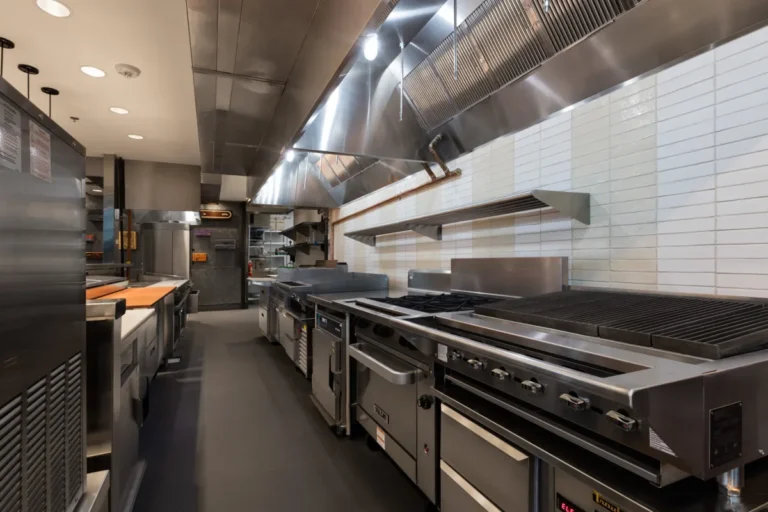
So, what’s the solution? A good range hood. It’s not the sexiest kitchen upgrade, but it’s one of the most important. A range hood removes smoke, steam, and odors from your kitchen, keeping the air clean and your space comfortable. In a small kitchen, it’s a must-have.
But not all range hoods are created equal. Here’s what to look for:
- CFM (Cubic Feet per Minute): This measures how much air the hood can move. For a small kitchen, you’ll want at least 200-400 CFM. If you cook with a lot of smoke or grease (think stir-frying or searing), go for the higher end.
- Size: Your range hood should be at least as wide as your cooktop. If it’s too small, it won’t capture all the smoke and steam.
- Noise Level: Range hoods can be loud. Look for one with a noise level of 60 decibels or less-anything louder and you’ll feel like you’re standing next to a jet engine.
- Ducting: If possible, opt for a ducted range hood (one that vents outside). Ductless hoods (which recirculate air through a filter) are less effective and require more maintenance.
But what if you can’t install a range hood? Maybe you’re renting, or your kitchen layout doesn’t allow for it. In that case, consider a portable range hood or a window fan. These aren’t as effective as a built-in range hood, but they’re better than nothing. You can also use a splatter screen when cooking to reduce smoke and grease, and open windows to improve airflow.
One last thing: Don’t forget about maintenance. Range hoods and filters need to be cleaned regularly to work effectively. Grease and grime can build up over time, reducing airflow and making your hood less effective. Aim to clean your range hood at least once a month, and replace filters as needed.
9. Overlooking the Power of Multi-Functional Furniture
In a small kitchen, every piece of furniture should earn its keep. That means no single-purpose tables, no bulky islands, and no chairs that just take up space. Instead, think multi-functional. A kitchen island that doubles as a dining table. A rolling cart that serves as a prep station, a bar, and extra storage. A fold-down table that disappears when not in use. The possibilities are endless, and the impact is huge.
Let’s start with kitchen islands. In a small kitchen, a traditional island might not be an option, but that doesn’t mean you have to go without. A rolling island or a portable cart can give you the benefits of an island (extra counter space, storage, seating) without the permanent commitment. I have a rolling cart in my kitchen that I use as a prep station, a serving tray, and extra storage. It’s one of the most versatile pieces of furniture I own.
Next, fold-down tables. These are a game-changer for small kitchens. A fold-down table can serve as a dining surface, a prep station, or even a desk. When not in use, it folds up against the wall, freeing up valuable floor space. I’ve seen fold-down tables used as breakfast bars, workstations, and even as a spot for a small herb garden. The key is to choose one that’s sturdy and easy to fold, you don’t want something that’s going to collapse under the weight of a dinner plate.
And then there’s seating. In a small kitchen, every chair should serve a purpose. Bar stools that tuck under the counter when not in use. Benches that double as storage. Even a small loveseat or armchair can work if it’s multi-functional. The goal is to maximize seating without sacrificing space. One of my favorite tricks? A window seat with storage. It provides seating, storage, and a cozy spot to enjoy your morning coffee. Plus, it makes the kitchen feel more inviting.
One last idea: Think vertically. A tall, narrow shelving unit can provide storage without taking up much floor space. A wall-mounted drop-leaf table can serve as a dining surface when needed and disappear when not. The key is to think flexibly. Your furniture should adapt to your needs, not the other way around.
10. Forgetting About Personalization: When Your Kitchen Doesn’t Feel Like You
Here’s the thing about small kitchens: They’re intimate. You’re in close quarters, working with limited space, and every decision, from the layout to the decor, has a big impact. And yet, most people treat their small kitchen like a blank slate, following generic advice without considering what they actually need. The result? A kitchen that’s functional but soulless, efficient but uninspiring.
So, how do you make a small kitchen feel like yours? It starts with personalization. What do you love to cook? What’s your cooking style? What makes you happy? These are the questions you should be asking, not just “What’s the most efficient layout?”
For example, I love baking. I make bread, cookies, and pies on the regular. So, in my small kitchen, I made sure to prioritize counter space for rolling out dough, storage for baking sheets and pans, and a sturdy stand mixer (which, yes, lives on my counter because I use it that often). If you’re a coffee lover, maybe you want a dedicated coffee station with your favorite mugs, beans, and equipment. If you love hosting, maybe you want a bar cart or a wine fridge.
But personalization isn’t just about function, it’s about aesthetics, too. Your kitchen should reflect your style, whether that’s minimalist, rustic, modern, or eclectic. Don’t be afraid to add color, texture, and personality. A bold backsplash, a statement light fixture, or even just a few well-placed plants can make your kitchen feel like you.
One of my favorite ways to personalize a small kitchen? Open shelving with meaningful items. Instead of hiding your favorite dishes or cookbooks in a cabinet, display them. It’s a small change, but it makes your kitchen feel more lived-in and loved. Plus, it’s a great conversation starter when you have guests over.
And here’s the thing: Personalization doesn’t have to be expensive. A few DIY projects, some thrifted finds, and a little creativity can go a long way. Paint your cabinets a bold color. Hang up some artwork. Display your grandmother’s vintage mixing bowls. These small touches make your kitchen feel like home, not just a place to cook.
Final Thoughts: Your Small Kitchen, Your Rules
Let’s be real: Small kitchens are a challenge. They force you to make tough decisions, prioritize what matters, and get creative with your space. But here’s the thing, I’ve come to love my small kitchen. It’s cozy, efficient, and, most importantly, mine. It’s where I’ve burned countless dinners, hosted impromptu dinner parties, and learned to cook things I never thought I could. It’s not perfect, but it’s perfect for me.
So, if you’re standing in your small kitchen right now, feeling overwhelmed, take a deep breath. You don’t have to do everything at once. Start with one change, maybe it’s optimizing your work triangle, or adding under-cabinet lighting, or finally getting rid of that appliance you never use. Small steps add up, and before you know it, your kitchen will start to feel like it was designed for you, not against you.
And remember: The goal isn’t to have a kitchen that looks like it belongs in a magazine. The goal is to have a kitchen that works for you. A kitchen where you can cook without frustration, where everything has its place, and where you actually enjoy spending time. That’s the dream, right?
So, what’s the first change you’re going to make? Maybe it’s something from this list, or maybe it’s something else entirely. Either way, I’d love to hear about it. Drop a comment below, or tag me on social media, I’m always up for a good kitchen transformation story. And who knows? Maybe your small kitchen will be the next one to inspire me.
FAQ: Small Kitchen Layout Mistakes to Avoid
Q: What’s the biggest mistake people make when designing a small kitchen layout?
A: The biggest mistake is ignoring the work triangle-the imaginary lines connecting your sink, stove, and refrigerator. In a small kitchen, a poorly designed triangle turns cooking into an obstacle course. Aim for a total distance of no more than 26 feet between all three points, with each leg between 4 and 9 feet. If your layout doesn’t allow for a perfect triangle, focus on minimizing unnecessary movement. Cluster your most-used tools and appliances to create a mini work triangle instead.
Q: How can I maximize storage in a small kitchen without making it feel cluttered?
A: The key is vertical space and intentional organization. Use open shelving for frequently used items, but avoid overcrowding. Wall-mounted racks, pegboards, and magnetic strips can turn dead space into storage goldmines. For cabinets, opt for deep drawers and pull-out organizers to keep things accessible. And don’t forget the golden zone-the area between your shoulders and knees, where you should store your most-used tools. Finally, declutter regularly. If you haven’t used something in six months, consider donating or storing it elsewhere.
Q: Is it worth investing in custom cabinetry for a small kitchen?
A: It depends on your budget and needs. Custom cabinetry can be a game-changer in a small kitchen because it’s designed to fit your space perfectly. However, it’s also expensive. If custom isn’t an option, look for semi-custom or stock cabinets with smart features like deep drawers, pull-out shelves, and soft-close hinges. The goal is to prioritize functionality over aesthetics. A beautiful cabinet that’s impossible to use is worse than a plain one that works well.
Q: What’s the best way to improve lighting in a small kitchen?
A: Layered lighting is the secret. You need three types: ambient (general lighting, like a ceiling fixture), task (focused lighting for work surfaces, like under-cabinet lights), and accent (decorative lighting, like pendant lights). For small kitchens, under-cabinet LED strip lights are a game-changer, they’re affordable, easy to install, and make a huge difference in functionality. Also, pay attention to color temperature. Warm white (2700K-3000K) is cozy, but cool white (3500K-4100K) or daylight (5000K-6500K) is better for task lighting.
@article{small-kitchen-layout-mistakes-to-avoid-a-chefs-hard-earned-lessons-and-how-to-fix-them,
    title   = {Small Kitchen Layout Mistakes to Avoid: A Chef’s Hard-Earned Lessons (And How to Fix Them)},
    author  = {Chef's icon},
    year    = {2026},
    journal = {Chef's Icon},
    url     = {https://chefsicon.com/small-kitchen-layout-mistakes-to-avoid/}
}